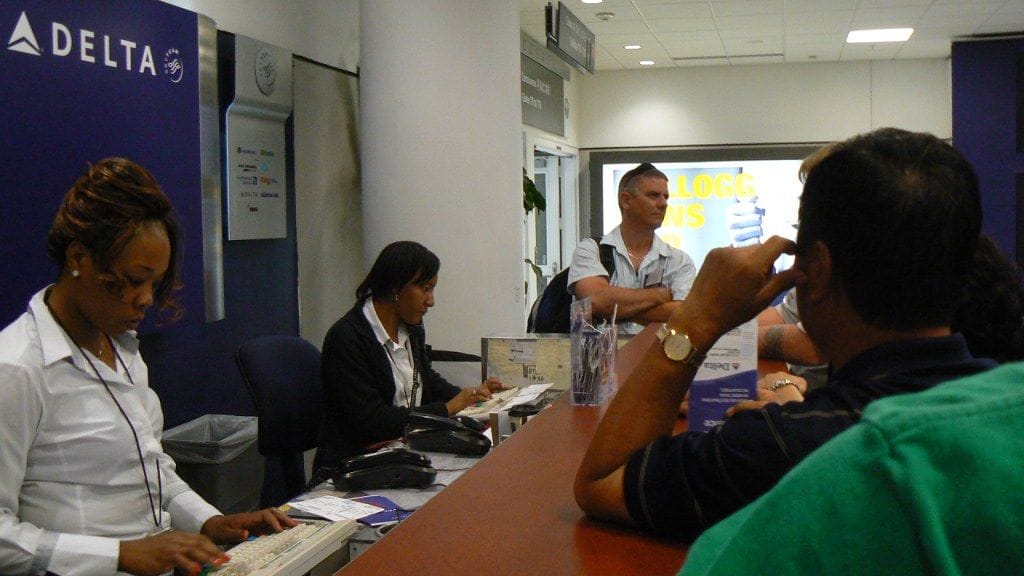
Most people over 60 assume the airport gate is just a waiting room – a place to sit, stress about overhead bin space, and hope their row gets called before the aisle turns into a traffic jam. What they don’t realize is that the person standing at that podium has been quietly watching them since they walked into the gate area, and in many cases has already started pulling strings. The gate agent has far more power to help than anyone volunteers – but airlines aren’t advertising any of it.
There’s an entire layer of accommodations buried inside airline policy and federal law that most seniors walk right past, every single trip. Some of it activates the moment you say the right thing. Some of it activates before you say anything at all. The 13 things below are what gate agents are quietly doing – and knowing about them changes how you fly forever.
#13 – They’re Already Scanning the Gate Area for Passengers Who Might Need Help
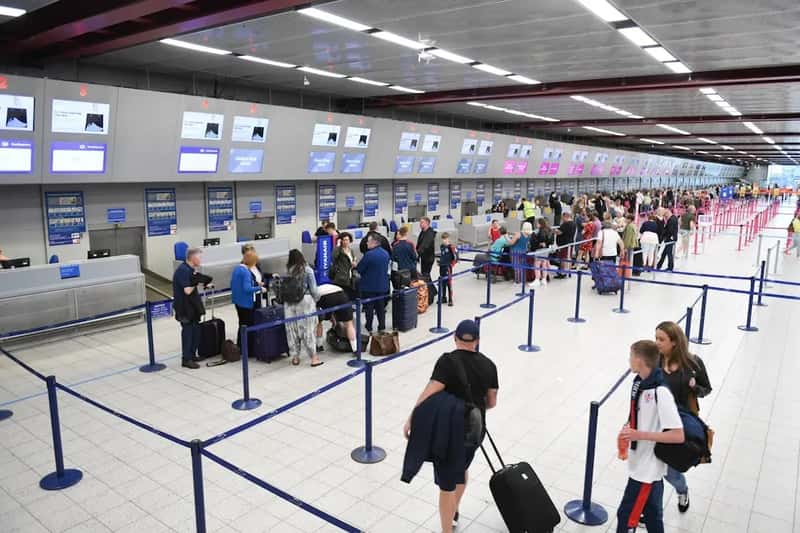
Most people think gate agents only notice you when you walk up to the desk. That’s not how it works. A seasoned agent is constantly reading the room – watching who walks in, how they’re moving, whether anyone is struggling with a bag, and who looks like they need to be on a priority list before boarding even begins. They’re juggling seat assignments, crew issues, and last-minute changes, but the best ones are doing all of it while quietly taking inventory of who’s in that gate area.
Delta Air Lines once required gate agents to make eye contact with anyone within five feet of the podium every five seconds. That culture of active awareness became standard practice at most major carriers. Agents spot mobility challenges, hearing aids, medical equipment, and visible fatigue – and they’re mentally flagging passengers who will need extra time or support well before any announcement is made. Arriving early and sitting near the podium isn’t just good travel habit. It’s the quiet first step to being seen.
Fast Facts
- Gate agents typically begin active gate-area observation 45 to 60 minutes before scheduled departure.
- Sitting within 20 to 30 feet of the podium dramatically increases the chance an agent notices you early.
- Visible mobility aids, medical bags, and hearing devices are among the first things trained agents flag.
- Being seen early puts you on the agent’s mental priority list before the boarding rush even starts.
#12 – They Flag Your Passenger Record With Crew Notes Before You Ever Board
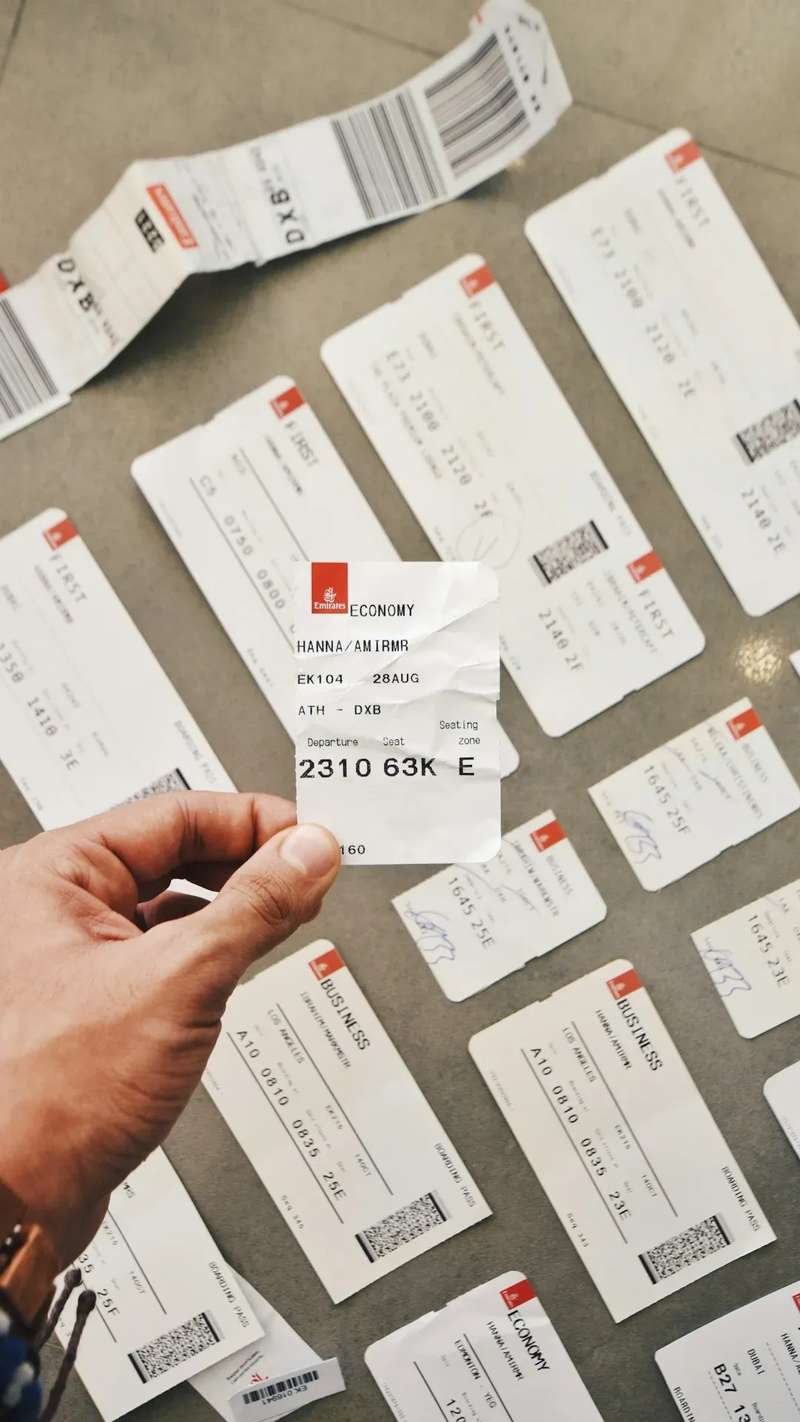
Here’s something almost nobody knows: if you mention a comfort or medical need to a gate agent, that information doesn’t stay at the desk. The agent adds a note to your passenger record – and the flight crew is briefed before you board. That means flight attendants already know to check on you, help with your bag, or bring what you need, without you having to flag anyone down mid-boarding while sixty people are pressing in behind you.
It transforms the boarding experience without requiring any special status or extra money. The catch is timing – if you wait until you’re already onboard, flight attendants are juggling dozens of passengers and it’s easy to get lost in the shuffle. At the gate, one 30-second conversation activates the crew briefing, the pre-board perk, and the passenger record note all at once. Most travelers over 60 never say a word to the gate agent and then wonder why nobody on the plane checked in on them. That single conversation is the difference.
#11 – They Quietly Activate Pre-Board Status Without Making You Ask Twice
Pre-boarding is one of the most underused perks available to travelers over 60, and experienced ones have figured out exactly how to unlock it. Whether you’re traveling with a mobility aid, medical equipment, or simply prefer a slower pace, early boarding is available as long as you self-identify to a gate agent before boarding begins – no doctor’s note required. The key phrase isn’t “Can I board early?” It’s something closer to “I need a little extra time to get settled.” That framing matters more than most people realize.
Ask for “pre-boarding assistance due to mobility needs” and you’ll typically board ahead of even first-class passengers – first dibs on overhead storage, in-flight amenities, and time to settle without a crowd pressing in behind you. Agents who spot an experienced traveler – someone who knows the flow, doesn’t argue, and asks politely – will often activate this proactively or at the very first mention. The chaotic boarding scrum is completely optional for the traveler who knows this. Most just never ask.
Quick Compare
- “Can I board early?” – Generic ask; often triggers a wait-and-see response from the agent.
- “I need a little extra time to get settled.” – Frames a need; almost always activates pre-board without pushback.
- “Pre-boarding assistance due to mobility needs.” – Specific and policy-aligned; boards you ahead of first class.
#10 – They Move You to a Better Seat Using a “Comfort Request” – Not an Upgrade
Asking for an upgrade almost never works. Asking for comfort almost always does. You don’t need elite miles or a premium membership to get a better seat. The moment you say “Can I get an upgrade?” you trigger an automatic no. But say “I have a back support issue – could I be moved somewhere more comfortable if there’s availability?” and everything changes. Gate agents see it as a comfort request, not an upgrade demand, and those are handled completely differently.
Under sensitive traveler policies, staff can reassign you to exit rows, aisle seats, or even premium economy at no charge – and Delta, United, and Alaska Air all quietly apply this. Some carriers even have internal codes agents use to reassign seating for senior comfort. When the gate opens and remaining premium seats get distributed, your name comes up first because you’re already flagged as a priority traveler. Same flight, same ticket – completely different legroom and aisle access, completely free. This is one of the most consequential things experienced travelers know that almost nobody else does.
#9 – They Pull Up Your Behavioral Record – and a Clean History Works in Your Favor
Gate agents don’t just help passengers they notice. They help passengers they remember well. Airlines keep records, and agents can pull up comments tied to your profile at the desk. Experienced travelers over 60 who’ve been consistently calm, polite, and prepared over years of flying often have clean – or even positively flagged – records that quietly work in their favor before they’ve said a single word.
The flip side is equally real: documented disruptive behavior can make you more likely to get bumped from oversold flights or deprioritized during irregular operations. Agents have surprising flexibility in how they prioritize passengers, issue vouchers, and escalate cases to supervisors – and that flexibility naturally flows toward passengers with zero friction in their history. Seasoned travelers who’ve been loyal to the same carrier for decades have effectively built equity with that airline without realizing it. A long record of no problems is a silent asset sitting in your profile right now.
#8 – They Can Let Your Travel Companion Pre-Board With You – at No Extra Cost

Most travelers assume pre-boarding assistance is a solo perk – something you use quietly by yourself while your companion waits in the general boarding line. That assumption costs couples and families a genuinely useful benefit on almost every flight. One gate agent conversation – timed right, framed clearly – handles companion pre-boarding, crew briefing, and passenger record notes simultaneously. If you know to ask, all of it gets activated at once.
The Air Carrier Access Act guarantees priority boarding and escort assistance for passengers with mobility needs, and many airlines go further than the ACAA requires, leaving agents significant room for discretion. An experienced, empathetic agent will often extend early boarding to one travel companion without requiring a separate justification – especially on flights that aren’t full. The companion perk is rarely announced. But it’s almost always available when you ask clearly, early, and before the boarding crowd starts forming at the podium.
Worth Knowing
- The Air Carrier Access Act (ACAA) mandates priority boarding for passengers with mobility needs – your companion is often included at agent discretion.
- Ask for companion boarding before the gate area gets crowded – ideally 30 or more minutes before departure.
- Phrase it as a support need: “My travel partner helps me navigate” lands far better than “Can they board with me?”
- On less-than-full flights, agents have the most flexibility to extend this courtesy without any formal justification.
#7 – They Issue Written Delay Documentation That Protects Your Compensation Rights
When a flight is delayed, most passengers do one of two things: complain loudly or stare at their phones. Experienced travelers over 60 do something smarter – they walk to the desk and ask for documentation. Gate agents can print delay confirmations, provide official time-stamps, or write a brief note on airline letterhead that becomes invaluable evidence when you file for compensation later. Most passengers never ask for any of it, which makes claiming anything afterward far harder.
A 2024 federal rule streamlined refund requirements for certain delays, but additional compensation still depends on each airline – and agents will help if you ask politely, especially during longer delays when the pace at the podium slows down. The printed confirmation is what separates a traveler who eventually gets compensated from one who gets a form letter and a $12 voucher. Gate agents almost never offer this documentation unprompted. But they’ll produce it quickly for anyone who asks with a calm, specific request. The desk during a delay is where real solutions happen – if you show up for them.
#6 – They Flag You for Last-Minute Upgrades When Economy Gets Oversold
Free upgrades don’t fall from the sky – but they do happen when economy class is oversold and there are no more eligible passengers on the standard upgrade list. When that moment hits, gate agents need to move people fast, and the passengers they reach for first are the ones already on their radar: checked in early, flagged for a comfort need, and easy to work with. Being present, calm, and already visible at the gate is the entire strategy.
As of 2024, many carriers have introduced dynamic last-minute upgrade pricing at check-in and at the gate, opening new windows of availability just before departure. But the free version – the involuntary move when economy is overbooked – still happens regularly, and flexibility is the currency that unlocks it. Travelers who signal they’re easy to reroute, not complicated, not demanding, are the ones agents reach for first when they need to solve a seating puzzle under time pressure. You don’t need status for this one. You just need to already be on the agent’s radar.
#5 – They Arrange Electric Cart Access Through the Terminal – Even Without a Wheelchair Request

Those golf cart-style vehicles gliding through airport terminals are one of the most misunderstood perks in U.S. airports. Most travelers assume they’re reserved for passengers in wheelchairs or with serious mobility problems. That assumption costs a lot of senior travelers a lot of unnecessary walking. In reality, gate agents can flag passengers for courtesy cart assistance far more broadly – and they do it all the time for travelers who ask with the right framing.
For travelers over 60 navigating a large hub like Atlanta Hartsfield, Chicago O’Hare, or Dallas-Fort Worth – airports where a connection can mean a full mile of walking – this is not a small thing. It’s the difference between arriving at the next gate relaxed and arriving breathless with a knee that’s been complaining since Denver. Experienced travelers who’ve discovered this don’t walk those terminals anymore. They mention the connection time or any hip or knee discomfort at the desk and let the cart do the work. The ask takes ten seconds. The relief lasts the whole layover.
At a Glance: Biggest U.S. Hub Airports by Walking Distance
- Atlanta Hartsfield-Jackson (ATL) – Up to 1.5 miles between concourses; underground train available but carts are faster gate-to-gate.
- Dallas-Fort Worth (DFW) – Terminal-to-terminal connections can exceed a mile; cart requests at the gate are common and accommodated.
- Chicago O’Hare (ORD) – Long inter-terminal walks, especially between domestic and international; always worth asking at the desk.
- Denver (DEN) – Single concourse layout stretches nearly half a mile end to end; carts operate continuously inside the terminal.
#4 – They Quietly Waive Baggage Fees for Medical Devices and Health Equipment
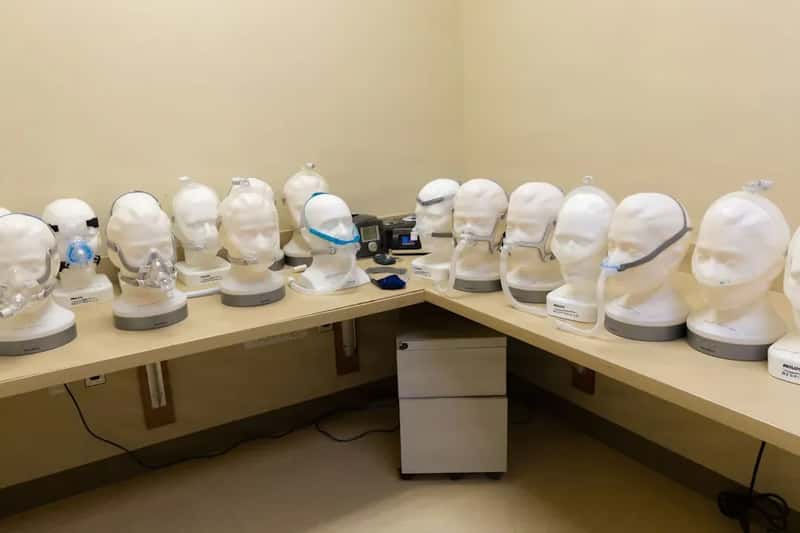
Baggage fees are a significant hidden cost for many travelers over 60 – especially those flying with CPAP machines, portable oxygen concentrators, compression equipment, or other health-related devices. What most people don’t realize is that federal rules and individual airline policies create real exemptions here, and gate agents can apply them on the spot. If you’re traveling with any kind of health device, a medical equipment exemption is one of the most overlooked fee waivers available.
Both the Department of Transportation and the FAA confirm that CPAP machines do not count as carry-on baggage when declared as medical devices – and no fee applies. Most major U.S. airlines explicitly exempt FAA-approved medical devices, including portable oxygen concentrators, from standard baggage fees. A gate agent who is experienced and empathetic will walk you through exactly what applies to your situation – but only if you bring it up. Almost no one does. The travelers who know to ask don’t pay fees that were never meant to apply to them in the first place.
Fast Facts: Medical Device Fee Waivers
- CPAP and BiPAP machines are federally classified as medical devices – not carry-on bags – and travel fee-free on all major U.S. carriers.
- FAA-approved portable oxygen concentrators (POCs) are also exempt; confirm your model is on the current FAA approved list before you fly.
- These exemptions apply regardless of your fare class or elite status – a basic economy ticket does not override them.
- Pack medical devices separately from regular luggage so agents can identify them immediately at the desk.
- Updated FAA medical equipment regulations effective January 15, 2025 reinforced these carry-on exemptions across U.S. airlines.
#3 – They Activate Priority Wheelchair Escort That Skips the Standard Wait
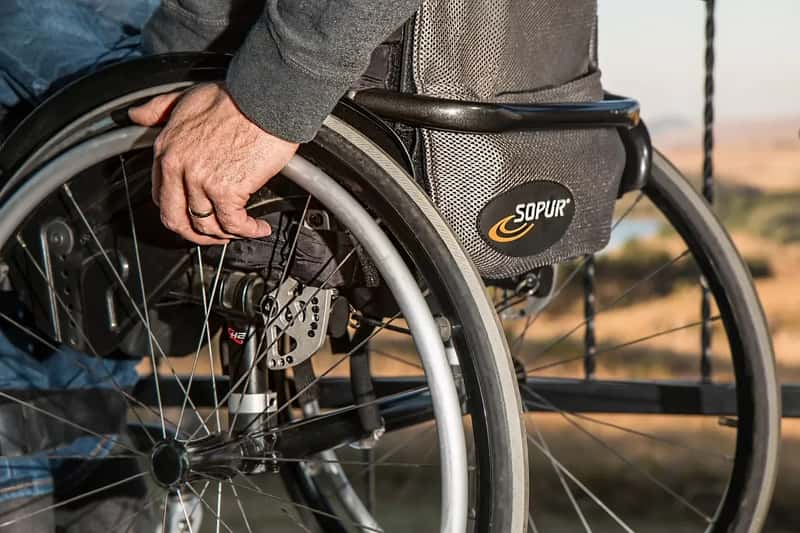
Wheelchair assistance at airports is widely known, but the version experienced travelers over 60 know how to access is a different animal entirely. Standard requests made only at check-in can mean a long wait at a busy hub. But travelers who confirm the request directly with the gate agent – not just at booking – often get a faster, more seamless escort. That second mention reactivates the priority flag for that specific departure in a way the original booking note doesn’t always guarantee.
Even if you don’t typically need a wheelchair, requesting one can unlock VIP-style airport access: met at the curb, escorted past check-in, priority TSA screening, and guidance straight to your gate – all at no charge. In December 2024, the DOT issued a landmark final rule significantly expanding airline obligations for wheelchair assistance, which took effect January 16, 2025, and the DOT began active enforcement on August 1, 2025. Airlines are now under stronger legal obligation than ever to deliver this assistance promptly and with dignity. The experienced traveler confirms it at the gate. That’s the step most people skip.
#2 – They Quietly Rebook You on a Better Connection Before the Board Even Shows a Delay
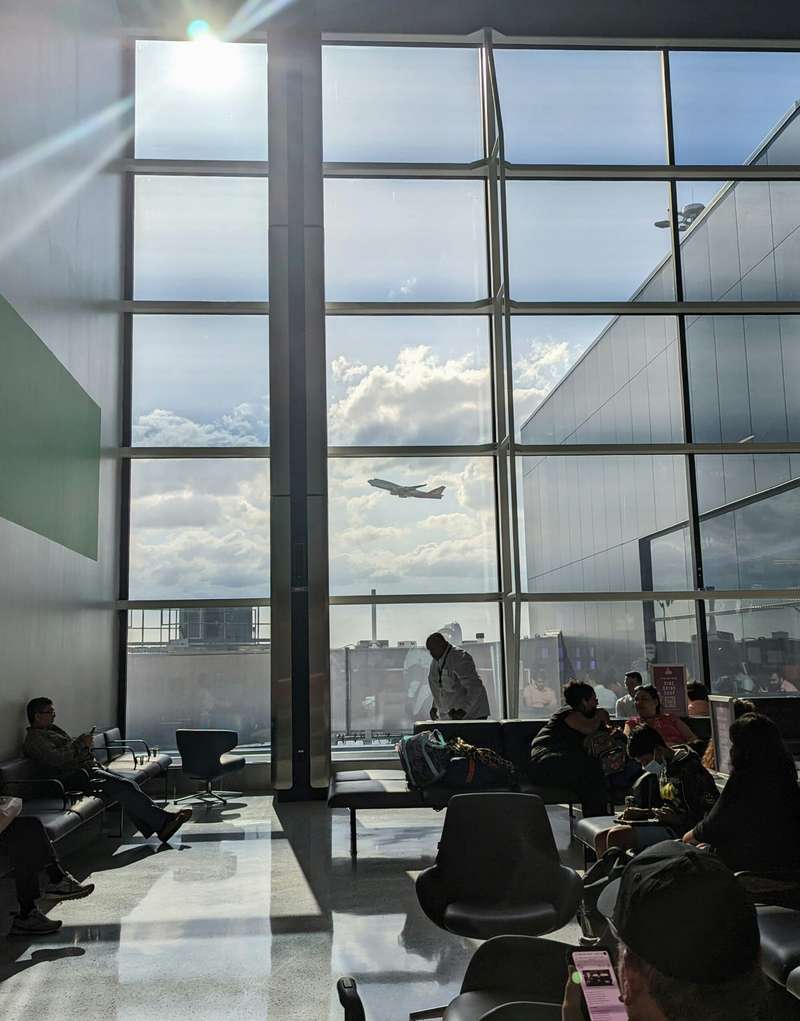
This is the real insider move – the one that separates travelers who’ve been flying smart for decades from everyone else. Gate agents have access to rebooking tools and see incoming delay and cancellation data before it hits the departure board or the airline app. The window between when they know and when everyone else finds out is narrow – but it’s real, and it’s exactly when proactive rebooking happens. The key is being at the desk early and asking about your connection in a calm, non-confrontational way.
Experienced travelers over 60 who approach the desk early – with their travel details ready, nothing unresolved, and zero drama – often get quietly rerouted onto better connections before the gate officially announces a problem. Agents have surprising flexibility in how they prioritize passengers and escalate cases to supervisors, and that flexibility flows naturally toward the passenger who is already standing there, relaxed and ready. Everyone else joins a line that forms the moment the board updates. The traveler at the desk before that happens is already holding a new boarding pass.
At a Glance: How to Position for a Proactive Rebook
- Arrive at the gate podium at least 40 minutes before departure – well before any delay is announced publicly.
- Have your full itinerary and confirmation number ready so the agent can pull your record in seconds.
- Ask calmly: “I have a tight connection – any concerns with the inbound aircraft?” This signals awareness without creating friction.
- Stay near the desk after the conversation; agents will find you first if rebooking options open up.
#1 – They Treat You as a Priority Traveler the Moment You Ask One Simple, Specific Question
Everything on this list comes down to one core shift – and experienced travelers over 60 have cracked it. Gate agents have enormous discretionary power, but none of these accommodations are marketed. None are announced. They’re quiet policies, legal requirements, and staff-discretionary benefits that most seniors walk right past, every single trip. The traveler who simply asks – calmly, specifically, and before the boarding rush – enters an entirely different tier of service than the one who stays in their seat and waits.
The most effective version of that ask is specific and framed around a need rather than a demand. “I need a little extra time” lands differently than “I want to board first.” “I have some discomfort in long seats” lands differently than “Can I get upgraded?” The experienced traveler over 60 who walks up to that podium with a clear, calm, specific request – for extra time, a comfort seat, a crew note, a cart, or a connection check – doesn’t just get help. They get prioritized. It costs nothing. It requires no status, no membership, no miles. And it was always available. Most people just never asked.
The gap between an exhausting flight and a genuinely comfortable one often has nothing to do with the ticket price and everything to do with what happens at that gate podium in the 20 minutes before boarding. Gate agents are trained, empowered, and – when treated with basic respect – genuinely willing to do far more than most passengers ever realize. The 13 things on this list are real, available at most major U.S. airports right now, and almost entirely invisible to travelers who don’t know to look for them. The experienced traveler over 60 who’s figured this out boards first, sits better, gets checked on by the crew, and lands without having fought a single battle at the gate. Know a gate agent move that’s changed how you fly? Drop it in the comments.