Most Americans land in Europe prepared for the language gap and the jet lag. What catches them off guard is small and practical: a bill that already includes the tip, a ticket that needs stamping, a supermarket that is locked on Sunday. None of these are secrets, yet they trip up first-time visitors again and again.
Here are eleven everyday habits that locals barely think about but that leave many American travelers puzzled. Customs vary a lot between countries, so treat these as patterns rather than universal rules. A little preparation turns most of them from irritations into easy adjustments.
1. Rounding Up Instead of Tipping a Percentage
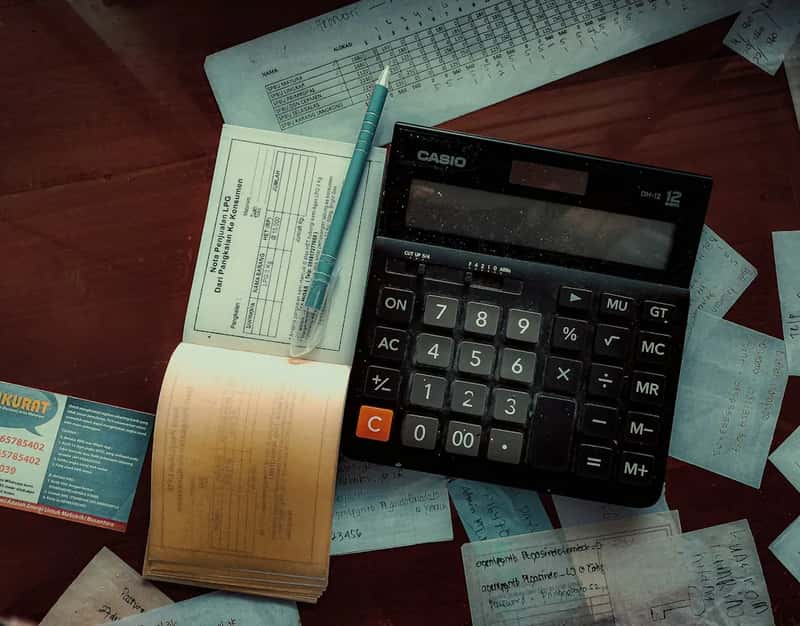
In the United States, a restaurant tip of around 20 percent is widely treated as the baseline. Across much of Europe, the logic is different. Tipping there is optional and modest, not a fixed percentage, because staff are paid a proper wage.[1] Most locals simply round up the bill or leave a few coins.[1]
One European tipping guide suggests that 5 to 10 percent is generous in most countries, while 15 percent or more is unusual.[2] It gives a simple example: on a €17.40 bill, leaving €20 is a normal tip.[2] Tipping more isn’t offensive, but it can feel strange to the server, and it rarely changes the experience.
2. Finding a Service Charge Already on the Bill
Many Americans are startled when the total at a European restaurant is higher than the menu prices suggest. Some places add a service charge automatically. In the UK, for example, restaurants often add a discretionary service charge of around 12.5 percent, and you can ask for it to be removed if the service was poor.[1]
Elsewhere the same idea appears under local names. Look for terms like “service charge,” “service compris,” “servizio incluso,” or “Bedienung inbegriffen,” which all indicate that service is already included.[3] Check the bill first, because adding a full tip on top means you’ve effectively tipped twice.
3. Paying a Cover Charge for the Table

Italy adds another twist. Many Italian restaurants charge a coperto, a cover charge of roughly €1.50 to €3 per person for bread and table setup.[3] To an American, it can look like a hidden fee for bread you never ordered.
It helps to know what it isn’t. The coperto is not a service charge.[3] It usually appears on the menu or the bill as its own line, and it’s a normal part of dining out there, particularly in busier tourist areas. If you spot it, you don’t need to argue. Just budget for it.
4. Paying to Use a Public Toilet
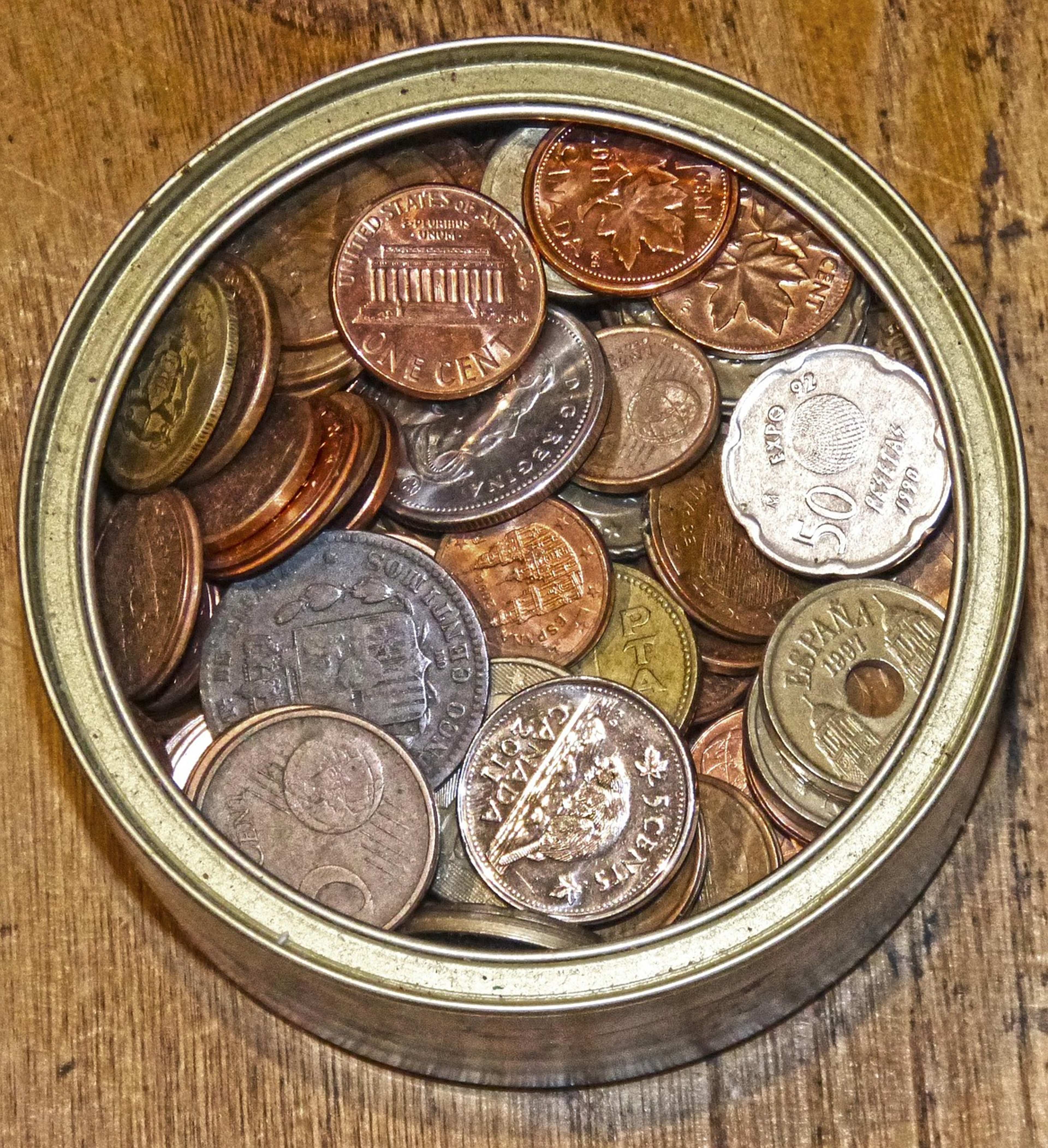
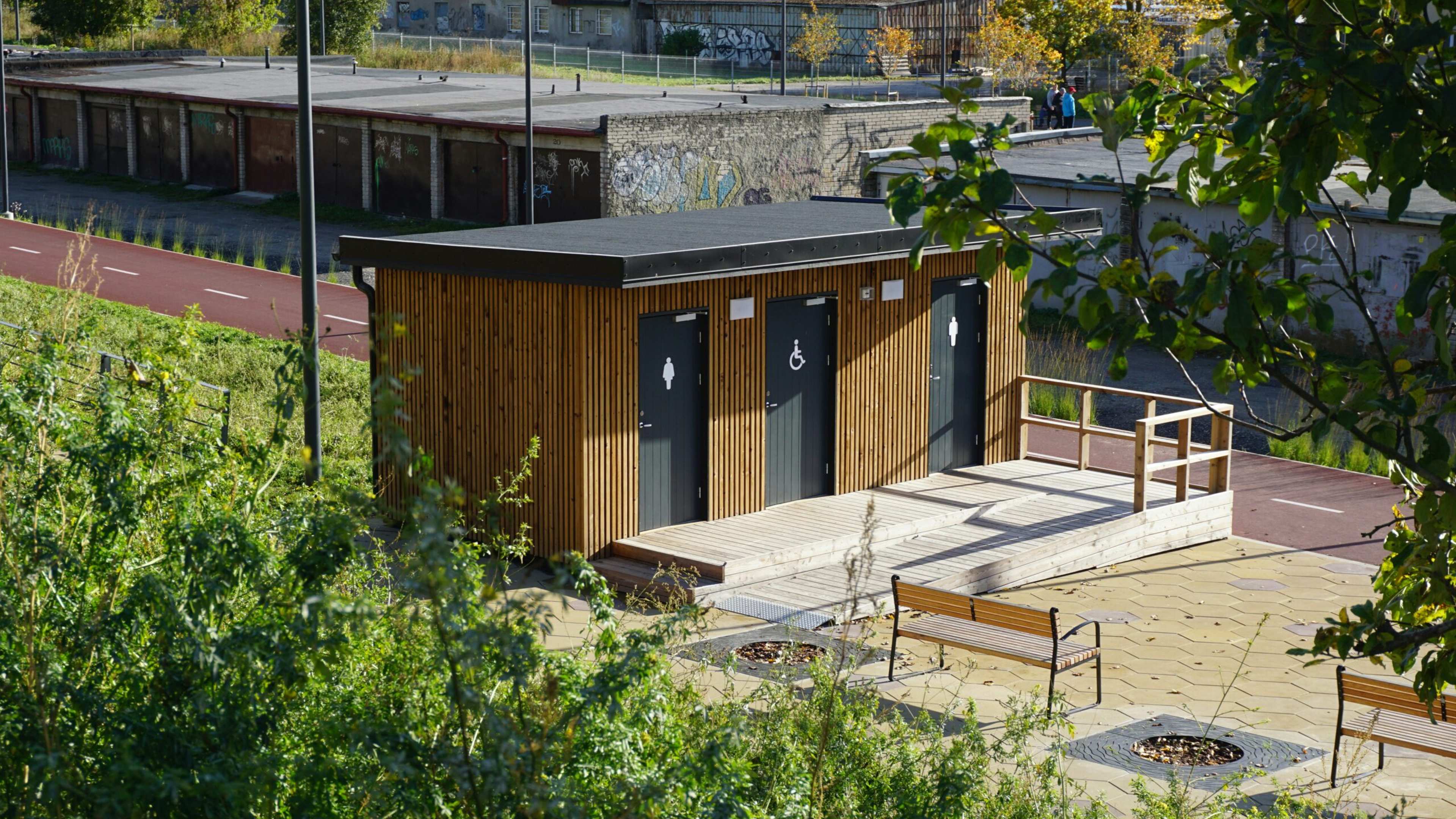
Few surprises irritate Americans as reliably as being asked for coins at a restroom turnstile. The going rate at most paid public facilities across Europe falls between €0.50 and €1.00.[4] In Germany, many major station restrooms are run by private companies, with entry fees typically around one euro.[4] Some Swiss train stations charge between CHF 1.00 and 1.50.[4]
The reasoning is simple. Many public restrooms there aren’t subsidized by local governments. Private operators cover cleaning and maintenance through entrance fees.[4] Carry a few small coins. For self-cleaning street toilets, it’s recommended to pay in exact change.[5]
5. Validating a Ticket After You’ve Already Bought It
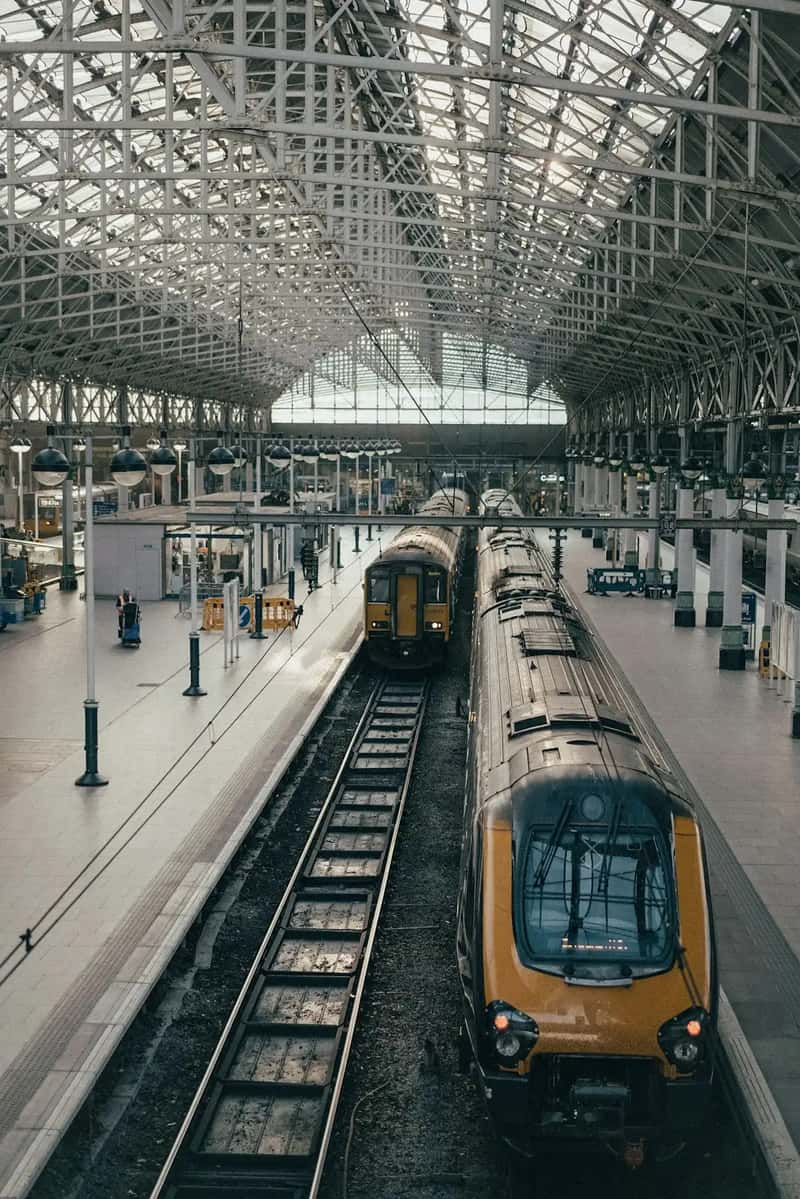
In the US, buying a ticket usually means you’re done. In parts of Europe, you may still have a step to complete. In Italy, Trenitalia says a paper regional ticket must be validated before departure.[6] The current Digital Regional Ticket works differently and is validated automatically at the scheduled departure time.[6]
The stakes are real. An unvalidated ticket can be considered invalid during an inspection.[6] The habit isn’t limited to Italy either, since Berlin also requires validation for many paper BVG tickets.[6] If you’re unsure, look for a small machine on the platform or check the ticket’s instructions before boarding.
6. Shopping Around Closed Sundays
Americans are used to buying groceries or pharmacy items at nearly any hour. Germany works differently. The Ladenschlussgesetz, or Shop Closing Law, compels retail stores to close on Sundays and Christian holidays.[7] Most supermarkets, fashion stores, electronics shops, and pharmacies are closed all day Sunday in Berlin.[8]
The workarounds are good, though. The law applies to retail food shops, not hospitality, so restaurants, bakeries, and cafés can open on Sundays.[9] Shops in major train stations and airports are exempt, and full supermarkets can legally open every day of the year inside train stations.[10] The simplest strategy is to stock up on Saturday.
7. Expecting Museums to Close on a Monday

A major museum closing on one weekday can feel odd to visitors used to seven-day schedules. Travelers in online forums regularly note that it isn’t uncommon for museums in Europe to be closed on a Monday.[11] That’s a traveler observation rather than a continent-wide rule, and policies differ by country, city, and institution.
The practical lesson is to check opening days before you build an itinerary. A museum that’s open on Tuesday might be shut on Monday, or the reverse. Official websites are the most reliable source, and a quick look can save you a wasted trip across town.
8. Eating Dinner Later Than You’re Used To
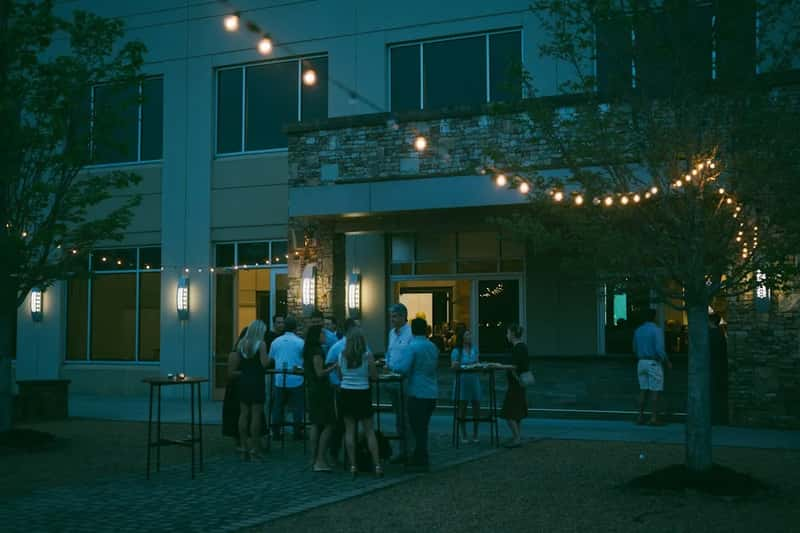
In the US, many people sit down to dinner in the early evening. In parts of southern Europe, Spain especially, the evening meal tends to start noticeably later, and restaurants often fill up well after Americans would normally be finished. Exact times vary by region, season, and type of restaurant, so this is a tendency rather than a rule.
Arriving at an empty dining room or finding a kitchen not yet open can be confusing. The usual fix is flexibility. You can have a late lunch, snack on tapas or small plates earlier, or simply check a restaurant’s posted hours before you go.
9. Reading Times on a 24-Hour Clock
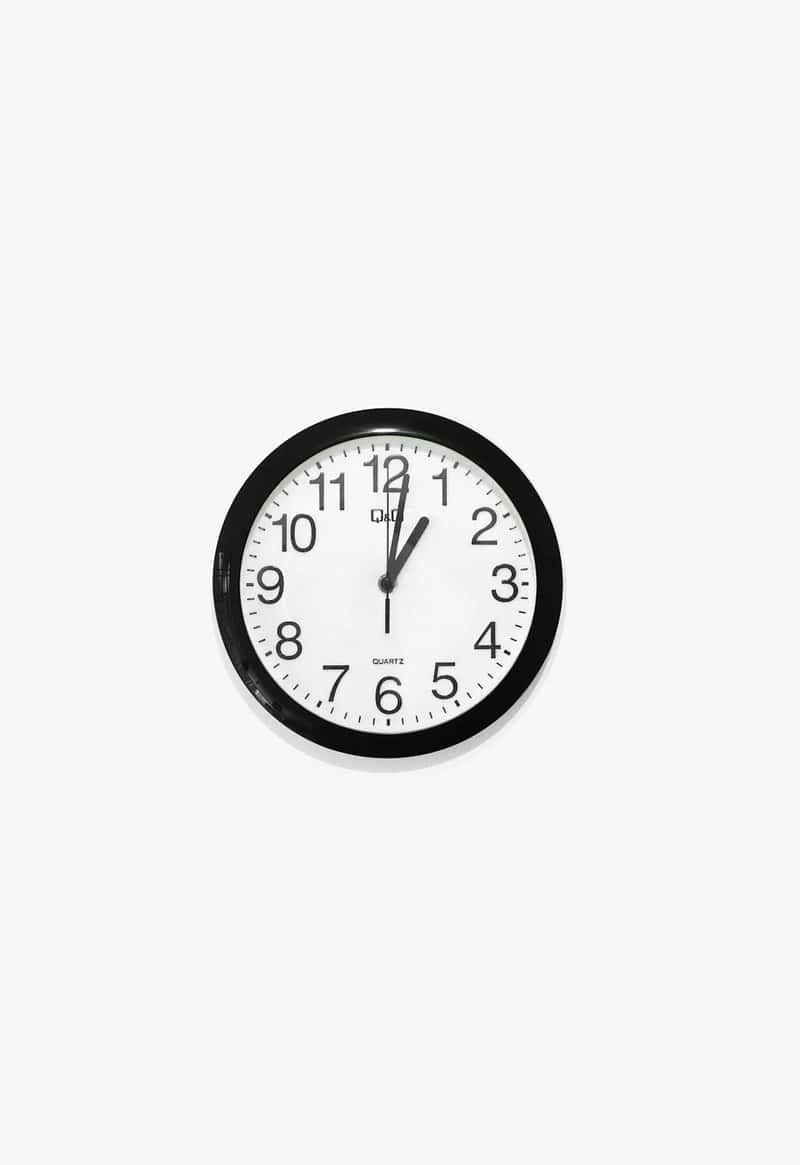
Train timetables, ticket machines, and opening hours in much of Europe commonly use the 24-hour clock. A departure at 17:45 is simply 5:45 in the evening, but at a glance it can slow down an American who isn’t used to the format. It’s an easy thing to misread when you’re rushing for a connection.
A quick mental trick is to subtract 12 from any number above 12. Checking your ticket twice, and keeping your phone’s clock format in mind, can prevent a missed train. After a day or two, most travelers find it stops feeling unusual.
10. Counting Your Days in the Schengen Area
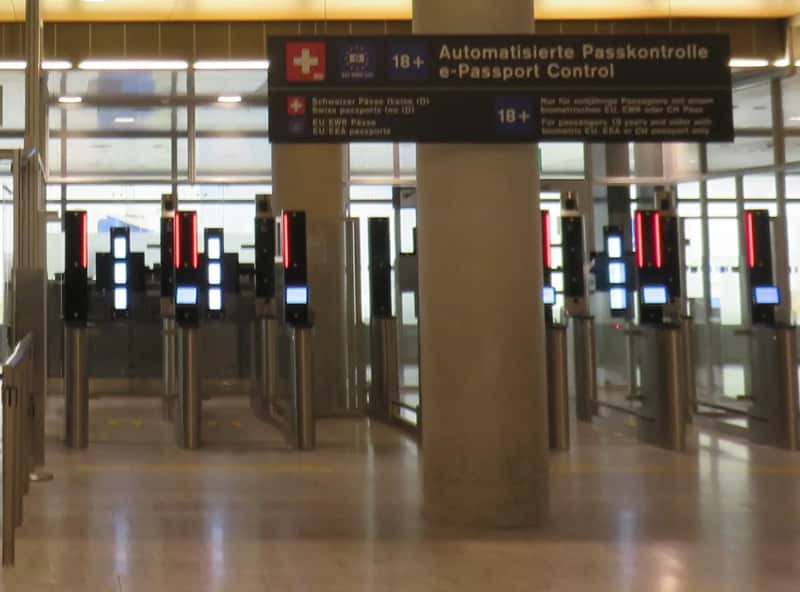
Europeans move between Schengen countries with little thought about borders. Americans, as non-EU visitors, get a very different experience. The Entry/Exit System is a European database in which member states record the data of non-EU nationals crossing the Schengen external borders.[12] It has been fully operational across all Schengen countries since 10 April 2026.[13] It replaced passport stamps with a biometric record of every entry and exit and works out overstays automatically.[14]
Rollout hasn’t been entirely smooth, since the system faced significant queue issues at major airports in summer 2026.[15] A separate travel authorization called ETIAS is also planned. As of the latest reports, the EU removed its last quarter of 2026 target from the official ETIAS website in July 2026, and a 2027 start is widely expected.[16] Check the European Commission’s official pages before you travel, because the timeline has shifted more than once.
11. Waiting for the Check Instead of Getting It Automatically
At an American restaurant, the check often arrives while you’re still finishing dessert. In much of Europe, servers generally leave you to linger, and the bill typically doesn’t appear until you ask for it. That’s a widely recognized dining custom, though pace and style differ between countries and types of restaurants. It isn’t bad service. It’s meant to be a courtesy.
Many Americans sit waiting, assuming they’ve been forgotten. A small gesture to catch the server’s eye, or a polite request for the bill, is usually all it takes. Once you know the rhythm, a long, unhurried meal can become one of the best parts of the trip.
None of these habits are strange once you understand the reasoning behind them. Europe tends to pay service workers a regular wage, charge users directly for some public services, protect rest days by law, and let meals take their time. Most of the confusion fades after a day or two on the ground.
A little curiosity goes a long way. Check the bill, carry some coins, stamp the ticket, and stock up on Saturday, and you’ll spend far less of your trip puzzled and far more of it enjoying the place.