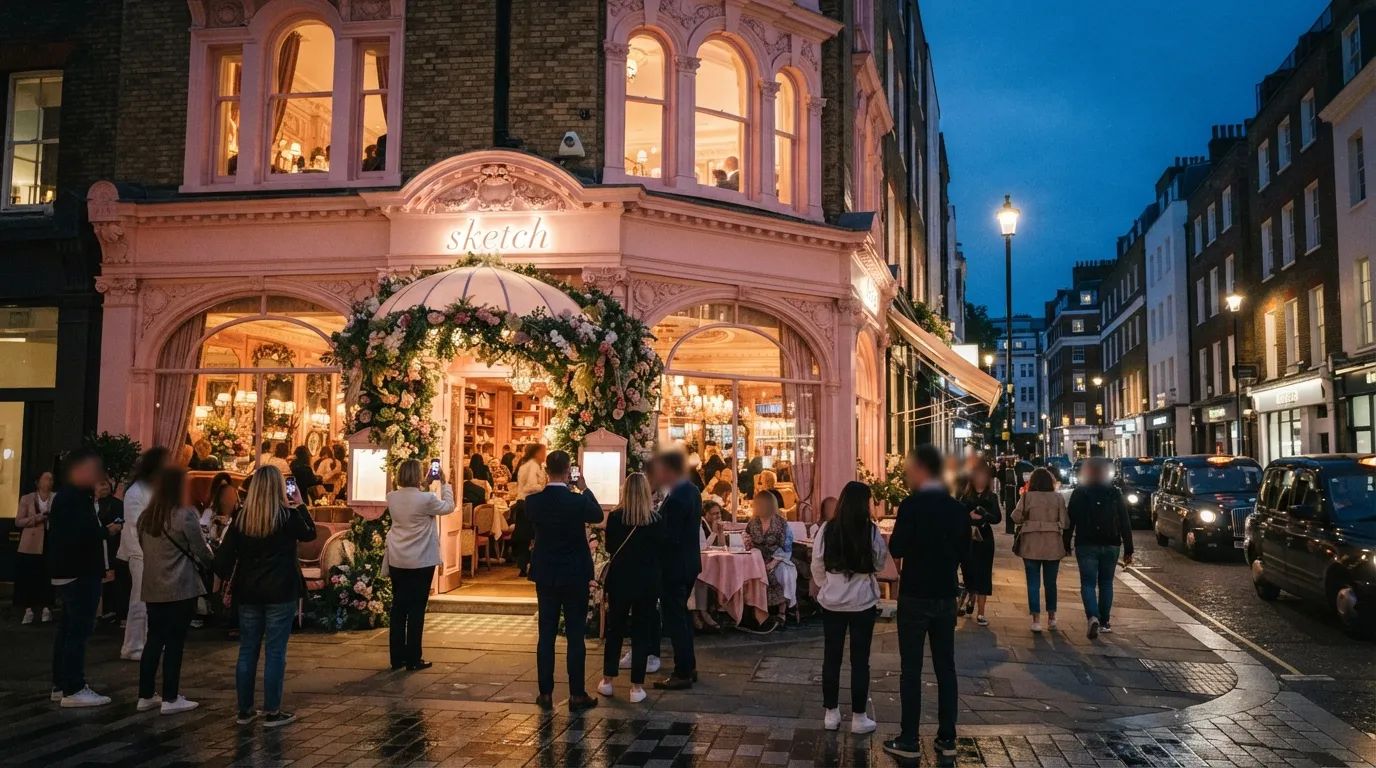
You thought you were just asking for a dinner table. Behind the desk, the concierge may already be reading you like a menu. Insiders describe that first restaurant request, especially one made early in your stay, as a surprisingly loud signal about your planning style, your priorities, and how the rest of the trip is likely to go.
None of this is mind reading, and none of it comes from a secret handbook. It’s pattern-spotting built from years of small requests, and some of the patterns are not what you’d expect. The countdown starts with a signal you’ve probably sent without a second thought.
#13 – Ask Days Ahead and You’ve Already Been Filed as a Planner
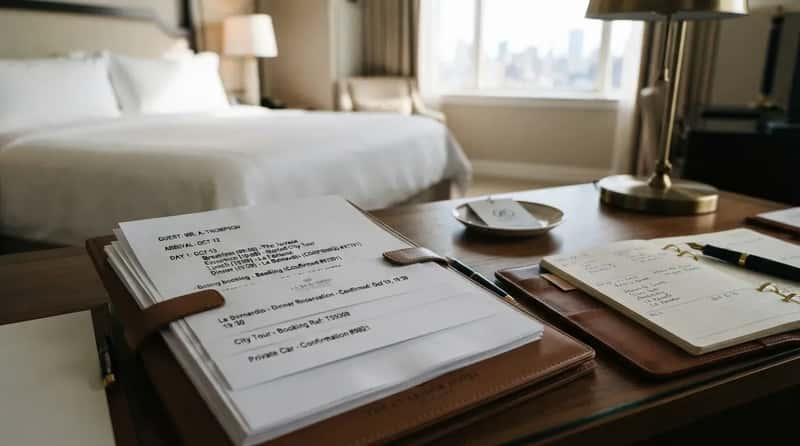
Send that dinner request a week before arrival and you’ve been labeled before you’ve set down a suitcase. Resort-concierge commentary describes the guest who emails about cabana availability a week out as mentally filed under “planner.” The guest who wants a 5:45 sunset table on a Saturday tends to land in the spontaneity-first pile.
The label isn’t an insult, but it changes what you get back. Planners tend to receive itineraries and confirmation numbers. Spontaneous guests get flexible suggestions with backup options built in. Two guests at the same desk can get two completely different styles of service, decided mostly by when they ask. The calendar speaks before you do.
- Early request: expect a structured plan.
- Late request: expect options and fallbacks.
And that’s only the calendar. Wait until you see what the word “dinner” gives away at #12…
#12 – Lead With “Dinner” and They Know Food Is the Point of This Trip
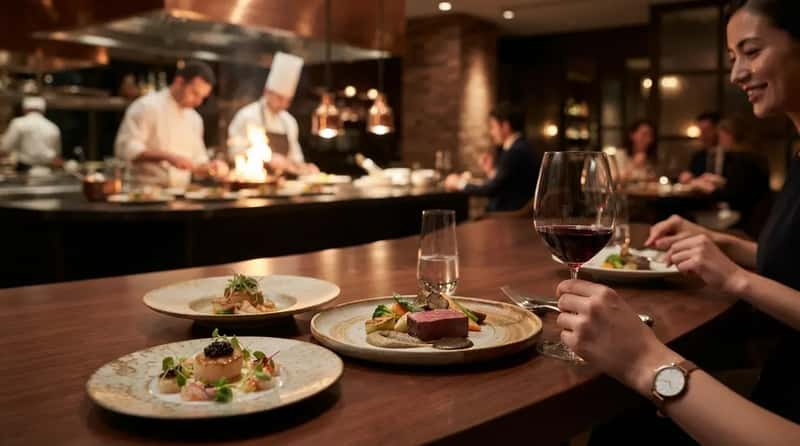
Your opening request works like a personality test you didn’t know you were taking. Concierges use that first ask to guess what else you’ll need during your stay. A restaurant request tells them a lot, and it tells them fast.
One resort-focused breakdown puts it bluntly: dinner reservations signal that food is the centerpiece of the trip, while a first question about Wi-Fi suggests a working vacation. So a concierge who hears “dinner” first may lead with market tours, tasting menus, and chef’s-counter seats. The first thing you ask for can steer which side of the city they show you. Ask about the spa or the kids’ club first, and you get a different version of the same hotel.
Quick Compare
- Dinner first: market tours, tasting menus, chef’s-counter seats.
- Wi-Fi first: a working-vacation read, with quick and reliable picks.
- Spa first: slower, restful plans.
- Kids’ club first: family-friendly timing and short waits.
Now for a request that changes where you’ll be sent, and where you won’t, at #11…
#11 – Mention an Allergy Early and They Know Exactly Where Not to Send You

Flagging a dietary need at booking time is one of the most useful things a guest can do. Concierges say the stress is avoidable if you raise it when the reservation is made, because a heads-up lets the kitchen plan instead of improvise. It also tells the concierge you’re careful, and that you’d rather solve problems before they reach the table.
There’s a second payoff. A concierge can steer you away from places that handle restrictions poorly and toward ones that do it well. Some restaurants can prepare a safe dish ahead of time, and others will honestly say they can’t. Hearing “we can’t” before you arrive is far better than discovering it after you’re seated.
But what you type in the “notes” box may say even more, as we found at #10…
#10 – The Occasion You Hint At Becomes a Silent Signal to the Restaurant
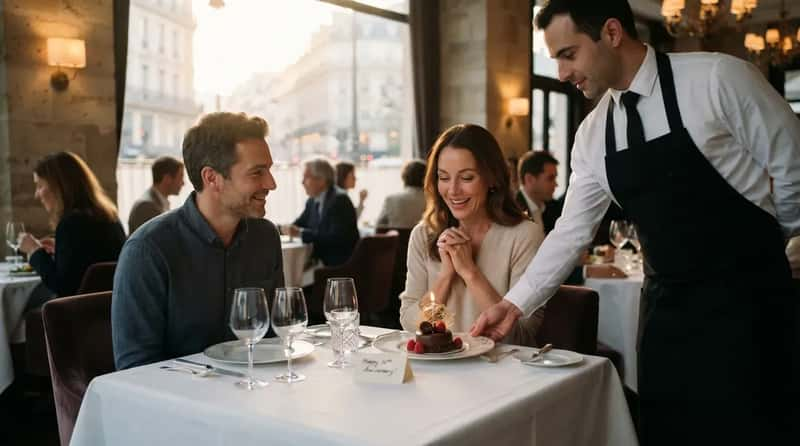
A one-line mention of an anniversary or a milestone birthday does more than you’d think. Booking tools like Resy let a concierge add a special-request note, and the restaurant can see it when it reviews the reservation. That note can be the difference between a generic table and a staff that’s quietly expecting you.
Concierges also notice who bothers to share the reason. A guest who explains the dinner gets a concierge who plans around it, with a calmer corner, the right time slot, and a heads-up to the host. The restaurant can know your reason for dining before you’ve walked through the door. Say nothing, and you get the standard treatment.
- Share the occasion, not just the party size.
- Mention any preference for a quiet table.
Still, the way you phrase the question matters more than you’d guess, and #9 shows why…
#9 – “What Should We Do Around Here?” Gives You Away Instantly

It’s one of the questions concierges hear most, and it tells them very little. It marks you as a wing-it traveler, which is perfectly fine, but it hands the concierge a blank canvas instead of a brief. “The best restaurant in town” does the same thing, because “best” means something different to everyone. A vague request gets a vague answer.
Now compare that with a guest who asks for a quiet snorkeling spot for a nervous swimmer, before the afternoon wind picks up. Specific questions signal homework and respect for local expertise, and those guests tend to get the insider recommendations. The more detail in your request, the better the table you tend to be offered.
Worth Knowing
- A vague ask hands the concierge a blank canvas.
- A specific ask gets a tailored pick.
- Useful details: who’s coming, the mood, the budget, the timing.
- “Best” means something different to everyone, so define it.
There’s one question that flips the whole mood of the conversation, and it’s waiting at #8…
#8 – Ask Where the Concierge Eats and You Become Someone Who Wants the Real Thing

Instead of asking for “the best restaurant,” travel advice suggests asking where the concierge likes to eat, relax, or spend time off. It signals that you want a local’s answer, not a tourist’s. The tone of the conversation often softens right there.
Hilton Grand Vacations also recommends asking concierge or front-desk staff about the places they personally enjoy. A specific, personal question can lead to a more useful answer than a generic list of tourist favorites. You’re asking for a recommendation they’d actually stand behind.
Next comes a signal that decides how stressful your night will be, at #7…
#7 – Ask on Arrival Day and They Know You Understand How Hard Tables Get

The most common concierge regret may also be the simplest. Popular restaurants fill up well before dinner, and a concierge can only work with what’s left. A guest who asks right away has already dodged the biggest mistake.
Some of the hardest tables in town are gone long before most guests think to ask. A request on arrival day gives the concierge room to negotiate and line up backups. You gave them time, which is the one thing they can’t create.
It also shows you might say yes to a Plan B. Concierges quietly value guests who ask for a first choice and a backup in the same breath, because that’s the guest who ends up happy.
At a Glance
- Popular tables fill well before dinner.
- A concierge can only work with what’s left.
- Arrival-day asks leave room to negotiate.
- A first choice plus a backup is the happiest combo.
The next signal is a little more controversial, and it’s about the restaurant you picked, at #6…
#6 – Name the Famous Spot and They Hear “Chasing the Hype”
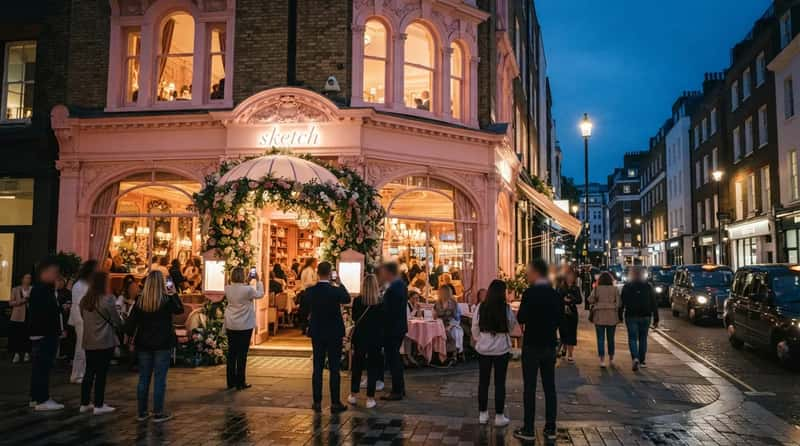
Name the restaurant everyone has seen on social media, and the concierge learns something about you. You probably want the story as much as the meal. That isn’t wrong, but it changes the advice you’ll get.
Many travelers treat the famous table as a must-do, while some locals argue it’s the most overrated item on the trip. A concierge can often offer a neighborhood alternative that’s easier to book and less crowded. Many will quietly suggest a lesser-known option if they sense you’re open to it.
- Famous name: they’ll try, but may line up an alternative.
- Open to suggestions: you may be steered somewhere special.
And then there’s the request that can turn a favor into something closer to a friendship, at #5…
#5 – Ask for an Introduction to the Maître d’ and You Sound Like a Regular
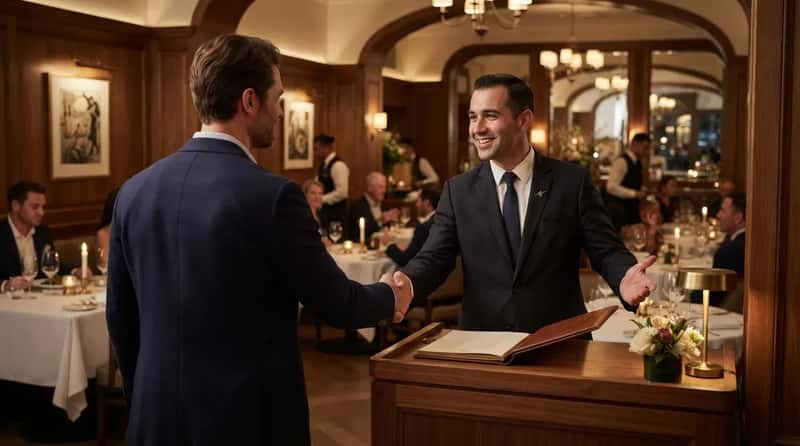
This is the request that separates tourists from repeat guests. Instead of stopping at “Can you get us a table?”, the advice is to ask whether the concierge can make an introduction to the maître d’. It tells the concierge you see the people behind the booking, not just the booking itself.
Anthony Fabiano, hotel manager of the Waldorf Astoria Orlando, recommends this approach. He notes that a concierge with strong local restaurant relationships can add useful context and make the meal feel more personal. You’re borrowing a relationship the concierge has spent years building.
Now for the quiet prediction concierges make about your second and third requests, at #4…
#4 – Your Second and Third Requests Are Already Being Lined Up
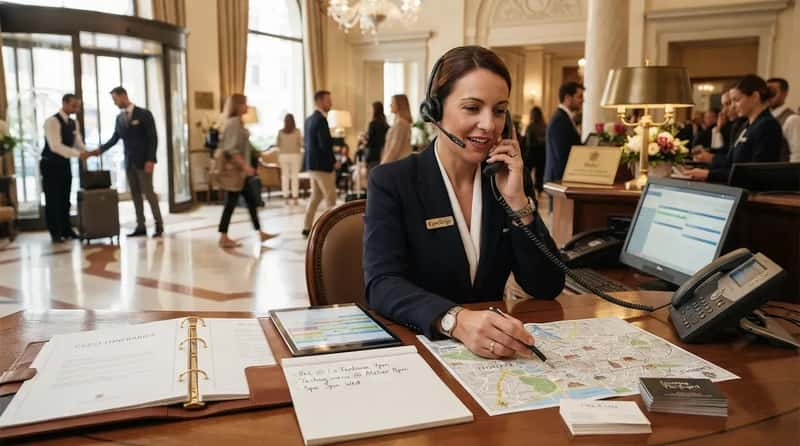
A restaurant request works like a weather report for the next few days. It’s less about the dinner itself than about the traveler asking. Concierges read it and start guessing what’s coming next.
Foodies tend to ask about markets and chef’s tables. Couples lean toward sunset views and quiet corners. Families usually want kid-friendly timing and short waits. Concierges don’t announce it, but many are already lining up your next move before you’ve thought of it.
- Food-first travelers: reservations and tastings.
- Relaxation-first travelers: calm, flexible plans.
- Work-trip travelers: speed and reliability.
Speaking of work trips, one small detail in your request can give away the whole purpose of your visit at #3…
#3 – A Quiet Table for Eight Tells Them This Isn’t a Vacation
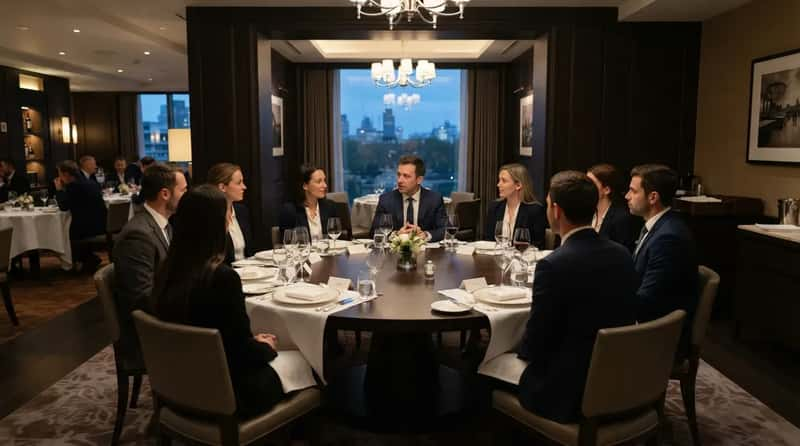
The details attached to your request matter as much as the request itself. Ask for a quiet room with space for a group, and a concierge hears a business trip. The party size, the time, and the noise level give it away before you say a word about work.
That changes how they plan. A work dinner needs reliable timing, a menu that suits several people, and a kitchen that won’t keep you waiting. For a business dinner, a concierge will often prioritize predictability over novelty. A restaurant with a loud open kitchen is a great choice for date night and a risky one for a client meeting.
But the strangest signal of all belongs to a very different kind of guest, at #2…
#2 – One Truly Unusual Request Can Turn You Into a Hotel Legend
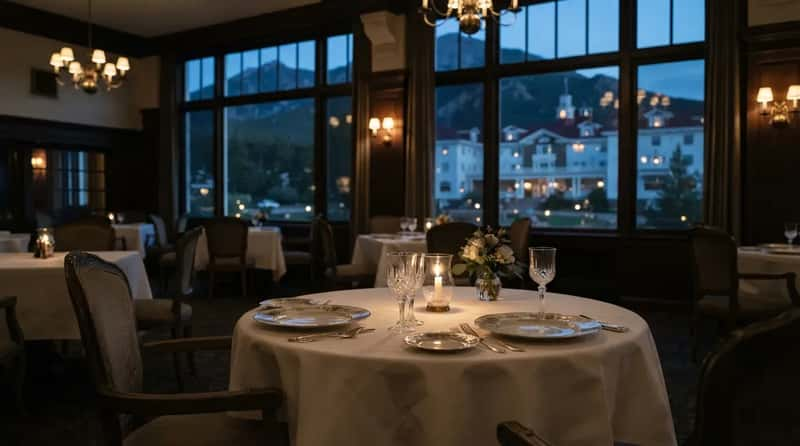
Some requests aren’t about tables at all. It takes real creativity to catch a concierge off guard, because they’ve seen almost everything. Reported examples range from marriage proposals involving 100 cupcakes to requests for monochromatic meals.
One of the most memorable involves a haunted hotel. At the Stanley Hotel, which inspired “The Shining,” a couple reportedly asked to have dinner with the ghosts of Mr. and Mrs. Stanley in the Cascades Restaurant, and they were dead serious. Concierges rarely laugh in the moment, because a good one treats every request as solvable.
Which brings us to the signal concierges care about most, at #1…
#1 – Whether You’ll Speak Up Before the Trip Quietly Goes Wrong
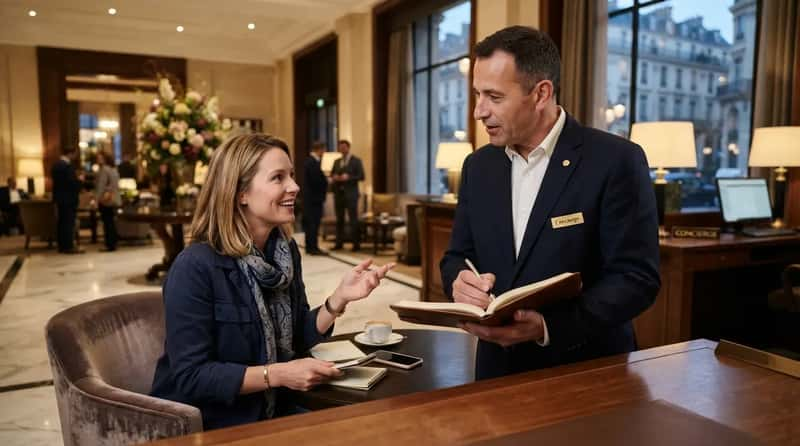
The early request is really a test of trust. The call concierges wish they got more often is the one for help when things go wrong, whether that’s a missed connection, a bad restaurant night, or rain that wrecked the plan. A guest who asks early is usually a guest who speaks up early.
The alternative is a quiet disappointment that grows. Many guests wait until the final day to say the trip has been underwhelming, when there’s nothing left to fix. A concierge who has already helped you once is far more likely to hear about the bad night while there’s still time to save the trip. That’s the real reason the first request matters.
Why It Stands Out
- It’s the one signal that predicts how problems get handled.
- An early fix beats a final-day complaint.
- A first small request opens the door for bigger ones.
- Speaking up early is what lets a concierge save the trip.
So the next time you lean over a front desk and ask about dinner, remember you’re saying more than you think. Concierges aren’t judging you. They’re reading signals so they can serve you better, and the clearer you are, the better the service tends to be.
The first thing you ask for sets the tone for everything that follows. Which of these 13 signals do you think you give off at the front desk?