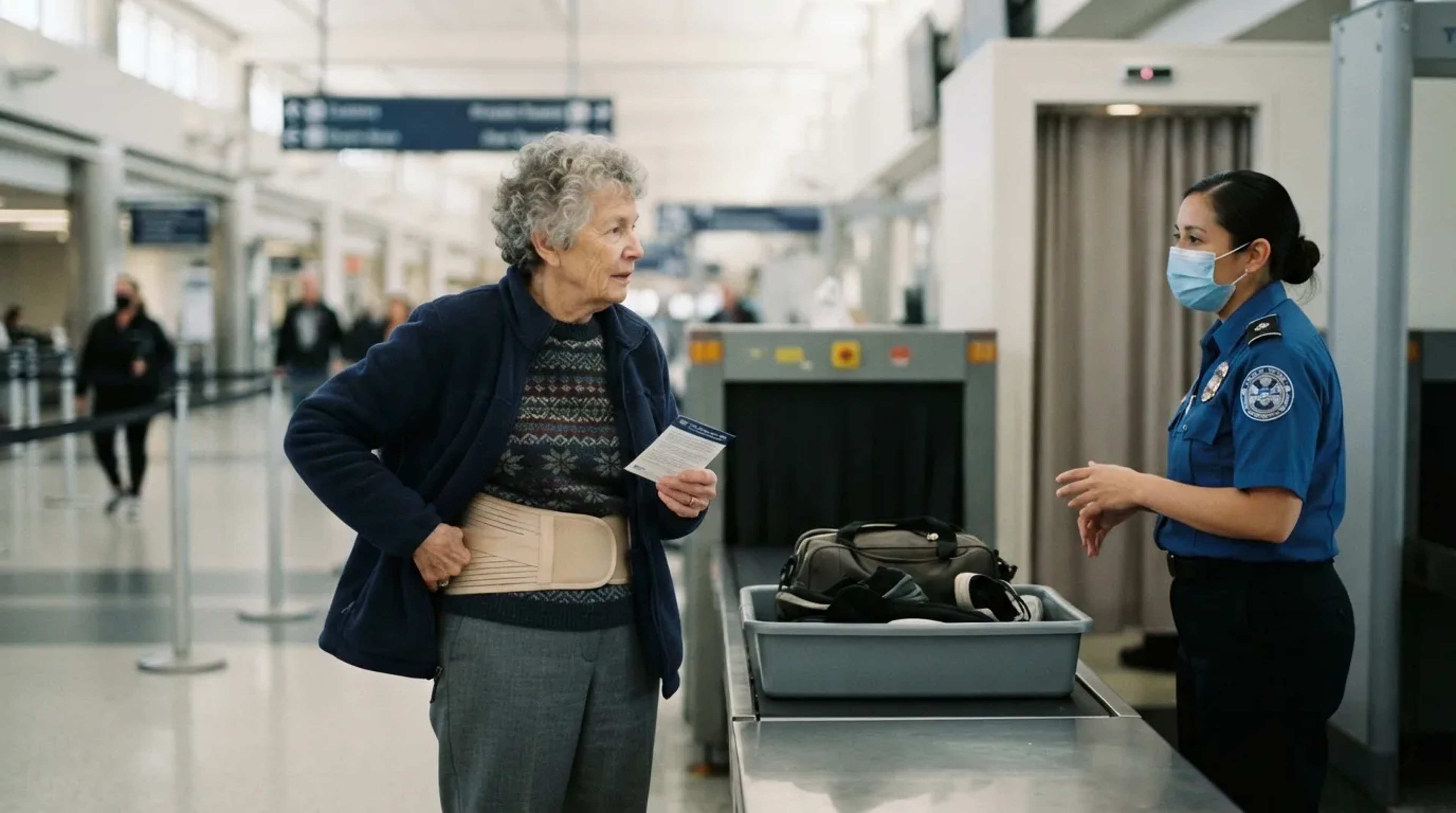
There’s a version of the immigration line that most people never see. The traveler two spots ahead of you breezes through in under two minutes, answers three questions, and walks away smiling. You get held up for forty minutes over something you didn’t even know was an issue. Same line. Same officer. Completely different experience. And the gap almost always comes down to a handful of things that experienced international travelers have quietly figured out – things immigration staff only seem to mention once they can tell you already know what you’re doing.
Most of what follows won’t appear in any airline pamphlet or State Department FAQ. It comes from the accumulated knowledge of people who’ve crossed borders dozens of times and paid close attention to what officers actually say – versus what the signs read. Some of it will surprise you. A couple of entries might make you wish someone had told you years ago.
#1 – Your Travel History Is Already on Screen Before You Say a Word
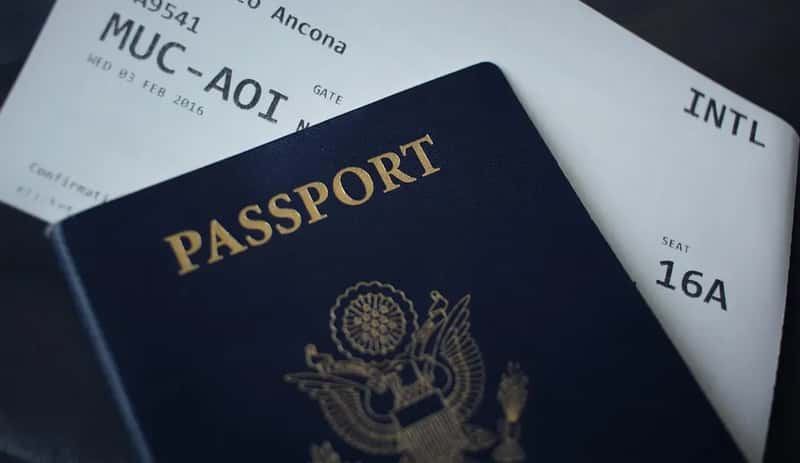
The moment your passport gets scanned, the officer already knows quite a bit about you. They can see your recent travel history, any prior visa issues, and which countries you’ve visited – and if some of those countries tend to raise questions, the officer is already thinking about what to ask before you open your mouth. Frequent travelers over 60 learn this quickly: the interview at the booth is not a blank slate. The officer is often verifying what they already see, not discovering it for the first time.
This changes how experienced travelers carry themselves. Instead of waiting to be cornered, they volunteer a clean, consistent narrative that matches their documented history. CBP officers are trained to detect inconsistencies between behavior and paperwork. The real insider knowledge? Your tone, confidence, and pace matter almost as much as your answers. Officers aren’t just reading documents – they’re reading people.
Fast Facts
- CBP’s Traveler Verification Service cross-references your passport scan against immigration records in seconds
- Prior visa denials, overstays, or secondary inspections from past trips are visible to the officer immediately
- Countries flagged for high-risk travel can trigger additional questions before you say a single word
- Experienced travelers treat the booth as a confirmation conversation, not a discovery interview
#2 – Secondary Inspection Is Far More Routine Than It Looks
First-timers panic when they get flagged for secondary inspection. Experienced travelers know it’s rarely the disaster it feels like in the moment. Secondary can be triggered by something as minor as an unusual passport stamp, a crowded primary lane, or a random selection algorithm cycling through the queue. It does not automatically mean you’ve done something wrong or that you’re on a watchlist.
What immigration veterans understand is that the right move in secondary is to stay calm, answer exactly what’s asked, and say nothing extra. Over-explaining is the biggest mistake people make in that room – officers interpret nervousness and verbal overflow as a signal to look harder. Experienced travelers sit down, answer cleanly, and treat it like a slightly longer version of the primary booth. Most secondary inspections end in under twenty minutes for prepared travelers.
#3 – The Six-Month Passport Rule Gets Enforced Before You Ever Reach Immigration
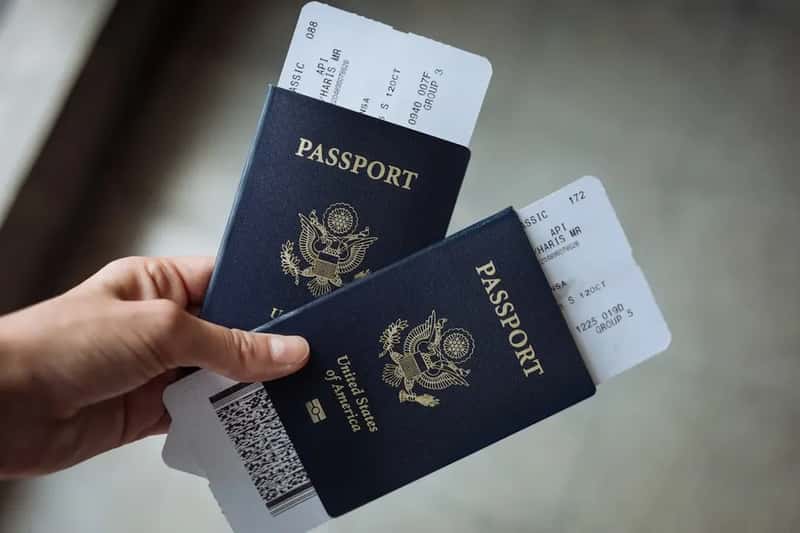
Nearly every seasoned traveler over 60 knows someone who got turned away – not at the immigration booth, but at the airline check-in counter – because their passport was too close to its expiration date. Some destinations won’t let you enter if your passport expires within six months of your return date, and airlines enforce this independently of immigration. They won’t hold the flight while you argue about it at the counter.
The deeper issue is that the rule isn’t uniform. Some countries require three months of remaining validity; others require six; a few require that your passport remain valid for six months beyond your travel dates, not just your return date. Frequent travelers build in a twelve-month buffer and renew early, without waiting for a reminder. First-timers tend to learn this lesson on the morning of a flight – which is the worst possible classroom.
Quick Compare
- Schengen Area (most of Europe): 3 months of validity beyond your planned departure date
- China, Indonesia, India, and 70+ other countries: 6 months of validity from your arrival date
- Canada and Mexico: Valid only for the duration of your stay – no buffer required
- U.S. State Department recommendation: Renew when you have 9 months or less remaining
- Savvy frequent traveler rule: Never travel with less than 12 months left on a passport
#4 – The Customs Form Is a Legal Document, Not a Formality

Many travelers treat the customs declaration form like a piece of junk mail – something to fill out quickly and hand over without much thought. Experienced travelers know officers use it as a consistency check against what’s already on their screen. Officers who process hundreds of arrivals a day are remarkably good at spotting the gap between what someone wrote down and the luggage they’re actually hauling through the door.
The rule veterans follow is simple: when in doubt, declare it. Getting caught under-declaring – even accidentally – can trigger a longer inspection, a financial penalty, or a flag on your travel record that follows you for years. And most people still don’t know that carrying more than $10,000 in monetary instruments requires a specific report filed at the border. Failing to declare it can result in seizure of the entire amount. The form is a legal document. Treat it like one.
#5 – Medications Without Original Labels Are a Bigger Problem Than You’d Expect

Travelers over 60 are far more likely to be carrying multiple prescription medications, and customs officers flag unlabeled or mixed-up pill containers far more often than most people realize. Prescription medications should be in their original containers with the prescription label intact. If that’s not possible, a physician’s letter listing every medication by generic name and dosage is the next best thing – and it should be in your carry-on, not your checked bag.
The trap that catches even experienced travelers isn’t usually re-entering the U.S. – it’s entering other countries. Some prescriptions that are completely routine in America are controlled substances abroad. Japan strictly restricts stimulant medications including Adderall. The UAE prohibits certain codeine-based medications available over the counter in the U.S. Thailand enforces strict quantity limits on strong painkillers. Seasoned travelers research the specific rules of every destination country before they pack, not after they land.
Worth Knowing
- Keep all prescription medications in their original pharmacy-labeled containers when crossing any border
- A doctor’s letter listing medications by generic name, dosage, and medical purpose travels better than brand names alone
- Japan, the UAE, and Thailand are among the strictest countries for common U.S. prescriptions
- Even over-the-counter U.S. medications – including some cold medicines and sleep aids – can be restricted abroad
- Check the destination embassy’s official list before every trip, not just the first time you visit a country
#6 – Immigration Questions Follow a Decision Tree, Not a Script

First-timers assume the questions at the booth are a scripted formality – the same five questions on a loop. Frequent travelers know each question is actually a branch point. “Have you visited before?” opens a thread about prior compliance. “What’s your occupation?” is really a question about your economic ties to your home country and your reason to return after your visit. The officer isn’t making small talk. They’re building a picture in real time.
Understanding the logic behind the questions changes how you answer them. Experienced travelers think about their answers as a coherent story, not a list of isolated facts. A round-trip itinerary, a hotel reservation, and a clear explanation of why you’re leaving again at the end of the trip work together as a consistent picture. Innocent inconsistency across two or three answers – saying different things about your job or your plans – is exactly what triggers additional scrutiny, even when nothing is actually wrong.
#7 – Knowing Which Lane to Use Can Save 40 Real Minutes

This is one of the first things immigration veterans share with fellow travelers, and it almost never appears in the guides handed out to newcomers. At land border crossings, Ready Lanes move significantly faster than standard lanes – but they require RFID-enabled travel documents, including U.S. passport cards, Global Entry cards, NEXUS and SENTRI cards, and enhanced driver’s licenses. Most of the people standing in the long lane have no idea the fast lane exists or that their documents already qualify them for it.
At airports, the same logic applies to automated passport kiosks and Global Entry arrivals lanes. CBP’s border wait times app and website update lane information hourly – experienced travelers check wait times before they even land so they know which terminal or crossing point to head toward. It sounds like a small thing until you’re watching forty minutes of your layover disappear in a line you didn’t have to be in.
At a Glance: Fast-Lane Options at U.S. Ports of Entry
- Global Entry kiosks: Airports – fastest lane for returning U.S. citizens and approved travelers; no paper customs form required
- Ready Lanes (land crossings): Require RFID-enabled documents – passport card, Enhanced Driver’s License, NEXUS, or SENTRI card
- Mobile Passport Control app: Free CBP app; works at most major airports with no enrollment required
- Automated Passport Control kiosks: Available to U.S. and Canadian citizens at many airports; cuts primary line time significantly
- CBP wait times tool: Updated hourly at cbp.gov and via the CBP One app – check before you land, not after you deplane
#8 – Global Entry Is Worth More Than Most Travelers Over 60 Realize

Many travelers over 60 still haven’t enrolled in Global Entry, and it’s one of the most consistently underused tools in a frequent traveler’s kit. The application costs $120 and covers five years – that’s $24 a year for expedited clearance at U.S. customs on every international arrival, by air, land, or sea. All applicants go through a background check and a brief in-person interview, which most people clear without issue.
What a lot of people miss is the bonus stacked on top: Global Entry membership automatically includes TSA PreCheck for domestic departures. That means one enrollment buys you faster security on the way out of the country and faster customs on the way back in. Many credit cards – including several that are standard among frequent travelers – reimburse the application fee entirely. A significant number of eligible travelers are leaving this benefit on the table and paying nothing out of pocket to do so.
Fast Facts: Global Entry by the Numbers
- Cost: $120 for a 5-year membership ($24/year) – fee raised from $100 in 2024
- Included bonus: TSA PreCheck for domestic departures at no extra cost
- TSA PreCheck standalone cost: Up to $85 separately – bundling with Global Entry saves money
- Renewal grace period: Now extended to 24 months for members who apply before expiration
- Credit card reimbursement: Available on many travel cards from Amex, Chase, Capital One, and others – often covers the full $120
- Processing time: Most background checks complete within 2 weeks; in-person interview required for first-time enrollment
#9 – “Calm and Brief” Is the Unwritten Rule Officers Wish Everyone Already Knew
Ask any immigration officer what separates a smooth thirty-second interaction from a complicated one, and most will give you some version of the same answer: calm, brief, and consistent. CBP officers at major international airports process thousands of arrivals in a single shift. They are not looking for a conversation. They are looking for alignment between the documents in their hand and the answers coming across the booth.
Experienced travelers over 60 have fully internalized this. They don’t volunteer extra information. They don’t crack nervous jokes. They don’t ask rhetorical questions or editorialize about the line. The travelers who sail through in under ninety seconds are the ones who answer exactly what was asked, make brief eye contact, and say nothing else. First-timers try to explain themselves. Seasoned travelers don’t need to – because their preparation did the explaining already.
#10 – Your Visa Category and Your Stated Purpose Must Match Every Single Time
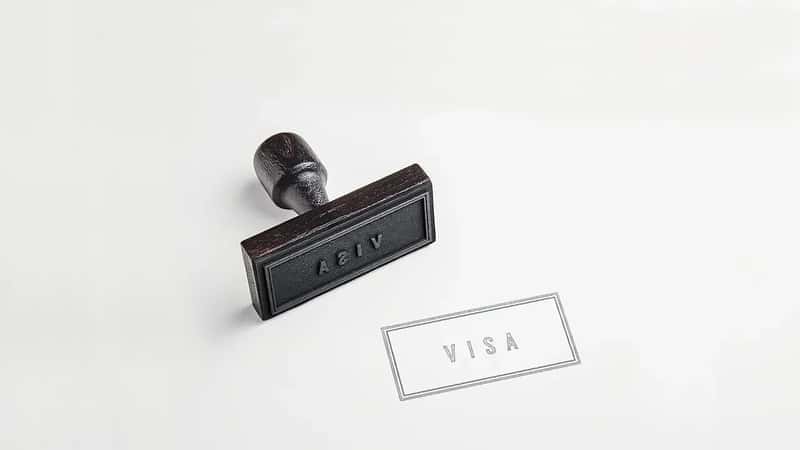
This one sounds obvious until you realize how easily travelers get it wrong without noticing. If you’re entering on a B-2 tourist visa and you mention – even casually – that you’re attending a business meeting or doing any kind of paid work, you have just created a problem that can take hours to untangle. The word “work,” even used loosely to describe a conference or a freelance errand, can trigger scrutiny that a more careful word choice would have avoided entirely.
The same precision matters for proving you intend to leave. Travelers on nonimmigrant visas need to demonstrate ties to their home country – a return flight, property ownership, an employment contract, or a program they’re enrolled in abroad. Frequent travelers keep a small folder of exactly these documents and know the right language before they ever reach the booth. It’s not about being deceptive. It’s about accurately representing a completely legitimate trip in terms that match the legal category on the visa.
#11 – Biometric Screening Has Quietly Transformed the Entry Process
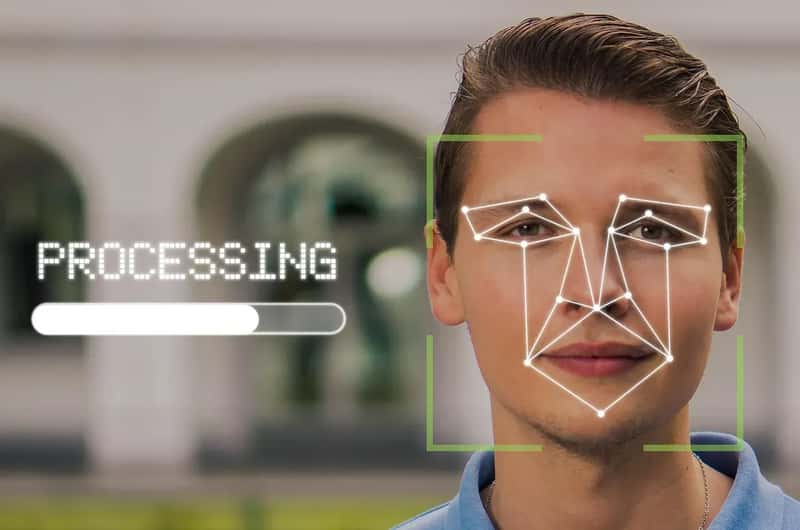
Something significant shifted at U.S. ports of entry in recent years, and travelers who cross borders infrequently are often still surprised by it. CBP has expanded biometric facial comparison technology at airports and border crossings, comparing a live photo taken at the booth against a database of your prior immigration images. For most travelers, this speeds things up considerably – CBP’s biometric kiosks have reduced Global Entry processing time by 85 percent compared to older systems. For a smaller number – often older travelers whose appearance has changed across several passport cycles – it creates a momentary mismatch that prompts extra questions.
What most travelers over 60 don’t know is that U.S. citizens have the right to opt out of biometric facial scanning entirely and request a manual document check instead. CBP has published an official opt-out guide, and officers are required to inform eligible travelers of this right. Photos of U.S. citizens taken at entry are deleted within 12 hours of identity verification. If you’ve had issues with photo matching in the past, or simply prefer not to participate, asking for a manual inspection is a legitimate and straightforward option – and knowing it exists is the kind of thing that only gets shared once you’ve already demonstrated you know what you’re doing.
Why It Stands Out: The Biometric Opt-Out
- U.S. citizens can opt out by simply notifying a CBP officer or airline representative at any point in the process
- Opting out means a manual review of your passport and travel documents – the same process used before facial recognition existed
- CBP facial biometrics are now active at all U.S. international airports for arrivals, and at 53+ airport locations for departures
- U.S. citizen photos are automatically deleted within 12 hours of identity verification; noncitizen photos may be retained for up to 75 years
#12 – What You Do in the 30 Minutes Before the Booth Matters More Than What You Say at It
This is the tip immigration veterans pass to each other on long-haul flights, and it almost never makes it into any published travel guide. Have your customs declaration form completely filled out, your passport open to the photo page, your arrival address written down, and your receipts for any declared items accessible – before you join the line, not while you’re standing in it. That thirty-minute window while you’re still deplaning and walking toward the hall is the entire game.
The cascade effect of arriving unprepared at the booth ripples outward in ways first-timers don’t anticipate. Officers who sense fumbling tend to ask more questions, not fewer – unprepared body language reads as nervous body language, and nervous body language reads as a reason to look closer. Experienced travelers over 60 treat the approach to the immigration booth the way professionals treat the minutes before a job interview: the quiet, invisible preparation that makes the interaction itself feel almost effortless.
#13 – The Officers Who Help You Most Are the Ones You Never Had to Argue With

Here’s the thing nobody says out loud but every experienced international traveler has earned through years of border crossings: the officers who go out of their way to share useful, unofficial guidance – pointing out the faster kiosk lane, mentioning the trusted traveler program you should apply for, quietly noting that your passport needs renewing before your next trip – do so because you made their job easy. CBP processes close to a million arrivals every single day. That volume means officers have almost no patience for resistance, but genuine warmth for travelers who are prepared, polite, and self-sufficient.
Every border crossing is a brief relationship, and experienced travelers over 60 understand that. The unofficial knowledge in this list isn’t a secret the system is hiding from you. It’s the accumulated reward for being the kind of traveler who takes the process seriously, prepares honestly, and treats the officer across from them as a professional doing a hard job. Officers notice that. And when they do, they talk. The question is always whether you’ve given them a reason to.
The gap between a first-timer’s experience and a seasoned traveler’s at the immigration booth almost never comes down to luck or special status. It comes down to preparation, consistency, the right documents in the right place, and a clear sense of what the officer across from you is actually trying to accomplish. Most of this knowledge doesn’t live anywhere official – it travels person to person, flight to flight, crossing to crossing. Now you have it too.