Most travelers over 60 walk up to the security checkpoint exactly the way they have for twenty years – shoes off, belt in the bin, quietly hoping the line moves fast. What they don’t realize is that TSA has an entire layer of accommodations, exemptions, and quiet adjustments built specifically for older travelers that almost nobody announces out loud. Some are federal policy written into official procedure. Others are things experienced agents apply only when a traveler looks confused, exhausted, or close to giving up – and most people never even know to ask.
The gap between what most travelers over 60 actually experience at the checkpoint and what they’re genuinely entitled to is wider than almost anyone realizes. Free specialist escorts. Medical exemptions that bypass the 3-1-1 rule entirely. Seated pat-down options. Age-based screening adjustments that never get called over the intercom. And the single biggest one – the service that can escort you from check-in all the way to the gate – almost nobody uses it. Here’s what’s actually waiting for you.
#1 – A Dedicated On-Site TSA Cares Specialist Who Can Escort You From Check-In to Gate

This is the one that changes everything – and almost nobody over 60 uses it. TSA Cares provides free assistance to travelers with disabilities, medical conditions, and other special circumstances to ensure a smooth security screening process. But at well-staffed airports, TSA Cares Passenger Support Specialists don’t just wait at the checkpoint. They walk through the terminal – especially near check-in counters – looking for travelers who need help before they ever reach the security lane.
You can request a Passenger Support Specialist by calling TSA Cares at (855) 787-2227 at least 72 hours before departure. Support ranges from helping someone with a large supply of liquid medication move through without confusion to opening a designated lane for travelers with more complex needs. One TSA Cares supervisor described passengers going into tears because of how much the team comforts them and how clearly they feel cared for. That service is completely free and fully available – it just requires one phone call made before you leave home.
Fast Facts
- TSA Cares helpline: (855) 787-2227 – call at least 72 hours before your flight
- In 2024, the TSA Cares helpline assisted 69,000 travelers with disabilities, medical conditions, and other special needs
- Passenger Support Specialists actively walk terminals near check-in areas looking for travelers who need help
- The service is available at all U.S. airports – though staffing levels vary by location
- No enrollment, no fee, no documentation required to request assistance
#2 – Portable Oxygen Concentrator Screening Accommodations Most Travelers Don’t Know Exist
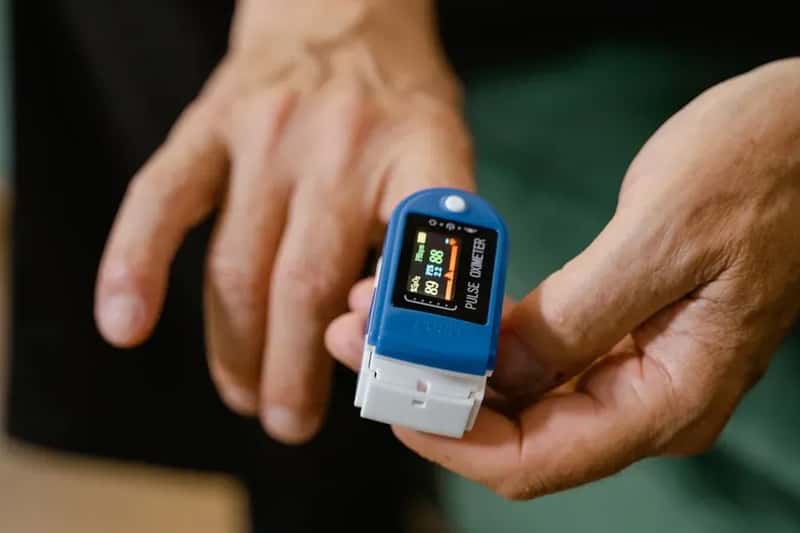
Traveling with a portable oxygen concentrator creates real anxiety for almost every senior who does it – but the TSA procedure is far more accommodating than most people realize. The critical first step is telling the TSA officer upfront that you have a portable oxygen concentrator and whether you can safely disconnect during screening. That single conversation, before you reach the equipment, determines everything about how the next few minutes go.
If you can disconnect, submit the concentrator for X-ray screening and continue through the standard imaging process. If you must remain connected, your equipment will be tested for traces of explosives material instead. Before your trip, confirm with your airline that portable oxygen concentrators are permitted on board, verify with the device manufacturer that the unit is cleared for air travel, and ask your doctor whether disconnection during screening is safe. The travelers who struggle most at this step are almost always the ones who didn’t ask a single question in advance.
#3 – A Supervisor Request If Your Screening Experience Goes Wrong
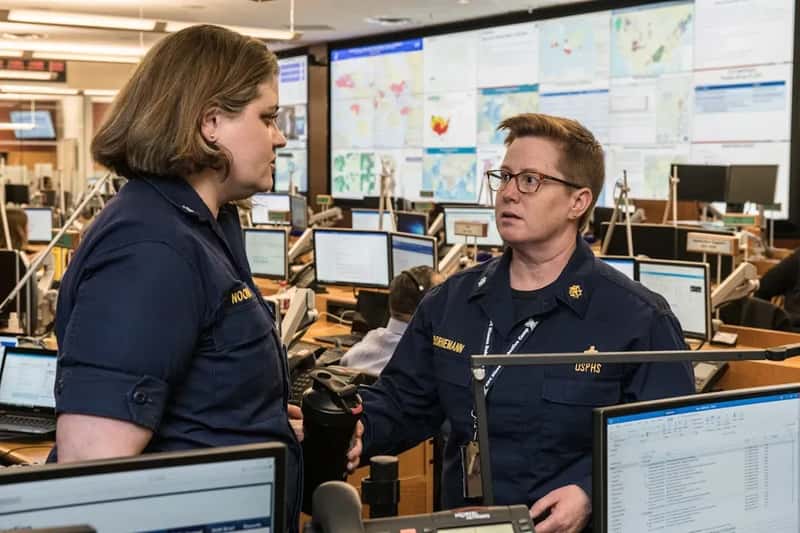
Most travelers over 60 who have a difficult experience at the checkpoint quietly absorb it and keep moving. They don’t have to. If your screening experience did not meet your expectations, you may request to speak with a supervisor right there in the lane – not on a complaint line you call later, but immediately, on the spot. That option exists at every U.S. airport and most travelers over 60 have no idea it’s available to them in real time.
Supervisory TSA officers and Passenger Support Specialists can often resolve misunderstandings about medical exemptions on the spot. This applies to any dispute – a confiscated item, a pat-down concern, or an exemption the screening agent isn’t applying correctly. You should never feel pressured to abandon medication you need without escalating first. Staying calm and clearly stating your medical need is usually all it takes. But if that doesn’t work, you have the right to escalate immediately – and you should use it.
#4 – Immediate Reunification With Your Cane, Walker, or Mobility Aid After Screening
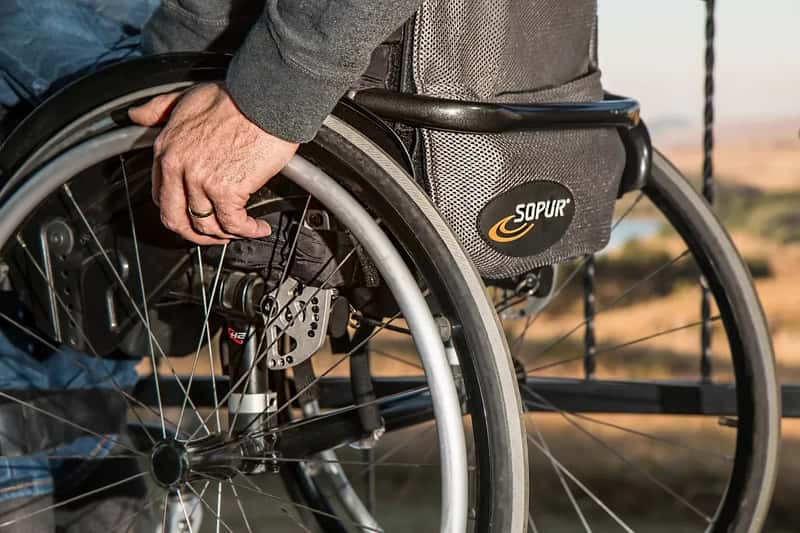
For travelers who rely on a cane or walker, the moment it disappears into the X-ray belt is genuinely frightening. What most people don’t know is that they can – and should – say something about it before it ever goes in. Walkers, crutches, canes, and other mobility aids must undergo X-ray screening, but you can verbally notify the TSA officer before it goes through that you need it returned to you immediately once it clears. Most travelers never say a word and then stand there unsteady, waiting at the end of the belt.
That one sentence is the key. You don’t have to wait for the aid to travel the length of the belt – you can ask for it to be handed back the moment it’s cleared. Travel companions can also inform TSA officers of any disabilities or medical conditions affecting screening, including respiratory equipment, medical devices, or medications. If you’re traveling solo, speak up directly and early. Agents are trained to accommodate this request. Most of them want to help – they just don’t always get the words out before the line pushes forward.
At a Glance: Mobility Aid Screening
- Walkers, canes, and crutches are X-rayed or hand-inspected – ask upfront for immediate return once cleared
- Wheelchairs and scooters are hand-inspected and may be swabbed for explosive residue
- You may remain seated in your wheelchair or scooter during screening if you are unable to stand
- A traveling companion can speak on your behalf to explain mobility needs before screening begins
#5 – Hearing Aid and Cochlear Implant Accommodations That Most Agents Forget to Mention
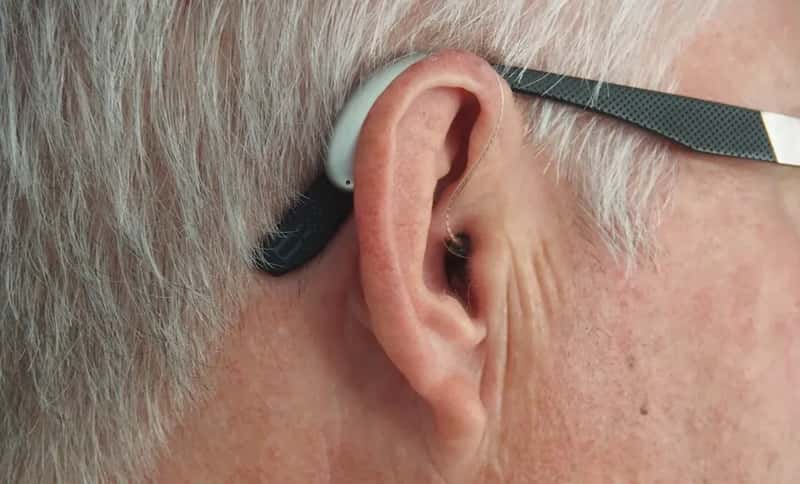
Here’s one that catches older travelers off guard constantly: you do not have to remove your hearing aids or cochlear implants at the checkpoint. You are not required to remove any hearing aids or cochlear implants, though additional screening – including a pat-down or device inspection – may be required if they alarm the metal detector or advanced imaging technology. Most agents don’t lead with this information. They wait until the device sets something off, and then things get confusing fast.
The detail that matters most: if you can’t clearly hear the agent’s instructions, saying so upfront changes everything about how the interaction goes. Agents are trained to adjust their communication style, slow down, make eye contact, and face you directly – but only if they know the situation. Inform the TSA officer before screening begins that you are deaf or hard of hearing and need assistance. Five seconds of disclosure prevents a genuinely disorienting experience for everyone involved.
#6 – Alternative Screening for Pacemakers, Implants, and Internal Medical Devices

If you have a pacemaker, artificial hip, knee replacement, or any other internal medical device, the standard walk-through metal detector is not your only option – and for some devices, it may be the wrong option entirely. TSA recommends that passengers with pacemakers, defibrillators, or other internal medical devices consider Advanced Imaging Technology screening instead, which can reduce the likelihood of a pat-down. The key is informing the officer before you step into any equipment.
Surgically implanted devices will often set off metal detectors, but that doesn’t mean you go through anyway and deal with the alarm. Advise security officers of the location of any internal medical devices before screening begins. If your doctor provided a medical card explaining the implant’s location, bring it and show it proactively. One brief conversation before you reach the equipment makes all the difference between a smooth process and a prolonged, stressful secondary screening that didn’t need to happen.
“It is best to advise security officers in advance of any implanted devices because they will inevitably set off metal detectors. Ideally, have your doctor provide a medical card explaining the location of the implanted device.”
TSA Senior Travel Guidance
#7 – The TSA Notification Card That Silently Explains Your Condition to Every Agent

Most people have never heard of the TSA Notification Card – and for travelers managing a condition they’d rather not announce out loud in a crowded checkpoint lane, it may be the single most useful tool in this entire list. The card allows travelers with disabilities to discreetly hand a written description of their medical condition, devices, or medications to a TSA officer without saying a word about it publicly. It doesn’t skip any part of the screening process, but it changes the entire tone of how that process unfolds.
It’s available as a downloadable PDF from the TSA website, completely free to print and personalize. No enrollment. No approval process. No fee. A caregiver can also hand the card silently to an officer on behalf of the traveler – which means an older parent doesn’t have to overhear a clinical explanation of their own condition delivered to a stranger. Fill it out before your next trip. It takes about five minutes and can prevent an extraordinarily difficult scene at the checkpoint.
#8 – Expedited Screening for Passengers 75 and Older (Even Beyond the New Shoes-Off Rule)

Here’s something most people haven’t sorted out yet: as of July 8, 2025, TSA ended the shoes-off mandate for all travelers nationwide. Every passenger can now keep their shoes on at standard checkpoints. But passengers 75 and older still have an additional layer of expedited screening that goes well beyond what the general public receives – and it’s built directly into federal policy under TSA’s risk-based security approach.
For passengers 75 and older who are in a wheelchair or scooter, TSA allows them to remain seated while officers conduct all necessary checks, including a hand swab for trace explosives. Passengers 75 and older who can’t stand for screening will be cleared through other security methods entirely. The key detail most people miss: if the system doesn’t flag your age automatically, you can self-identify to a TSA agent and request the modified screening directly. Most passengers who qualify never think to ask – and that’s the only reason they don’t receive it.
Worth Knowing: Age-Based Screening at a Glance
- Passengers 75 and older receive additional modified screening beyond the general public exemption
- If 75+ and in a wheelchair or scooter, you may remain fully seated during all checks
- If unable to stand for screening, alternative methods apply – no standing requirement
- Self-identify your age to the agent if modified screening isn’t offered automatically
#9 – The Medical Liquid Exemption That Blows Right Past the 3-1-1 Rule

Almost every traveler over 60 carries liquid medications – and almost every one of them has quietly crammed those bottles into a tiny zip-lock bag and hoped for the best. That’s completely unnecessary. Prescription medications, liquid medicines, and medically necessary liquids are exempt from the standard 3.4-ounce limit. You may carry them in larger quantities in your carry-on bag. TSA officers may inspect them separately, but they are permitted when properly declared during screening.
The exemption is not automatic – you must declare the medication to the TSA officer before your bag goes through the belt. Three seconds of conversation before screening begins can save you a real headache, or worse, a trip without medication you actually need because you packed it in checked luggage where it got delayed or lost. Simply say the words before the bin goes in. That’s the entire process. Most travelers who get this wrong aren’t breaking rules – they just didn’t know the rule existed.
#10 – Private Screening With a Companion of Your Choice Inside the Room

You may request private screening at any point during the process – and you may bring a companion of your choice into the screening area with you. This matters especially for travelers who feel anxious about pat-downs in public view or who have a medical condition that makes standard open-lane screening difficult to manage. A second TSA officer of the same sex will always be present, and once your companion has been screened, they can accompany you and assist you throughout the private screening.
Agents experienced with older travelers often offer this proactively when they recognize the situation – but they don’t always get to it in time before the line moves. You don’t have to wait to be offered it. You can request private screening at any point, without explanation, without hesitation. It’s your right, it’s written into TSA policy, and it doesn’t slow down your trip in any meaningful way. The travelers who know this spend far less energy dreading the checkpoint before they ever leave home.
#11 – A Seated Pat-Down Option That Most Agents Never Mention Unprompted

Most travelers assume that when a pat-down is required, standing through the whole thing – arms out, feet apart – is mandatory. It isn’t. You can request a chair at any point during the screening process, and TSA agents are trained to accommodate that request at every U.S. airport, in every screening lane, without exception. It’s one of the most practically useful accommodations for older travelers, and it’s available every single time – but agents don’t always think to offer it before the process begins.
If you have difficulty standing, you may ask for a chair, or you may request to be screened while seated in a wheelchair or scooter. Agents who notice someone visibly struggling to stand often want to offer a chair – they just don’t always get the words out before the line presses forward. You are allowed to ask first. You are allowed to ask before they even start. That one sentence, said before your arms go out, can make the whole experience genuinely manageable instead of painful.
Quick Compare: Screening Options When Standing Is Difficult
- Request a chair – available at any airport, any lane, any time during the pat-down process
- Remain in your wheelchair or scooter – officers will conduct all checks without requiring you to stand
- Alternative screening methods – available for passengers 75+ who are unable to stand at all
- Private screening with a companion – combine this with a seated pat-down if needed for comfort
#12 – The TSA Cares Helpline You Can Call 72 Hours Before You Even Leave Home

TSA Cares launched in 2012 to make airport security screening more accessible – and crucially, you don’t have to wait until you’re standing at the checkpoint to use it. Call (855) 787-2227 up to 72 hours before your flight to ask questions, describe your medical situation, or arrange for a Passenger Support Specialist to meet you at the airport. No enrollment. No fee. No documentation required. Most people leave this tool completely unused and then white-knuckle the checkpoint when they didn’t have to.
Unlike TSA PreCheck, TSA Cares is not about speed – it’s about support. One phone call before your trip can completely change how the checkpoint feels when you actually arrive. In 2024 alone, the TSA Cares helpline assisted 69,000 travelers with disabilities, medical conditions, and other special needs – the program is real, staffed, and actively used. The travelers who call ahead consistently describe security as the easiest part of their trip. The ones who don’t are still cramming their medications into a quart-sized bag and hoping nobody stops them.
#13 – A Free Passenger Support Specialist Who Walks You Through the Entire Checkpoint
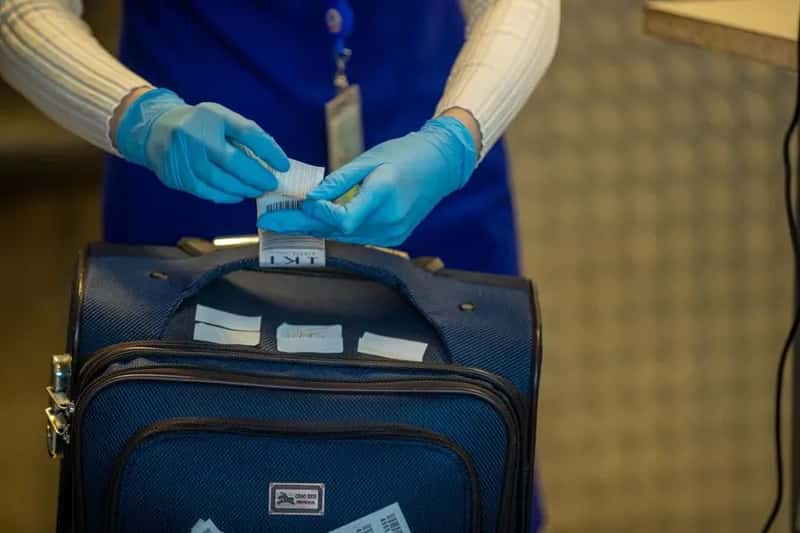
Most travelers have never heard the words “Passenger Support Specialist” at a checkpoint. They should. A TSA Passenger Support Specialist – or PSS – is a trained officer who has completed specialized instruction in assisting travelers with disabilities and medical conditions. They can walk alongside you through the entire security process, help communicate your needs to other agents, and manage complex screening situations involving medical devices, mobility limitations, or anxiety. This is not a courtesy upgrade. It is a federally supported program that most older travelers walk straight past every single trip.
This service is completely free and available at airports across the country. Request one by calling TSA Cares at least 72 hours before departure, or simply ask at the checkpoint when you arrive. TSA Cares Passenger Support Specialists are trained to assist with everything from difficulty following instructions due to a medical condition, to traveling with medically necessary liquids over 3.4 oz, to navigating screening with a service animal. Most older travelers who would genuinely benefit from a PSS never request one – not because they don’t need the help, but because they had no idea the option existed. Now you do. That changes something.
The security checkpoint doesn’t have to be the worst part of the travel day – not for anyone over 60 who knows what’s actually available. A seated pat-down, a silent notification card, a specialist who walks with you the whole way, medical exemptions that skip the 3-1-1 rule entirely: none of this gets announced at the checkpoint. None of it shows up on your boarding pass. The travelers who know these 13 things move through security differently than everyone else – faster, calmer, and without leaving real federal protections behind. Share this with someone who’s got a flight coming up. They’ll thank you at the gate.