Retirement changes the rhythm of travel. There’s more time to plan, more flexibility with dates, and usually a longer list of destinations finally within reach. Yet a lot of retirees keep spending money on travel habits and gadgets that made sense decades ago but quietly stopped earning their keep.
Some of it is muscle memory from years of business trips or family vacations. Some of it is just not knowing what’s changed. Either way, trimming these purchases can free up real money for the parts of a trip that actually matter, like a better hotel room or one more excursion.
Paper maps and travel atlases

There was a time when a glovebox without a folded map felt incomplete, but that era has quietly ended for most travelers. Smartphones now come with offline map downloads built into apps like Google Maps and Apple Maps, so a paper atlas mostly just takes up suitcase space these days. Even in areas with patchy signal, downloading a region beforehand covers navigation needs without spending fifteen or twenty dollars on a printed guide that goes out of date within a year or two.
Road atlases also age fast, since highway exits get renumbered, new bypasses open, and rest stops close. A phone app updates automatically in the background, which a bound book simply cannot do. Skipping the paper version isn’t about rejecting the old ways, it’s just that the digital version is more accurate and costs nothing extra.
Standalone GPS devices for rental cars
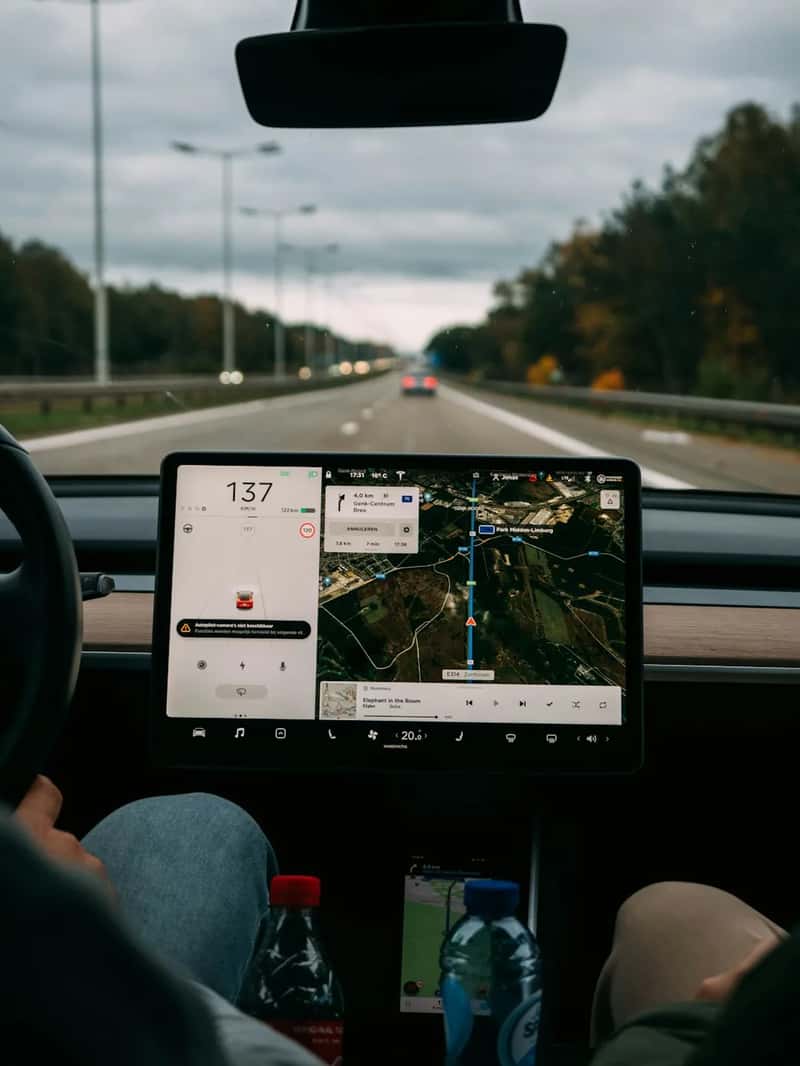
Rental counters still push dashboard GPS units as an add-on, often for ten to fifteen dollars a day, which adds up fast on a two week trip. Most smartphones handle turn by turn navigation just as well, and many rental cars now come with built in infotainment screens that mirror a phone’s map app anyway. Buying or renting a separate unit has become one of the easiest fees to skip.
The other advantage of phone based navigation is that it already knows a traveler’s saved addresses, hotel bookings, and calendar appointments. A rental GPS starts from zero every single time and rarely integrates with anything else. For most retirees, declining that add on at the counter is a simple, low stakes decision.
Traveler’s checks
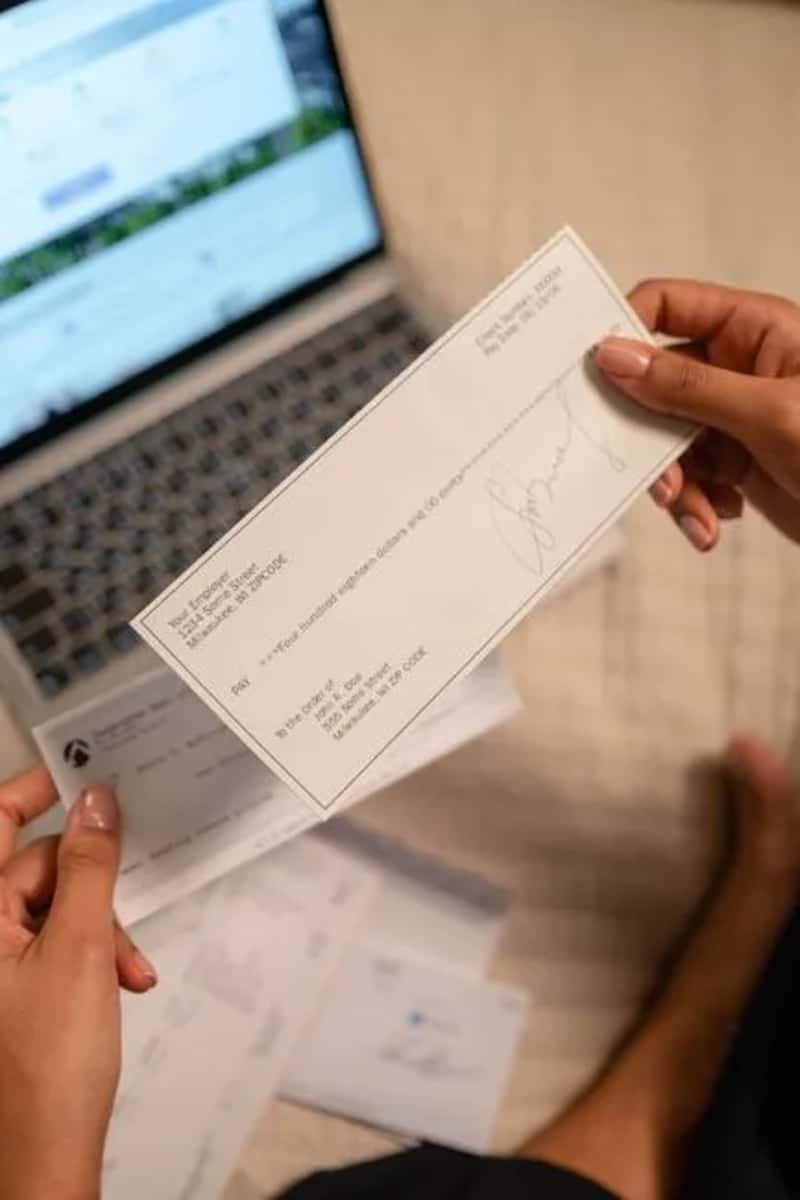
Traveler’s checks were once considered the safe way to carry money abroad, but their usefulness has faded sharply. Fewer banks issue them, fewer merchants accept them, and cashing them often means tracking down one of the shrinking number of locations that still process them. Debit and credit cards with no foreign transaction fees do the same job with far less hassle.
Most major banks and travel focused credit cards now offer fraud protection that rivals or beats what traveler’s checks used to provide. ATMs are everywhere, even in many smaller towns overseas, which makes carrying paper checks feel like an extra errand rather than a safeguard. It’s one of those travel habits that quietly became obsolete without most people noticing exactly when it happened.
Airport currency exchange kiosks
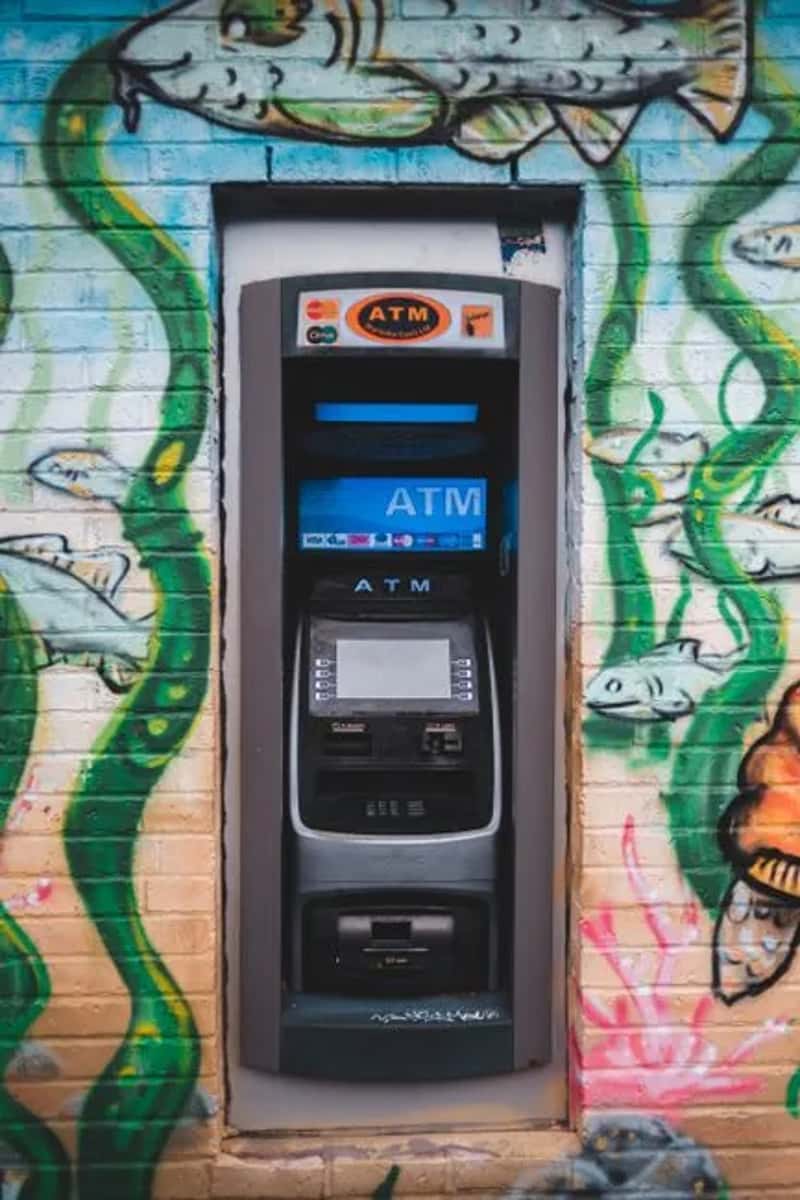
Airport currency exchange booths are convenient, but that convenience comes at a real cost, often several percentage points worse than the actual exchange rate. Travelers who exchange a few hundred dollars at the airport can lose out on a noticeable chunk of that money just through fees and markups. A debit card that waives foreign transaction fees, paired with a local ATM withdrawal, almost always beats the kiosk rate.
Pre-loading a travel money card before departure is another reasonable alternative, since many of these lock in a rate before the trip even starts. The habit of grabbing local cash right at arrival feels reassuring, but it’s rarely the smart financial move anymore. A quick ATM stop once through customs usually solves the same problem for less money.
Physical SIM cards and roaming plans

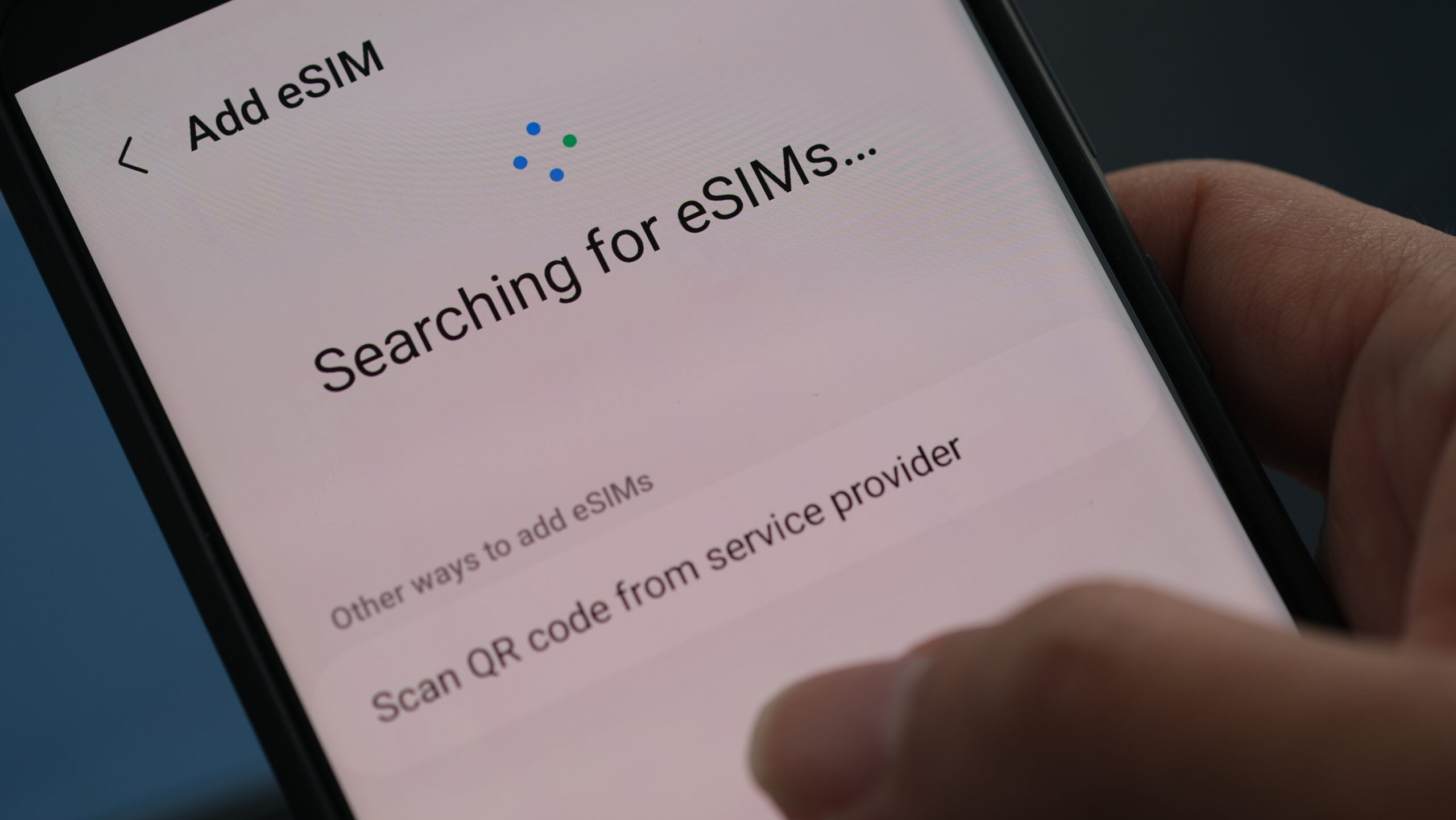
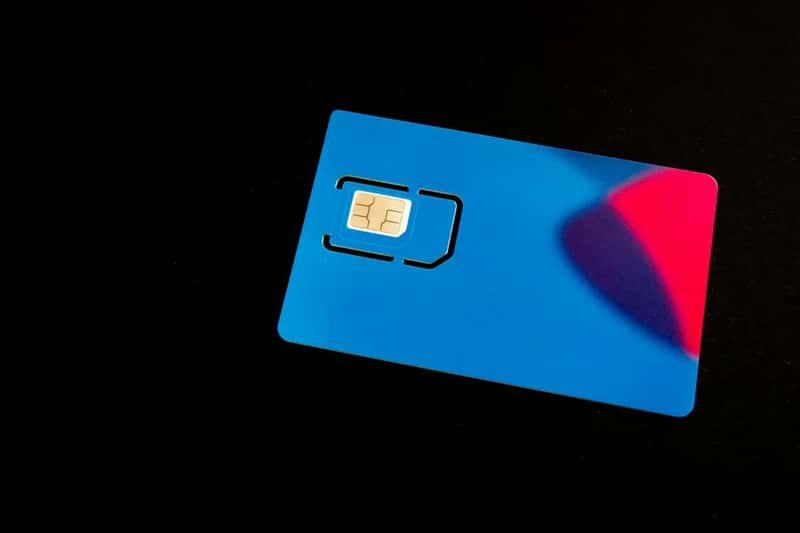
Buying a local SIM card at a kiosk used to be one of the first things seasoned travelers did after landing. Now eSIM technology lets travelers download a data plan before they even leave home, often through apps like Airalo or Holafly, without hunting for a phone shop or juggling a tiny SIM tray tool. Most phones sold in the last several years support eSIM, which makes the physical card an unnecessary extra step.
International roaming add ons from a home carrier are usually the most expensive option of all, sometimes charging by the day for data that barely covers a single afternoon of map use. An eSIM purchased in advance tends to cost a fraction of that price for a full week or more of coverage. It’s a small switch that saves both money and the mild stress of finding a working SIM card in an unfamiliar airport.
Prepaid international calling cards
Calling cards were a fixture of long distance travel for decades, sold at drugstores and gas stations with promises of cheap minutes to nearly anywhere. Apps like WhatsApp, FaceTime, and Skype now handle international calls over WiFi or data at no extra charge beyond a regular phone plan or data package. For most retirees keeping in touch with family back home, that alone replaces the entire calling card industry.
Even hotel WiFi, spotty as it sometimes is, is usually enough to place a clear video call these days. The calling card model depended on expensive per minute phone rates that mobile carriers have mostly phased out or bundled into broader international plans. Holding onto a stack of prepaid cards is one habit that has simply run its course.
Printed guidebooks

A dog eared guidebook used to be a travel companion in the truest sense, full of margin notes and folded corners. Restaurant recommendations and opening hours change constantly though, and a book printed even a year earlier can send travelers to a place that closed or a museum that changed its hours. Review apps and destination websites update in real time, which a bound book simply cannot match.
That doesn’t mean all research value has disappeared, since plenty of travelers still enjoy reading about a destination’s history before a trip. Digital versions or library copies cover that curiosity without the twenty to thirty dollar price tag of a new print edition every time a destination changes. Buying a fresh guidebook for every single trip has become one of the easier expenses to trim.
Disposable cameras and film
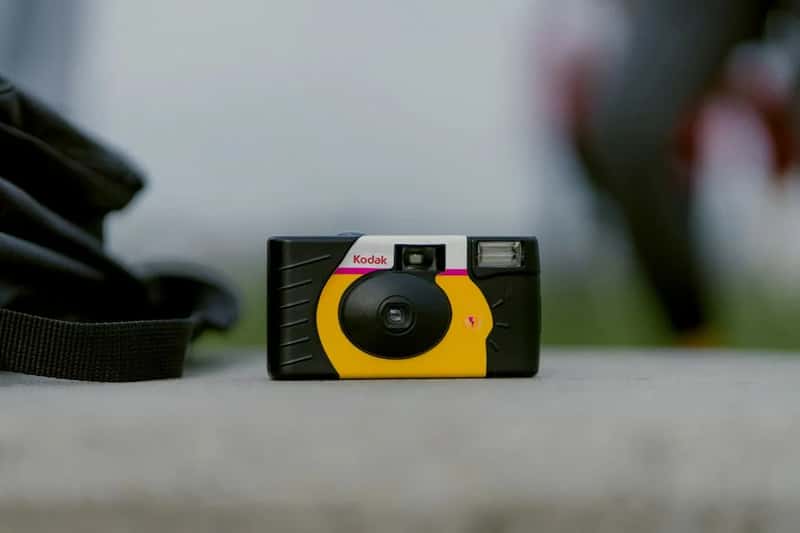
There’s a nostalgic pull to disposable cameras, and some travelers still buy a couple for the novelty of it. Practically speaking though, modern smartphone cameras outperform them in nearly every condition, from low light restaurants to fast moving street scenes. Film also requires developing, which means paying again after the trip just to see how the photos turned out.
A phone camera offers instant previews, easy editing, and simple sharing with family, none of which film can match. For travelers who want a physical keepsake, printing a handful of favorite digital shots after the trip usually costs less than a roll of film and processing combined. The camera aisle at the drugstore just isn’t the default stop it once was.
Paying full price for TSA PreCheck and Global Entry every renewal
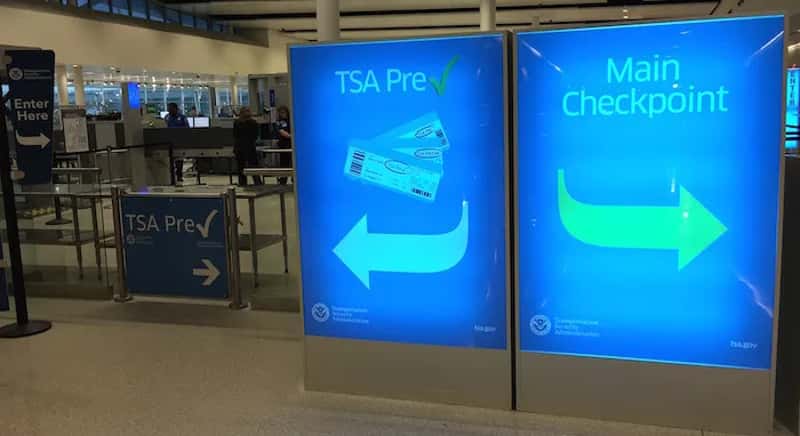
TSA PreCheck costs $78 for 5 years, but credit card reimbursements, military waivers, and enrollment-provider discounts can bring the real cost to $0.[1] American Express Platinum offers a $100 credit toward TSA PreCheck or Global Entry every 4.5 years, and Chase Sapphire Reserve offers a $100 credit every four years.[1] Plenty of retirees who already carry one of these cards simply forget to apply the credit and pay out of pocket instead.
Global Entry’s application fee is $120, and the membership is valid for 5 years, and it includes TSA PreCheck access at the same time.[2] PreCheck alone runs $76.75 to $85 for five years, so for roughly $42 more over that same stretch, Global Entry adds the customs benefit on top.[3] For anyone who travels internationally even occasionally, paying for standalone PreCheck when Global Entry covers both at a small premium is money left on the table.
Single-trip travel insurance policies for every getaway

Buying a fresh travel insurance policy before every trip feels responsible, but for retirees who travel several times a year, it often costs more than necessary. Annual multi-trip travel insurance plans exist specifically for this pattern, covering an unlimited number of trips within a twelve month period under one flat premium. Frequent travelers who compare the math often find the annual plan pays for itself after just two or three trips.
Some credit cards also bundle in trip cancellation or medical coverage automatically when a trip is booked with that card, which can reduce or eliminate the need for a separate policy altogether. It’s worth checking existing card benefits before assuming a brand new policy is required each time. Retirees who travel often but keep buying single trip coverage are frequently paying twice for protection they may already have.
Heavy-duty locks and paper luggage tags
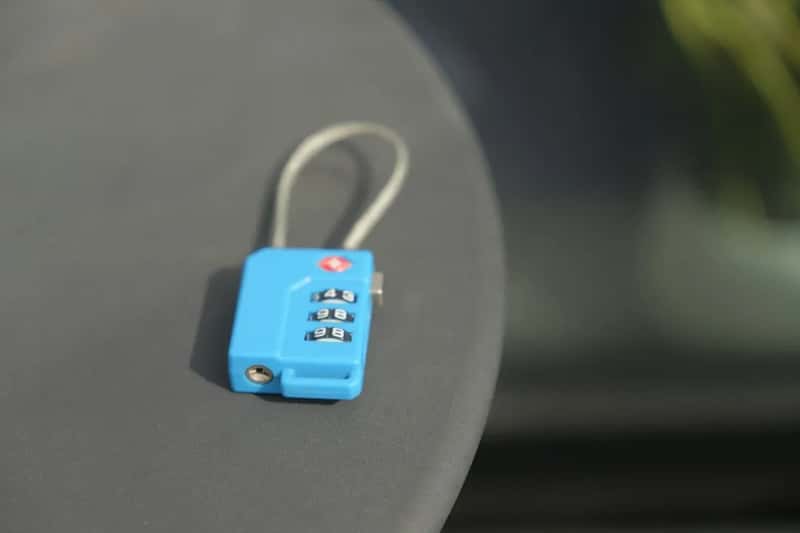
Old fashioned luggage locks and paper tags served their purpose for decades, but they come with real limitations. Paper tags tear off, fade, or get lost entirely, leaving a bag unidentifiable if it’s separated from its owner. Bluetooth trackers like Apple AirTags or similar devices now let travelers watch their bag’s location in real time through a phone app, which a paper tag never could offer.
TSA-approved locks are still useful for security, but many retirees keep buying new ones every trip instead of holding onto a durable set that lasts for years. A single quality lock, paired with a digital tracker tucked inside the bag, covers both security and peace of mind more effectively than a fresh cheap lock and tag combo purchased at every airport gift shop. It’s a small switch, but one that removes a recurring and unnecessary expense.
Printed photos and photo development

Getting film developed used to be an unavoidable part of any trip, with envelopes of glossy prints picked up days or weeks later. Digital photography removed that step entirely, letting travelers view, edit, and share images the moment they’re taken. Cloud storage services now back up thousands of photos automatically, which used to require boxes of prints and negatives just to keep safe.
For travelers who still want physical keepsakes, printing a curated set of favorites after returning home, rather than developing every single shot from a trip, saves money and avoids drawers full of duplicate or blurry photos. Photo books ordered online from a phone’s camera roll have also become a popular middle ground between digital convenience and a tangible souvenir. The old cycle of developing every roll just isn’t necessary anymore.
New universal adapters and voltage converters for every trip
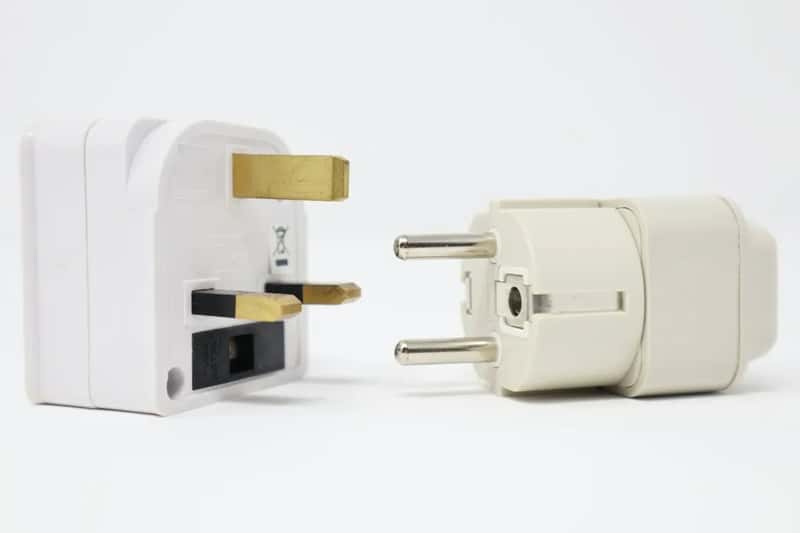
Plug adapters and voltage converters are genuinely necessary for international travel, but many retirees buy a new one for every single destination instead of investing once in a versatile universal adapter. A single well made universal adapter covers most countries’ outlet types and often includes USB ports for charging multiple devices at once. That one time purchase, usually in the twenty to thirty dollar range, replaces what could otherwise be a recurring five to ten dollar buy before every trip.
Most modern electronics, including phone chargers and laptop power bricks, already handle varying voltage automatically, so a separate voltage converter often isn’t even needed anymore. Checking the fine print on a charger’s label usually confirms this before assuming a bulky converter is required. Holding onto one good adapter, rather than restocking before every departure, is a small but genuinely useful habit shift.
Trimming these thirteen habits isn’t about traveling cheaper for its own sake, it’s about noticing where money used to solve a problem that technology, better tools, or a simple change in routine has since solved for free or close to it. Most of these shifts take no real effort once the switch is made, whether that means downloading an eSIM instead of hunting for a kiosk or checking a credit card’s benefits before paying full price for Global Entry. The savings on any single item might look modest, but added together across a year of travel, they tend to cover a nice dinner out, an extra excursion, or simply a little more breathing room in the budget for the next trip.