Every year, millions of travelers pack their bags, board their flights, and land in countries where the rules of the road are completely different from what they grew up with. Most of them don’t even realize it. What’s perfectly normal back home, ordering a beer in the park, snapping a selfie at a monument, or casually criticizing the local government online, can land you in serious legal trouble abroad.
A seemingly harmless act in your home country could be illegal or deeply offensive somewhere else. Honestly, the number of travelers who end up in handcuffs or detained simply because they didn’t do their homework is more than a little shocking. So whether you’re planning a beach holiday, a city break, or a spiritual retreat, here’s what you absolutely must know before you go.
1. Never Assume Your Country’s Laws Apply Everywhere

Let’s start with the biggest mindset trap of all. Too many travelers step off the plane and operate as if their home country’s legal framework somehow travels with them. It doesn’t. Not even close.
Travelers are obliged to know the laws and customs of the foreign countries they’ll visit. That responsibility sits squarely on your shoulders, not on the tour operator’s brochure. Ignorance is almost never a valid legal defense abroad.
In places like Singapore and Japan, the law applies equally to everyone, and claiming you didn’t know won’t get you off the hook. In other destinations, breaking a law tied to cultural traditions, like taking an inappropriate photo at a religious site, might not just get you in legal trouble but also result in backlash from locals. The bottom line is simple: research before you travel, always.
2. Don’t Disrespect Religious Sites or Sacred Symbols
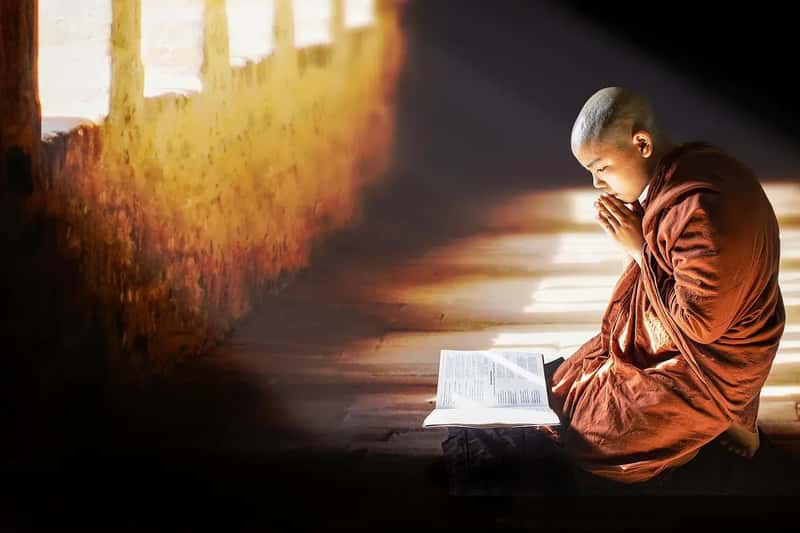
Think of religious sites abroad the way you’d think of someone’s home. You wouldn’t walk into a stranger’s house and start posing disrespectfully on their couch for social media clout. Yet tourists do something remarkably similar at sacred places every single day.
Taking a selfie with your back turned to the Buddha in Sri Lanka is seen as highly disrespectful and it’s also against the law. Sri Lanka takes this rule seriously, and tourists who break it face fines, deportation, or even a suspended prison sentence. That’s not a hypothetical risk either, it has happened to real travelers.
Visitors in Bali and other locations tend to find themselves in legal trouble because they have not been respectful of religious sites or have not adhered to local customs while attending ceremonies. Taking pictures in temples without permission or improperly dressing when visiting religious sites can lead to a fine. Cover up, be quiet, and leave the selfie stick in the bag.
3. Don’t Photograph Military Bases or Government Buildings

This one surprises a lot of people. You’re walking through a city, you see an interesting building, you pull out your phone. What could possibly go wrong? A lot, as it turns out.
Taking pictures near military bases or government offices typically leads to tourist arrests. A few tourists become embroiled in legal difficulties because they make political statements on social media while visiting the country. In some nations, even accidentally framing a government compound in the background of a photo has led to questioning and detention.
Taking photographs of military bases or government offices, even unintentionally, can result in questioning or detention. If you are in a country with a sensitive political climate, keep your camera aimed at landscapes and food. It’s genuinely not worth the risk.
4. Never Publicly Drink Alcohol Where It’s Prohibited

Here’s the thing. Many tourists figure that a beer in the park or a glass of wine on the street is a harmless travel pleasure. In certain countries and cities, though, that casual sip can come with a very expensive or even criminal consequence.
Amsterdam may have a reputation as a go-to spot for stag parties and summer holidays, but when it comes to drinking in public, the rules are surprisingly strict. While bars, cafes, and designated areas are fair game for a tipple or two, drinking alcohol on the streets, in parks, or near train stations is illegal. Amsterdam is not even the strictest example out there.
The city’s strict alcohol policy also ensnares most visitors who consume alcohol outside licensed establishments or are found drunk in public. In countries governed by Islamic law, the regulations go even further. Drinking alcohol is illegal for Muslims. Non-Muslims are allowed to drink in some of these countries, but you must get a licence from the authorities. Yes, a licence. For a drink.
5. Don’t Touch or Damage Ancient Monuments and Heritage Sites

Social media has been extraordinary for travel inspiration. It’s also been extraordinary for producing a wave of tourists who think carved initials, posed contact with ancient stone, or a cheeky climb on a protected ruin is a fun content idea. It is not.
Tourists should know that visiting historic sites in Italy, Greece, or Vatican City comes with rules that may seem odd but are nevertheless enforced. It is prohibited to wade or dive in Rome’s Trevi Fountain, feed the birds in Piazza San Marco in Venice, or take photos inside the Vatican’s Sistine Chapel. These are real, enforced rules with real fines attached.
The commodification of culture and history has become a global issue. As travelers swarm to landmarks for the perfect Instagram photo, many forget they’re not stepping into a theme park, they’re walking through living history. Treat every ancient site as the irreplaceable treasure it is.
6. Never Ignore Local Dress Codes

It might feel overly restrictive to be told what to wear on vacation. Honestly, I get it. But dress codes in many countries are not suggestions, they’re laws or deeply ingrained customs that carry real social and legal weight.
Public displays of affection are frowned upon in countries like Laos. In temples, exposed shoulders or knees can result in denied entry or public shaming. While Laos feels easygoing, its customs demand quiet observance and modesty. Similar expectations apply across much of Southeast Asia, the Middle East, and parts of North Africa.
Tourists traveling to Thailand and touring in a rental car, zipping through city streets on a scooter, taking a scenic ride on a bike, or exploring with the public transportation system should keep their shirts on at all times. It sounds simple enough. Pack a light scarf, wear appropriate clothing near places of worship, and you’ll be respected, not reprimanded.
7. Never Carry Prescription Drugs Without Proper Documentation (This Can Be a Crime)

This is the one that truly can ruin lives. People travel with their regular medications all the time, assuming a valid prescription back home equals permission everywhere. That assumption has sent innocent travelers to prison.
Incidents have underscored the legal risks tourists face when travelling with prescription medications, particularly in countries with strict drug laws. In 2024, US Navy veteran Charles Wimberly was detained in Dubai for carrying CBD oil and ibuprofen, both prescribed for his PTSD and back pain. Despite having documentation, he was charged with drug trafficking and faced a possible three-year sentence before being released on bail, though barred from leaving the country.
The strict drug laws of many countries have no tolerance for tourist ignorance, imposing severe penalties for even small amounts. Before you travel, check the destination country’s controlled substances list against every single item in your medicine bag. What your doctor prescribed may be classified as an illegal drug somewhere else. This is not an exaggeration. It is a documented, recent reality.
8. Don’t Post Political Content or Criticize the Government Online

Freedom of speech feels like a universal right to many Western travelers. It is not. In a growing number of countries, a social media post written from a hotel room can result in arrest, deportation, or worse.
Access to social media and some online activities can create legal problems. Most tourists are unaware that accessing VPNs is prohibited in some countries, and sharing some political content can lead to severe punishment. Even a casual comment that would barely register at home can be treated as sedition or defamation of a national leader abroad.
Insulting or showing disrespect or contempt of religion, religious beliefs, or anything considered holy is illegal in countries like Pakistan. Blasphemy has a broad definition in Pakistani law. It includes public and private comments in any form, including on social media. There are significant criminal penalties, including the death penalty. Think before you type. Seriously.
9. Don’t Use the Black Market or Exchange Currency Illegally
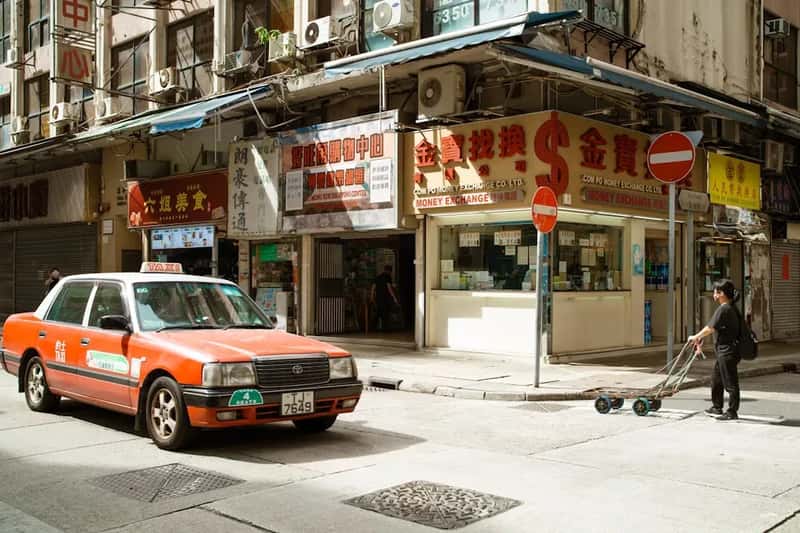
In countries with unstable economies or tightly controlled currencies, street money changers sometimes offer rates that seem almost too good to pass up. Travelers know what I’m talking about. That guy near the market square offering you double the official rate. Walk away.
Illegal currency exchange is considered a financial crime in many countries, and foreign nationals caught participating face detention, heavy fines, or both. Beyond the legal risk, unofficial exchanges are a major setup for fraud and counterfeit currency scams that leave travelers with worthless notes and an empty wallet.
CBP officers and agents seized an average of over $152,000 in unreported or illicit currency every day along the nation’s borders during fiscal year 2024. Travelers also risk missing their flight if a customs examination results in seizure, and violators face potential criminal prosecution for bulk currency smuggling. Always use licensed banks, official exchange bureaus, or ATMs.
10. Never Overstay Your Visa
This one sounds obvious, yet it remains one of the most common travel mistakes people make. Life happens. Trips get extended. Flights get missed. Still, the consequences of overstaying a visa can follow you for years, sometimes decades.
Most countries treat visa overstays seriously, and repeat offenders or those who overstay by significant margins face bans from re-entering the country. In some nations, you can be detained the moment authorities discover you’ve gone over your permitted stay, even if it was only by a day or two.
Most arrests and detainments of Americans abroad are done so for legal reasons, such as for committing a criminal offense in the country they are visiting. About 98 percent of all detentions of Americans abroad fall into this category. Staying too long on an expired visa is one of the most avoidable ways to end up in that statistic. Check your dates. Set a reminder. Leave on time.
11. Don’t Ignore Travel Advisories From Your Government
Travel advisories exist for a reason. They are compiled by government agencies using real intelligence, real incident reports, and real patterns of danger. Dismissing them as overcautious bureaucracy is a mistake that has cost travelers their freedom, and sometimes far worse.
The year 2024 concluded with 36 Americans still held hostage or wrongfully detained in 15 countries. These 36 Americans had been held for an average of 5.9 years. That number is staggering when you sit with it. Nearly six years, on average, of someone’s life lost to a foreign detention.
Statistical analysis of data suggests that more Americans were wrongfully detained between 2015 and 2024 than in the 10 years prior. As of February 2024, 19 countries carried a Level 4 travel advisory from the U.S. State Department. Check those advisories before you book. Check them again before you fly. They are the most honest, data-backed travel advice available to you, and they are completely free.
The world is extraordinary, full of places worth visiting and cultures worth experiencing. Traveling with awareness doesn’t mean traveling with fear. It means showing up as a respectful, informed guest in someone else’s home. What do you think? Have you ever unknowingly broken a rule abroad? Share your experience in the comments.