Watch any terminal for ten minutes and you’ll spot them instantly: the travelers who glide through security while everyone else fumbles with belts, laptops, and half-empty water bottles. They’re not lucky. They’re not rich. They’ve just quietly figured out the small, unglamorous rules that separate a smooth travel day from a stressful one.
Most people assume airport confidence comes from flying constantly, racking up miles until the process just clicks. Turns out, it’s mostly about knowing a handful of specific habits nobody bothers explaining out loud. Here’s what frequent flyers, gate agents, and the actual data say separates the calm travelers from the chaos.
#14 – They Treat the “Two-Hour Rule” as a Suggestion, Not a Law
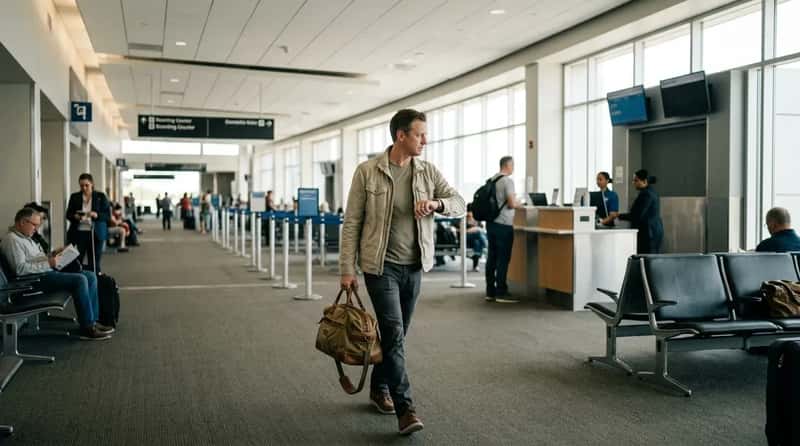
Most travelers repeat the two-hour rule like scripture, but experienced flyers know it’s a blunt average, not a real answer. TSA officially recommends arriving at least two hours before domestic flights and three hours before international ones. That’s a fine starting point for a stranger to the airport, but savvy flyers adjust it based on the specific terminal, not muscle memory.
Small, efficient airports genuinely need less buffer. Places with lighter foot traffic, fewer security lanes to bottleneck, and compact layouts – think Columbus or Palm Beach – simply don’t demand the same padding as a sprawling hub. People who know what they’re doing check their specific airport’s real average wait instead of blindly tacking two hours onto every single trip out of habit.
#13 – They Never Confuse Boarding Time With Departure Time
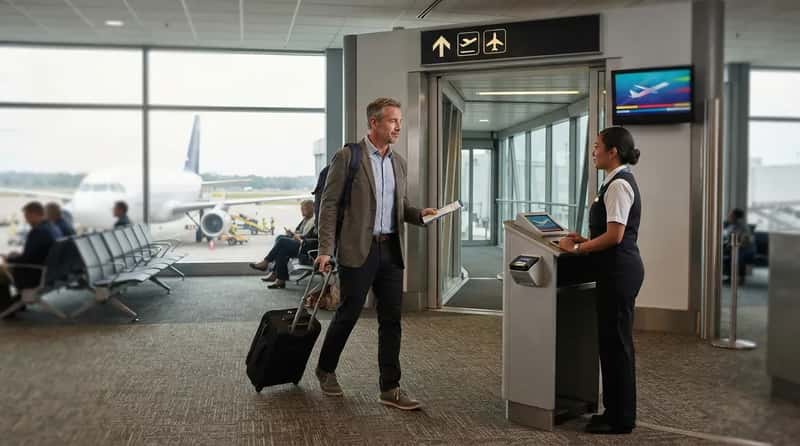
This one trips up beginners constantly, and it’s an easy trap to fall into. The number printed next to “departure” on your ticket isn’t when you need to be standing at the gate – it’s when the plane is scheduled to push back from it.
Boarding usually closes around 15 to 20 minutes before that departure time, regardless of how busy or empty the airport feels that day. Experienced travelers treat the boarding call itself, not the printed departure time, as their real deadline. Show up “on time” for departure and you may have already missed your window to board at all.
#12 – They Know Their Airline’s Bag Cutoff by Memory
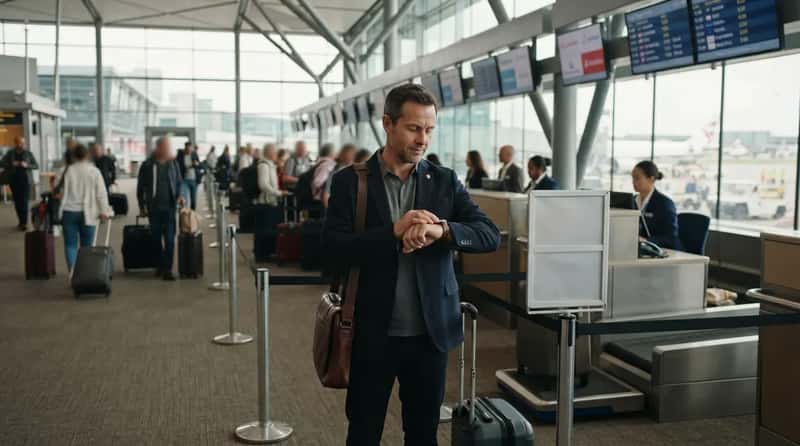
Frequent flyers rarely check a bag without already knowing the exact cutoff window, because that number can quietly end a trip before it even starts. It’s one of the most overlooked risks in air travel, hiding in plain sight on every ticket confirmation email.
Airlines often set baggage cutoffs of 45 to 60 minutes before departure, sometimes earlier for international flights, and missing that window can mean your bag doesn’t fly with you – or that you get rebooked entirely. People who know what they’re doing look up their airline’s specific policy before leaving the house, not while sweating it out in the check-in line.
#11 – They Schedule Around the Clock, Not Just the Calendar
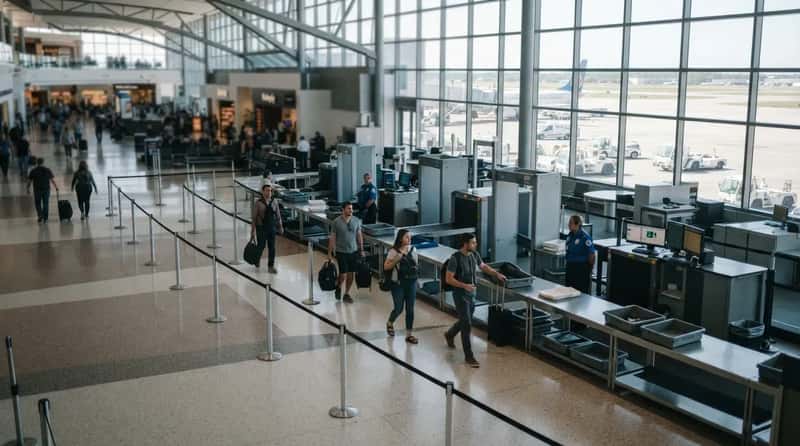
Here’s something most casual travelers never think about: the hour you leave matters almost as much as the day you fly. Security lines swell and shrink on a predictable rhythm most people never bother to learn.
Lines are typically longest between 5:00 AM and 8:00 AM and again from 4:00 PM to 7:00 PM, with Monday mornings and Friday afternoons standing out as the worst stretches of the week. Mid-morning and early afternoon tend to be the calmest windows in most terminals. Insiders quietly build their travel plans around this rhythm instead of fighting it every single trip.
#10 – They Treat TSA PreCheck as Math, Not a Luxury
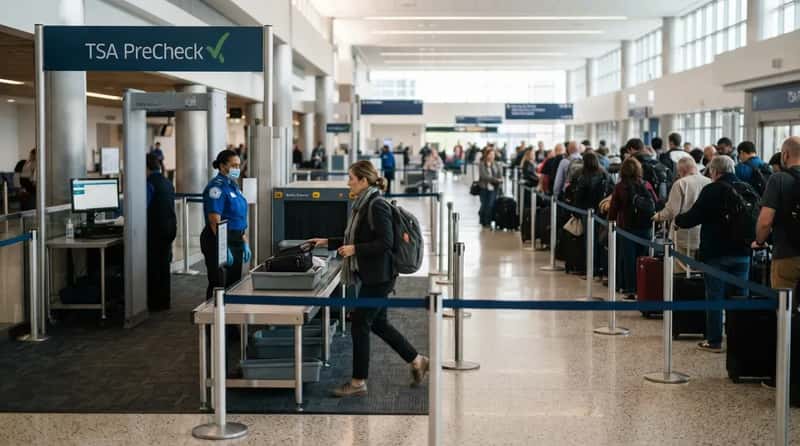
A lot of people still think of PreCheck as an unnecessary splurge for road warriors. Frequent flyers see it as one of the cheapest time-saving tools in modern travel, and the numbers genuinely back them up.
TSA data shows PreCheck passengers wait an average of under 5 minutes, compared to 15 to 30 minutes in standard lanes on a busy day. More than 20 million people now use TSA PreCheck, part of over 40 million enrolled across all DHS Trusted Traveler programs combined. At roughly $78 for five years, that works out to under $16 a year – a bill most experienced travelers consider basically free.
Quick Compare
- Standard security lane: 15 to 30 minutes on a busy day
- TSA PreCheck lane: under 5 minutes on average
- Cost per year: roughly $16, spread over a 5-year membership
#9 – They Know the “Fast Line” Isn’t Always the Line You Think
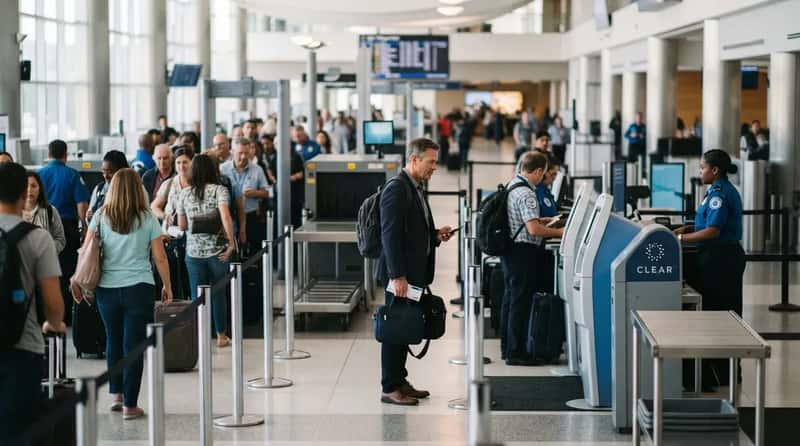
This is where a lot of confident travelers get quietly humbled. Premium lanes are not automatically the fastest option on any given day, and the people who fly constantly have learned to actually look before committing to one.
One veteran flyer who tracked hundreds of trips noticed something surprising: the standard priority line was often faster than the CLEAR lane he’d paid extra for. People who know what they’re doing scan every open lane – standard, PreCheck, CLEAR, priority – before locking in, instead of assuming the fanciest-looking option automatically wins.
#8 – They Know Missing a Flight Isn’t the Emergency It Feels Like
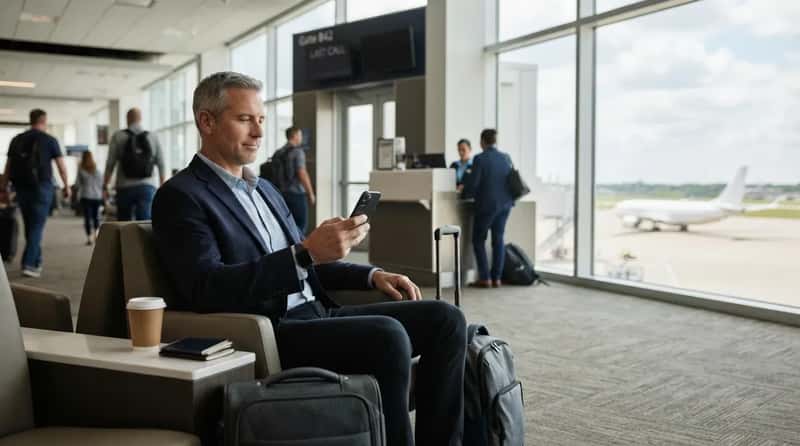
Nothing separates a panicked traveler from a seasoned one faster than how they react to bad news at the gate. New flyers spiral, replaying every decision that led to this moment. Experienced ones barely blink.
One traveler who logged roughly 800 personal flights found he’d only missed three or four due to being late – a rate of about 0.5 percent – and even then didn’t treat it as catastrophic. His take was simple: if you never miss a plane, you’re spending too much time sitting in airports for no reason. Calm, not perfection, is the actual skill worth building.
#7 – They Pack Like They’ve Already Been Flagged for a Bag Check
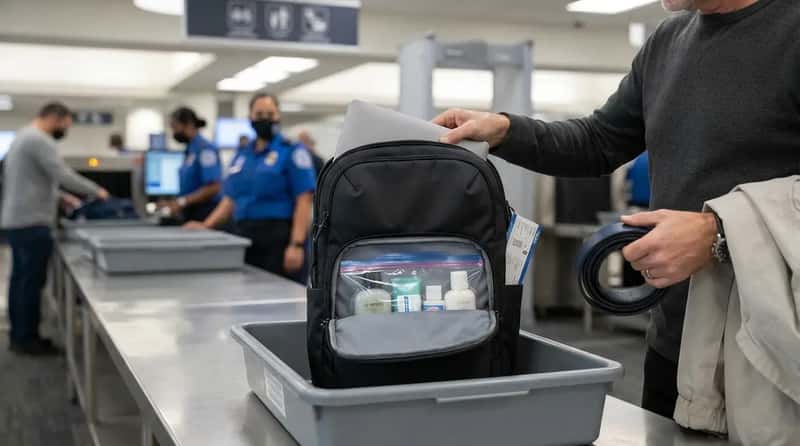
Ever notice how some travelers empty their entire bin in eight seconds while others hold up the whole line digging through side pockets? It’s not speed – it’s pre-planning done long before they ever reach the checkpoint.
Liquids sit in one exterior pocket. Laptops sit in another, already halfway out of the bag. Belts and jackets come off before the bin even arrives in front of them. This single habit alone shaves minutes off the line for everyone behind them, and it’s exactly the kind of small discipline that marks someone who has done this a hundred times before.
At a Glance
- Liquids pre-sorted into one exterior pocket, ready to pull
- Laptop already loosened, half out of the bag before the bin arrives
- Belt and jacket off before reaching the conveyor
- Pockets emptied ahead of time, not fished through mid-line
#6 – They Understand Why Some “Quiet” Airports Actually Aren’t
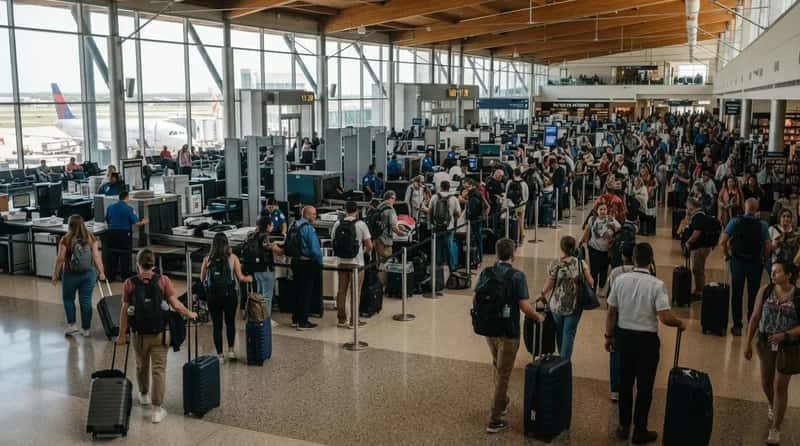
Most people assume smaller means faster, but that assumption backfires constantly and unpredictably. Size and passenger volume don’t always move together, and travelers who’ve been burned once never forget the lesson.
Airports like St. Louis, Austin-Bergstrom, and Orlando reported average security wait times of over 15 minutes throughout all of 2024 – longer than plenty of bigger, supposedly busier hubs. Houston, meanwhile, stands out for having one of the longest recommended arrival buffers in the country simply because of its size, gate spread, and consistently long TSA lines. Experienced flyers research the specific airport ahead of time, not just its general reputation.
Worth Knowing
- St. Louis, Austin-Bergstrom, and Orlando: 15+ minute average security waits through 2024
- Houston: one of the longest recommended arrival buffers due to size and gate spread
- Airport size and passenger volume don’t always move together – reputation can mislead
#5 – They Never Assume “Slow Day” Means “Slow Line”
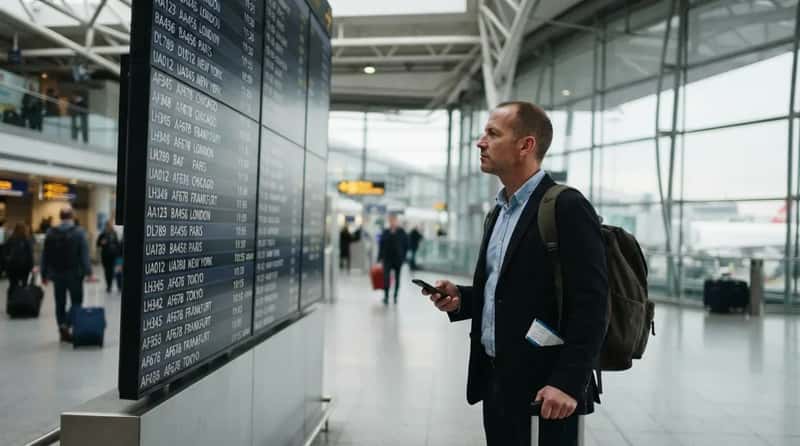
Even light travel days can turn into surprise security nightmares, and most casual flyers have no idea why it happens. It usually comes down to flight bunching, not the overall passenger volume for the day.
A passenger arriving early for a mid-morning departure might sail through security smoothly one day, then face a 45 to 60 minute wait the very next, simply because more flights happen to be clustered around that same window. People who know what they’re doing never trust a calm-looking terminal at first glance – they check the departure board first to see how many flights are stacked near theirs.
#4 – They Know Security Delays Can Quietly Cost You the Whole Trip
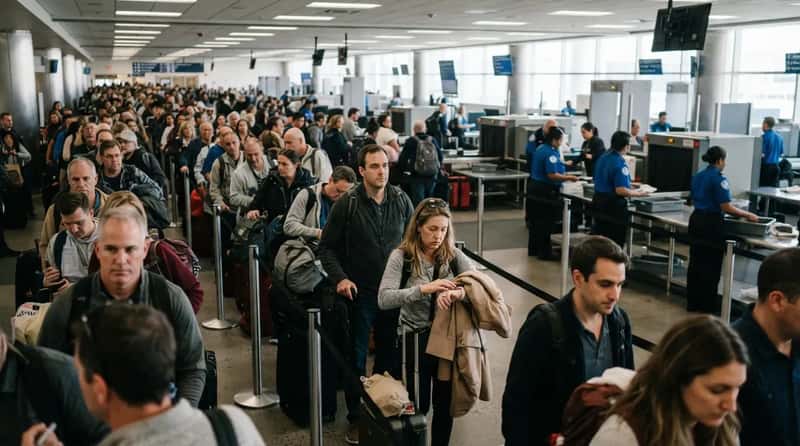
This is the habit that separates people who plan loosely from people who’ve actually been burned before and remember exactly how it felt. Long security lines aren’t just annoying – they’re a genuine reason travelers miss flights entirely, not a worst-case exaggeration.
Even before the pandemic, surveys found that long airport security queues caused one in seven passengers to miss a flight in the past 12 months. During the 2024 winter holiday season, JFK alone reported average peak waits of more than 54 minutes at times. Experienced flyers treat security delays as a real threat to the itinerary, not background noise they can shrug off.
Fast Facts
- 1 in 7 passengers has missed a flight due to long security lines in a 12-month span
- JFK reported peak waits over 54 minutes during the 2024 holiday season
- Security delays remain one of the most overlooked flight-miss risks industry-wide
#3 – They Know Which Gate-Area Spots Are Worth the Wait
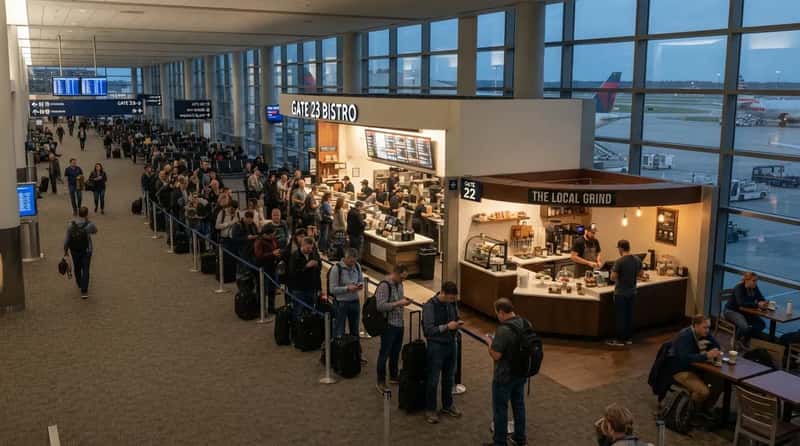
Every terminal has that one restaurant with a line stretching past three gates, and a quieter spot two doors down serving nearly the same food twice as fast. Regular travelers learn the difference fast, usually the hard way, after standing in the wrong line once with a boarding call ticking down.
They know which “grab and go” counters are secretly slower than actual sit-down service, and which coffee kiosk gets absolutely slammed the moment a big flight lands nearby. It’s a small, unglamorous piece of local knowledge, but it’s exactly the kind of thing that quietly signals someone who flies through that specific airport often, not just once a year on vacation.
#2 – They Track the Plane, Not Just the Gate Screen
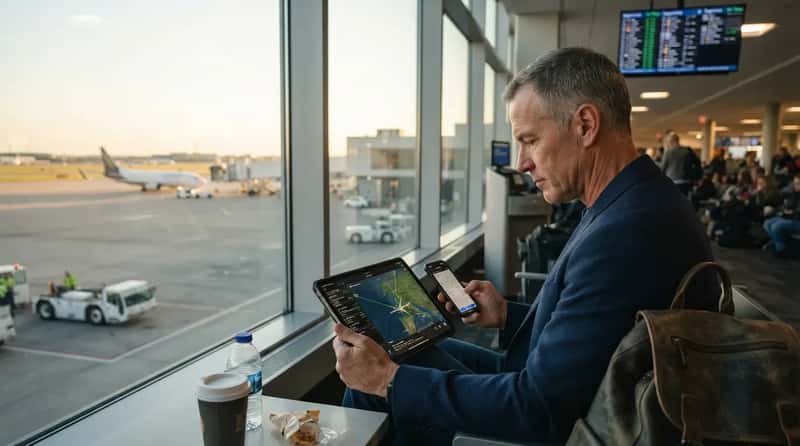
Departure boards tell you what the airline wants you to believe in the moment. Flight-tracking habits tell you what’s actually happening in the sky and on the tarmac. Frequent flyers rarely rely on the gate monitor alone anymore, and for good reason.
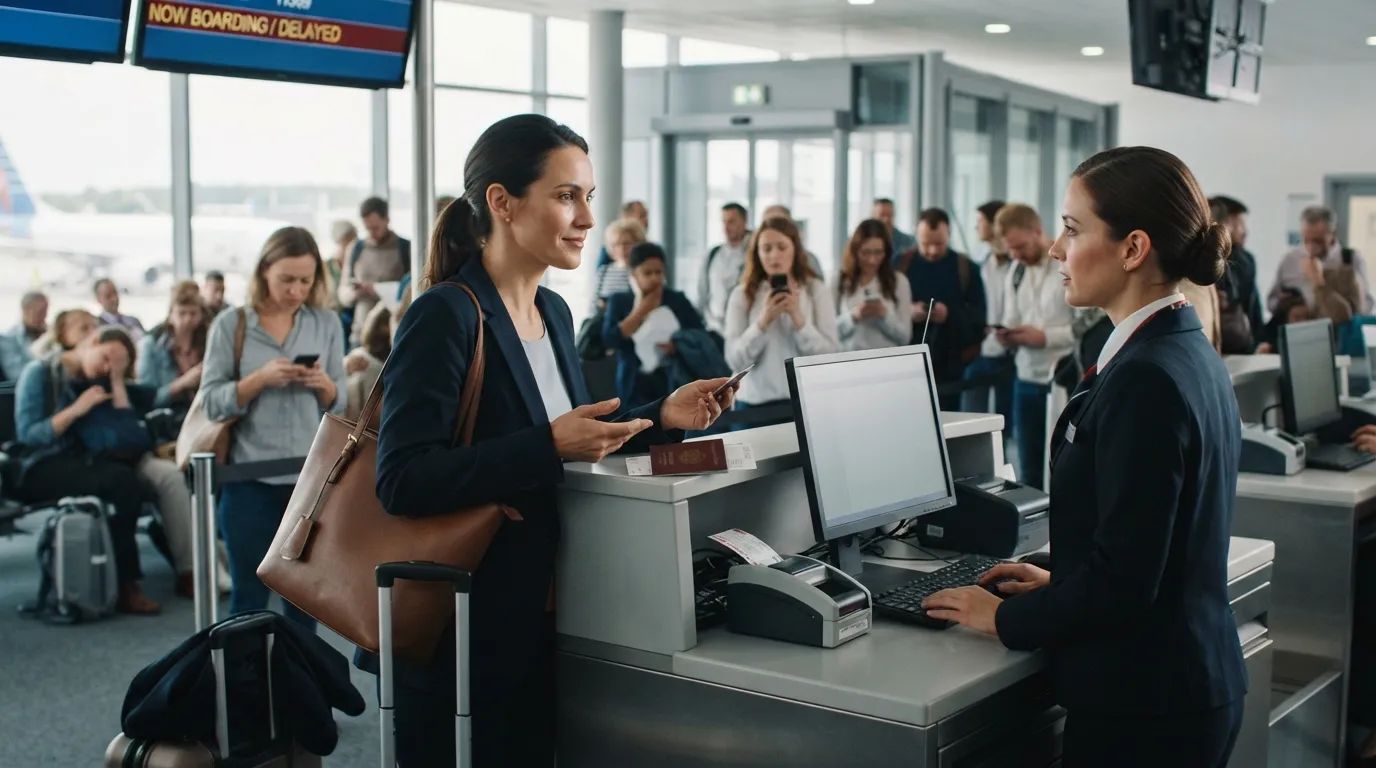
They check where the inbound aircraft currently is, because a plane that hasn’t even landed yet simply cannot depart on schedule, no matter what the screen still claims. This one habit lets them predict delays 20 to 30 minutes before an announcement ever hits the speakers, giving them time to grab food, use the restroom, or just relax instead of anxiously hovering by the gate door.
#1 – They Stay Calm the Second They Hear “This Flight Is Overbooked”
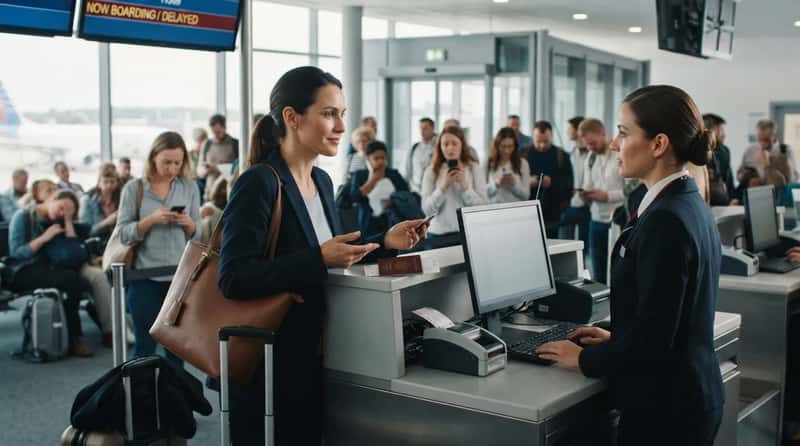
Nothing exposes an inexperienced traveler faster than panic at the gate, and nothing signals a seasoned one faster than the opposite reaction. Overbooking announcements send half the terminal into a quiet frenzy – and send the other half straight to the counter with a plan already forming.
People who know what they’re doing understand this moment is often an opportunity, not a crisis to be survived. They know airlines typically sweeten compensation offers the longer nobody volunteers, so they wait, ask specific questions about the next flight’s timing, and negotiate calmly instead of grabbing the first offer out of nerves. It’s the single clearest tell of someone who has done this before – while everyone else scrambles, they’re the ones getting paid to change their seat.
None of these habits require money, status, or a million miles flown to pick up. They’re small, learnable, and mostly invisible until you catch someone doing them right in front of you at the gate. The gap between a stressful travel day and an easy one usually comes down to exactly these kinds of tiny, boring decisions made hours before takeoff.
Which one of these do you already do without thinking – and which one are you stealing for your next trip?