There’s a certain kind of traveler you’ve probably seen at the gate – calm, no visible stress, bag already pre-measured, boarding pass ready before the agent even looks up. That’s not luck. That’s someone who has flown enough times to get burned by every single mistake on this list, paid the price, and quietly built a system around never paying it again. A growing number of them are retirees who treat air travel the way most people treat grocery shopping – routine, efficient, and completely under control.
The gap between that person and someone who flies twice a year isn’t experience in some vague sense – it’s a set of specific, almost counterintuitive habits that occasional travelers never encounter enough to learn. Some of these rules changed in 2025. Some will cost you $65 at the gate if you skip them. And at least two of them are things that millions of people get completely wrong every single week without realizing it.
#14 – They Measure Their Bag Before Every Single Trip, Not Just Once
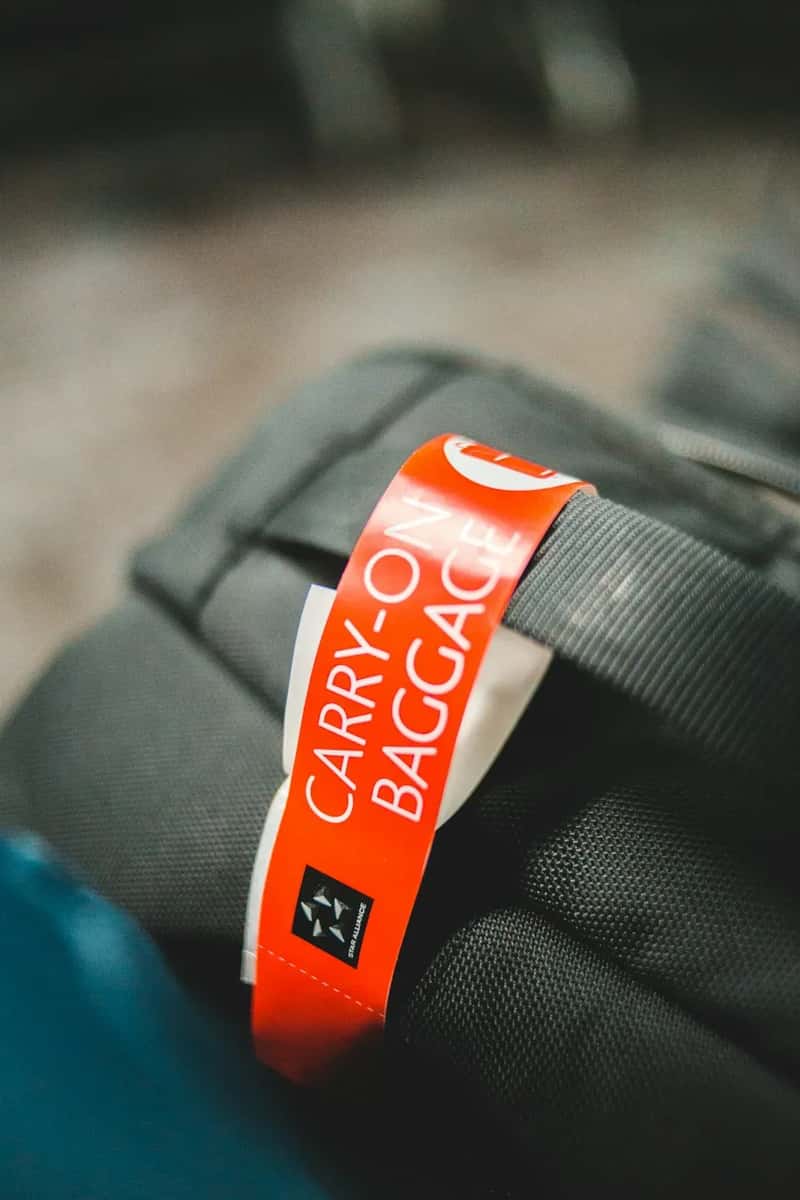
Most occasional travelers buy a bag that looks roughly the right size and never think about it again. Monthly flyers know that’s a gamble with a predictable outcome. Each airline sets its own carry-on dimensions, and what clears American Airlines at 22 x 14 x 9 inches may technically violate the rules on another carrier operating your connecting leg. Southwest, for example, allows a slightly larger 24 x 16 x 10. These differences seem small until a gate agent pulls out the metal sizer and your bag doesn’t drop in cleanly.
Here’s what makes it worse: the dimensions include your wheels, handles, and anything bulging out of an external pocket – not just the hard shell of the bag. Retirees who fly frequently keep a soft measuring tape in their toiletry bag and do a quick check any time they try a new bag or book on a new airline. It takes thirty seconds. Skipping it can cost you $65 at the gate and the quiet humiliation of repacking on the terminal floor while everyone watches.
Quick Compare: Carry-On Size Limits by Major U.S. Airline
- American, Delta, United, JetBlue, Alaska: 22 x 14 x 9 in. (wheels & handles included)
- Southwest: 24 x 16 x 10 in. – the most generous of the major carriers
- Frontier / Spirit: Stricter limits; carry-on fees start around $60, rising to $100 at the gate
- Regional jets (CRJ-700, Embraer 175): Smaller overhead bins – standard bags often gate-checked regardless of policy
- Key rule: All measurements are exterior, fully packed, including every protruding pocket
#13 – They Never Board Without Knowing the Exact Fare Class They Booked
This one stings more than almost any other mistake because it feels like a betrayal. You bought a ticket, assumed a carry-on was included, and then discovered at the gate that the budget fare you clicked on only covers a personal item. On United’s basic economy, you’re allowed one personal item only – no carry-on – except on select international flights. Several major U.S. carriers now have similar restrictions, and the rules keep getting tighter every year.
Monthly flyers screenshot their fare rules before leaving home – not the marketing confirmation page, the actual fare conditions buried in the fine print. They treat their personal item as guaranteed space and the carry-on as something they’ve verified in writing before they ever pack it. Occasional travelers assume. Frequent flyers confirm. That one habit alone has saved regulars hundreds of dollars in surprise gate fees they never see coming.
#12 – They Put Their Liquids and Laptop in Their Personal Item, Not Their Carry-On
This is one of the most counterintuitive habits experienced flyers have, and it shaves real minutes off every security line. TSA requires you to remove liquids and large electronics when going through the scanner – laptops, tablets, and e-readers bigger than a phone all need to come out and go into a separate bin. Monthly flyers pack those items in their personal item, a backpack or structured tote, so everything is immediately accessible without touching their roller bag at all.
The result is that their carry-on rolls straight onto the belt without anyone having to dig through it. Their security time drops dramatically – and so does their stress level. Occasional travelers pack everything in whatever felt logical at home, then stand frozen at the conveyor unpacking their roller bag while six people behind them silently calculate how late they’re going to be. TSA officers consistently cite this exact scenario as the top cause of security line slowdowns.
#11 – They Know the 3-1-1 Rule Cold – Including the Exemptions Most People Miss

Every traveler has heard of the 3-1-1 rule. Almost none of them know it well enough to use it confidently under pressure. Liquids must be in containers no larger than 3.4 ounces, all fitting into one quart-size bag, one bag per passenger. That part most people sort of know. What they don’t know is what’s actually exempt: prescription medications, baby formula, and breast milk are all allowed in quantities exceeding 3.4 ounces – but you must declare them to TSA officers at the checkpoint so they can be inspected separately.
Retirees who travel frequently – especially those managing multiple medications – are dialed in on this exemption in a way that completely changes their security experience. They calmly tell the agent what they have before anything gets flagged, they’re prepared for the extra screening, and they move on without incident. Occasional travelers either dump their medication in a checked bag out of confusion or panic when it gets flagged at the scanner. The rule is the same either way – the difference is just knowing it beforehand.
Fast Facts: TSA 3-1-1 Rule
- Containers must be 3.4 oz (100ml) or smaller – the bottle size, not how full it is
- All liquids go in one quart-sized, clear zip-top bag per person
- Exempt: prescription meds, baby formula, breast milk – must be declared separately
- Exempt: medically necessary gels and ice packs in reasonable quantities
- Solid toiletries (deodorant sticks, solid shampoo bars) do not count as liquids at all
#10 – They Keep Their Power Bank in Their Carry-On – Always
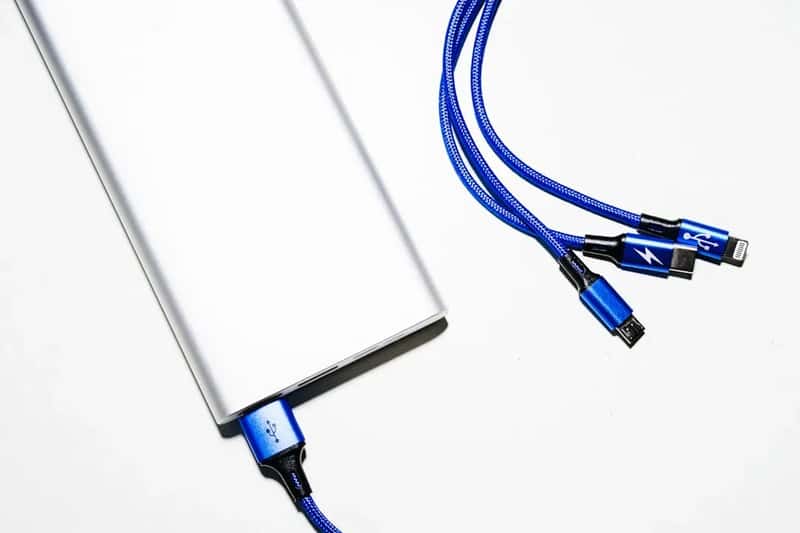
This rule changed in early 2025, and a lot of people still haven’t caught up. If you’re still packing your portable phone charger in your checked bag, you’re not just bending a guideline – you’re risking having it confiscated without notice. As of 2026, lithium-ion powered portable power banks are prohibited in checked luggage. They must travel in your carry-on, where they stay accessible during the flight.
Monthly flyers updated their packing habits the moment this rule went into effect and now keep their power bank in the top pocket of their carry-on where it’s instantly reachable at the security bin. Occasional travelers are still discovering this rule the hard way at baggage claim when their checked bag gets pulled and their power bank is simply gone. The capacity limit matters too – power banks under 100 watt-hours fly freely in carry-on bags, while anything between 100Wh and 160Wh requires airline approval. This isn’t a gray area. It’s a hard ban with consistent enforcement, and it’s one of the most commonly violated new rules among infrequent flyers who haven’t heard about it yet.
#9 – They Board as Early as Legally Possible – Every Single Time
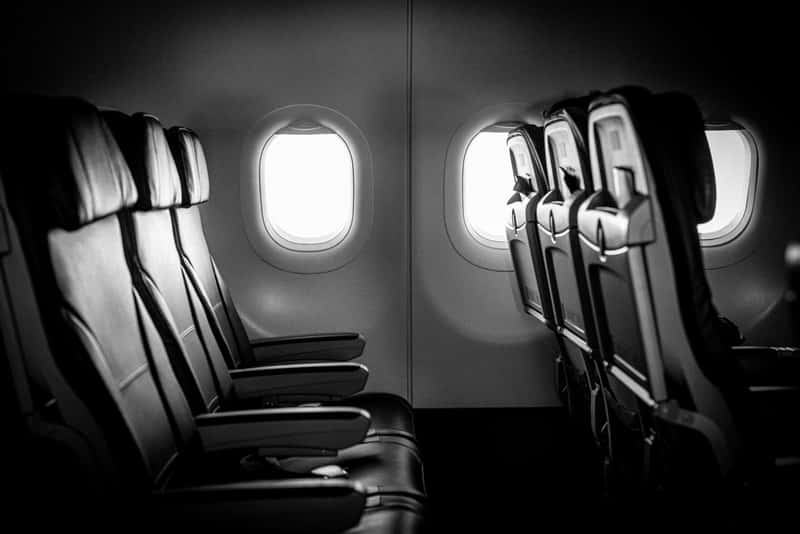
Monthly flyers are almost pathologically committed to early boarding, and they’re not apologetic about it. Overhead bin space is a finite resource that disappears fast on full flights, and anyone who has watched a flight attendant announce “the bins are full, please gate-check your bag” knows exactly what that moment costs in time and anxiety. Priority boarding can often be added at checkout for as little as $10 to $15 on many carriers – far less than the stress of losing your bin space.
The mistake occasional travelers make is assuming early boarding is only for families with strollers or elite frequent flyers. It’s often purchasable by anyone, and experienced monthly flyers have already decided it’s worth it before they even finish booking. There’s only a fixed amount of overhead space on any aircraft – when that’s gone, it’s gone. Getting on early isn’t a preference for these travelers. It’s insurance against a specific, predictable problem they’ve already experienced too many times to leave to chance.
#8 – They Use Packing Cubes to Pass the Bin Test Every Time
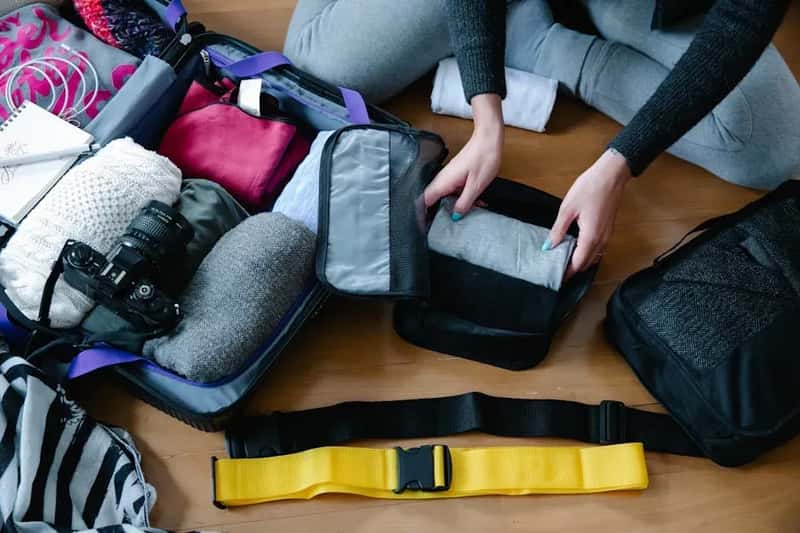
Packing cubes aren’t just a tidiness habit – they’re a structural strategy with a direct impact on whether your bag fits overhead. When clothes are loose inside a roller bag, the bag naturally puffs and bows, which can push it over size limits even if the hard shell is technically within dimensions. Compression packing cubes keep the bag’s silhouette firm and predictable, so it slides into the overhead bin cleanly instead of getting wedged sideways while someone behind you sighs loudly.
Beyond the size benefit, packing cubes solve a specific problem that destroys the second half of most trips: the mid-vacation bag explosion. When everything lives in a labeled cube, you unpack one cube at a time without disturbing the rest of your bag. You never have to repack your entire carry-on at 6 a.m. in a dark hotel room while trying not to wake your travel partner. Retirees who live out of a carry-on for two- and three-week trips swear by this system. Occasional travelers usually discover it after one trip where they couldn’t zip their bag closed on the way home.
Why It Stands Out: Packing Cubes for Carry-On Travel
- Compression cubes keep bag edges firm so the bag clears sizers that a puffy bag would fail
- Separating outfits by cube means you never fully unpack – just pull and swap
- One cube per category (tops, bottoms, undergarments) makes security repacking take seconds, not minutes
- Retirees on 2–3 week trips often carry on only – labeled cubes make hotel checkout fast and reliable
#7 – They Wear Their Heaviest Clothes on the Plane

This sounds obvious until you realize how few people actually do it consistently enough to matter. Frequent flyers have turned wearing bulk into a quiet financial strategy. By wearing their heaviest shoes, thickest jacket, and bulkiest sweater to the airport instead of packing them, they leave their carry-on dramatically lighter and easier to manage – and they avoid the fees that come with an overweight or overstuffed bag. The clothes still make the trip. They just don’t take up bag space to do it.
The key is strategic layering, not just putting on everything you own. Monthly flyers board with their heavy items on their body, shed the outer layers in the cabin, and stow them in the overhead bin or under the seat in front. TSA just wants you to put bulky jackets in a bin at the scanner – you get them right back on the other side. Occasional travelers pack everything neatly, discover their bag is suddenly overweight at check-in, and pay $30 to $50 to check it. There’s a direct, calculable financial cost to skipping this one habit.
#6 – They Store Their Carry-On Wheels-First in the Overhead Bin
This one seems trivial until you watch a full boarding line grind to a halt because someone is trying to muscle their roller bag in every orientation except the right one. The wheels-first method – placing the bag horizontally so the wheels enter the bin before the body – is the standard technique used by anyone who boards more than a handful of times a year. It takes up less linear space and makes the bag dramatically easier to pull out when you land, without swinging it over someone’s head.
The real move, though, is storing the bag on the opposite side of the aisle from your seat. It sounds odd until you try it: when it’s time to deplane, you reach across the aisle, pull the bag straight down toward you, and walk off without the awkward contortion everyone else goes through. It also lets you keep an eye on your belongings throughout the flight. Occasional travelers default to the bin directly above their seat without thinking, which often means they’re the last ones off the plane, waiting for everyone else to clear before they can even reach their bag.
#5 – They Pre-Size Their Packed Bag at Home Using the Airline’s Actual Dimensions
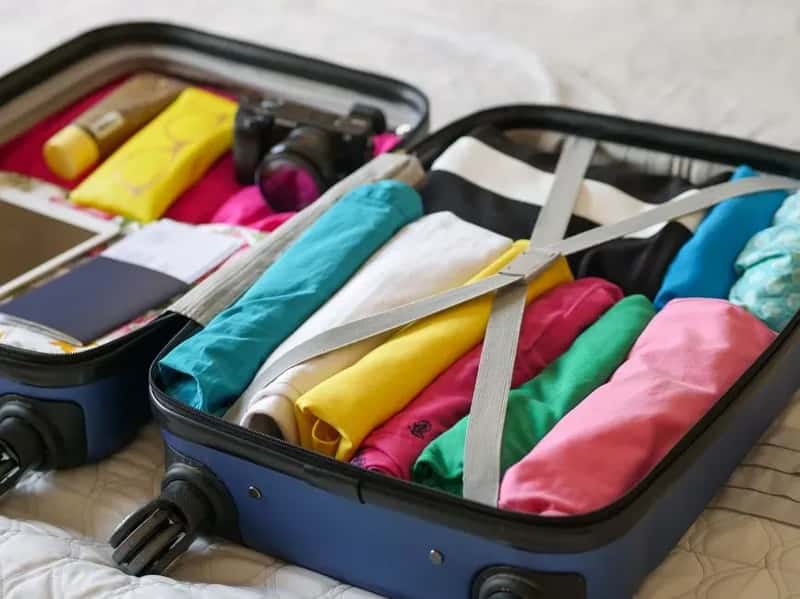
Gate agents in 2026 are not bluffing when they pull out the metal sizing box. Some airlines are now testing automated scanners at boarding gates that measure bags instantly – machines that don’t negotiate and don’t make exceptions. Budget carriers charge carry-on fees that start around $60 and can climb to $100 if you wait until the gate to pay. And the measurement that matters is not the bag’s advertised size on the manufacturer’s website – it’s the actual packed bag, including wheels, handles, and every external pocket that’s currently stuffed.
Monthly flyers keep a fabric measuring tape in their toiletry kit. Before leaving for the airport, they physically measure their packed bag and test whether the zipper closes flat without the sides bowing outward – that bowing is the most common reason a bag that “should fit” gets flagged at the gate. It’s a five-minute habit. It has saved experienced travelers hundreds of dollars in gate fees and spared them the particular misery of having to repack on the floor of a crowded terminal while their flight boards without them.
#4 – They Have TSA PreCheck and Actually Add Their KTN to Every Booking

A surprisingly large number of travelers pay for TSA PreCheck and then accidentally skip the benefit entirely – not because they forgot to enroll, but because they forgot to add their Known Traveler Number when booking the flight. The result: they’re stuck in the regular security line, shoes off, laptop out, belt in a bin, wondering why PreCheck doesn’t seem to be working. Monthly flyers have their KTN memorized or saved in their phone’s notes app, and they confirm it appears on their boarding pass before they ever leave home.
According to TSA data, roughly 99% of PreCheck passengers wait less than 10 minutes at security during normal operations – and PreCheck removes the shoe removal, belt removal, laptop unpacking, and liquids-out steps entirely. For someone flying monthly, that adds up to hours saved over a year, plus an enormous reduction in the low-grade stress that makes air travel feel exhausting before you even board. Global Entry membership automatically includes PreCheck for domestic flights, but the Known Traveler Number still must be added to each individual reservation. Occasional travelers often miss that last step and lose the benefit every single time.
At a Glance: TSA PreCheck vs. Standard Screening
- PreCheck lane wait: Under 10 min for ~99% of passengers (normal operations)
- Standard lane wait: 15–30 min at most large U.S. airports; up to 2–3 hrs during surges
- PreCheck perks: Shoes on, belt on, laptop stays in bag, no liquids bin required
- Global Entry: Includes PreCheck automatically – but KTN must still be added to every booking
- Cost: TSA PreCheck runs $85 for 5 years; many travel credit cards reimburse the fee entirely
#3 – They Treat Their Personal Item as a Medical and Valuables Bag, Not an Overflow Bin

Most occasional travelers use their personal item as overflow for whatever didn’t fit in the carry-on – extra shoes, a snack, a paperback. Monthly flyers do the exact opposite. They deliberately designate their personal item, usually a structured backpack or firm tote, as the bag that carries everything irreplaceable: medications, travel documents, electronics, credit cards, and anything they’d be devastated to lose if a bag got rerouted or gate-checked against their will. This is the bag that never leaves their hands and never goes under the plane.
The logic becomes obvious the first time you watch someone’s carry-on get involuntarily gate-checked on a regional jet with no warning. If your valuables are in that bag, they’re gone until baggage claim – if the bag arrives at all. Monthly flyers have already moved everything critical to their personal item before boarding even begins. Retirees managing multiple prescriptions keep all medications in an easy-access pocket with original labels attached, ready to declare at security without any fumbling. The personal item is their safety net, not their junk drawer.
#2 – They Check the Specific Aircraft Type Before Packing, Not Just the Airline
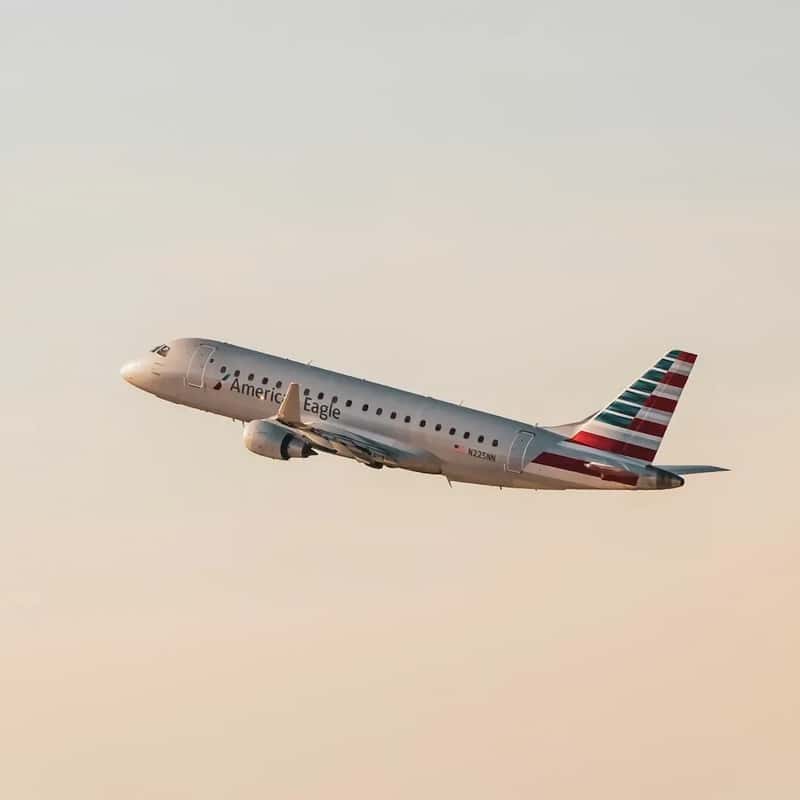
Here’s something almost no one outside of regular flyers knows: overhead bin size varies not just by airline, but by the specific aircraft model operating your flight. A regional jet – like an Embraer 175 or a CRJ-700 – has dramatically smaller overhead bins than a mainline Boeing 737 or Airbus A320. A bag that fits perfectly on a wide-body aircraft on the first leg of your trip may not physically fit on the regional jet operating your connection, regardless of the airline’s stated size policy.
Monthly flyers check the equipment type listed in their flight details before they even start packing. If they see a regional jet, they mentally downsize their expectations and proactively move all valuables and medications to their personal item before boarding starts – because on a small regional aircraft, a standard carry-on almost always gets gate-checked involuntarily. This isn’t paranoia. It’s pattern recognition from having it happen enough times to build a system around it. Occasional travelers are blindsided by this every single time, standing at the jet bridge with a bag they can’t keep while the line backs up behind them.
Worth Knowing: Regional Jets and Overhead Bin Reality
- CRJ-700 / CRJ-900: Bins fit bags handle-out only – many standard roller bags get gate-checked automatically
- Embraer 175: Slightly better, but still tight; soft-sided bags have a clear advantage
- Boeing 737 / Airbus A320: Full-size bins – standard 22 x 14 x 9 bags fit comfortably
- How to check: Look for the aircraft type (e.g., “ERJ-175” or “737-800”) in your booking’s flight details or on the airline’s app
- On Delta Connection and United Express, regional jet gate-checks are free but unannounced – your valuables need to be out before you board
#1 – They Ignore Viral “Carry-On Hacks” and Follow the Actual Rules Instead
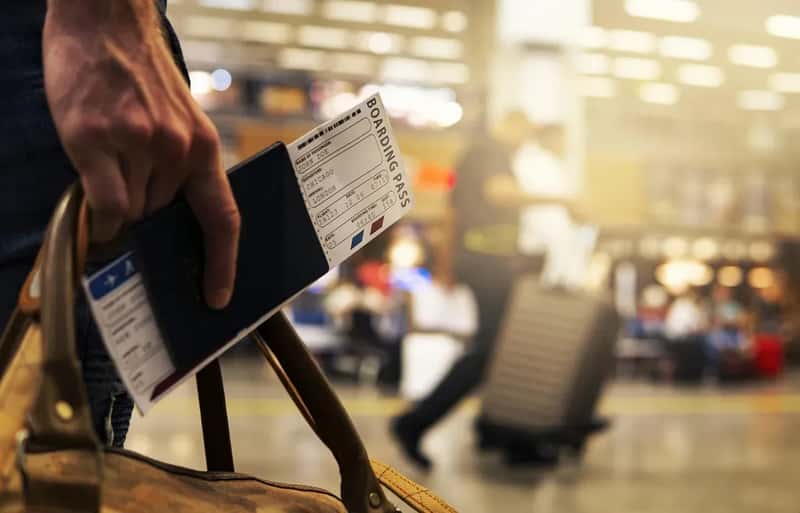
The most powerful carry-on habit that retirees who fly monthly have isn’t a packing product or a clever trick – it’s a deep skepticism toward viral airport hacks. Stuffed pillow “sleeves,” duty-free bag-within-a-bag techniques, stacking multiple personal items as if they count as one – these strategies are actively cracked down on at the gate in 2026. Airlines have explicitly briefed staff on the most popular internet workarounds, and gate agents who see the same tricks every week are not fooled. If it looks like a second bag, it gets treated like one.
Monthly flyers have learned, sometimes expensively, that the rules are enforced by human beings who have already seen every hack that went viral last month. The single most consistent carry-on rule that experienced flyers follow is to simply know the actual policy of the specific airline and specific aircraft they’re on that day – and comply cleanly. No games, no loopholes, no last-minute disputes at the aircraft door. The occasional traveler tries to outsmart the system. The monthly flyer just learned the system. That’s the whole difference, and it shows every single time they board.
Every one of these 14 rules points to the same underlying truth: retirees who fly every month aren’t working harder at this – they’re working smarter, because they’ve already paid the tuition of not knowing. The power bank ban, the aircraft-specific bin sizes, the KTN on every booking, the personal item as a medical bag – none of this is secret knowledge. It’s all publicly available. The difference is that frequent flyers looked it up after the first time something went wrong. If you only fly twice a year, you never accumulate enough feedback to build those habits on your own. Now you have them anyway.