Everyone assumes a grandparent-grandchild vacation is just a smaller, sweeter version of a normal family trip. Travel experts and multigenerational trip veterans say it’s almost the opposite.
The energy gap, the screen-time rules, the food schedules, even the legal paperwork all work differently when a grandparent is the one in charge. Research shows a quarter of all leisure travelers are grandparents, averaging four trips a year, and more than a third of those trips include the grandkids.
That’s a lot of trips – and a lot of room for expensive, avoidable mistakes nobody warns you about until it’s too late.
Here are the 14 mistakes that trip up even the most well-meaning grandparents, counting down to the one that quietly decides whether the whole trip actually works.
14. Skipping the Pre-Trip Conversation With the Parents
Most grandparents jump straight into booking flights and hotels without looping in Mom and Dad first. That’s exactly where the friction starts.
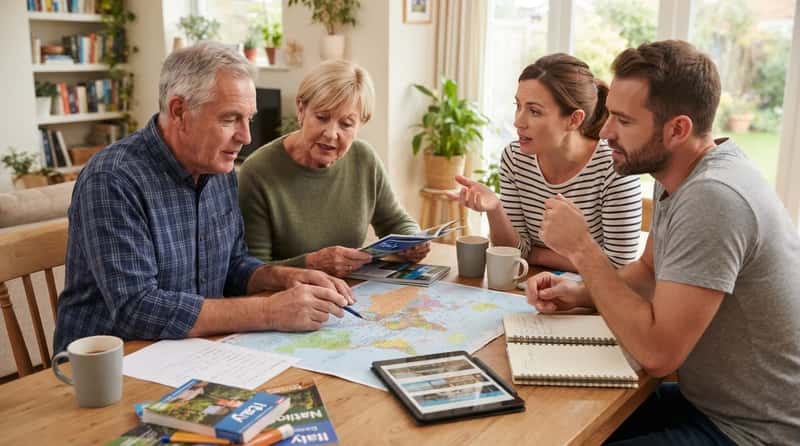
“The initial conversations have to be between the grandparent and the parents, without the grandchild involved, and just make sure that the parents are comfortable with it,” says Kenneth Shapiro, board president of the Family Travel Association.
This isn’t just a courtesy call. Parents have strong opinions about diet, screen time, bedtimes, and safety, and a grandparent who overrides those rules, even with the best intentions, creates tension that outlasts the trip itself.
Have the planning conversation before you book anything. Talk budget, pace, food preferences, mobility concerns, and must-dos so everyone is aligned before a single reservation is made.
That opening conversation is just the beginning. The next mistake happens before a single bag gets packed.
13. Letting Grandchildren Plan Nothing
Many grandparents plan every detail themselves with zero input from the grandchildren. Then they wonder why the kids seem bored or ungrateful by day two.
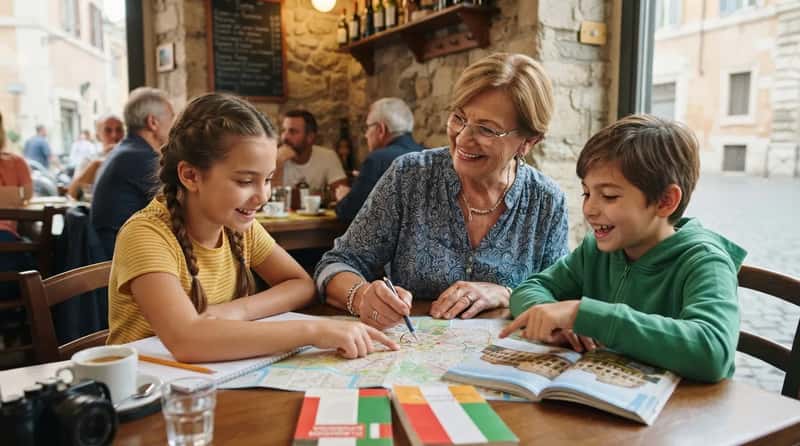
Involving grandchildren in the planning process hands them age-appropriate decision-making power, and it teaches them how to plan meaningful travel long after this trip ends.
This doesn’t mean handing a seven-year-old a credit card and a map. It means letting them pick one restaurant, choose a museum, or vote on the afternoon activity.
That small act of ownership flips their mindset from passenger to participant. Kids who help choose the trip rarely complain about the trip.
The planning mistake is common. But the packing mistake that comes next can derail the trip entirely.
12. Overpacking Your Own Luggage
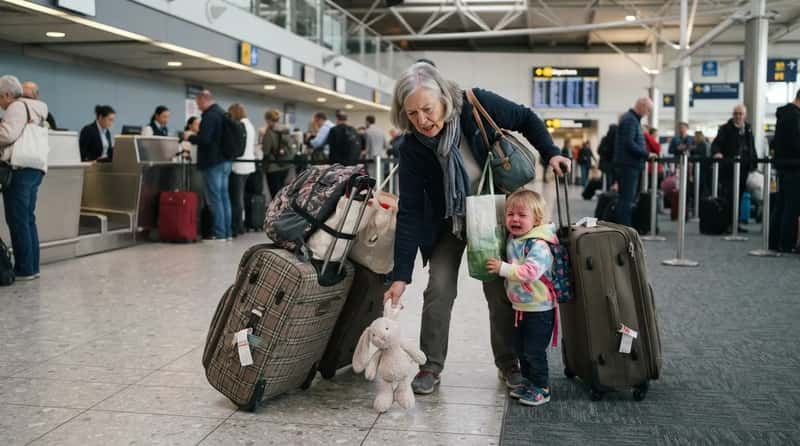
Grandparents over 60 often pack like they’re preparing for a two-month expedition. Then they discover they have no free hands exactly when they need them most.
Children travel with a shocking amount of gear. A baby on a one-hour flight can require more luggage than the average client on an African safari.
Strollers, stray blankets, dropped stuffed animals, wailing toddlers – all of it needs picking up, and it needs a grandparent with open hands. Check your bags and carry only a small personal item.
Focus on essentials that serve multiple purposes, and pack versatile clothing that layers or repurposes easily. A packing checklist keeps you from overthinking it at 6 a.m. on travel day.
Free hands matter. But even light-packing grandparents make the next mistake – and it can cause real chaos at the border.
11. Forgetting the Notarized Consent Letter
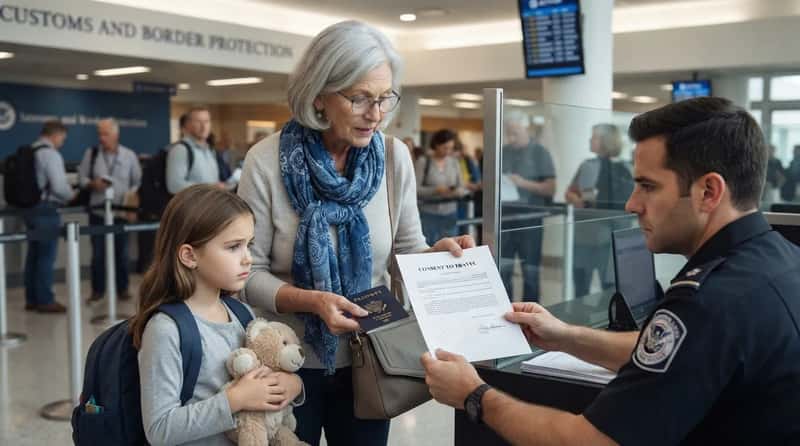
This is the mistake that can stop a trip dead at the airport. Most grandparents only learn about it once they’re already standing in line.
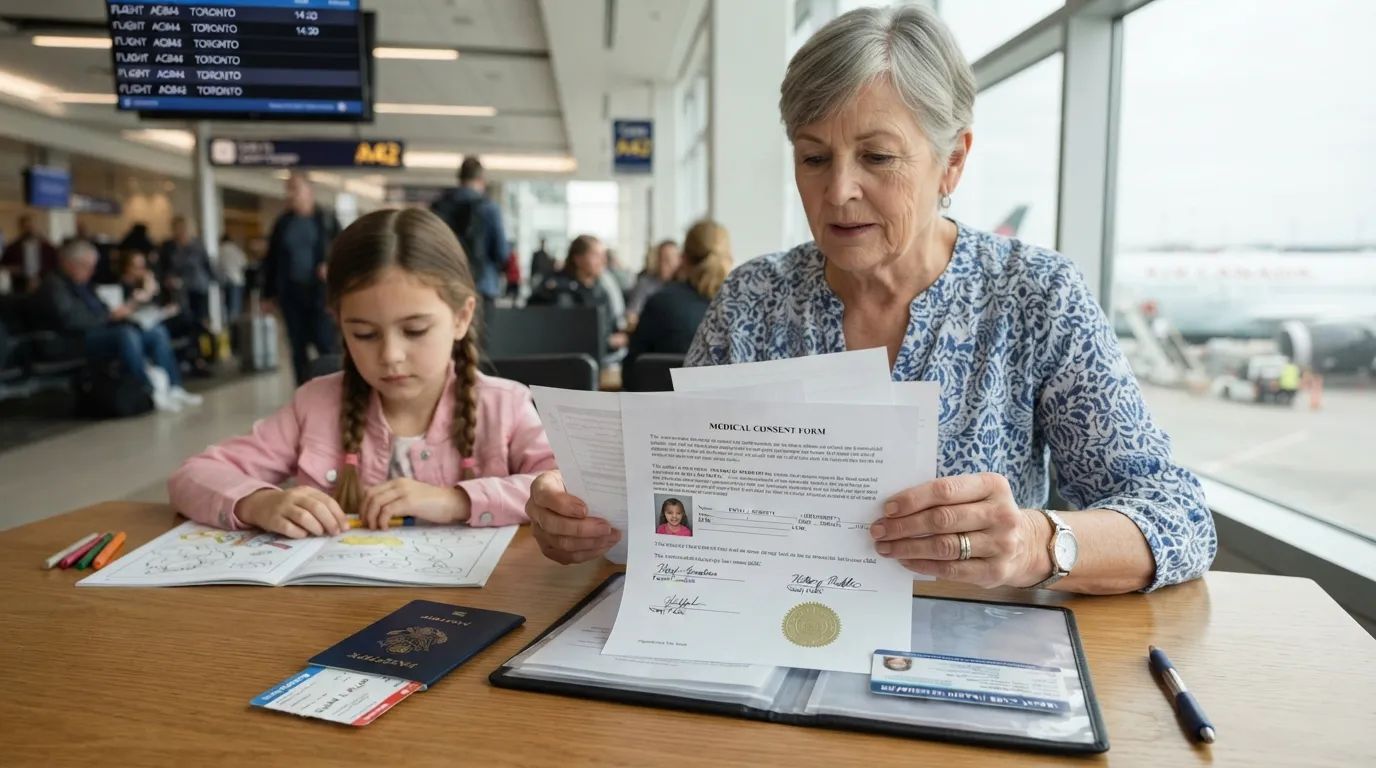
“Grandparents should get a parental consent, preferably notarized, to show customs and border authorities that they have the permission to travel with children who aren’t their own,” says Christina Tunnah, a spokesperson for World Nomads.
It isn’t technically a U.S. requirement, but other countries can refuse entry without it. And if you’re detained at the border for non-compliance, those expenses won’t be covered by travel insurance.
Border officials sometimes ask for proof of parental permission specifically to prevent child abduction, and it’s more likely if your surname differs from your grandchild’s. A matching last name is not automatic protection.
Documents sorted? Good. The next mistake involves a different kind of paperwork most grandparents overlook completely.
10. Leaving Without a Medical Consent Form
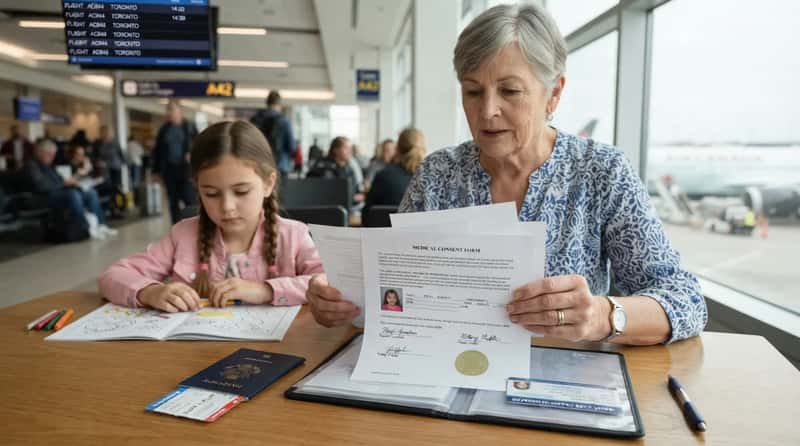
A notarized travel letter gets you across the border. Without a medical consent form, you may not be able to get your grandchild treated at a hospital, even in an emergency.
Imagine your grandchild gets sick or injured mid-trip. Suddenly you need to make medical decisions on their behalf, and that’s exactly where this form kicks in.
If a grandchild suffers an ear infection or a sprained ankle, a medical consent letter from the parents gives you the legal right to seek treatment. Carry a copy of their insurance card too, since hospitals often ask for both documents at once.
Fast Facts
- A solid medical consent letter includes the child’s full legal name, date of birth, and a recent photo.
- List known allergies, current medications, and immunization history in plain, simple language.
- Both parents should sign, along with a phone number where they can be reached at any hour.
- Keep a paper copy and a photo of the letter saved on your phone, since some hospitals ask to see it twice.
Even direct relatives need proof that they’re authorized to make medical decisions. A loving relationship doesn’t carry legal weight in an ER – a signed form does.
Now you have the paperwork sorted. But wait until you see what the next mistake costs grandparents on nearly every trip.
9. Skipping Travel Insurance for the Whole Group

Many grandparents buy travel insurance for themselves and forget to add their grandchildren to the same policy. That gap gets expensive fast.
Sickness or injury are the most common reasons trips get canceled or interrupted, and with kids and older adults in the same group, something happens more often than you’d think.
Travel insurance can cover trip cancellations and medical emergencies, but the details matter. Some policies cover adults automatically and exclude minor grandchildren unless they’re added by name.
Call the insurer before you fly and confirm the grandchildren are explicitly covered. It takes five minutes and it can save the entire trip.
Insurance is invisible until you need it. The next mistake is far more visible, and it happens on almost every single day of the trip.
8. Over-Scheduling Every Day
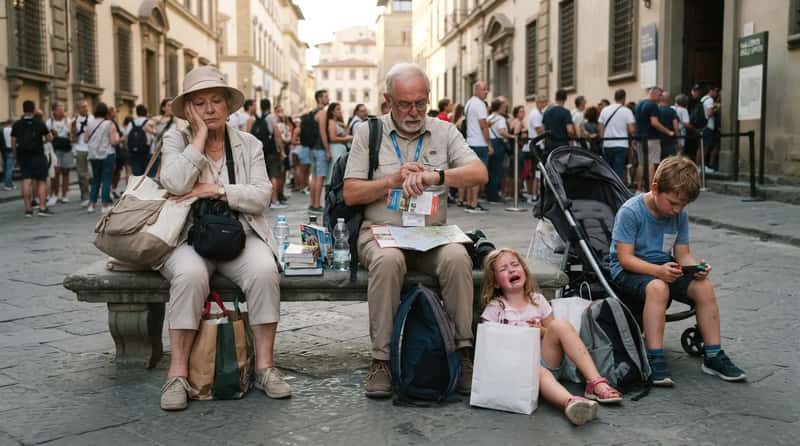
Grandparents want every moment to count, which sounds noble until it means three museums, two restaurants, and a boat tour before 4 p.m. Everyone ends up miserable.
Doing too much exhausts the youngest and oldest travelers alike, while doing too little bores the teens. Finding that balance is the real skill of multigenerational travel.
Don’t over-plan. Build in downtime, and if you’re road-tripping, let the kids run and play while the grandparents get a quiet minute.
The trick most travel experts share is one guaranteed “nothing” hour every afternoon. Kids melt down when overtired, and so do grandparents, though they’re less likely to admit it.
Pace matters. But what grandparents choose to do during that pace is another issue entirely, and this next one is controversial.
7. Choosing Destinations That Only Grandparents Love
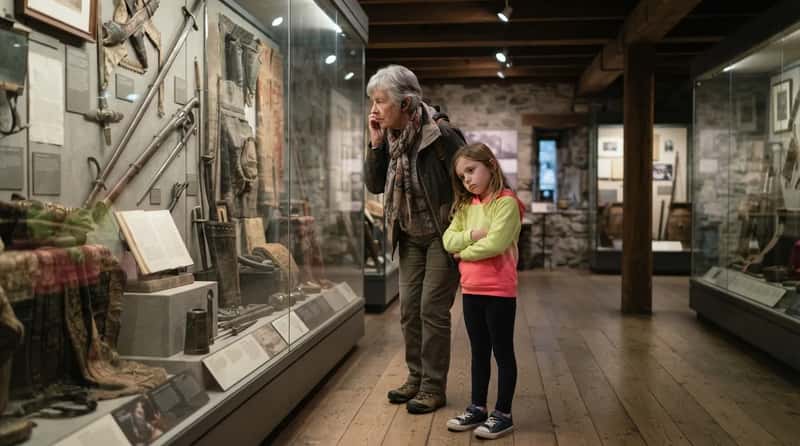
Some grandparents pick a destination based on where they’ve always wanted to go – a quiet wine region, a heritage tour of rural Scotland – and assume the grandkids will love it too. They usually won’t.
Research the destination and plan activities that appeal to everyone traveling, factoring in energy levels, interests, and limitations. That last word applies to both generations equally.
A trip that works brilliantly for grandparents with teenagers will flop completely with a seven-year-old, and vice versa. The grandchild’s age should be the first filter, not an afterthought.
Quick Compare
- Toddlers (ages 2-4): Beach resorts, theme parks, and short flights with familiar routines tend to work best.
- School age (ages 5-10): Hands-on museums, wildlife parks, and easy hiking trails hold their attention.
- Tweens and teens (11+): City trips, cultural immersion, and a little independence go a long way.
Bucket-list trips like an African safari or a Galapagos cruise sound amazing, but the cost and complexity are better saved until you know how well you actually travel together. Start somewhere more forgiving first, and save the dream trip for later.
The destination matters. But how grandparents handle their own physical limits matters just as much, and almost nobody talks about this next one openly.
6. Ignoring the Mobility Gap
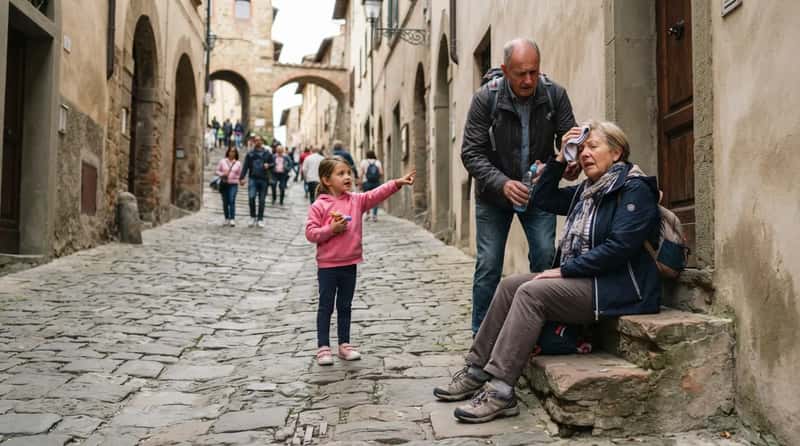
Grandparents over 60 sometimes try to keep pace with young grandchildren at a speed their body can’t sustain. Rather than admit it, they push through until something goes wrong.
Ignoring different mobility levels can cause tension in multi-gen trips. A good guide can adjust plans so grandparents can take it easy while kids keep exploring, ensuring no one feels left out.
Leigh Barnes, President of the Americas, Intrepid Travel
The reverse is just as risky. Grandparents who overestimate their stamina and book a five-mile cobblestone walking tour aren’t doing anyone favors, so be honest with yourself and the tour operator before booking.
Many attractions now offer mobility-friendly alternatives if you simply ask. Most booking agents have workarounds – the punishing climb is rarely the only option.
Physical limits are real. But the accommodation mistake coming up next can wreck the trip regardless of how fit anyone is.
5. Booking a Single Hotel Room for Everyone
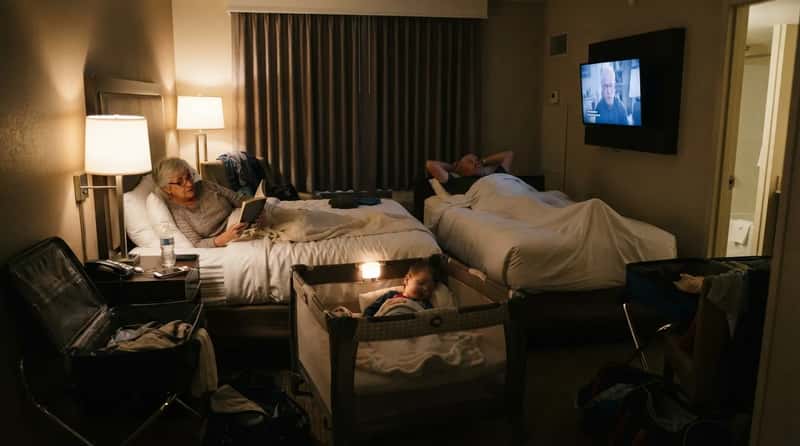
Many grandparents book one hotel room to save money. Then they discover that a tired four-year-old going to bed at 7:30 p.m. means everyone goes to bed at 7:30 p.m.
“If you’re in a hotel room with small children who’ve been on the go all day, when it’s time for them to sleep, you’re in for the night,” said Brandon Dale, co-founder of GoForth Luxury Vacation Homes.
A vacation rental or apartment – even a two-bedroom unit – solves this completely. Kids sleep in one room, grandparents get their evening back, and nobody resents anyone by morning.
Apartment rentals also save money on food since you can cook simple breakfasts, and multiple bathrooms prevent the morning bottleneck. Prioritize properties with reliable elevators and safe outdoor space.
Smart accommodation changes the entire trip dynamic. But the next mistake is sneakier – it plays out quietly, one meal at a time.
4. Ignoring the Grandchildren’s Eating Habits and Schedules
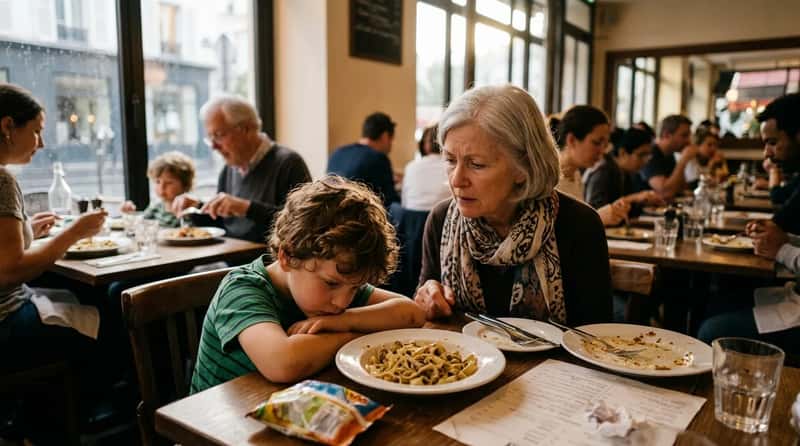
Grandparents often assume kids will happily eat whatever’s on the menu at the charming local bistro. Or that an 8 p.m. dinner is fine because “we’re on vacation.” Neither is usually true.
Most children under ten are creatures of strict habit about food and meal timing. Disrupting both at once, in an unfamiliar place, is a reliable recipe for a meltdown that ruins the evening.
Smart grandparents research family-friendly restaurants ahead of time and keep a backup fast option nearby. They also pack familiar snacks as an emergency buffer, since airlines are stingy with snacks these days and road trips are no better.
Hunger is the fastest trigger for bad behavior in young kids. Grandparents who understand this don’t moralize about it – they just carry snacks and keep the schedule reasonable.
Hunger managed. But the mistake coming up next is subtler, and it causes more long-term family friction than almost anything else on this list.
3. Overriding the Parents’ Rules Without Realizing It

Grandparents are famous for this one. “Just this once” becomes the unofficial motto of every skip-gen trip – more screen time, more sugar, later bedtimes – and the parents clean up the fallout once the kids get home.
You may think you know what’s best for the grandchild. Here’s the reality check: this is not your baby to raise.
“How can I be helpful?” beats “you should do it this way” every single time. Respecting that the parents live with the consequences of whatever patterns get set on this trip matters more than winning the moment.
The best grandparent travelers set one rule before they leave: if it’s a parenting question rather than a logistics question, the answer is “let me check with Mom and Dad.” That one habit eliminates most of the friction.
That’s a real mindset shift. But the next mistake is purely practical, and it can leave grandparents stranded, stressed, and out of pocket.
2. Assuming Your Energy Levels Are the Same as When You Were a Parent

This is the mistake grandparents are most reluctant to admit, and it catches nearly everyone. Raising kids and vacationing with kids are two very different physical demands, and decades make a real difference.
Plenty of parents used to drive through the night without blinking. Pulling those all-nighters as a grandparent just isn’t possible anymore, and that’s age catching up, not failure.
Being responsible for a grandchild’s wellbeing from 6 a.m. cereal to 8 p.m. bedtime is harder than most people remember. The gap between memory and reality tends to hit hardest on day three.
The grandparents who thrive build genuine rest time into the itinerary for themselves, not as a luxury but as a non-negotiable. A rested grandparent is present; an exhausted one is a liability by Wednesday.
Everything above matters. But the #1 mistake quietly decides whether grandchildren remember this trip as the best memory of their childhood, or just another vacation.
1. Being So Focused on Logistics That You Forget to Be Present

This is the mistake that stings the most in hindsight. Grandparents spend months planning the perfect trip – flights, hotels, activities, documents – and then spend the actual trip managing details instead of connecting with the people they came for.
Traveling with grandchildren is the perfect time to tell stories from your own childhood and share family history. Those conversations, in strange new places, are what grandchildren actually remember decades later – not the hotel room, not the theme park.
Capturing moments with a phone or camera lets everyone revisit the memories for years to come. But experts consistently note the phone should supplement presence, not replace it, and one real conversation at a restaurant beats fifty photos of the food.
The grandparents who get this right understand the trip itself is the easy part. Being truly there, unhurried, curious, and fully engaged, is the skill worth practicing.
The Bottom Line

Traveling with grandchildren after 60 is one of the most rewarding things you can do. It’s also one of the easiest things to quietly undermine with mistakes nobody warns you about.
The legal details are real: notarized consent letters, medical authorization forms, and proper travel insurance for the whole group are non-negotiable, not optional extras. The logistical details matter too – right-sized accommodation, realistic pacing, and snacks that prevent meltdowns before they start.
Worth Knowing
- Paperwork first: notarized consent, medical authorization, and insurance that names every grandchild by name.
- Space matters more than luxury: a two-bedroom rental usually beats a single hotel room every time.
- Build in one unscheduled hour a day. It protects everyone’s mood more than any itinerary tweak.
- Presence beats planning. The stories you tell will outlast every photo you take.
But the mistake that matters most is also the simplest to fix. Put the checklist down, look your grandchild in the eye, and actually be there.
Every other mistake on this list is recoverable. A childhood passes exactly once – so which of these did you learn the hard way?
Bonus: The Free Government Program Most Grandparents Never Use
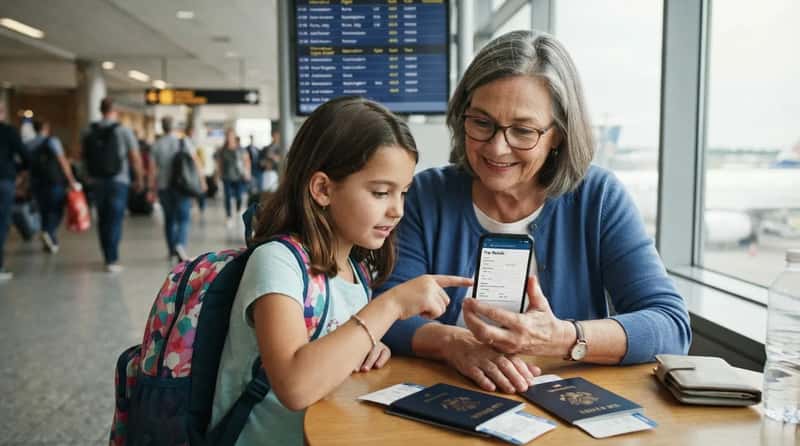
If any leg of your trip crosses a border, there’s one free step almost no grandparent takes, and it costs nothing but five minutes before you leave.
Enroll your international trip in the U.S. State Department’s Smart Traveler Enrollment Program (STEP) at the official government site before you fly.
- Register your dates, destinations, and a phone number – it takes about five minutes per trip.
- List each grandchild traveling with you, including their passport details, so the nearest embassy has that on file too.
- Turn on alerts for the country you’re visiting so you get real-time safety and weather notices sent straight to your phone.
- If a natural disaster, political unrest, or a medical emergency strands you, the local embassy can find and contact you faster because you’re already in their system.
Pair this with one low-tech backup: tuck a small card in your grandchild’s pocket or backpack listing your name, hotel address, and phone number in the local language.
Together, these two small steps mean that if a grandchild ever wanders off or you’re separated in a crowd overseas, both the embassy and any stranger who finds them have exactly what they need to reunite you quickly.