Most Americans grow up believing a national park trip is the ultimate summer payoff – wide open spaces, fresh mountain air, maybe a bear sighting from a safe distance. What nobody posts on Instagram is the two-hour line just to get through the entrance gate, the parking lot that filled up at 7 a.m., or the trail so packed with selfie-takers it feels like a Black Friday sale in the wilderness. The National Park Service recorded a record-breaking 331.9 million visits in 2024, and the system is quietly cracking under the pressure of its own popularity.
Here’s the part that stings: the parks themselves are still stunning. The regret isn’t about nature – it’s about what humans have done to the experience of seeing it. Some of these parks will leave you speechless. Others will leave you sitting in a parking lot at 9 a.m. wondering why you drove six hours. These are the 14 parks Americans keep showing up to every summer – and keep walking away from with a frustration story instead of a wonder story.
#14 – Indiana Dunes National Park: 50 Miles of Hype, Zero Parking
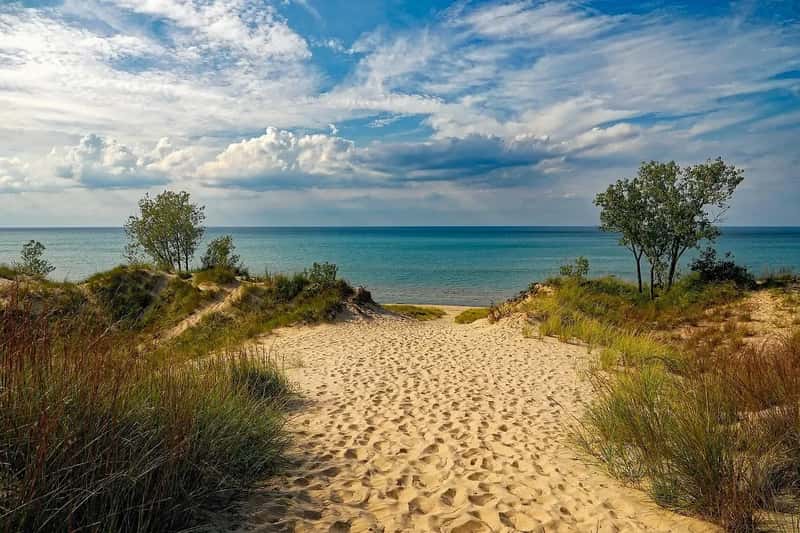
Indiana Dunes became a national park in 2019, and the upgrade in status immediately created a problem: it sits less than 50 miles from downtown Chicago, which means the entire city effectively treats it as a public beach. The park draws close to 3 million visitors annually with its 15 miles of Lake Michigan shoreline and photogenic dunes. What the promotional photos don’t show is the parking lot hitting capacity before most families finish breakfast.
On peak summer days, lot closures start rolling in by mid-morning, leaving latecomers circling endlessly. Visitors who do make it inside frequently report that the hiking trails lack the dramatic payoff they expected. One reviewer flatly recommended skipping the park entirely, noting there are “no awe-inspiring sights and hardly any parking.” For a park that exists in the same country as Utah’s canyon country, Indiana Dunes is a tough sell in July.
Fast Facts
- Designated a national park in 2019, upgraded from national lakeshore status
- Stretches 15 miles along Lake Michigan; the full park covers over 15,000 acres
- About 60% of visitors come from outside Indiana, many from the Chicago metro area
- Entrance fee: $25 per vehicle (7-day pass); America the Beautiful passes accepted
- Operates separately from adjacent Indiana Dunes State Park – different fees and rules
#13 – Gateway Arch National Park: A Monument With No Nature
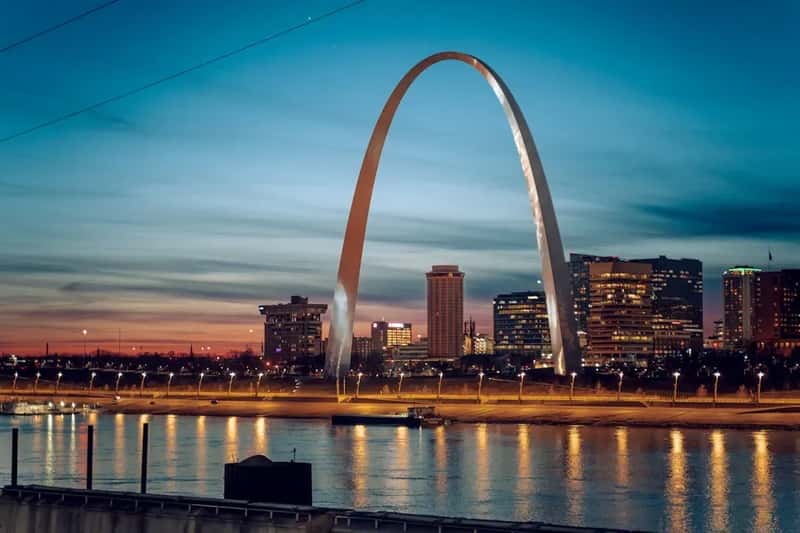
There is exactly one reason people visit Gateway Arch National Park in St. Louis: the arch. It is undeniably impressive – a 630-foot stainless steel curve rising over the Mississippi River – and 2.6 million visitors showed up in 2024 to prove it. But once you’ve looked at the arch from three angles and taken your photos, most visitors discover they’ve seen everything this park has to offer in about 45 minutes flat.
There is no dedicated parking – the Arch sits in downtown St. Louis, so you’re stuck with metered street parking, paid private lots, and a walk, making it a genuine headache for regular cars and a near-impossibility for RVs. The surrounding greenspace and the Mississippi River view are pleasant, but the urban environment makes this feel less like a national park and more like a really tall city plaza. People expecting any kind of wilderness experience leave baffled that this even counts.
#12 – Cuyahoga Valley National Park: Ohio’s Most Disappointing Road Trip
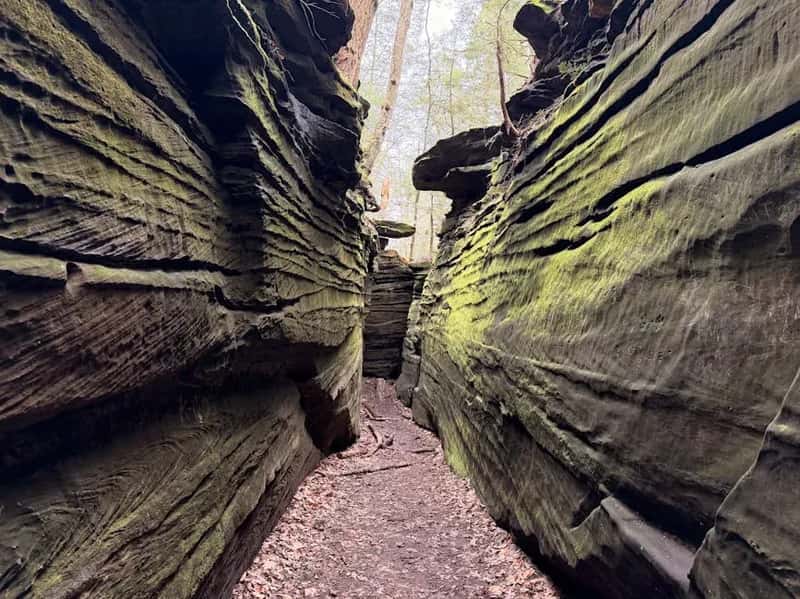
Cuyahoga Valley deserves credit for existing – it’s a genuine green escape tucked between Akron and Cleveland, and it charmed its way into 2.9 million visits in 2024. But repeat visitors are notoriously underwhelmed, with many outdoor enthusiasts describing it as a decent city park dressed up in national park branding. The Cuyahoga Valley Scenic Railroad sounds romantic on paper.
In practice, the train ride follows the river past roads, buildings, and houses for most of its route, with only occasional stretches that justify the word “scenic.” The hiking trails are pleasant but don’t deliver anything close to the jaw-dropping scenery that defines parks in the West or the Southeast. Locals love it for a casual afternoon. Out-of-towners who made a special trip to Ohio for this – especially those coming off visits to Zion or the Rockies – often feel genuinely duped.
#11 – Wind Cave National Park: The Cave Nobody Warned You About
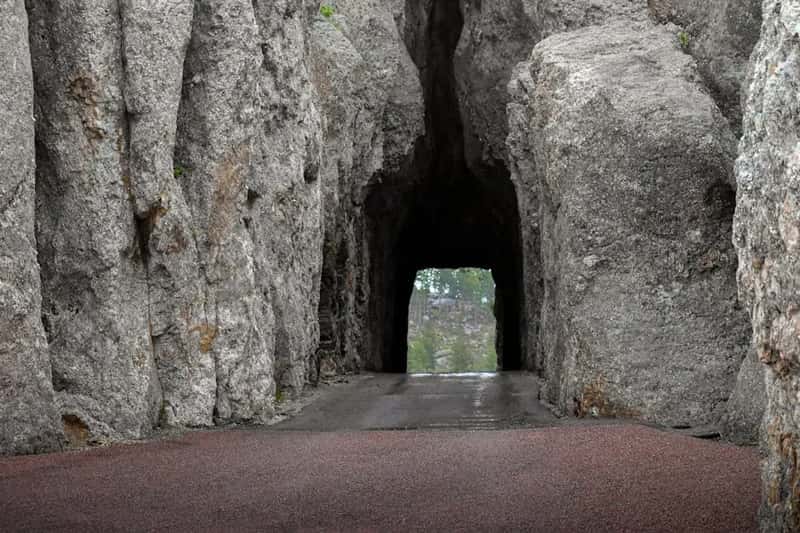
Wind Cave in South Dakota ranks among the most studied cave systems in the world, and on paper it sounds like a fascinating detour on a Black Hills road trip. In practice, summer visitors frequently arrive to find tours already sold out, a rushed underground experience, and above-ground scenery that pales next to neighboring Custer State Park. A major analysis of nearly 96,000 park reviews found that Wind Cave landed among the top five most-disappointing parks in the country.
Reviewers complain about closed summits, nonexistent parking, and cave tours that vanish before noon. The boxwork cave formations inside are genuinely rare and scientifically significant – but if you show up expecting the dramatic stalactite-and-stalagmite spectacle of other famous caves, Wind Cave will quietly disappoint. Many families drive hours from Mount Rushmore expecting a highlight and leave wishing they’d just gone to nearby Jewel Cave instead.
Quick Compare
- Wind Cave: Famous for rare boxwork formations; guided tours only; tours sell out by mid-morning in summer
- Jewel Cave (nearby): World’s third-longest cave; similarly tour-dependent but often less crowded
- Carlsbad Caverns (NM): Self-guided options available; dramatic stalactites and stalagmites most visitors expect from cave parks
- Mammoth Cave (KY): World’s longest cave system; same tour-sellout problem, different expectations gap
#10 – Shenandoah National Park: Skyline Drive, Minus the Solitude
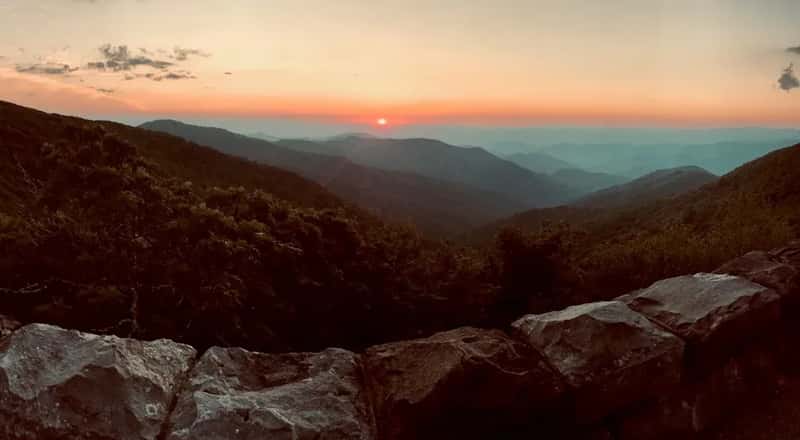
Shenandoah occupies one of the most strategically perfect locations in the entire park system – a scenic Blue Ridge ridge just 75 miles from Washington, D.C. That proximity is also its curse. On summer weekends, Skyline Drive turns into a slow-moving procession of cars, and the overlooks fill before 9 a.m. Seasoned park-goers who have visited dozens of parks describe Shenandoah as, sadly, a huge disappointment – especially those who expected something wilder and more remote.
Entry to drive Skyline Drive is generally open, but hiking Old Rag Mountain – the park’s most famous and most coveted trail – now requires a day-use permit during the busy season, a policy made permanent after a successful trial run. Weekend planners discover sellouts for the exact date they need, and limited cell service near trailheads makes last-minute fixes nearly impossible. The Blue Ridge views are genuinely beautiful. The experience of actually accessing them has quietly become a bureaucratic obstacle course.
#9 – Mammoth Cave National Park: The Underground Letdown
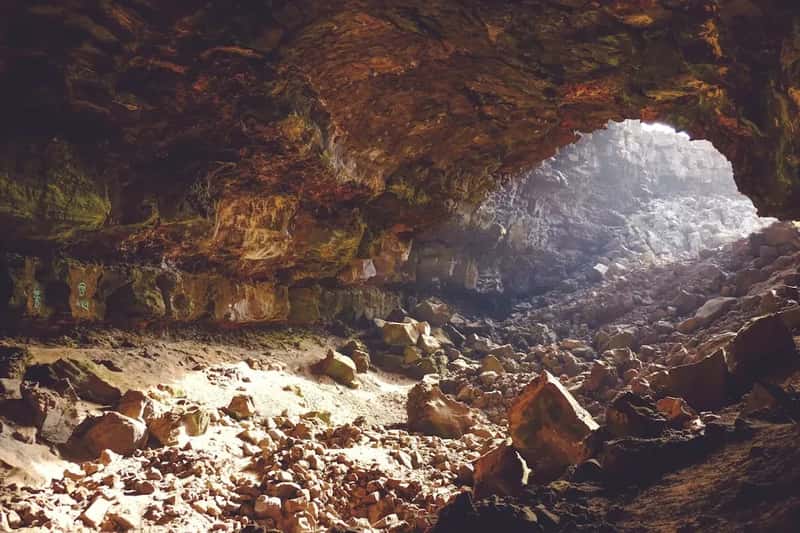
Mammoth Cave in Kentucky holds the title of the longest known cave system in the world – more than 400 mapped miles of passages. That headline sells a lot of summer road trips. What it doesn’t advertise is that a guided tour is the only way to see any of it, and the most popular tours book up weeks in advance. Visitors who don’t plan ahead often arrive, look at the entrance building, and can’t actually get underground at all.
The frustration isn’t with the cave itself – Mammoth Cave scores well on overall ratings – it’s with the mechanics of visiting. Tours vary by stair count, ceiling height, and duration, and if the only spots left don’t match your group’s age or fitness level, you’re effectively locked out. Walk-up options are limited once tours sell out. The park’s surface trails are pleasant but unremarkable. People drive four hours for the cave and frequently leave having seen nothing but the parking lot.
#8 – Petrified Forest National Park: A Desert That Divides Everyone
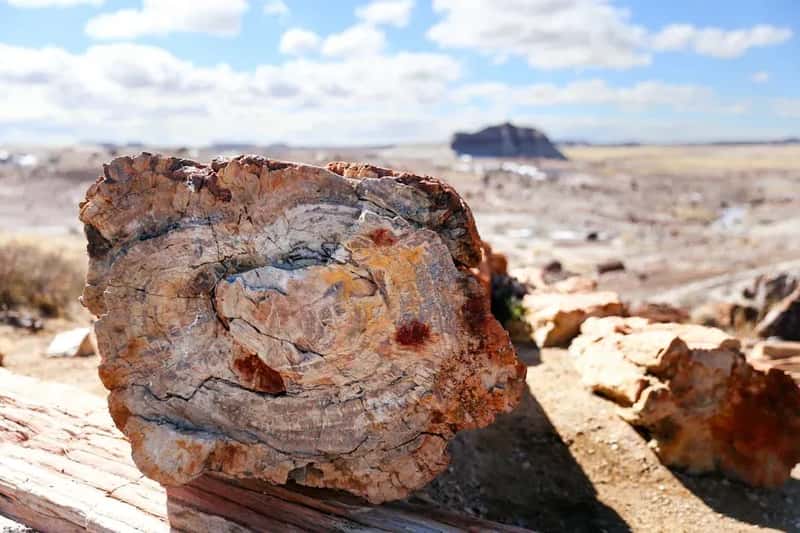
Petrified Forest in Arizona is either going to blow your mind or leave you completely cold – and statistically, a surprising number of visitors land in the second camp. An analysis of nearly 96,000 park reviews found that Petrified Forest registered 9.2 percent of its reviews expressing disappointment, making it the second most-disappointing park in the entire system. The ancient fossilized logs are genuinely unlike anything else on Earth, but the arid moonscape surrounding them is not for everyone.
Visitors expecting something lush or visually dramatic frequently describe the landscape as barren and the drive-through format as underwhelming for the price of admission. Some reviewers rave about “epic desert colors and timeless landscapes.” Others have called it “the most disappointing national park of all the ones we’ve been to.” There is no middle ground here. The honest truth is that the park itself isn’t broken – but the gap between expectation and reality hits harder here than almost anywhere else on this list.
Worth Knowing
- The park spans 346 square miles of painted desert badlands and fossilized forest
- Removing even a small piece of petrified wood is a federal offense – rangers actively enforce this
- The drive-through route is about 28 miles end to end; most visitors never leave their cars
- Best visited at sunrise or sunset when the desert colors are most vivid – midday visits in summer frequently disappoint
#7 – Everglades National Park: The Gators Never Show Up When You Want Them

The Everglades is the largest subtropical wilderness in the United States and one of the most ecologically critical landscapes in the country. It is also one of the hardest parks to enjoy without knowing how it works and – critically – when to go. A lot of the negative reviews come from winter visitors who didn’t know that alligators are generally dormant when temperatures dip below 55 degrees, leading to waves of complaints that amount to “didn’t see a single gator – overrated.”
Summer visits swap the dormant-gator problem for a different one: oppressive humidity, aggressive insects, and the very real possibility that the most exciting wildlife you’ll spot is a heron standing in a ditch. The Everglades rewards patience, planning, and the right season – none of which most summer tourists arrive with. Families who drive all the way to the tip of Florida in July expecting something cinematic leave sweaty, bug-bitten, and genuinely puzzled about what the fuss was about.
#6 – Glacier National Park: Famous Glaciers That Are Almost Gone
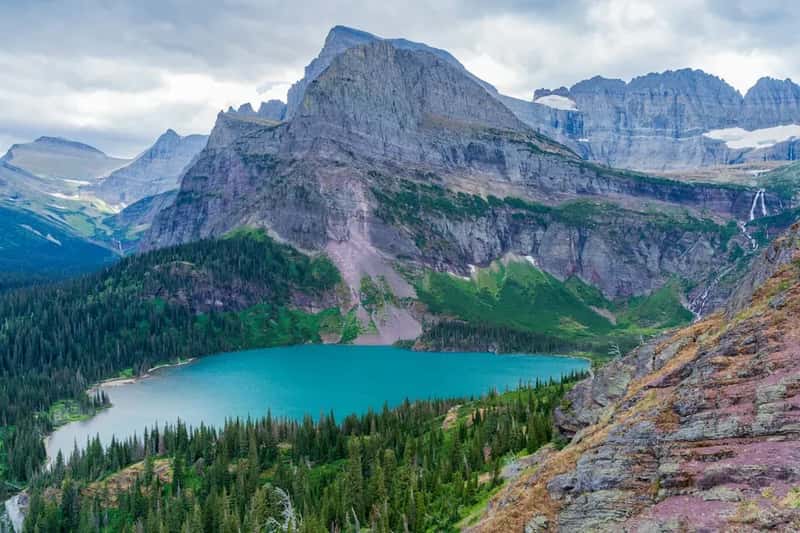
Glacier National Park in Montana was named for its glaciers. That branding has become quietly awkward. The park originally contained around 80 glaciers in 1850. Today there are fewer than 30. Visitors who come expecting a glittering white ice spectacle increasingly find rocky mountainsides where glaciers used to be, accompanied by signage explaining what was once there. It is scientifically significant and genuinely heartbreaking – but not exactly what most people planned their summer vacation around.
Just over three million visitors came to Glacier in 2024, a 9.5 percent jump from the year before. The dramatic peaks draw enormous crowds, but because of the snowpack in this region, the real visiting window is only about two months long – which means those millions of people are all arriving at essentially the same time. The U.S. Department of the Interior lifted timed-entry reservation requirements at Glacier for the 2026 season, which means visitors this summer can expect the famous Going-to-the-Sun Road with even more traffic and no crowd controls in place.
“Logan Pass looked more like Costco’s parking lot the day before the Super Bowl than one of our national treasures.”
Colorado-based travel writer, May 2026
#5 – Rocky Mountain National Park: Denver’s Overcrowded Backyard
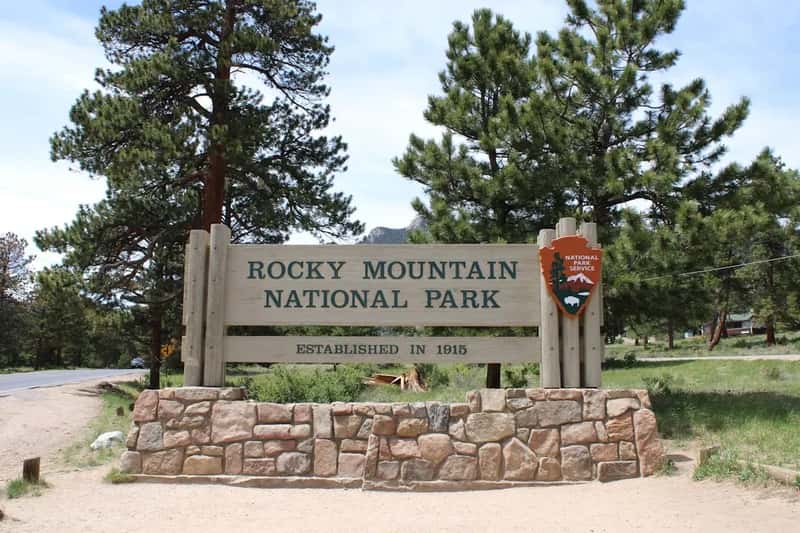
Rocky Mountain National Park should feel like a remote alpine escape. Instead, it frequently feels like Denver’s most popular suburb with better elevation. The park drew 4.15 million visitors in 2024, and sitting just over an hour from the city, it functions as the metro area’s de facto backyard wilderness – proximity that has turned it into one of the most congested parks in the system, especially along the Bear Lake Road Corridor where the most popular trailheads cluster together.
Rocky Mountain’s timed-entry reservation system continues into 2026, running from May 22 through mid-October, with two separate permit tiers – one for general park access and one that also unlocks the Bear Lake Road Corridor. Even with that system in place, summer weekends feel relentlessly busy. The elk are genuinely incredible. Trail Ridge Road is spectacular. The wildflower meadows are world-class. But getting to any of it without a reservation secured weeks in advance, a backup plan, and two solid hours of patience has become the real price of admission – on top of whatever the entrance fee says.
#4 – Yellowstone National Park: Where Every Traffic Jam Has Antlers
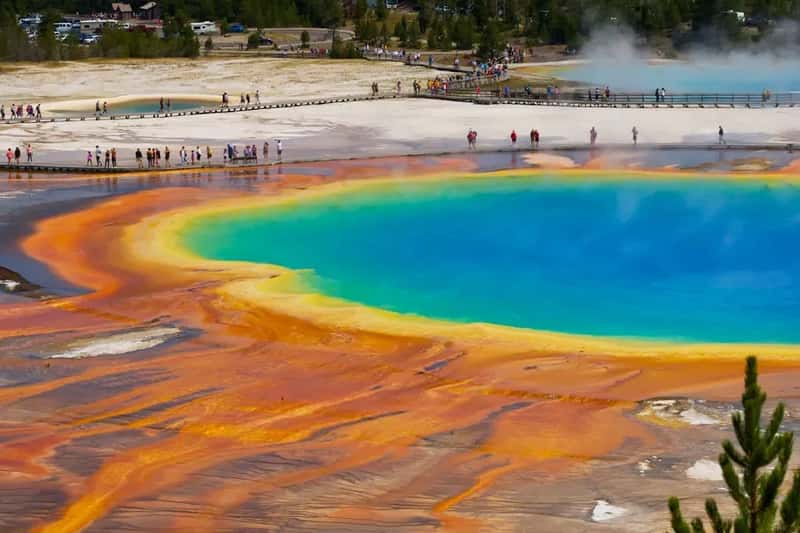
Yellowstone is one of the greatest natural spectacles on the planet – geysers, hot springs, wolves, bison, and the most geologically active landscape in North America. It is also, by a wide margin, one of the most logistically punishing places to spend a summer week. Nearly 4.7 million visitors showed up in 2024, and the phrase “traffic jam” takes on a whole new meaning when the obstruction is a 2,000-pound bison who does not care about your itinerary.
The math is unavoidable: one primary road loop, millions of visitors, and every single one of them stopping for the same bison crossing and the same Old Faithful eruption at the same time. Wildlife jams can stretch for miles with no alternate route. Yellowstone still absolutely deserves its reputation – the thermal basins alone are worth the trip. But first-timers who arrive in July expecting the quiet majesty of a nature documentary will find something considerably louder and considerably more congested.
#3 – Arches National Park: Utah’s Most Beautiful Parking Nightmare
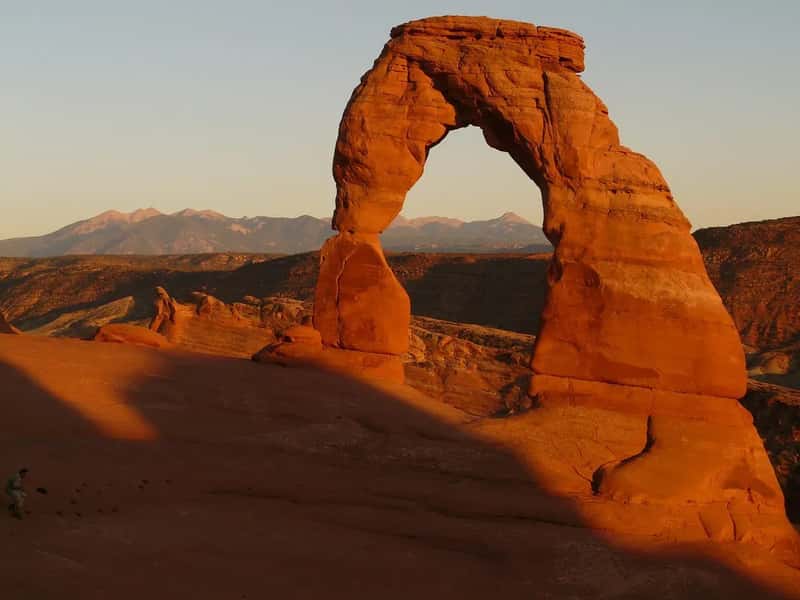
Arches National Park contains the highest concentration of natural stone arches on Earth. The landscape is legitimately otherworldly, and the photos that come out of it are some of the most shared images in American travel. For a growing number of summer visitors, though, the experience of trying to actually see any of it has become a logistical battle that overshadows the scenery entirely. The timed-entry reservations that helped manage those crowds in 2026 are now gone, and the National Parks Conservation Association warned that without constraints in place, visitors can expect traffic jams, packed parking lots, and trailheads at capacity.
The Delicate Arch hike – the trail featured in every Utah tourism campaign and on the state’s license plate – ends at a crowded natural amphitheater where dozens of people are simultaneously waiting for their turn to pose for the same photo. Social media shoulders real blame here: “people come to the park, take a crazy selfie with a beautiful backdrop, put it on social media, and then their 100 friends want to go there and do the same thing.” The arch is real. The solitude you imagined standing under it is not.
#2 – Zion National Park: A World-Class Park Drowning in Its Own Fame
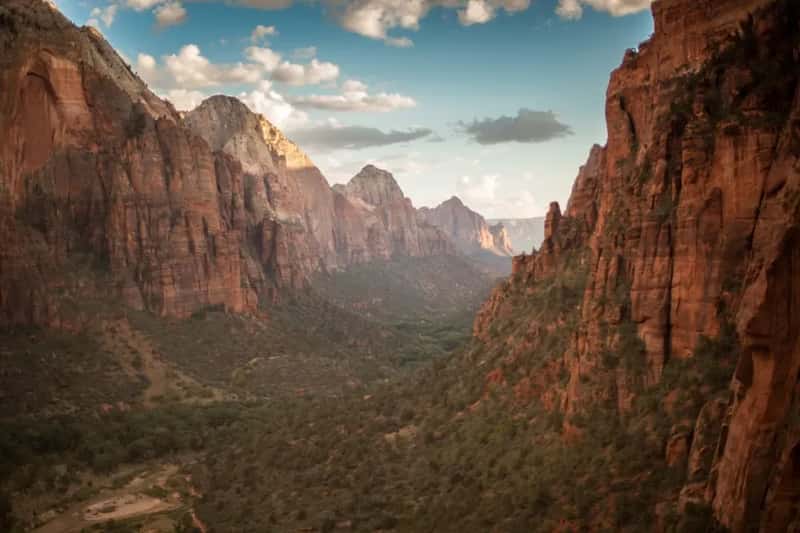
Zion National Park might be the most visually stunning park on this entire list – and also the one that generates the most visceral regret from summer visitors who went in with high expectations. Visitation has jumped over 70 percent since 2010, with nearly five million visitors arriving in 2024. The Virgin River Narrows and Angels Landing are genuine bucket-list trails, but securing a permit for either in summer requires weeks of advance planning, multiple backup dates, and a fair amount of luck.
Visitors describe Zion as beautiful but brutally hard to navigate – parking is nearly impossible without arriving before dawn, shuttle queues stretch for an hour, and permit rejections leave people hiking lesser trails they could have found anywhere. Angels Landing now requires a permit every single day of the year, at all hours, with no walk-up option at the park itself – only online lotteries through Recreation.gov. Hiking there without one carries a fine of up to $5,000. The canyon walls glow red-orange at sunrise in a way that genuinely earns every superlative. Getting to see that in July, though, means earning it first.
Worth Knowing: Angels Landing Permit Rules
- Permits required 24/7, every day of the year – no exceptions, no walk-ups at the park
- Apply via Seasonal Lottery (quarterly) or Day-before Lottery (opens at 12:01 a.m. MT)
- Non-refundable $6 application fee per group; $3 per person if a permit is issued
- Permits issued for three time slots: before 9 a.m., 9 a.m.–noon, and after noon
- Hiking without a permit: federal violation, up to $5,000 fine and/or six months in jail
#1 – Great Smoky Mountains National Park: America’s Most Visited Park Is Also Its Most Overwhelming
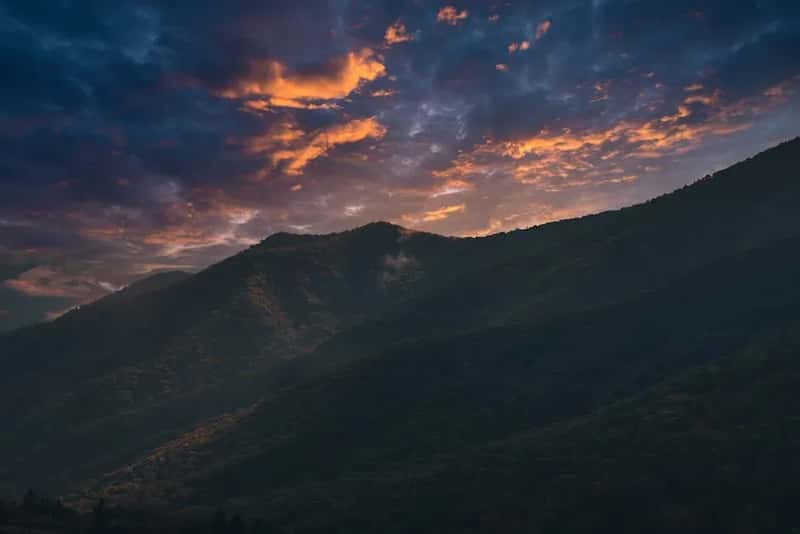
Nothing on this list comes close to the sheer scale of visitor overwhelm at Great Smoky Mountains. It is the most-visited national park in the country – and it isn’t close. The Smokies drew 12.2 million visitors in 2024 alone. For context, that’s more than double the count of the second most-visited park. And unlike every other major park on this list, the Smokies charge no entrance fee – only visitors parking for 15 minutes or longer pay a parking tag – which removes the one natural crowd filter the rest of the system relies on.
The gateway towns of Gatlinburg and Pigeon Forge add noise and expense just outside the park boundary, and by mid-morning on a summer Saturday, the experience inside tilts heavily toward brake lights and crowd management. Traffic along Newfound Gap Road and the Cades Cove loop can stall for hours. The waterfalls are real. The blue mist rolling over the ridgeline at dawn is real. The crowds are more real than either of those things. This is the park that collects the most glowing travel-guide write-ups in America – and quietly generates more “never again in peak summer” stories than any other park in the country.
Fast Facts: Great Smoky Mountains by the Numbers
- 12.2 million visitors in 2024 – the most visited national park in the U.S. by a wide margin
- No entrance fee; one of only a handful of major national parks with free admission
- June through October are the six busiest months – each logs over 1 million visits
- Over 850 miles of hiking trails and 700 miles of streams inside the park boundaries
- Peak of 14.1 million visits hit in 2021; 2024 was still well above pre-pandemic norms
The uncomfortable truth running through all 14 of these parks is the same: the natural beauty is almost never the problem. In nearly every case, the regret comes from crowds, crumbling infrastructure, and a reservation system that rewards obsessive planners and punishes everyone else. Visitation in the U.S. national park system peaked in 2024 at 331 million visits, and the most popular parks have absorbed an even steeper spike since the post-pandemic travel surge began. These parks are absolutely worth seeing. They are just not worth seeing in peak summer without a strategy, a backup plan, and expectations grounded in reality rather than Instagram. The scenery will hold up. The experience of getting to it might not.