Most of us picture a hotel concierge as the person who scores opera tickets for tuxedo-wearing millionaires. Asking for anything smaller feels like a favor you haven’t earned. That picture is backwards. Concierges spend their days on small, practical requests, and the ones that matter most to travelers over 60 are often the easiest to grant.
Some of these cost nothing at all. A few quietly decide whether a trip feels exhausting or effortless, and almost nobody mentions them until the moment they’re needed. Here are 14 yeses worth knowing, counting down to the one that can turn an ordinary stay into a story your family tells for years.
#14 – The Room Near the Elevator (But Never Right Beside It)

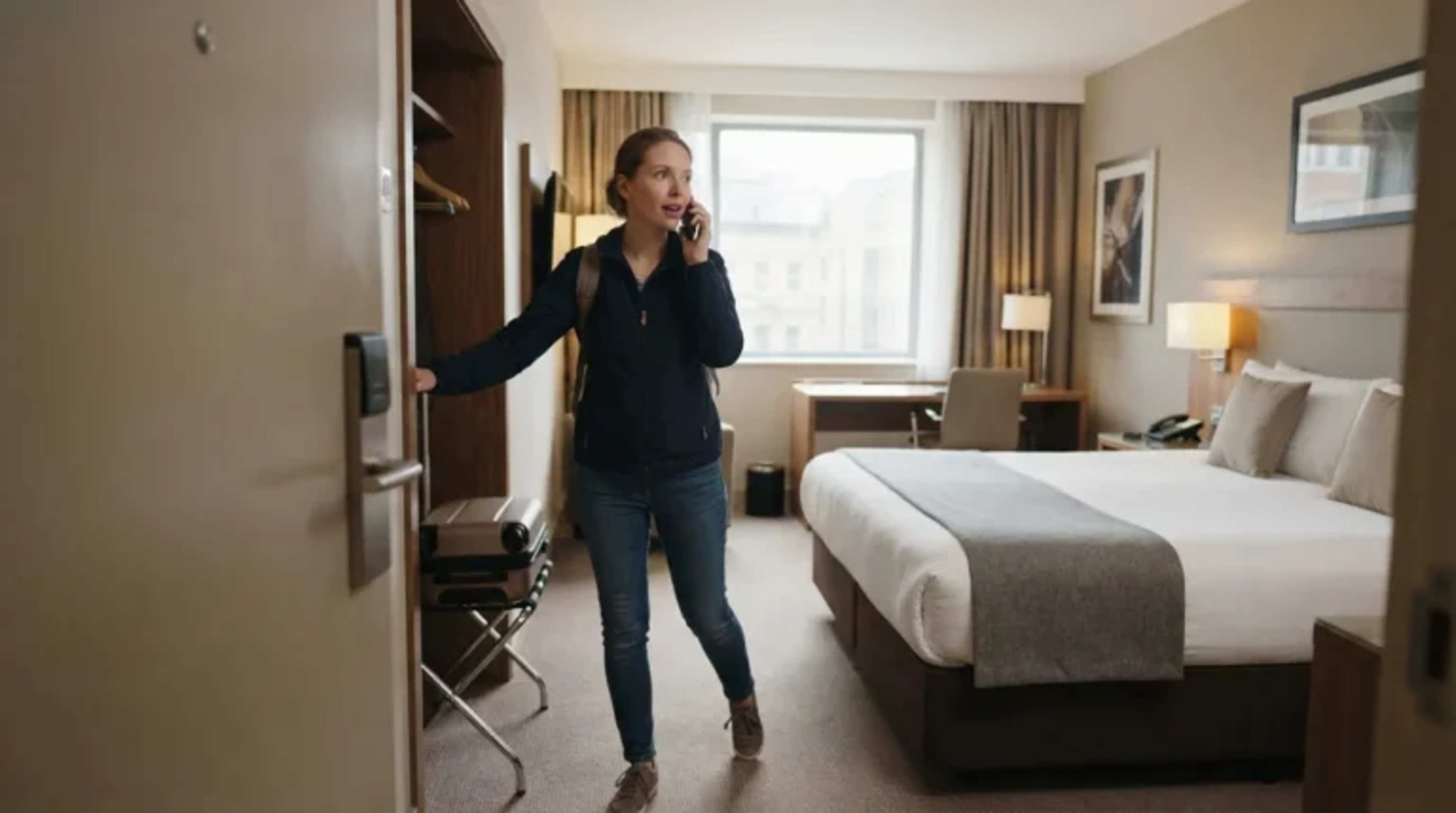
Hotel hallways run longer than most people expect, and you’re allowed to plan around that. The concierge desk is meant to be a guest’s first and last point of contact, so a room-location request is squarely in its lane. Many properties will pass a “close to the elevator” note to the front desk if you ask before you arrive. It takes 20 seconds and can save hundreds of steps a day.
Here’s the catch most people miss. The room directly beside the elevator is often the loudest on the floor, thanks to door chimes and late-night traffic. Frequent travelers tend to say the sweet spot is “near, but not next to.” Ask for a few doors down and you get the short walk without the noise.
The next request solves a problem that starts before you even reach the front desk…
#13 – Holding Your Bags So You’re Not Stranded in the Lobby at 10 A.M.

Red-eye flights and early arrivals collide with afternoon check-in times, and suddenly you’re standing in a lobby with a suitcase and nowhere to sit. The fix is simple. A concierge works alongside a team that can include porters, bell staff and valet attendants. That team tags your bags and holds them. Bag storage is often free before check-in and after checkout.
Early check-in is the softer yes. It depends on whether your room has been cleaned, not on how charming you are. Ask them to text you when it’s ready, then go find a long, slow lunch. Here’s a take that may spark debate: don’t pay for an “early check-in guarantee” until you’ve simply asked first.
Quick Compare
- Bag hold: usually free, and available the moment you walk in.
- Early check-in: free if a room is ready, but never promised.
- Paid guarantee: certain, but worth it only after a polite ask fails.
But that’s nothing compared to the comfort fix coming up at #12…
#12 – Extra Pillows and a Safer Bathroom, Just for the Asking

A bad pillow can wreck three nights of sleep, and nobody wants to discover that on night one. Many hotels stock extra pillows and blankets, and some keep a full pillow menu with firmer and softer options. Some hotels will also bring a non-slip bath mat or a shower seat if you ask. A wet tub is where a small slip can become a trip-ending injury, so it’s worth the question.
You also have rights worth knowing about. Hotels are expected to describe their accessibility features so guests can judge whether a room meets their needs. If a booking page just says “accessible” and nothing more, call and ask for specifics. A concierge or front desk can usually tell you what’s actually in the room.
Speaking of leaving a hotel on your own terms, #11 might be the most underrated request of all…
#11 – The Late Checkout That Turns a Rough Travel Day Around

Your flight leaves at 7 p.m., but checkout is at 11 a.m. That gap is where good trips go to die. Front desks and concierges can often request a later departure, and a 1 p.m. or 2 p.m. checkout is frequently granted when the hotel isn’t full that night. It costs you nothing but one polite question.
Ask two or three days ahead, not at the counter on the final morning. Loyalty status helps, but plain asking works more often than people think. Many travelers would happily trade a room upgrade for four more hours in a real bed. And if a late checkout isn’t possible, ask about holding your bags and using the lobby or spa area while you wait.
Now, about dinner, because #10 is the one almost nobody thinks to chase…
#10 – The 5:30 Dinner Table Nobody Else Is Fighting For

Dinner at 8 p.m. isn’t everyone’s idea of a vacation. Concierges book restaurants all day long, and reserving dinners and events for guests is part of the standard job. Early seatings are often easy to get because the rush hasn’t started. The 5:30 table is the one almost nobody competes for.
It’s also the calmer version of the same meal. You get an easier walk back in daylight and a better shot at your first-choice menu item before the kitchen runs out. The hot 8 p.m. slot is, some diners argue, overrated: louder, more rushed, and a longer wait for the check. Tell the concierge you want early and unhurried, and they’ll know exactly what you mean.
Worth Knowing
- Offer a window, such as 5:00 to 6:00, so the concierge has more tables to try.
- Say “unhurried” out loud, so the restaurant doesn’t squeeze you in before a big seating.
- Ask whether the full menu is available from the first seating.
- Confirm the reservation again on the day itself.
Next up is a request that works hand in hand with this one…
#9 – A Quiet Table, Away From the Speakers and the Kitchen Door

A great meal can still be ruined by a speaker hanging right over your head. Concierges build relationships with local restaurants, and developing a network of contacts and businesses is part of the job. A concierge can often add seating notes while booking, which is much harder to do at a walk-up host stand.
Ask for a booth, a corner, or a table away from the bar and the kitchen. If following conversation in a loud room is a struggle, say so plainly. Restaurants will often work with you when they know ahead of time. A quiet table is a small request that makes a big difference by dessert.
But the most low-tech lifesaver on this list involves a business card and a taxi…
#8 – The Written Address That Rescues You When Your Phone Won’t
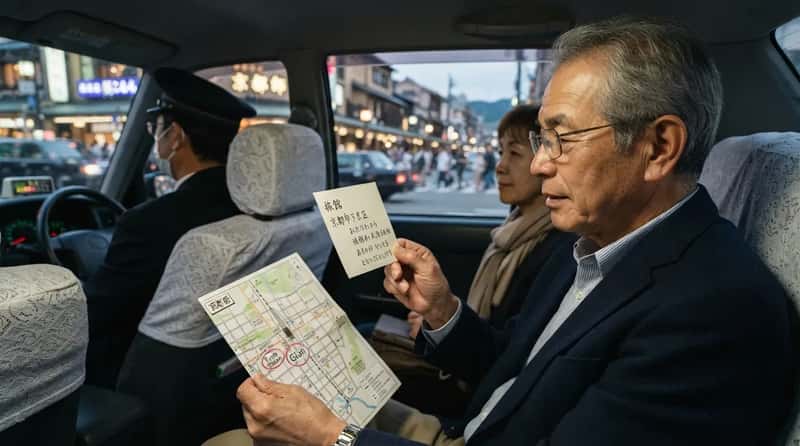
Your phone battery dies, the map won’t load, and the driver doesn’t speak your language. Concierges see this scene all the time. They can write your hotel’s name and address on a card, or write your destination in the local language for your driver. A handwritten note works when every app fails.
Take the hotel’s business card every time you leave. Ask the concierge to circle your hotel and tomorrow’s destination on a paper map. It sounds old-fashioned, and that’s the point. Paper still beats apps in a pinch, and you never have to hunt for a charger.
The next request builds on the same logic…
#7 – Printed Boarding Passes and Confirmations You Can Actually Hold

Plenty of travelers would rather hold a printed page than trust a phone screen at a gate. Most airlines open online check-in about 24 hours before departure, and the front desk or business center can print the result. Many hotels do this free or for a small fee, and concierges often print tour vouchers and dinner confirmations too. A printed page doesn’t need a battery, Wi-Fi, or an app update.
Ask them to print two copies. Keep one in your bag and one in your jacket. If you’ve booked tours or a car transfer, bring those pages along as well. It’s some of the cheapest peace of mind in travel.
But what happens the moment you land and need to get to the hotel? That’s #6…
#6 – A Pre-Booked Airport Transfer With the Price Locked In

After a long flight, the taxi line and a surprise fare are the last things you want. Concierges handle transportation as a core part of the job, from luggage and cars to sightseeing logistics. Many private car services track your flight, so a late landing doesn’t leave you stranded.
Ask for the full price including tolls and tip before you confirm anything. Get the driver’s name and a phone number in writing. That way you skip ride-hailing surge pricing at 11 p.m. in an unfamiliar city. It’s one of those small yeses that changes how the first hour of a trip feels.
What really separates a smooth trip from a sore one is #5…
#5 – A Flat, Shaded Walking Route Instead of the Tourist Climb

The famous viewpoint is usually at the top of a hill, and the brochure never mentions the climb. Concierges know this, and they advise guests on sightseeing, restaurants and shopping every day. “Flat, shaded, and with benches” is a perfectly legitimate way to ask for directions, and you’ll get a very different map than the standard one.
In hilly cities like San Francisco or Lisbon, a cable car, tram, or short taxi ride can replace a brutal climb. Many travelers treat the uphill viewpoint as mandatory. Some argue the same skyline is often available from a lower overlook, with a lot less sweat. Ask which is which before you commit your knees.
At a Glance
- Slope: ask whether the route is flat or has steep stretches.
- Shade: ask which side of the street stays cooler.
- Rest stops: ask where the benches, cafes and restrooms are.
- Timing: ask for the best hour to go, since mornings are often cooler and quieter.
Now for a request that matters even more to some travelers…
#4 – A Mini Fridge for Medication, Often Without the Fee

Insulin, injectables, and eye drops sometimes need to stay cool, and a warm room can quietly ruin them. Many hotels will bring a mini fridge to your room on request, and some waive the usual fee when it’s for medication. Policies vary by property, so ask at booking and again at check-in.
Ask for an empty fridge, not a stocked minibar. Check your pharmacist’s storage instructions before you leave home. If your medication needs a specific temperature, mention that when you call. Keep a copy of your prescription list in your bag, separate from the bottles.
If something goes wrong at 10 p.m., the next request is the one you’ll be glad you knew about…
#3 – The 24-Hour Pharmacy and Urgent Care Answer at Midnight

A concierge can’t diagnose anything, and shouldn’t try. What they can do is tell you which pharmacy is open late, how far away it is, and where the nearest urgent care clinic sits. That kind of local knowledge is exactly what a guest needs when they’re tired, worried, and far from home.
Ask on arrival day, not at 2 a.m. Have them write the pharmacy’s name and the clinic’s address on the back of the hotel card. Keep your medication list and emergency contact in your wallet. If you do need a car in a hurry, they can arrange that too.
Fast Facts
- In a life-threatening emergency in the U.S., call 911 first and the front desk second.
- Urgent care clinics generally handle non-life-threatening problems, like minor sprains or infections.
- Ask the pharmacy’s closing time and walking distance, not just its name.
- Snap a photo of your medication list so it’s on you even if your bag isn’t.
The next one surprises people most, because it’s not what you’d expect from a hotel…
#2 – A Wheelchair or Scooter Delivered for One Big Day

Hotels aren’t required to keep wheelchairs in stock, though their rooms must accommodate guests’ own mobility devices. That doesn’t mean you’re out of luck. A concierge can often line up a rental from a local supplier and have it delivered to your door.
It’s a smart move for one huge day: a long airport transfer, a sprawling museum, or a full-day tour. Plenty of travelers skip the equipment out of pride and end up skipping the day itself. A few hours of rolling help can save the whole trip. You can often rent just for that one day, then send it back.
And the request at #1 is the one that turns an ordinary stay into a family story…
#1 – A Milestone Celebration Planned Around Your Family

Fifty years of marriage. A 70th birthday. Three generations on one trip. Concierges hear this and light up. Les Clefs d’Or concierges are known for the idea that they’ll take on almost any request, so long as it is morally, legally, and humanly possible. That’s the spirit the profession’s own association holds up as the standard.
Tell them the occasion and your rough budget. A cake sent to the table, flowers waiting in the room, a table for eight with the grandkids, a handwritten card at turndown. A good concierge turns “it’s our 50th” into details you never thought to ask for. The ask is small. The story you tell afterward is not.
Not every yes is guaranteed. It depends on the hotel, the night, and what’s available. Les Clefs d’Or concierges are mostly found in upscale hotels, so at smaller properties the front desk often plays the same role.
The pattern holds, though. The requests that matter most after 60 are usually the simplest ones, and nobody tells you to ask. The best trips rarely hinge on a grand gesture. They hinge on someone saying, “Of course, let me take care of that.” Which of these would you have been too shy to request?