You filled the feeder, picked a nice branch, and waited. No cardinals. Most people assume they’re just unlucky – but experienced backyard birders know better. Cardinals read a yard the way a cautious person sizes up a new neighbourhood. One wrong signal – the wrong feeder style, the wrong placement, even a single lawn treatment – and they quietly cross your yard off their mental map and head somewhere else.
The trickiest part? Most of the mistakes look completely reasonable. A tidy open lawn. A pretty wind spinner by the garden. A feeder hung nice and high. All of it can be silently working against you. Here are 14 things veteran birders say are pushing cardinals away – and nearly every one flies completely under the radar.
#14 – You’re Using a Cheap Mixed Seed Bag Full of Filler
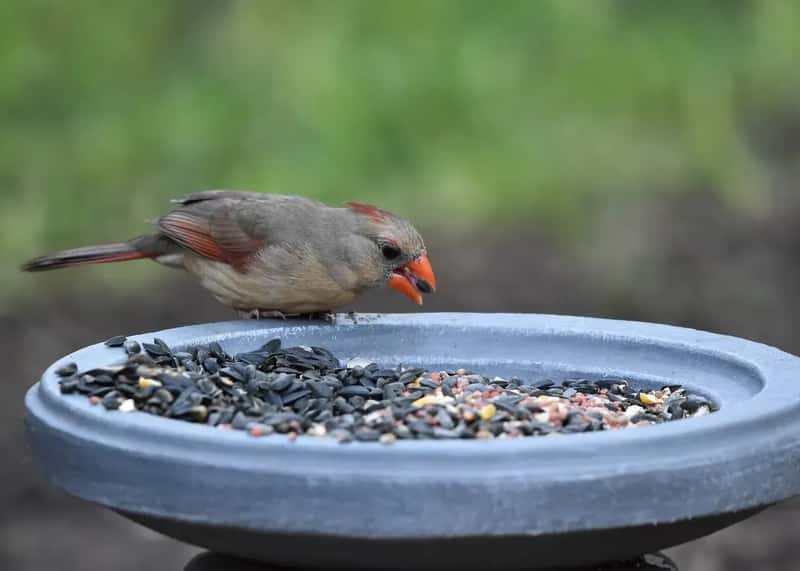
Those giant “wild bird mix” bags look like a deal. For cardinals, they’re basically a plate of food with everything they like buried under a pile of stuff they’ll never touch. Fillers like milo and red wheat make up the bulk of most economy mixes – cardinals ignore both entirely. They’re not being picky; they’re making an efficient energy decision, and cheap filler doesn’t make the cut.
What they actually want: black-oil sunflower seeds, safflower seeds, and striped sunflower seeds, with cracked corn and crushed peanuts as occasional treats. Ditch the generic mix and go straight to the good stuff. Many seasoned birders argue that the bargain bag is the single most common reason a neighbour’s yard is full of cardinals and yours isn’t.
Fast Facts
- Black-oil sunflower seed is the single most recommended cardinal seed – small shell, high fat content, easy to crack
- Safflower seed is a smart swap: cardinals love it, but squirrels and starlings typically avoid it
- Cardinals have larger jaw muscles than most backyard songbirds, letting them crack bigger seeds other birds leave behind
- Cracked corn and crushed peanuts work well as secondary offerings scattered on or near a platform tray
- Sunflower chips (pre-shelled) are a clean, no-mess option cardinals readily accept
#13 – Your Feeder Is a Lightweight Swinging Tube They Can’t Stand On
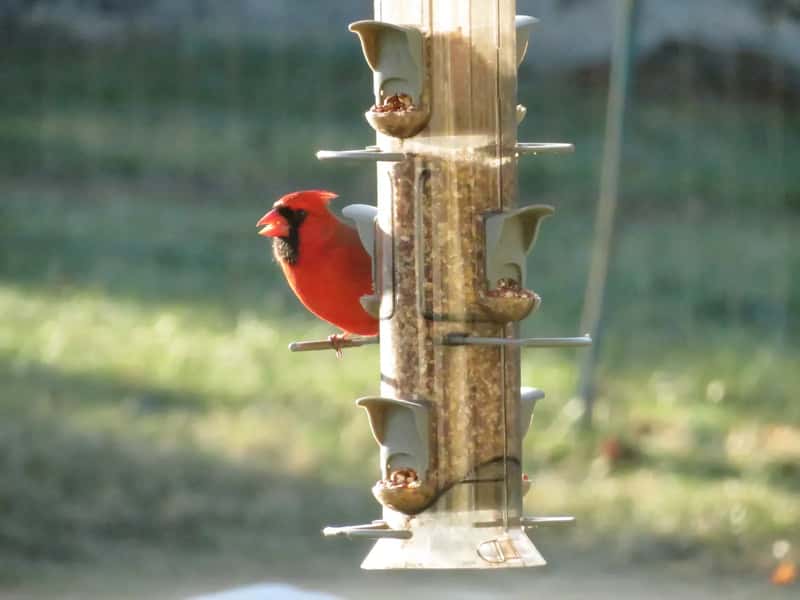
Here’s something almost nobody thinks about when they buy their first feeder: cardinals are bigger than most backyard birds, and a lot of popular tube feeders simply weren’t built with them in mind. When a cardinal lands on a flimsy hanging tube and it tilts or swings, that’s not just inconvenient – it registers as danger. A frightened bird doesn’t try again. It finds somewhere more stable.
A cardinal weighs roughly the same as nine U.S. nickels – genuinely on the heavy side for a feeder bird. Platform feeders and hopper feeders with wide, stable trays are what they’re looking for: enough room to plant their feet, orient their body, and crack open a seed without the whole thing wobbling. Swap the swinging tube for something solid and you’ll notice a difference fast.
#12 – Your Feeder Is Mounted Too High Up
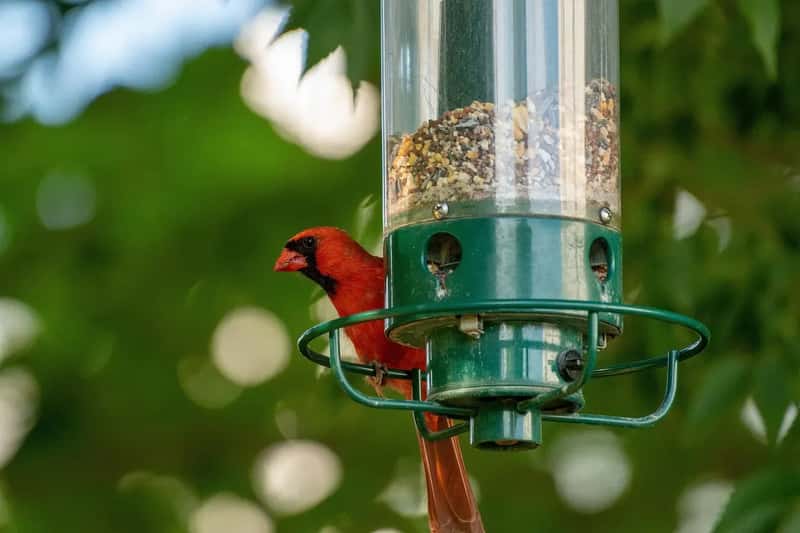
Hanging a feeder high feels logical – better squirrel deterrence, better sightlines from the window. Cardinals don’t see it that way. In the wild, they do most of their foraging low: in dense shrubs, at the edges of brush piles, or directly on the ground. A feeder mounted high in open air doesn’t match the feeding environment their instincts are wired for.
There’s also a predator-threat calculation happening that most homeowners never consider. Cardinals want a quick, downward escape route and nearby cover they can bolt to in under a second. The sweet spot is roughly five feet off the ground – low enough to feel natural, high enough to keep them out of easy reach of ground-level threats. A small adjustment with a surprisingly big result.
#11 – You Have No Shrubs or Cover Anywhere Near the Feeder
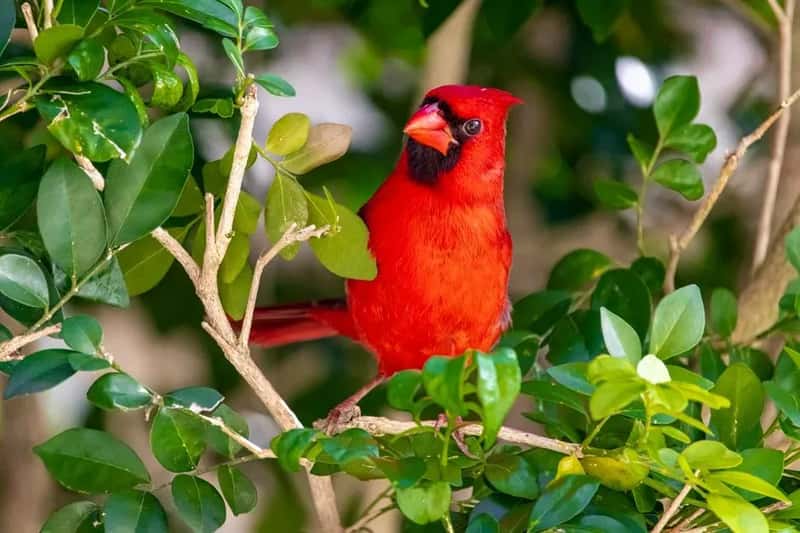
A cardinal almost never flies straight into a feeding area. Before landing, it perches in nearby vegetation, watches for threats, and only commits when it feels safe. If there’s nothing to scout from – no shrubs, no dense branches, no layered cover nearby – it keeps flying. That cautious pause isn’t laziness; it’s survival behaviour baked in over thousands of years.
The practical rule most birders follow: place your feeder about 10 to 12 feet from a dense shrub or evergreen tree. Close enough to bolt to in an instant, far enough that a hidden predator can’t use the same cover to ambush. A perfectly stocked feeder sitting in the middle of a bare, open lawn is basically invisible to a cardinal looking for a safe place to land.
At a Glance: What Cardinals Need Near a Feeder
- Dense shrub or evergreen within 10–12 feet – the pre-landing lookout perch
- Layered cover at multiple heights, not just a single tall tree with bare trunk below
- Feeder height around 5 feet off the ground – natural, accessible, escape-friendly
- Clear sightlines in at least two directions so the bird can watch for ground threats while feeding
- No wide-open lawn gap of more than 12–15 feet between cover and the feeder
#10 – Your Yard Has Zero Native Shrubs or Berry Plants

Most homeowners think the feeder is the whole story. Experienced birders know it’s just one chapter. Cardinals evolved to forage through layered, shrubby habitat – they didn’t develop a dependence on a single plastic box of seeds. When your yard offers nothing beyond the feeder, you become a fast-food stop rather than a home territory. There’s a difference, and cardinals feel it.
The plants that do the most work: dogwood, winterberry, hackberry, serviceberry, beautyberry, elderberry, and hawthorn. These pull double duty – natural food source and dense cover for roosting and nesting. Birding experts consistently point to native plantings as the single biggest upgrade a homeowner can make, turning a yard cardinals pass through into one they genuinely want to live in.
#9 – Your Spinning Lawn Ornaments Are Scaring Them Off
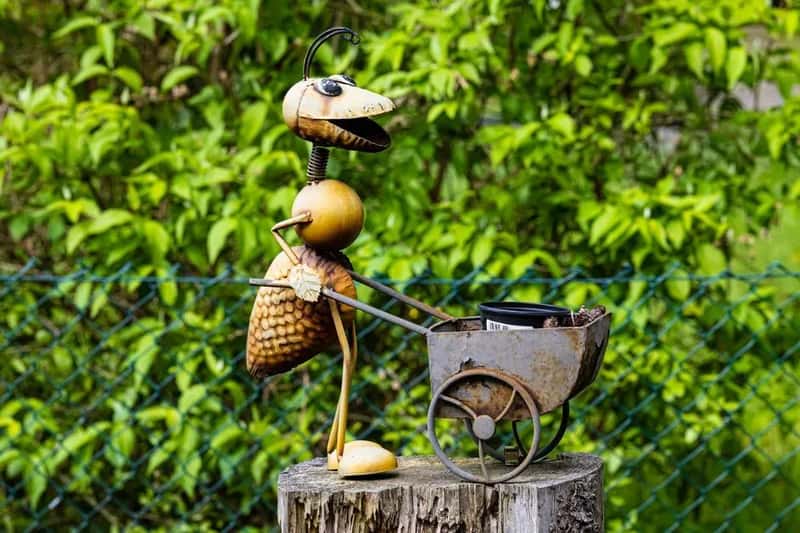
This one genuinely surprises people. Wind spinners, pinwheels, and kinetic garden sculptures look great – and to a cardinal, unpredictable movement near a feeding area reads as an immediate threat. It doesn’t matter how colourful or decorative it is. Anything that moves without warning triggers the same alarm response as a predator shifting in the bushes.
The fix isn’t getting rid of them – it’s relocating them. Move the spinner to a different corner of the yard, away from the feeding station, and the problem often disappears within days. Birders report that cardinal sightings can change dramatically after moving a single wind spinner just twenty feet away. The birds notice far more than we do, and they remember it.
#8 – You Have Reflective Surfaces Confusing and Stressing Them Out
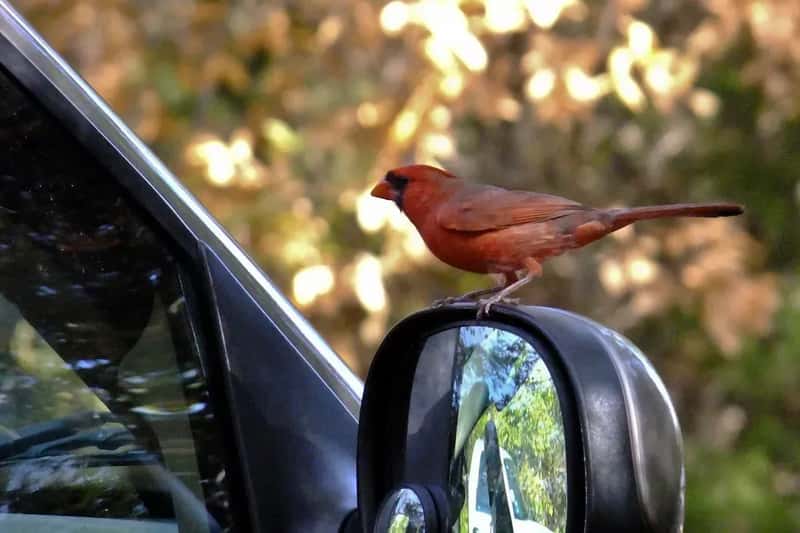
Male cardinals are fiercely territorial, especially during breeding season. When a male spots what looks like a rival – actually his own reflection in a window, car mirror, or metallic garden ornament – he doesn’t back down. He attacks. Repeatedly. That constant stress loop can make a yard feel genuinely exhausting and unsafe, and he’ll eventually stop returning to it.
Windows with mirrored privacy film are a particularly common culprit. Swapping reflective film for a one-way transparent version lets you watch the birds while appearing opaque from outside, removing the reflection entirely. Sun catchers and wind chimes with shiny surfaces create the same problem. It’s a low-cost fix for something that’s silently draining the appeal of your yard every single day.
#7 – Your Feeder Keeps Running Empty Between Refills
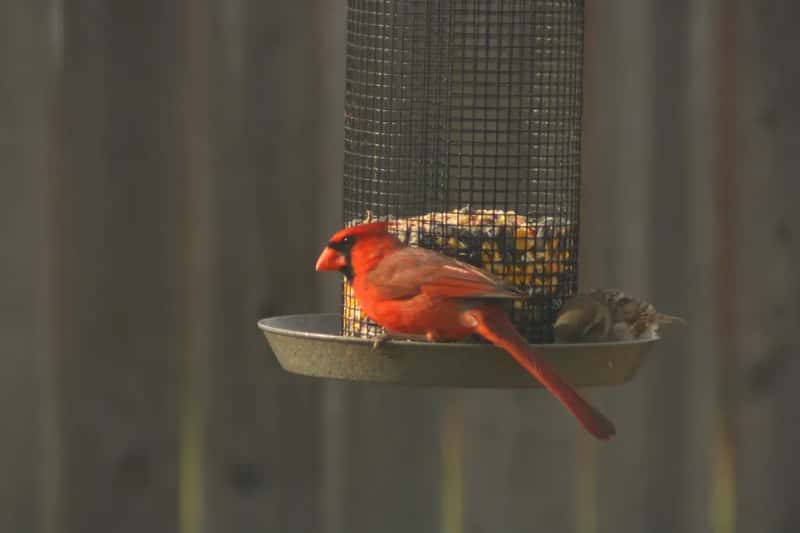
Cardinals are not casual drop-ins. They’re creatures of habit who build reliable food sources into their daily route – typically visiting in the early morning and again in the late afternoon as light fades. When they arrive at their usual time and find an empty feeder, they don’t wait around. They recalibrate toward whatever yard actually delivers.
Cardinals will also seek out a steady food supply – if you neglect your feeder but your neighbour keeps his reliably full, they will shift their route toward his yard, often permanently. Consistency is the hidden variable most people underestimate. Once cardinals establish that your yard offers reliable food year-round, they’re far more likely to take up permanent residence rather than just passing through.
Worth Knowing: Cardinal Daily Habits
- Peak feeding times are early morning and late afternoon – often the first bird at the feeder at dawn and the last at dusk
- Non-migratory by nature – they live in the same territory all 12 months, so a reliable feeder becomes part of their permanent routine
- Cold-weather appetite surges – studies show cardinal digestion efficiency drops about 16% at freezing temperatures, meaning they need significantly more food in winter
- One missed refill can break a weeks-long feeding habit; consistency matters more than quantity
#6 – Your Feeder Is Dirty and Harbouring Mould
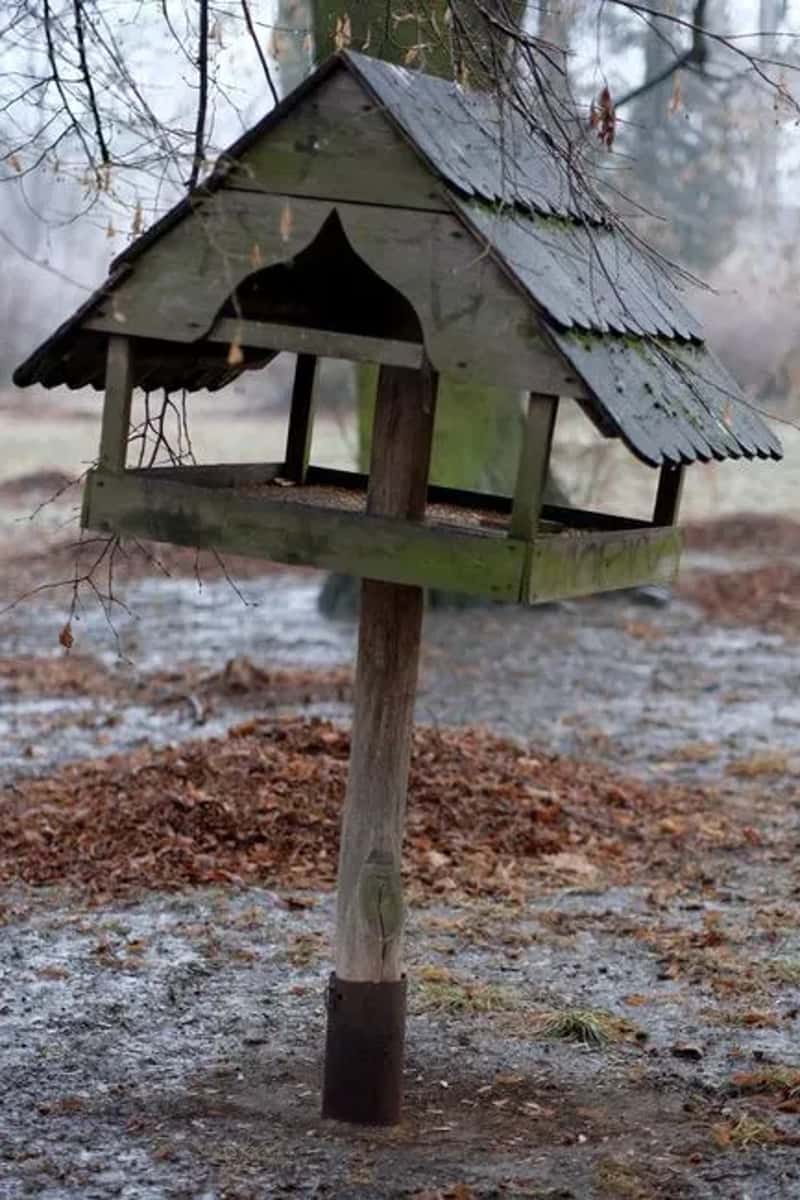
A fouled feeder is worse than no feeder at all. Cardinals have a strong preference for fresh, clean seed – wet, clumped, or mouldy seed sitting at the bottom of a feeder is both unappealing and a genuine health hazard. Avian salmonella and conjunctivitis both spread through contaminated feeders, and birds learn quickly which feeding stations make them feel unwell.
The standard birding recommendation is to scrub feeders thoroughly at least every two weeks – more often during heavy use or rainy weather. If seed has been sitting for more than a few days and looks clumped or discoloured, toss it. Top off feeders with fresh seed regularly so nothing sits long enough to go bad. It’s the kind of maintenance most casual feeders skip, and cardinals absolutely notice the difference.
#5 – Free-Roaming Cats Are Patrolling the Area

This is the one that sparks the most heated debates in birding communities – and it’s also one of the most well-documented problems. A single free-roaming cat near your feeders can shut down cardinal visits completely, often for days after just one appearance. The cat doesn’t even have to catch anything. Its scent and movement pattern alone are enough to flag your yard as a hunting ground.
Cardinals are smart enough to build a detailed risk profile of a location very quickly. Once a cat becomes a regular presence, cardinals log that yard as dangerous and reroute. Research from the Smithsonian Institution and the U.S. Fish and Wildlife Service estimates that free-roaming cats kill approximately 2.4 billion birds annually in the U.S. alone – and cardinals, which spend significant time near the ground, are especially vulnerable. It’s one of the most direct and impactful changes any homeowner can make, even if the cat isn’t theirs.
#4 – You’re Using Pesticides and Lawn Chemicals Throughout the Yard

Most homeowners never connect their lawn treatment schedule with the absence of birds. They should. Cardinals are ground foragers during parts of the year, which makes them especially vulnerable to chemicals applied at soil level – both through direct contact and through eating contaminated insects. Cornell Lab of Ornithology identifies ground-feeding birds like cardinals as facing the highest risk from pesticide-treated environments.
Beyond direct toxicity, there’s a slower, compounding problem. For much of the year, roughly 75% of a cardinal’s diet is plant material – but during breeding season, they switch heavily to insects to feed their nestlings. Cardinal parents feed their young almost exclusively with insects, which provide the protein nestlings need to grow muscle. A yard that looks lush and pristine after chemical treatment can be functionally barren for a pair of cardinals trying to raise a brood in spring. The damage is invisible until the birds stop showing up.
Quick Compare: Yard Treatments and Their Impact on Cardinals
- Insecticides → wipe out the caterpillars and beetles cardinals feed their nestlings almost exclusively during breeding season
- Herbicides → eliminate seed-producing native plants and the host plants that support insect populations
- Broad-spectrum lawn treatments → residue at soil level poses direct contact risk to ground-foraging birds
- No chemical treatment → supports insects, native plants, and the full food chain cardinals depend on year-round
#3 – There’s No Clean Water Source Anywhere in Your Yard

Most people focus entirely on seed and never think about water. That’s a critical gap. Cardinals need water for both drinking and bathing year-round, and when a yard doesn’t offer it, there’s simply less reason to claim it as regular territory. Moving water is especially effective – the sound of a rippling birdbath or small fountain carries a surprising distance and functions as a beacon, drawing cardinals in from well beyond your property line.
Still, quality matters as much as presence. Stagnant, dirty water is nearly as bad as no water – cardinals and other birds can detect fouled water and will avoid it. Keep birdbaths shallow (no more than two inches deep), change the water every few days, and consider adding a small water mover or dripper to keep it circulating. In winter, a heated birdbath can make your yard the most important stop in the neighbourhood when every other water source is frozen solid.
#2 – Hawks Are Regularly Hunting Near Your Feeder and You Haven’t Noticed
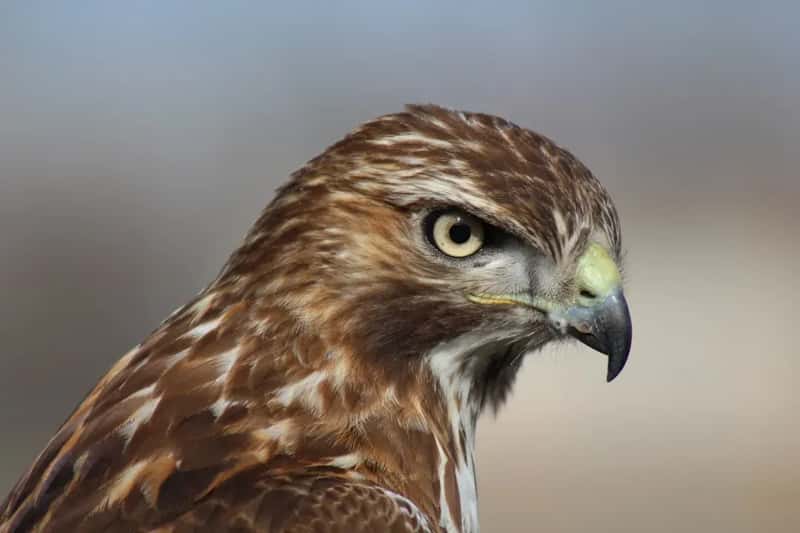
You don’t have to see a hawk for it to be the reason your cardinals vanished. Hawks are masters of stillness and patience, and cardinals – with that brilliant red plumage making them highly visible from above – are acutely tuned to aerial predator threats at all times. Cooper’s Hawks and Sharp-shinned Hawks are common in residential neighbourhoods across the U.S., and they have learned that bird feeders are reliable hunting grounds. Just because you haven’t spotted one doesn’t mean it isn’t there.
A single hawk sighting near a feeder can cause cardinals to abandon that spot entirely for days. The birds don’t forget. If you’ve noticed your feeders suddenly going quiet after weeks of regular activity, scan the treeline – not just overhead, but at mid-height where accipiter hawks prefer to perch and wait. Moving feeders to spots with better overhead cover, or adjusting the feeding schedule, can help. Most experienced backyard birders name this as the single most underestimated cause of cardinals disappearing without explanation.
#1 – Your Yard Simply Doesn’t Feel Safe Enough for Cardinals to Call Home
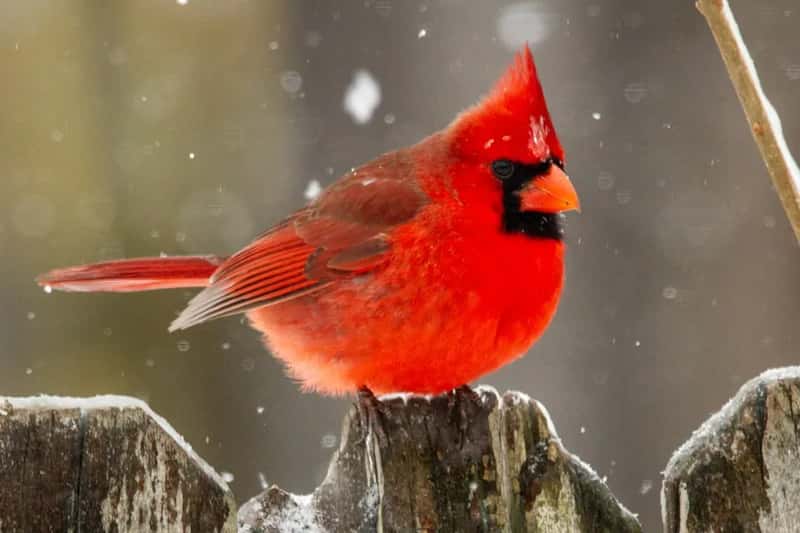
Every single item on this list feeds into one underlying truth that experienced birders understand and most homeowners completely miss: cardinals don’t just visit yards – they evaluate them as potential year-round territories. Unlike many feeder birds, cardinals are non-migratory. They live in the same area all twelve months, which means the yard they choose isn’t a casual stop. It’s home. And they will not commit to a yard that consistently reads as exposed, unpredictable, or threatening, no matter how good the seed is.
That’s actually the real prize hidden inside all of this – attract a breeding pair and you may host them for life. Fix the safety signals together: dense cover, calm surroundings, reliable food and water, no chemical threats, no territorial confusion from reflections or cat patrols. The cardinals were almost certainly nearby the whole time, watching from somewhere just out of sight. They were waiting for a reason to trust your yard. Give them enough of those reasons and they stop visiting. They move in.
Why It Stands Out: The Cardinal as a Permanent Backyard Resident
- Year-round presence – cardinals don’t migrate, so a trusted yard becomes home territory in every season
- State bird of 7 states – Illinois, Indiana, Kentucky, North Carolina, Ohio, Virginia, and West Virginia
- Long-lived birds – the oldest banded wild cardinal on record was still alive at 15 years and 9 months
- Breeding pairs can raise 2–3 broods per season, rarely four – a well-set-up yard can support an entire family all year
- Territory size typically ranges from 2 to 10 acres – your yard may already be inside a pair’s range right now
None of this requires a major renovation or a significant budget. Most of these fixes are a single afternoon’s work – relocating a feeder, swapping out a seed bag, adding a shallow birdbath, or moving a wind spinner to the other side of the yard. Many birders report cardinals returning within days of making even two or three of these changes. The birds notice faster than you’d expect. Have you spotted any of these mistakes in your own setup? Drop it in the comments – we’d love to hear what finally brought them back.