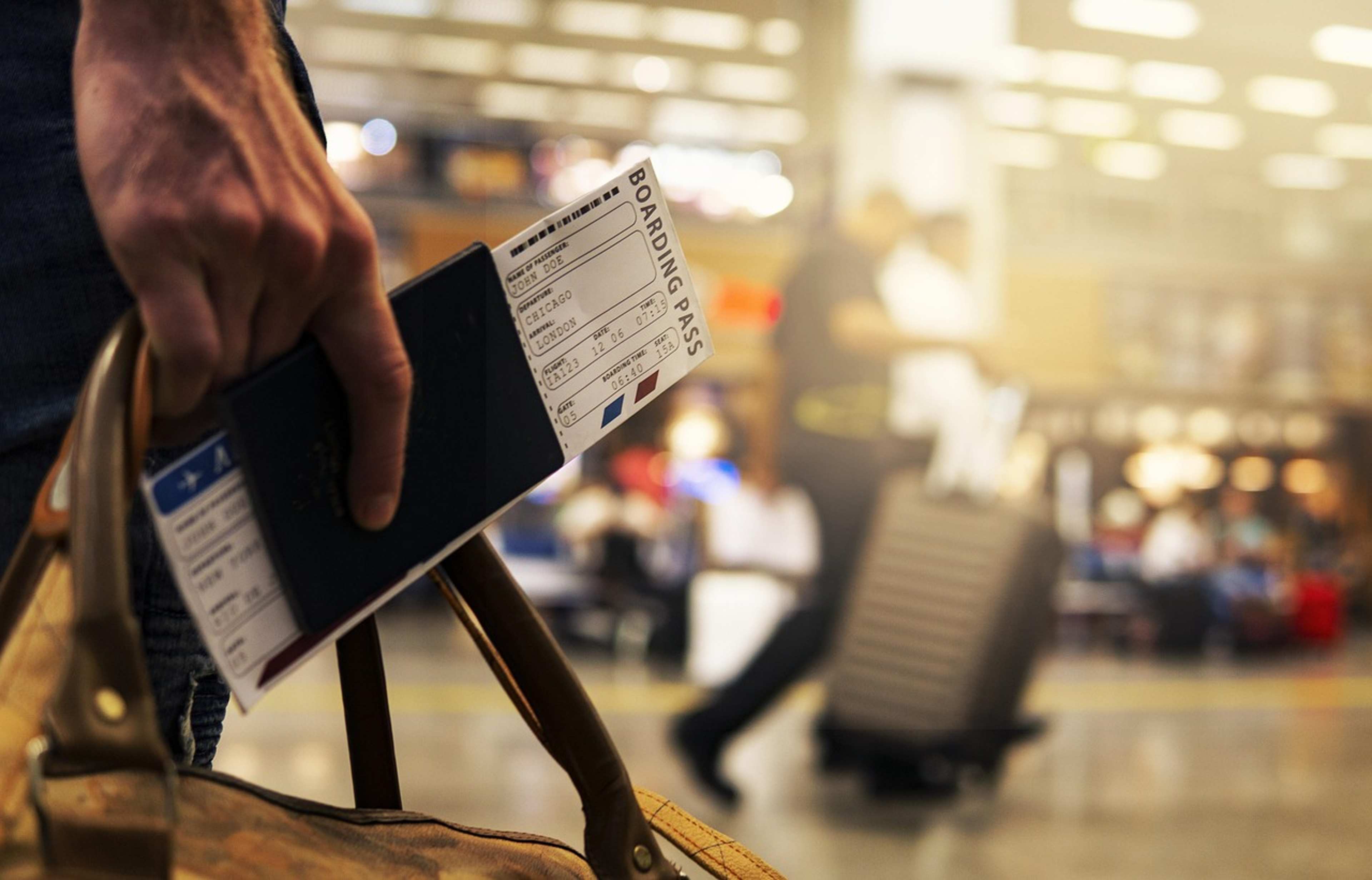

Cruising has a reputation as the easiest vacation a retiree can book – roll your suitcase up the gangway once, then let the ship handle everything else. Ask any cruise director quietly working an embarkation shift, though, and you’ll hear a different story: the ship runs like clockwork, but the guests who trip themselves up are almost always the ones who assumed they already knew how this worked.
It’s rarely about age or ability. It’s about the fine print nobody explains at the travel agency – the exact moment when a lifetime of cruising instincts turns out to be wrong. Here’s what cruise directors say they wish every experienced traveler understood before that gangway door swings shut.
#14 – The Muster Drill “Walk of Shame” Older Guests Don’t See Coming

Skipping the safety briefing used to mean standing on a windy deck in a life jacket. Now it’s mostly done through an app or the stateroom TV, but the consequence for ignoring it hasn’t gotten any gentler. Every single person on the ship must complete the muster drill, and if you skip it, the ship legally cannot sail – crew will page your name over the loudspeaker until you show up.
For guests who’d rather quietly settle into their cabin first, that’s exactly the trap. Cruise directors suggest handling it the moment you step aboard, before you even think about unpacking. It takes about 30 seconds to get scanned, and once it’s done, you’re free to enjoy the sail-away party without interruption. Skip it, and hundreds of strangers will hear your cabin number announced over the ship’s PA system.
#13 – Older Ships Still Charge by the Minute for Wi-Fi

Here’s a detail that shocks even seasoned travelers: not every ship in a cruise line’s fleet has modern internet pricing. Older ships still sell Wi-Fi by the minute, at 50 to 75 cents a pop, while newer ships offer day passes averaging around $25 per device. For guests checking email or casually streaming, that per-minute model can quietly rack up a bill that rivals the excursion budget.
Most cruise directors will tell you, off the record, that the smartest move is skipping it entirely. Their honest advice: switch off completely at sea, and if you truly need Wi-Fi for work or family, wait until you’re in port near a free hotspot. A lot of longtime cruisers still treat ship internet like home Wi-Fi. It isn’t, and the bill proves it.
Quick Compare
- Older ships: Pay-by-the-minute Wi-Fi, roughly 50 to 75 cents per minute
- Newer ships: Unlimited day passes averaging about $25 per device
- Bottom line: A short check-in on an older ship can end up costing more than a full day of internet on a newer one
#12 – The Buffet Stampede Cruise Directors Wish You’d Skip
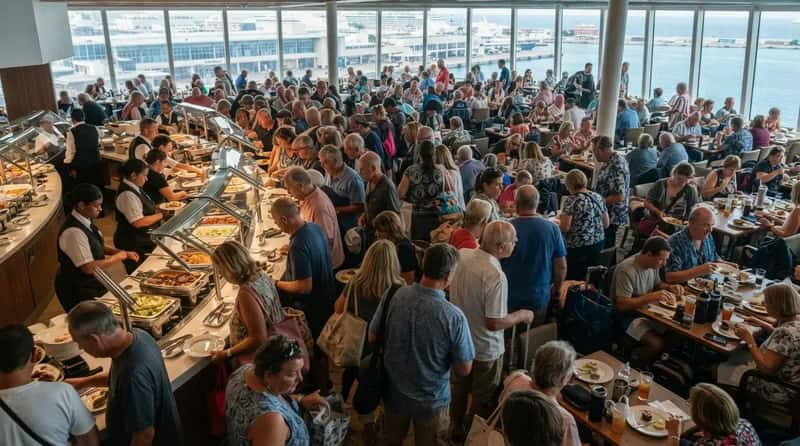
Nearly every guest walks off the gangway starving and heads straight for the buffet. Cruise directors watch this happen every single week, and they know it’s almost always the wrong move. After waiting patiently to board, most cruisers arrive hungry and rush the buffet for lunch – predictably, it’s crowded, loud, and short on seats.
What most older guests don’t realize is that quieter, better options are sitting right there, mostly ignored. Before rushing to the main buffet, it’s worth checking what else is open – the main dining room often runs sit-down waiter service on embarkation day, and specialty venues sometimes offer reduced-price meals. A relaxed sit-down lunch beats fighting a crowd for a tray and a table. It’s a small choice, but it sets the tone for the entire first day.
#11 – Your Luggage Won’t Arrive for Hours (Pack Accordingly)
Here’s the mistake cruise directors say they see on repeat, especially among first-time older cruisers: assuming your suitcase will be waiting outside your cabin door. Many people overpack their main luggage and barely think about their carry-on, forgetting that checked bags can take anywhere from a couple hours to half a day to arrive.
That gap catches people off guard, especially anyone who needs daily medication close at hand. The fix is a roomy carry-on with medication, contact solution, a change of clothes, a swimsuit, sunscreen, sunglasses, and sandals – anything you’ll want immediate access to. Skip this step and you could spend your first afternoon in whatever you wore on the plane. Cruise directors call it one of the most avoidable regrets they hear about.
#10 – Cash Tipping Etiquette That Catches Veteran Cruisers Off Guard

Automatic gratuities get added to most cruise bills these days, which leads a lot of older guests to assume tipping is entirely handled. Cruise directors say that’s only half the story. It’s still customary to tip your waiter $5 and your bartender $1 per drink at specialty restaurants, and while it can go on your room tab, cash is genuinely preferred – most crew recommend bringing at least $100 in small bills for tips and incidentals.
This surprises guests who haven’t cruised in a decade or two, back when everything ran on paper vouchers and folded bills. Showing up with zero cash on hand feels awkward the moment good service happens in real time – a poured drink, a carried tray, a quick favor. Veteran cruisers keep a stash of small bills in the cabin safe for exactly this reason. It’s a small habit, but it’s the kind of insider move that separates first-timers from regulars.
Fast Facts
- Suggested tip: $5 for specialty restaurant waiters
- Suggested tip: $1 per drink for bartenders
- Recommended cash on hand: at least $100 in small bills
- Best storage spot until needed: the in-room safe
#9 – “Guarantee Cabins” Are a Gamble No One Explains

Booking a cheaper “guarantee” cabin sounds like a smart way to save money, but cruise directors quietly steer older guests away from them. A guarantee cabin is a discounted category where you book a specific cabin type but not the exact cabin – meaning you won’t know your location, or your distance from an elevator, until close to sailing.
For guests managing mobility issues, that uncertainty can turn into a real problem. To cut down on walking, older travelers often want to stay near an elevator or the public spaces they’ll use most, like the dining room or pool deck. A guarantee cabin could land you at the far end of the ship, nowhere near either – and the savings rarely feel worth it once you’re covering that extra distance three times a day.
#8 – Tender Ports Can Turn Into a Mobility Nightmare

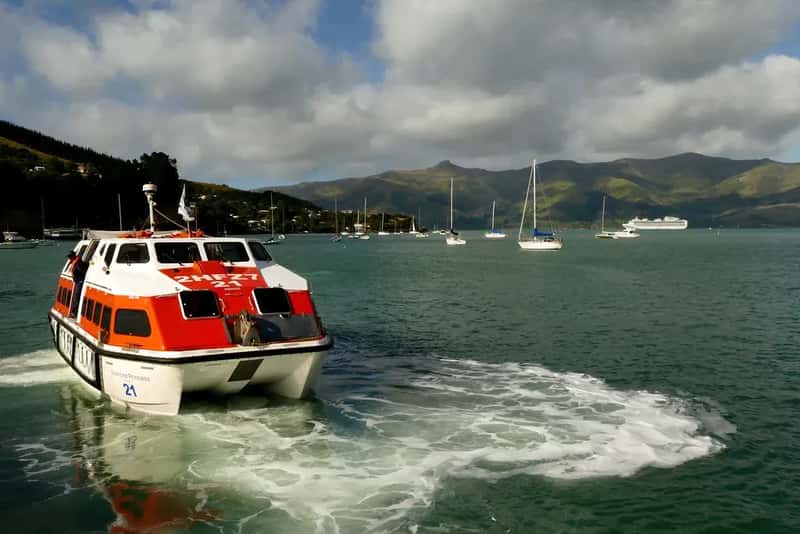
Not every port lets the ship dock directly. Some require a smaller boat, called a tender, to ferry passengers to shore – and cruise directors say this is where older guests get blindsided most often. Ports that require tendering can be a real problem for mobility-impaired passengers of any age, so it’s worth confirming with the cruise line about tender status before you book an itinerary.
The reality is that tendering means stepping between two moving surfaces, often with crew assistance but no guarantee of a smooth transfer. Combine that with heat, uneven boarding ramps, and long waits for a return trip, and a “quick port stop” can eat your entire afternoon. Cruise directors say it’s worth asking the itinerary question early rather than discovering it dockside. Some travelers skip tender ports entirely and treat the day as a bonus sea day instead.
#7 – Scooters Wider Than 21 Inches Can Get You Turned Away at the Gangway

This is the one that genuinely stuns families: cruise lines enforce strict scooter size limits, and violating them can mean denied boarding with zero refund. On many ships, the cabin door width runs about 22 inches, while a lot of mobility scooters exceed the 21-inch maximum most cruise lines allow.
The consequences are harsher than most guests expect. Scooters that won’t fit through the stateroom door aren’t allowed on board – if a guest can’t arrange a smaller rental and won’t sail without theirs, they can be denied boarding with no compensation. Travel insurance often won’t cover a claim for a missed cruise in that exact scenario either. Cruise directors say this measurement gets overlooked constantly because it feels like a minor technicality – until it isn’t. Checking your scooter’s exact width against your specific cabin category, before you pack it, is non-negotiable.
At a Glance
- Typical stateroom door width: about 22 inches
- Maximum scooter width most cruise lines allow: 21 inches
- Consequence for oversized scooters: denied boarding, no refund
- Travel insurance often won’t cover this specific scenario
#6 – Bigger Isn’t Better: Why Smaller Ships Often Win

Cruise marketing loves to sell the biggest, splashiest mega-ships, but a lot of cruise directors privately admit that’s not always the right call for older travelers. Smaller ships within a fleet tend to be easier to navigate, more classic in feel, and often a better match for older guests than the newer mega-ship style vessels.
This is a mildly controversial opinion, since bigger ships get louder praise online – more waterslides, more Broadway-style shows, more Instagram moments. But for guests who value shorter walks, quieter evenings, and less crowd-navigating, that reputation doesn’t hold up. Guests wanting a bigger resort feel without the chaos can look at “ship within a ship” enclaves, which offer a calmer space to step out of the bustling big-ship experience. It’s a trade-off few brochures ever mention.
#5 – The Off-Season Secret Longtime Cruisers Swear By

Here’s a scheduling trick younger travelers can’t use but older guests absolutely can: total flexibility with dates. Not being tied to school breaks opens the door to longer voyages and world cruise segments, often filled with more fellow older travelers and visits to less-crowded regions.
That flexibility pays off even on popular routes. Sailing outside peak school vacation windows is generally cheaper and comes with fewer crowds in port and less-full ships overall. Cruise directors say this is genuinely one of the biggest advantages older guests underuse. Nobody advertises it because it doesn’t sell short getaway packages, but it consistently produces better trips.
#4 – Ship-Sponsored Excursions Exist for a Reason Most Guests Ignore

Independent tours booked off a dockside flyer can feel like an adventurous bargain, and plenty of guests brag about skipping the “expensive” ship excursions. Cruise directors quietly disagree with that instinct, especially in less-familiar ports. In lesser-known areas, it’s generally wiser to stick to ship-sponsored excursions rather than local sales pitches or winging it, so you’re not taken advantage of – and so the ship won’t leave without you if things run late.
That last detail matters more than people realize. If an independent tour runs late, the ship has no obligation to wait, but ship-sponsored excursions build in that protection. Your cruise director keeps a list of vetted excursions and can also point you toward local companies the cruise line has actually checked out. It’s a small insurance policy against the worst kind of vacation nightmare.
#3 – Travel Insurance Isn’t Optional Anymore
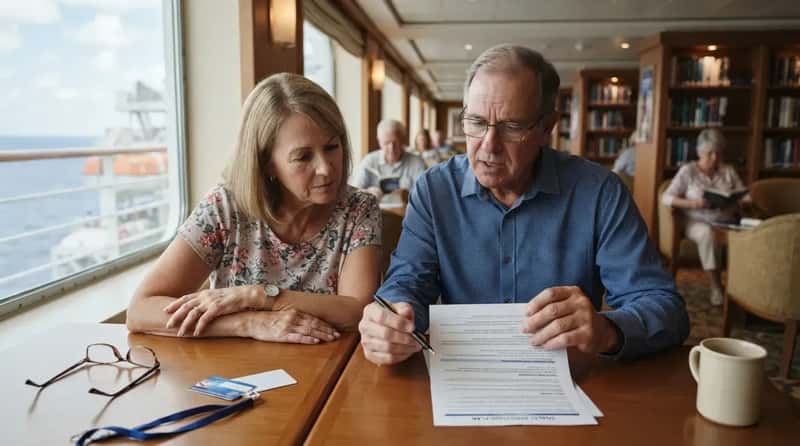
A lot of older guests still treat travel insurance as a nice-to-have add-on rather than a necessity, and cruise industry insiders say that mindset is increasingly risky. Coverage often becomes more important as travelers age, since older cruisers are typically more likely to face a medical issue while traveling, whether new or pre-existing.
The fine print matters just as much as having a policy at all. Older sailors specifically need a plan with a pre-existing condition exclusion waiver, since a pre-existing condition generally covers anything diagnosed, changed, or treated in the last 60 to 180 days – without the waiver, you’re on the hook for related medical bills or unused trip costs. Buying the policy the same week you book, rather than waiting, is often what determines eligibility for that waiver. It’s paperwork nobody enjoys, but it’s the difference between a manageable hiccup and a financial disaster at sea.
Worth Knowing
- Pre-existing condition windows typically span 60 to 180 days before booking
- Waivers usually require purchasing the policy within about a week of your initial deposit
- Without a waiver, related medical bills and trip costs generally aren’t covered
- Coverage matters more as trip length and traveler age increase
#2 – Medical Evacuations Happen More Than You’d Think
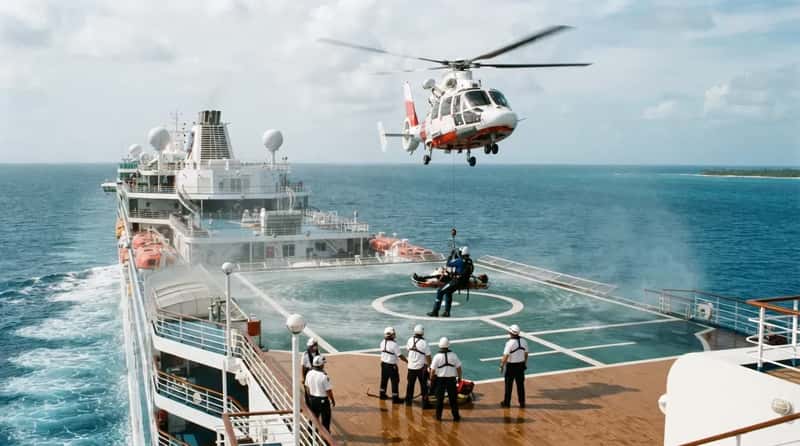
This is the fact that tends to genuinely surprise older guests, because it almost never comes up in cruise brochures. Medical evacuations off cruise ships are far more common than travelers realize, with industry insiders describing multiple evacuations coordinated per week off ships in the Caribbean alone.
What makes this riskier than it sounds is the cost exposure if you’re not properly covered. If you’re underinsured, you’ll need to cover the remaining cost of an emergency medical evacuation yourself, and without any coverage, you’re fully responsible for the entire expense – which can run into the tens of thousands of dollars from remote or international waters. Cruise directors don’t bring this up to scare anyone, but they do wish more guests understood how real the risk is before waving off insurance as an unnecessary expense. It’s exactly why the very last mistake on this list is the one cruise directors say haunts more vacations than any other.
#1 – Flying In on Sailing Day Is the Regret Cruise Directors Hear Most
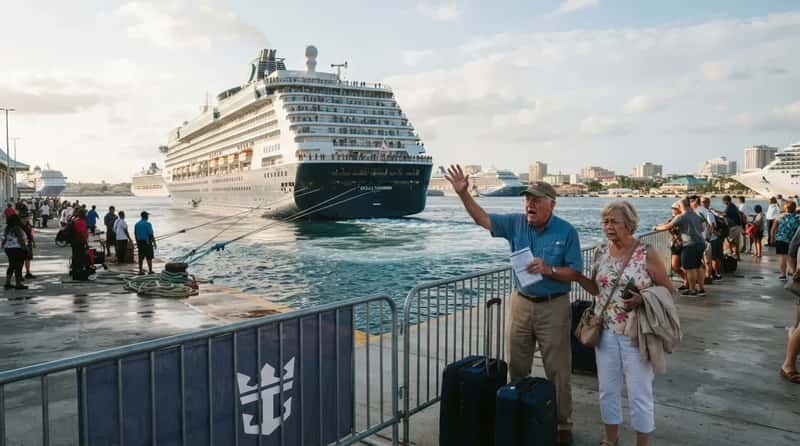
If there’s one mistake that ruins more vacations than any other on this list, it’s this one. Cutting it too close with travel arrangements is one of the most common mistakes cruisers make – flying into the embarkation port on the same day your ship departs leaves little to no room for error.
Cruise directors have watched this play out dozens of times: a delayed connection, a canceled flight, a guest sprinting through a terminal only to watch the ship pull away without them. Cruise experts almost universally recommend flying in at least one day before a cruise, removing the risk of a same-day delay or cancellation and letting you board without any flight-disruption stress. The ship will not wait, no matter how close you were.
The ship has a schedule to keep, and unfortunately, that schedule doesn’t bend for a missed flight.
Cruise industry saying, echoed by crew across the fleet
None of this is meant to scare anyone away from cruising – if anything, cruise directors say older guests are often their easiest, most appreciative passengers. But small blind spots, from Wi-Fi pricing to scooter measurements to same-day flights, are exactly what turn a great trip into an avoidable headache. Knowing them ahead of time is the real upgrade nobody sells you at booking.
Which one of these caught you off guard? Chances are, a cruise director has already seen it happen before.