Walk into a historic inn and ask nothing, and you’ll get the standard treatment: a room key, a breakfast menu, and a polite goodbye at checkout.
Ask one real question about the house itself, and something shifts almost immediately.
Innkeepers at these properties keep a second, unadvertised version of hospitality reserved for guests who show genuine curiosity – and older travelers tend to ask the right questions more often than anyone else.
What follows is everything that quietly changes once you do.
14. They Drop Everything to Give You the Unofficial Tour
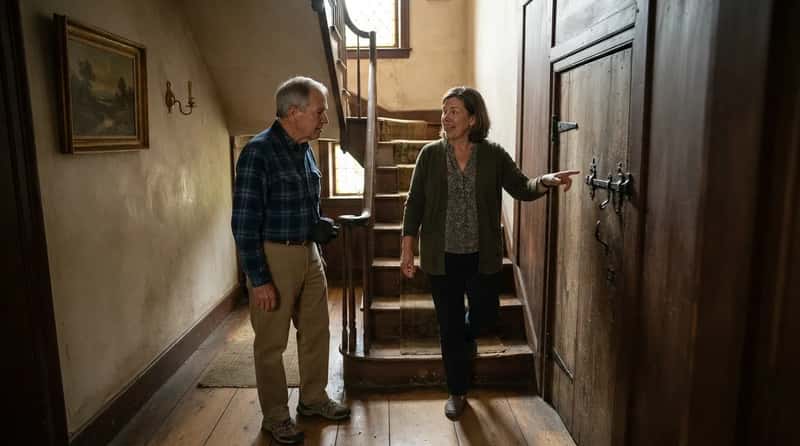
Most guests never see anything beyond the breakfast room and their own doorway. But say something like “How old is this staircase?” and watch what happens.
A good innkeeper will often set down whatever they’re holding and walk you through the building themselves, no appointment necessary.
This isn’t policy. It’s instinct – the innkeeper who became an innkeeper specifically because someone, someday, would ask.
The tour you get this way skips the brochure highlights entirely. You get the back hallway, the servant’s stair, the original latch hardware – the details that would sit behind velvet rope in a museum but are just part of a Tuesday here.
You’ll start noticing things too – a floorboard that dips slightly underfoot, a window frame slightly out of square, a smell of old plaster no candle could ever fake.
That’s only the beginning of what opens up. What comes next stays behind the front desk until someone asks the right question.
13. They Pull Out the Property’s Original Documentation
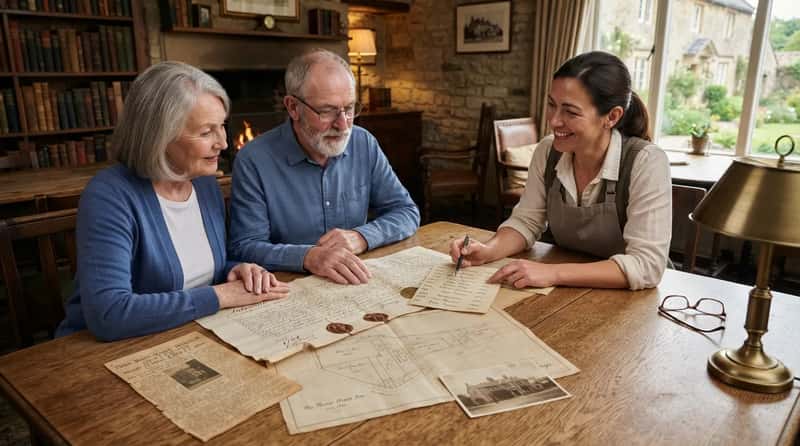
Many historic inns keep physical archives most guests never learn exist – deed records, original blueprints, old photographs, newspaper clippings gone brittle at the edges.
Some properties even hold handwritten lists of past owners, generations of stewards who kept the building standing long before it ever took in a paying guest.
When an older guest shows real interest, innkeepers will often lay these documents flat on a table and let you sit with them. Surveyor’s maps. Handwritten deeds. Names of families who lived there through wars and depressions.
It’s not something offered to guests scrolling their phones at checkout. For someone who asks with real curiosity, it becomes an impromptu archive session that can eat an entire afternoon – and some properties hold documents dating back to colonial land grants.
Reading someone’s handwriting from 1850 is a different kind of experience than reading it in a printed history book, faded to sepia, formed by a hand that’s been gone for over a century.
That’s just paper, though. What comes next gets personal fast.
12. They Share the Names and Stories of Former Residents
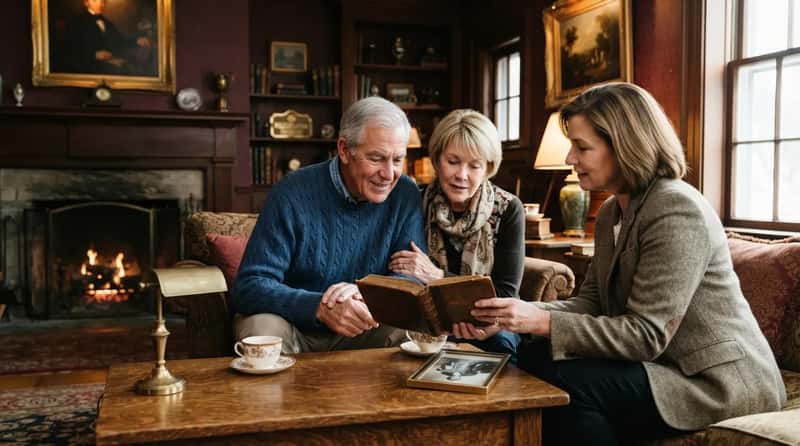
A historic inn isn’t really a building. It’s a long relay of families, tradespeople, and travelers passing the same walls from one generation to the next.
Local historians and property owners increasingly partner up to research exactly these stories, so overnight guests can uncover the people who built the house they’re sleeping in.
Innkeepers who’ve done that homework can usually tell you the builder’s name, his trade, when the family sold, and how the place survived hard years. Some inns have hosted travelers for over 200 years – funded by Gold Rush money, nearly shuttered in the Depression, once visited by figures like Ralph Waldo Emerson or Teddy Roosevelt.
Worth Knowing
- Many historic inns have operated under several different owner families across a century or more.
- Local historical societies often keep occupancy and ownership records tied to specific old properties.
- Notable past visitors, once verified, tend to become part of an inn’s spoken – not written – history.
These aren’t textbook facts. They’re granular – a daughter’s mural still visible in the parlor, a traveling judge who slept in the same room every court season for forty years. Told right, the story changes how the room feels around you.
What comes next is something most guests over 60 appreciate far more than they expect.
11. They Quietly Give You a Ground-Floor Room, No One Has to Ask
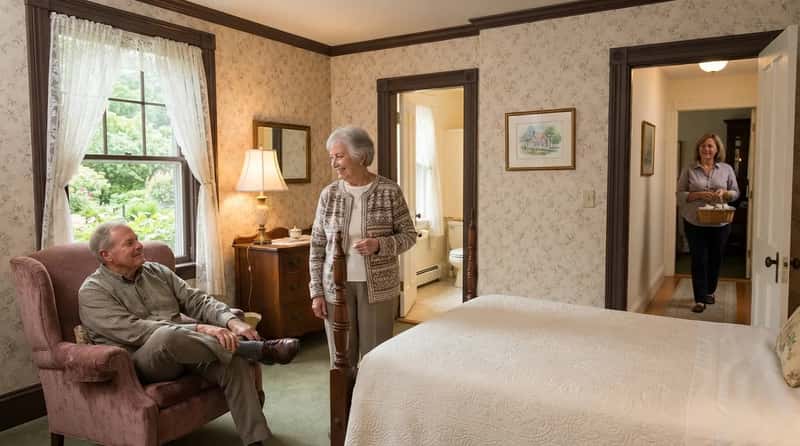
A chain hotel front desk would never think to do this: notice that a guest might struggle with a steep Victorian staircase, and quietly reassign the room before check-in.
Most bed-and-breakfasts have stairs by nature of the building’s age, but many keep a first-floor room in reserve for exactly this reason.
Attentive innkeepers often catch the need without being told – a slight hesitation at the foot of the stairs, a hand that lingers on the railing a beat too long.
It’s the kind of care that simply can’t scale in a hotel. Most B&B owners live on-site, which means they notice things a corporate front desk never will.
It’s a small gesture, but for a guest managing a bad knee or recovering from surgery, it can be the difference between dreading the stairs and forgetting they exist.
Quiet accommodation doesn’t stop at the room assignment, either. The next one happens at the breakfast table.
10. They Serve Coffee Before the Official Breakfast Hour
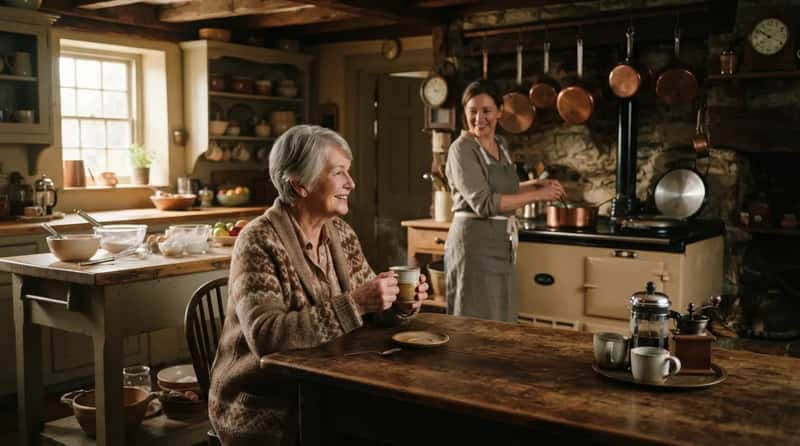
Most B&Bs run breakfast on a fixed schedule. But guests who’ve built real rapport with the innkeeper find those rules loosen fast.
The guest who treats an innkeeper with genuine respect tends to be the one who gets the small extras – early coffee, the good down pillows, a glass of wine that wasn’t on the menu.
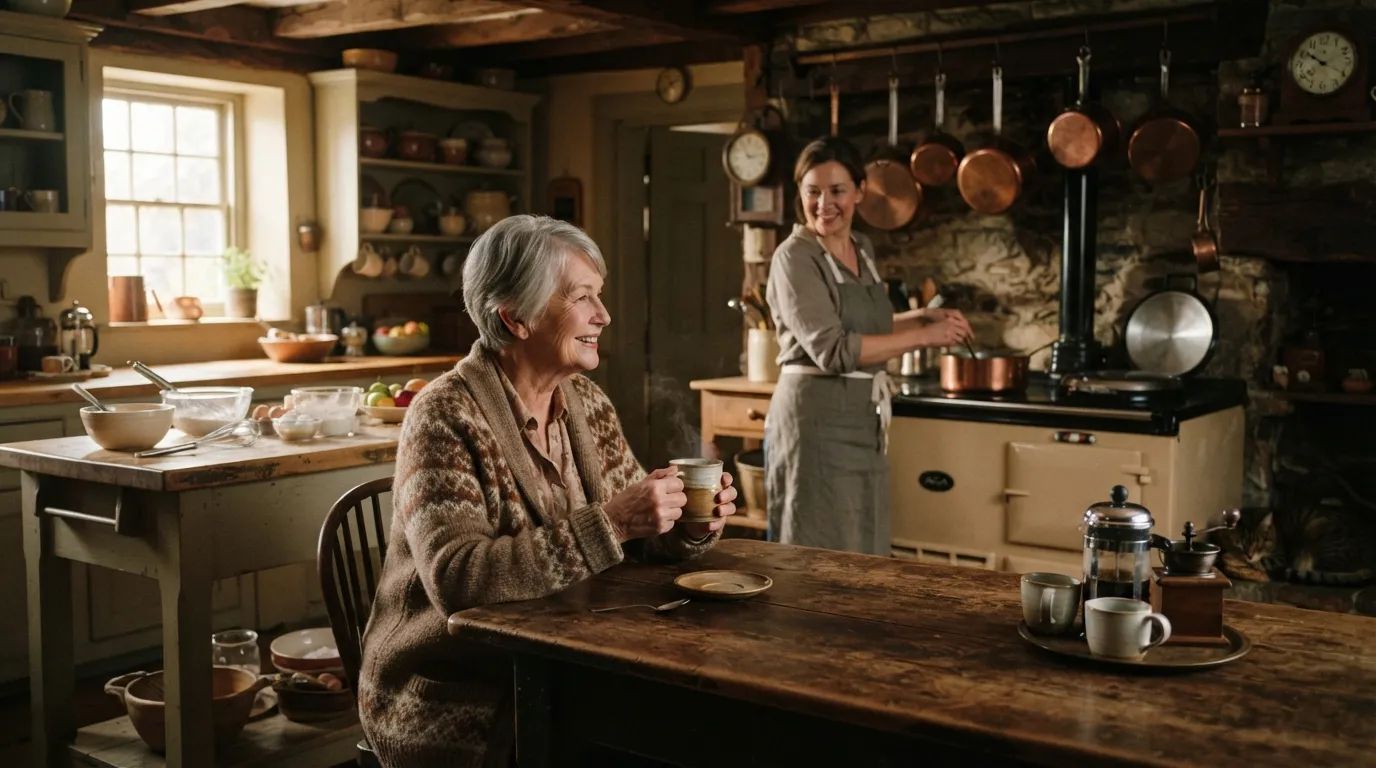
For early-rising guests over 60, this matters more than it sounds. Sitting in a 200-year-old kitchen with a coffee, watching breakfast come together, is often the most intimate hour of the entire stay.
It’s the closest you’ll get to knowing what it actually felt like to live in that house.
What comes next is something most guests never think to request.
9. They Connect You With the Local Historian or Preservation Society
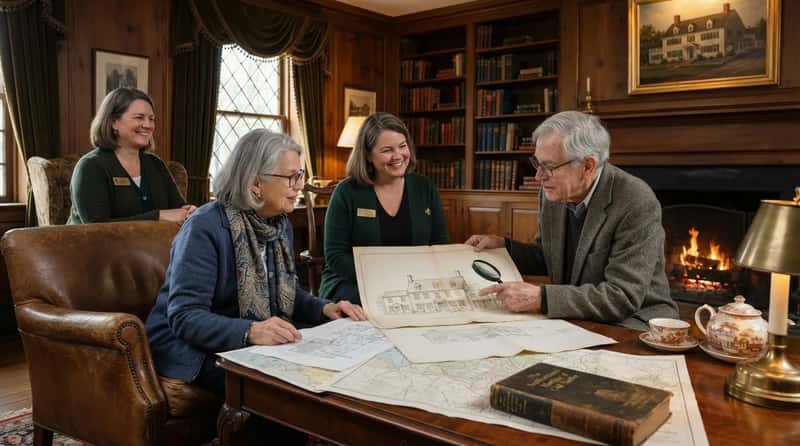
A well-connected innkeeper knows everyone in the local preservation world. Show real interest in the building’s architecture or history, and some will pick up the phone on your behalf.
Historic Hotels of America partners have run enrichment programs for over 50 years exploring the art and architecture behind their properties, and local preservationists tied to those networks often know more than the innkeeper does.
This kind of referral never shows up on a services list. It happens because an innkeeper spots a match between a curious guest and an equally curious local expert.
The conversations that follow sometimes last the better part of an afternoon – no app or concierge desk could ever arrange that.
Sometimes that expert brings along an old photograph of the building from decades before the inn ever opened, back when the porch looked completely different.
What happens after dinner is even harder to plan for.
8. They Sit Down With You in the Parlor and Tell the Real Stories
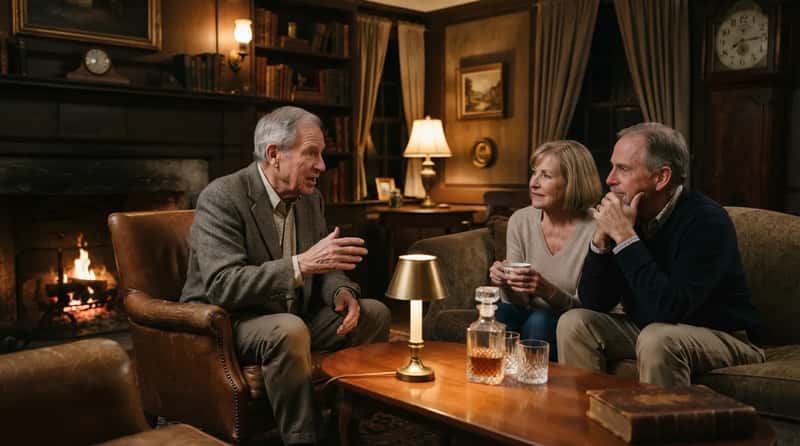
There’s the version of the inn’s history framed on the wall by check-in. Then there’s the version that comes out after nine at night, once the other guests have gone up and the filter comes off.
Don’t assume the person behind the desk is just staffing a job. Plenty of innkeepers arrive after entire careers in law, academia, architecture, or journalism, and it shows in how they talk about the building.
The parlor conversation is where the disputed 1811 land deed comes up, or the wing that burned and got rebuilt slightly wrong, or the doorway a past owner bricked shut for reasons nobody has fully explained.
Quick Compare
- Brochure history: polished dates, notable visitors, restoration highlights.
- Parlor history: disputed deeds, bricked-up doorways, unresolved family disputes.
- Who hears it: the guest still sitting there once everyone else has gone up for the night.
None of it is on a historical marker. It survives because curious guests keep asking for it.
There’s a smaller detail most guests walk past without ever asking about.
7. They Explain the Original Purpose of Every Odd Little Room
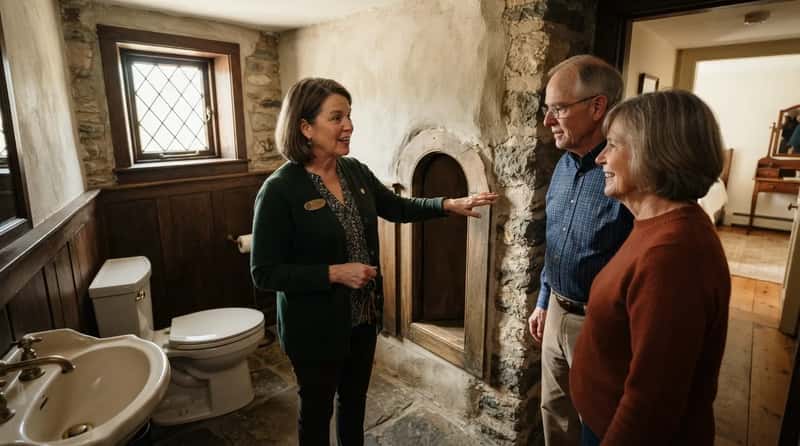
Historic buildings are full of spaces that don’t map onto anything modern – a narrow chamber off the kitchen, a window seat with a locked compartment, a low-ceilinged room above where the stable used to be.
Some inns have converted former cloakrooms into full bathrooms, or kept original chalkboards covered in notes from guests who once studied there as students. Good innkeepers don’t just repurpose these rooms – they tell you what they used to be.
For older guests who grew up hearing about butler’s pantries and summer kitchens and keeping rooms, having those spaces named and explained lands differently. It turns a guest room into a small, living exhibit.
Ask about the low doorway between two rooms, and you might learn it was built for people who were, on average, several inches shorter than guests are today.
Most younger travelers walk right past it without blinking.
The next detail is architectural, and it’s one innkeepers genuinely love to talk about.
6. They Point Out the Building Techniques No One Can Replicate Today
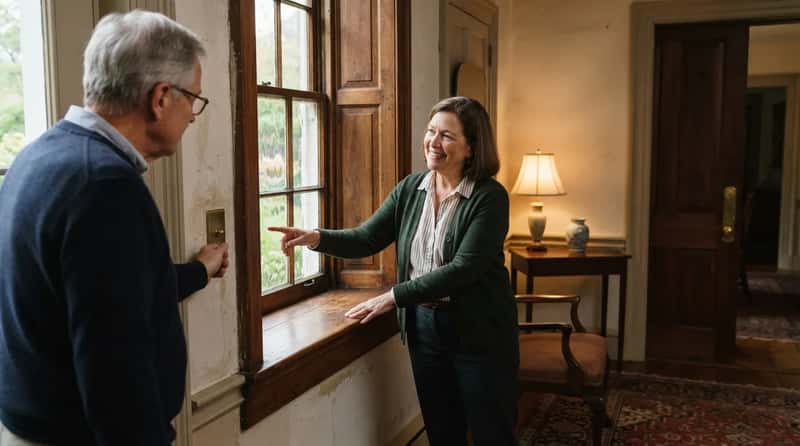
Old construction isn’t just cosmetically different from new construction – it’s structurally different. The old-growth timber used in these buildings is denser and more dimensionally stable than anything sold today, and the joinery and masonry follow rules modern builders rarely learn.
Some inns still have original chestnut woodwork in their windowsills and moldings – a rarity now, since a blight wiped out most American chestnut trees decades ago. Add in pocket doors and working push-button light switches, and an innkeeper who loves the place will happily stop and show you why it all matters.
Hand-cut dovetail joints in a drawer. Hand-blown glass that makes the light look faintly wavy. Mortise-and-tenon framing exposed in the cellar ceiling.
None of it appears on the standard tour. It gets shared one-on-one, with the guest who slows down long enough to ask.
What comes next is where even seasoned travelers get surprised.
5. They Let You Handle Artifacts That Aren’t Behind Glass
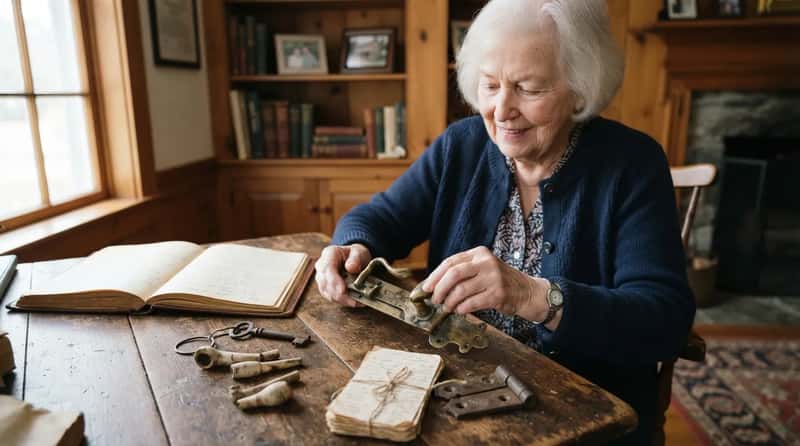
In a museum, an 1790 brass door latch sits behind a case with a placard. At a historic inn, it’s the thing you turn to open your bedroom door.
Innkeepers often keep small collections from years of renovation work – old keys, clay pipe fragments turned up during a foundation repair, a handwritten receipt found tucked inside a wall cavity. These live in kitchen drawers and office shelves, not display cases.
At a Glance
- Original hardware: hand-forged door latches, iron hinges, worn skeleton keys.
- Construction finds: clay pipe fragments and handwritten receipts pulled from wall cavities.
- Everyday relics: decades-old guestbooks still kept on office shelves.
Walk the creaky floorboards, flip through a decades-old guestbook, and with the right question, you might end up holding the actual iron hinge pulled off the cellar door during the last renovation.
Even something as small as an old skeleton key, worn smooth by generations of hands, carries more weight than any placard could explain.
Museums keep history at a distance. Historic inns put it directly in your hands.
What comes next requires the innkeeper to already know you’re a good listener.
4. They Quietly Upgrade Your Room When They Know You’ll Appreciate It
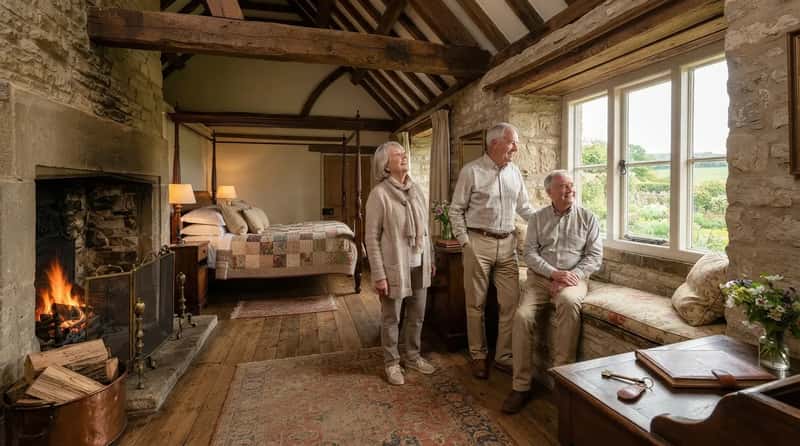
Every historic inn has a hierarchy of rooms that never makes it onto the booking site. There’s the room that photographs well, and then there’s the room with the original wide-plank floor, the working fireplace, the view that looks almost exactly like it did two centuries ago.
Guests who treat an innkeeper with genuine respect tend to be the ones who get the extras – and in a historic property, one of those extras is a room with a deeper connection to the building’s actual story.
The upgrade is never announced. You just arrive, see the exposed timber ceiling or the window seat over the old kitchen garden, and realize something deliberate just happened.
It’s exactly the kind of gesture that turns first-time guests into people who book the same room every year.
The top three are where things get genuinely emotional, starting now.
3. They Research Whether the House Connects to Your Own Family History
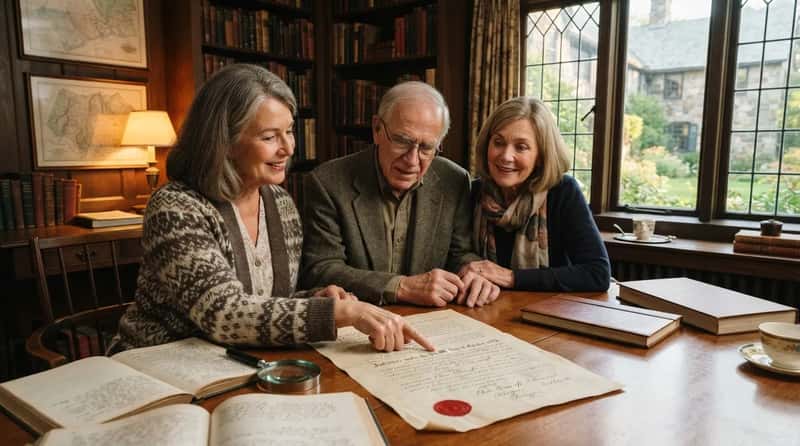
This one is rare, but it happens more than you’d think. A guest mentions over breakfast that their grandparents came through a certain port city, or that their family once farmed land in this county – and a good innkeeper files that away immediately.
Some historic mansions-turned-inns were the literal birthplace of past residents, and for many guests, seeing where a family member was born is the most meaningful part of the whole trip.
An innkeeper who’s paying attention might pull a local census record, point to a name on the original deed, or simply mention that the family buried in the churchyard down the road shares the guest’s own last name.
Sometimes it’s nothing more than a shared last name and a knowing look. Other times, it’s a full afternoon spent piecing together a family tree neither the guest nor the innkeeper expected to find.
It’s the kind of personal research no algorithm will ever replicate – and it turns a pleasant stay into something a guest tells people about for years.
Almost no one realizes the next thing is even on offer.
2. They Give You Access to Parts of the Property Off-Limits to Everyone Else
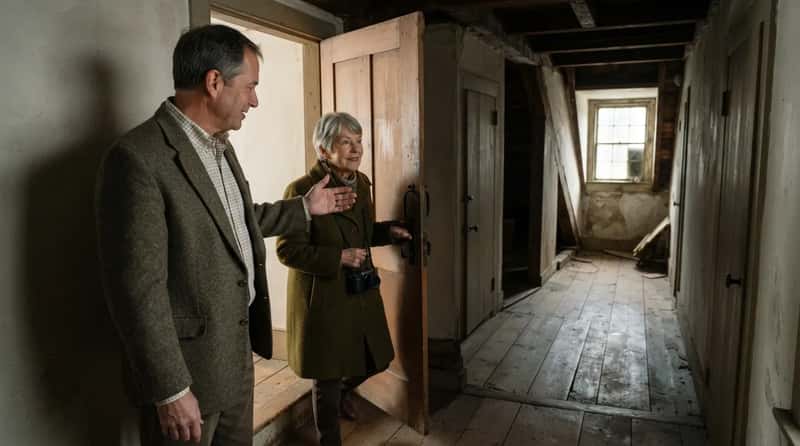
Every historic inn has spaces that never enter the guest experience – the original root cellar, the widow’s walk, the unrestored third-floor servants’ quarters, a carriage house still fitted with its original ironwork.
These sit behind unmarked, unlocked doors. Most guests never think to try the handle.
The official tour doesn’t go there. The unofficial one – granted to the guest who’s spent the whole stay asking good questions – sometimes does.
It isn’t special treatment so much as trust. For a guest who’s shown real reverence for the building, an innkeeper sometimes becomes something closer to a private guide with no other audience.
And now, the one they save for last – the story reserved for guests who, by checkout, feel less like customers and more like friends.
1. They Tell You the Story the Building Isn’t Supposed to Have
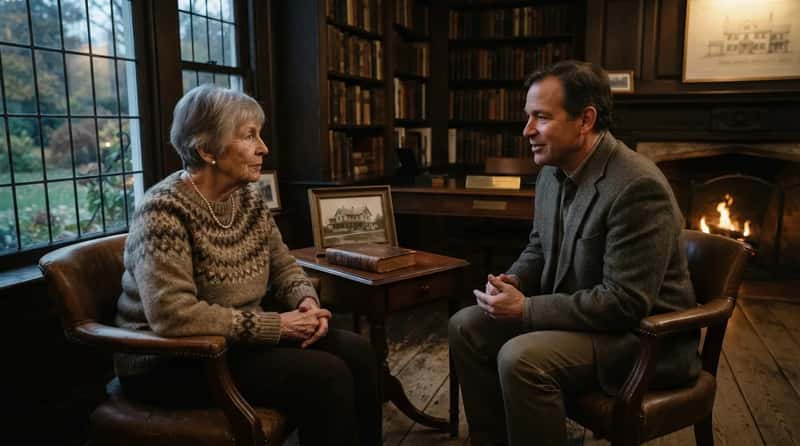
Every historic property carries at least one story that never made it onto the brochure, the marker, or the official write-up. A disputed death. A hidden room. A relationship between former owners that local gossip kept alive for generations. A structural secret that only surfaced mid-renovation.
Some buildings hold mysteries their original owners never bothered to explain – one 1885 cottage was given a cryptic name by its owner, and to this day nobody knows who or what it referred to.
Innkeepers know these stories. They just don’t hand them out to everyone.
The guest who spends a few days asking real questions – who reads the framed documents, notices the uneven floorboards, pauses at the odd narrow window atop the servants’ stair – earns the real one. It’s the story the innkeeper has been carrying for years, waiting for the right person to carry it next.
Some innkeepers will only tell it once, quietly, and ask that you not repeat where you heard it.
The Bottom Line
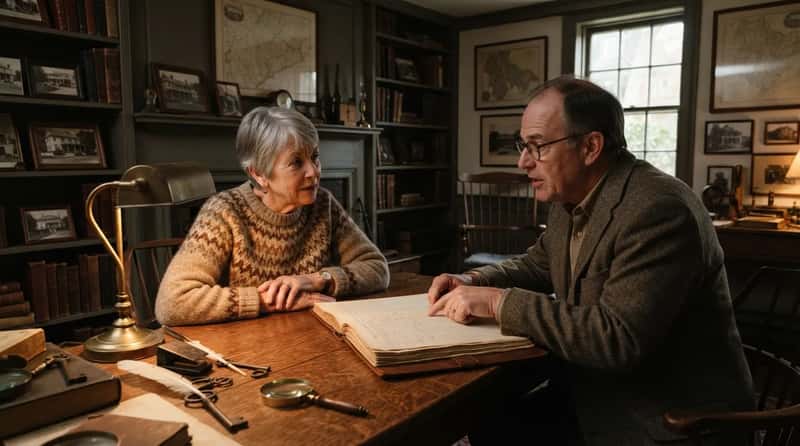
Historic inn innkeepers are not hotel employees. They’re custodians of buildings that have outlasted every person who ever slept in them, and they carry those buildings’ stories the way a librarian carries rare books – carefully, and only for the right reader.
Guests over 60 who ask about the house unlock a completely different kind of stay: private tours, archive access, unscheduled room upgrades, off-menu breakfasts, connections to local historians, and – if the trust runs deep enough – the stories no marker or brochure will ever tell.
The question itself is the key.
The next time you check into a historic inn, skip the compliment about the décor. Ask who built it. Ask what used to be behind that odd little door off the hallway. Ask what turned up in the walls during the last renovation.
The house has been waiting a long time for someone to ask – and once you do, it rarely stays quiet.