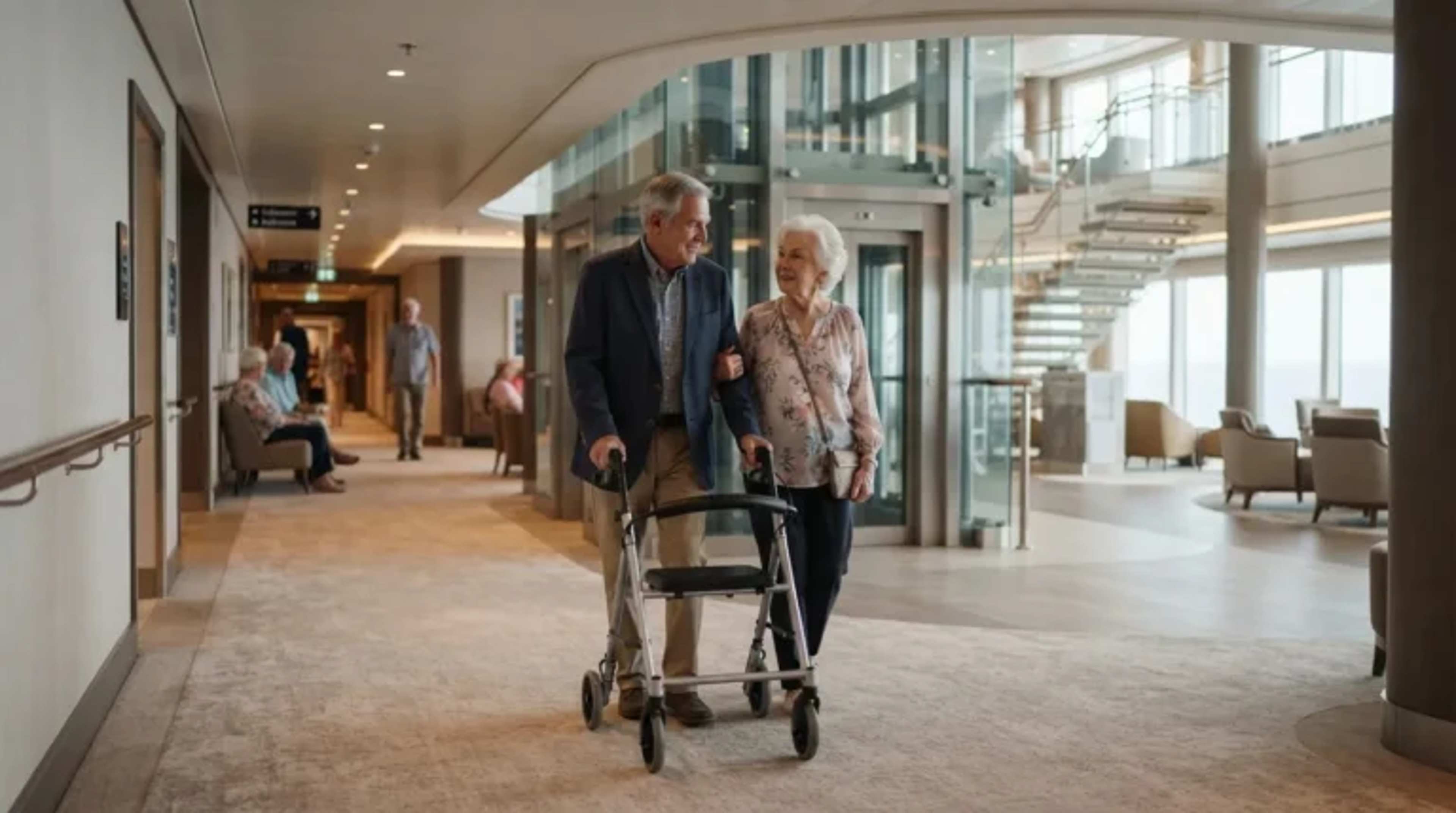
Most travelers over 60 assume the front desk is just a speed bump between the parking lot and the elevator – hand over the ID, grab the keycard, done. What they don’t realize is that trained hotel staff have already built a detailed mental picture of them before a single word is exchanged. That read shapes everything: which room you get, how much flexibility you’re offered, and whether a quiet upgrade happens before you even ask. It isn’t invasive. It’s hospitality running at full speed – and it’s been happening on every trip you’ve ever taken.
For guests over 60, there’s a distinct set of signals that front desk agents clock within seconds of arrival. Some are flattering. A couple are quietly costly. At least one will explain something that happened on a past trip and you never understood why. Here’s what insiders are actually noticing.
#1 – Whether You’re a Genuinely Experienced Traveler or Just an Older One

This is what hotel staff are really clocking – and it has nothing to do with age. There’s a clear, observable difference between a guest who is over 60 with decades of real travel experience and a guest who is over 60 and simply hasn’t traveled that widely. The seasoned traveler doesn’t demand. They ask once, clearly, at the right moment. They don’t linger at the desk, don’t create a queue, and don’t need hand-holding through a standard check-in. Staff spot that informed confidence in the first thirty seconds.
Experienced older guests are widely regarded by hotel staff as the best demographic to serve – polite, appreciative, loyal, and more likely to return and leave honest reviews than almost any other group. The upgrade that appears unprompted, the dinner reservation that materializes, the late checkout offered before you even bring it up – these go to the travelers who have mastered not the system, but themselves. That’s the one thing no loyalty program can manufacture.
Fast Facts
- Baby boomers average roughly $6,450 per trip in 2024 – more than any other generation spends per trip domestically
- 99% of boomers plan to take at least one leisure trip per year, making them the most reliably returning demographic in hospitality
- Boomers spend more than double what millennials do on accommodation per trip
- 37% of boomers say they take multiple trips a year, versus 33% of non-boomers
#2 – How Gracefully You Navigate the Unexpected
Every hotel stay produces at least one moment of friction – the room isn’t ready yet, the reservation shows a different room type than expected, the elevator is under service. How a guest over 60 handles that moment is one of the most telling things front desk staff observe all day. Hotel employees are sizing you up from the moment you step through the door, and the quiet judgments made in those first few seconds follow you all the way to checkout.
The guest who hears “your room isn’t quite ready” and responds with a calm “no problem, is there somewhere I can leave my bags?” gets staffed differently than the guest who immediately escalates. Hospitality workers privately describe composed older guests as among the most satisfying people to serve – precisely because composure is rarer than most guests think. How you handle minute one shapes every minute through checkout. According to the AHLA’s 2025 report, 38% of guests consider quick, easy check-in a key driver of positive experience – and that clock starts with your reaction, not just the desk’s efficiency.
#3 – Whether You Ask for the Manager Before Anything Has Gone Wrong

This one is specific to older travelers, and it lands at the desk with unmistakable weight. Walking up and immediately asking to speak with whoever is in charge – before a problem exists, before a question has gone unanswered – signals a particular pattern of behavior that experienced agents recognize on the spot. It shifts the entire interaction before it has a chance to develop naturally, and it puts staff on a defensive footing that follows you through the whole check-in.
The immediate manager request is one of the single fastest ways to ensure that no one at the front desk goes out of their way for you during your stay. The deep irony is that guests who make this move are often the ones who most want exceptional service – but the move itself almost guarantees the opposite. Asking for a manager after a problem is completely reasonable. Asking before one exists is a flag that gets quietly attached to your name for the duration of the stay.
#4 – Whether You Mention a Special Occasion (and Whether It Rings True)

Guests over 60 are more likely than any other age group to be traveling for a milestone – a 40th anniversary, a significant birthday, a bucket-list trip with a spouse or adult child. Front desk staff notice when that context is offered, and they notice how it’s offered. A guest who mentions the occasion naturally, in the flow of conversation, almost always sees a quiet upgrade materialize. A guest who leads with it as a demand gets a different reaction entirely.
The guests who benefit most from mentioning a special occasion are the ones who offer it as context, not as leverage. Staff are trained to feel the difference between someone genuinely celebrating something and someone using a vague “special occasion” as a negotiating chip. Timing matters too – the best window is after a warm exchange, never during a lobby rush and never as the literal first sentence. The authentic version almost always unlocks something. The transactional version rarely does.
Worth Knowing
- 81% of boomer travelers are on the road with their spouse or partner – milestone trips are genuinely the norm, not a rare exception
- Mentioning a specific occasion (“our 35th anniversary”) lands differently than a vague “special trip” – specificity signals authenticity
- The optimal moment to mention it: after a genuine exchange, before the agent hands over the keycard
- Staff can flag your reservation for housekeeping touches – a small note at check-in can translate to a room amenity you’d never expect
#5 – The Condition and Quality of Your Luggage
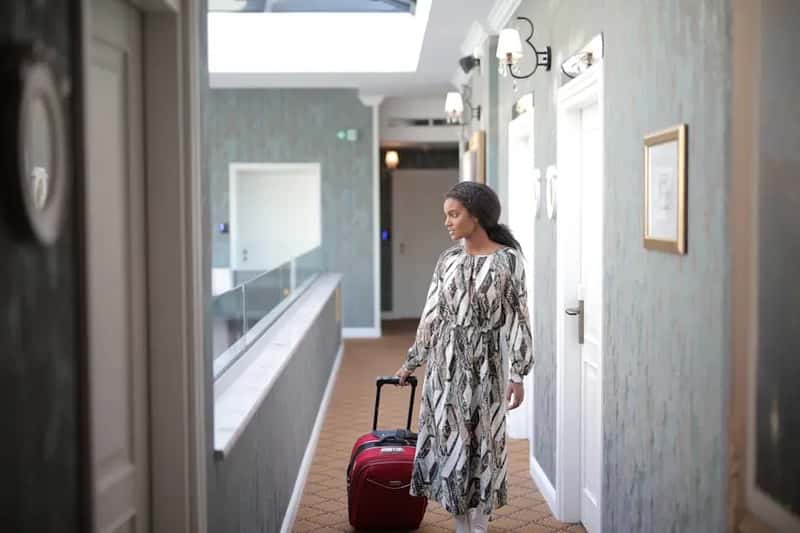
It sounds shallow, and trained hospitality staff would never openly admit it – but luggage tells a story, and front desk agents are readers. Well-traveled bags with airline tags still attached, quality rolling cases, or a worn leather carry-on signal a frequent traveler who knows the routine. The read isn’t really about wealth. A guest with a worn-but-quality suitcase and calm body language gets assessed very differently from a guest with a brand-new mid-range bag and a visibly stressed demeanor.
The luggage, the posture, and the pace of movement all feed into the same read simultaneously. Experienced staff are assembling the full picture from every available signal before your reservation even pulls up on screen. A battered carry-on with a reward-tier luggage tag, a relaxed grip on the handle, and unhurried eye contact? That tells the agent almost everything they need to know about how this check-in is going to go – and how much latitude to extend.
#6 – Whether You’re a Loyal Repeat Guest or a One-Time Booker
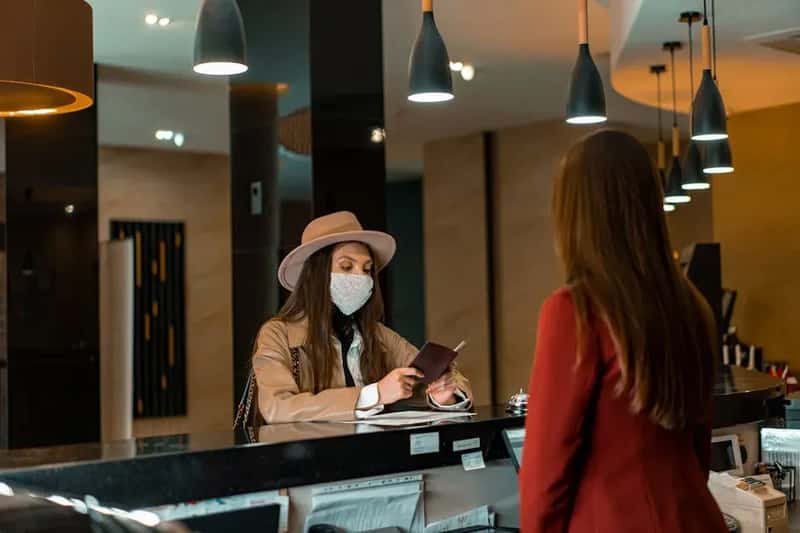
Loyalty program status is visible the instant your profile loads on the front desk screen, and it changes the texture of everything that follows. A returning guest’s preferences – quiet high floor, extra pillows, away from the elevator – are sitting right there in the notes field. Staff don’t have to ask. They don’t have to guess. That profile is the result of every previous stay, and it functions like a standing recommendation letter from your past self.
That reputation is what quietly drives unprompted upgrades, remembered room preferences, and staff checking on you proactively during a longer stay. According to a 2025 Phocuswright survey, 23% of baby boomer travelers spend $6,000 or more at their destination – more than any other generation. Hotel staff at higher-end properties know exactly which demographic keeps their occupancy strong year after year. A loyal guest over 60 isn’t just a good booking. They’re often the most valued guest on the floor.
#7 – How You React When the Technology Doesn’t Cooperate
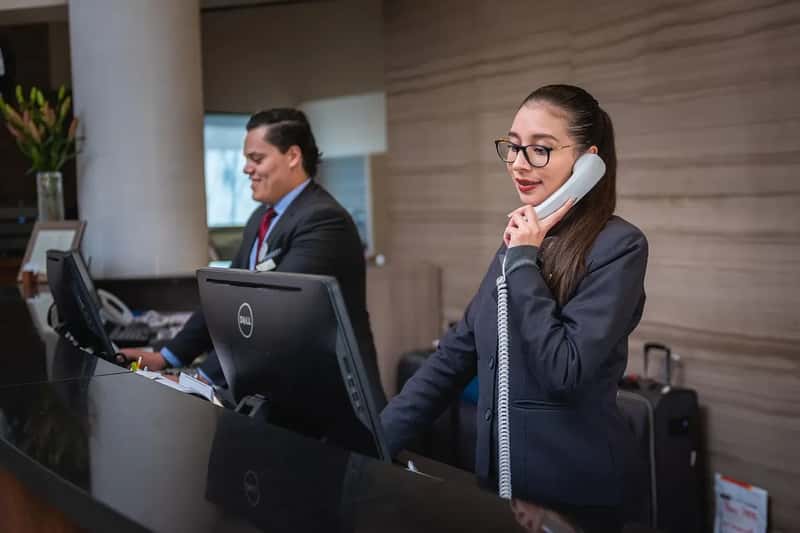
Hotels have moved aggressively toward digital check-in, smart room systems, and app-controlled everything – and the gap between guest expectations and hotel reality is most visible with travelers over 60. Keycard locks that require a specific swipe angle, thermostats with touch screens, TVs that need three remotes to navigate – these are real friction points. Staff know it. A good agent who senses hesitation at check-in will proactively walk through the room tech during the handoff, and many do.
The agent behind the desk didn’t build the app, didn’t mandate it, and genuinely cannot change the policy in the next thirty seconds. Guests who acknowledge the preference gap with a light touch – “I’m old-fashioned, I’ll probably need a walkthrough” – get warmth back and a thorough demo. Guests who treat the agent as personally responsible for the industry’s digitization get a politely neutral face and nothing more. The difference in experience between those two guests, by the time they reach their room, is significant.
At a Glance: The Tech Friction Checklist
- Keycard issue? Ask at check-in for the specific swipe direction – most agents know the quirks of their own door locks
- Smart thermostat: ask for the physical override if one exists – most rooms still have it
- TV remote confusion is the #1 in-room call to the front desk across all age groups – asking upfront saves that call
- Mobile key apps: always request a physical backup card – apps fail during low-battery moments
#8 – Whether You Dismiss Younger Staff Members
This one stings a little, but it’s real and it’s noticed every time. One of the subtler friction points at any front desk happens when older guests visibly dismiss the recommendations of younger staff – sometimes asking to speak with someone more senior before the conversation has even had a chance to develop. It registers immediately, and it doesn’t just affect the staffer’s mood. It affects what you get out of your stay.
A 24-year-old concierge who grew up in the city may know that restaurant scene better than anyone on the property. The staff member you waved off might have been the person about to hand you the best dinner reservation of the trip. Experienced hotel staff across every age bracket are trained professionals – and the ones who look youngest often have the most current, ground-level knowledge about what’s happening outside the hotel walls right now. Seniority on a name badge doesn’t always mean better intel.
#9 – Whether You Booked Direct or Through a Third Party
The moment you hand over your ID, staff can see exactly how your reservation was made – and that information matters more than most guests realize. Hotels earn less per room on third-party bookings and have less flexibility to offer perks on those reservations. Front desk managers tend to work through an informal priority order when it comes to room quality and upgrades: loyalty members first, then repeat guests, then direct bookers, then everyone else.
Guests over 60 are statistically more likely to book through a travel agent or third-party platform, which unintentionally costs them their place in the upgrade queue. It’s not punitive – it’s structural. And it’s fixable. Calling the hotel directly, especially at independent properties or during off-peak periods, often unlocks rates and flexibility the website simply doesn’t reflect. The guests who treat that call as a friendly conversation rather than a confrontation consistently walk away with better outcomes.
Quick Compare: Booking Channel Impact
- Direct booking (phone or hotel site): Full loyalty credit, upgrade eligibility, rate-match flexibility, special request notes honored
- OTA booking (Expedia, Hotels.com, etc.): Lower hotel margin, limited upgrade priority, loyalty points often excluded or reduced
- Travel agent booking: Can be excellent at luxury properties with agent relationships; less reliable at mid-tier chains
- Best move: Book direct, then call the front desk 24 hours before arrival to confirm preferences
#10 – How You React When the Room Isn’t What You Expected
Most guests have a mental image of their room before they arrive – the view they saw in the photos, the floor they requested, the layout they’ve stayed in before. When reality doesn’t match that image, the reaction at the front desk is one of the most observed moments in the entire check-in process. Staff brace for it. Some guests handle it with grace. Others turn it into a negotiation that poisons the next three days.
The guests who calmly describe what they were hoping for – instead of demanding, sighing loudly, or invoking the booking confirmation like a legal document – are the ones who actually get results. Front desk agents have real flexibility in many situations, but they extend it selectively. A composed, specific request gives the agent something to solve. An explosion gives them something to survive. The first approach gets you a better room. The second gets you exactly the room you’re standing in.
#11 – Whether You’re Already Frustrated Before Anything Has Gone Wrong
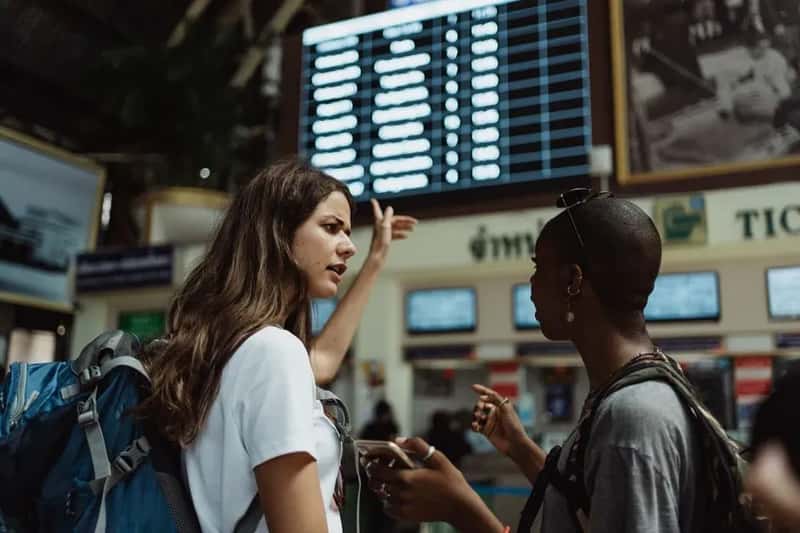
Some guests arrive carrying the full emotional weight of the journey – the delayed flight, the wrong exit, the parking situation that cost twenty minutes. Staff notice that pre-loaded frustration the moment you come through the door, and it immediately shifts the dynamic at the desk. It’s not personal. It’s a professional read that determines how cautiously the agent proceeds.
Guests over 60 who arrive visibly irritated create a particular dynamic: staff become less likely to volunteer upgrade options, mention unpublished perks, or extend courtesies. The calculation shifts from “what can I do for this guest” to “how do I get through this check-in without escalation.” Taking sixty seconds in the parking lot to decompress – leaving the highway behind before walking through the door – is one of the most underrated moves in travel. The lobby is where your stay actually begins, and first impressions are set fast.
#12 – The Way You Walk Across the Lobby
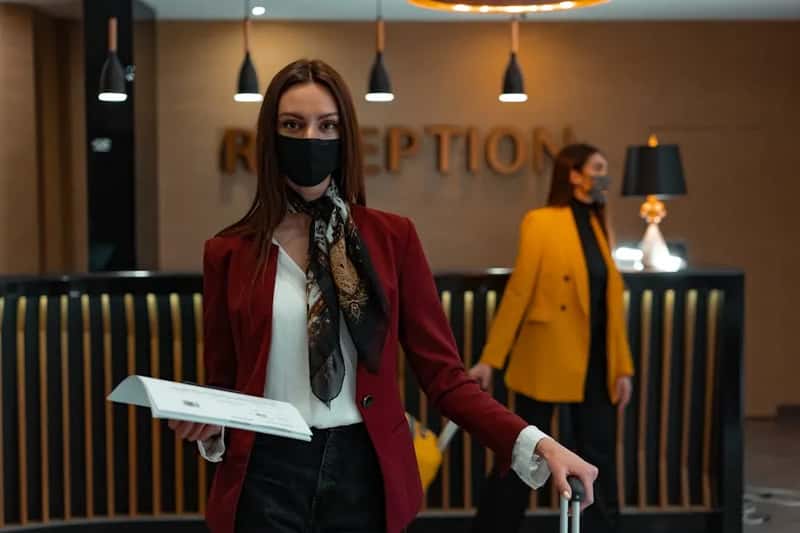
Staff aren’t waiting passively at the desk – they’re watching from the moment you come through the door. The walk from the entrance to the counter tells a story before a single word is spoken. Guests who stride in directly, shoulders relaxed, eyes forward, signal confidence and travel experience. That body language communicates that this is your hundredth hotel stay, not your first in five years, and the agent adjusts their approach accordingly.
Guests who shuffle in slowly while scanning the room for cues, dragging luggage uncertainly, or stopping to read every sign on the lobby wall signal a need for more attentive, hand-holding service – and good agents will provide it. Front desk staff quietly shift their entire approach before you’ve even arrived at the counter, calibrating how much they’ll walk you through versus assume you already know. Neither read is a judgment. It’s professional pattern recognition, and it’s been happening since the moment the door closed behind you.
#13 – Whether Your Opening Line Is Warm or Transactional
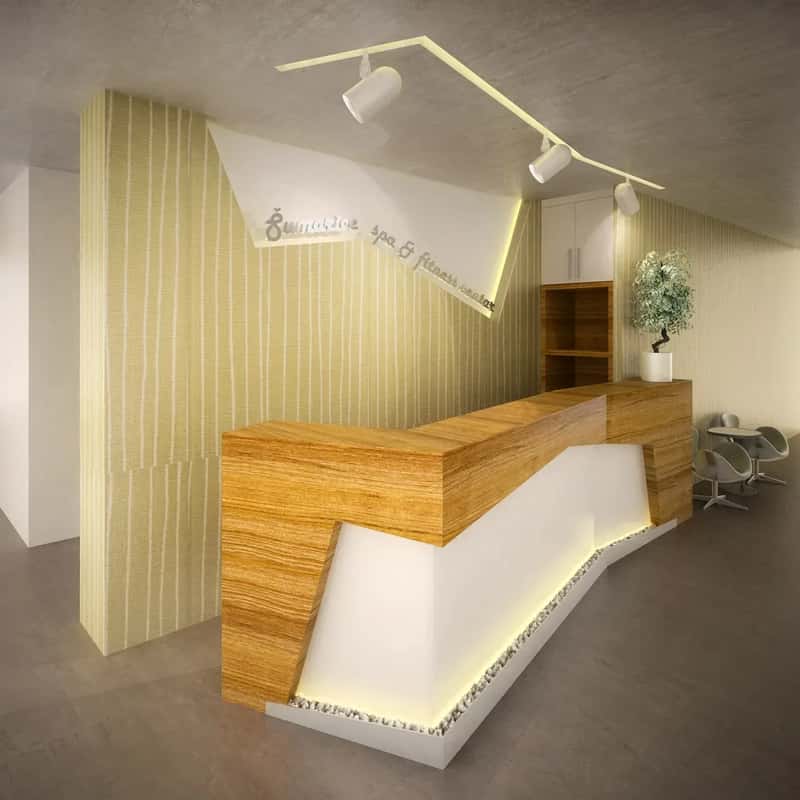
There’s a specific habit that some older travelers carry from a different era of check-in culture, and front desk staff notice it every time. Walking up and announcing a last name – no greeting, no eye contact, just “Johnson, I have a reservation” – is a habit from a faster, thinner era of travel formality. Agents don’t take offense. They do take note. Because that opener predicts a lot about how the next ten minutes will go.
A warm “Hi there, checking in under Johnson” lands in an entirely different register than a clipped command barked at the counter. The first five words out of your mouth can determine whether your stay gets quietly optimized or processed like a transaction. Staff remember who acknowledged them as a person and who treated the desk like a drive-through window – and that memory is very much alive when the upgrade conversation happens, or doesn’t happen, sixty seconds later.
Why It Stands Out
- Guests who personalize the greeting – using the agent’s name from their name tag – are genuinely rare and genuinely remembered
- Eye contact during check-in signals confidence; looking down at your phone signals low engagement with the interaction
- A single “how’s your day going?” costs nothing and reframes the entire exchange from transaction to conversation
- Staff who feel respected are measurably more likely to exercise discretionary upgrades and extended perks on your behalf
#14 – How You Handled the Staff Before You Ever Reached the Desk
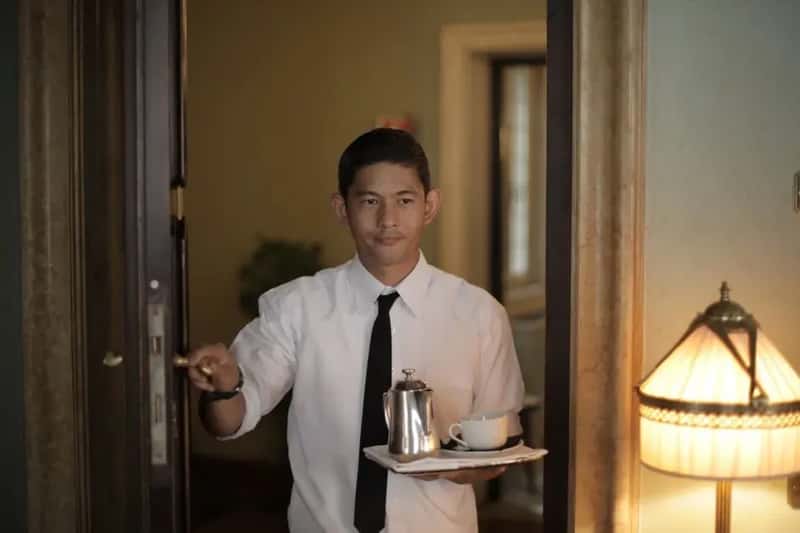
Your reputation inside the hotel starts the moment your car pulls up, not when you say hello at the counter. The doorman, the bellhop, the housekeeper wiping down the entrance table – they’re all part of a quiet operational pipeline that feeds the front desk a preview of who’s coming. Some guests make eye contact, use names from name tags, and offer a real hello on the way in. By the time those guests reach the desk, the agent already has context, and it’s favorable.
Staff know that the guest who walks past every employee without acknowledgment is often the same person calling the front desk at midnight over a minor inconvenience. It’s not a coincidence – it’s a pattern that experienced agents have seen hundreds of times. The guest who treats the entire hotel staff as part of the same team, from the parking attendant to the person behind the counter, almost always ends up with a better stay. Not because of any policy. Because of how human beings respond to being treated like human beings.
None of this requires a travel hack or a loyalty status you haven’t earned yet. The guests who consistently get the best of what a hotel has to offer aren’t working the system – they’re just easier to want to help. That’s a simpler thing to carry through the door than most people realize.