You’ve stood at that gate a hundred times, staring at the monitor, waiting for a boarding call that feels completely random. It isn’t. Behind that quiet podium, a small army of decisions, rules, and silent judgments are happening in real time, and almost none of it ever gets said out loud.
Some of what’s unfolding a few feet from you would make you rethink everything from why your seat suddenly changed to why the person next to you got waved through without a boarding pass check. Here’s what actually happens at the gate that nobody bothers to announce.
1. Some Wheelchair Requests Are Quietly a Boarding Shortcut
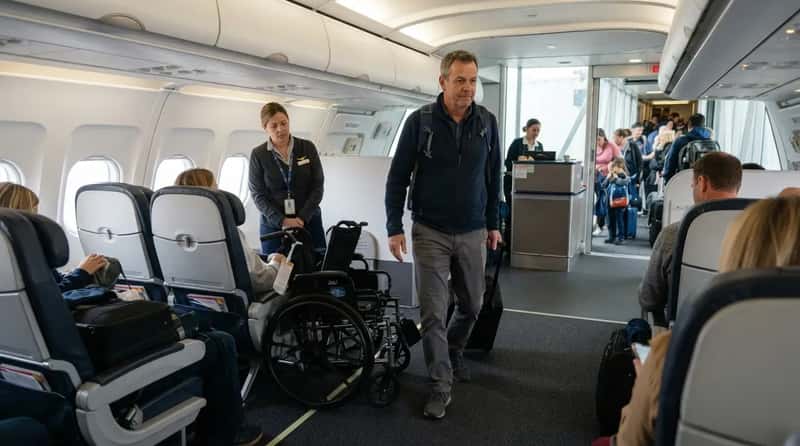
Gate agents and flight crews have noticed a specific pattern that never gets called out publicly. The pattern is simple: request a wheelchair for early boarding priority, then stand up and walk off the aircraft normally at the other end, no assistance needed anywhere in between. It’s one of the most quietly discussed frustrations among airport staff.
Nobody announces it because airlines can’t legally interrogate every wheelchair request without risking real harm to passengers who genuinely need the help. So the loophole survives, gate after gate, flight after flight, while legitimate early boarders wait a little longer for assistance to arrive.
2. Your Walker or Scooter Gets Checked for Free, No Questions Asked
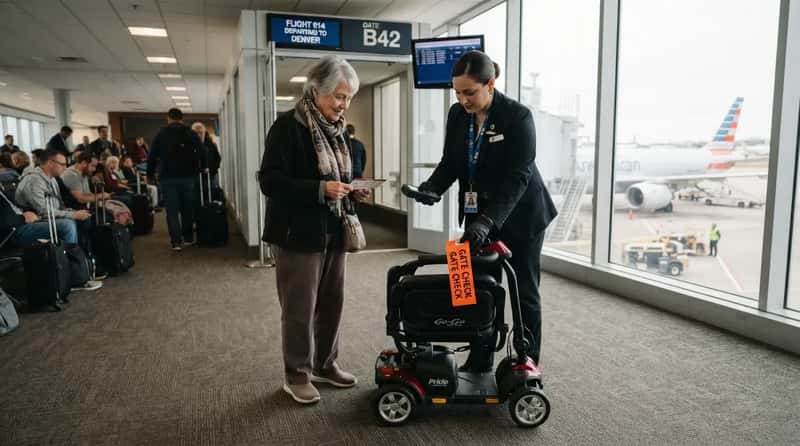
Most travelers assume any extra item at the gate eats into their baggage allowance. It doesn’t work that way for mobility devices. Under the Air Carrier Access Act, U.S. airlines must let passengers check wheelchairs, scooters, walkers, and other medical devices at the gate for free, and it never counts as one of your checked bags.
Gate agents process this constantly, but it rarely gets announced because it’s handled one traveler at a time. It’s not a secret exactly, just something nobody thinks to mention until they’re standing there holding a boarding pass and a set of car keys for a mobility scooter, unsure what happens next.
Fast Facts
- In most cases, it costs nothing to bring a mobility scooter or power wheelchair on a plane, and assistive devices do not count toward your baggage allowance.
- Checked devices must be given priority over other baggage and returned to them upon arrival as close as possible to the airplane door, in the condition in which it was received.
- Passengers with mobility devices have the right to pre-board before all other passengers, no documentation required.
- If a device is damaged, airlines may not require passengers to sign a waiver for damage or loss of a mobility device and must cover the cost of repairing or replacing damaged or lost equipment.
3. Your Past Airport Behavior Can Follow You Onto Future Flights
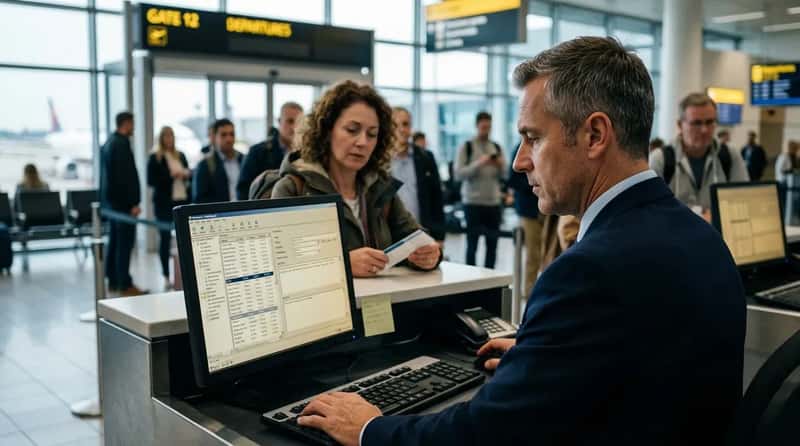
This one surprises almost everyone the first time they hear it. Airline policies vary, but gate agents can and do leave notes on a traveler’s record. Dig far enough back, and a history of nasty comments or disruptive behavior can quietly follow you onto flights years later.
There’s no announcement for this because airlines have zero incentive to advertise that they’re tracking attitude. But the next time you’re weirdly at the top of the upgrade list, or oddly at the bottom of it, this might be why.
4. Late Passengers Get Left Behind for a Paperwork Reason, Not a Cruelty Reason
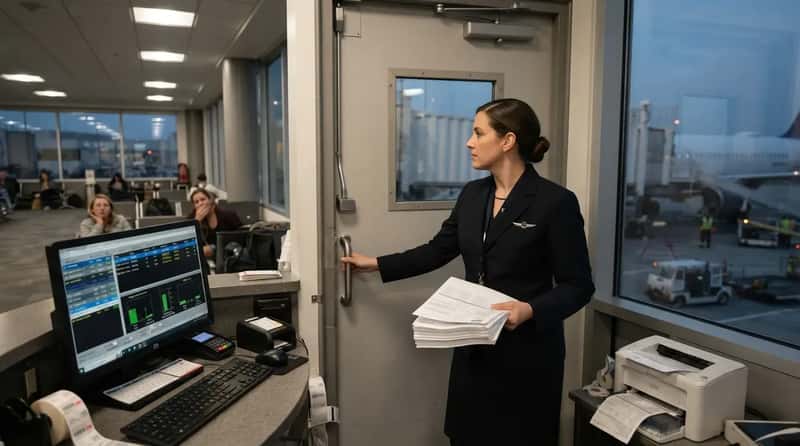
It looks heartless when a gate agent won’t budge for someone sprinting up seconds after doors close. The real reason is buried in logistics nobody explains. Agents have to print paperwork listing all of the passengers, plus weight and balance information about the plane, which pilots use for flight calculations.
To let a late passenger on the plane, the gate agent would need to redo all that paperwork, which delays everyone else on board. It’s a mistake to assume the agent is being difficult; the real obstacle is a stack of federally required numbers that have to match exactly before that aircraft can push back.
5. The Gate Agent Is Silently Deciding Who Gets Onto That Jet Bridge
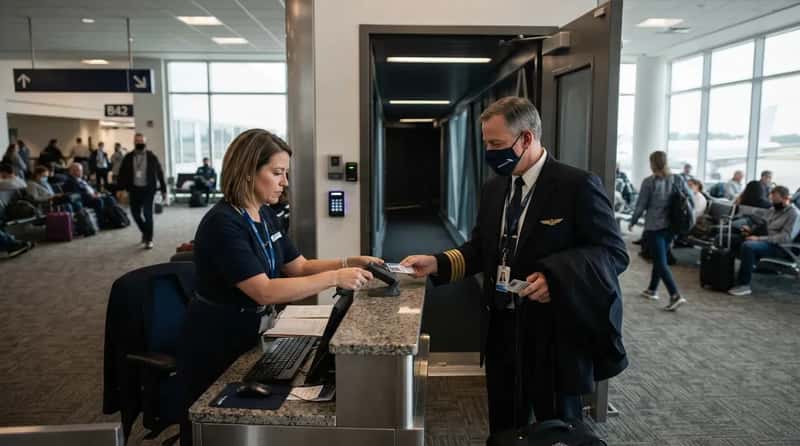
Long before boarding begins, there’s a quiet security checkpoint happening that passengers never see. Agents must verify the credentials of all flight and cabin crew before boarding can begin, and no credentials means no entry.
The gate agent controls who can enter the bridge and when, including flight attendants, pilots, cleaning crews, caterers, and maintenance staff. Every single person who walks past that jet bridge door has already been checked, one at a time, without a single word of it reaching the waiting area.
6. Your Gate Can Change for Reasons That Have Nothing to Do With You
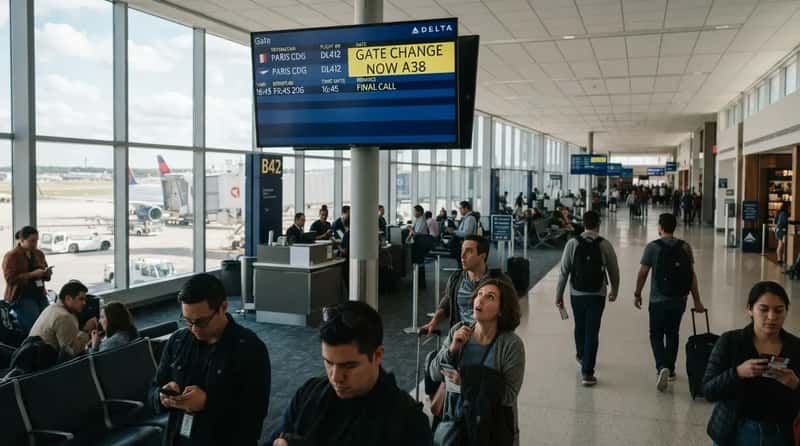
A last-minute gate change can feel like the airport is toying with you, but it’s usually a chain reaction from somewhere else in the system. Gate assignments shift in the hours before departure if an aircraft arrives late from a prior leg, if maintenance requires a swap, or if airport traffic backs up on the taxiway.
Airports communicate changes through gate display screens, public address systems, and airline apps, but by the time you notice, the decision was already made somewhere on the tarmac, not at your gate at all. It’s frustrating, but it’s rarely personal.
At a Glance
- A late-arriving inbound aircraft is one of the most common triggers for a same-day gate swap.
- Maintenance issues can force a plane to be pulled from one gate for a different tail number entirely.
- Taxiway congestion or a busy ramp can push an aircraft toward whichever gate opens up first.
- Weather delays elsewhere in the network often ripple into gate reshuffles hours later.
7. A Polite Ask at the Podium Can Quietly Unlock a Better Seat
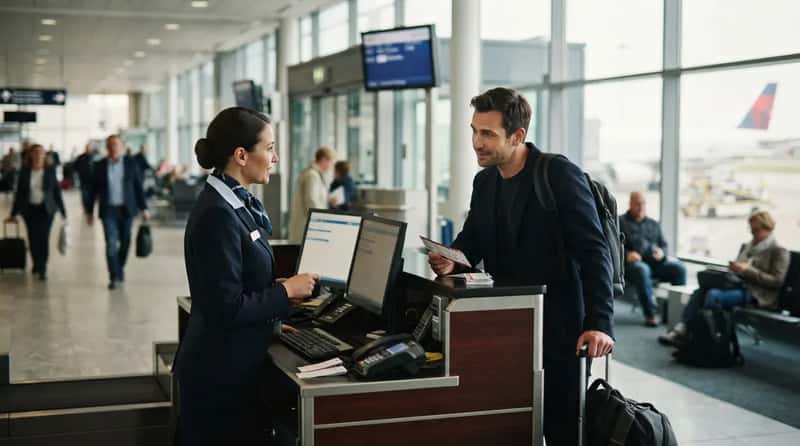
Most people treat the gate desk like a wall. Insiders describe it differently. That desk is actually the single most powerful spot in the entire airport, quietly controlling everything from who gets bumped to first class to who skips the standby chaos entirely.
Gate agents can add extra check-ins, priority boarding, and a more hands-on handoff process than the standard procedure requires, which becomes especially useful on tight connections where a rushed gate change could otherwise mean a missed handoff. None of this gets offered out loud, which is exactly why so few travelers ever benefit from it.
8. That Crowd Blocking the Gate Has an Official Airline Nickname
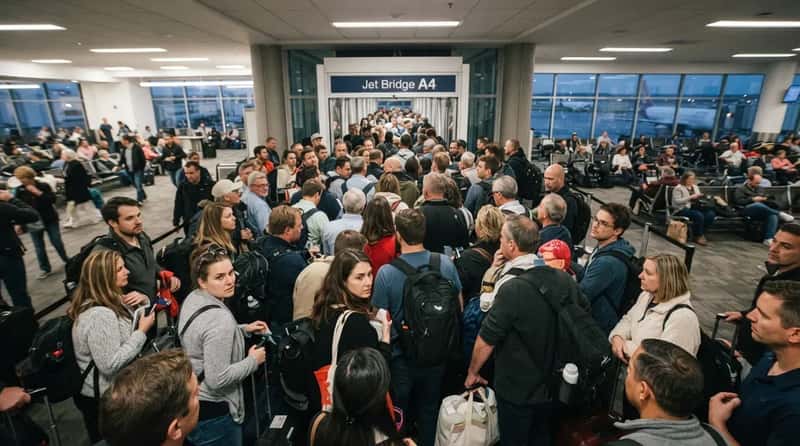
Everyone has stood near it, and everyone has silently judged it. It’s a phenomenon observed among air travelers where passengers gather in front of boarding gates before their designated boarding time, and airlines are done pretending it’s harmless.
Such pushy passengers have become an increasing irritant for carriers as travel demand climbs to record levels. The habit of jumping the line at the gate has become so common that airlines have given it the semi-official name of “skip boarding.” Airlines are now actively working on ways to discourage it, though nobody’s put it on a boarding announcement yet.
Worth Knowing
- The nickname for gate crowders is actually “gate lice,” a phrase believed to have started life around 2005 on FlyerTalk, the frequent flyer forum.
- The term became official enough that the Cambridge Dictionary formally added it in January 2025.
- American Airlines has been testing gate technology that will have an audible signal when someone tries to board the plane before they are called to do so.
- Experts say much of the crowding comes down to simple social pressure, not rule-breaking on purpose.
9. The Plane Is Getting a Full Makeover While You’re Still Sitting There
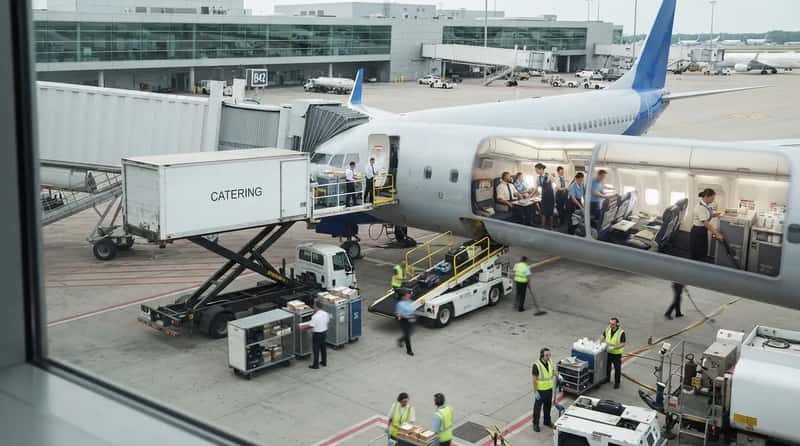
While you’re scrolling your phone at the gate, an entire turnaround operation is happening a few yards away. Catering will stock the plane with the meals, snacks and beverages for the flight, all before a single passenger boards.
A crew cleans and restocks the aircraft with seatback materials like safety cards and magazines as well as supplies in the lavatories, including soap, toilet paper, and paper towels. It’s a tightly timed relay of workers you’ll never meet, finishing their jobs seconds before you’re waved down the jet bridge.
10. Kids Flying Alone and Passengers Needing Help Get Handled Before Anyone Else
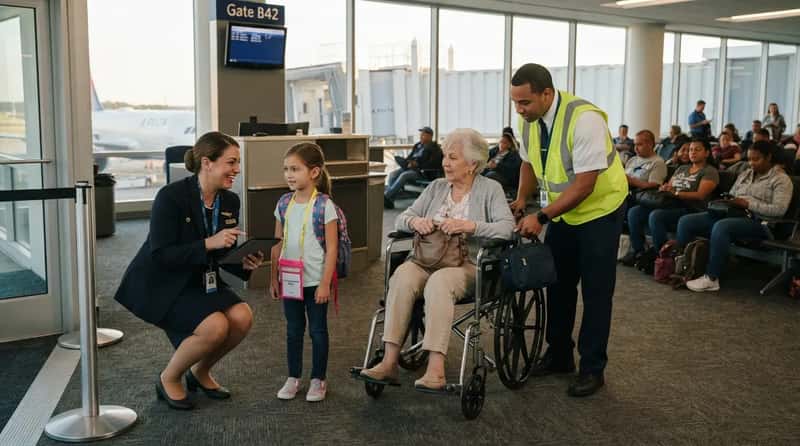
There’s a quiet queue happening before general boarding that most travelers never notice. Agents at the gate begin checking in with unaccompanied minors and attending to any special accommodations long before your zone gets called.
If wheelchair support is needed, they’ll have someone sent to the gate to assist, arranged discreetly so it never disrupts the rest of the boarding flow. It’s one of the more genuinely reassuring parts of the whole process, and it happens without a single overhead announcement.
11. Loud Phone Calls at the Gate Instantly Flag You as a Rookie Flier
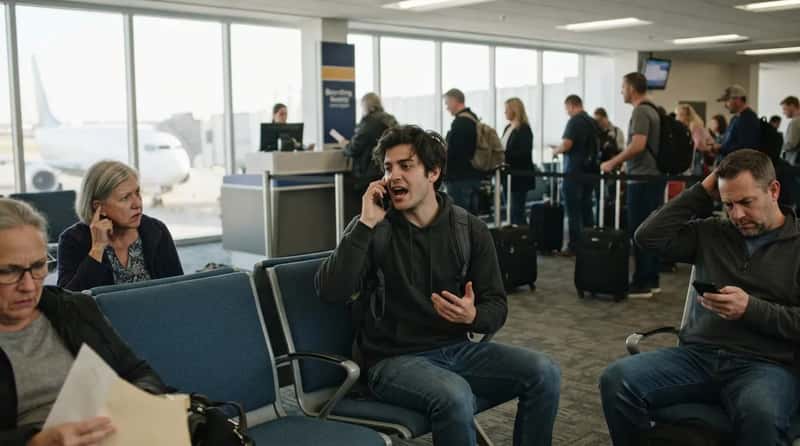
Nothing tells a gate agent someone hasn’t flown in a while like a full-volume conference call happening ten feet from the boarding line. Frequent fliers know instinctively to keep it down; it’s the newer travelers who don’t realize the whole waiting area can hear every word.
It’s not just rude to neighbors, it actively drowns out the announcement everyone needs to hear. Gate staff notice the irony every time: the same person too loud to hear boarding calls is usually the one who ends up missing their own zone.
12. Some Airlines Have Enforced Bizarre Internal Rules You’d Never Guess
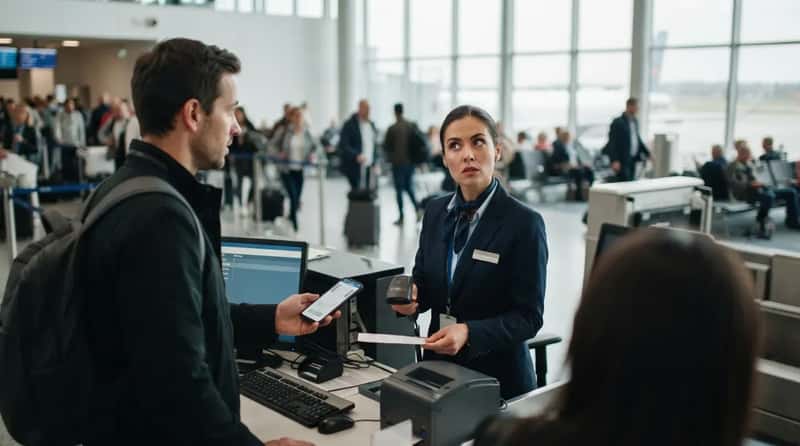
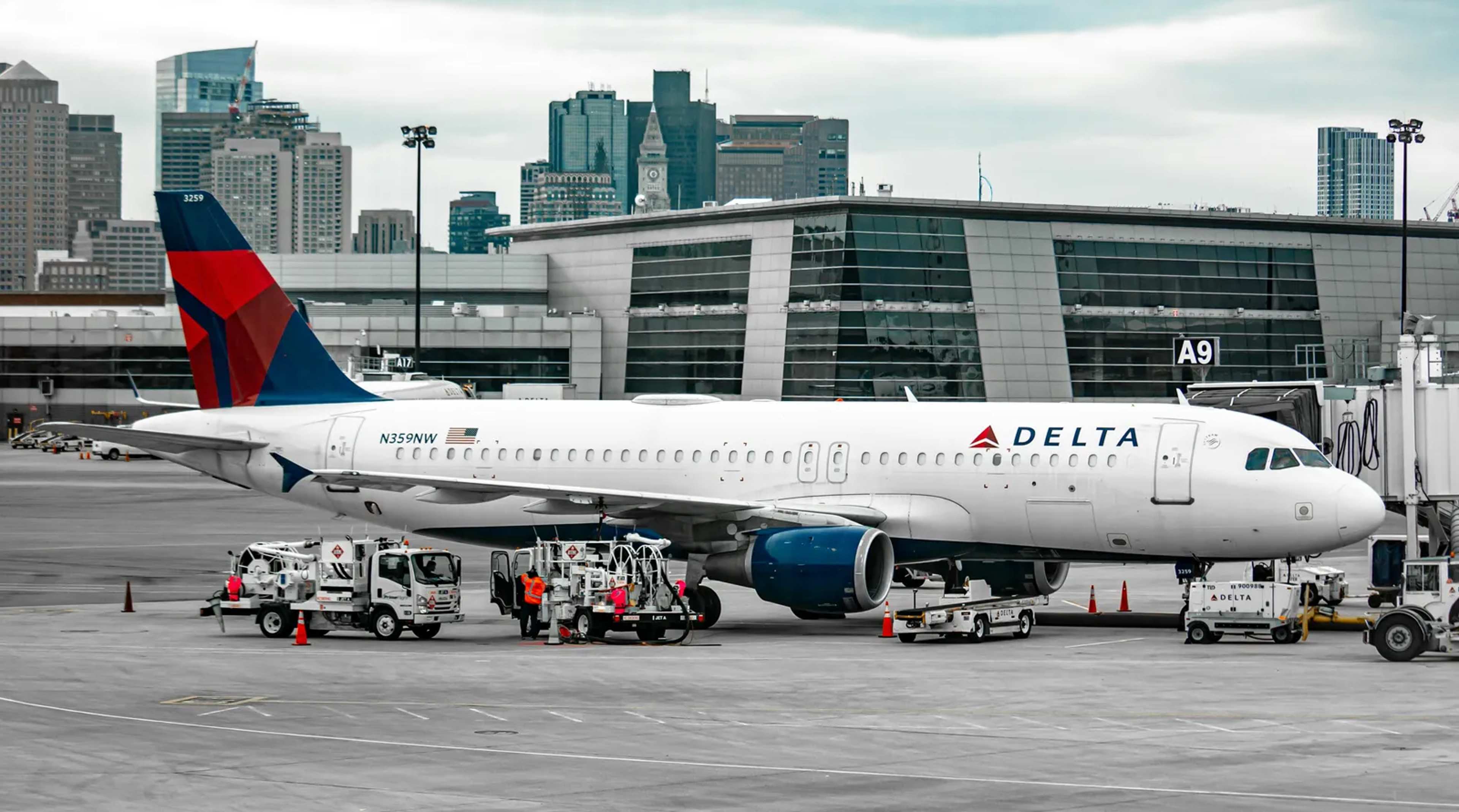
Corporate policy at the gate desk has gotten strange before, and one example is still talked about among agents. Delta Air Lines management once required gate agents to make eye contact with anyone within five feet of the desk every five seconds, and Delta agents will tell you just how tough that is to actually pull off during a busy boarding rush.
It’s a small detail, but it says a lot about how tightly scripted gate interactions can be behind that friendly smile. Passengers never see the internal memo; they just experience the constant, oddly intense eye contact without knowing why.
13. A Small Group of Fliers Deliberately Boards Dead Last on Purpose
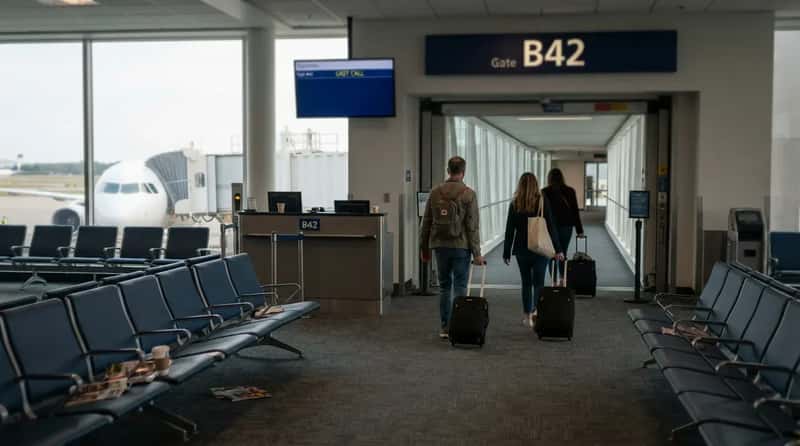
While most travelers rush to board the moment their zone is called, a contrarian group does the opposite by design. According to many self-proclaimed “final-call” fliers, these confirmed seat holders wait until every row has been called and the lines have vanished before they even approach the gate.
It sounds risky, but for someone with an assigned seat, it skips the overhead bin scramble and the standing-in-line stress entirely. Many gate-watchers now argue it’s actually the smarter move, not the reckless one, though it clearly isn’t for anyone flying with a carry-on they’re not willing to gate-check.
Quick Compare
- Early boarders: guaranteed overhead bin space, but longer standing time and more crowd stress at the gate.
- Final-call boarders: zero waiting in line, but real risk of the bins filling up and a forced gate-check.
- Best fit for early boarding: travelers with roller bags, tight seat needs, or families needing settling time.
- Best fit for final-call boarding: light packers with an assigned seat and nothing they mind checking.
14. Ignoring the Crew at the Boarding Door Gets Quietly Remembered
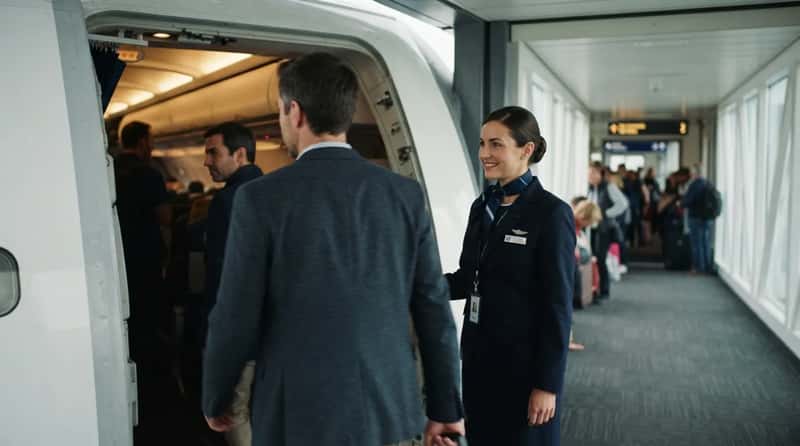
This is the one piece of etiquette that carries real, lingering consequences, even though nobody ever announces the rule. Walking past the greeting at the boarding door without acknowledgment is a genuine, repeated pet peeve, and every passenger who does it gets quietly filed away as a difficult one.
Crews aren’t expecting a conversation; a nod or half-smile is enough to avoid the mental note. But passengers who skip it entirely are, fairly or not, the ones flight attendants remember if anything goes wrong later in the flight. It’s a two-second interaction with a surprisingly long memory attached to it.
None of this gets printed on your boarding pass, and none of it comes through the overhead speakers. It’s just the quiet machinery of judgment, paperwork, and unspoken courtesy that runs underneath every single flight you’ve ever taken. The gate looks like a waiting room. It’s actually one of the busiest decision-making spots in the entire airport.
Which of these surprised you the most? Tell us below, and if you’ve noticed something at a gate that nobody ever explains, share it in the comments.