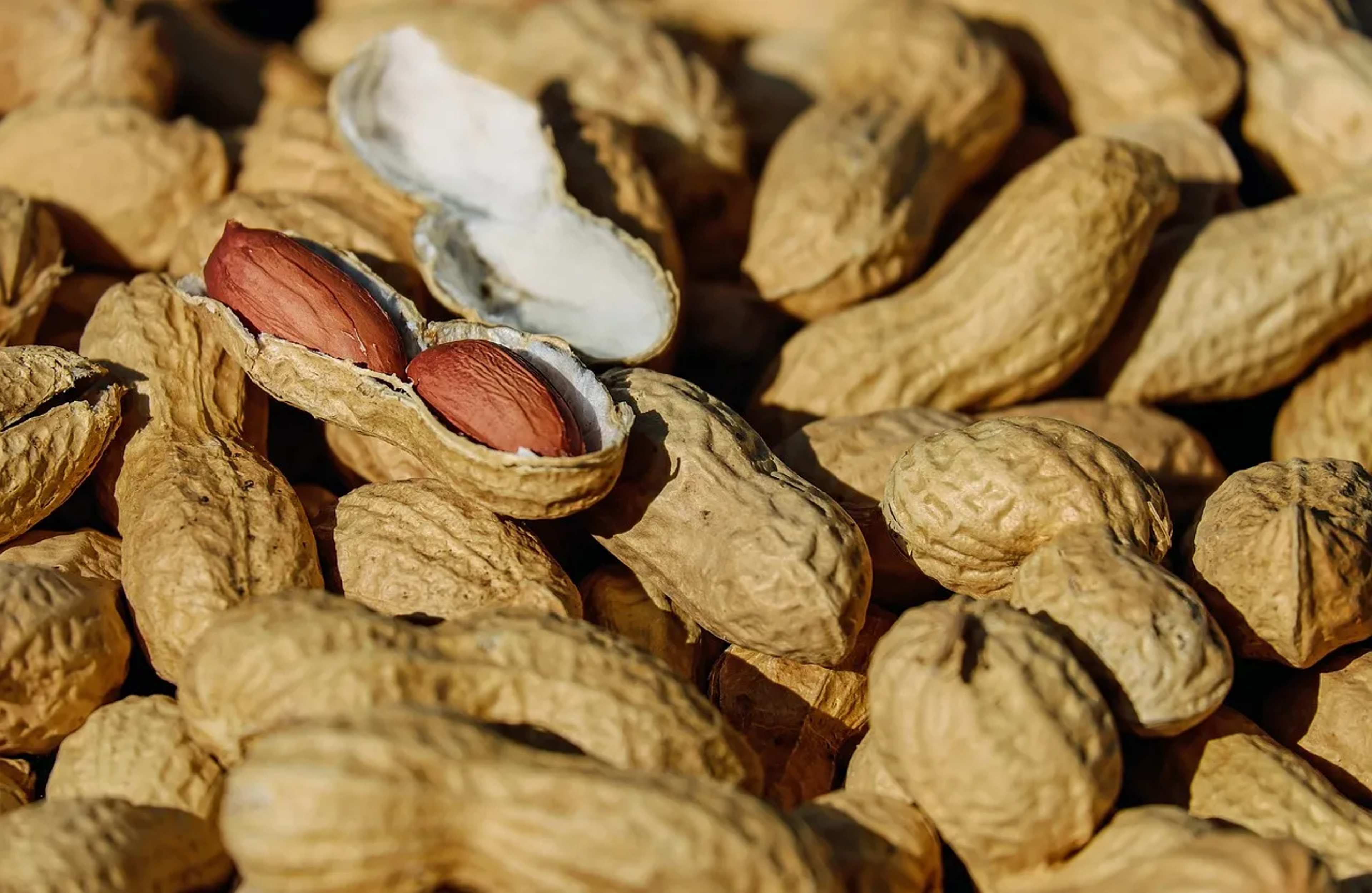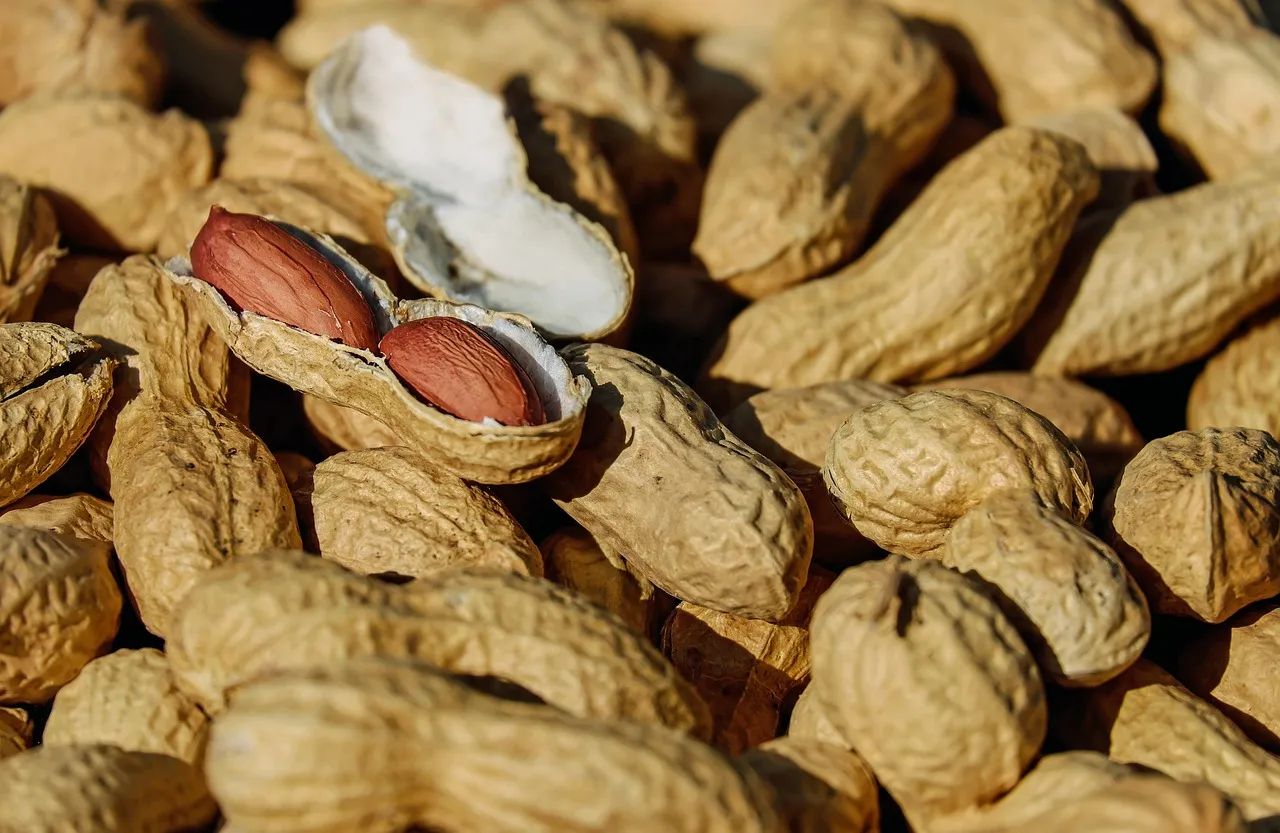
Many households keep a bag or can of peanuts tucked away for months, assuming the snack stays fresh indefinitely. In reality, these legumes can develop rancid oils or mold within weeks under typical pantry conditions. Guidance from the National Peanut Board and university extensions highlights how quickly quality declines without proper care. ([1])
The Primary Concerns With Aging Peanuts
Peanuts contain natural oils that break down over time, leading to rancidity that produces an unpleasant sharp or sour taste. Heat and moisture accelerate this process, turning a once-crisp snack into something most people would reject. Mold growth presents a separate issue, as certain molds on peanuts can produce aflatoxins linked to health risks by the FDA. Visible mold means immediate disposal, since even small amounts signal deeper contamination that sight or smell alone cannot confirm.
Experts note that peanuts qualify as legumes rather than tree nuts, yet the same handling principles apply. Normal appearance offers no guarantee against hidden bacteria, which refrigeration and freezing do not eliminate. This combination of quality loss and potential safety factors explains why storage times stay relatively short compared with many other pantry staples.
Recommended Storage Times Across Conditions
The National Peanut Board provides the most peanut-specific figures available. Bagged peanuts, whether in the shell or shelled, last one to two months in a room-temperature pantry. Unopened cans or jars extend to about two years under the same conditions. Refrigerator storage stretches quality to four to six months for bagged varieties, while freezing supports longer periods though exact peanut data remains limited.
Other university sources offer broader nut guidelines that vary slightly. Kansas State and North Dakota State list up to four months for unopened in-shell peanuts at room temperature. The National Center for Home Food Preservation suggests one year in the refrigerator for nuts in general. These ranges represent quality estimates rather than strict safety cutoffs, and actual results depend on initial freshness and handling.
| Storage Location | Expected Duration | Key Notes |
|---|---|---|
| Pantry (bagged) | 1-2 months | National Peanut Board figure; shorter for opened packages |
| Refrigerator | 4-6 months | Best for opened bags; keep sealed |
| Freezer | Up to 1-3 years (nuts generally) | Use within 3 months for peak quality |
| Unopened can/jar | Up to 2 years | Follow package date as quality guide |
How to Spot Peanuts Past Their Prime
Start any inspection with a visual check for mold, insects, or webbing. Discard the entire container if mold appears, without sniffing, because disturbing spores can trigger respiratory irritation. A stale, sour, or unusual odor signals rancidity even without visible changes. Texture shifts such as softness, rubberiness, or dampness also indicate deterioration.
Best-by dates serve only as quality markers, not safety guarantees. Food stored past these dates can remain usable if kept cold and dry, yet any sign of spoilage overrides the printed date. When in doubt, replacement avoids unnecessary risk, especially for items with unknown storage history.
Practical Steps to Extend Freshness
Transfer opened peanuts into clean, airtight containers to block moisture and odors. Move them to the refrigerator unless consumption will occur within a couple of weeks. In-shell varieties should stay dry at all times, since washing introduces extra moisture that encourages mold. Freezing works well for bulk purchases, with resealable bags allowing portion control.
Boiled peanuts require different handling as a cooked product. Refrigerate leftovers within two hours and use within three to four days, or freeze for several months. Roasted or flavored varieties follow similar cold-storage rules after opening. These habits prove especially useful when packing snacks for travel or keeping emergency supplies on hand.
Putting the Guidance Into Everyday Use
Proper storage preserves both flavor and safety margins for this popular legume. Cold, sealed conditions slow the oil breakdown and limit mold opportunities far better than room-temperature exposure. Regular checks for off odors or visible issues provide simple safeguards that require little effort.
With these practices, peanuts remain a reliable option rather than a forgotten item that ends up discarded. The difference between one month and several months of usability often comes down to a few consistent habits around temperature and sealing.