Big airports have a reputation for long walks, crowded gates and very little patience. Then you land in Phoenix and find a free Sky Train that runs 24 hours a day, a quiet room before security in Terminal 4 and volunteer guides in purple vests who are glad to help.
Plenty of that help costs nothing, but some of it only works if you ask before you leave home. These twelve run from the handy to the genuinely surprising. The last one is a room thousands of travelers walk right past on the way to the checkpoint.
#12 – The Rental Car Shuttle Bus Is Gone

Rental car shuttle buses ended when the Sky Train extension opened on December 20, 2022, running west from Terminal 3 to the Rental Car Center. That means no more waiting at a curb with luggage at your feet. The train is free and connects the terminals, the Rental Car Center and Valley Metro Rail.1
It also operates 24 hours a day, so a late landing doesn’t strand you. The ride is free, and it runs around the clock.1 The only trick is finding the platform. From Terminal 4, the Sky Train is on Level 3. In Terminal 3 it’s on Level 5, reached from Ticketing on Level 4. When you bring the car back, return it to the Rental Car Center, then ride the Sky Train to your terminal.
That covers travelers who pick up a car. If a daughter or a neighbor is driving you instead, there are three lots built for waiting, and none of them charges a dime.
#11 – Three Free Lots Where Your Ride Can Wait
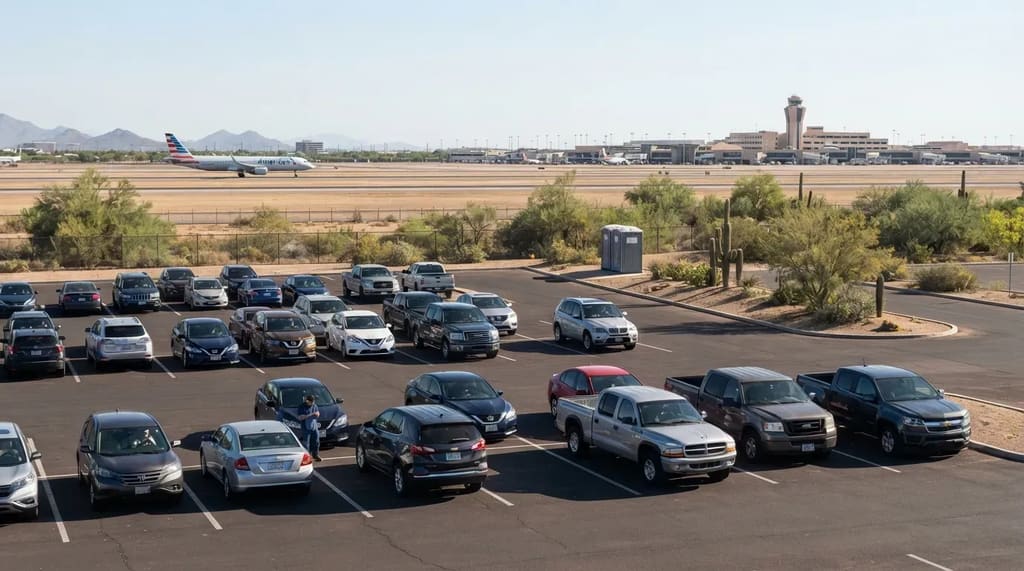
Circling the terminal loop because your flight landed early is a fast way to turn a pickup into an argument. Sky Harbor offers three free 24-hour Cell Phone Waiting Lots, where drivers can wait while you deplane, grab your luggage and walk out to the pickup area.2
Flight arrivals show in real time on the displays in each lot, so your driver sees a delay before you’ve even called. The rules are short. Drivers must stay in the vehicle, and waits should be 30 minutes or less.2 Unattended vehicles may be towed or fined, which is worth telling a friend who likes to run inside for coffee. The east and west lots each have 90 spaces and a portable restroom.2
Once your driver pulls up, the curb itself can make a difference, and one stretch of it is set aside for a specific group of vehicles.
#10 – Reserved Curb Space for Disability Plates
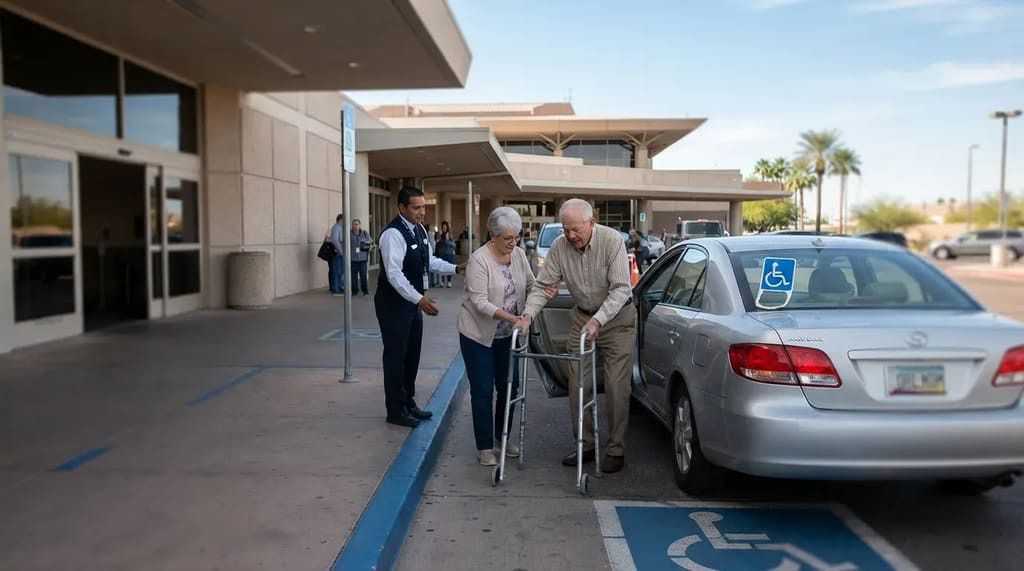
If the person picking you up has disability plates, the curb works in their favor. Every terminal has designated areas on its inner curbs for vehicles with disability plates to load or unload. The inner curb is the one closest to the doors, so every step you save counts.
Parking your own car? In the East Economy lot, accessible parking is available north of the PHX Sky Train Station. That puts accessible spaces right by the Sky Train platform instead of at the far end of a lot. Drivers with taller vehicles should know that over-height parking is available in the uncovered economy areas, and there’s an Oversized Vehicle area east of Terminal 4.
#9 – Light Rail, Buses and Dial-A-Ride Reach the Airport

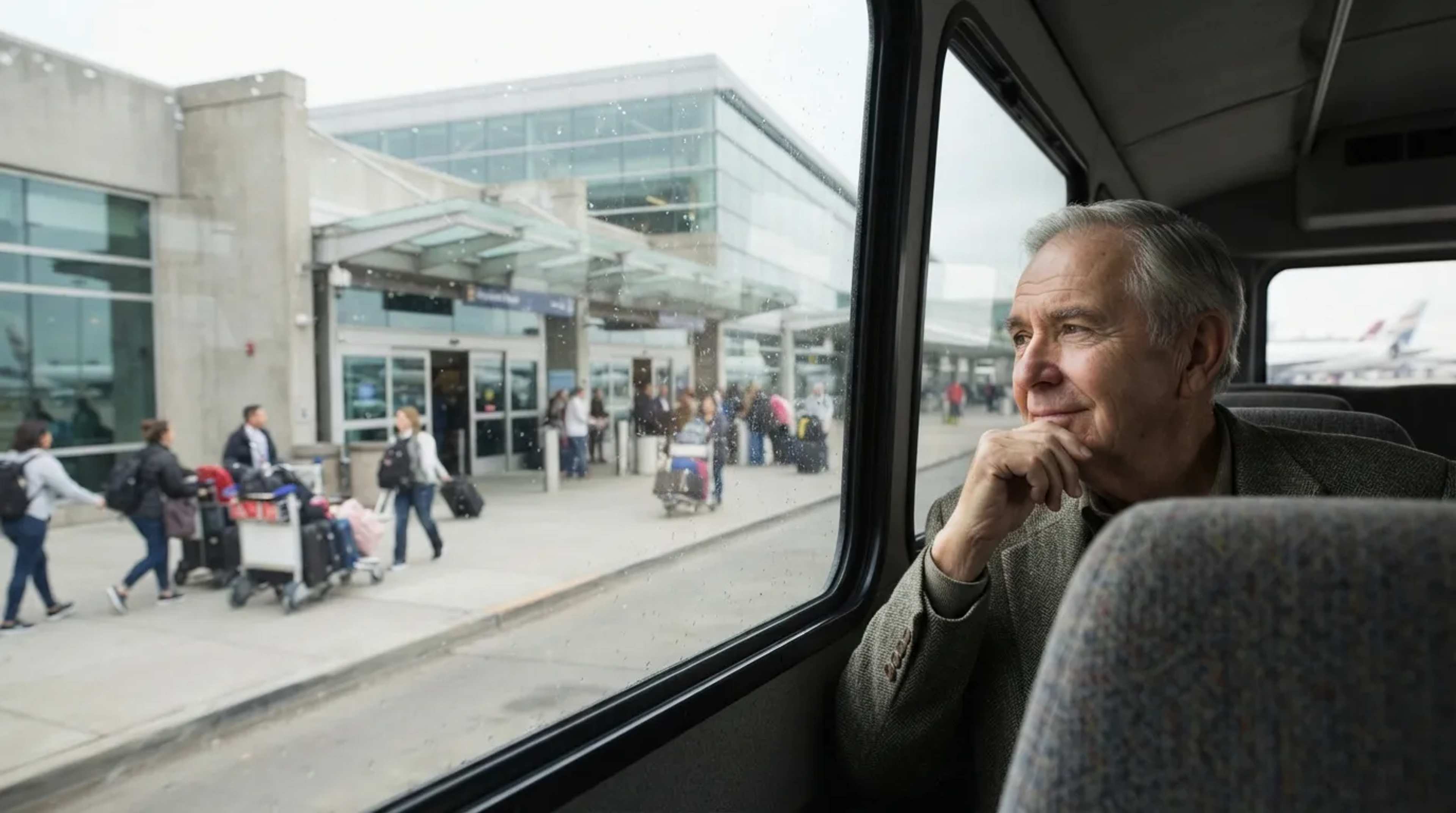
You don’t need a car or a favor to get here. Valley Metro Rail is accessible through the PHX Sky Train’s 44th Street Station, and Valley Metro bus service with wheelchair-accessible transportation runs to and from the airport. Ride the Sky Train from your terminal, then transfer to light rail for the trip into town.
Then there’s the third option. Seniors and people with disabilities can use Dial-A-Ride daily. That start time matters if you’re booked on an early departure, because Dial-A-Ride service begins at 7 a.m. each day, and a 6 a.m. flight won’t fit around it. Plan an alternative for those mornings.
Quick Compare
- Sky Train: free, runs 24 hours a day, links terminals, the Rental Car Center and light rail.
- Valley Metro Rail: reached through the 44th Street Station.
- Valley Metro bus: wheelchair-accessible service to and from the airport.
- Dial-A-Ride: open to seniors and people with disabilities, daily from 7 a.m.
Getting to the airport is the easy half. Inside, the terminals have details you only notice once you need them.
#8 – Elevators, Ramps and Caregiver Restrooms Everywhere
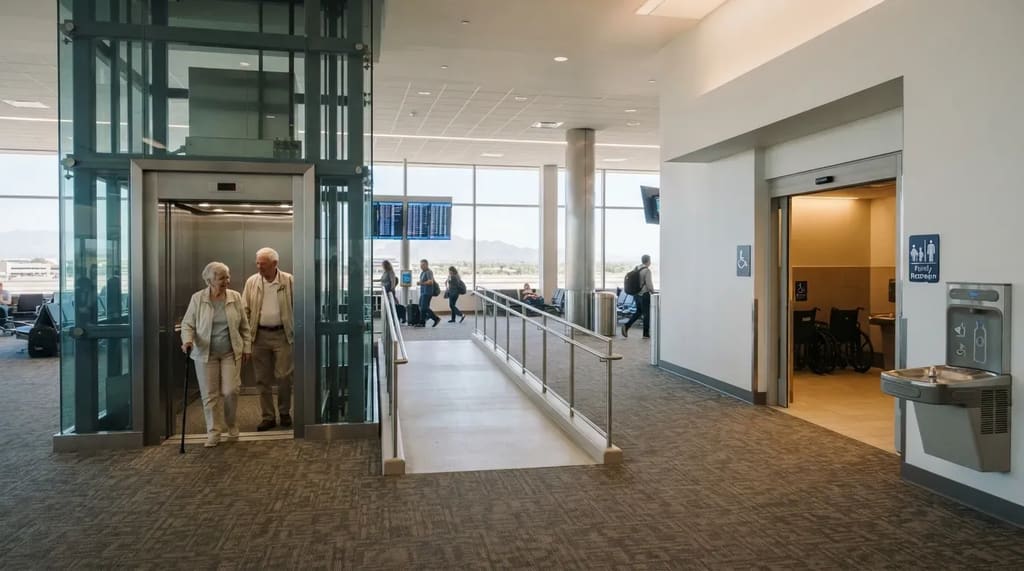
The airport credits advice from the Phoenix Mayor’s Commission on Disabilities for how it’s built.3 All terminals have curb cuts, automatic doors, elevators, and ramped access to all lobbies and gate areas. If stairs are hard on your knees or your balance, you can get from the curb to your gate without climbing a single one.
The smaller touches help too. Accessible family restrooms with caregiver access include private areas for changing clothes or disposable undergarments. You also get drinking fountains that can refill a reusable bottle, which is worth using in a desert city.
The airport runs everything up to the checkpoint. Security belongs to TSA, and one of its rules changed in 2025.
#7 – The Shoe Perk That Went to Everyone
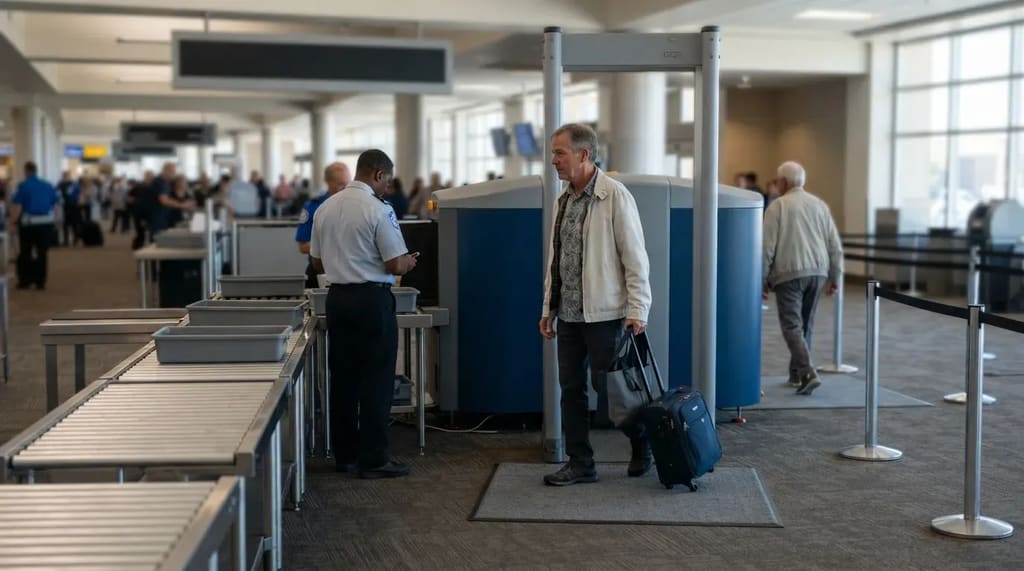
For years, turning 75 meant you could finally leave your shoes on at security. On July 8, 2025, TSA stopped requiring shoe removal at checkpoints nationwide. Before that, only children 12 and under and passengers 75 and older were exempt.4
Age 75 still earns something in the regular line: TSA says passengers 75 and older can receive some form of expedited screening. Light jackets still come off for Advanced Imaging Technology screening. If you alarm, you may still have to remove your shoes or accept a pat-down, though travelers 75 and older can pass through a second time first, and you can ask to be seated. If the officer doesn’t offer, say you’re 75 or older and ask.
As for PreCheck, it now saves belts, jackets, laptops and liquids, not shoes, and there’s no senior discount. For someone who flies once or twice a year, it may not be worth the fee.4
Screening aside, the airport offers a tool for travelers whose eyesight makes signs and screens a struggle, and it works through the phone in your pocket.
#6 – Free Visual Help Through Your Own Phone
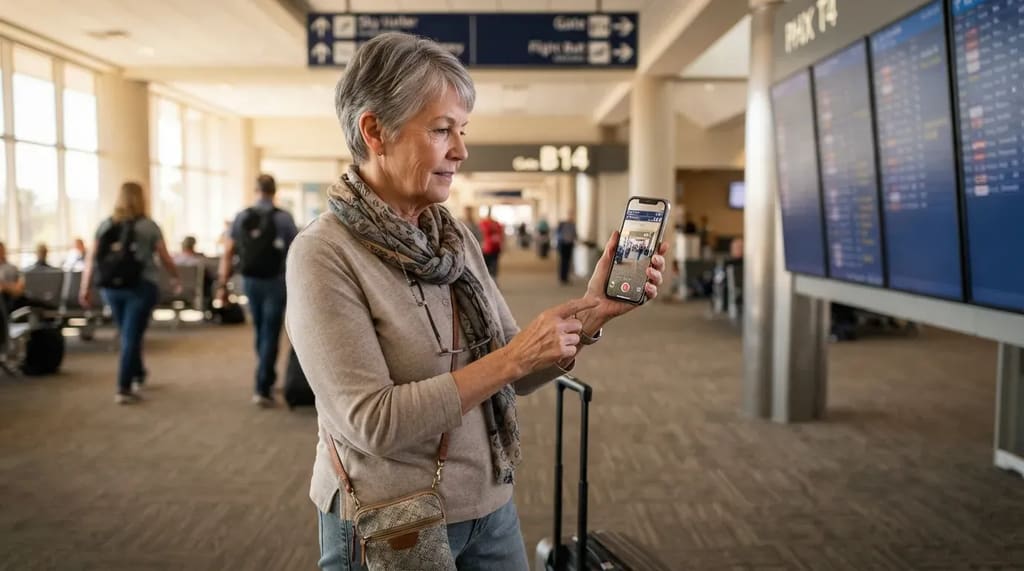
Aira’s visual interpreting service usually needs a subscription for personal use. Phoenix Sky Harbor offers it free to users at the airport. If departure boards and gate signs blur for you, Aira’s visual interpreting is free to use inside the airport.5 That’s a real saving if you’d never fly often enough to justify a monthly plan.
There’s a second option for low vision. A newer app from ReBokeh uses the live camera feed on your phone to help you adjust the appearance of the world around you. Download and test anything like this at home first, and check the airport’s accessibility page for current setup steps.
#5 – Wheelchair Help Costs Nothing and Starts at the Curb
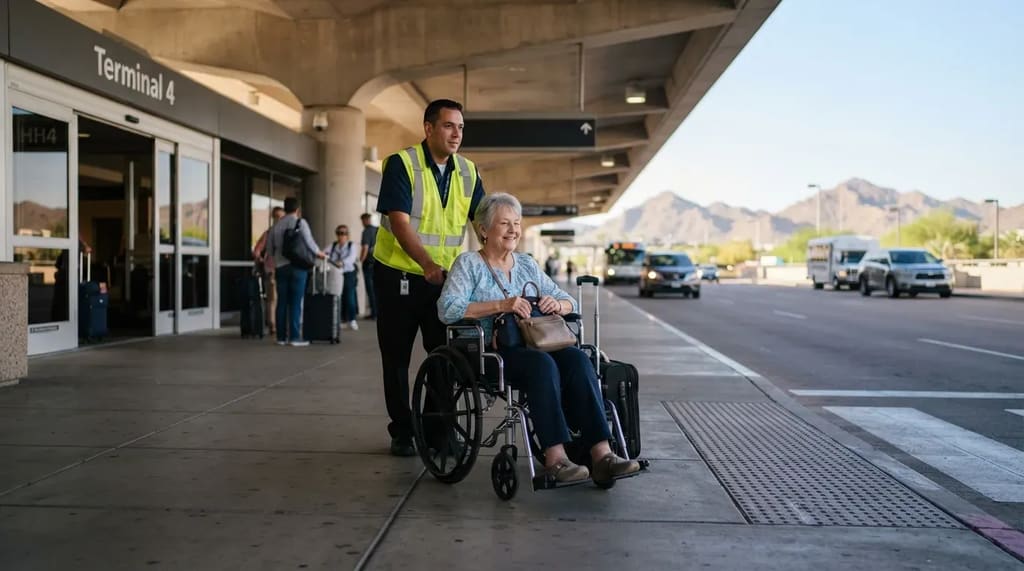
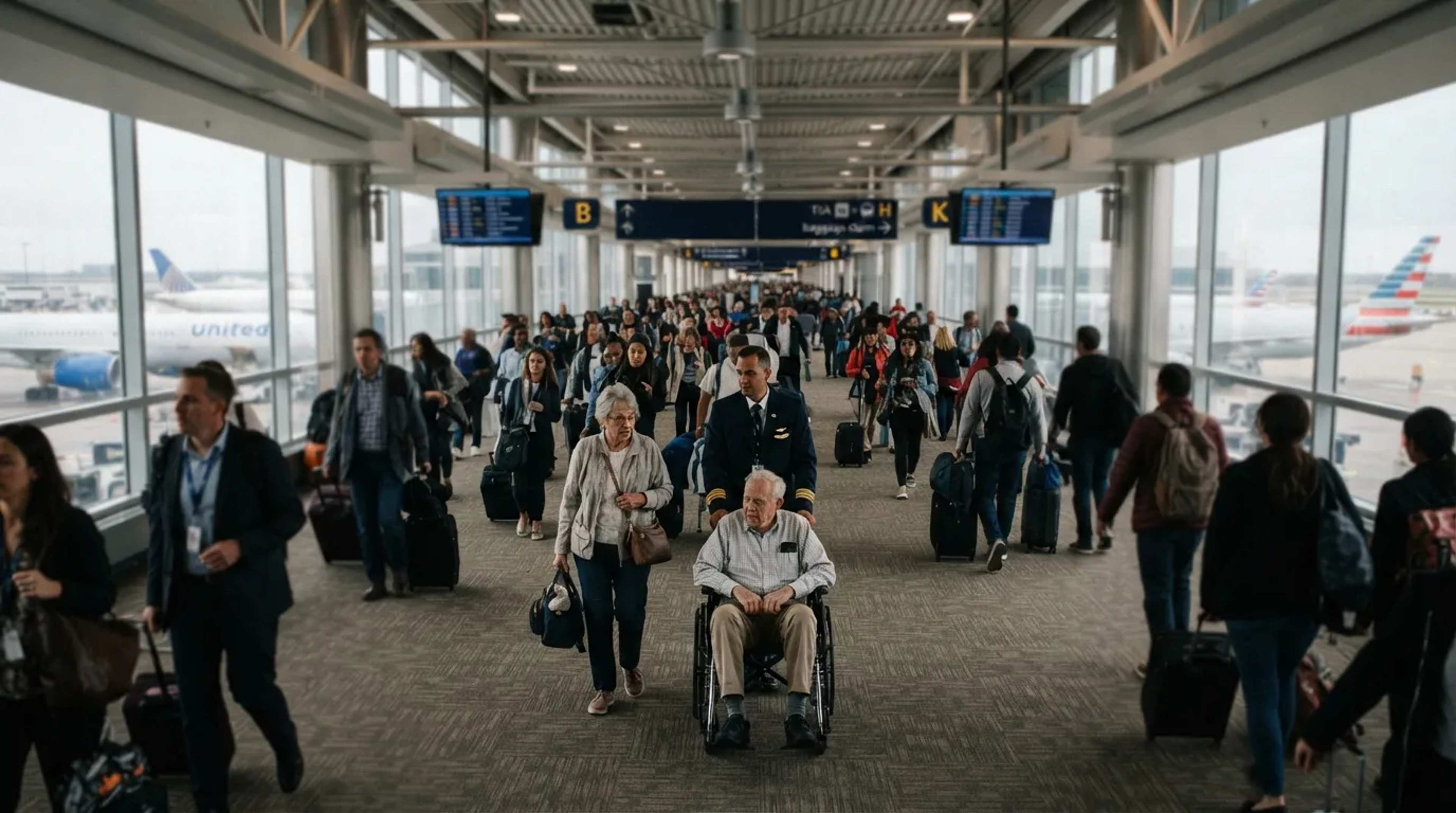
Wheelchair assistance at Sky Harbor is free, and you don’t need to arrange it weeks ahead. Under the Air Carrier Access Act, airlines must provide wheelchair assistance to passengers who need it at no charge. You can request it when you book your tickets. Flying out, you can also ask a Sky Cap at the curb or the airline on the ticketing level.6
Arriving works a little differently. Request the chair at check-in, then tell a flight attendant during the flight. Using a chair for the long stretches isn’t giving up. Walking fine in your kitchen and struggling over a terminal’s distances can both be true, and a service you’re entitled to is better used than skipped.
Worth Knowing
- Airlines must provide wheelchair help at no charge under the Air Carrier Access Act.
- Best move: request it when you book your ticket.
- Departing: ask a Sky Cap at the curb or the airline on the ticketing level.
- Arriving: ask at check-in, then tell a flight attendant on board.
A separate helpline covers checkpoint help, and it runs on a deadline measured in days.
#4 – One TSA Cares Call Three Days Before You Fly
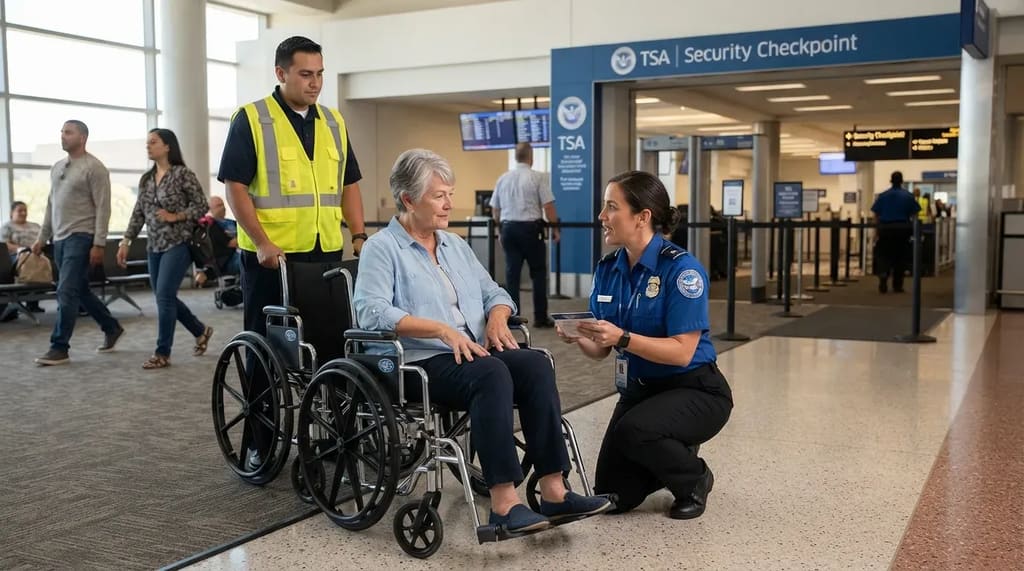
Sky Harbor’s accessibility page tells travelers to contact the TSA Cares helpline at least 72 hours before departure to request assistance for any disability, medical condition or medical equipment. That’s three full days, so the call belongs on your packing list, not in your morning-of routine. Call TSA Cares at least 72 hours before your flight.
Make the call even if you expect no trouble. It takes a few minutes, and the alternative is explaining a pacemaker, a knee brace or an insulin pump to a stranger while a line builds behind you. Your airline needs its own call, too, since equipment such as a power chair brings its own questions.
Once you’re through the terminal doors, the person guiding you may be a volunteer in a purple vest, and reserving one is free.
#3 – Purple-Vested Navigators Who Will Walk You There
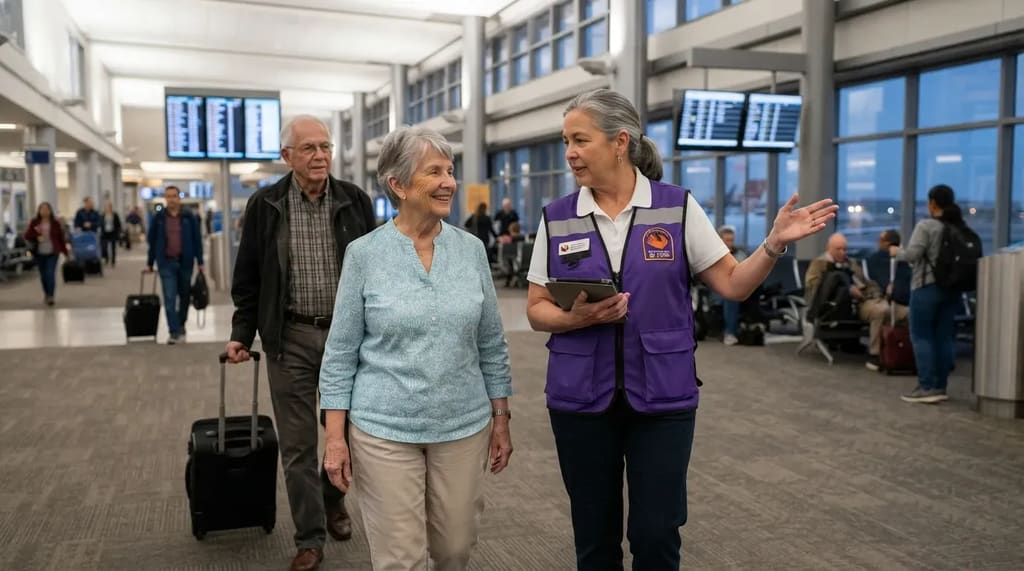
Regular Sky Harbor travelers know the purple-vested volunteers. They’re the friendly guides called Navigators, and travelers who need extra help can reserve a Navigator Support Guide, a free service reserved at the Compassion Corner.7 8 That’s more than a volunteer pointing down a hallway, because someone is expecting you.
The limits are worth knowing. Guides can lead people to their destination within Sky Harbor, but they do not serve as escorts.8 A Navigator Support Guide is free to reserve. Decide in advance whether you want help with a long walk, with finding a gate or with something else, and say so when you reserve. The Compassion Corner is in Terminal 4 on Level 3, behind elevator B, in the Chapel.
Related Stories From Travelbinger



At a Glance
- Cost: free to reserve.
- Where: Compassion Corner, Terminal 4, Level 3, behind elevator B.
- What you get: a guide who leads you to your destination inside the airport.
- What you don’t: a formal escort.
The same program has another item with an application and a waiting period, so you can’t finish it at the airport.
#2 – A Lanyard That Tells Staff You May Need Time
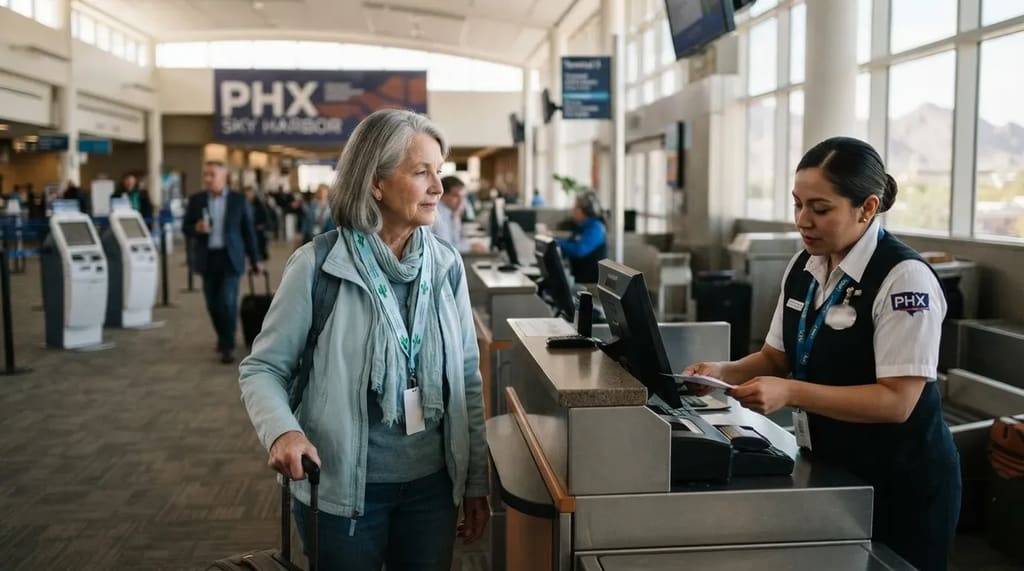
The Compassion Cacti lanyard is a quiet way to ask for patience. It discreetly signals to staff that a passenger may need extra time or support. People who self-identify as needing extra assistance, along with caregivers, parents and guardians, can apply for one on Sky Harbor’s website.8
The lanyard is designed for needs you can’t see, so you don’t have to explain yourself at every desk. Apply on Sky Harbor’s website before you travel, not at the airport. If memory slips or hearing loss makes fast conversations hard, it’s worth the few minutes. Build in the review window, and don’t wait until the week of your flight.
The biggest surprise on this list isn’t a form or a phone number. It’s a room, and it sits in the airport’s busiest terminal.
#1 – A Quiet Room Before Security in Terminal 4
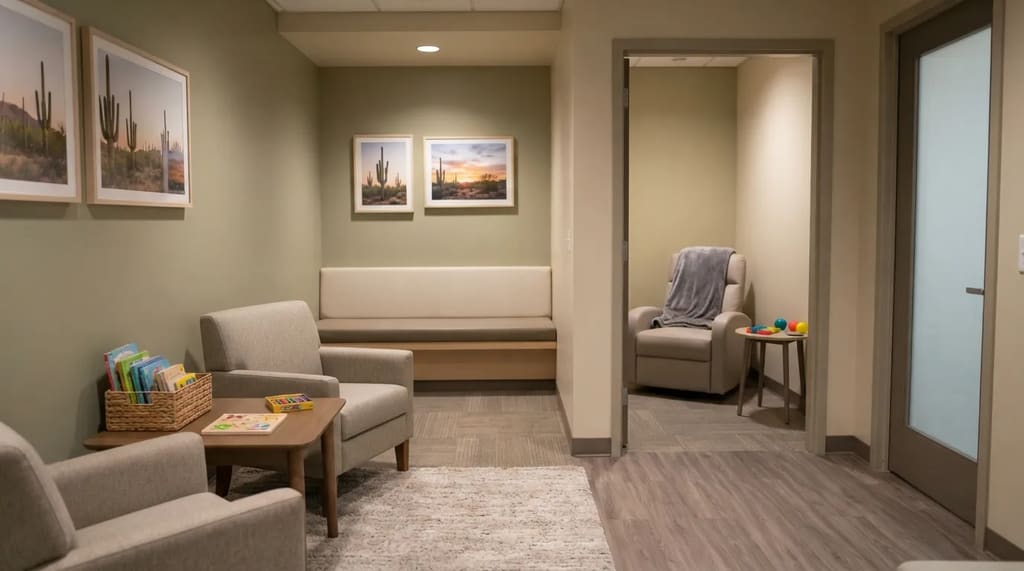
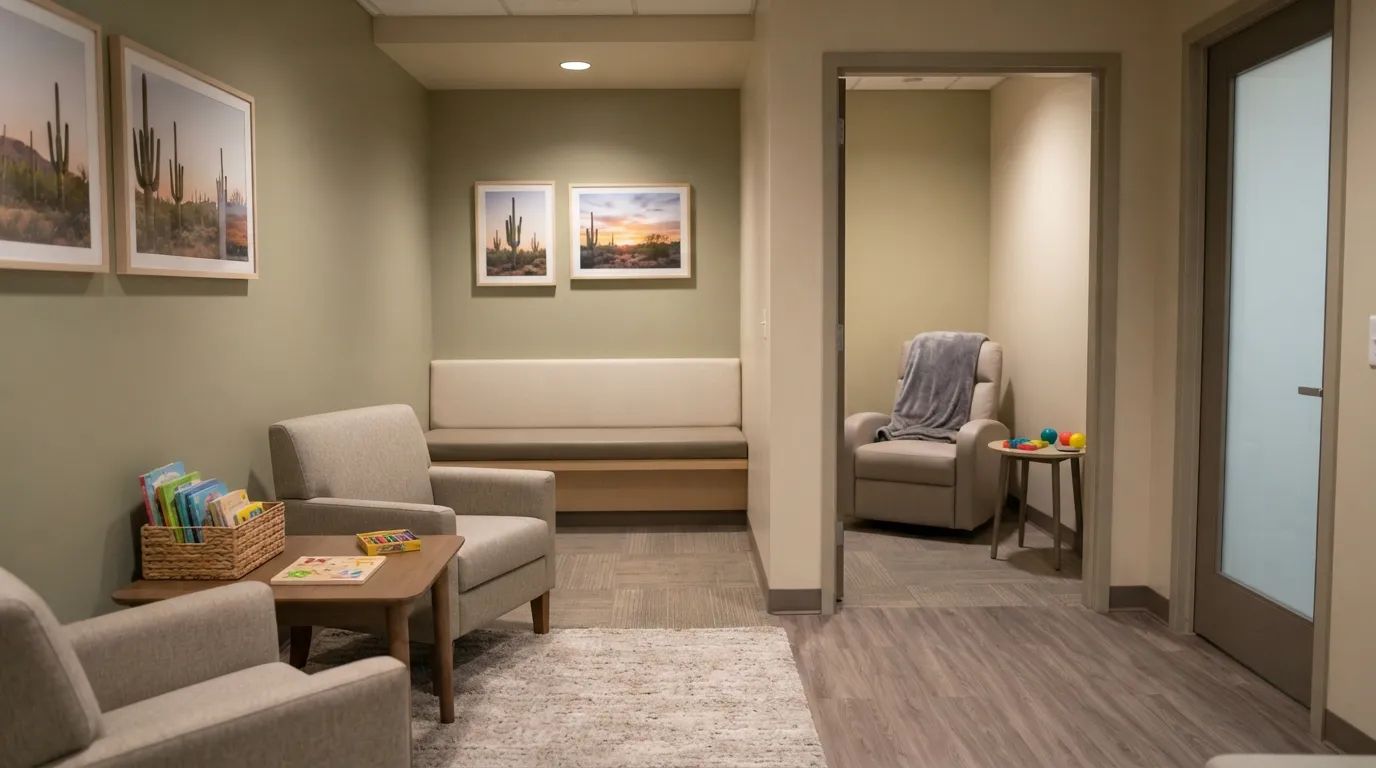
The Sensory Room is inside the Compassion Corner chapel in Terminal 4 on Level 3, near the B elevators. It sits before security, near the B Checkpoint, so you can use it before the checkpoint line. It offers quiet for people with hidden disabilities, including Alzheimer’s disease or dementia, brain injuries, anxiety or other sensory-related conditions.6 Inside, the private room has tables, chairs, puzzles and coloring books.5
To get in, you call the number listed on the door, and the airport posts staffed hours, so check them before relying on it. There’s also a Dementia Friendly Air Travel Workshop once a year, designed to help passengers with dementia and their caregivers, and Sky Harbor was the first airport to offer one. Terminal 3 has a separate meditation room for quiet reflection. Everything on this list rewards a traveler who asks first.
Why It Stands Out
- It’s before security, so you can step out of the crowd ahead of the checkpoint.
- It’s built for hidden disabilities, including dementia, brain injuries and anxiety.
- Tables, chairs, puzzles and coloring books give a stressed traveler something calm to do.
- You call the number on the door to get in, so check posted hours first.
A big airport doesn’t have to be an obstacle course you beat alone. Sky Harbor treats help as a service, and it works best when you arrange it the way you’d book a doctor’s appointment, ahead of time.
If you’ve flown through Phoenix with a spouse or parent who needed a little extra help, which of these would have made that day easier?
- PHX Sky Train Guide: https://www.niertransportation.com/airports/phx-sky-harbor/sky-train
- PHX Cell Phone Waiting Lots: https://www.skyharbor.com/about-phx/news-media/phx-check-in/2024/december-2024/have-you-heard-phx-has-three-free-cell-phone-waiting-lots/
- PHX Expands Accessibility Features: https://www.skyharbor.com/about-phx/news-media/phx-check-in/archive/2022/september-2022/phx-continues-to-expand-accessibility-features/
- AARP TSA Shoe Policy: https://www.aarp.org/travel/travel-tips/tsa-shoe-policy/
- PHX Media Kit Accessibility: https://www.skyharbor.com/about-phx/news-media/media-kit/at-phoenix-sky-harbor/
- PHX Accessibility and Assistance: https://www.skyharbor.com/accessibility-and-assistance/
- PHX Disability Pride Month: https://www.skyharbor.com/about-phx/news-media/press-releases/phx-highlights-accessibility-for-disability-pride-month/
- Sky Harbor Accessibility Guide: https://tucson.com/life-entertainment/local/travel/article_80b2bc5c-a2cb-40f7-9254-b76f900f52e4.html