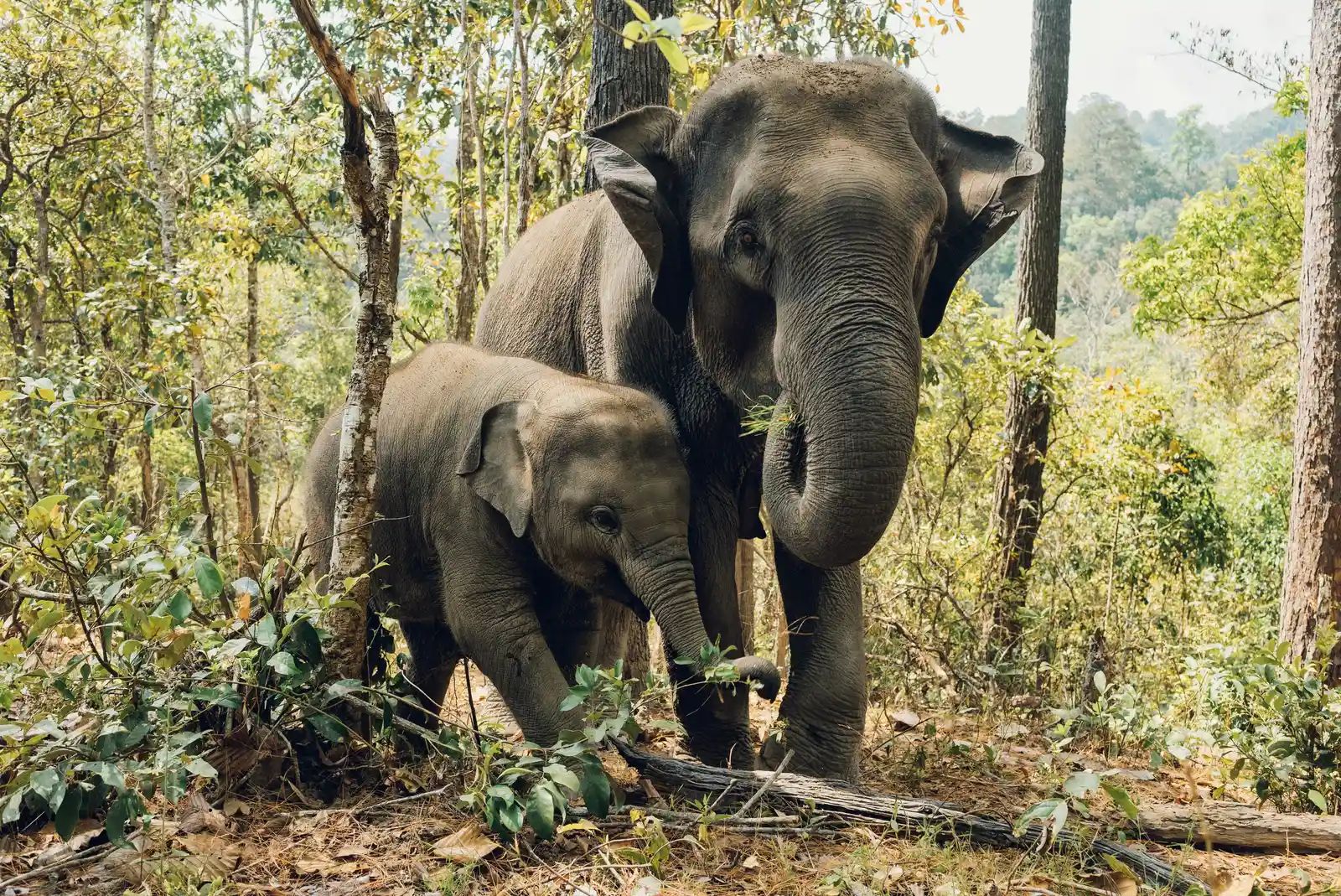
CHITWAN NATIONAL PARK, Nepal – Riding about 3 meters, or 10 feet, above the jungle floor, workers on Asian elephants move through the dense forests and grasslands of Chitwan National Park to count wildlife, rescue distressed animals and monitor species such as tigers and greater one-horned rhinos. ([1])The practice has long been part of Nepal’s conservation work. Yet a shrinking captive elephant population and growing opposition to using elephants as working animals are reshaping the future for both the animals and the mahouts who handle them.
Height as a working advantage
The elevated vantage point does more than offer a good view. Researchers working from an elephant’s back are less exposed to tigers and other predators, and the animals’ acute awareness of their surroundings makes them useful on patrols through terrain that is difficult or dangerous on foot.
Dr. Amir Sadaula, a veterinary officer at the National Trust for Nature Conservation (NTNC), works closely with the elephants and their handlers. The trust’s biodiversity conservation center on the edge of the park employs eight trained elephants along with teams of mahouts. Sadaula said the rescue operations simply could not happen without them. Those elephants are not the only ones visible in the area. Privately owned elephants regularly walk the streets of Sauraha, a community next to the park, where tourism businesses often own the animals.
A shrinking captive population
The numbers behind the concern are significant. One recent study reported roughly 203 to 227 wild elephants and 176 captive elephants in Nepal, representing an 18.5 percent drop in the captive population. ([4])The same research noted that the captive population began declining in the 1970s, so the current trend has deep roots.
Efforts to sustain the herd are underway. Nepal’s Elephant Conservation Action Plan for 2025 to 2035 recognizes the need to maintain the captive population. ([2])A breeding center near Chitwan houses 21 captive elephants, and the NTNC offers annual mahout training and elephant health services in the area. Officials and conservation workers still warn that disease and limited treatment resources could push the population further down.
Key pressures on working elephants
- Declining captive numbers, with an 18.5 percent drop reported in one recent study
- Opposition to using elephants as beasts of burden
- Disease risks and limited resources for treatment
- Uncertain careers for the mahouts who depend on the animals
Tourism and the changing debate
Much of the tension centers on Sauraha, where elephant safaris have built an economy around the park. Elephant rides have not been allowed inside Chitwan National Park for nearly 15 years, and government-owned elephants are not used for tourist rides. The safaris rely on privately owned elephants, and several community forests around the park depend heavily on the income they generate. ([3])
Business is already shrinking. Around 38 to 40 elephants are used for safaris each day, compared with about 63 working in safaris for the cooperative alone before the Covid-19 pandemic. Local operators say European visitors rarely ride elephants now, and Chinese tourists have become the main group taking rides. ([3])Welfare concerns have also drawn sharper scrutiny. Commentary on the Chitwan Elephant Festival has argued that rising evidence of welfare problems and declining corporate support make some traditional activities hard to defend. ([5])
Related Stories From Travelbinger


What comes next
Progress on welfare is not a new story. Historically, some captive elephants around Chitwan were chained for as many as 19 hours a day, and since 2014, 83 elephants at camps in the area have been released from their chains. ([6])That experience suggests that changes in how elephants are kept can coexist with their continued use in conservation.
The coming decade will test whether the country can keep both goals in view. The elephants still carry rangers into terrain that few other tools can reach, but the herd that makes that work possible is getting smaller. Whether Nepal can protect the animals, the mahouts and the wildlife they help monitor may depend on decisions made in the next few years.