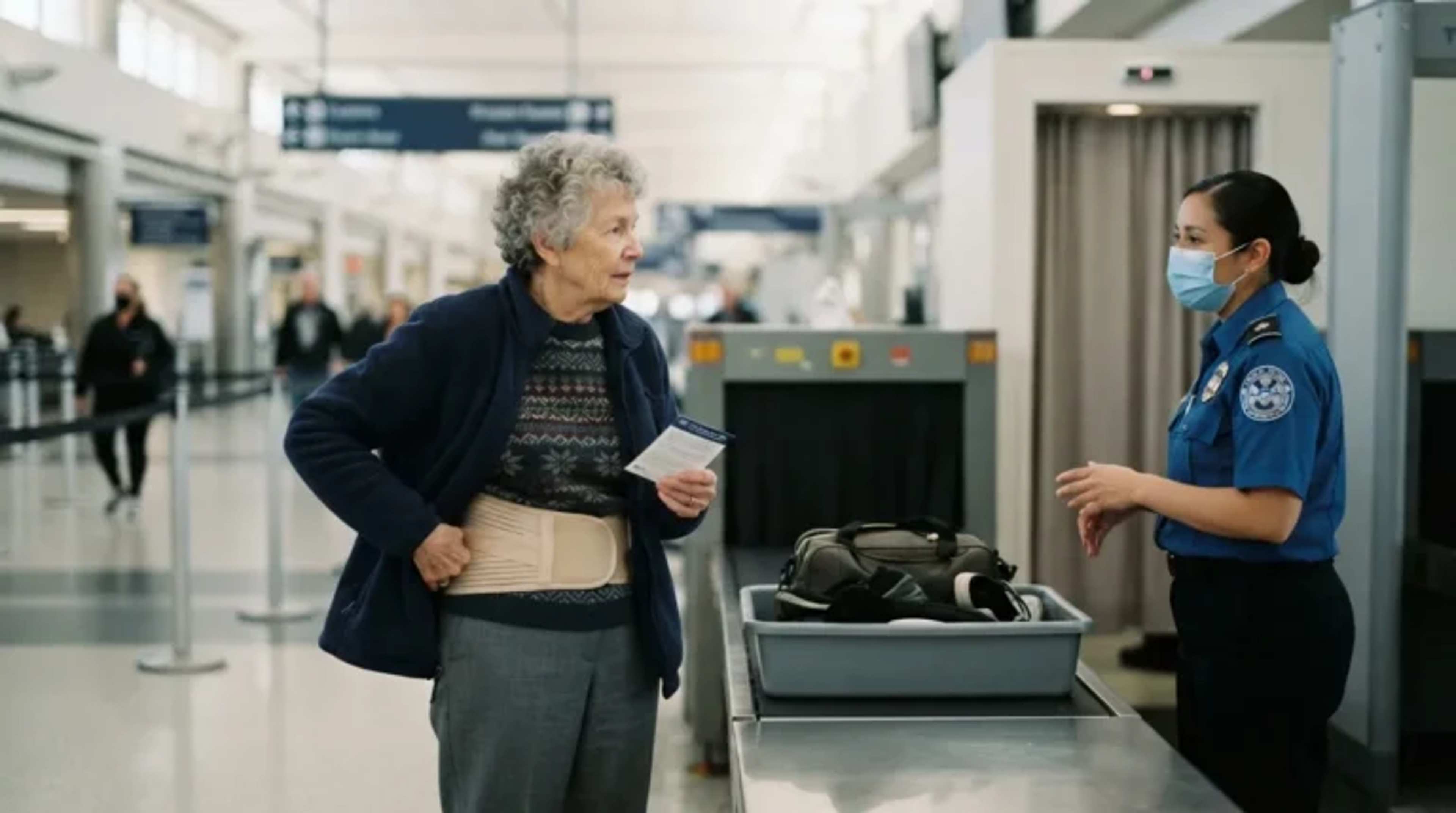
Most travelers over 60 shuffle through airport security the same way they have for twenty years – shoes off, belt in the bin, bracing for the worst. What almost nobody tells them is that TSA has an entire layer of accommodations, modified procedures, and quiet policy adjustments built specifically for older passengers. Some of it is federal policy. Some of it is what experienced officers do when the line slows down and they actually have a moment to help. Almost none of it ever gets announced over the intercom.
The gap between what passengers over 60 are entitled to and what they actually experience at the checkpoint is wider than most people realize. You don’t have to be enrolled in anything special, flash a card, or know the right magic words – but knowing what’s available changes everything about how the process feels. A few of these will genuinely surprise you.
#1 – They Read Your Pace Before You Even Reach the Belt
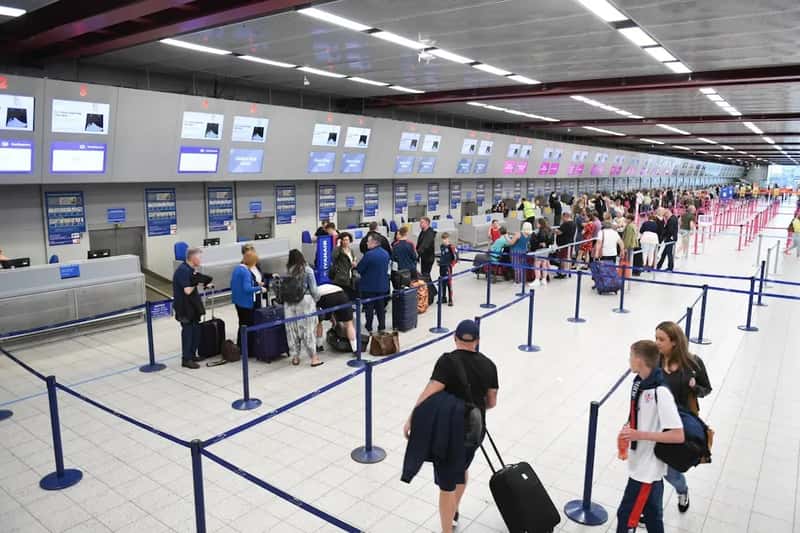
TSA agents are trained observers, and their adjustments for older travelers begin well before you touch a single bin. Officers assess mobility cues – walking speed, balance, use of a cane or walker – as passengers approach the checkpoint. TSA instructs officers to gauge a passenger’s ability to walk or stand independently before screening begins. That assessment isn’t just courtesy. It determines which screening path you’re directed toward before you even realize a decision has been made.
Letting the officer know your mobility level upfront makes a real difference. Agents who spot a concern early can quietly prepare an alternate screening path before you arrive at the belt, cutting delays for you and everyone behind you. Most travelers never realize the process has already started. The line looks the same from the outside. The experience can be very different once an agent knows what they’re working with.
At a Glance
- Officers begin reading mobility cues – gait, balance, assistive devices – the moment you enter the checkpoint area
- Early identification allows agents to pre-stage alternate lanes or request a support specialist before you reach the belt
- You don’t need to wait to be asked: stating your needs upfront is always faster than explaining mid-process
- Walkers, canes, and crutches will be X-rayed or hand-inspected – remove any pouches or bags from them before the belt
#2 – They Switch to a Completely Different Protocol the Moment They See a Wheelchair
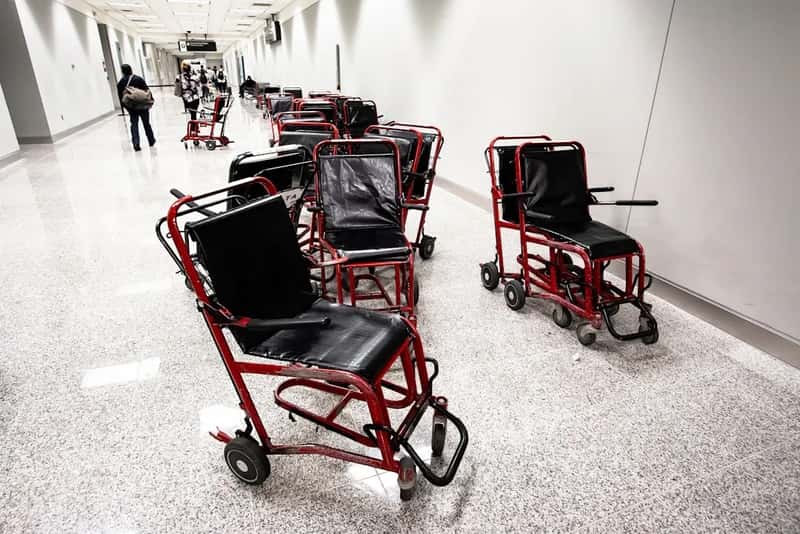
Arrive at the checkpoint in a wheelchair or scooter and the entire screening process immediately reorganizes itself around you. TSA requires all mobility device users to be screened – but what that looks like for older travelers is notably different from the standard line. Passengers 75 and older with mobility devices may remain seated while officers check the individual, the device, and any accompanying service animal. That’s a significant departure from what most people picture when they imagine the checkpoint.
If you are 75 or older in a wheelchair, you may stay seated while the officer conducts a swab test of your hands for explosive trace – rather than a full-body pat-down. One thing agents almost always share quietly: remove any bags or pouches attached to your mobility device before you reach the belt. That small move prevents a separate secondary screening of the pouches and gets you through faster.
#3 – They No Longer Ask Any Passenger to Remove Their Shoes – and Older Travelers Benefit Most
For years, passengers 75 and older had an exclusive age-based exemption that let them keep their shoes on at the checkpoint. That benefit has now expanded to everyone. On July 8, 2025, TSA officially ended the nearly 20-year shoe-removal mandate for all U.S. travelers, a policy shift that disproportionately relieves older passengers, people with mobility issues, and anyone dealing with chronic pain. The change is immediate and nationwide – no enrollment, no form, no special lane required.
Here’s the nuance most travelers still don’t realize: even with shoes staying on, light jackets are still required to come off for Advanced Imaging Technology screening in standard lanes. Laptops and the 3-1-1 liquids bag still come out, too. TSA PreCheck eliminates all of those remaining steps – shoes, jacket, belt, liquids, and laptop all stay put – which is why experienced agents at quieter checkpoints often quietly suggest it to travelers who find the standard lane exhausting even with the new shoe policy in place.
Quick Compare
- TSA PreCheck lane: Shoes on • Jacket on • Belt on • Laptop in bag • 3-1-1 bag stays packed
- TSA PreCheck cost: ~$80 for 5 years (about $16/year); renewal from ~$59 online
#4 – They Offer a Second Scan Before Triggering a Pat-Down
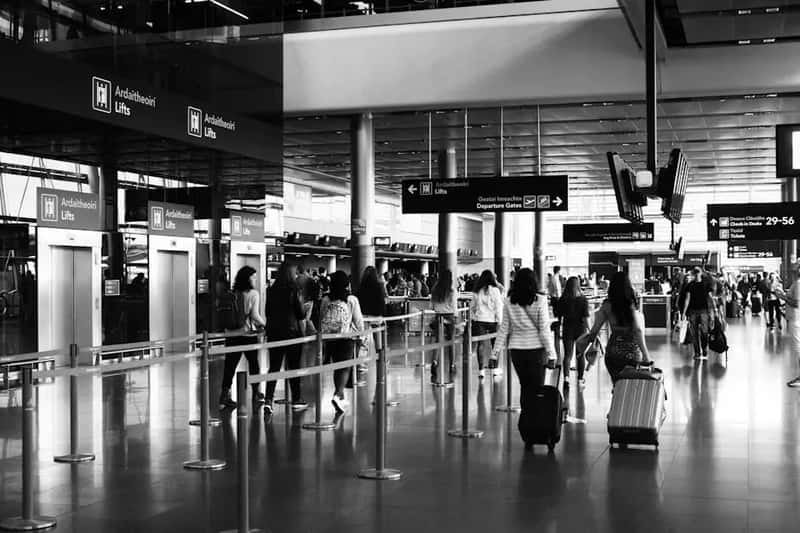
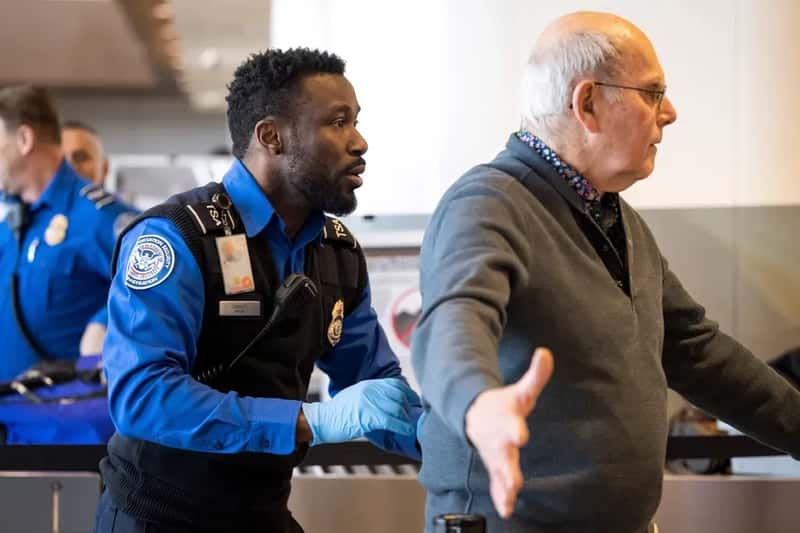
Setting off the scanner doesn’t automatically mean a hands-on pat-down is the next step – and most travelers over 60 have no idea that rule exists. For passengers 75 and older, TSA policy allows an extra pass through the Advanced Imaging Technology scanner before a pat-down is required. That benefit exists precisely because many alarms on older travelers are triggered by joint replacements, pacemakers, or other medical hardware – not any actual security concern.
That second scan clears the vast majority of alarm situations for travelers with metal implants, meaning the pat-down never happens at all. Most passengers stand frozen waiting for the inevitable. They don’t know they’re entitled to another attempt first. Knowing this one policy turns what feels like a confrontation into a routine moment that resolves in about thirty seconds.
#5 – They Offer a Seated Option During Any Pat-Down
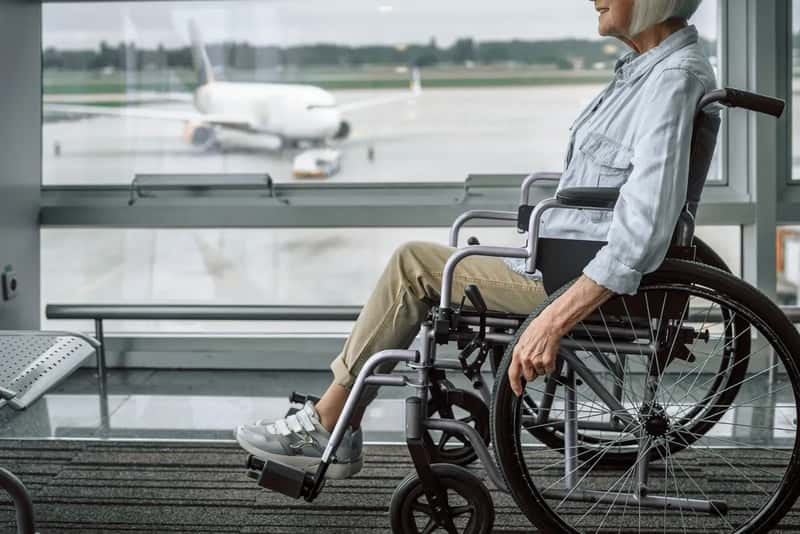
Most travelers assume that when a pat-down is required, standing with arms out and feet apart for the entire process is mandatory. It isn’t. You can request to be seated at any point during the screening. TSA agents know this, but they won’t always volunteer it before the line presses forward. If standing for extended periods causes pain or balance problems, you only need to say the words: “Can I be seated for this?” The agent will accommodate you.
TSA guidance is clear: passengers may request a chair if needed, and officers should work carefully around painful areas or positions the passenger cannot hold. The practical move is to say something before the pat-down begins, not in the middle of it. That one sentence – spoken upfront – changes the entire tone of the interaction and gives the officer a chance to set up properly rather than adjust on the fly.
#6 – They Route You to a Private Screening Room Without a Fight
Almost nobody knows this right exists – and experienced agents at quieter checkpoints will offer it proactively to older passengers who appear distressed or uncomfortable. At any point during the process, you may request private screening, accompanied by a companion of your choice. A second officer of the same sex will be present. You don’t need a reason beyond personal preference. “I’d prefer this to happen privately” is enough.
If it’s requested in a timely manner, TSA must complete private screening in time for you to still board your flight. This is one of the most underused rights at the entire checkpoint – agents know it exists, most passengers don’t, and the ones who ask never regret it. The room is calm, the pace slows down, and the entire interaction becomes something much closer to dignified.
Worth Knowing
- Private screening can be requested at any point – before, during, or after an alarm triggers
- A companion of your choice may accompany you into the private room
- A second TSA officer of the same sex as the passenger is always required to be present
- TSA is obligated to complete private screening in time for you to make your flight if requested promptly
- You do not need a medical reason – personal preference is sufficient grounds for the request
#7 – They Adjust Their Entire Communication Style for Hard-of-Hearing Travelers
Checkpoint communication is fast, loud, and directional – and for travelers with hearing loss, it can turn a routine screening into a genuinely disorienting experience. A quick heads-up before you reach the scanner means the agent will face you directly, speak clearly, and won’t mistake a lack of response for non-compliance. That one small disclosure before you reach the belt changes how the entire lane interacts with you from start to finish.
You are not required to remove hearing aids or cochlear implants. If a device triggers an alarm, additional screening may follow – but the device stays on your body throughout. Agents who know upfront can prepare for this rather than pausing the process mid-screening, which reduces confusion for everyone. It’s a small thing that makes the whole interaction noticeably smoother and a lot less stressful.
#8 – They Reroute Pacemaker Carriers Around the Metal Detector Entirely
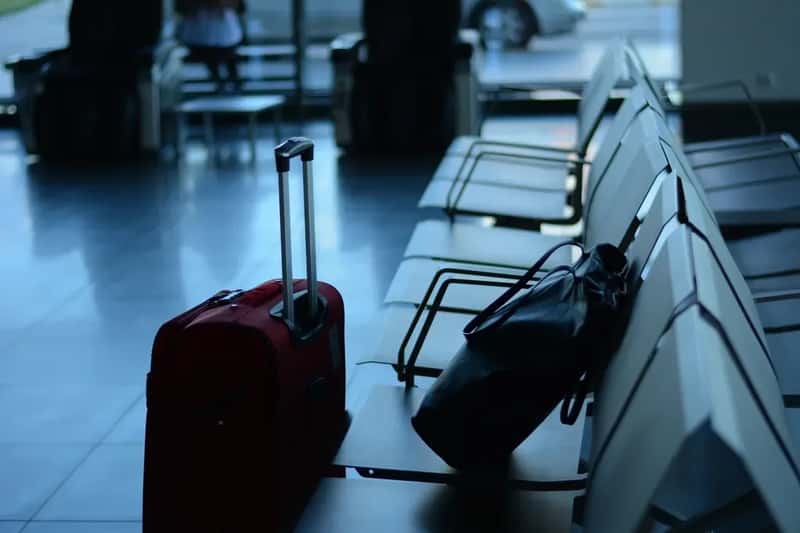
This one carries real health stakes – and it’s the kind of thing an experienced agent at a calm checkpoint will tell you before you make the mistake of walking through the wrong machine. Individuals with a pacemaker should not walk through a standard walk-through metal detector. The preferred alternative is Advanced Imaging Technology, which handles the screening without the same concerns. If you have an implantable defibrillator, a handheld wand screening is also off the table – ask for a hand search instead.
Ideally, have your cardiologist provide a medical card describing the implant’s location. That card is the single fastest way to move through this process without confusion or delay. Security personnel will arrange alternative screening once they understand what they’re working with – but they need to know before you walk through, not after the alarm goes off. Say something the moment you reach the front of the line.
Assume nothing about what TSA officers already know about your condition. The traveler who speaks up first is always the traveler who gets through fastest.
TSA Cares Program Guidance
#9 – They Process Oversized Medical Liquids Separately From the 3-1-1 Rule

The 3-1-1 rule is the one travelers know by heart: liquids, 3.4 ounces, one bag. But there’s an exemption that completely bypasses it – and it applies to a lot of passengers over 60. Medically necessary liquids, gels, creams, and aerosols in excess of 3.4 ounces are permitted in carry-on bags. They just need to be declared and removed from your bag for separate screening. Keep them in original prescription packaging or with a note from your doctor when possible.
You may also inform the TSA officer if you don’t want your liquid medication screened by X-ray. Additional steps will be taken to clear it without the machine. When the line is clear, a good agent will walk you through how to present your medications so the process stays fast. The exemption is real – it just has to be declared at the belt, not buried at the bottom of your carry-on where it surprises everyone.
Fast Facts
- Medically necessary liquids over 3.4 oz are allowed in carry-on bags – declare them at the belt
- Keep medications in original prescription packaging or bring a doctor’s note when possible
- You may decline X-ray screening for liquid medications – ask for alternative screening instead
- Pack IV bags, syringes, pumps, and freezer packs separately and label them clearly
- Nebulizer liquids are also exempt from the 3-1-1 rule when properly declared
#10 – They Don’t Ask You to Disconnect Your Insulin Pump or Glucose Monitor
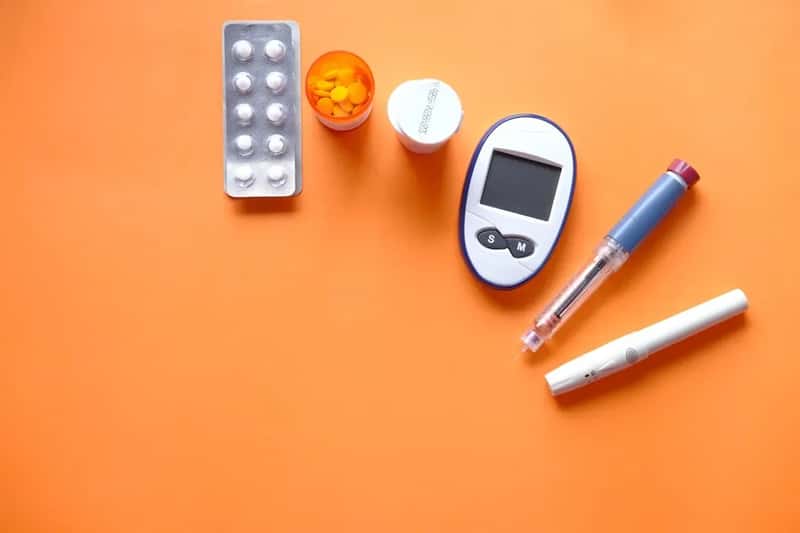
Millions of older Americans travel with insulin pumps, continuous glucose monitors, and other attached medical devices – and the checkpoint process for these is simpler than most people fear. You will not be required to remove a medical device that is attached to your body. That’s federal policy, not a checkpoint courtesy. Inform the TSA officer about the device’s location before screening begins and the process organizes itself around you rather than the other way around.
The device will be subject to additional screening – typically a self pat-down of the device and an explosive trace swab of your hands. If you don’t want the device screened by X-ray if disconnected, say so and alternative screening will be conducted. A calm, upfront explanation before you reach the scanner gets this done quickly and without drama. The travelers who struggle at this step are almost always the ones who waited to be asked.
#11 – They Handle Oxygen Concentrators and CPAP Machines Through a Separate Process
Traveling with a portable oxygen concentrator or CPAP machine triggers a different screening path entirely – one most passengers don’t know to ask about in advance. If you can disconnect from the concentrator safely, submit it for X-ray screening and continue through the AIT or metal detector separately. If you must remain connected, your equipment will be tested for explosive traces instead. That conversation with your doctor before the trip directly determines what happens at the checkpoint, so have it early.
Agents at quieter checkpoints will take the extra time to walk through these steps patiently – but only if they know upfront what you’re traveling with. Don’t wait to be asked. The traveler who arrives at the belt and announces “I have a portable oxygen concentrator and I cannot disconnect” moves through the process in an orderly, dignified way. The traveler who says nothing and hopes for the best ends up holding everyone up while the situation gets sorted out under pressure.
#12 – They Use the TSA Notification Card to Change the Entire Screening Tone Without a Word

Most travelers over 60 have never heard of the TSA Notification Card – and that gap is almost entirely the problem. The card lets you discreetly communicate health conditions, disabilities, or medical devices to a TSA officer the moment you hand it over. No explaining, no raising your voice in a crowded lane, no fumbling for words while the line backs up behind you. You hand over the card. The agent reads it. The process adjusts.
The Notification Card does not exempt you from screening – but it completely changes how screening unfolds. It’s available as a free downloadable PDF from the TSA website, personalized and printed for your specific conditions. Handing that card over silently means a traveler with Parkinson’s, dementia, or a painful joint replacement never has to explain their situation out loud to a stranger in a noisy, crowded terminal. That alone is worth printing the card before every trip.
#13 – They Don’t Separate You From Your Companion If You Have a Non-Visible Condition

This is quietly one of the most important policies TSA has – and it’s almost completely unknown to the families who need it most. Passengers with non-visible conditions such as Alzheimer’s, dementia, or autism spectrum disorder can be screened without being separated from their traveling companion. The companion will need to be rescreened after assisting, but they do not have to step away at the most confusing, high-stimulation moment of the entire trip. For families managing cognitive impairment at a busy airport, that policy is enormous.
Travel companions can inform officers of any disabilities or medical conditions affecting the screening – respiratory equipment, medical devices, medications, anything relevant. TSA officers are instructed to explain procedures as they go and to adjust their physical approach if a passenger cannot raise their arms, cannot hold a required position, or has areas of the body that are painful when touched. That disclosure changes how the agent physically proceeds. It’s not a courtesy – it’s protocol. You can communicate it verbally, through the Notification Card, or with medical documentation.
Worth Knowing
- Companions may stay with passengers who have Alzheimer’s, dementia, or other cognitive conditions throughout screening
- The companion will be rescreened after assisting – but they never have to step away during the process itself
- Officers are trained to explain each step as they go and adjust physical contact around pain points
- Verbal disclosure, the TSA Notification Card, and medical documentation are all equally valid ways to communicate a condition
#14 – They Can Connect You With a Free Specialist Who Walks the Entire Checkpoint With You
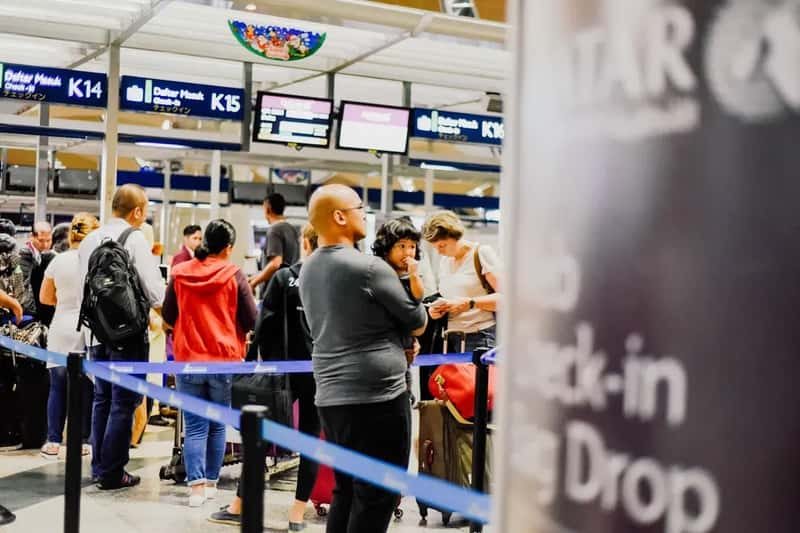
Most travelers over 60 have never heard of a TSA Passenger Support Specialist – and that gap is exactly the problem. A Passenger Support Specialist is a trained officer who walks alongside you through the entire security screening process, helps communicate your needs to other agents, and assists with complex situations involving disabilities or medical conditions. This service is completely free, available at airports across the country, and is without question the most underused resource at the entire checkpoint.
Call TSA Cares at (855) 787-2227 at least 72 hours before your flight – weekdays 8 a.m. to 11 p.m. ET, weekends and holidays 9 a.m. to 8 p.m. ET – or submit the online request form at tsa.gov. The specialist stays with you from the security entrance all the way through to the other side. In 2024, the TSA Cares helpline assisted 69,000 travelers with disabilities, medical conditions, and special needs. The overwhelming majority of travelers who qualified never knew to ask.
Fast Facts
- Call: TSA Cares at (855) 787-2227 — at least 72 hours before departure
- Hours: Weekdays 8 a.m.–11 p.m. ET • Weekends/holidays 9 a.m.–8 p.m. ET
- Online: Submit a request form at tsa.gov/travel/tsa-cares
- Cost: Completely free — no enrollment, no eligibility threshold
- 2024 reach: 69,000 travelers assisted through the TSA Cares helpline
The real story here isn’t that TSA is keeping secrets from passengers over 60. It’s that a system packed with documented accommodations – free specialist escorts, seated screening options, medical liquid exemptions, companion policies, pacemaker rerouting, and age-based expedited screening – never gets communicated at scale. None of it gets called over the intercom. Experienced agents apply it every day, quietly, when the line is clear and a passenger clearly needs the help. The travelers who know about these policies move through security faster, more comfortably, and with far less stress than those who don’t. Share this with someone who has a trip coming up and doesn’t know any of it yet.