Most travelers still plan vacations like it’s a race – hit the landmark, snap the photo, move to the next city before the coffee gets cold. But a growing number of experienced travelers are quietly doing the opposite: picking one small, overlooked place and staying put for four or five days. They’re not missing out. They’re getting the richer version of American travel that speed tourism can’t buy.
These 14 places rarely trend on social media, and that’s exactly the point. Here’s what slow-travel insiders actually say makes them worth the detour.
#14 – Door County, Wisconsin: The Peninsula That’s Better When Nobody’s Looking
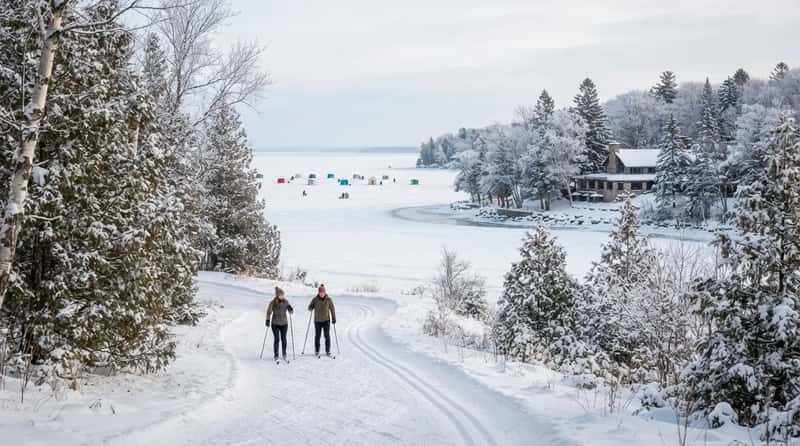
Most people write off Door County the second summer ends, which is precisely the mistake. Winter is the most underappreciated season here, when visitors can cross-country ski or snowshoe across roughly 100 miles of trails, and the frozen lakes turn into natural skating rinks and ice-fishing grounds. That’s a version of the peninsula almost nobody photographs for Instagram.
Many of the region’s wineries and supper clubs stay open year-round, giving cold-weather visitors a warm, unhurried place to land. The quiet season is arguably the best one, not a consolation prize. Quiet ferry rides, cherry orchards, scenic bike paths, and cozy inns make the whole peninsula feel built for slowing down, not rushing through.
Fast Facts
- More lighthouses than any other county in the country – 11 in total
- Home to five state parks along roughly 300 miles of shoreline
- Winter trail network stretches close to 100 miles for skiing and snowshoeing
- Many wineries and supper clubs stay open straight through the off-season
#13 – Astoria, Oregon: The Fishing Town Hollywood Forgot to Ruin
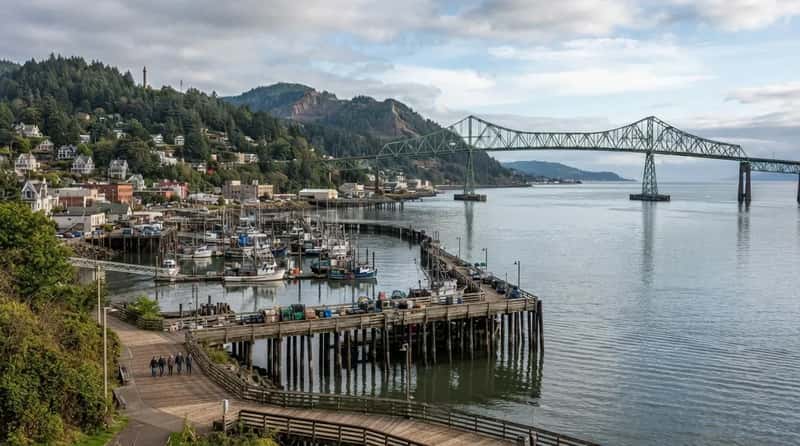
Everyone remembers Astoria from a 1980s movie, but almost nobody visits for what’s actually there now. It’s one of the most underrated yet scenic towns in the Pacific Northwest, known for dramatic natural beauty and fresh seafood, with clam chowder as a local staple. That reputation as a movie backdrop has quietly overshadowed a genuinely great slow-travel town.
As part of the Lewis and Clark Historical Trail, visitors can walk the Astoria Riverwalk and take in views of the Astoria-Megler Bridge, the longest truss bridge in North America. Most visitors skip the 164-step climb up the Astoria Column, but the panoramic river views from the top are the real reason to linger an extra night instead of rushing back to Portland.
#12 – Bisbee, Arizona: The Copper Town That Became an Art Colony
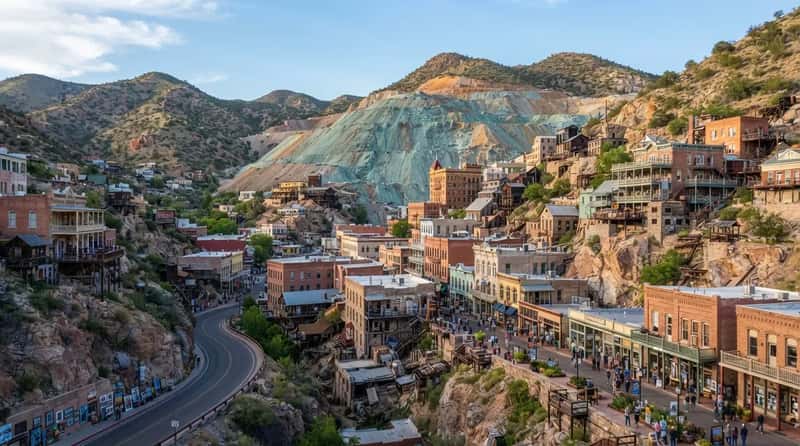
Bisbee looks like a ghost town from the highway, which is exactly why most road-trippers drive past it. Old Bisbee, tucked in southeastern Arizona, is home to a surprisingly bustling downtown arts scene, and its Victorian-style architecture gives the town a strange, layered feel, with galleries, shops, and old mining tunnels sitting side by side. That contrast between rugged mining history and a thriving arts colony is rarely mentioned.
Its high elevation means visitors get a break from the searing desert heat, and a trip here usually includes the Copper Queen Mine tour, the historical museum, or the ghost tour if you’re feeling brave. The lavender pit alone is worth the detour. Most Arizona itineraries stop at Sedona and never make it this far southeast.
#11 – Yellow Springs, Ohio: The Midwest Town Artists Never Left
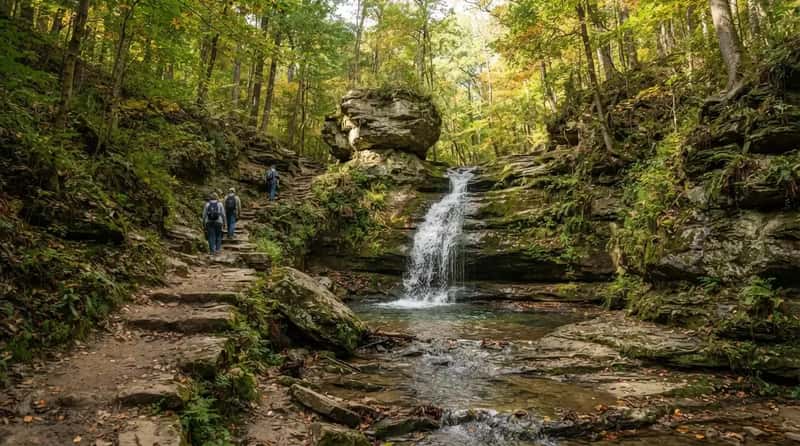
Ohio rarely lands on anyone’s bucket list, but Yellow Springs quietly breaks that pattern. Resting between Springfield and Dayton, this arts-driven town offers a real escape from big-city pace, and home to Antioch College, this quaint community of under 4,000 residents has long attracted artists, thinkers, and independent business owners. That’s a surprising concentration of creative energy for a town this size.
Glen Helen Nature Preserve sits just steps from downtown, a 1,000-acre protected area with hiking trails, waterfalls, and limestone cliffs that stay relatively quiet even during peak seasons. Most Ohio travel guides barely mention it. That’s a mistake worth correcting.
#10 – Goliad, Texas: The Town Where Texas History Actually Happened
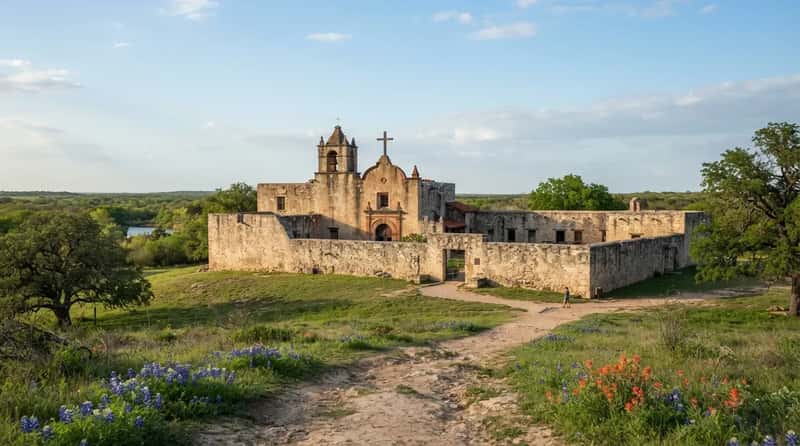
Everyone road-trips to San Antonio for Texas history, but the real story sits an hour away in near silence. Sitting almost centrally between San Antonio, Houston, and Corpus Christi, Goliad is one of the most historically significant yet underrated destinations in the state, having played a major role in Texas’ fight for independence in the mid-1830s. Most visitors never realize how intact that past still feels here.
The adventure starts at Presidio La Bahía, a reconstructed 18th-century Spanish fort and the site of the 1836 Goliad Massacre. Both major sites sit inside Goliad State Park, where visitors can also hike, fish, or paddle along the river. Few Texas trips ever combine that much history with that much quiet.
At a Glance
- Sits roughly equidistant from San Antonio, Houston, and Corpus Christi
- Presidio La Bahía: a reconstructed 18th-century Spanish fort
- Site of the 1836 Goliad Massacre during Texas’s fight for independence
- Both landmarks sit inside Goliad State Park, alongside hiking, fishing, and paddling
#9 – St. Michaels, Maryland: The Town That Fooled the British and Everyone Since
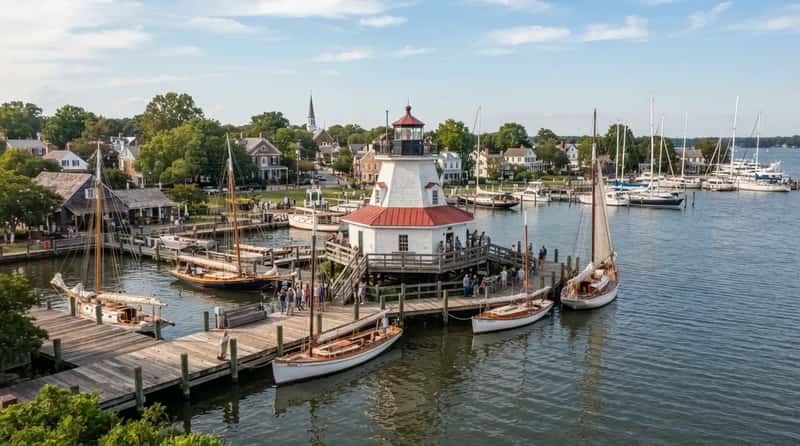
This Chesapeake Bay village has a trick up its sleeve that most weekenders never hear about. USA Today once named St. Michaels one of the top small coastal towns in America, and this Miles River village earned the nickname “The Town That Fooled the British” during the War of 1812, after locals tricked British ships into overshooting with their cannonballs. That trick is now just local trivia, not a headline.
The vibe here is upscale but never stuffy – visitors can have an incredible farm-to-table dinner, then walk to the beach in flip-flops. The Chesapeake Bay Maritime Museum deserves a few unhurried hours, with its 18-acre waterfront campus, working boatyard, and a historic lighthouse you can climb. Most day-trippers rush through in an afternoon and miss all of it.
#8 – Wallace, Idaho: The Mining Town Hiding a Silver-Rush Secret
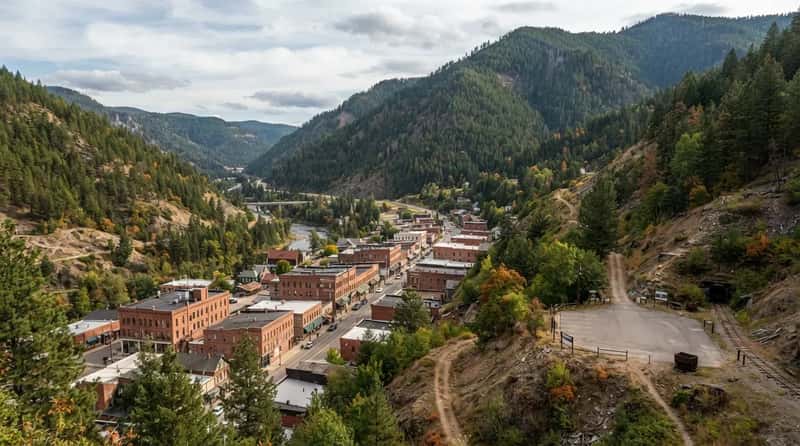
Idaho gets reduced to potatoes in most people’s minds, but Wallace tells a completely different story. The Sierra Silver Mine Tour offers a genuine look into the region’s storied mining history, led by guides with firsthand knowledge of the industry. That kind of authentic, insider-led history is rare outside national parks.
The surrounding routes are ideal for slow, scenic exploring, making Wallace a quiet favorite for outdoor enthusiasts. Most travelers driving I-90 through Idaho never stop long enough to notice it exists. That’s their loss, not Wallace’s.
#7 – Black Mountain, North Carolina: The Blue Ridge Town Asheville Overshadows
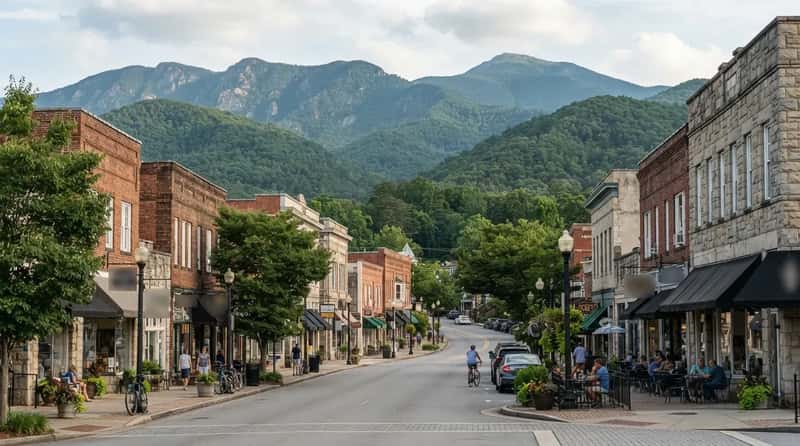
Asheville gets all the credit for the Blue Ridge Mountains, but the more interesting town sits just up the road. Black Mountain, named for the ranges surrounding it, showcases some of the best arts and crafts in the region while staying almost entirely off the tourist radar. Most travelers spend all their time in Asheville and never make the short drive out.
Downtown Black Mountain is lined with art galleries, music halls, breweries, and restaurants, and the mild weather keeps biking and hiking trails accessible year-round. While Asheville gets the crowds, many locals argue Black Mountain gets the actual charm. That’s a controversial opinion around here, but it holds up.
Quick Compare
- Distance: Black Mountain sits just 15 miles east of Asheville via I-40
- Crowds: Asheville draws the bigger tourist wave; Black Mountain stays walkable and quiet
- Scene: both have galleries and breweries, but Black Mountain’s downtown fits into one relaxed afternoon
- Trade-off: less nightlife, more front-porch pace
#6 – Eureka, Nevada: America’s Loneliest Highway Has a Reward at the End
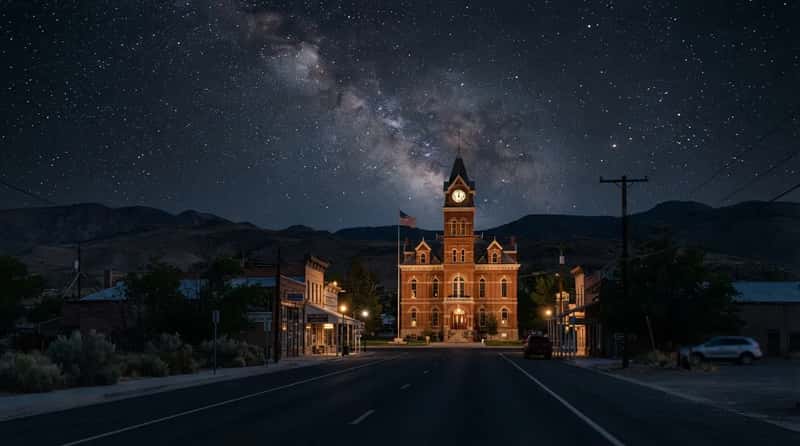
Nevada’s “Loneliest Road” sounds like a warning, but for slow travelers it’s an invitation. Eureka sits in one of the most remote stretches of the country, deep in the deserts of northern Nevada, far from the nearest interstate and even farther from any major city. That isolation is the entire appeal, not a downside.
This is one of the few places left in America where cell service disappears and the sky actually gets dark enough to see the Milky Way without driving another two hours. Most travelers assume “middle of nowhere” means nothing to do – Eureka proves that assumption wrong.
#5 – Portsmouth, New Hampshire: The Seacoast Town People Forget Exists
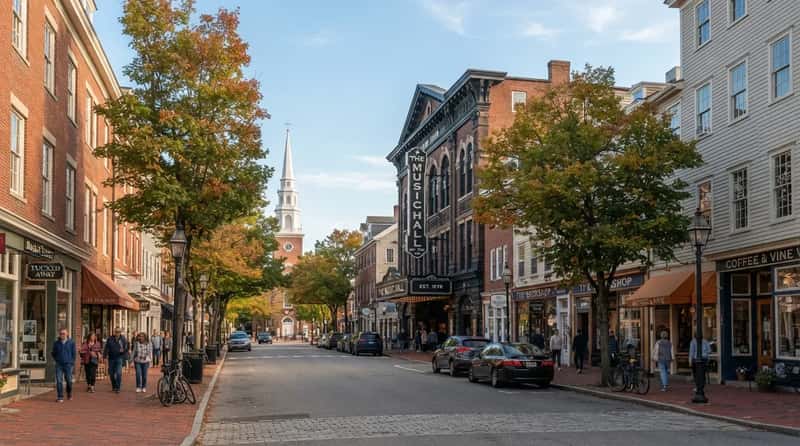
New Hampshire’s coastline is only 11 miles long, and most Americans don’t even know it’s there. That geographic quirk keeps Portsmouth wonderfully under-visited compared to Maine or Massachusetts coastal towns, even though it’s stunning year-round.
Founded in the mid-1600s, Portsmouth still has classic Colonial and Federalist architecture alongside a downtown packed with local shops, great restaurants, and a surprisingly strong music scene. There’s a jazz club that regularly brings in New York City musicians, plus The Music Hall, running for over 100 years with plays, concerts, and musicals. Most beach-goers skip it entirely because they don’t realize it’s on the map.
#4 – Cape May, New Jersey: The Weekend Trip That Turns Into a Week
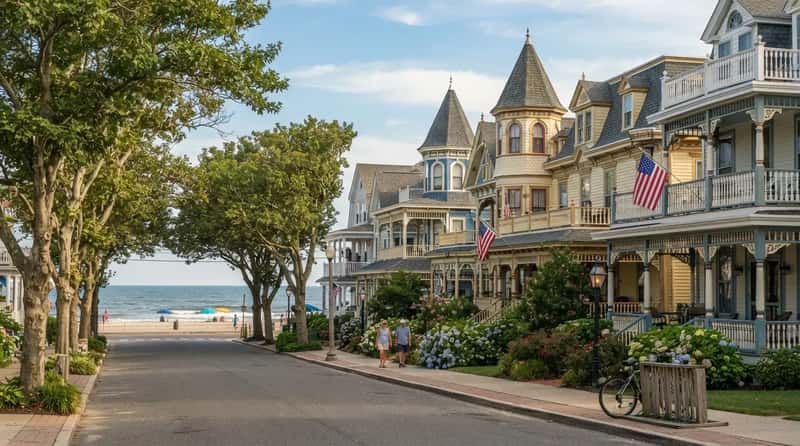
Cape May was designed for a two-night stay, but almost nobody actually leaves on schedule. With elegant Victorian architecture and gentle shoreline breezes, it’s the kind of place visitors plan for a weekend and end up staying a week. That’s not a marketing line – it’s the pattern locals report over and over.
Cobblestone paths, brunch spots that take their sweet time, and a historic vibe that whispers stories make this town perfect for lingering. Most Jersey Shore visitors head straight to the crowded boardwalks up north, leaving Cape May’s charm comparatively quiet even in peak season.
#3 – Martha’s Vineyard, Massachusetts: The Island That Rewards Staying Off-Season
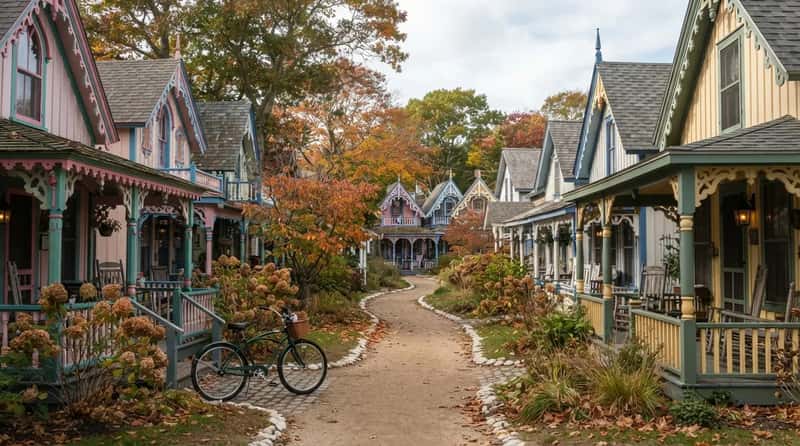
Most people picture Martha’s Vineyard as a summer-only, celebrity-packed destination, and that’s exactly the misconception slow travelers exploit. A short ferry ride from Cape Cod, the island has six distinct towns, coastal walks, salt-tanged breezes, and no rush to go anywhere fast. That’s a very different island than the one splashed across summer magazine covers.
Renting a bike or simply wandering hidden beaches and quiet neighborhoods explains why so many visitors extend their stays. The real secret is visiting in shoulder season, when the six towns feel like they belong to you instead of a ferry-load of day-trippers.
#2 – The San Juan Islands, Washington: The Pacific Northwest’s Quietest Escape
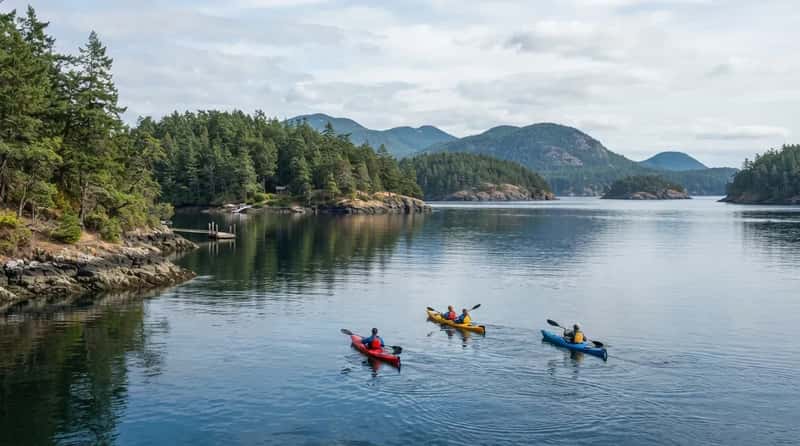
While tourists jam into Seattle, a genuinely slower archipelago sits just off the coast and gets a fraction of the attention. Off Puget Sound, the San Juan Islands offer sea views, kayaking, whale-watching, and picnic-style afternoons that tempt visitors to stay far longer than planned. That whale-watching detail alone should make this a bigger name than it is.
Ferry schedules here force a slower rhythm whether travelers want it or not – there’s no rushing an island chain accessible only by boat. Most people plan a day trip and end up wishing they’d booked three nights instead.
Worth Knowing
- The archipelago includes roughly 172 named islands, though only four are served by ferry: Orcas, San Juan, Lopez, and Shaw
- Resident orca pods make whale-watching one of the region’s biggest draws
- No bridges connect the islands – every trip starts with a boat or plane
- Shoulder-season visits mean shorter ferry lines and quieter beaches
#1 – The Bold Coast, Maine: The Wildest Coastline Most Americans Have Never Heard Of
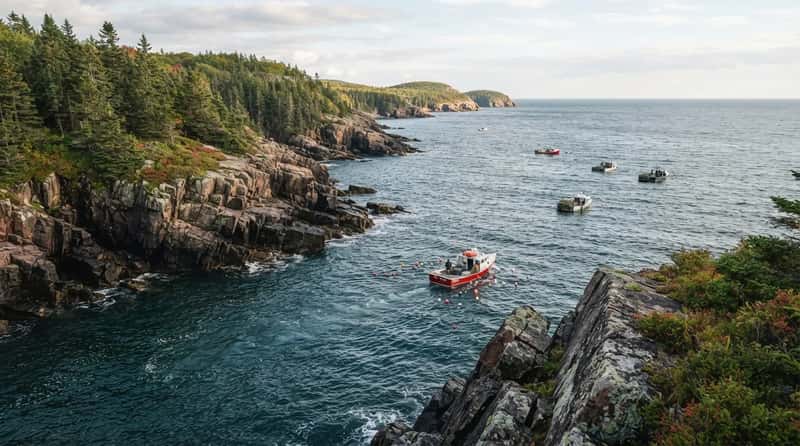
Everyone knows Bar Harbor and Acadia, but almost nobody has heard of the coastline just beyond it – and that’s the whole point. The Bold Coast, a National Scenic Byway in Maine, offers stunning seaside cliffs, fields of wild blueberries, and a glimpse into authentic coastal life, with lobster boats dotting the water below. This is raw, undeveloped Maine, without the parking lots.
Farm-to-table dining here means fresh seafood and vibrant local produce shine, without a single chain restaurant in sight. Most travelers spend their entire Maine trip inside Acadia’s boundaries and never realize the wildest, least-crowded coastline in New England sits just a short drive further north.
Not till we are lost, in other words, not till we have lost the world, do we begin to find ourselves.
Henry David Thoreau
What ties all 14 of these places together isn’t obscurity for its own sake – it’s what happens when a destination isn’t built around rushing. Wineries that stay open past the season, ferries that force a slower rhythm, museums worth returning to twice: these are the details that only show up when travelers stop treating a place like a checklist item.
Most of America’s most memorable trips aren’t happening in the cities everyone already knows. They’re happening in the 14 places above, one unhurried afternoon at a time.