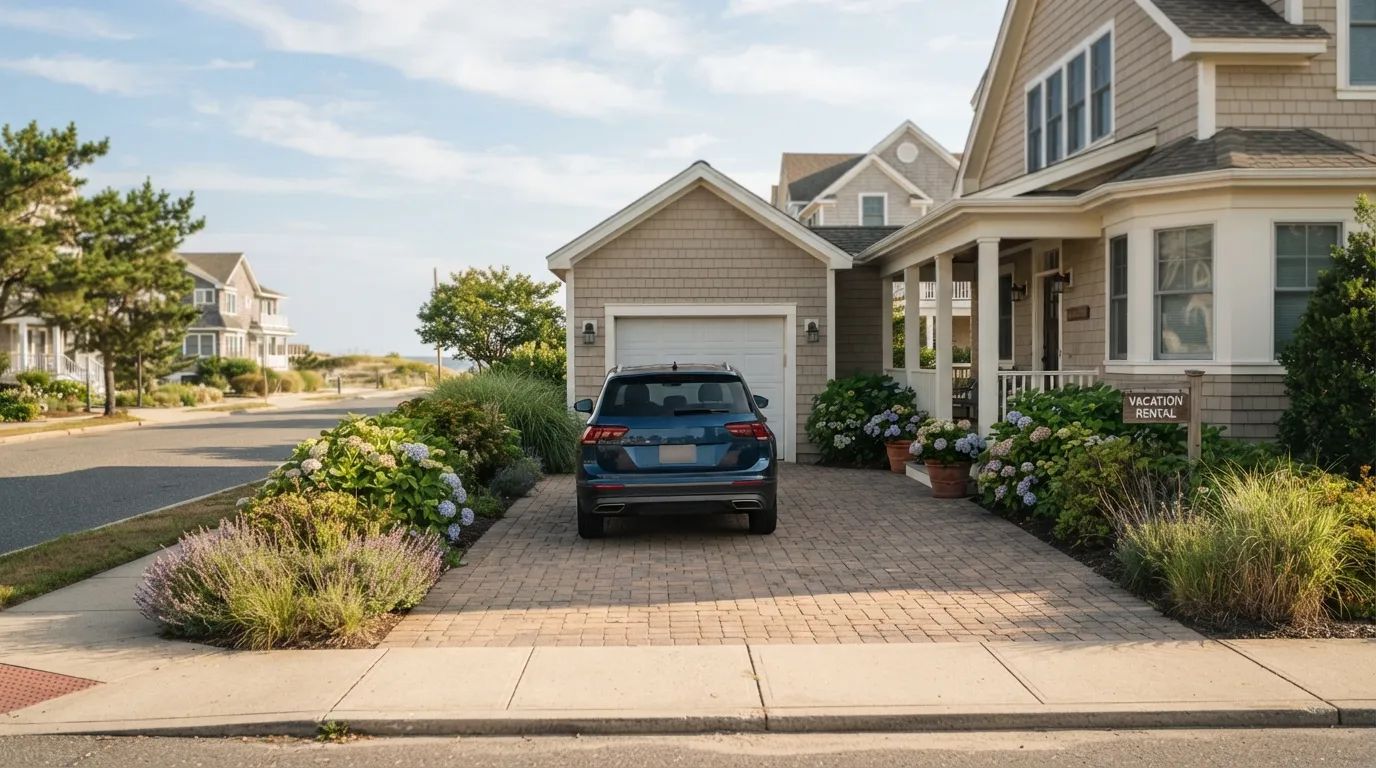
You open the checkout page, wince at the total, and pay it anyway – cleaning fee, pet fee, resort fee, all of it. Most guests never question a single line.
But here’s the part the industry doesn’t exactly advertise: a lot of those charges aren’t rules. They’re prices one host set on one afternoon – and prices can move.
From cleaning fees that outprice the room itself to pool heating charges nobody asked for, a short, polite message can erase hundreds of dollars before you ever hand over a card. This isn’t a loophole – it’s just how flexible short-term rental pricing actually works behind the scenes.
We dug through 14 of the most commonly charged vacation rental fees, the ones guests almost never challenge, and found out exactly which ones bend the easiest. Start at the bottom, because the closer you get to #1, the more money is on the table.
14. The Early Check-In Fee

You’ve been driving for six hours, you arrive at noon, and the listing says check-in is at 4 p.m. – but there’s a fee to get in early.
Many hosts charge for early check-in because it can affect their cleaning crew’s schedule, but the fee is far from automatic. It’s entirely up to the host to decide, and plenty simply forget to remove it from the listing template.
Some hosts offer flexible early check-in based on availability starting five days before your arrival date. That flexibility window is your opening.
Message the host three to five days out, explain your travel situation politely, and ask if early access is possible at no extra charge. If the property sat empty the night before, there’s a solid chance they’ll say yes without hesitation.
But the early check-in fee is just the warm-up. Wait until you see how negotiable the next one is.
13. The Late Checkout Fee

Late checkouts mirror early check-ins almost exactly: hosts set the price, and that price can often come down or disappear entirely with the right ask.
Some properties offer a one-hour late checkout at no charge, subject to availability – which means the zero-dollar option already exists. It just isn’t advertised anywhere on the listing.
The trick is asking the evening before you leave, not the morning of. Hosts with a same-day turnover rarely have wiggle room, but those with a gap before the next guest often do.
Frame your request around convenience, not cost. “We just want to avoid the morning rush – would an extra hour be possible?” works far better than “Can you waive the fee?”
The next fee on this list is one most guests never even think to question – and that’s exactly why hosts keep charging it.
12. The Extra Guest Fee

Vacation rental platforms let hosts charge a per-person, per-night fee above a certain guest count. Exceed the standard number and you may be billed per extra head.
What travelers don’t realize is that the base guest count on many listings is set conservatively. The extra guest fee is often pure added revenue, not an actual cost the host incurs.
If your group is just one or two people over the base count, a polite inquiry before booking can lead the host to simply adjust the listing or offer a custom price that absorbs the fee entirely. This works best when you message before the reservation is confirmed.
Once money changes hands, the leverage shifts – so ask early.
Up next: a fee that sounds completely fixed but has far more wiggle room than you think.
11. The Pet Fee

Most pet-friendly rentals charge a non-refundable fee per pet, and those fees range from modest to genuinely eye-watering depending on the property.
The justification is fair – extra cleaning is required after a pet stay. But the fee is set entirely by the host, and many have room to reduce it for well-behaved, small, or single pets, especially when occupancy is low.
Lead with reassurance. Tell the host your dog’s breed, size, age, and that they’re house-trained, then offer a refundable damage deposit instead of a flat non-refundable fee – that trade-off works surprisingly often.
Hosts who are pet owners themselves are particularly receptive to this kind of ask, and many listings even mention their own pets in the description – so you often know exactly who to target.
The next fee is even more common than the pet fee, and most guests don’t even know it’s optional.
10. The Pool Heating Fee

Private heated pools are a great feature, but heating is often an added daily cost that stacks up fast over a week-long stay.
Pool heating fees are set entirely at the host’s discretion. If you’re visiting during shoulder season, when the weather is warm enough that heating adds only marginal benefit, this is one of the easiest fees to negotiate away.
Fast Facts
- A typical range might be $20-$50 per day, depending on the size of the pool and the cost of electricity.
- Cost is $20 per day, minimum 1 week plus one time activation fee to heat up of $50.
- Some higher-end listings charge as much as $199 for the first night of heating and $99 for every night after.
- Properties with heated pools command 15-20% higher rates during shoulder seasons, extending your revenue window beyond summer peaks.
Message the host before booking, mention the time of year, and ask whether heating is really necessary. Many will waive or reduce it, especially on longer stays where the total revenue already justifies the concession.
This is also a fee worth disputing after the fact if the heater was malfunctioning or the pool was closed. If a promised amenity isn’t actually working, the property isn’t delivering what you paid for.
But that’s nothing compared to what we found about #9.
9. The Damage Waiver Fee

This one flies under the radar because it sounds mandatory, almost like insurance. But a damage waiver is often a host-set, non-refundable charge that goes straight to the host as revenue.
Unlike a refundable security deposit, which you get back if nothing is damaged, a damage waiver fee is kept regardless of how well you treat the property. That distinction matters when you’re negotiating.
If a host charges both a damage waiver and a security deposit, you have a legitimate reason to ask whether one can be dropped. Many guests have negotiated the waiver away entirely by offering a larger refundable deposit instead.
This works best when you have strong reviews on the platform – a guest with a long, positive history is a much lower risk than an anonymous new account, and hosts know it.
Stick with us. The next fee surprises almost every traveler who sees it.
8. The Mid-Stay Cleaning Fee

For stays longer than four or five nights, some hosts charge a mandatory mid-stay cleaning fee on top of the standard end-of-stay cleaning. It’s rarely listed prominently and often only surfaces in the fine print of the house manual.
The honest truth: mid-stay cleaning is optional in many cases, and hosts default to scheduling it not because it’s strictly necessary, but because it’s part of their standard management routine.
It can often be waived or reduced for long-term stays and repeat guests, and some hosts will drop it entirely if you agree to tidy the space yourself.
If you’re a tidy traveler, say so upfront. Offer to handle light tidying and ask if the mid-stay clean can be skipped or swapped for a simple linen drop-off.
But that’s nothing compared to what we found about #7.
7. The Parking Fee
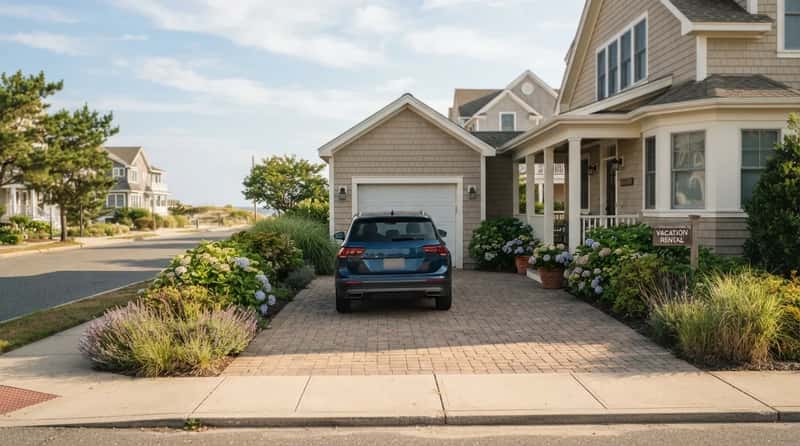
In beach towns, ski resorts, and urban rentals, parking is sometimes billed as a separate nightly charge even when there’s a dedicated spot right on the property.
What makes this fee particularly negotiable is that hosts in residential areas often have zero actual cost attached to their own parking spot – the fee is pure added revenue.
Worth Knowing
- Urban and resort-area listings are far more likely to itemize parking separately than suburban or rural homes with a private driveway.
- A dedicated driveway or garage costs the host nothing extra, unlike a paid public garage, valet service, or metered lot.
- Some condo buildings and HOAs charge hosts a flat guest-parking fee, which is the rare case where the charge is a true pass-through cost.
- Properties walkable to transit, the beach, or downtown give hosts even less justification for a mandatory parking charge.
If you’re arriving without a car, ask for the parking fee to be removed entirely – that’s a legitimate request that almost always succeeds. If you do have a vehicle, simply ask whether parking is already included in the nightly rate.
A surprising number of guests pay parking fees for spots they never used, simply because nobody asked the question first.
The next one is genuinely controversial among travelers – and for good reason.
6. The Platform Service Fee

Third-party booking sites often charge 6-20% in service fees just for using their platform – and that money goes to the platform, not the host.
Here’s what most guests don’t know: many hosts also list their properties directly, through their own website or a personal booking link they’re happy to share if you simply message first.
You can message a host and ask for a discount or a direct-booking option, and many will offer a special rate that’s only available off-platform.
By booking directly, the host skips the commission they’d otherwise owe the platform and can pass some of that savings straight to you.
But that’s nothing compared to what we found about #5.
5. The Amenity or Resort Access Fee

Staying in a condo or gated community often means a separate charge for amenities like pools, beach access, or a fitness center – even when those facilities aren’t usable during your stay.
This is one of the most negotiable fees in the entire vacation rental world, for a simple reason: if the amenity isn’t available, the charge has no justification.
If the pool is closed or the gym isn’t operating, it makes no sense to pay for it. And if you’re only staying briefly and have no plans to use the amenities anyway, that’s also worth pointing out before booking.
Even when everything is fully operational, guests who are visiting specifically for the property itself, not the shared facilities, have successfully used that reasoning to get the fee dropped.
The next fee is one almost nobody challenges, but it’s among the most flexible of all.
4. The Last-Minute Booking Fee

Some property managers charge a small premium for bookings made within 24 to 72 hours of check-in, dressing it up as an “expedited preparation fee” or a custom line item.
The irony is that hosts are usually thrilled to fill a last-minute vacancy. A booking that prevents a night sitting empty is almost always worth more to a host than the extra fee they’re tacking on.
Prices on platforms like Airbnb also tend to drop closer to the date, as hosts realize their units remain unbooked and start adjusting rates downward.
When booking last-minute, ask outright if any expedited or short-notice fees can be waived, since you’re filling what would otherwise be an empty night. Most hosts find that logic hard to argue with.
But that’s nothing compared to what we found about #3 – this one stunned even seasoned travelers.
3. The Linen or Towel Fee

A growing number of listings charge a separate linen or towel fee on top of the cleaning fee, framed as an optional “linen pack.” Except in many cases, it’s quietly listed as mandatory.
When linens and towels are already present in the property, a separate linen fee is essentially a double-charge layered on top of cleaning. That distinction is exactly what makes it challengeable.
Ask the host directly: “Are bed linens and towels already included, or does this fee provide something additional?” If the answer is that they’re already there, you have a clear case to ask for the fee to be dropped or absorbed into cleaning.
Most hosts who set these fees did so to match competitor listings and have never had a single guest question it – which means you’re often the first person who ever asked.
Almost there. #2 will genuinely change how you read a checkout page forever.
2. The Cleaning Fee on Long Stays

The cleaning fee is the single most complained-about charge in vacation rentals, and it’s also among the most negotiable, particularly on longer bookings. A guest staying 14 nights has a far stronger case for a reduced or absorbed fee than a one-night guest does.
The logic is simple: a professional turnover clean costs roughly the same whether you stayed one night or fourteen, but a host earning significantly more revenue from a long booking has obvious room to absorb it.
These fees can often be waived for long-term stays or repeat guests, and some hosts will drop the charge entirely if you agree to tidy up before checkout.
The most effective approach is to propose a trade: strip the beds, bag the linens, run the dishwasher, and take out the trash. For a host paying a cleaning crew, that’s real labor saved – and many will happily knock the fee down in exchange.
And now, the fee that almost no one realizes they can challenge – and the one that saves the most money of all.
1. The Cleaning Fee on Short Stays

Here’s the uncomfortable truth vacation rental platforms don’t advertise: on a one-night stay with a $150 cleaning fee, the math looks genuinely lopsided for the guest, and the question is completely legitimate.
A cleaning fee that equals or exceeds one night’s rent isn’t just frustrating, it’s a real talking point. Some properties in competitive markets have cleaning fees higher than their advertised nightly rate, and experienced travelers increasingly call it out as a pricing trick.
A low nightly rate used as bait next to an unexplained high cleaning fee is a pattern the industry itself acknowledges as a conversion problem, which means hosts already know it’s a soft spot. That makes it your strongest negotiating point on this entire list.
Message the host before booking and say something like: “I noticed the cleaning fee is close to the nightly rate for my two-night stay – is there any flexibility there?” On this particular fee, the ask succeeds more often than any other item here.
The Bottom Line

The vacation rental industry is built on fees that look fixed but often aren’t. From pool heating and linen charges to cleaning fees that dwarf the nightly rate, most of these line items are set by individual hosts who have full authority to change them.
The guests who save the most money aren’t the ones who argue. They’re the ones who ask politely, early, with a clear reason and a fair alternative already in hand.
At a Glance
- Easiest fees to waive: early check-in, late checkout, and pool heating, especially with a few days’ notice.
- Best leverage: long stays, off-season travel, and a strong review history on the platform.
- Hardest to challenge without cause: fees tied to a real, itemized cost, like professional cleaning on very short stays.
- Golden rule: ask before you book, not after you’ve already paid.
The single best habit you can build is reading every line of the fee breakdown before you book, not after. Every charge you question before confirming is a charge you still have leverage over – every charge you accept at checkout is money you’ve already agreed to pay.
Did we miss a vacation rental fee you’ve successfully talked your way out of? Drop it in the comments – we’d love to hear what worked for you.