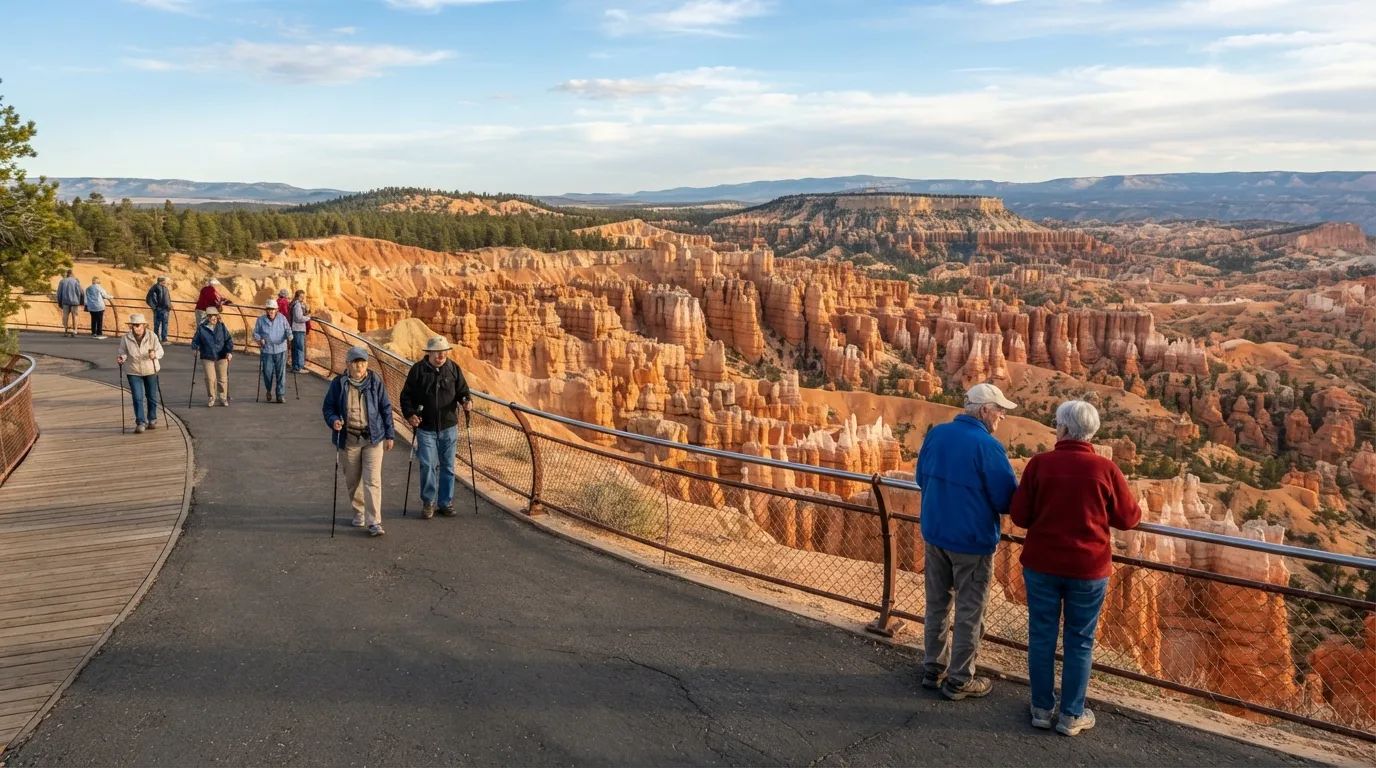
Ask most people what a retirement road trip looks like, and they’ll picture something small and cautious – a quick drive to see the leaves, maybe a weekend near the coast. The travelers who’ve actually logged the miles tell a completely different story.
Adults over 60 now make up more than a third of everyone behind the wheel on long-distance American road trips, and when you ask them what they’d do again without hesitation, the same routes keep surfacing again and again. These aren’t cautious afterthought trips – they’re bucket-list drives that seasoned travelers deliberately repeat, sometimes year after year, because nothing else compares.
What makes this list interesting is what didn’t make it: no white-knuckle mountain passes, no grueling 12-hour driving days, no routes that punish you for wanting to slow down. Here are the climb back into the driver’s seat for tomorrow, starting with the one that quietly builds a following every single spring.
#15 – The Texas Hill Country: Austin to San Antonio
Fast Facts
- Roughly 80 miles separate Austin and San Antonio – an easy point-to-point drive.
- Peak bluebonnet season runs from mid-March through April.
- Key stops: Fredericksburg, Wimberley, and Gruene.
- Most travelers stretch the drive into a long weekend rather than a straight shot.
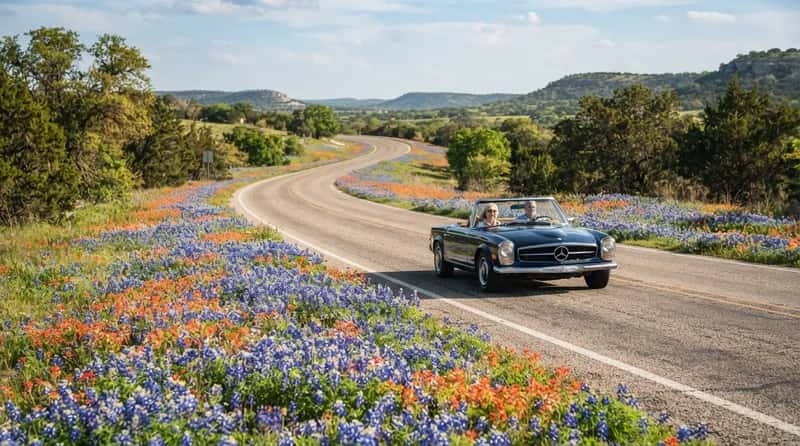
One of the best-loved American road trips runs through Texas Hill Country between Austin and San Antonio, and travelers insist on timing it for spring. That’s when wildflowers carpet the roadside and turn an ordinary drive into something people plan entire trips around.
Austin alone is worth lingering in – live music spilling out of bars, food trucks on every corner, and the nightly spectacle of bats swooping out from under the South Congress Bridge. It’s the kind of stop that makes travelers push back their departure by a day.
The short hops between Fredericksburg, Wimberley, and Gruene keep the pace relaxed instead of rushed. German bakeries, real Texas barbecue, and fields of bluebonnets stacked back to back make this corridor feel like a highlight reel rather than a highway.
But that’s nothing compared to what we found about #14…
#14 – The Great River Road: Minnesota to Louisiana
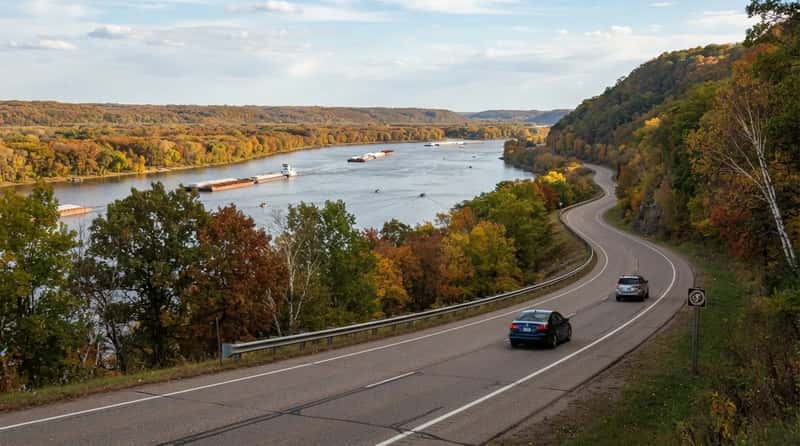
The Great River Road follows the Mississippi for more than 2,000 miles through 10 states, from Minnesota down to Louisiana. It’s one of the few American road trips that lets you choose your own scale – a long weekend or a full month.
For retirees who love a slow-paced drive through history-rich small towns, this route delivers without ever feeling like a slog.
Ten states carry official America’s Byways segments: Arkansas, Illinois, Iowa, Kentucky, Louisiana, Minnesota, Mississippi, Missouri, Tennessee, and Wisconsin. Pick any section that fits your schedule – you never have to drive the whole thing to get the full experience.
But that’s nothing compared to what we found about #13…
#13 – New England Fall Foliage Loop
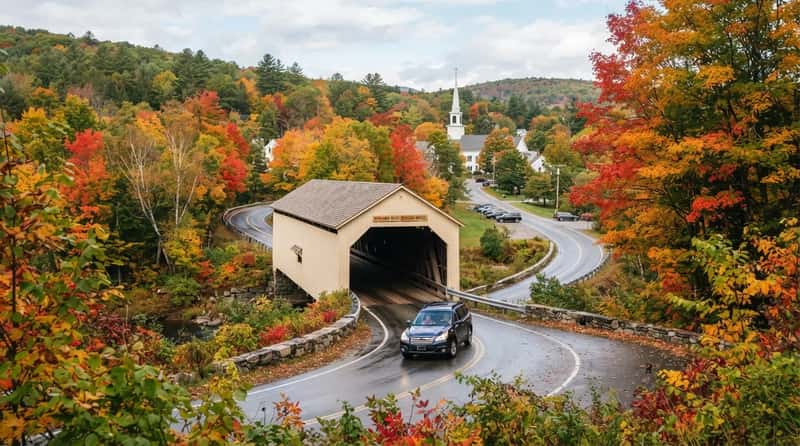
This classic leaf-peeping loop links covered bridges, white-steepled villages, and Acadia National Park, timed for peak color and built around short, gentle drives. It’s one of the most-repeated road trips among travelers over 60, and it’s easy to see why.
Starting and ending in Boston, the loop packs in serious history alongside the scenery. You’ll walk the Freedom Trail, browse Colonial-era shops in Mystic, Connecticut, and tour Gilded Age mansions in Newport, Rhode Island.
Late October and early November bring the best leaf-peeping window of the year. For many seniors, the real appeal is predictability – well-marked roads, walkable village centers, and inns that have welcomed guests for generations.
But that’s nothing compared to what we found about #12…
#12 – Road to Hana, Maui, Hawaii
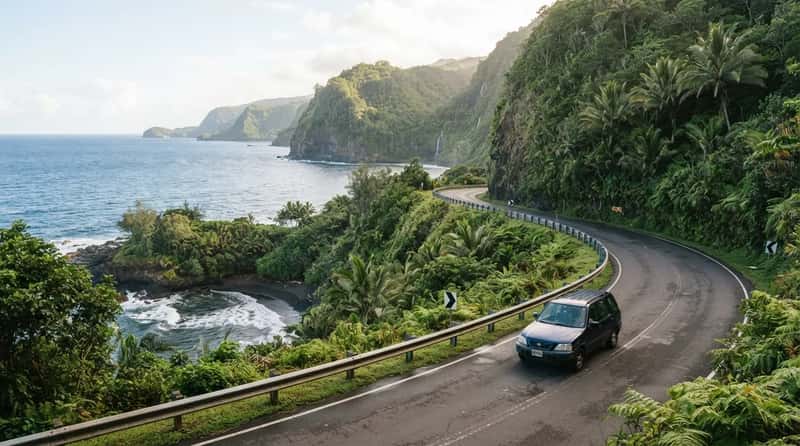
The Road to Hana is a 64-mile Maui highway that winds through rainforest, past waterfalls, and along black sand beaches and dramatic cliffs. It rewards patience far more than speed.
Maui’s popularity as a retirement destination means there’s no shortage of amenities to make the drive comfortable. With more than 600 curves and 59 bridges, the road feels genuinely adventurous without demanding anything physically strenuous.
Repeat travelers over 60 say the real secret is stopping at every single pullout instead of racing to the end. Here, the drive itself is the destination – and that mindset suits this generation perfectly.
But that’s nothing compared to what we found about #11…
#11 – The Natchez Trace Parkway: Tennessee to Mississippi
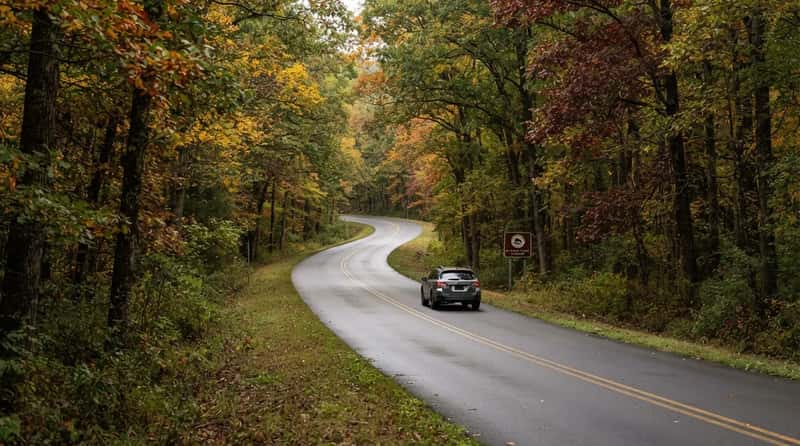
On the Natchez Trace Parkway, there are no billboards, no trucks, no gas stations – just a two-lane road capped at 50 mph. It feels like a Sunday drive that happens to stretch for hundreds of miles.
The parkway runs 444 miles through Tennessee, Alabama, and Mississippi, tracing a path once used by Native Americans, explorers, and traders. It’s history and nature laid out side by side, with almost none of the noise of a normal highway.
You could drive it in two days, but almost no one does. Taking your time – pulling off often, walking short trails, wandering into nearby towns – is the entire point.
But that’s nothing compared to what we found about #10…
#10 – Northern New Mexico Triangle: Santa Fe, Taos & Albuquerque
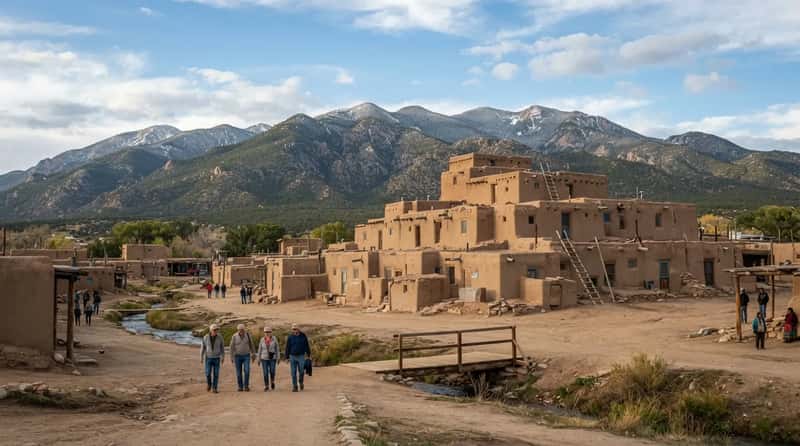
A loop through Santa Fe, Taos, and Albuquerque puts you face to face with the kind of southwestern art collectors fly in for. A detour to Los Alamos adds the weight of Manhattan Project history alongside the deeper story of the Native peoples who called this land home first.
Santa Fe’s adobe architecture gives the whole city a distinct glow, the Plaza buzzes with Native American vendors, and Canyon Road holds more than 100 art galleries within walking distance of each other.
The towns sit close enough together that you can day-trip from a single base – one of the most relaxed structures on this entire list. Taos Pueblo, a UNESCO World Heritage Site, alone justifies the drive.
But that’s nothing compared to what we found about #9…
#9 – Going-to-the-Sun Road, Glacier National Park, Montana
Worth Knowing
- The road stretches 50 miles and takes about two hours to drive without stopping.
- Logan Pass, the highest point, sits at 6,646 feet on the Continental Divide.
- Vehicles longer than 21 feet or wider than 8 feet are barred from the middle section.
- Speed limits drop to 25 mph in the alpine stretch near Logan Pass.
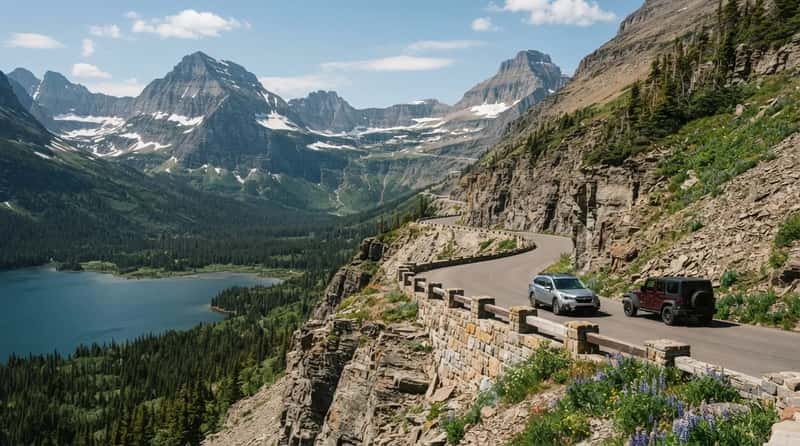
Going-to-the-Sun Road inside Glacier National Park is one of the most dramatic mountain drives in the country. The 50-mile route climbs to Logan Pass, delivering glaciers, waterfalls, and alpine views the entire way.
Every bend uncovers something new – glacial lakes, wildflower meadows, snow clinging to peaks well into summer. It’s proof that a road can be both an engineering feat and a genuine natural wonder.
The road typically opens mid-June and closes by mid-October, so timing matters. With the $80 lifetime National Park Senior Pass, entrance is free – arguably making this the best-value scenic drive in America.
But that’s nothing compared to what we found about #8…
#8 – The Great Smoky Mountains & Blue Ridge Parkway
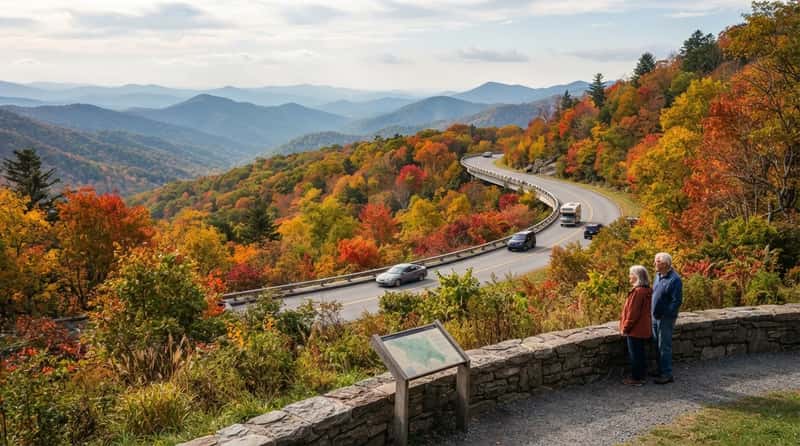
The Blue Ridge Parkway is famous for a reason: in fall, it turns into a moving canvas of red, orange, and gold, with overlooks practically begging you to pull over. Few American roads reward patience this consistently.
Beyond the scenery, the highway carries real history, connecting the Great Smoky Mountains to Shenandoah National Park. Every stop along the way tells a piece of Appalachian heritage.
At 469 miles with no commercial traffic and a 45 mph speed cap, this parkway feels almost engineered for travelers who refuse to be rushed. Slow travel isn’t a suggestion here – it’s built into the road itself.
But that’s nothing compared to what we found about #7…
#7 – Route 66: Chicago to Santa Monica

Running 2,448 miles from Chicago to Santa Monica, Route 66 is the great American nostalgia drive – classic diners, neon motels, and flat, easy driving through the heart of the country. It’s built for exactly the way this generation grew up traveling.
Many small towns along the route nearly disappeared when the interstate bypassed them, and tourism is now their lifeline. Staying in a restored vintage motel or eating at a family-run diner is a direct investment in keeping this slice of American history alive.
For travelers over 60, this route carries a weight younger generations simply don’t feel. Plenty remember riding shotgun while their parents drove sections of it decades ago – and coming back now as the one behind the wheel is a genuinely emotional experience.
“We do not take a trip; a trip takes us.”
John Steinbeck, Travels with Charley
But that’s nothing compared to what we found about #6…
#6 – The Florida Keys Overseas Highway

The Overseas Highway follows US-1 from Key Largo to Key West, crossing more than 100 miles of tropical islands linked by bridges. Unlike mountain drives, this one puts you right above turquoise water for the entire journey.
Built originally in 1928 and rebuilt in the 1980s, the road connects Key Largo to laid-back Key West. Crossing the Seven Mile Bridge past lighthouses, coral reef parks, and white-sand beaches is genuinely hard to top.
The drive itself only takes about four hours if you go straight through, but almost nobody does that. Spending two or three days lets you actually enjoy what the Keys are famous for.
But that’s nothing compared to what we found about #5…
#5 – Utah’s Mighty 5 National Parks Loop
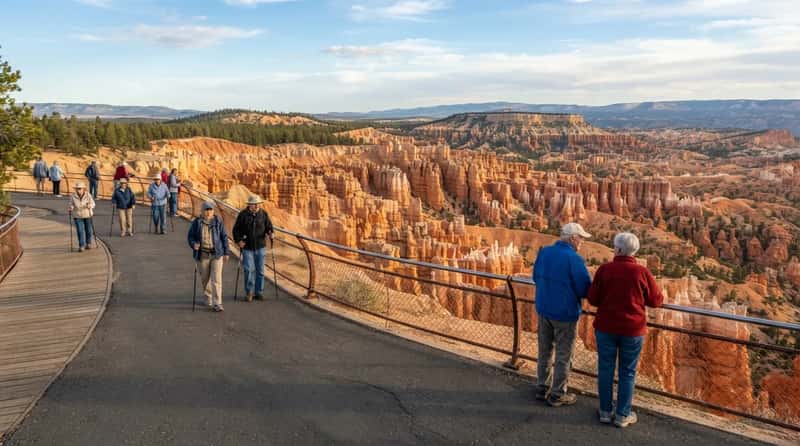
A senior-friendly Utah itinerary makes Zion, Bryce Canyon, and beyond far more enjoyable, leaning on accessible viewpoints, scenic drives, and boardwalks instead of grueling hikes. You still see the landscapes that make the American West famous – you just don’t have to suffer for them.
The best version of this trip combines short daily drives, walkable or shuttle-served stops, and comfortable lodging in well-chosen base towns.
Zion, Bryce Canyon, Capitol Reef, Canyonlands, and Arches all sit within one drivable loop through southern Utah. Most repeat travelers say Bryce Canyon surprises them the most every single time – its hoodoo formations are visible right from the rim, no serious hiking required.
But that’s nothing compared to what we found about #4…
#4 – The Pacific Coast Highway, California
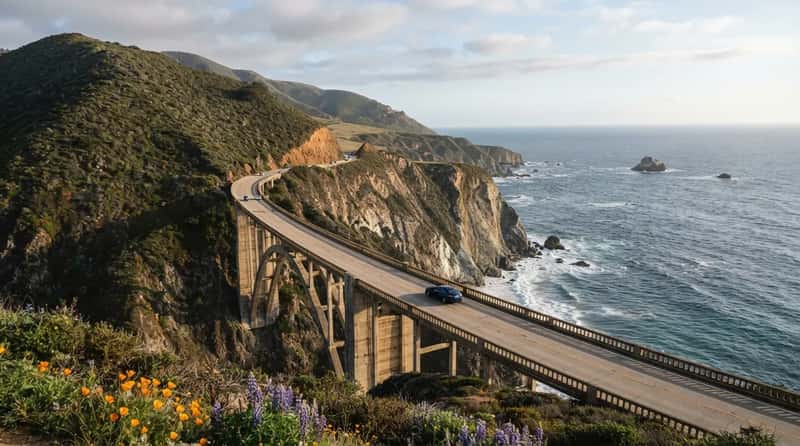
The Pacific Coast Highway stretches more than 650 miles along California’s Highway 1, and it’s routinely called one of the most scenic drives in the country. For retirees, it’s close to the perfect road trip.
The full run from San Francisco to San Diego covers about 600 miles of dramatic cliffs and endless ocean views. Plan for 7 to 10 days, and aim for late spring or early fall for the best weather and the fewest crowds.
The Monterey Bay Aquarium is a fully accessible, world-class stop right along the route, and nearby Carmel-by-the-Sea is made for a slow stroll. Travelers who repeat this drive say each return trip gets slower – fewer stops, more nights in each one – and that’s exactly when it becomes the best version of itself.
But that’s nothing compared to what we found about #3…
#3 – The National Parks Grand Tour: Southwest to Rockies
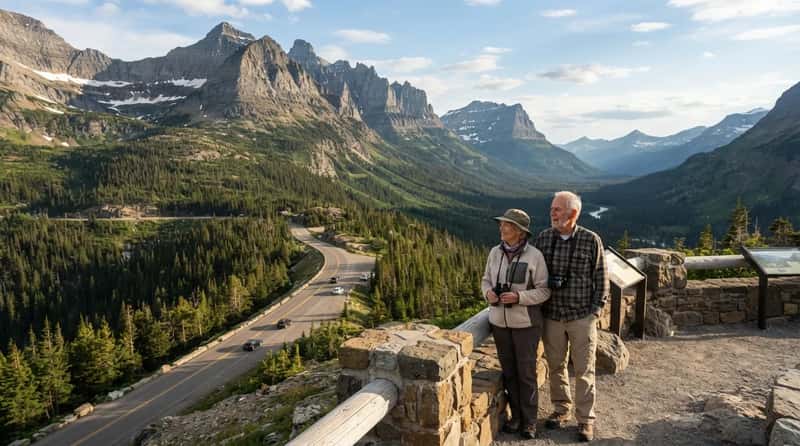
This is the great bucket-list drive through the crown jewels of the West, from the Grand Canyon north to Glacier, built around a comfortable senior pace. Drive-up viewpoints, the money-saving Senior Pass, and reliable gateway hotels make it far less demanding than it sounds.
The U.S. National Park System includes more than 400 sites, and plenty of them do more for accessibility than people expect – free all-terrain wheelchairs, accessible trails, and learning centers are more common than most first-time visitors realize.
The route’s real strength is flexibility. Spend three weeks running from Grand Canyon through Zion, Capitol Reef, Arches, Rocky Mountain National Park, and up to Glacier, or tighten it to two weeks by sticking to the Southwest corridor alone.
But that’s nothing compared to what we found about #2…
#2 – The Blue Ridge Parkway to Shenandoah Valley Full Run
At a Glance
- Blue Ridge Parkway: 469 miles, no commercial traffic, 45 mph cap.
- Skyline Drive: 105 miles, 35 mph speed limit, 75 scenic overlooks.
- Combined route: roughly 574 miles of connected mountain driving.
- Best window: late September through mid-November for peak color.
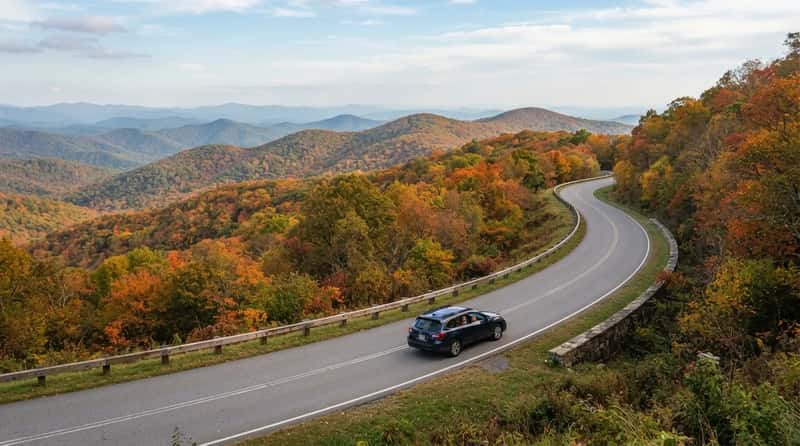
This isn’t a quick dip into the Smokies – it’s the full run, connecting the Great Smoky Mountains to Shenandoah National Park along all 469 miles of the Blue Ridge Parkway, with Skyline Drive tacked on at the northern end for good measure.
For retirees looking for a genuinely unhurried escape, this route delivers verdant forests, misty mountains, blooming meadows, and blue horizons that never seem to end.
Done right – a week or more, staying in the historic lodges inside the parks – this is the trip that earns the line “I could do this every year.” The autumn color window from late September through mid-November is when travelers over 60 flood the route, many for the second, third, or fourth time, with no billboards, no truck traffic, and no reason to rush.
But that’s nothing compared to what we found about the #1 spot…
#1 – The American West Grand Loop: The Ultimate Return Trip
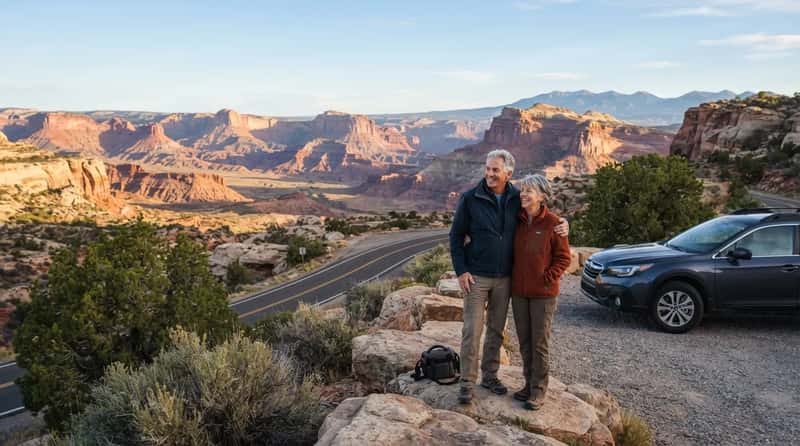
Retirement changes the math on a classic American road trip completely. Without a limited vacation window hanging over you, you can actually take your time through national parks, small towns, and scenic byways instead of racing the clock.
The reason this grand loop earns the top spot is simple: it’s the trip travelers over 60 most consistently say they’d repeat without a moment of hesitation. It typically runs down the Pacific Coast Highway from San Francisco, cuts east through Joshua Tree or Death Valley, sweeps north through Utah’s canyon country, loops through Rocky Mountain National Park, and returns west through Wyoming’s high country and Grand Teton.
Jackson Hole and Aspen in the fall are two showstopper stops along the way. Whether you’re chasing sunsets on Highway 1 or winding through a quiet mountain town nobody’s heard of, the real draw is the freedom to discover – or rediscover – the country entirely at your own pace.
Travel offers real mental, physical, and emotional benefits for older adults – sharper minds, lower stress, more genuine happiness. On this route, every one of those benefits shows up at once, which might be exactly why it’s the one people can’t stop talking about.
The Bottom Line
Road trips remain the top vacation pick for older travelers, and every route on this list explains exactly why. From the enforced stillness of the Natchez Trace to the sheer scale of the American West Grand Loop, one thread ties them all together: control – your pace, your stops, your own schedule.
Quick Compare
- Route 66: 2,448 miles – the longest, most nostalgic drive on the list.
- Pacific Coast Highway: roughly 600 miles – the most scenic coastal option.
- Blue Ridge Parkway + Skyline Drive: about 574 miles – the calmest mountain escape.
The trips travelers over 60 repeat most often aren’t the flashiest ones. They’re the ones that gave them room to breathe.
Whether that means a four-day run down the Florida Keys or a three-week loop through the entire American West, the starting point is the same. Pick the route that already feels familiar in your imagination – that pull is worth trusting.