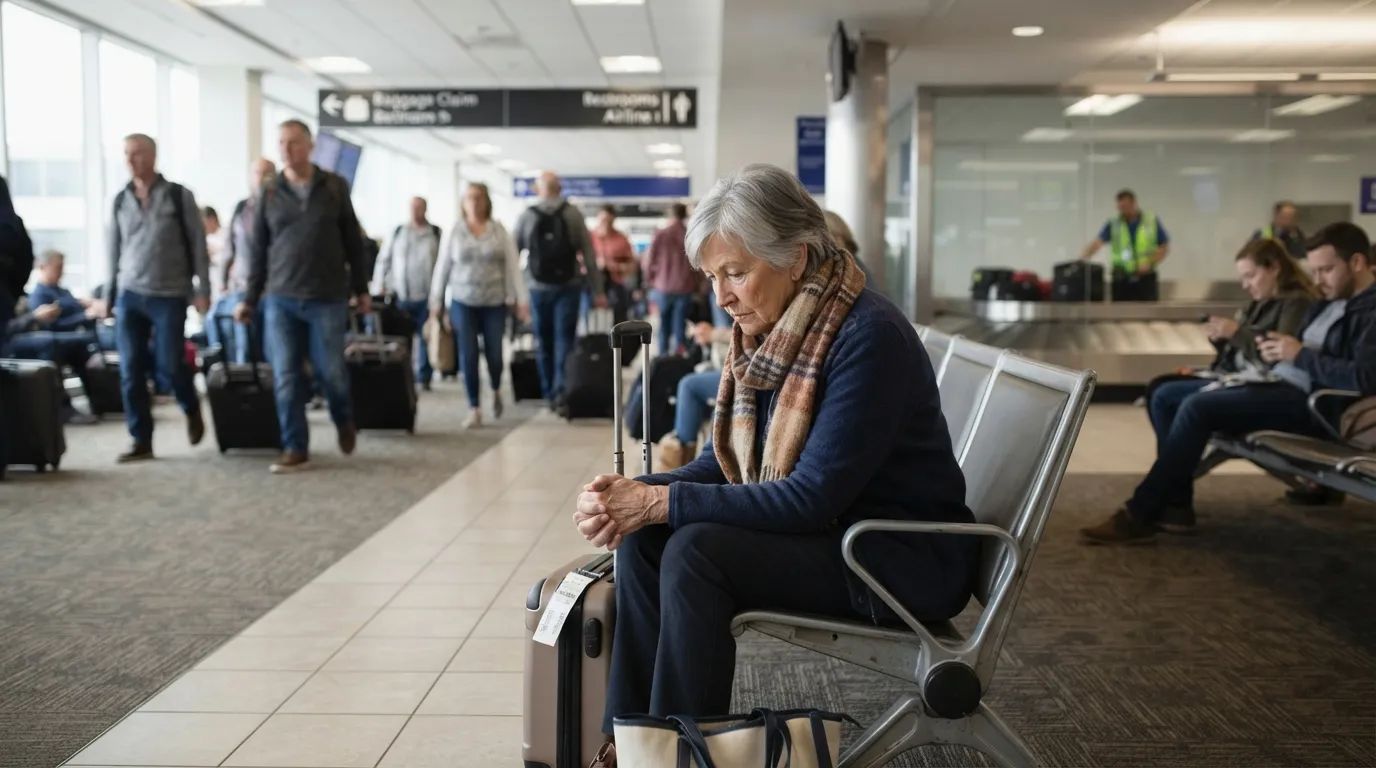
Most people assume the hard part of a flight ends when the wheels touch down. For travelers over 70, that’s often when the confusing part begins. The long walk, the customs hall, the camera at the booth and the questions about medicine all show up with almost no explanation.
Here’s the twist: a lot of help, and a few real rights, are already written into the rules. They just never make it into the gate announcement. Start with the one that could save you the longest walk of your trip.
#15 – The Free Ride to the Curb Nobody Announces
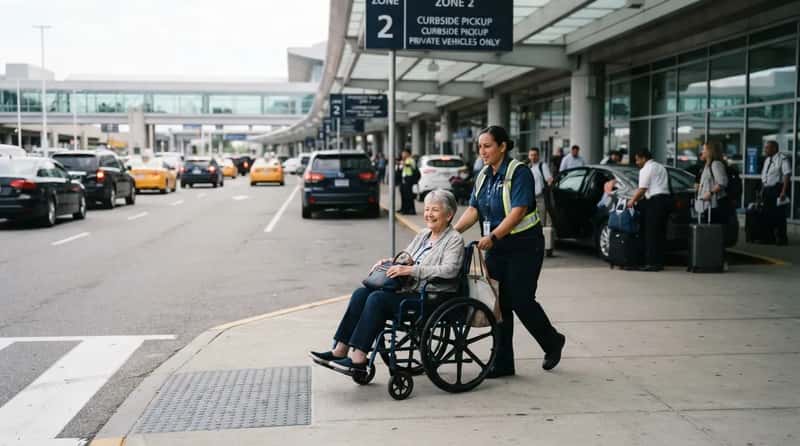
Walking off the plane doesn’t have to mean walking the entire terminal. Airline help can include getting you from the arriving flight all the way to the curb for pick-up. The Department of Transportation’s rules cover all flights of U.S. airlines, plus foreign airlines flying to or from the United States. Plenty of travelers never learn that last part.
This isn’t an upsell. Airlines can’t charge for accommodations the rule requires. The catch is in the wording: assistance comes “upon request.” If nobody asks, nobody shows up, which is why the next item matters.
#14 – The Help Menu Is Wider Than a Wheelchair
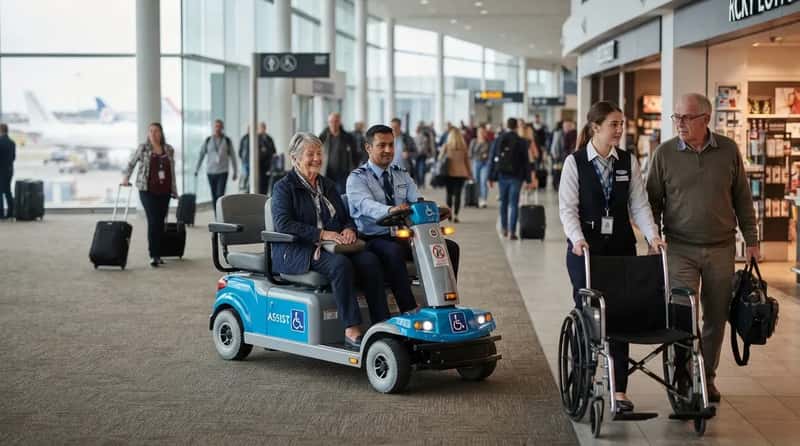
You may not need a wheelchair and still need help. The DOT lists a far longer menu than the single image most people picture.
At a Glance
- Ground wheelchairs for getting through the terminal
- Accessible motorized carts for longer distances
- Boarding wheelchairs for the walk down the aisle
- On-board wheelchairs, plus ramps or mechanical lifts, as needed
Plenty of families quietly argue about this one. Some seniors feel that asking for a cart is admitting defeat, and the pride is real. But the protections are built around passengers with disabilities, and what an airline offers depends on your situation. The simple move is to ask the airline what’s available when you book, because the gate agent is a bad place to find out. Connections are where that help really gets tested.
#13 – The Connection Trap Between Gates
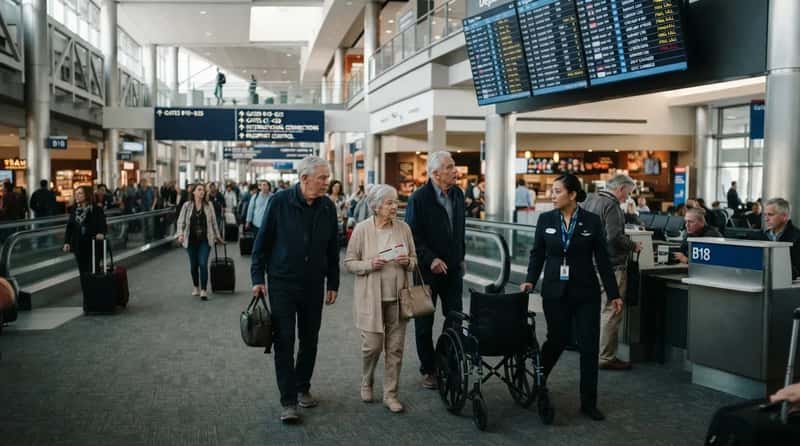
A short layover can feel like a sprint through an obstacle course. The rules include help getting between gates to make a connection. The DOT’s newer rule says that help must be prompt, including moving within the terminal.
Here’s the surprise for international trips. Travelers arriving from abroad generally clear customs at their first U.S. airport, even if they’re connecting onward. That means your “connection” includes passport control and a bag recheck. Ask the airline how its escort handles that step, because the waiting that follows is its own problem.
#12 – The 30-Minute Limit on Being Left Alone
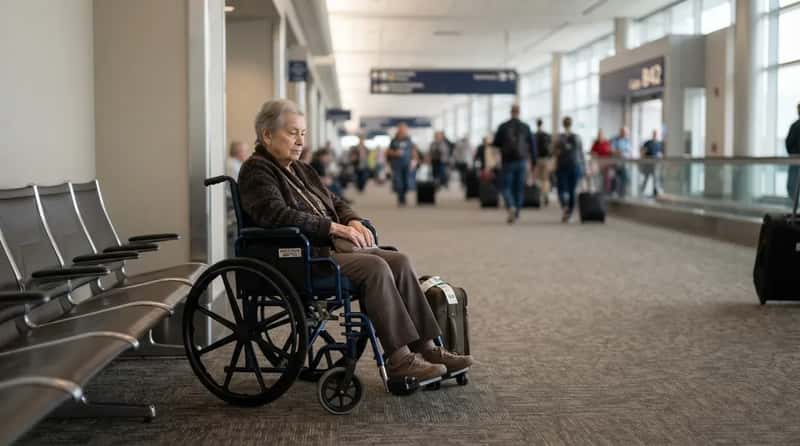
Being parked in a hallway and forgotten is a real fear for many travelers. The DOT puts an actual number on it. An airline can’t leave a passenger unattended for more than 30 minutes in a wheelchair or other device if that passenger isn’t independently mobile.
Most people don’t know that clock exists. It applies to people who can’t move on their own in that device, and it isn’t a promise of a perfect schedule. Still, it hands families a concrete fact to point to. If the wait stretches past it, you have solid grounds to speak up. And the word “prompt” now means something specific too.
#11 – “Prompt” Finally Has a Definition
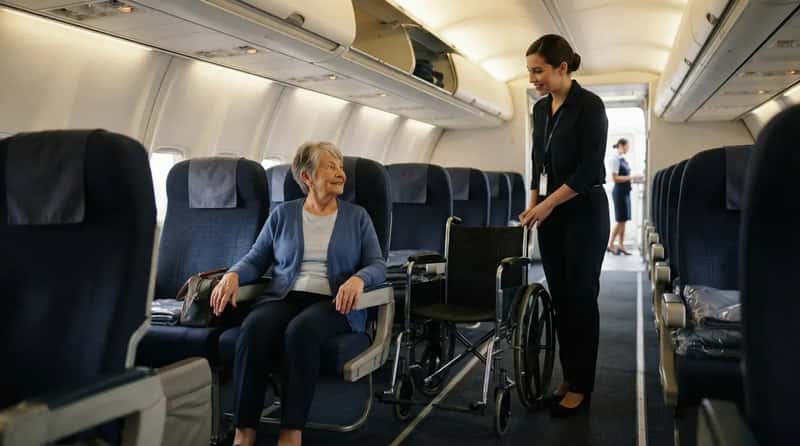
Sitting on the plane long after everyone else has left used to be an unwritten tradition. For a passenger who needs a boarding wheelchair, “prompt” now means staff and the chair are ready when the last passenger who didn’t request deplaning help leaves the aircraft. That rule was set to take effect on January 16, 2025.
That gives a flight attendant or gate agent a clear yardstick. Waiting a long time after the rest of the plane has emptied is no longer just “how it goes.” Rules and real life don’t always match, as #1 will show. First, there’s the wheelchair that travels separately from you.
#10 – Your Own Wheelchair Should Meet You at the Door
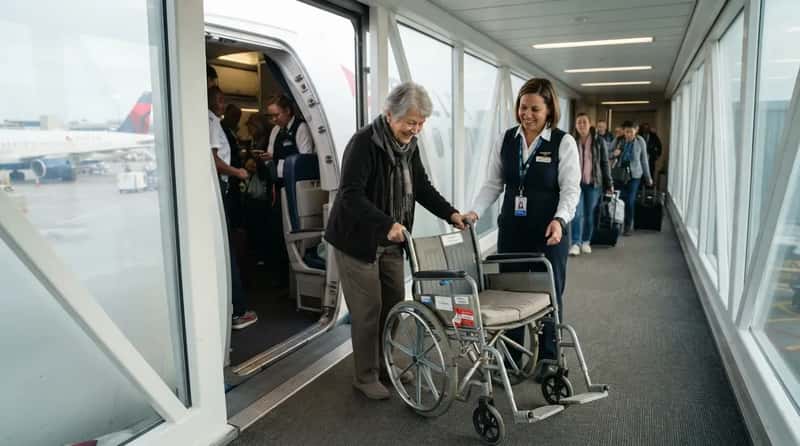
If you travel with your own chair or scooter, there’s a rule about where it should end up. The passenger’s personal wheelchair must be available as close as possible to the aircraft door, to the maximum extent possible, if requested. Those two little words, “if requested,” do a lot of work.
The DOT also tightened the standard for damage. Airlines must return checked wheelchairs and other assistive devices in the condition in which they were received. There are also stiffer requirements for repairing or replacing damaged chairs and for reuniting travelers with delayed ones. Ask for your chair at the door, because that’s the request many people forget in the shuffle. The next item has nothing to do with chairs at all.
#9 – The Free Customs Lane Most Seniors Never Heard Of
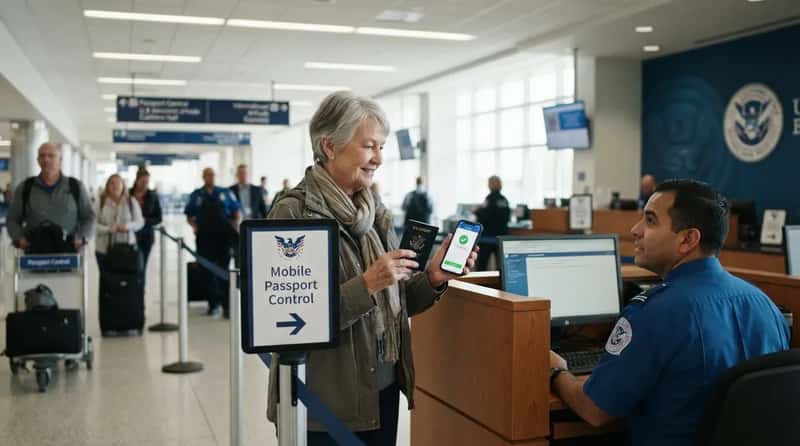
You don’t need an expensive membership to skip some of the customs line. Mobile Passport Control is a free CBP app. It’s open to U.S. citizens, lawful permanent residents, Canadian B1/B2 visitors and returning Visa Waiver travelers with an approved ESTA. Unlike Global Entry, it needs no application fee, background check, interview or pre-approval.
There are two limits. It doesn’t work at every airport, so check yours before you fly. It also doesn’t replace your passport, and U.S. citizens should still carry the physical one. For people who don’t fly abroad often enough to justify Global Entry, it’s a surprisingly good fit. And speaking of Global Entry, there’s a wrinkle worth knowing.
#8 – Global Entry Skips the Booth, but Check Your App First
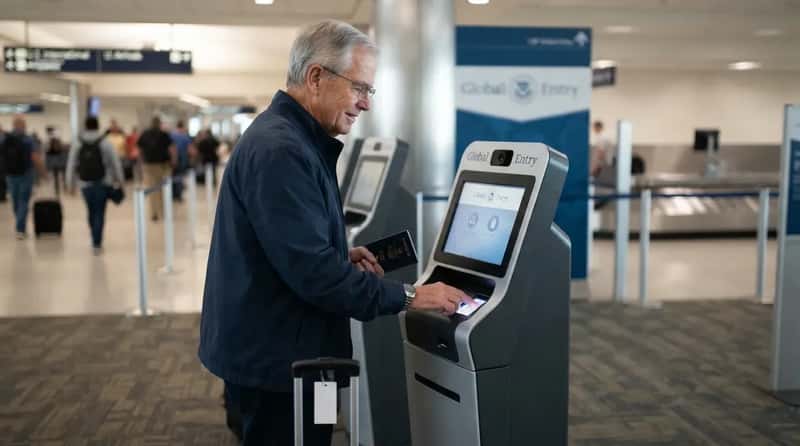
Global Entry members mostly bypass the officer’s booth. They use a kiosk and then head straight to baggage claim, and the membership also includes TSA PreCheck. After a long flight, that’s a real gift.
Here’s the part current members shouldn’t skip. CBP’s trusted traveler app has changed, and an outdated version can stop working. Before you fly, check the official CBP source for the current app and make sure you can sign in. A login glitch is a rotten thing to discover in the arrivals hall. Next up is the camera you’ve probably already walked past.
#7 – That Quick Photo at the Booth Isn’t a Souvenir Snap
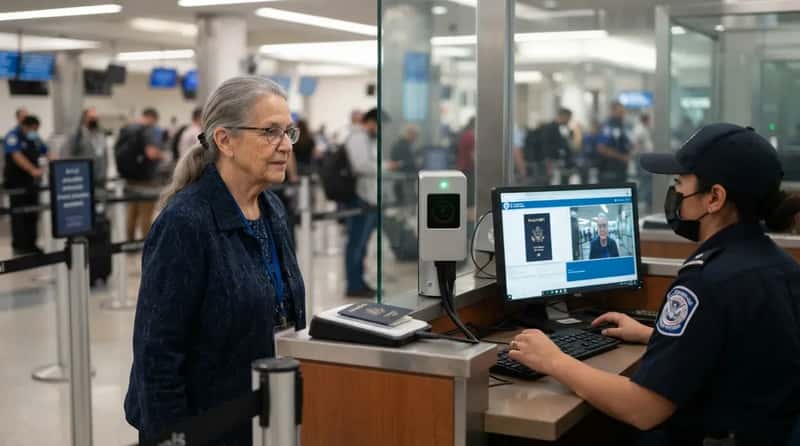
At many airports, the officer’s first move now involves a camera. Arriving international travelers pause for a photo at the primary inspection point.
Fast Facts
- The photo is compared with the passport or visa photo the government already has on file
- CBP says it takes a few seconds
- CBP says the match is more than 98% accurate
- Adult passports last ten years, so the photo on file may be a decade old
A new hairstyle, new glasses or simply years of living can cause a mismatch. That isn’t a red flag on its own. If the system can’t match you, you go through the traditional inspection instead. Now for the question families keep debating.
#6 – U.S. Citizens Can Say No to the Camera
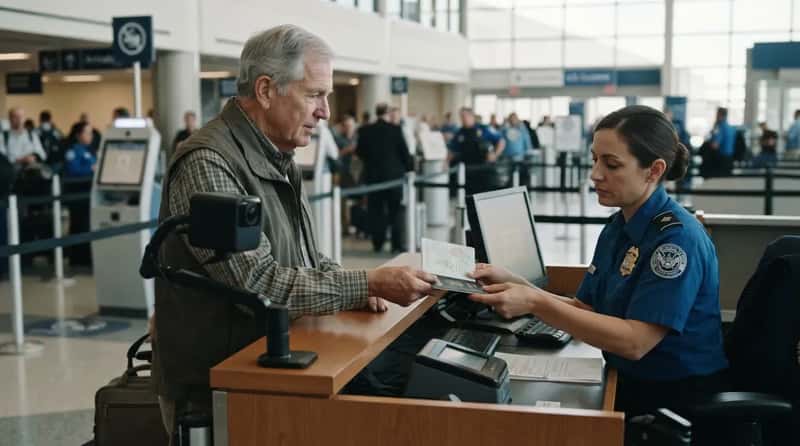
Many travelers have no idea the photo is optional for citizens. U.S. citizens who prefer to opt out can tell a CBP officer or airline representative. They then get a manual inspection of their passport. There’s no form to fill out, and no magic phrase is required.
The reality is messier than the brochures suggest. CBP has acknowledged that some U.S. citizens have alleged being sent to secondary inspection after declining biometrics. Whether opting out is worth the possible hassle is a genuine debate among travelers. So what actually happens to that photo afterward?
#5 – Where Your Photo Goes Depends on Your Passport
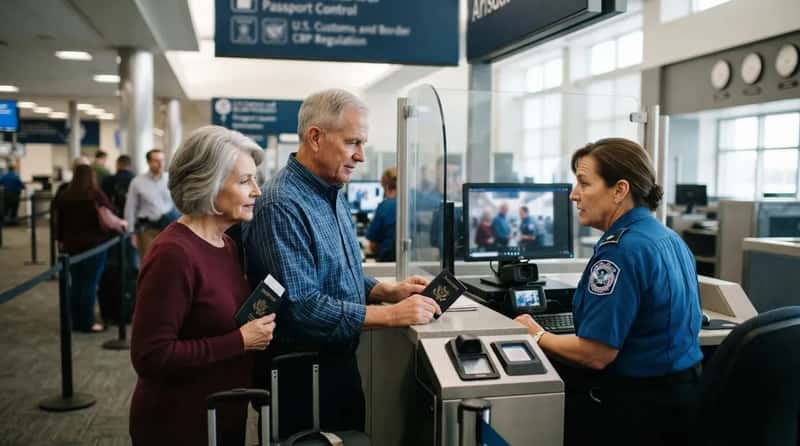
The same snapshot can have two very different afterlives. For U.S. citizens, it’s deleted quickly. For many foreign travelers, it’s stored in a government system for a very long time.
That matters if you’re a grandparent flying in from abroad, or traveling with a foreign-born spouse. A DHS final rule published in October 2025 authorizes CBP to require biometrics from all non-citizens leaving the country. DHS says U.S. citizens can still opt out. It’s worth knowing which category your travel companion falls into before you reach the booth. Now to the bag that gets questioned most often.
#4 – Your Pills Count as Something to Declare
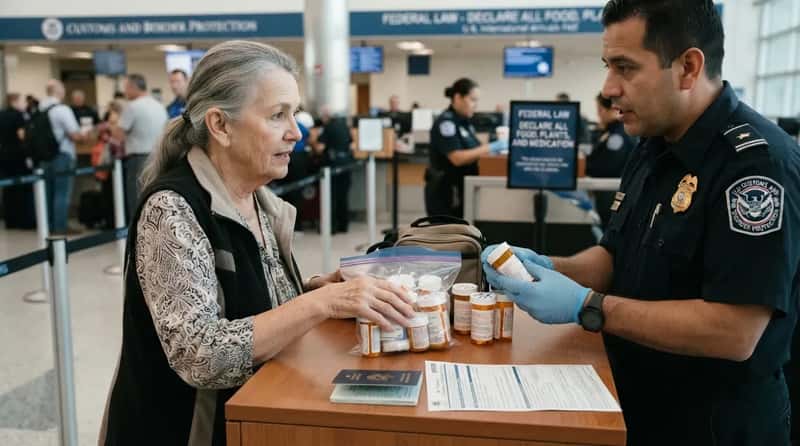
The customs form isn’t only about souvenirs and cash. Travelers must declare all medicine and similar products when entering the United States. That covers prescription and over-the-counter medications alike.
Here’s the part that catches people off guard. Say you picked up cheaper pills abroad. In most cases, it’s illegal for a U.S. citizen to obtain drugs outside the country and import them for personal use. CBP says to travel only with medication prescribed by a licensed physician or legally obtained in the United States. And how you pack those pills matters more than most people think.
#3 – The Pill Organizer Problem
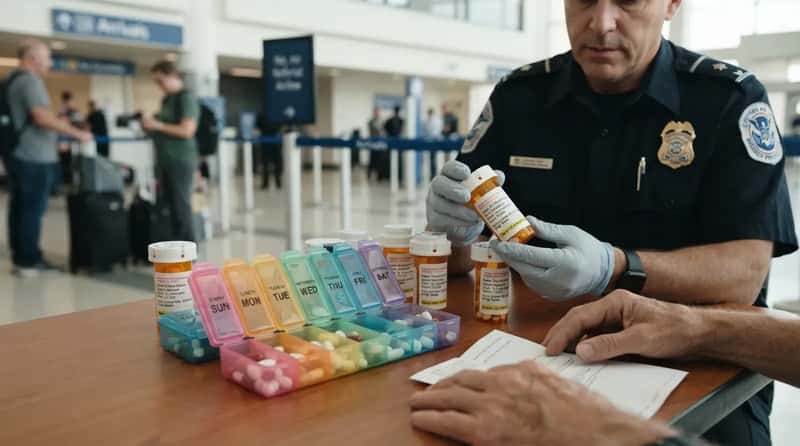
The weekly pill organizer is a senior travel staple. It can also be the very thing an officer asks about. CBP advises keeping prescription medications in their original containers, with the doctor’s prescription printed on the label. One university travel guide also advises against combining multiple medications into one container.
If you can’t keep the originals, there’s a fallback. Carry a copy of the prescription or a letter from your doctor. CBP’s rule of thumb is no more than a 90-day supply. Some medications come with extra rules on top of all that, as the next item shows.
#2 – Controlled Medications Have Their Own Rulebook
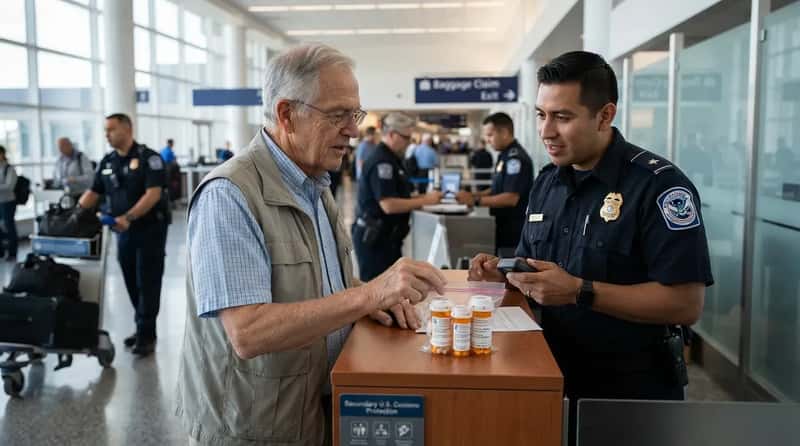
Some prescriptions face a second layer of rules. If a drug is also a controlled substance, the DEA’s rules apply on top of the FDA’s. The DEA enforces regulations for controlled substances in Schedules II through V. Most travelers never hear about this until they’re standing at the counter.
Quick Compare
- Everyday prescription: keep it in the original labeled container and declare it. A 90-day supply is CBP’s rule of thumb.
- Controlled substance: it must be in the original container dispensed to you and declared to a customs officer. DEA rules apply on top of FDA rules.
The details matter. Some medicines that are routine prescriptions in another country can be banned from entry here altogether. Checking with your doctor and the agencies before you fly is the safest move. The last item explains why all these rules were written down in the first place.
#1 – The $50 Million Reason Assistance Rules Are Spelled Out
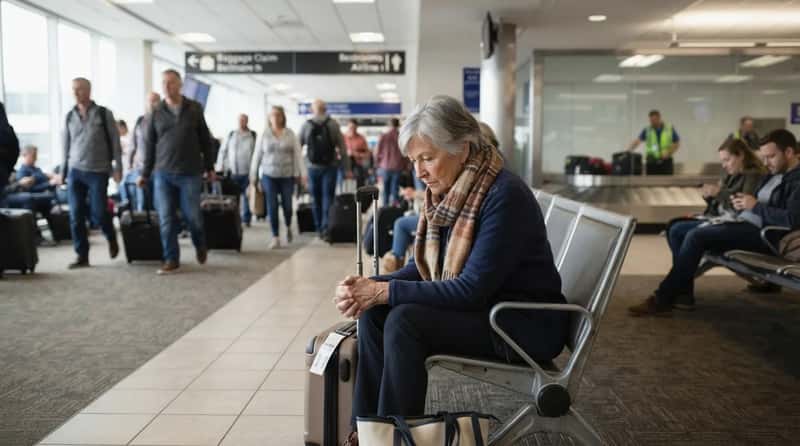
The strongest argument for these rules is what happens without them. In October 2024, the DOT ordered American Airlines to pay $50,000,000 in civil penalties. It found the airline failed in numerous cases to provide adequate wheelchair assistance from 2019 to 2023, which in some cases resulted in injury.
That was one airline, not the whole industry. The same order says passengers reported thousands of wheelchairs and scooters mishandled between 2019 and 2023. The rules exist because they were broken, and broken often. The airport isn’t going to read them aloud to you, so knowing them yourself is what makes them work.
Arrival is the stretch of a trip with the fewest explanations. Help to the curb, the 30-minute limit, the optional camera and the medicine rules all exist, and none of them come with an announcement. The next time someone you love lands after a long flight, the most useful thing you can give them might be a single sentence: ask before you need it.