
Most people scroll past 1970s decor photos and think “outdated” or “tacky.” But design historians who actually study this era keep saying the opposite: these houses were built for connection in a way modern open-concept boxes often aren’t. Every choice, from the flooring to the furniture, nudged people to sit down, stay a while, and actually talk to each other.
What’s stranger is that several of these “dated” features are quietly creeping back into 2025 and 2026 renovation projects, and not for irony. Here’s what made these houses feel warm the second you walked through the door.
#15 – Wood Paneling Turned Ordinary Rooms Into Dens
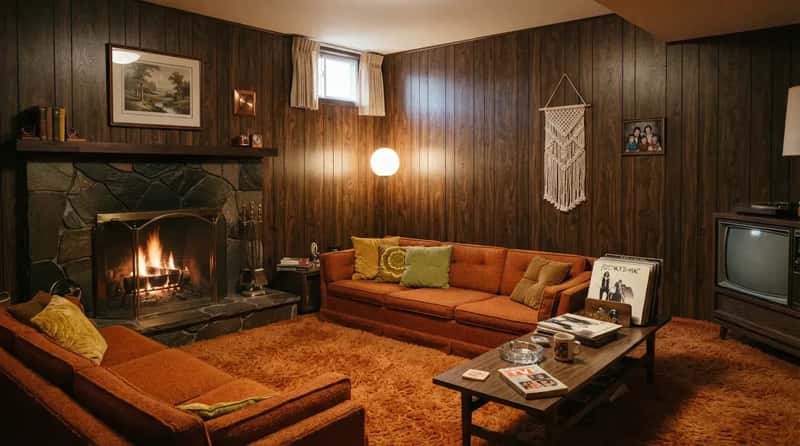
Dark wood paneling wasn’t a design afterthought in the 1970s – it was often the entire point of a room. Homeowners frequently covered full walls in these panels, creating an instant cocoon effect that no paint color could match. It gave basements, dens, and living rooms a moody, cabin-like warmth that felt lived-in from day one.
The look wasn’t subtle, and it wasn’t meant to be. Paired with the era’s bright furniture and shag rugs, the paneling grounded loud rooms and kept them from feeling chaotic. Even the family station wagon got the same treatment, which tells you how deep this trend ran into American life.
#14 – Shag Carpet Made the Whole House Feel Like a Hug
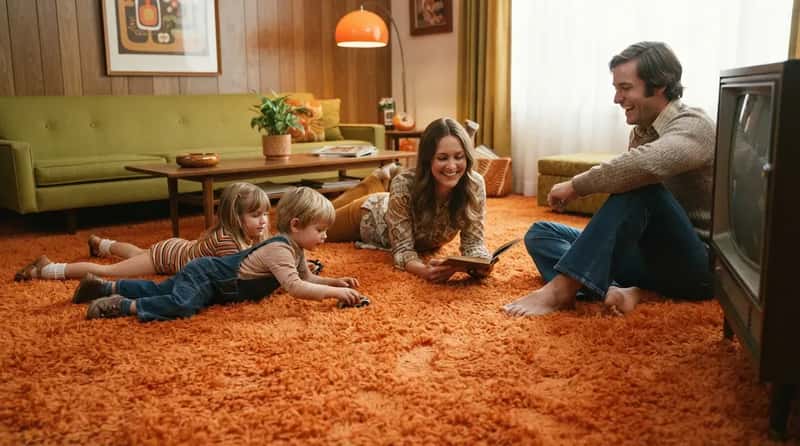
Shag carpet wasn’t just a floor covering – it was practically furniture you could lie down on. Thick, soft, and often shockingly bright, this pile carpet gave living spaces real warmth while doubling as a design statement.
Families gathered on the shag pile in front of the TV, using it as extra seating without a second thought. It absorbed noise, softened cold floors, and made rooms feel finished even before furniture arrived. Critics call it a maintenance nightmare now, and honestly, they’re not wrong – but nothing since has matched its sink-into-it comfort.
#13 – Avocado Green and Harvest Gold Kitchens Set the Whole Home’s Mood
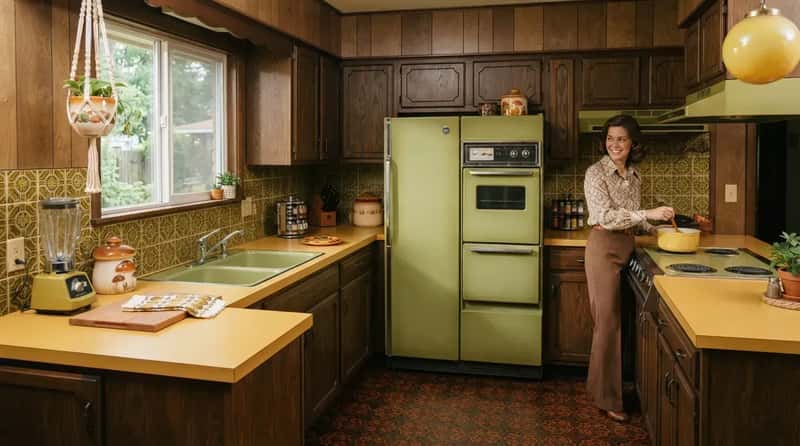
Kitchens in the 1970s weren’t neutral backdrops – they were bold color statements that greeted every visitor. Earth tones like avocado green and mustard yellow didn’t stop at the walls; these colors made it all the way to refrigerators, stoves, sinks, toilets, and bathtubs.
It sounds extreme today, but it created a strange kind of consistency – nothing in the house felt clinical or cold. Guests often remember these kitchens decades later, for better or worse. Many design writers admit the tile still haunts their memories, yet it’s exactly this fearless commitment to color that made the rooms feel so personal.
Fast Facts
- GE rolled out avocado green appliances in 1966, with harvest gold catching on about two years later.
- Kohler sold its own take on the shade, called “fresh green,” from 1971 to 1979.
- Harvest gold stayed fashionable well into the 1980s, turning up on everything from ranges to Tupperware.
- Designers are already reintroducing olive, teal, and chocolate-brown kitchen colors for 2025 and 2026 homes.
#12 – Built-In Home Bars Turned Living Rooms Into Instant Parties
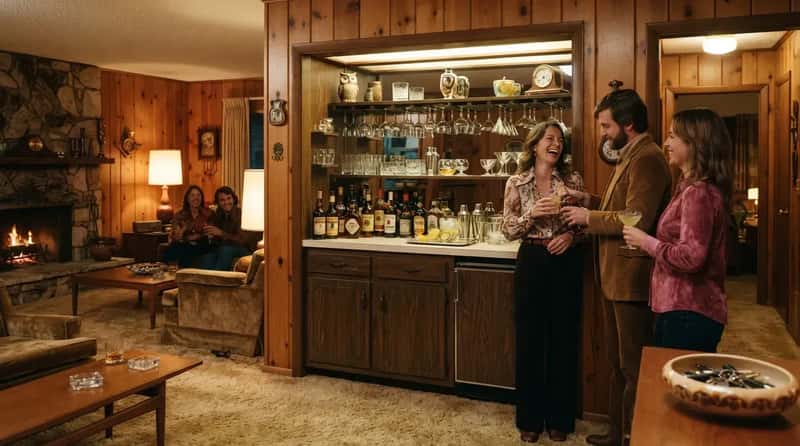
Nothing said “come on in” faster than a fully stocked bar built directly into the living room wall. This wasn’t reserved for wealthy homes – built-in bars became a defining feature of ordinary 1970s houses, often paired with the ritual of guests tossing their keys into a bowl at the door.
The bar signaled that the house was built for hosting, not just living in. It turned casual visits into occasions and made entertaining feel effortless rather than staged. Design writers today openly wonder why the trend ever disappeared, since a stocked bar in the lounge remains one of the simplest ways to make a room feel instantly social.
#11 – Macrame Wall Hangings Softened Every Corner
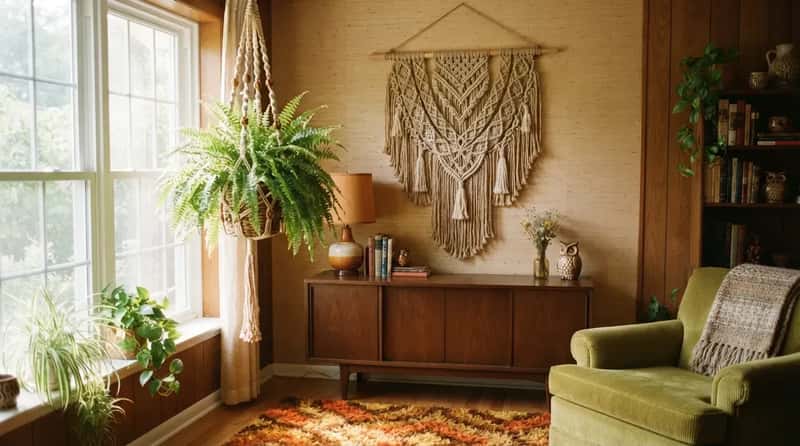
Macrame wasn’t just a craft project – it was everywhere, from wall hangings to plant holders swinging near sunlit windows. These knotted, handmade textiles were hugely popular throughout the decade, adding texture to rooms that might otherwise have felt bare or overly formal.
The look matched the era’s obsession with natural materials and homespun charm. It gave rooms a sense that someone had put real thought and time into the space, rather than just furnishing it from a catalog. Modern macrame is having a genuine resurgence today, proof this soft, tactile detail never really lost its appeal.
#10 – Popcorn Ceilings Quietly Muffled the Noise of a Full House
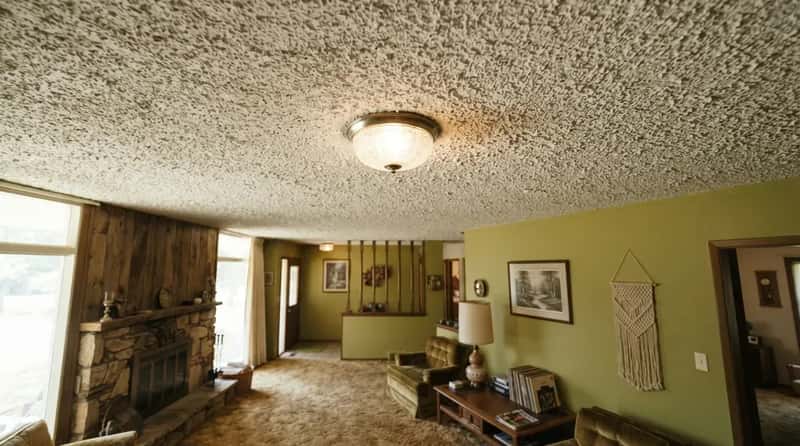
Look up in almost any 1970s home and you’d likely find a bumpy, textured ceiling – and it wasn’t just decorative. These popcorn or patterned finishes added visual depth while also helping absorb sound, which mattered a lot in houses full of kids, record players, and dinner parties.
The texture broke up what would otherwise be a flat, boring surface overhead, giving rooms an unexpected layer of character. It’s largely disappeared from new construction today, partly due to asbestos concerns in older versions and partly due to changing taste. Still, it remains one of the most instantly recognizable signals that you’ve stepped into a genuine 70s house.
#9 – Rattan, Wicker, and Hanging Chairs Brought the Outdoors In
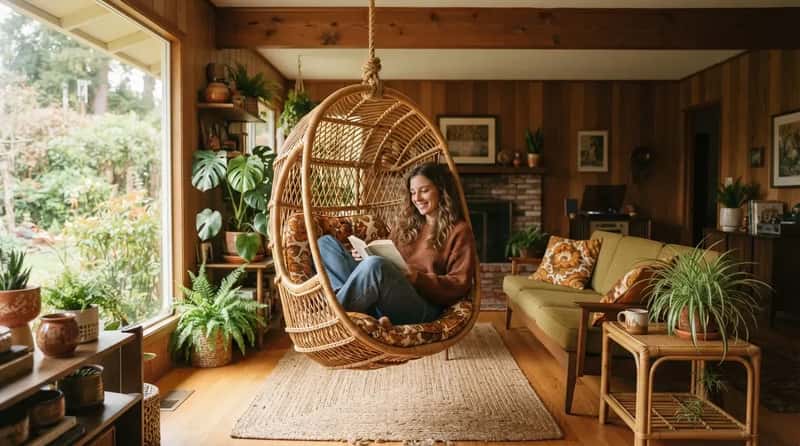
No 1970s living room felt complete without at least one rattan or wicker piece, and often a full hanging chair suspended from the ceiling. These hanging chairs were a staple of the mid-to-late-70s home, prized as much for their playful, childlike feel as for their comfort.
Natural materials like wicker, cane, and bamboo gave rooms an organic, grounded texture that plastic furniture simply couldn’t replicate. It fit the decade’s broader fascination with nature and simpler living. Interestingly, hanging chairs saw a genuine resurgence in popularity as recently as 2023, with homeowners rediscovering just how good they still look.
#8 – Plastic-Covered Furniture Protected the “Good” Living Room
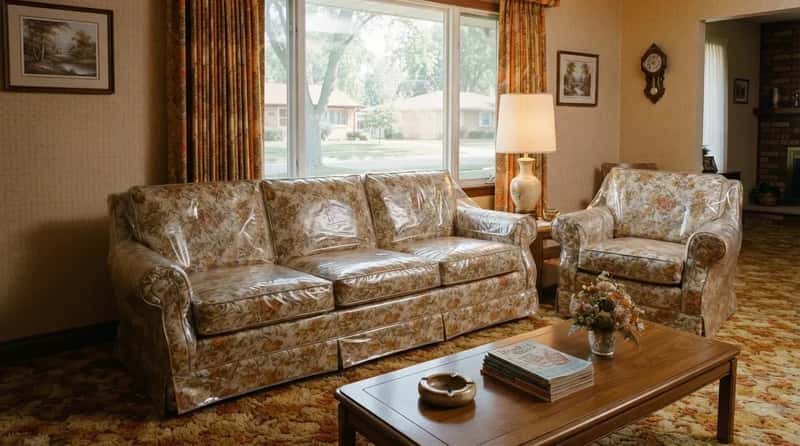
Walk into a lot of 1970s homes and you’d find a living room that looked pristine – because it was sealed in plastic. Plastic couch covers were a genuine household staple across the country, protecting furniture that families intended to keep looking new for decades.
This wasn’t about vanity; it reflected a mindset where furniture was a serious investment meant to outlast trends. The “good” room was often reserved for guests, while a separate casual space, sometimes with a bean bag chair or two, handled everyday family life. It’s a detail that feels almost foreign now, in an era of fast furniture and five-year sofas.
Worth Knowing
- Plastic slipcovers turned an ordinary sofa into a decades-long investment instead of a five-year replacement.
- The “good” room stayed spotless for guests while a second, casual room absorbed daily wear and tear.
- Bean bags and other relaxed seating usually lived in that second, plastic-free space, not the formal one.
#7 – Wallpaper Covered Every Room, and Every Room Got a Different Pattern
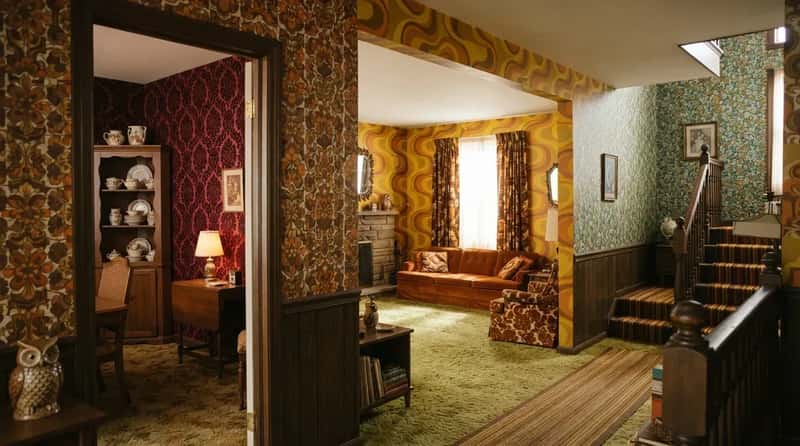
Wallpaper in the 1970s wasn’t a subtle accent-wall situation – it was a full commitment. Every room was often covered in patterned wallpaper, and every room had a different pattern, sometimes clashing directly with equally bold curtains and carpet.
Some of these combinations have not aged gracefully, and even design writers today admit certain patterns were genuinely rough to look at. But the sheer boldness meant no room in the house ever felt like an afterthought. Every space had its own personality, which is exactly what made walking through the whole home feel like an experience rather than a blur of beige.
#6 – Bean Bag Chairs Made Casual Seating a Household Norm
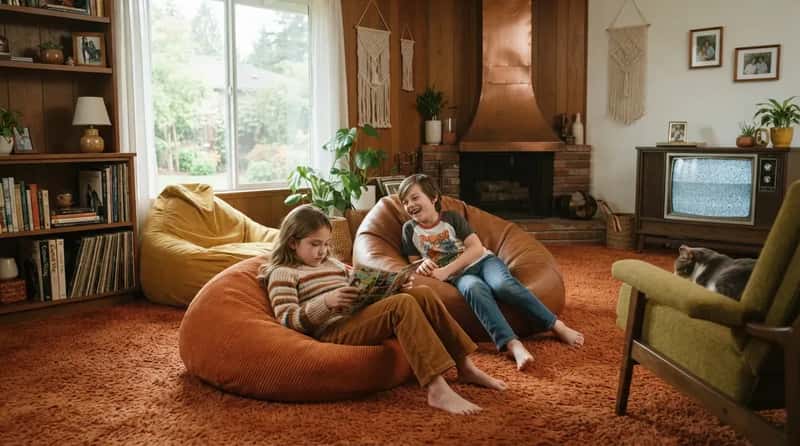
Formal seating had its place, but the 1970s also introduced a genuinely relaxed alternative that kids and adults both loved. Bean bag chairs in a variety of materials, colors, and shapes became a household fixture for everyday, low-pressure lounging.
They gave family rooms a flexible, come-as-you-are energy that stiff armchairs never could. A bean bag could be dragged in front of the TV, tossed into a corner for reading, or fought over by two kids at once. It signaled that comfort mattered as much as appearance, a small rebellion against the era’s more formal front rooms.
#5 – Bold Color Combinations Made Rooms Feel Alive
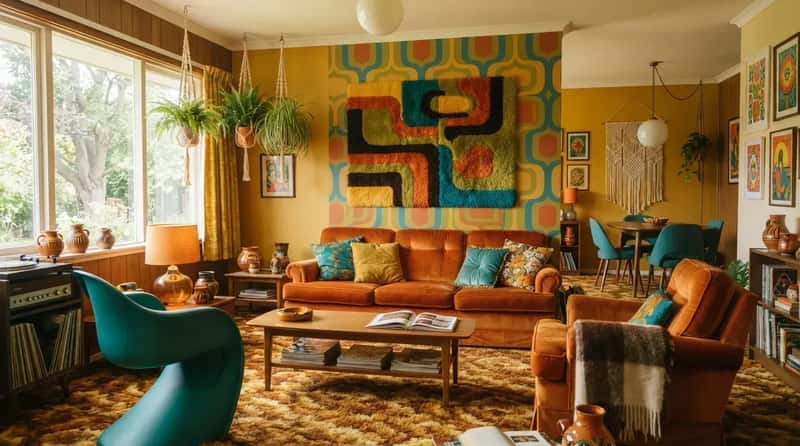
Subtlety was not a 1970s value, and nowhere was that clearer than in color choices. Bright, contrasting shades like mustard, teal, and orange were paired side by side on walls and furniture to create rooms that felt genuinely playful rather than safe.
This wasn’t random – it reflected a broader cultural shift toward personal expression and breaking from rigid, buttoned-up design rules. A room done in these tones felt like it had a personality of its own before a single guest walked in. Design writers today frame this as a direct rejection of the sterile, minimalist spaces that came both before and after the decade.
#4 – Family Rooms and Rumpus Rooms Gave Everyone a Casual Space to Gather
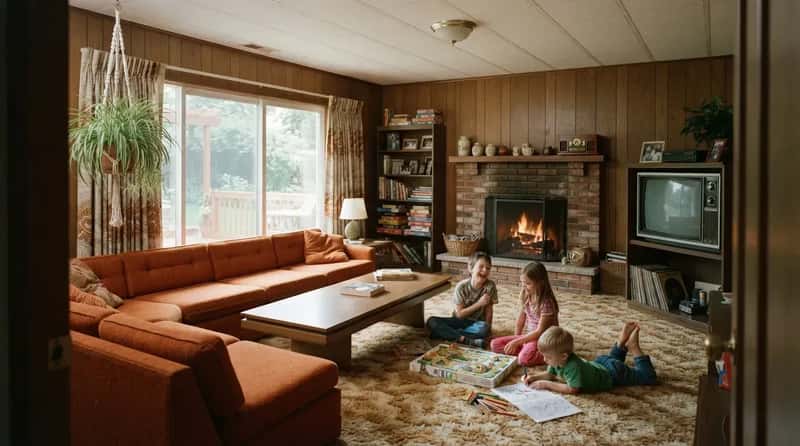
The 1970s home didn’t just have a living room – it often had a second, more relaxed space built for actual family life. Residential architecture in this decade featured split levels, better flow, and dedicated rumpus rooms alongside the more formal front rooms.
This extra space meant families didn’t have to keep the whole house guest-ready all the time. Kids could make noise, spread out games, or watch TV without disrupting the “good” living room up front. It’s arguably one of the more practical ideas the decade produced, and one that many newer homes have quietly brought back under different names like bonus rooms or flex spaces.
Quick Compare
- Formal living room: reserved for guests, plastic-covered furniture, always company-ready.
- Rumpus room: kids’ noise, board games, and TV welcome without a second thought.
- Today’s version: bonus rooms and flex spaces built for that exact same split.
#3 – A Statement Fireplace Anchored the Whole Room
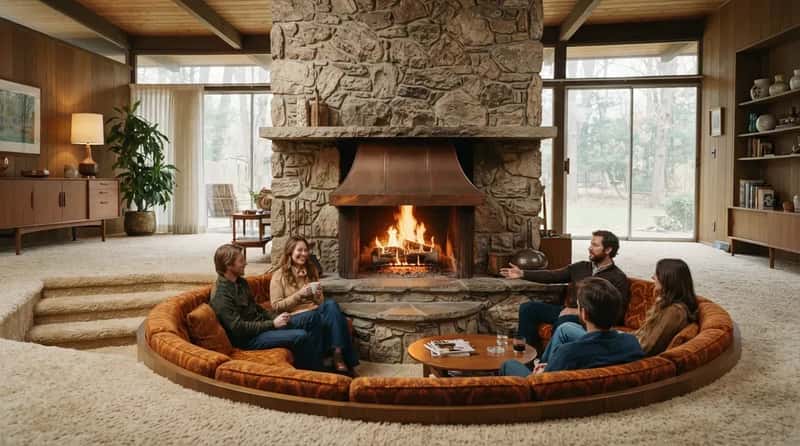
In many 1970s homes, the fireplace wasn’t tucked into a corner – it was the reason the furniture existed in the first place. Seating was frequently arranged in a full circle around it, sometimes built directly into a sunken area, with the fireplace acting as the literal centerpiece of the gathering space.
This wasn’t just aesthetic. A fireplace at the center of a room naturally pulled people inward and gave conversation a physical focal point. It’s a layout idea that modern architects have started reviving in luxury renovations, precisely because it forces a room to feel intentional rather than just functional. Few features did more to make a house feel like a home base.
#2 – Earth-Tone Color Palettes Grounded the Entire House
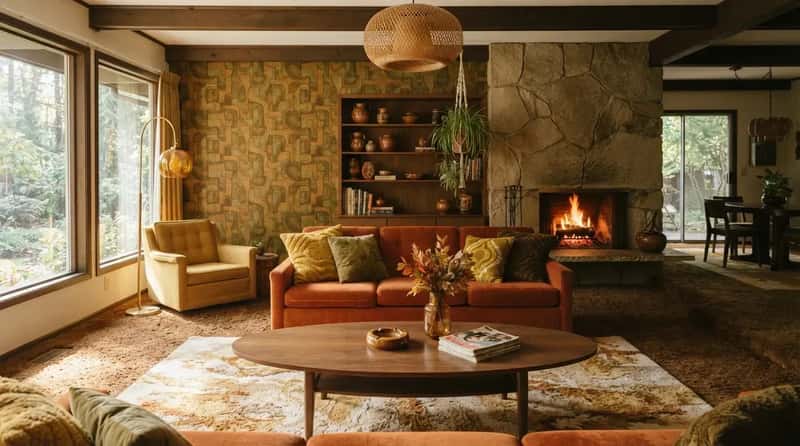
Before “warm minimalism” became a design buzzword, the 1970s had already figured it out. Homes were filled with warm, natural shades such as burnt orange, mustard yellow, olive green, deep brown, and soft beige, often layered together throughout every room.
Rather than crisp whites or cool grays, this palette leaned into colors pulled directly from nature, making interiors feel cocooning and connected rather than sterile. It wasn’t accidental – the shift was tied to a growing cultural awareness around environmental themes at the time. Today’s design world is circling back to almost this exact palette, proof that grounded, natural tones age better than most trends give them credit for.
#1 – The Conversation Pit Made “Come Sit With Us” a Physical Design Choice
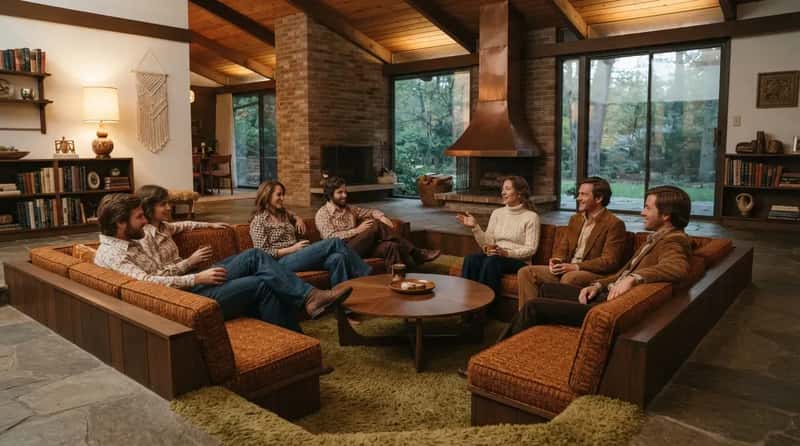
No feature captures 1970s hospitality better than the sunken living room, and by this decade it had become the ultimate status symbol for hosting. By the late 1970s, conversation pits were everywhere, from private homes to airports, restaurants, and offices, and the design was even marketed as attainable enough that magazines published how-to guides for building your own.
The idea was simple but powerful: lower the floor, wrap it in built-in seating, and force people physically closer together than any standard sofa arrangement allows. It photographed beautifully and made even a modest home feel like a design statement. The trend eventually declined as families found the sunken floor impractical and, frankly, a little dangerous to navigate after a few drinks – yet it’s making a genuine comeback right now, driven by a very modern craving: real, in-person connection in a world dominated by screens.
At a Glance
- The earliest known American conversation pit dates back to a 1927 Tulsa home designed by architect Bruce Goff.
- By the late 1970s, sunken lounges had spread far beyond houses, showing up in airports, restaurants, and offices.
- Tripping hazards and awkward falls near the edge were common complaints that helped push the design out of fashion.
- Architects have been building new versions over the past several years as homeowners crave cozier, more social layouts again.
Taken together, these features tell a clear story: 1970s homeowners cared less about resale value and more about how a room made people feel the moment they walked in. Bold color, built-in gathering spaces, and unapologetic texture weren’t mistakes – they were the whole point. It’s no accident that designers are quietly borrowing these ideas again in 2025 and 2026 renovations, from sunken lounges to earth-tone kitchens.
Which one of these fifteen features do you wish your own house still had? Drop it in the comments.