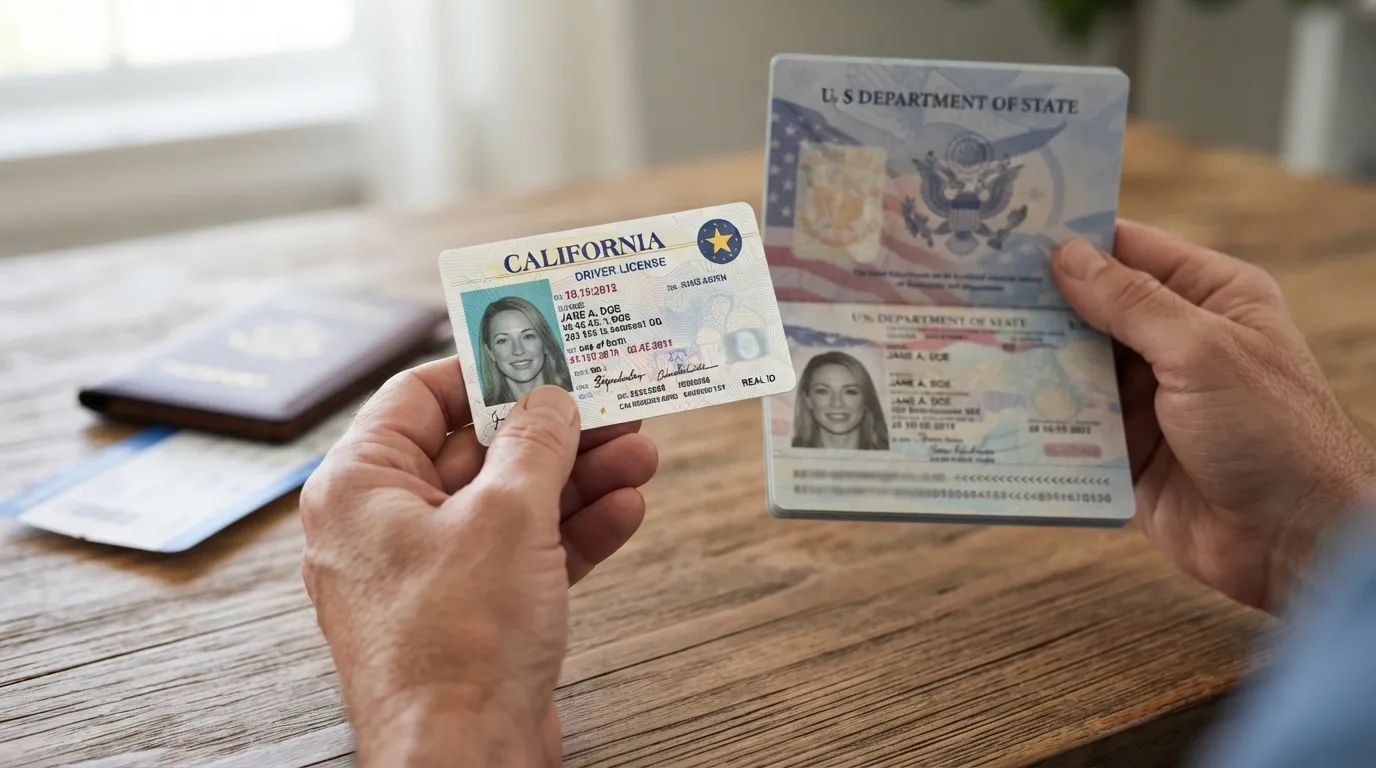
Most people think flight prep starts when they zip the suitcase. Frequent flyers know it starts days earlier, on the couch, in the kitchen and inside a few phone settings. The worst airport disasters rarely begin at the airport. They begin with something skipped at home: an ID, a battery, a typo or a bag that weighed three pounds too much.
The habits below are quiet and often take only minutes. Some are so small they feel silly, until you see what they save. One involves a $45 fee, one involves a charger most people carry without thinking, and the last one stops more trips than any storm.
#15 – They Photograph the Bag Before It Vanishes Down the Belt
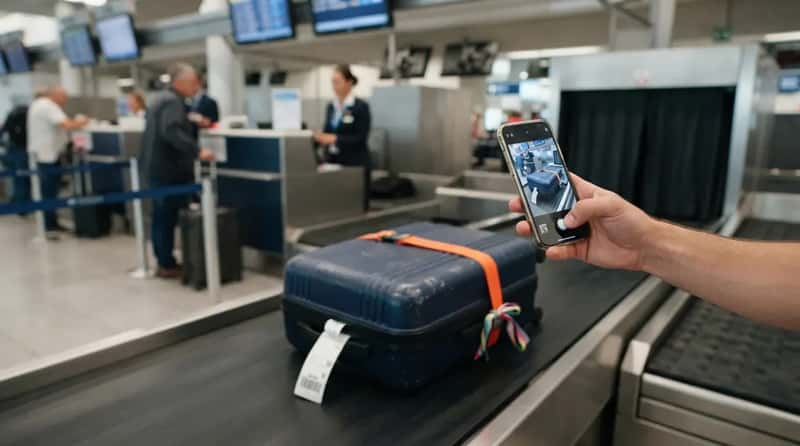
Seasoned flyers treat their suitcase like evidence. Before leaving, they snap a few photos of the closed bag and one of the contents laid flat. Lost-bag claim forms ask for a detailed description and a value, and most people can’t remember what they packed three days later.
At check-in, they photograph the bag tag and claim sticker too, which gives an agent something concrete to trace. A bright strap or ribbon helps, because it lets you spot your bag among dozens of identical black rollers. Photos also make a reimbursement claim much harder to brush off. But the next habit involves a number most travelers never check until it costs them.
#14 – They Weigh the Suitcase on a Bathroom Scale
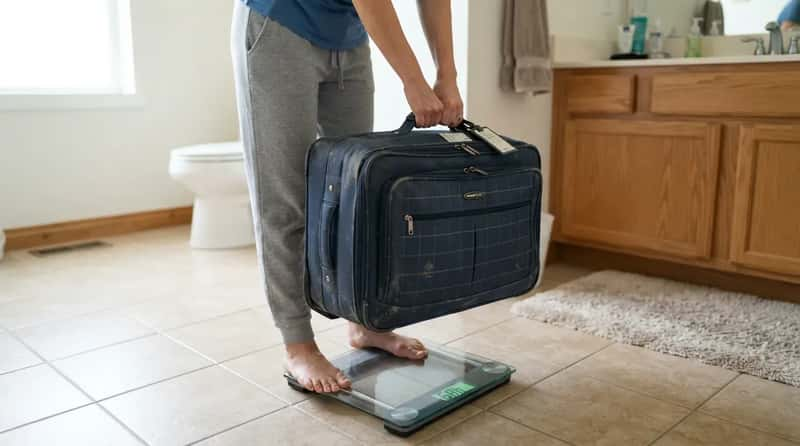
A suitcase that is a few pounds over can quietly cost a small fortune. Many U.S. airlines set the standard checked-bag limit at 50 pounds, and overweight fees can reach triple digits. Experienced flyers weigh the packed bag at home, not at the counter. Standing on the scale holding the bag, then without it, takes under a minute.
Fixing it at home is calm and free. Fixing it at the counter means repacking on the floor while a line forms behind you and strangers pretend not to stare. Pros also check the carry-on size and weight rules for their specific airline, because they vary. Some travelers swear that checking a bag at all is the real mistake, while others call carry-on-only a myth for longer trips.
But the next habit is about keeping eyes on that bag after it leaves your hands.
#13 – They Slip a Tracker Inside, and Share It With the Airline
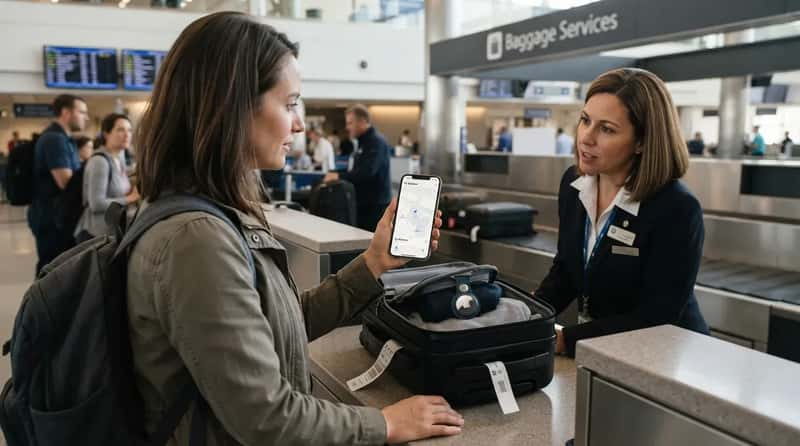
Airline tracking says “in transit.” A tracker says exactly where. Experienced flyers tuck a Bluetooth tracker into the bag and test it before leaving. Apple added a Share Item Location feature in late 2024 that lets you send a tracker’s location to an airline. Not every carrier uses it, so check before you rely on it.
Here’s the part most people miss. A tracker is only useful if you set it up at home, because pairing at the airport is a headache. Show the map to the baggage agent and you can often skip the “we’re still searching” stage. Some airline staff grumble about passengers pointing at phones, and others say it speeds things up.
But the bag isn’t the only thing flyers protect from bad signal. Next comes their phone…
#12 – They Download Everything Before the Wi-Fi Lies to Them
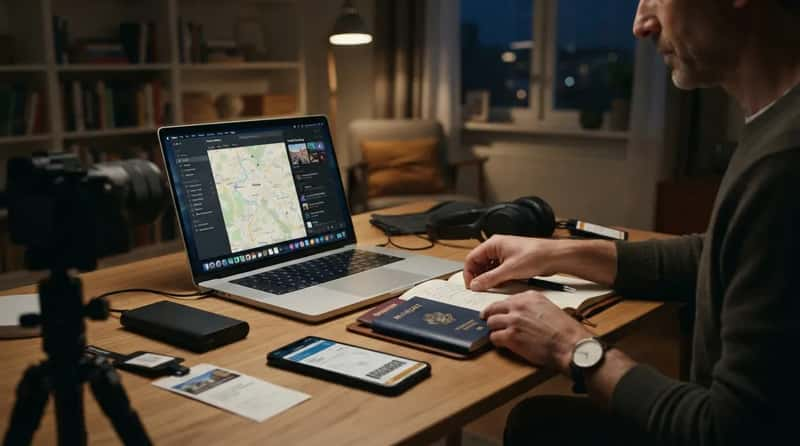
In-flight Wi-Fi is the most unreliable part of any trip. Frequent flyers never count on it. The night before, they download shows, playlists, podcasts, maps and any work files they might need. They also screenshot the boarding pass, confirmation number and hotel address so everything works with no signal.
This covers the hours before takeoff, too. Airport Wi-Fi gets jammed, and cell service can fade inside terminals. A saved copy of everything means a dead signal is an inconvenience, not a crisis. Plenty of veteran flyers say paying for in-flight internet is a waste of money when a downloaded library does the job.
- Download offline maps for your destination city.
- Save PDFs of confirmations, not just emails.
But the next trick involves a plane that isn’t even at your airport yet…
#11 – They Track the Plane Before They Track Their Flight

Your flight can be late before you leave the driveway. Experienced flyers look up where their aircraft is coming from. If that plane is still on the ground somewhere else, or running behind on an earlier leg, your departure will probably slip too. Flight tracking tools and many airline apps show this.
That early warning is worth real money and sanity. It tells you whether to relax at home or leave on time. It can also tell you to call about a rebooking before the gate line forms. Many flyers learn about delays from the gate agent, while pros learn hours earlier. Not every delay shows up this way, but a missing inbound plane is a strong signal.
Worth Knowing
- Search by flight number in a tracking tool or your airline app to find the incoming aircraft.
- Check the night before, then again before you leave for the airport.
- A late inbound plane still has to be unloaded, cleaned and reboarded, so the delay often carries over.
- Airlines can swap aircraft, so a clean-looking tracker is a good sign, not a guarantee.
But the next step makes sure you hear the news at all…
#10 – They Turn On Every Alert and Save the Phone Numbers

Gate changes happen fast, and announcements are easy to miss in a loud terminal. Frequent flyers install the airline app and turn on notifications for gate changes, delays and rebooking offers. They also save the airline’s customer service number in their phone. The goal is to act in the first five minutes of a disruption.
When a flight collapses, hundreds of passengers rush the same desk. The flyer who rebooks through the app often has a seat before the line moves. Many pros also add the airline’s help number to favorites before leaving home. Some travelers insist the app is clunky, and others say it saved a whole trip.
But what experienced flyers pack for a bag that doesn’t show up is next…
#9 – They Pack a “Bag Never Arrived” Kit in the Carry-On

Checked bags do get delayed, and flyers who’ve been through it never forget the feeling. Their carry-on holds a change of underwear, a basic outfit, chargers, medications and a toiletry kit. That one habit turns a lost bag into an annoying evening instead of a ruined trip. They treat the carry-on as the real suitcase and the checked bag as a bonus.
They also know the rules on refunds. Under the Department of Transportation’s rules, passengers are entitled to a refund of the checked-bag fee when the bag is significantly delayed. Keeping receipts for essentials is a smart extra step. Airlines may have separate policies on reimbursing those purchases, so check yours.
But the next prep begins several days before the flight…
#8 – They Shift Their Sleep Schedule Before the Trip

Jet lag doesn’t start in the air. Experienced long-haul flyers start nudging their bedtime a few days early, toward the destination’s time zone. It’s generally easier to adjust gradually than to absorb the whole change on arrival. Many travelers find flying east harder than flying west.
They also treat the day of departure as part of the plan. That means a real meal, a refillable water bottle and an early bedtime the night before. Showing up exhausted before a long flight is one of the most common ways to start a trip behind. Some flyers swear by sleep aids, while many doctors urge caution, so it’s worth asking a health professional about any medication.
At a Glance
- Start a few days before a long-haul trip, not the night before.
- Move bedtime about an hour per day toward the destination’s clock.
- Flying east means losing hours, which is why it tends to feel rougher.
- Daylight at the right time of day helps your body clock catch up once you land.
But the next step involves a document that can stop a trip before it begins…
#7 – They Check the Passport’s Expiration Date, Not Just the Photo
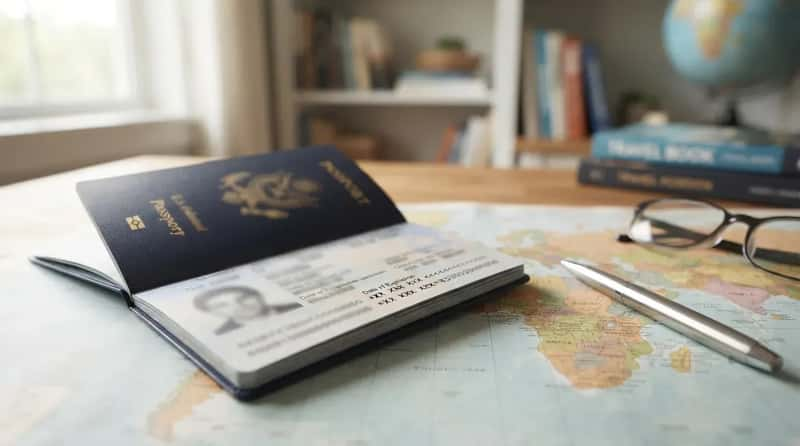
A passport that looks fine can still keep you off a plane. Many countries require it to be valid for a set period past your arrival, often six months. Experienced flyers look this up on the U.S. State Department’s country pages before booking. Airlines can refuse boarding if you don’t meet the entry requirement.
They check blank pages too, plus visa or electronic travel authorization rules for each destination. A passport that is “valid” can still be useless for your specific trip. Some countries need paperwork completed days in advance. Renewing a passport can take weeks, so pros check long before they need it.
But the next prep is about money, and what happens when the airline cancels…
#6 – They Learn Their Refund Rights Before They Need Them

Most people accept a travel voucher because nobody told them they could say no. Experienced flyers read up on the rules first. The Department of Transportation issued a final rule requiring airlines to provide automatic cash refunds when they’re owed. The rule says refunds must be automatic, prompt, in the original form of payment and in the full amount paid.
The details matter. Domestic flights generally must be delayed by at least three hours, and international flights by at least six, before refund requirements kick in for passengers who decline the alternative. Airlines can’t hand you a credit instead unless you choose it. Knowing this before the airline’s offer arrives changes the whole conversation.
But the next step happens before you even reach the airport line…
#5 – They Sign Up for Trusted Traveler Programs Months Early
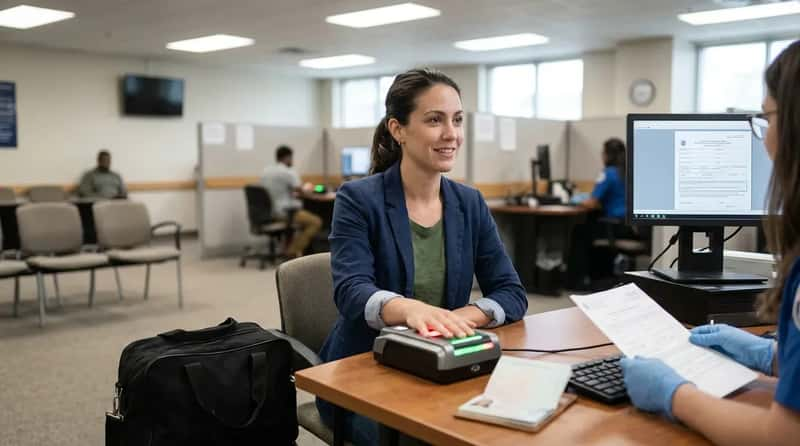
Enrollment isn’t instant, which is why savvy flyers don’t wait. TSA PreCheck and similar programs need an application, an in-person appointment and background vetting. Approval can take days or weeks. Experienced flyers apply long before a big trip, not the week of it.
Here’s where opinions split. Some flyers call PreCheck a waste if you fly only once or twice a year. Others say the shorter lines pay off on the first stressful holiday trip. Either way, signing up in the middle of a travel rush is too late. Once approved, they add the known traveler number to every reservation at home.
- Add the number to each airline profile.
- Check that the name matches your ID exactly.
Quick Compare
- TSA PreCheck: Faster domestic security lines, with membership that lasts five years.
- Global Entry: Includes PreCheck benefits, plus quicker U.S. customs when you return from abroad.
- Cost: Global Entry is $120 for five years, and it’s often the better value for anyone who flies internationally.
But the next prep involves a battery that can get you pulled out of line…
#4 – They Check the Power Bank’s Watt-Hours, Not Just the Brand
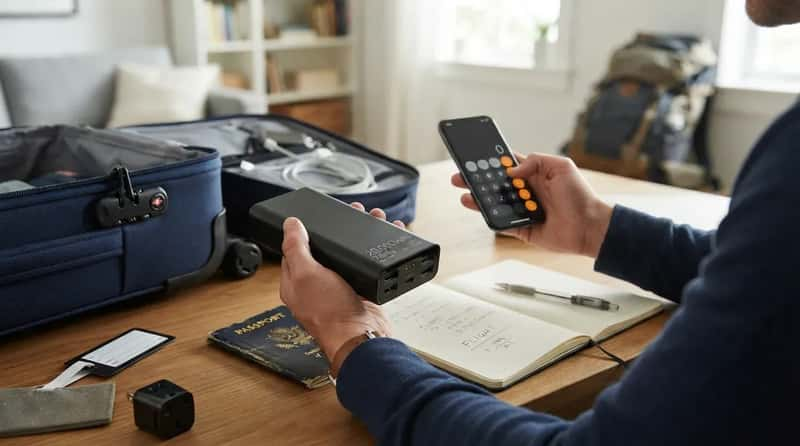
A phone charger can be a serious airport problem. Power banks and spare lithium batteries are prohibited in checked baggage and must be carried in your carry-on bag or on your person. A bank over 100 Wh but no more than 160 Wh needs airline approval, with no more than two spares per passenger.
Many banks list only milliamp-hours, so frequent flyers do the math at home. A 20,000mAh power bank at 3.7V equals approximately 74Wh. Airline rules are also tightening, and several carriers now limit how you can use or charge a power bank in flight. Some require it to stay visible rather than tucked inside a bag, so check your airline’s policy before you board.
But the next prep involves a tiny typo that can stop a boarding pass cold…
#3 – They Match the Ticket Name to the ID, Letter by Letter
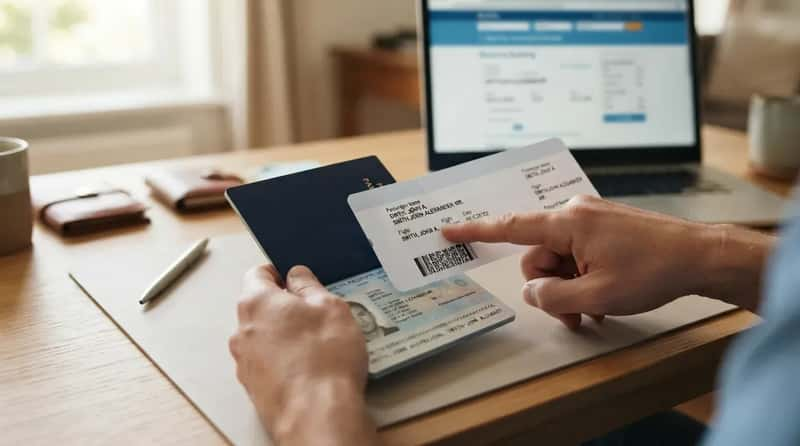
One misspelled letter can cause a counter standoff. Experienced flyers compare the name on the reservation with the name on their ID the moment they book. TSA’s Secure Flight program uses the name, date of birth and gender you give your airline. Mismatches can mean delays or a denied boarding pass.
Middle names, nicknames and hyphens cause the most trouble. Many travelers book under the name on their email, not the name on their passport. Fixing it is often easiest right after booking. Some airlines allow minor corrections for free, while others charge, so pros check the rules at home, not at the gate.
But the next prep concerns something you can’t replace at the airport…
#2 – They Sort the Medications Before Anything Else Goes In

You can buy a toothbrush at an airport shop, but not a prescription. Experienced flyers pack all medications in the carry-on, never the checked bag. Medically necessary liquids can exceed the usual 3.4-ounce limit, as long as you declare them to the officer. A delayed bag with your medication inside can turn into a health emergency.
They also carry extra doses for delays and keep medications in original containers where possible. Some bring a doctor’s note or a list of prescriptions for international trips. Rules about certain medications differ by country, so they check the destination’s regulations ahead of time. A short phone call to a pharmacist often sorts it out.
But the final prep can cost you $45 and, in the worst case, the flight itself…
#1 – They Check Their ID Before They Check the Weather
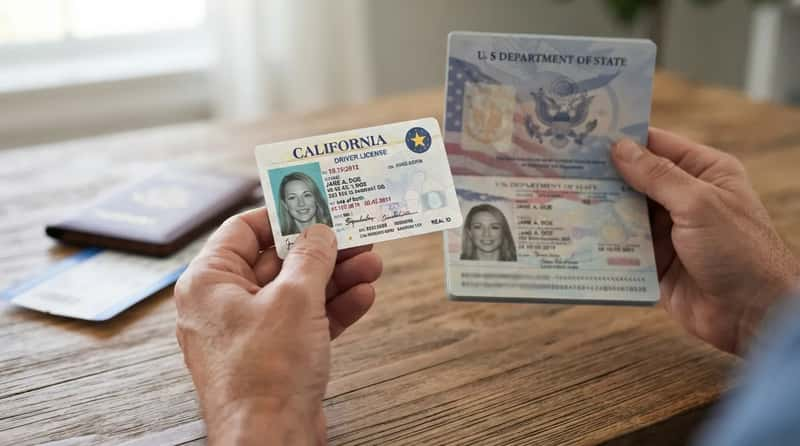
This is the one that ruins the most trips. TSA began enforcing the REAL ID requirement on May 7, 2025. Since February 1, 2026, TSA ConfirmID has been a paid identity verification option for travelers without an acceptable ID. The fee is $45 and non-refundable. Even a successful check isn’t guaranteed.
Experienced flyers look for the star on their license weeks ahead. If it’s missing, they plan to use a passport or another accepted ID. TSA notes that more than 9 in 10 passengers have either a REAL ID-compliant license or an acceptable alternative, but the rest learn the hard way at the checkpoint. Checking your wallet takes ten seconds. Missing the flight takes a lot longer.
Fast Facts
- A compliant license carries a star marking, usually near the top of the card.
- A U.S. passport or passport card works at the checkpoint instead.
- Trusted traveler cards such as Global Entry, military IDs and permanent resident cards are also accepted.
- Travelers under 18 don’t need ID for domestic flights.
Look back at the list and the pattern is hard to miss. Almost every airport headache starts with something small that could have been caught at home: a lost bag with no photo, a power bank over the limit, a name that doesn’t match, an ID without a star.
Experienced flyers aren’t luckier. They’re just earlier, and they’ve already had their bad day at the airport, so you don’t have to.