Step off a cruise ship for the first time and you’ll do one of two things: hand your credit card to the ship’s excursion desk, or wander the port with no plan and no cash. Both are expensive mistakes – and veteran cruisers over 60 know exactly how much each one costs. These seasoned travelers have quietly figured out a completely different way to do port days, one that saves hundreds of dollars per voyage, unlocks experiences the glossy brochures never mention, and leaves first-timers wondering why nobody told them any of this.
The gap between a first-timer’s port day and a veteran’s port day isn’t luck or budget. It’s a specific set of decisions made weeks before the ship ever leaves the dock – plus a few secrets learned the hard way. Some of what’s below will cut directly against what the cruise line tells you. All of it is worth knowing before you ever set foot on a gangway.
#15 – Booking the Last Excursion of the Day on Purpose
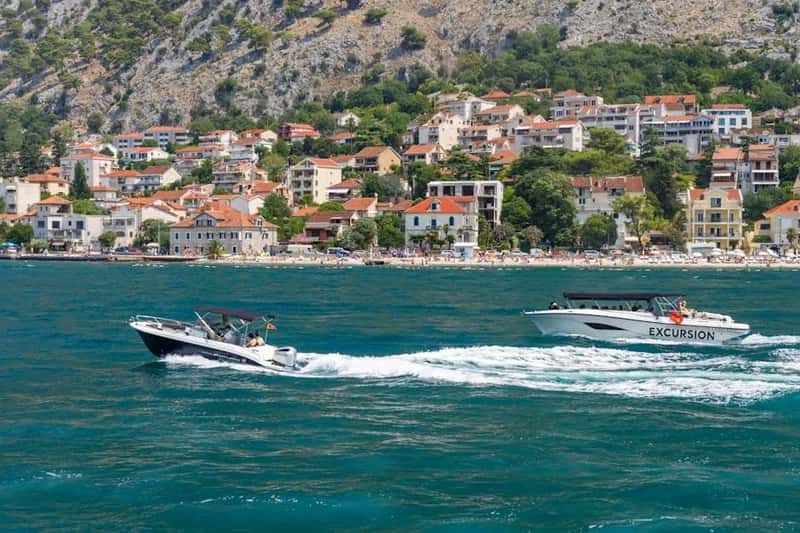
This sounds like exactly the wrong move. Most first-timers grab the earliest morning slot, assuming more hours in port means more value. But veteran cruisers have discovered that the last excursion of the day comes with something money usually can’t buy: a relaxed guide. Early tours run on a tight countdown – every stop is capped, every detour cut short. By the final tour of the afternoon, the pressure eases. Guides linger longer at sites, answer more questions, and are far more willing to make an unscheduled stop at something genuinely interesting.
That extra time might mean a deeper conversation about a cathedral’s history, a bonus stop at a viewpoint the morning groups never reached, or simply a guide who isn’t watching the clock every three minutes. The tradeoff is real – you must still be back aboard before departure – but the experience is consistently richer. Most people never think to book the late slot. That’s exactly why it works.
#14 – Reading the Physical Requirements Like They Actually Matter

The glossy excursion photo shows a smiling couple at a scenic overlook. It does not show the 200 uneven cobblestone steps that got them there in 90-degree humidity. This is the mistake that sends a surprising number of over-60 cruisers home with genuine regret – and sometimes real injuries. Too many people sign up for a “moderate walking tour” and discover that cruise lines define moderate very generously. The fine print buried beneath the photos lists fitness level, total walking distance, terrain type, and stair count. Veterans read every word of it.
When the description is vague, experienced cruisers go directly to the shore excursions desk and ask a specific question: “How many stairs, and are they steep?” It’s a thirty-second conversation that can save an entire port day. Choosing a tour that genuinely matches your physical comfort level isn’t a compromise – it’s what separates an afternoon you’ll remember fondly from one you spent sitting on a curb waiting for the group to come back down the hill.
Worth Knowing
- Cruise lines rate tours as “easy,” “moderate,” or “strenuous” – but those labels are self-reported and not standardized across lines
- “Moderate” can mean up to 2 miles of walking on uneven terrain depending on the operator
- Excursion descriptions list stair counts, terrain type, and minimum fitness level – usually in the last paragraph most people skip
- The shore excursions desk can pull specific step counts and gradient details for most tours before you book
- Heat index in Caribbean and Mediterranean ports regularly exceeds 95°F in summer – a real factor for any “walking” rating
#13 – Using Crew Members as a Free Destination Intelligence Source

The ship’s excursion desk exists to sell you something. The crew members who have docked in that port twenty times are under no such obligation. A quick conversation with a bartender, a housekeeper, or a dining room server the night before a port day consistently produces the best local finds – the beachside shack the tour buses never stop at, the market that opens at 7 a.m., the neighborhood café where a glass of local wine costs two dollars. Crew members from the Caribbean, Mediterranean, and Southeast Asia often have personal ties to the ports on your itinerary, and they tend to be remarkably generous with specifics if you simply ask.
This costs nothing and takes ten minutes. It frequently outperforms a $150 ship-organized tour in terms of actual experience. Some of those word-of-mouth tips will change your mind entirely about what you’d planned to do. Veterans make this conversation a ritual the evening before every port day. First-timers never think to have it.
#12 – Understanding When the Ship’s Markup Is Actually Worth Paying
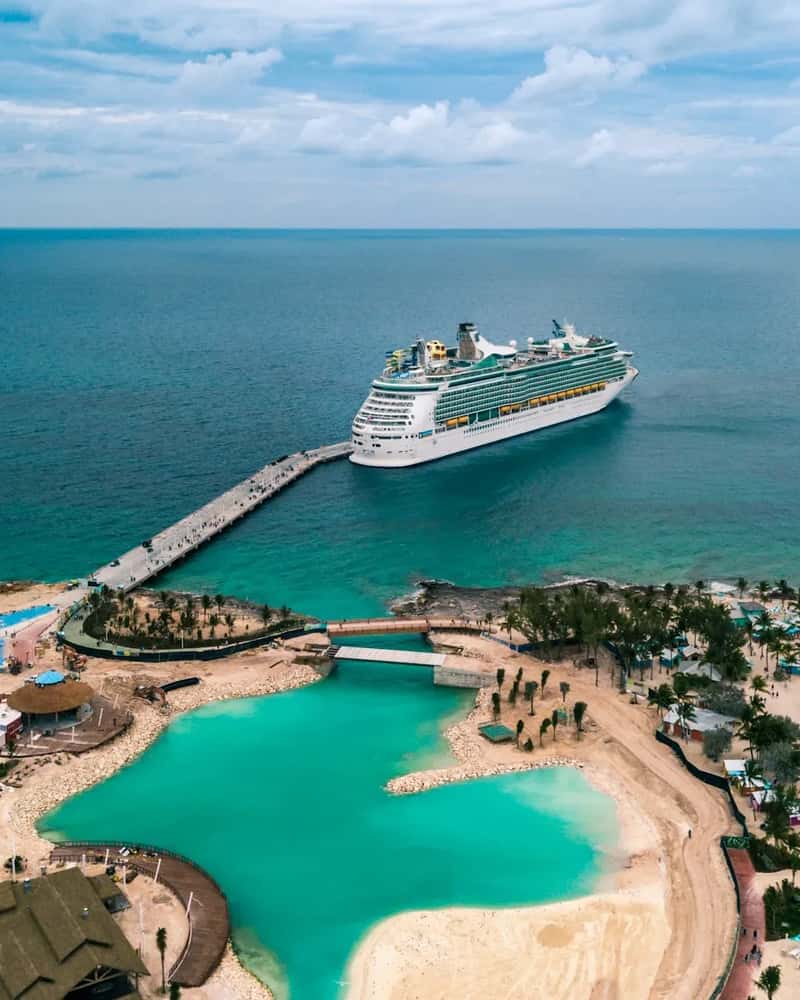
Veteran cruisers don’t blindly reject ship-organized tours – they make a calculated decision about when the premium is justified. The math is real: cruise lines act as middlemen, and independent operators typically run 10 to 40 percent cheaper for similar experiences. On a ten-day voyage with multiple ports, that gap adds up to serious money. But there’s a flip side that first-timers miss entirely. Ship-sponsored tours come with one protection that no discount can replicate: the ship will not leave without you.
The smart approach veterans use is straightforward. Book through the cruise line for logistically complicated ports, for destinations where you don’t speak the language and local transport is unpredictable, or for your very first cruise when you’re still learning how port days work. Go independent for easy, walkable stops where the infrastructure is reliable and you know exactly how long it takes to get back to the dock. Treating every port identically – all ship tours or no ship tours – is the rookie framework that burns money on one end and creates genuine risk on the other.
Quick Compare
- Ship-organized tour: Higher cost, ship waits if delayed, easier logistics, larger groups
- Independent small-group tour: Up to 30% cheaper, flexible pace, no ship-wait guarantee unless the operator provides one
- Private guide split among 4–6 people: Often matches or beats ship pricing, fully custom itinerary
- DIY / self-guided: Free to minimal cost, works best in walkable ports with reliable infrastructure
#11 – Building a Plan B for Every Single Port Before You Leave the Ship

Ask any veteran cruiser what happens to a perfectly planned port day and they’ll laugh. Tours sell out. Weather cancels the snorkeling trip. A tender backup puts the whole schedule ninety minutes behind. A private driver doesn’t show. First-timers almost never plan for any of this, and when it happens, they end up paying a premium for whatever is still available dockside – usually the worst option at the highest price.
Veterans treat a Plan B the same way they treat travel insurance: something they hope not to need and would never leave home without. It doesn’t have to be elaborate. It might be the name of the hop-on, hop-off bus stop nearest the pier, a restaurant reservation in the port town, or simply a mapped walking route to a local market. Unexpected delays happen – traffic, a misread map, falling in love with a spot and staying longer than planned. Leave wiggle room in your itinerary. Having a backup isn’t pessimism. It’s the difference between a great day and a genuinely frustrating one.
#10 – Choosing Small-Group Independent Tours Over Big-Bus Excursions

Here’s what nobody tells you when you’re scrolling through the ship’s excursion catalog: most of those tours load forty people onto a coach. You spend as much time waiting for the slowest members of the group as you do at the actual sites. Independent operators running small vans – typically six to ten passengers – visit the same locations for significantly less money, move at a pace the group actually sets, and give you direct access to a guide who can answer real questions instead of projecting their voice over a PA system to the back of a bus.
Sites like ToursByLocals.com list vetted local guides at rates that regularly undercut ship tours by 30 percent or more. Veterans over 60 especially value the slower pace, the flexibility to linger somewhere that genuinely moves them, and the absence of a countdown timer herding them back to the parking lot. The difference between a 40-person bus tour and a 6-person van tour to the same destination isn’t marginal. It’s a completely different kind of day.
At a Glance
- Standard ship bus tours: 30–50 passengers, fixed itinerary, PA-system guides
- Small-group independent vans: typically 6–10 people, flexible stops, direct guide access
- Independent local operators can save travelers roughly 30% vs. cruise line pricing
- Smaller groups move faster, linger longer, and skip the parking-lot countdown clock
#9 – Always Carrying Local Cash, Even on Fully Prepaid Tours

This is the face-palm moment that veterans remember vividly from their first cruise and never repeat. Because so many tours are prepaid, cash feels unnecessary – and a lot of first-timers leave the ship without any. Then the tour ends, they want to tip the guide, grab a local lunch, or take a taxi back to the pier, and they have nothing but a ship card that local vendors don’t accept. The single most repeated cautionary tale on cruise forums involves someone stranded at a port with no way to get back because their credit card was useless at the dock.
Veterans carry a modest amount of local currency – typically the equivalent of $50 to $100 – every single time they step ashore, kept in a separate pocket from their main wallet. It’s not about spending all of it. It’s about having options the moment a situation goes sideways. Some ports have ATMs near the pier; many do not. Your ship card works beautifully on board. In a foreign port town, it is not a plan.
#8 – Getting Off the Ship as Early as Possible

The early-bird advantage in cruise ports is enormous, and most first-timers sleep straight through it. Before 9 a.m. in a Mediterranean piazza or an Alaskan harbor town, the streets belong to almost nobody. The light is extraordinary, the lines at popular sites are nonexistent, and local restaurants are serving real breakfast to real locals instead of tour groups. Veterans who’ve discovered this secret guard it jealously – and then quietly mention it to anyone who asks why their port photos look so different from everyone else’s.
Getting off early also means avoiding the worst midday heat in Caribbean and Mediterranean ports, which for travelers over 60 is not a minor detail. And when you return to the ship earlier than the afternoon crowd, you get a quiet, uncrowded pool deck, shorter lines at lunch, and the rare pleasure of a ship that feels like it’s yours. None of this requires anything more complicated than setting an alarm. It’s the highest-return, lowest-effort move on this entire list.
#7 – Staying on Ship Time – Not Local Time
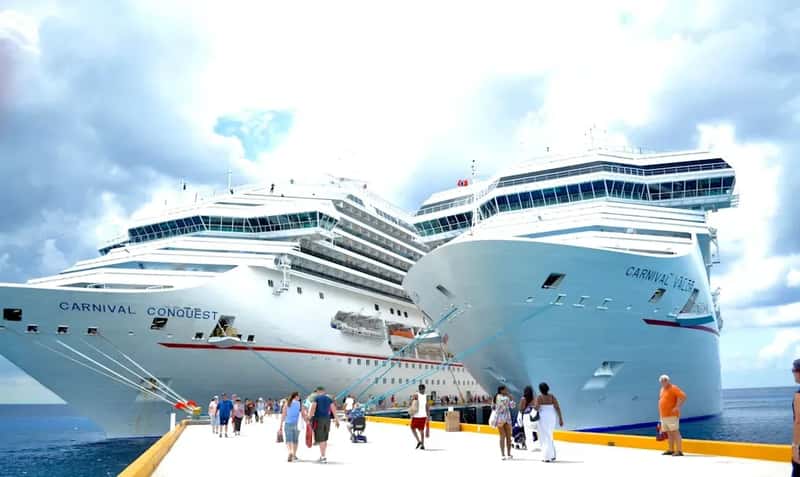
This is the one that has caused panicked sprints back to the dock, missed departures, and in some well-documented cases, passengers watching their ship pull away from the pier without them. Here’s the thing most people don’t think about: the moment you step off the ship in many ports, your phone automatically updates to local time. If the ship is operating on a different time zone – which it often is – you are suddenly running on the wrong clock without realizing it. A one-hour difference is all it takes.
The ship leaves on ship time. Period. It does not consult your phone. Veterans note the all-aboard time before leaving, write it down physically, and set a phone alarm – on ship time – for one hour before that deadline. This is not overcaution. It is the single habit that separates the people who make it back with time to spare from the people who become a cautionary story at dinner that night. First-timers assume their phone is the authority on time. In a foreign port, it absolutely is not.
Fast Facts
- Ships routinely stay on homeport time even when visiting ports in a different time zone
- Smartphones auto-update to local time the moment you get a cell signal ashore – silently and instantly
- “All aboard” time is typically 30–60 minutes before actual departure – missing it means missing the ship
- Passengers left behind are responsible for all costs to rejoin the ship at the next port
- Confusing ship time with local time is one of the most commonly cited reasons cruisers miss their ship
#6 – Splitting a Private Guide With Strangers to Cut the Cost in Half

Private tours sound expensive until you actually do the math with four people. A local guide charging $200 for a half-day tour divided among five cruisers costs $40 per person – the same as a crowded ship bus tour, but with a completely flexible itinerary, no strangers holding up the group, and a guide whose entire job is answering your questions instead of managing a crowd. Cruise Critic forums, Facebook groups for specific itineraries, and even on-board bulletin boards are full of travelers looking to split exactly this kind of cost. Veterans use these channels consistently and almost always find willing partners.
For older travelers especially, the flexibility this arrangement creates is transformative. Skip the steep staircase, linger at the site that actually moved you, change the route entirely if something better comes up. A private guide can adjust to the group’s needs in real time in a way that a 40-person bus tour physically cannot. Veteran cruisers over 60 call this the best value in port days. Most first-timers have never considered it.
#5 – Booking Must-Have Excursions 60 to 90 Days Before You Board
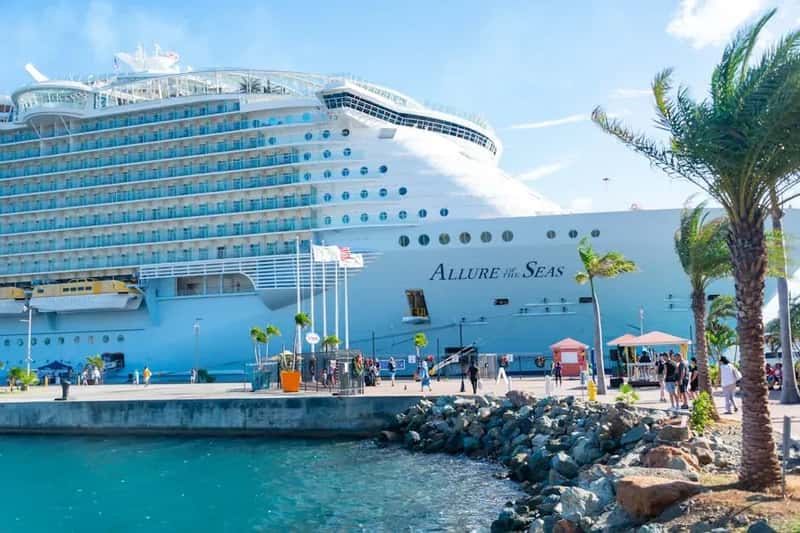
The single biggest rookie mistake – by a wide margin – is waiting until boarding day to book excursions. By the time you’ve unpacked your suitcase and found the excursion desk, the best tours are already full, the best time slots are gone, and the early-booking discounts have expired. The most popular experiences – Alaskan helicopter glacier tours, swim-with-stingrays trips in Grand Cayman, private cooking classes in Tuscany – can sell out four to six months before the sailing date. Veterans have already secured their spots while first-timers are still browsing the onboard magazine.
Booking 60 to 90 days out is the standard veteran window for most ports. For peak-season sailings and bucket-list experiences, push that to four to six months. Beyond securing availability, booking early forces you to think about your budget before you’re surrounded by the impulsive spending energy of a ship. Excursions are consistently the biggest per-day expense on a cruise after the fare itself. Veterans treat excursion planning the same way they treat airfare: the good stuff disappears fast, and waiting costs you in more ways than one.
Fast Facts
- Cruise line shore excursions typically run $50–$175 per person; Alaska tours regularly exceed $300
- A typical 5-port cruise can add $200–$800 per person in excursion costs alone
- Top-demand tours – glacier flights, swim-with-rays, small-group cooking classes – sell out 4–6 months before sailing
- Booking 60–90 days out locks in availability and, on some lines, an early-booking discount
- Excursion costs are consistently the largest variable expense on a cruise after the base fare
#4 – Deliberately Skipping the Excursion at Some Ports
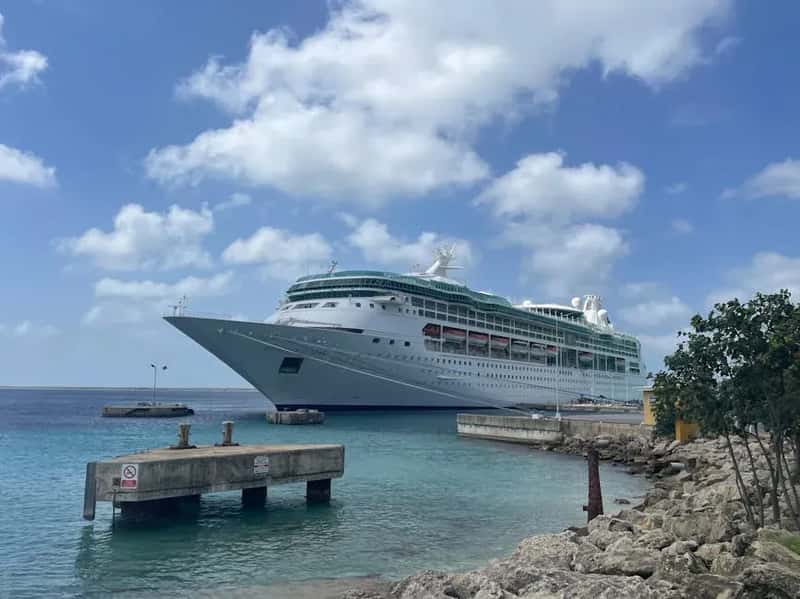
Veteran cruisers over 60 know something the excursion catalog will never tell you: you don’t need to book something at every stop. Cruise lines present a full menu at every single port, and it’s easy to feel like you’re wasting the day if you don’t sign up for something. But some of the most vivid, talked-about port experiences happen with no formal plan at all – wandering a street market, sitting at a harbor café for two hours, watching the fishing boats come in, discovering a church that wasn’t in any brochure.
A seven-day cruise with a packed excursion at every port can leave you more exhausted than when you left home. Veterans who’ve learned this the hard way now deliberately mix in one or two completely unstructured port days per voyage – and those are frequently the days they talk about most when they get home. For travelers over 60, an unplanned afternoon in a beautiful place isn’t a wasted port day. It’s often the best one.
#3 – Reading Shore Excursion Descriptions Like a Lawyer

Veterans don’t skim excursion descriptions. They read every word, then do one specific calculation: they add up the driving time versus the actual time at destinations. A tour described as “a full day exploring ancient ruins and coastal villages” might involve four hours on a bus for twenty minutes at each site. That ratio – buried in the itinerary breakdown – is the single most important number in any excursion description, and it’s the one most first-timers never look for until they’re already on the bus wondering why they’re still driving.
The most common post-cruise complaint about excursions is almost word-for-word the same everywhere: “We spent most of the day driving and barely got to see anything.” That disappointment is almost always preventable. If the description doesn’t spell out the ratio clearly, veterans ask the shore excursions manager directly before booking. Some tours involve strenuous treks in hot, humid climates or long days with substantial walking distances noted in small print. Cruise lines are generally transparent about physical demands – but only if you actually look. Veterans look every time.
#2 – Knowing the Exact Cancellation Window That Protects Your Money

Most first-timers assume that once they’ve booked an excursion, the money is locked in. That assumption has cost people real cash. On most major cruise lines, it isn’t true – but the protection only exists if you know the specific window and use it. Carnival typically allows free cancellation up to 24 hours before the ship arrives in port. Norwegian generally gives you until one day before sailing for a full refund. Most lines draw the line at 48 hours before the port day; after that, you’re looking at a 50 to 100 percent penalty depending on the line and the tour.
Veterans use this knowledge as active strategy. They book early to lock in a spot, then watch the weather forecast and any emerging travel advisories as the port date approaches. If a better independent option appears, or if the forecast turns ugly for an outdoor excursion, they cancel within the free window and rebook accordingly. Some first-timers don’t even know a free cancellation window exists. Knowing it cold – and using it deliberately – is one of the cleaner ways experienced cruisers protect their budget without giving up their best options.
Worth Knowing
- Most major lines offer free cancellation up to 48 hours before the port day – but the exact window varies by line
- Carnival: free cancellation typically up to 24 hours before port arrival
- Norwegian: full refund generally available until one day before sailing
- After the free window closes, penalties typically run 50%–100% of the excursion price
- Third-party platforms like Viator and GetYourGuide offer free cancellation on most listed tours
#1 – Using Third-Party Operators With a Ship-Wait Guarantee to Get the Best of Both Worlds

This is the move veterans make more consistently than almost any other, and it’s the one that demolishes the biggest argument for always booking through the ship. The perceived safety net of a cruise-line excursion – that the ship will wait for you – has long been the reason cautious travelers overpay. But several reputable third-party companies have built their own version of that guarantee. Shore Excursions Group offers a lowest-price promise and commits to getting you back to your ship on time or covering the cost of catching up to it at the next port. Viator and GetYourGuide both offer free cancellation on most bookings and full refunds when a tour doesn’t operate as described.
The most experienced cruisers over 60 don’t pick one approach and apply it rigidly to every port. They mix ship-sponsored excursions, third-party small-group tours, private guides, and purely unstructured days based on the specific destination, the logistics, and their own energy level that week. The ship-wait guarantee from a reputable third party is the single biggest barrier to going independent – and most first-timers have never heard that such a thing exists. Veterans have figured out that flexibility, price, and peace of mind don’t have to be a trade-off. You can have all three. You just have to know where to look.
The gap between a forgettable port day and one you’ll still be talking about in five years almost always comes down to decisions made before the ship ever docks – or the hard-won wisdom to skip the tour entirely and just walk. Veterans over 60 have made enough expensive mistakes and stumbled onto enough hidden gems to know that the cruise line’s glossy catalog is one option, rarely the best one, and never the full picture. None of these secrets require special access or a travel agent. They require attention, a little advance research, and the willingness to do things differently than the ship suggests. That willingness, more than anything else, is what separates the veterans from the first-timers.