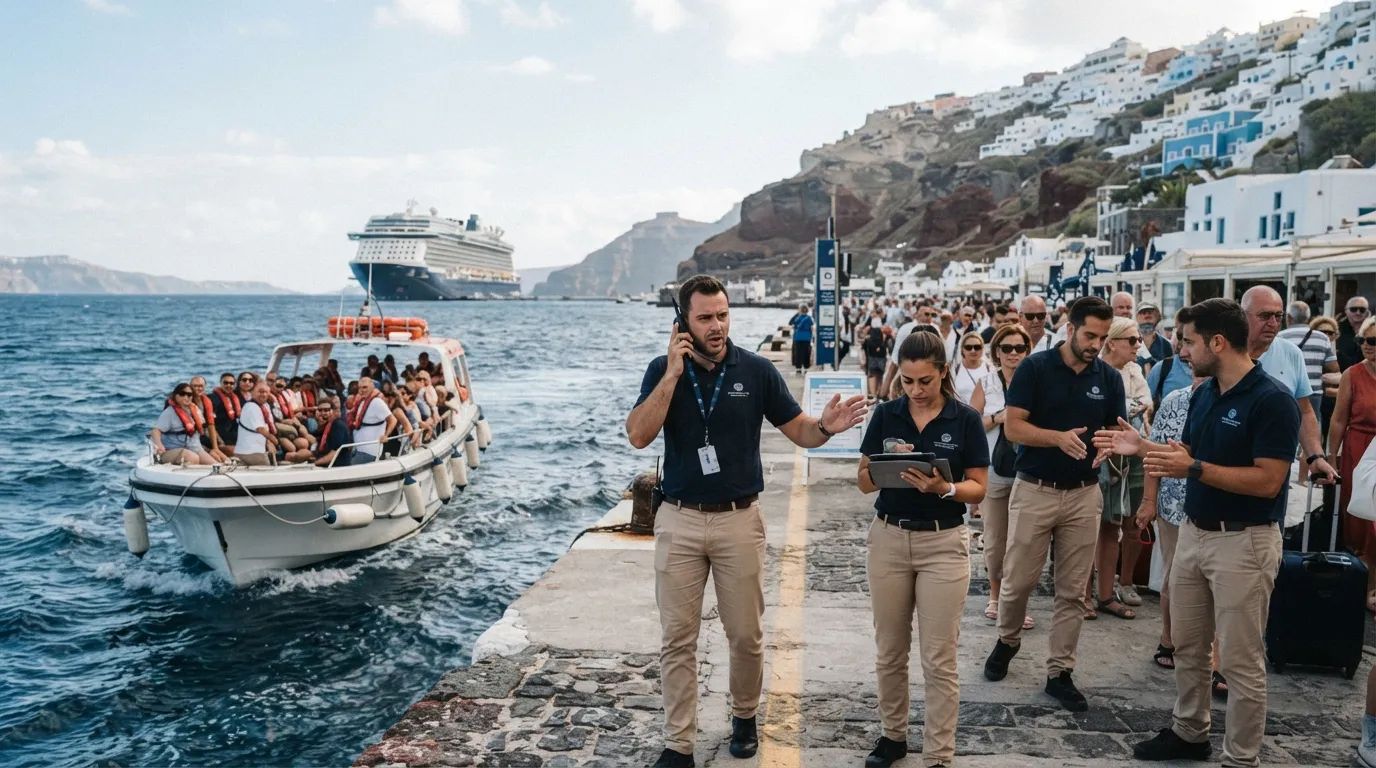
You spot the guide holding a sign on the pier and assume the day simply works. It doesn’t, at least not by magic. By the time the first tender bumps against the ship, excursion teams have often already rebuilt the morning around port officials, swells, and a clock that never matches the printed itinerary.
These are the fixes cruisers almost never see, and some are stranger than you’d expect. A few start with a meeting time that looks perfectly reasonable on paper. One ends with a decision nobody wants to make, and it’s waiting at #1.
#15 – The 8:05 Meeting Time That Was Never Going to Happen
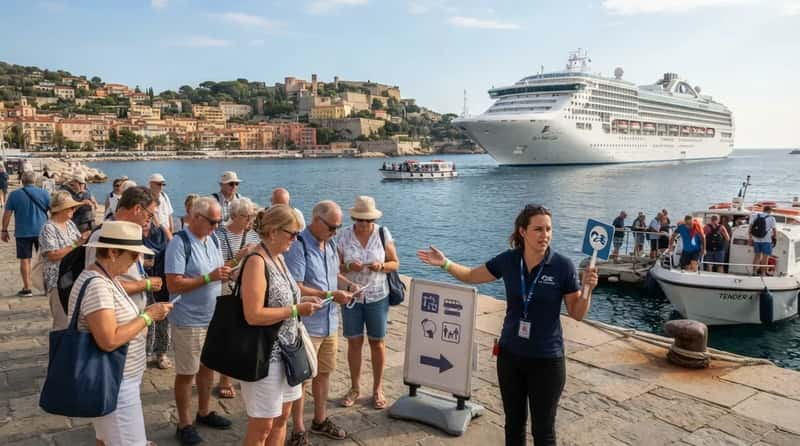
Picture the excursion sheet: ship arrives at 8:00 a.m., meet your guide at 8:05. It looks tidy, and it’s impossible. Guests still have to get through the tender process and then walk to the meeting spot ashore.
So the first fix is a quiet one. The meeting time gets pushed back, and the plan is rebuilt around the boat ride, the walk, and a little port-day unpredictability. The buffer is the whole strategy. Experienced guides pad the start before anyone asks them to. And the next problem begins the moment people line up for the boats.
#14 – The Tender Ticket Scramble Excursion Groups Skip Entirely
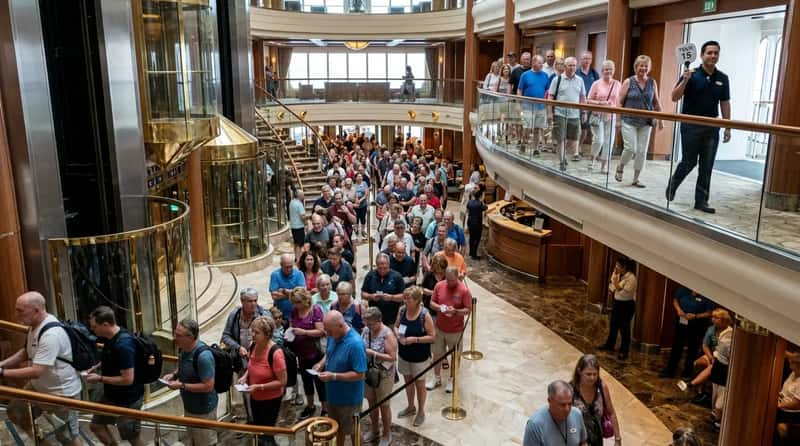
On many ships, tender tickets are handed out on the morning of the port day, first come, first served, often from the atrium or a lounge. That means a crowd, a long line, and a lot of people staring at their watches. Excursion teams plan around that scene so their guests never have to stand in it.
Guests on ship-sponsored tours don’t need a tender ticket. They go to their designated departure area and are escorted to a tender as a group. The queue most passengers dread simply doesn’t apply to them. Not every line runs tickets, though. One cruiser noted that Royal Caribbean required them on a Greek Isles itinerary while Celebrity did not, on a very similar route. Then comes a wait nobody can control.
Quick Compare
- Ship-sponsored tour: no tender ticket needed, and guests are escorted to a boat as a group.
- Everyone else (on ticketed ships): tickets are usually handed out the morning of the port day, first come, first served.
- Varies by line: some ships use tickets on a route where a competitor doesn’t.
#13 – The Quiet Harbor Where Nothing Moves Until Officials Say So
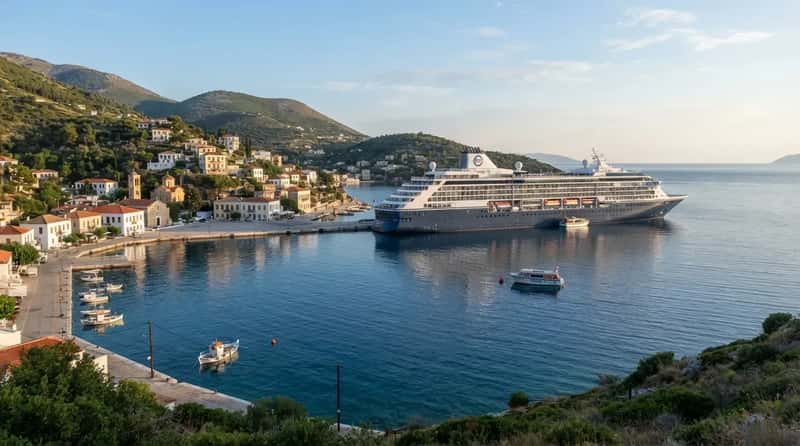
The tender can’t run until the ship is anchored, and local officials also have to clear the vessel. Operations typically begin around 8:00 to 9:00 once that has happened. Meanwhile, guests look out at an empty harbor and wonder why nothing is moving.
Behind the scenes, excursion teams are already adjusting their start times. They know a ship can arrive exactly on schedule and still not release its first guest for a while. Arrival time and landing time are two different things. It’s a small detail that explains a lot of morning confusion. But some ports don’t even settle how they’ll work until the ship gets there.
#12 – The “Possible Tender” Port That Flips Into a Boat Day
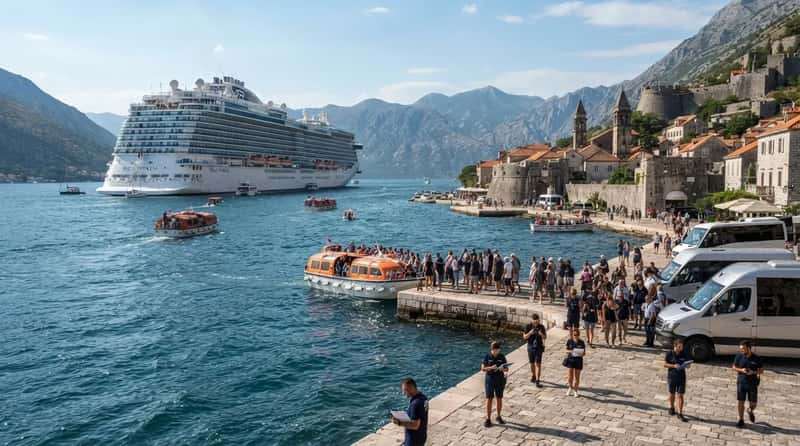
Some itineraries list a port as “possible tender.” That means if the weather isn’t ideal or the pier is busy with another ship, the ship may anchor offshore and use tenders. A port that looked like an easy walk-off dock day can suddenly become a boat day.
When the status flips, the tour team has to rework pickup logistics fast. A vehicle that was meant to wait beside the ship may now need to meet guests at a tender pier. Most passengers never notice, yet the change can reshape the whole morning. And the thing that triggers it most often is sitting right outside the window.
#11 – The Swell That Keeps a Whole Ship Waiting at Breakfast
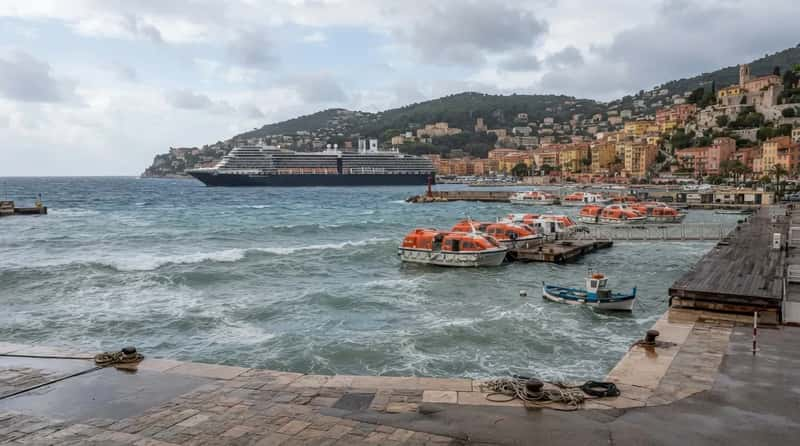
Wind, swell, and poor visibility can all stop tenders. Operations can be suspended for moderate swells, wind, or poor visibility. A calm-looking morning from the balcony doesn’t guarantee a smooth harbor.
Excursion teams usually don’t cancel on the spot. They wait and watch. One veteran cruiser described delays where tendering didn’t begin until conditions improved. In one Villefranche case, the tender port was closed under an extreme weather alert, and guests waited until tender operations resumed around noon. Some tender days don’t start until lunchtime. The next question is who gets to go first once the boats finally run.
Fast Facts
- Wind, swell, and poor visibility can each pause tender runs.
- A calm view from the balcony says little about conditions at the tender pier.
- Teams usually wait and watch rather than cancel right away.
- In the Villefranche case, tenders resumed around noon.
#10 – The Boarding Order That Gets Reshuffled at the Gangway
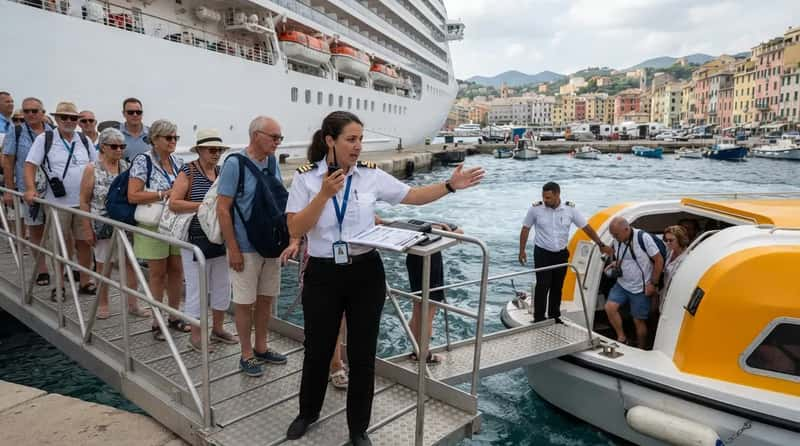
The order of boarding isn’t always what the schedule suggested. Wind, swells, and changing conditions can slow the process or alter the order of disembarkation. A neat plan on paper can look very different once people are standing at the gangway.
Procedures vary by line. Some ships call guests by deck, cabin zone, tour group, or numbered ticket. Excursion staff cope by keeping their groups organized and flexible, since the boat they expected may not be the one that arrives. Two ships on the same itinerary can run boarding in completely different ways. And some guests face a bigger hurdle than the line itself.
#9 – The Boat Step That Needs a Different Plan for Some Guests
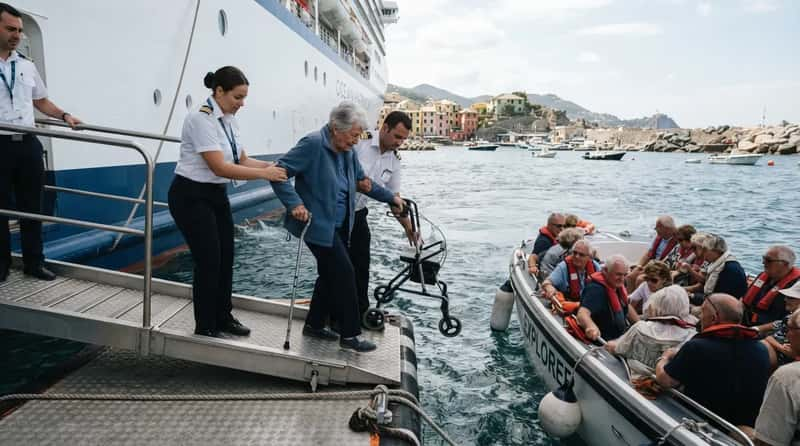
Stepping from a ship platform into a moving tender isn’t easy for everyone. Steps and tight spaces can be tricky for people with mobility needs. That’s why this issue gets raised before the day even begins.
Excursion teams can’t solve it by pointing at a ramp. The right time to find out is before the tour is booked, not at the tender door. Guides who know a guest has limited mobility can adjust the pace, the vehicle, and the meeting spot ashore. It’s one of the less glamorous jobs behind a smooth day. But even a perfect plan fails if the guide can’t reach you.
#8 – The Guest Whose Phone Went Dark at Sea
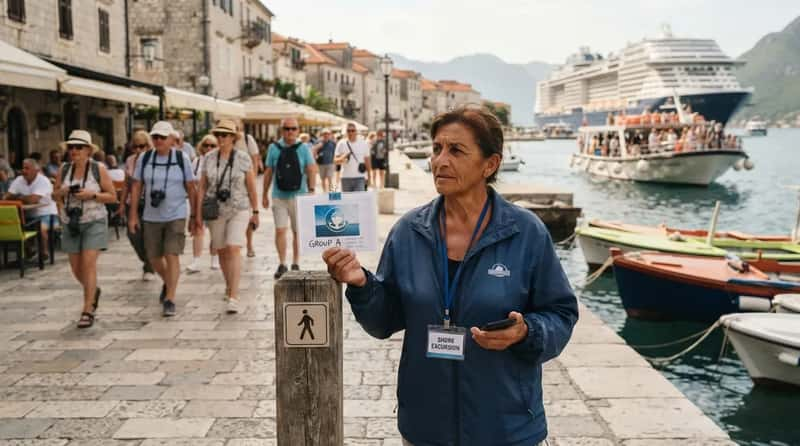
Many travelers keep their phones in airplane mode while the ship is at sea. Local guides have learned not to count on a message getting through. International service can fail, and a phone may still be silent when the tender finally lands.
So teams agree on a plain waiting plan. If the tender is delayed, an experienced local guide understands that ships don’t release every passenger at once. The backup plan matters more than the text message. A fixed meeting spot and a clear wait time do the real work. Sometimes the problem isn’t communication at all but the calendar.
#7 – The Museum That Turns Out to Be Closed on Sunday
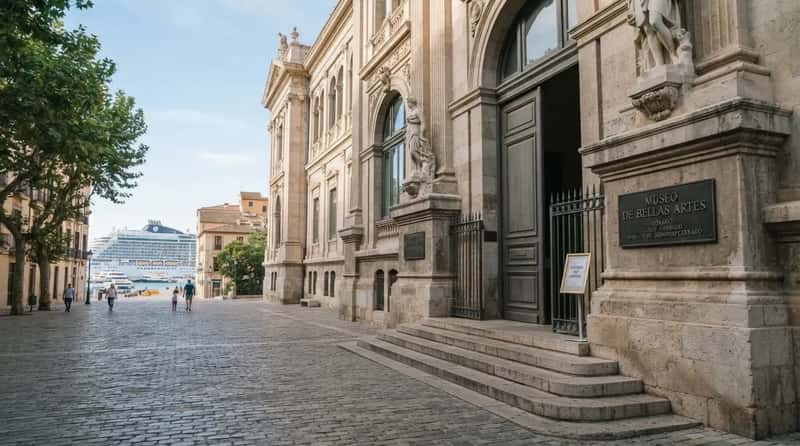
Port days land on every day of the week, and local schedules don’t bend for cruise ships. One world cruiser pointed out that a Sunday port visit might make an excursion built around a museum that’s closed a poor choice. Smart operators check this long before the ship arrives.
When a stop falls through, the guide swaps in another site. The headline stop can quietly be replaced by a better-timed one. Most guests never notice the change. They just remember a good day. But a good plan can still be too big for the time that’s left.
#6 – The Full-Day Itinerary Squeezed Into a Half-Day Window
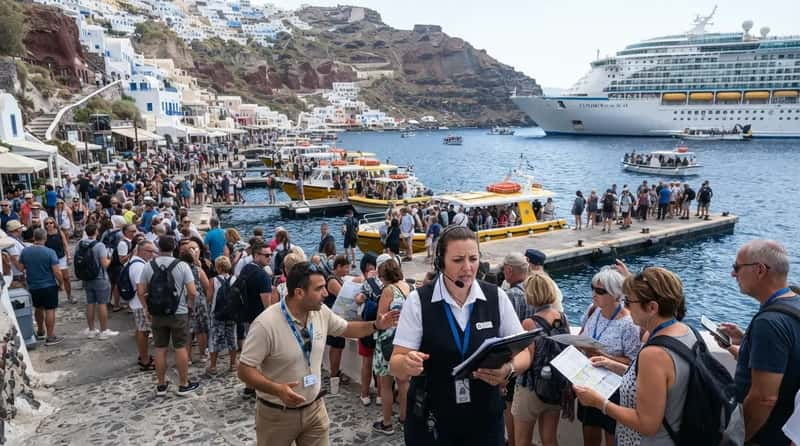
A late tender start puts pressure on every stop that follows. Some guests want to keep the original plan anyway, because they paid for all of it. Experienced guides advise against it: don’t try to compress a full-day itinerary into a shortened window.
The better move is to trim. Guides drop a stop or shorten the lunch rather than rush guests through everything. Doing less well usually beats doing everything badly. That calls for a firm, sometimes unpopular decision made before anyone reaches the dock. And the pressure peaks at one notoriously crowded island.
#5 – The Santorini Problem: Ship Tour or Wing It?
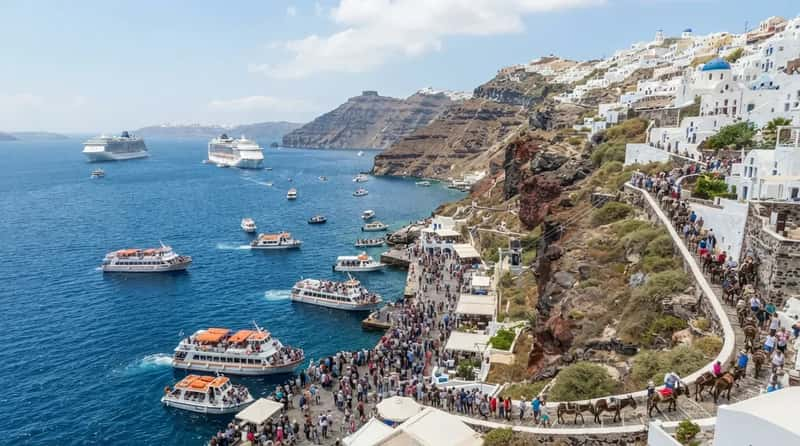
Santorini is the textbook example of a tender port where timing and crowds matter a lot. One Mediterranean cruise writer says a ship excursion or pre-arranged private tour solves the logistics problem there. That’s a strong claim, and not everyone agrees.
Many independent cruisers still go it alone and enjoy it. The disagreement comes down to how much waiting you’re willing to risk. Ship groups are usually boarded first, while everyone else waits for tickets or boats. Which brings up a booking difference that surprises people.
#4 – The Ship That Won’t Wait for Your Private Tour
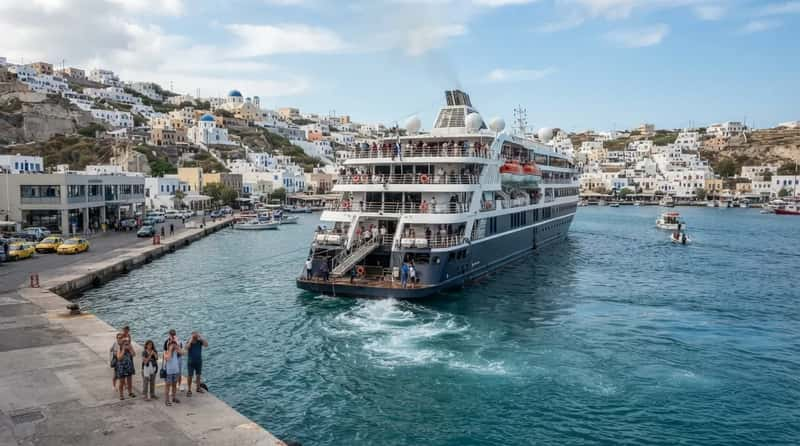
Here’s the booking difference that catches people off guard. With a cruise-line excursion, if the tour runs late, the ship holds departure until the group returns. That promise doesn’t automatically extend to a tour you booked on your own.
One travel advisor notes that some independent tours now offer a similar guarantee. Without one, the ship wouldn’t wait, and any help would only get you to the next port. Missing the ship is a very different problem depending on who you booked with. Independent operators often work hard to plan against it. And the return trip has its own surprises.
At a Glance
- Cruise-line excursion: if the tour runs late, the ship holds departure for the group.
- Independent tour: no automatic hold on the ship.
- Some independent operators: now offer a similar guarantee, so it’s worth asking.
- Without a guarantee: any help would only get you to the next port.
#3 – The Rain-Soaked Tender Ride Back to the Ship
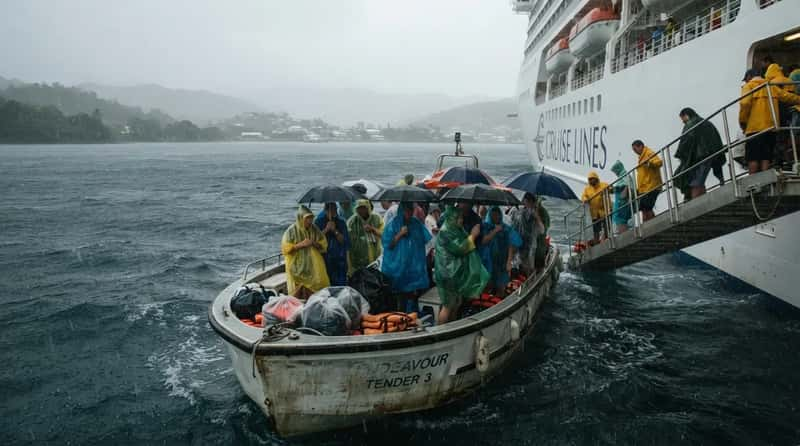
The ride back can be rougher than the ride out. Passengers on a 2025 world cruise described a late excursion return in Belem, Brazil, and a downpour in Cooktown, Australia. Tender operations can be tricky, and there’s a real chance of getting drenched.
Guides know the clock matters. They confirm when the last tender returns and set pickup times against it. The final boat is the deadline that everything else is built around. Hardly anyone thinks about it until they’re standing in the rain. Still, there’s a bigger surprise on the way.
#2 – The Tender Day That Turns Into a Race Against the Clock
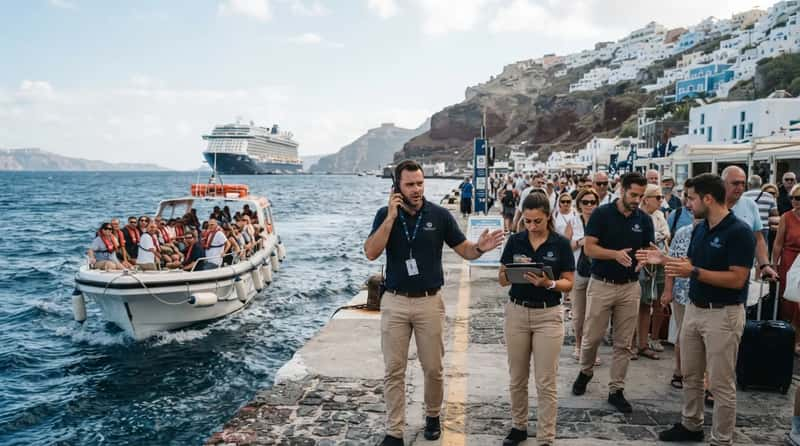
Ships can’t hold a port forever. They’ll wait a little while, but guests may tender ashore only to tender straight back as the ship prepares to leave. That’s the nightmare version of a delayed morning.
For excursion teams, it means making a call early. Is a short visit worth the boat ride? Sometimes the kindest answer is a shorter, simpler tour. Tendering can add 30 to 90 minutes of waiting compared with a docked port, which is a big dent in a short stop. And then there’s the call nobody wants to make.
#1 – The Call That Cancels the Port Before Anyone Sets Foot Ashore
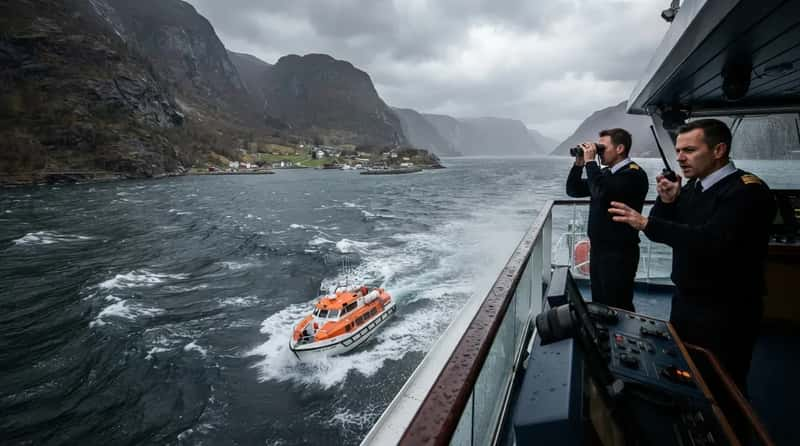
Sometimes the sea wins. If the weather is particularly bad, there may be no alternative but to cancel a tender port. The day can end before the first boat leaves the ship. For guests who planned for months, it can feel deeply unfair.
Refunds work differently depending on who you booked with. Excursions bought through the ship are refunded, but third-party tours need to be taken up with the organizers. Local guides lose a day too, and they often hear the news about the same time guests do. It’s the one problem no one in the system can fix.
A smooth tender-port day rarely happens by accident. It comes from padded start times, flexible plans, and people who solved problems before the first boat moved.
The sea still gets the final say, and the best teams plan with that in mind.