Here’s the twist almost nobody expects: the “free” in a senior park pass isn’t quite free, and it isn’t tied to the year you turn 62. The pass costs $20 for an annual version or $80 for a lifetime one, and any U.S. citizen or permanent resident who is 62 or older can buy it. What that card does is wave you, and everyone in your car, through the gate at more than 2,000 federal recreation sites run by six federal agencies.
But the gate is the boring part. The same card quietly cuts camping bills in half, works at places most travelers never think to try, and then hits a few walls that leave people arguing at the booth. Here are 15 things it does, and exactly where it stops.
1. The Whole Carload Rolls Through on One Card
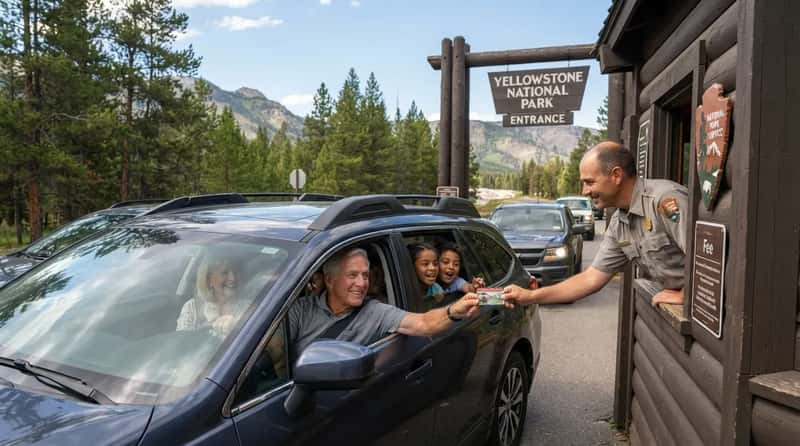
At sites that charge by the vehicle, the Senior Pass isn’t a one-person ticket. It covers the pass holder and every passenger in a private, non-commercial vehicle. Your spouse, your neighbor in the back seat and the grandkids all ride in on the same card, and nobody pays a separate fee.
That changes the math on a family road trip. One card from one person can replace the entire per-vehicle entrance fee, however many people are squeezed into the car. The catch is that not every site counts people the same way, which is the next item.
2. The Walk-In Gate Has Its Own Rule: You Plus Three Adults
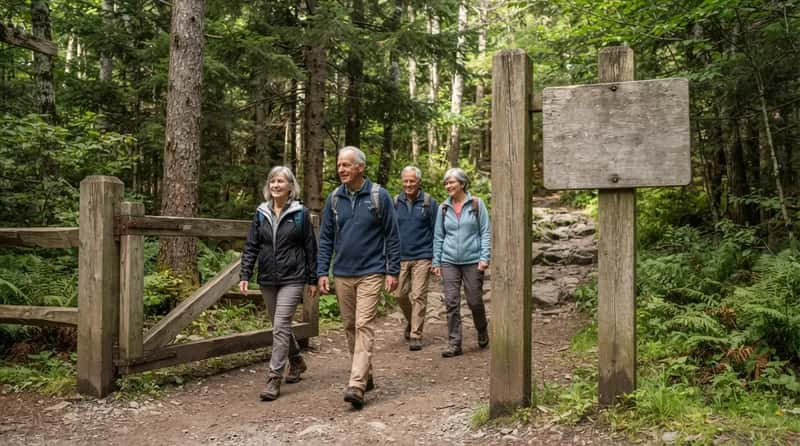
Some places charge per person instead of per car. That includes trail-based or walk-in areas where a vehicle isn’t the unit of payment. There the pass covers the holder plus three adults, so the free group tops out at four adults.
People often assume the car rule applies everywhere. It doesn’t. A group of six adults walking into a per-person site may not all be covered, even though the same six in one car at a per-vehicle gate would sail through. Ask which fee type a site uses before you pull out your wallet.
Quick Compare
- Per-vehicle gate: the holder and every passenger in the private car are covered.
- Per-person site: the holder plus three adults are covered.
- Before you go: check which fee type the site uses, since the group math changes.
3. National Forest Picnic Spots and Trailheads Where the Fee Box Can Stay Empty
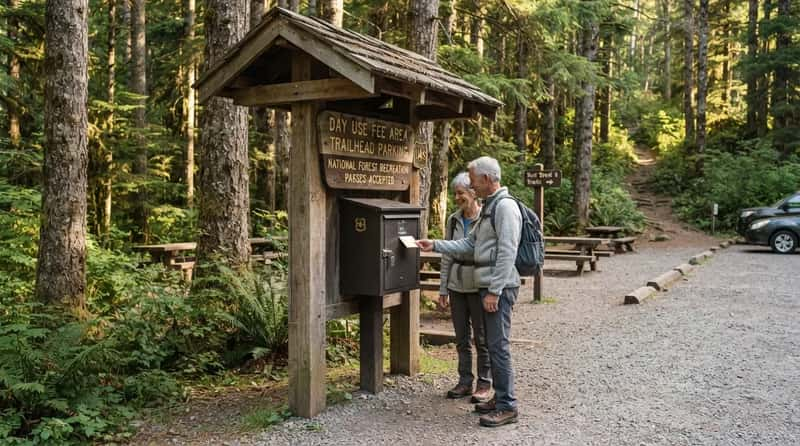
National forests collect small fees that add up fast. Picnic areas, trailheads and swim spots can all charge them, and the pass covers standard amenity (day-use) fees on Forest Service land. Most travelers think “national park” and forget the forests entirely.
That matters because forests are everywhere, and many have day-use sites with a little fee box out front. The pass also reaches national grasslands, which most people have never heard of. A road trip that dodges the famous parks can still be mostly covered.
4. Wildlife Refuges: The Overlooked Stop on the Federal Map

National wildlife refuges rarely make anyone’s bucket list. They should. The Senior Pass covers entrance and standard amenity fees at more than 2,000 sites run by six agencies, including the U.S. Fish and Wildlife Service. That puts refuge entrance fees inside the same deal as the famous parks.
Refuges also tend to be quieter than the headline parks. A card you bought for a big-name park trip also works at a marsh or coastal refuge down the road, which can turn a dull stretch of highway into a bird-watching detour. Fees and rules vary by site, so check before you go.
5. Desert and Reservoir Country Almost Nobody Thinks to Try
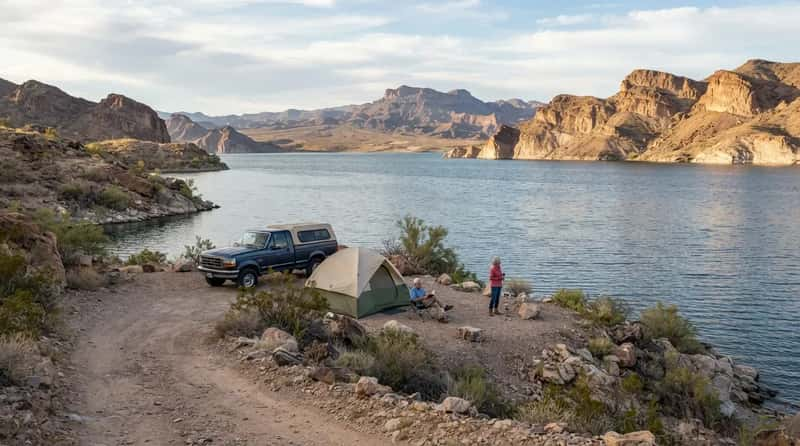
The Bureau of Land Management and the Bureau of Reclamation are among the six agencies the pass covers, and both have their entrance and standard amenity fees included. Between them they manage a huge amount of open desert and reservoir country. Most travelers drive right past it on the way to somewhere with a famous name.
Army Corps of Engineers lakes are in the mix too, which surprises a lot of campers. Some of the most remote campsites in the country sit on agency land most pass holders never think of. A lakeside weekend can be part of the deal, not just a canyon overlook.
6. The Pass Now Lives on Your Phone
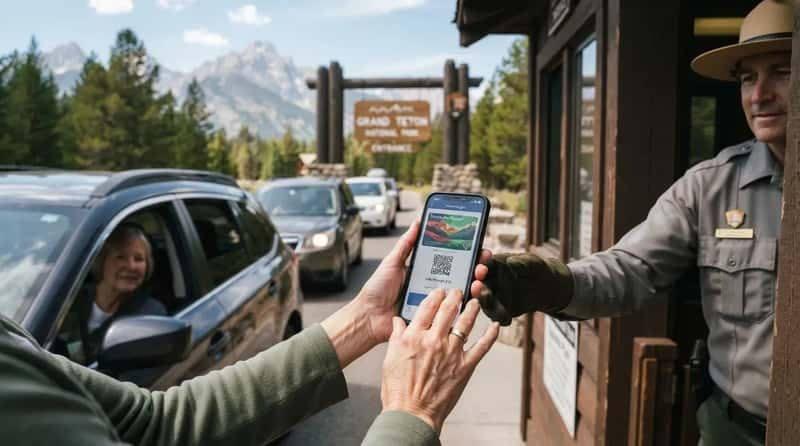
You no longer need a plastic card in your wallet. In 2026, all passes, including the Senior Pass, are available digitally through Recreation.gov, so you can pay and get instant access. That helps when you decide on a Friday to leave on Saturday.
The digital annual has a clear timeline. It’s valid for 12 months, from the purchase date through the end of that same month the following year. An annual pass bought mid-month gets a bonus stretch of days at the end. It’s a small perk most people never notice.
7. Half-Price Swim Beaches Nobody Asks About
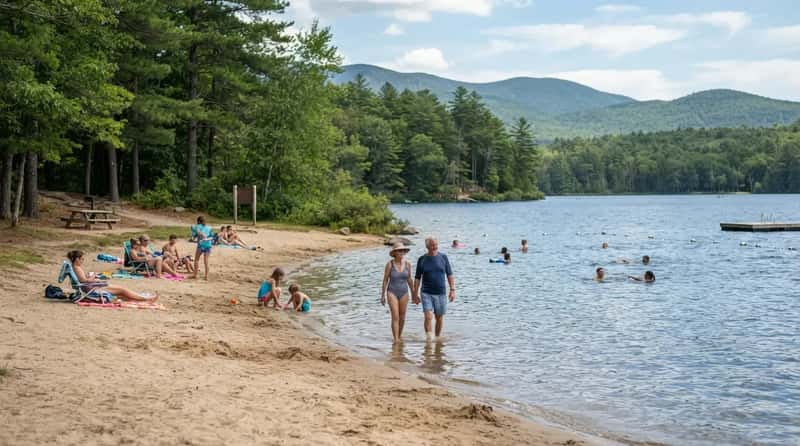
Most holders think of the gate or the campground first. The National Park Service says the pass can take 50 percent off some amenity fees, including swimming and boat launches. A lake beach with a day-use fee may be one of those places.
The discount isn’t automatic everywhere. Each of the six agencies handles its expanded amenity discounts a little differently, so swim-area savings depend on who runs the beach. Ask at the entrance, since the answer can change from one lake to the next.
Worth Knowing
- The swim-area break is a 50 percent discount, not a full waiver.
- It applies at some sites, not every beach or lake.
- The agency running the beach decides how the discount works.
- The entrance station is the fastest place to get a straight answer.
8. The Boat Ramp That May Cost Half of What the Sign Says
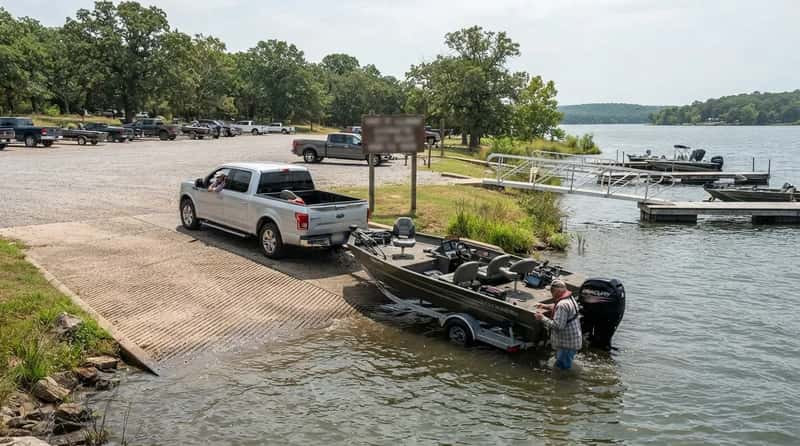
If you tow a fishing boat, launch fees can add up over a weekend. At Chickasaw National Recreation Area in Oklahoma, senior pass holders get 50 percent off both camping fees and boat launch permits. That’s one site, not a nationwide guarantee.
Some places go the other way. The Forest Service lists highly developed boat launches as expanded amenity fees that passes don’t cover. The same card can halve a ramp fee at one lake and do nothing at another, depending on the agency and the ramp.
9. The Cave Tour Fee Cut in Half
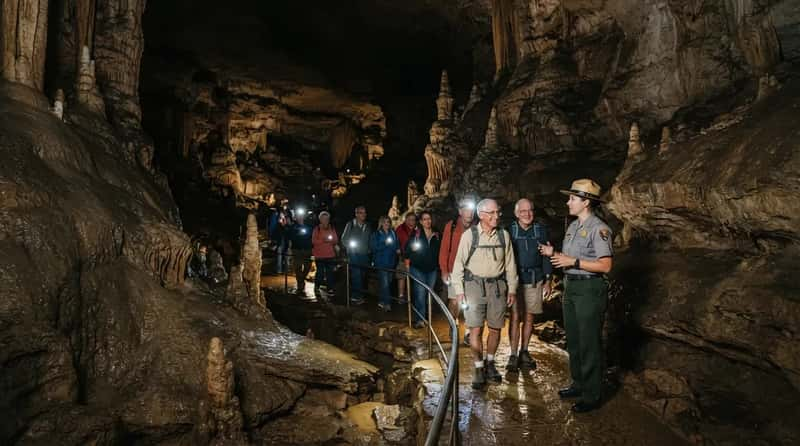
The pass can reach underground. It can take 50 percent off some amenity fees, including specialized interpretive services. One 2026 guide points to certain ranger-guided cave tours, such as those at Mammoth Cave or Wind Cave. A tour that costs a family real money can drop noticeably for the holder.
There’s a limit, though. The pass does not cover fees charged by concessionaires, the private companies operating within a park. A guided tour run by a ranger can be discounted, while one run by a concessionaire generally isn’t. Check who actually operates the tour before you count on the savings.
10. The Campground Discount That Can Beat the Gate Savings
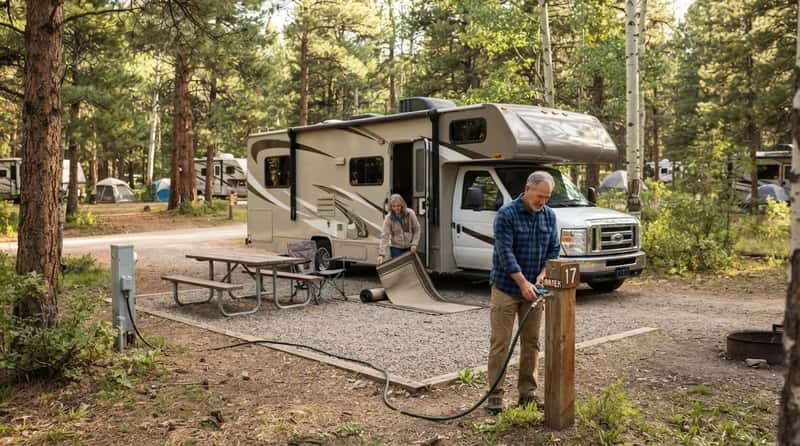
This is the one RVers talk about. At many Forest Service, BLM, Reclamation and National Park Service sites, the pass triggers a 50 percent discount on standard camping fees. Over a long trip, a half-price campsite can save more than the entrance fee ever did.
The discount has edges. One guide says it applies to the site fee at federal campgrounds and excludes utility hookup surcharges. It also applies only at sites run directly by a federal agency. A privately operated campground inside a federal area may not honor it at all. Confirm before you reserve.
11. “Covered” vs. “Half-Off”: The Line That Trips Up Everyone
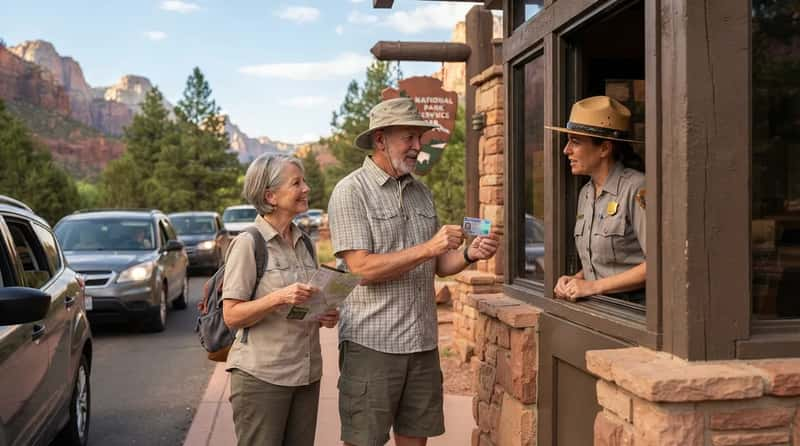
The pass handles two kinds of fees in two different ways. It covers entrance fees and standard amenity (day-use) fees at thousands of federal recreation locations. Standard amenity fees are the small charges for things like a picnic area or trailhead parking.
Expanded fees are another story. They aren’t waived, only discounted, and only at some sites. Free at the gate and half-price at the campground are two different rules from the same card, and holders who mix them up end up arguing at a booth.
At a Glance
- Covered: entrance fees and standard day-use fees.
- Half off at some sites: standard camping, swimming, boat launches and interpretive tours.
- Not covered: concessionaire fees and special recreation permits.
12. The Fees the Pass Quietly Won’t Touch
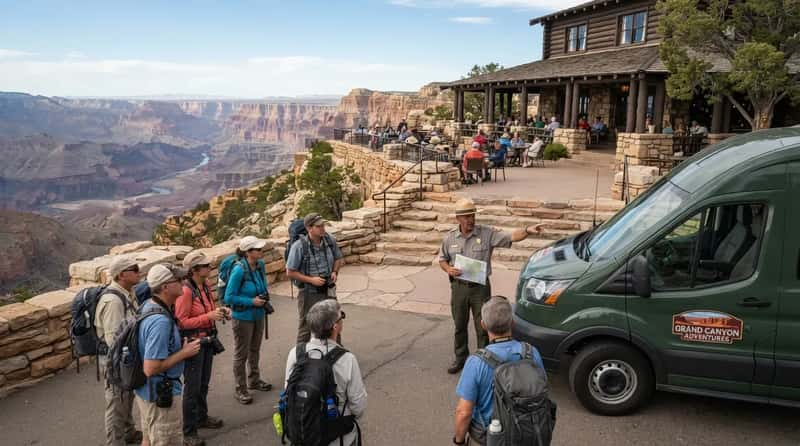
Here’s the honest limit. The Senior Pass generally does not cover or reduce special recreation permit fees or fees charged by concessioners. That means private lodges, restaurants and many outfitted trips inside a park are priced as usual.
Plenty of people assume the pass is a skeleton key. A holder can enter a park free and still pay full price for a concession-run guided tour, so don’t expect the card to do everything. Budget those extras separately.
13. A Card That Belongs to You Alone
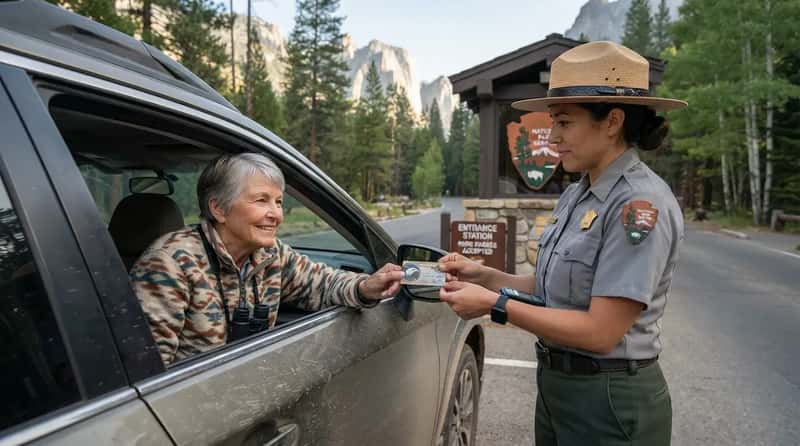
You can’t lend it out. The pass is non-transferable, so your sister can’t borrow it for her own trip, even if she’s the one with the car. The holder has to be along for the ride, because the benefits travel with the holder.
Getting one also takes paperwork. Applicants must provide documentation of age and residency or citizenship. The qualifying age is 62, not 65, which is the number many people carry in their heads. And there’s no catch about turning 62 “that year”: once you’re 62, you’re eligible.
Fast Facts
- Eligibility: U.S. citizens and permanent residents age 62 or older.
- Cost: $20 for an annual pass or $80 for a lifetime pass.
- Proof needed: documentation of age and residency or citizenship.
- Transfer rule: the pass can’t be shared or lent, and the holder must be present.
14. The Four-Annuals Trick That Turns $20 Into a Lifetime Pass
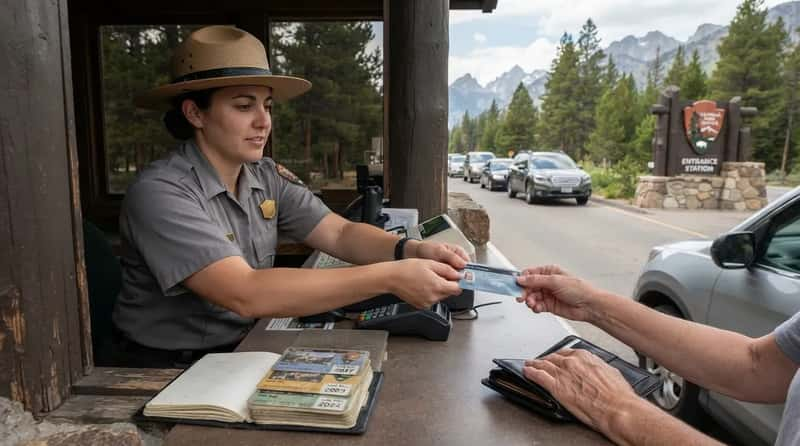
Not sure you’ll use the pass enough? Start small. Four annual Senior Passes can be traded in for a lifetime pass, which effectively spreads the $80 over four years. You test the idea at $20, and it can become a permanent card.
An annual can also be upgraded. The annual pass can later be upgraded to the Senior Lifetime Pass in person at a participating federal site for the price difference. The cheap option isn’t a dead end, so there’s little risk in starting there.
15. The $80 Lifetime Card That Now Costs What Everyone Else Pays for One Year
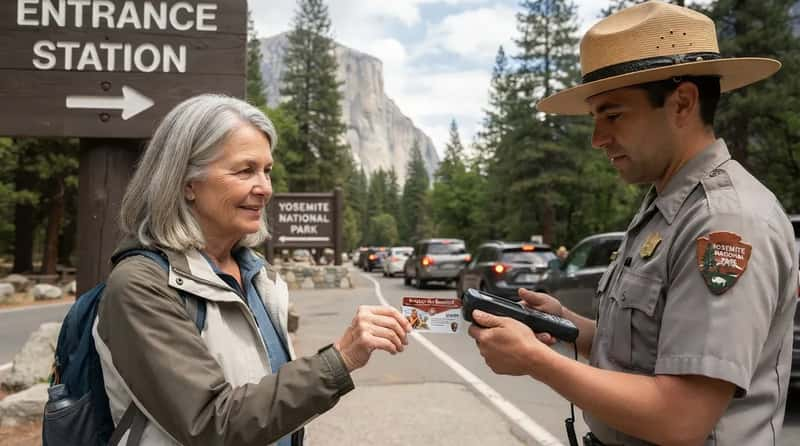
This is the strongest part of the deal. Senior annual and lifetime pass fees stayed unchanged for 2026 at $20 and $80. Meanwhile the standard annual pass, open to any U.S. resident, rose to $80, the same price as the Senior Lifetime Pass. One group pays that once. Everyone else pays it every year.
The gap is wider for visitors from abroad. The annual pass for nonresidents is $250, and nonresidents without one pay an extra $100 at 11 popular parks, including Grand Canyon, Yellowstone and Yosemite. The Senior Lifetime Pass is open only to U.S. citizens and permanent residents. It has been priced the same since 2017.
So no, the Senior Pass isn’t free, and it was never limited to the year you turn 62. For $80 once, or $20 a year, it covers entrance and standard day-use fees at 2,000-plus federal sites, the whole carload at per-vehicle gates, and half off many camping, swimming, boat launch and tour fees. It just doesn’t touch concessionaires or special permits.
Which of these did you not know about?