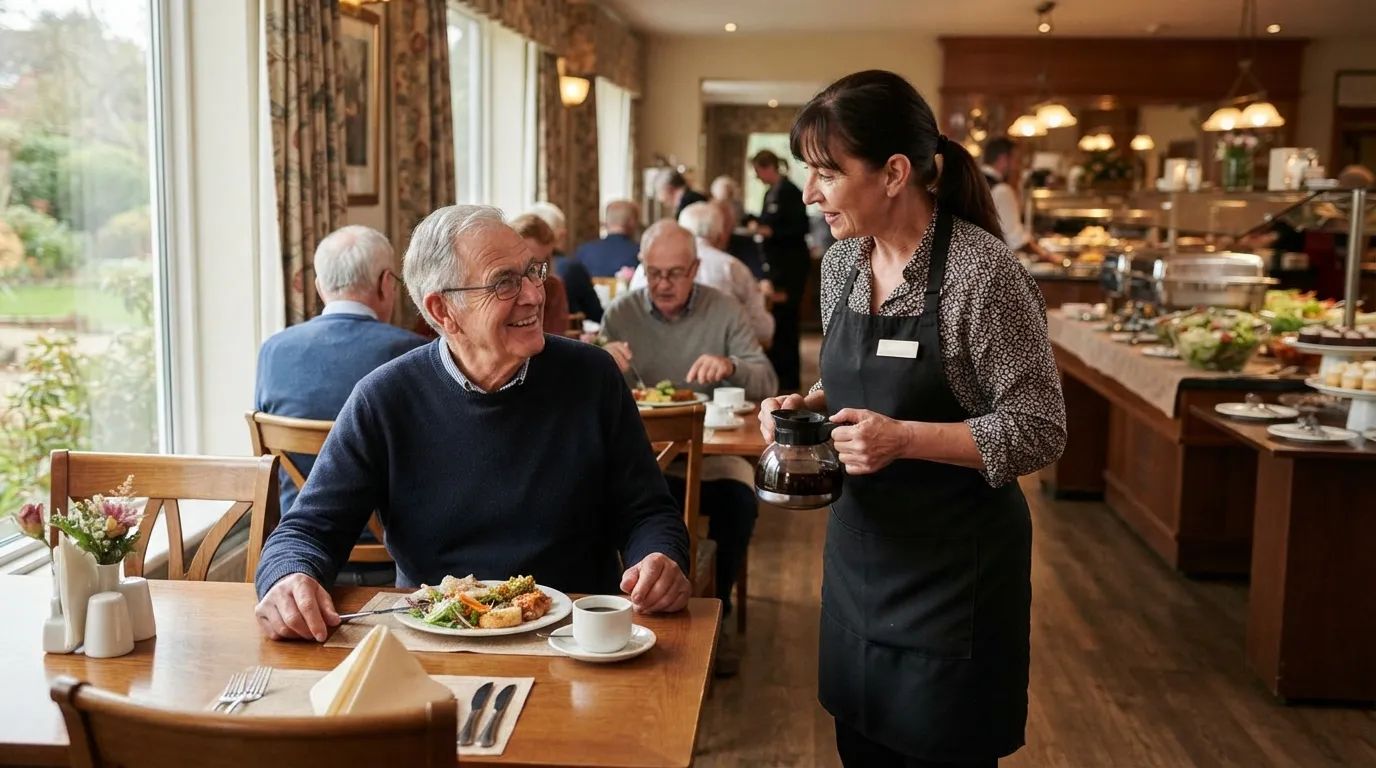
You’d think a buffet is the one restaurant where nobody learns your name. You grab a plate, you serve yourself, and the staff barely get a glance. But the people refilling those trays and clearing those tables are paying far more attention than you’d guess, and regulars walk away with perks that never appear on a sign, a menu, or a coupon.
Some of these are tiny. A few are the kind of thing a first-timer would never believe. And the one waiting at #1 has almost nothing to do with food.
#15 – Your Drink Is Already Waiting Before You Sit Down
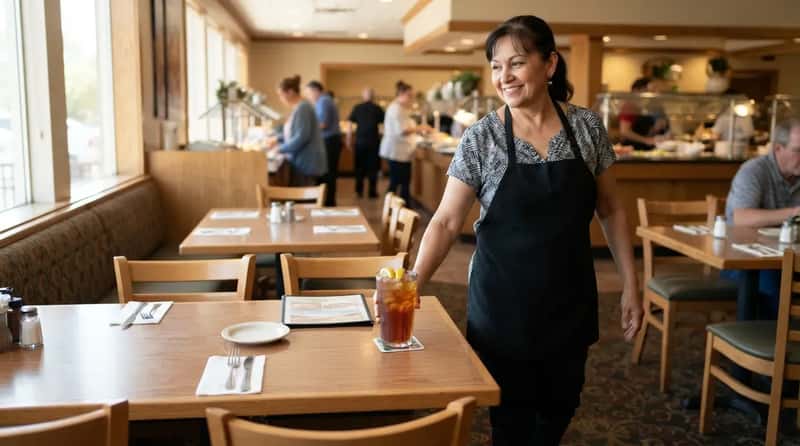
Regulars rarely have to explain what they want to drink. Servers at many buffets learn a repeat guest’s usual, whether that’s unsweet tea with extra lemon or black coffee in the biggest cup in the building. Sometimes the glass is on the table before the guest has even finished paying at the register.
First-timers get asked. Regulars get surprised. Drinks are the one part of a buffet where staff still do everything for you, so that’s where memory shows up first. A server who nails your order on visit number three has quietly told you that you’ve been noticed.
#14 – The “Lucky” Booth You Always Get Isn’t Luck
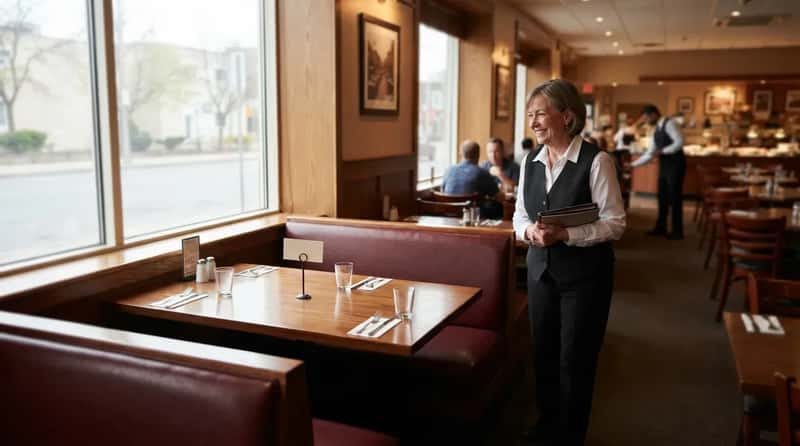
Every regular has a booth. Hosts and servers notice who likes the corner, the window, or the seat farthest from the kitchen doors. When the room is slow, that table may simply be held for you, and when it’s busy, a good host will often try to steer you toward it first.
It isn’t an official policy anywhere, and that’s the point. Staff can’t promise it, but they can lean on it. That’s why the same family seems to land the best spot every Sunday while new guests get whatever is next in the rotation.
#13 – A Whispered “Give It Five Minutes” Before the Best Tray Hits
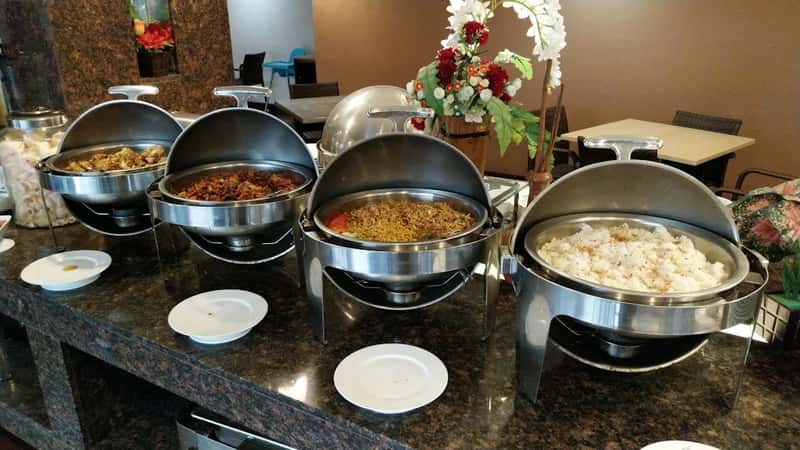
Every buffet has a moment when a fresh tray of its star attraction comes out, whether that’s crab legs, fried shrimp, or the first roast of the evening. Staff see it coming long before the line does. A regular might hear a quiet “give it five minutes” and avoid a pan of tired leftovers.
Buffets constantly cycle trays in and out, and the last scoops of a tray are rarely the best ones. First-timers load up early and then watch the next table walk past with a plate that looks way better. The person who tells you when to wait is handing you the best bite in the room.
Fast Facts
- Fresh pans usually come out in waves, so the best timing is often right after a swap.
- A nearly empty tray is a clue that a refill is on the way.
- Steam, shine, and a full pan are better signs than a long line.
- Asking “what’s coming out next?” is the easiest way to get an honest answer.
#12 – Your Dirty Plates Vanish Like Magic
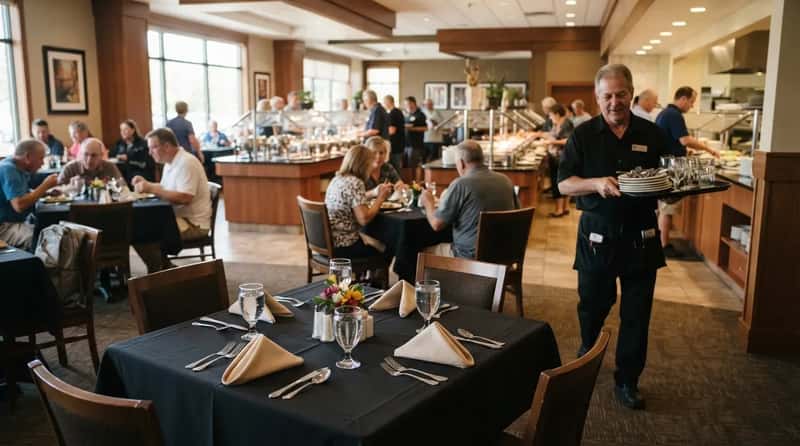
At a buffet, plates pile up fast, and cleanup is not equal for every table. Servers tend to hustle toward guests they know and trust. Repeat guests often come back from the line to find last round’s plates already gone.
Many buffet servers earn part of their pay through tips, and the commonly cited etiquette guideline is around 10 percent, since you’re serving yourself. That’s why a regular who tips steadily often gets faster attention than a stranger. Some guests call that unfair. Servers call it how the system works.
#11 – The Carver Starts Slicing Your Favorite Cut Before You Reach the Front
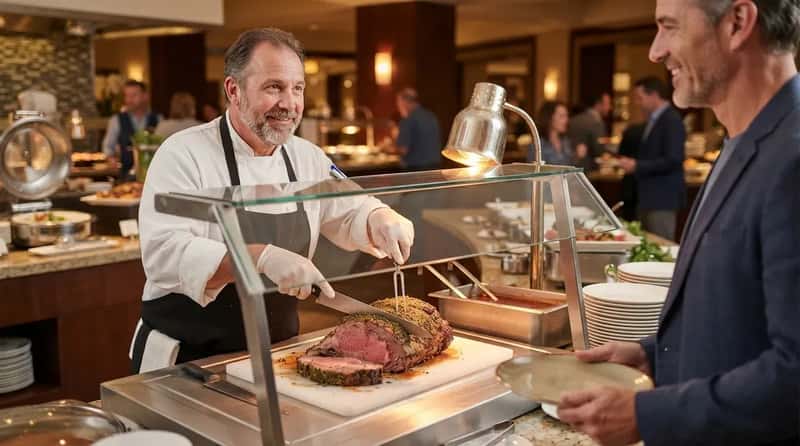
Carving stations have their own secret language. A regular says “end cut” or “extra rare” once, and the carver remembers it for months. By the fifth visit, the knife may already be moving before the guest reaches the front of the line.
Prime rib and roast beef are cooked in big pieces, so the crusty edges and the pink center are two very different experiences. First-timers usually grab the middle slice and never realize what they missed. A carver who saves you the good end makes you feel like you’re in on something.
Quick Compare
- Middle slice: evenly pink, tender, and mild.
- End cut: crusty, well seasoned, and more done.
- The regular’s move: ask for the cut you like once, and let the carver remember.
#10 – The Manager Greets You Like a Neighbor

Buffet managers walk the floor for a reason. Regulars are easy to spot because they show up at the same time, order the same drink, and often sit in the same area. They tend to get a handshake, a “good to see you,” and sometimes a quick check on how the food is tasting.
That recognition matters more than most people expect. For many regulars, the manager’s hello is the real reason they keep coming back. A packed dining room can feel anonymous, and hearing your name changes that instantly.
#9 – Allergy Questions Get a Real Answer, Not a Shrug

Buffets are tricky for guests with food allergies, because dishes sit side by side and serving spoons wander from pan to pan. Staff who know a regular’s allergy often handle it differently. They may walk you down the line, check with the kitchen, or point out which dishes are the safest bets.
First-timers usually get a general warning at best. A regular might get a staff member who remembers exactly which dish had nuts last time. Still, the truth is plain: no buffet can guarantee zero cross-contact, and guests with serious allergies should ask every visit instead of trusting anyone’s memory.
#8 – A Pan Nobody Else Has Tasted Yet Shows Up at Your Table

Every now and then, a cook sends out something that hasn’t reached the line yet. Regulars sometimes get the first taste, a small plate, or a “try this” from the server. It’s usually a test batch, a new recipe, or a dish that came out ahead of schedule.
It isn’t a rule, and no buffet advertises it. The first bite of a brand-new dish often goes to someone the staff trust to give an honest opinion. If you’ve ever been asked “what do you think of this?”, you’ve been quietly promoted.
#7 – A Free Dessert Nobody Else Gets Slides Onto Your Table
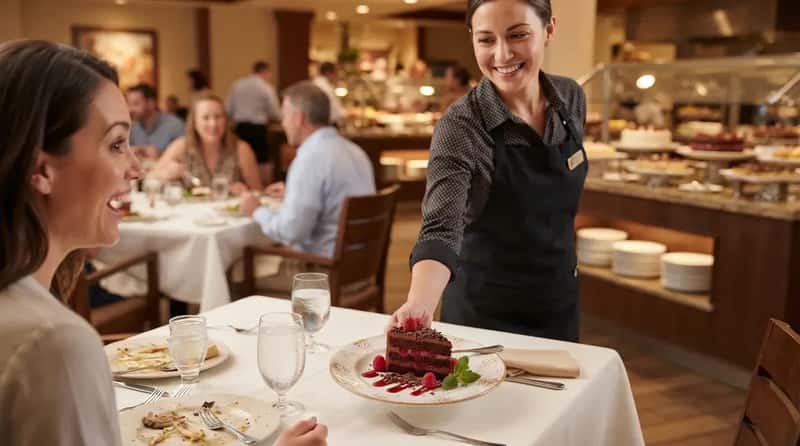
Birthdays, anniversaries, and long regular streaks can earn small surprises. A slice of cake, a scoop of ice cream, or a little plate from the dessert counter may appear without showing up on the bill. Servers often have some discretion, and they tend to use it on guests they know.
Restaurants understand that a dessert costs very little next to a loyal customer. A single free slice can keep a family coming back for years. First-time visitors usually have to ask or pay, while regulars often don’t have to say a word.
#6 – A Quiet Word About Deals Before They’re Posted
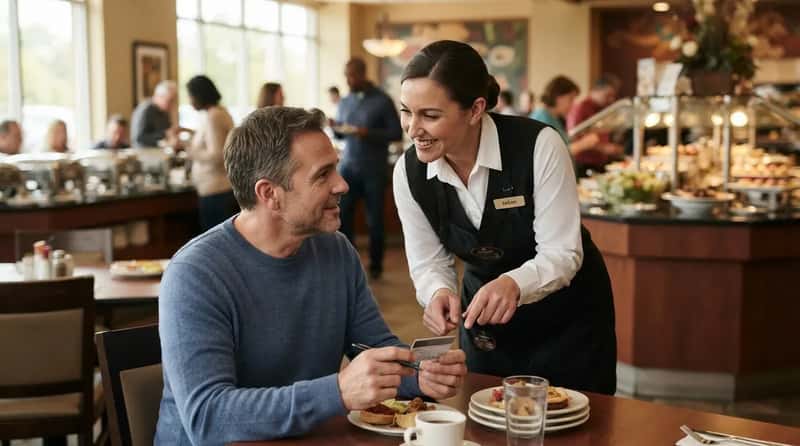
Regulars often hear about promotions before the public does. A server might mention a weekday special, a seasonal menu, or a loyalty offer that isn’t in the front window yet. Some buffets run email lists or punch cards, and staff are happy to point loyal guests toward them.
Here’s the twist: the best value at a buffet is rarely the headline price. The cheapest visit is often the one where a staff member mentions the discount nobody else saw. Some guests love the insider treatment, while others feel every customer should see every deal.
#5 – The Small Rules Suddenly Get a Little Softer
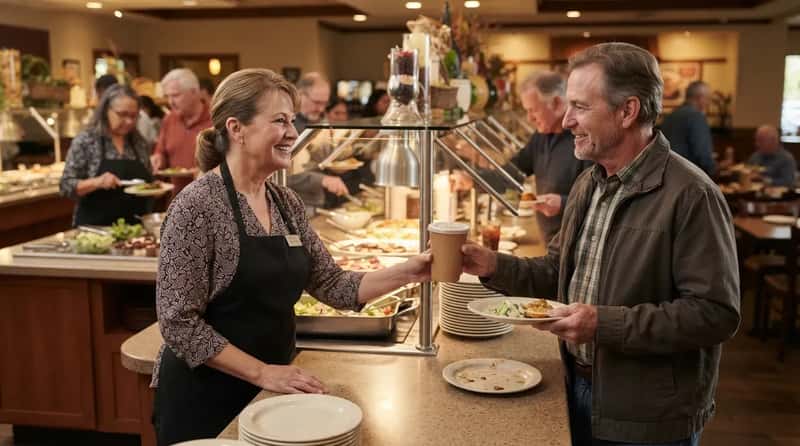
Most buffets have rules about plate sizes, sharing, and leaving with food. Regulars sometimes find the staff more relaxed with them, whether that means swapping a plate or waving through a small request. It isn’t permission to break policy, and it varies from place to place.
The reason is trust. Staff tend to bend small rules for guests who have never caused a problem. Someone who respects the line, tips well, and doesn’t waste food builds goodwill over time, while first-timers get the policy exactly as written.
Worth Knowing
- Rules tied to food safety, like using a clean plate for each trip, rarely bend for anyone.
- Small favors, like a to-go cup or a plate swap, are where goodwill shows up.
- Staff remember the guests who clean up after themselves and don’t pile food they won’t eat.
- Every restaurant draws the line differently, so a polite question beats an assumption.
#4 – The Holiday Heads-Up That Saves You an Hour in Line
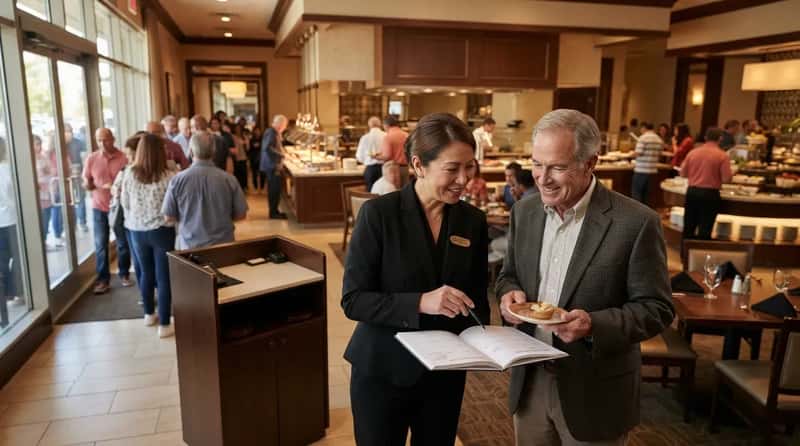
Easter, Mother’s Day, and Thanksgiving can turn a calm buffet into a packed room with long waits. Regulars often get a call, a text, or a quiet tip about when to arrive. Some restaurants take reservations for those days, and staff may let familiar guests know before the slots fill up.
That head start is a real advantage. On the busiest days of the year, one tip about timing can be the difference between sitting down and standing outside. First-timers usually learn about the rush when they see the line out the door.
#3 – The Honest Truth About What’s Actually Worth Your Plate Today
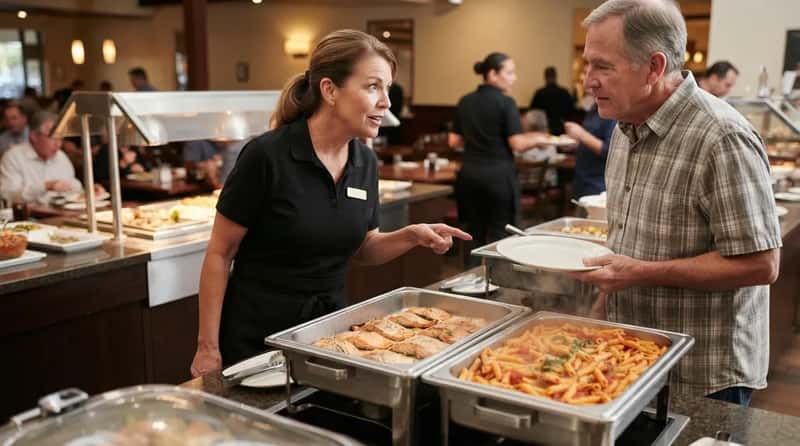
Regulars get something no sign can offer: honesty. A trusted server might lean in and say the fish has been sitting a while, or that the pasta just came out and it’s great. First-timers get a polite smile. Repeat guests get the real report.
Buffets follow food safety rules, and the FDA Food Code calls for keeping hot food at 135°F or above and cold food at 41°F or below. But safe doesn’t always mean best. A tray can be perfectly safe and still be past its peak, and staff know the difference.
#2 – They Remember Everyone Who Sits at Your Table
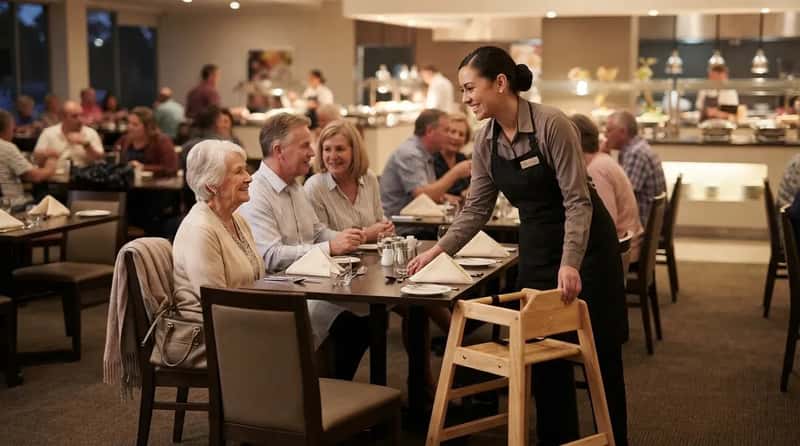
Good servers don’t just remember you. They remember your people. They know your grandmother likes a certain chair, your toddler needs a high chair, and your uncle always asks for extra napkins. The table is set up before anyone says a word.
That’s a lot to hold in your head in a busy room. Some servers can recall a regular’s whole group years after the first visit. It’s the kind of detail that makes a weekly dinner feel like a family tradition instead of just a meal.
Why It Stands Out
- It takes real attention to remember a whole group, not just one face.
- The details are tiny, but they show up before anyone has to ask.
- Kids and grandparents feel it most, because their needs are easy to overlook.
- It turns a restaurant stop into a standing family tradition.
#1 – They Notice When You Disappear

This is the one regulars talk about most. Miss a few weeks, and someone will ask where you’ve been. Sometimes a server or manager asks after your health, your job, or your family, because they actually noticed the gap.
For many guests, especially older ones who live alone, that question means a great deal. A buffet can quietly become the place where someone is expected. You can’t buy that with a bigger tip. It builds up over years of showing up, saying hello, and becoming part of the room.
The biggest perks at a buffet were never free crab legs or secret menus. They’re small, human habits: a remembered drink, a held table, an honest tip, and a hello that includes your name. Most of them cost the restaurant almost nothing, yet they turn a one-time guest into a weekly regular.
Staff don’t hand these out to everyone. They build them one visit at a time, and the best ones can’t be bought at any price.