First-time cruisers spend months obsessing over cabin categories, dining packages, and sea-view balconies – then walk off the gangway at their first port stop and make every mistake in the book. Port days are where a good cruise becomes either a great story or an expensive disaster. And the veterans know it. They’ve been left on the dock watching their ship disappear, they’ve been pickpocketed in a port shopping district, and they’ve paid $149 for an excursion their friends snagged for $50. They learned. Now they have a system.
The gap between a veteran cruiser and a first-timer shows up fast the moment that gangway drops – and it’s not about spending more money or booking fancier tours. It’s about knowing the specific traps the cruise line won’t warn you about, the ones port vendors are counting on you to fall into, and the ones that have left real people stranded on a dock. Here are 15 things the veterans always avoid, counting down to the one that even repeat cruisers get wrong.
#15 – Ignoring the Difference Between “All-Aboard” and “Sail-Away” Time
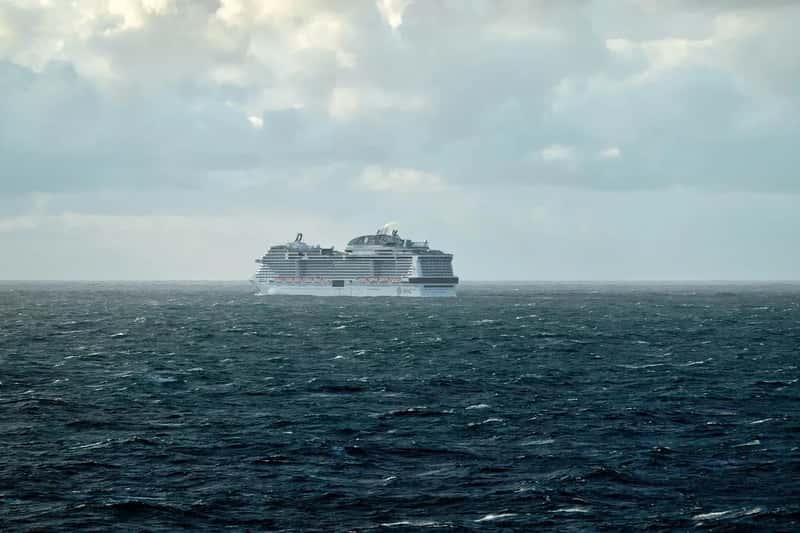
This one sounds obvious until it isn’t. The all-aboard time and the sail-away time are not the same thing – all-aboard is typically posted 30 minutes before the ship actually pulls out, and it’s the hard deadline. Miss it and you’re watching the ship leave from the pier, phone in hand, trying to figure out how to fly to the next port on your own dime. It’s posted at the gangway when you disembark and printed in your daily planner, but first-timers glance at it once and forget it.
Veterans burn that number into their brain before they step off the ship – and they set their watch to ship time, not local time, because cruise ships don’t always adjust their clocks to match the port’s time zone. The all-aboard deadline runs on ship time no matter what. Experienced cruisers build at least an hour of buffer into their return plan, every single time. People have genuinely missed their ship over a one-hour time zone difference they didn’t account for. Don’t be that person.
Fast Facts
- All-aboard time is typically 30 minutes before sail-away – they are not the same posting.
- Your phone auto-syncs to local time the moment you connect to a port cell tower, quietly shifting away from ship time.
- The ship operates on ship time at all ports – time zone differences are your responsibility to track.
- Veterans set a physical watch or a secondary alarm to ship time for the entire voyage.
- Missing the ship means booking your own flights and hotels to reach the next port – all out of pocket.
#14 – Wearing Flashy Jewelry or Carrying Obvious Valuables Ashore

Experienced cruisers don’t walk off the ship looking like they just stepped off a ship. Wearing a Rolex or big gold jewelry in a busy port shopping district is pattern recognition working against you – tourists are a known, consistent target for pickpockets worldwide, and nothing marks you faster than expensive accessories and a lanyard with a cruise card. One experienced traveler in Buenos Aires was quietly warned by a local shopkeeper to put their watch away before starting a walk through the city. That shopkeeper wasn’t being dramatic.
Veterans pare down what they carry entirely. One card, local cash, a photocopy of your passport, and a zippered bag with interior pockets – that’s the full load. Don’t put your wallet or phone in a back pocket or an open bag someone can reach into without you noticing. If something goes missing, a copied passport and a single debit card is a recoverable situation. A full wallet, three credit cards, and your actual passport disappearing in a Caribbean port is a vacation-ending one.
#13 – Booking Every Single Port Day With a Packed Excursion

New cruisers feel the pressure to squeeze every port stop into a full-day itinerary. Veterans recognize that trap immediately. On a port-intensive itinerary – say, a seven-day Mediterranean cruise with stops every single day – booking guided excursions at every port will leave you more exhausted by day five than you were when you boarded. The Caribbean sun alone is enough to drain you. Piling in bus rides, museum queues, and group tours on top of it is how you end up napping through dinner.
Some ports genuinely don’t need a guided tour. St. Tropez, Mykonos, Kotor – these are places you walk, get pleasantly lost in the narrow streets, and end up at a table with a long lunch and a glass of local wine. That is the excursion. Mix in a couple of unstructured port days on any longer cruise and you’ll actually come home rested. Knowing when to wander freely versus when to book is the signature move of a relaxed veteran.
#12 – Falling for “Recommended by the Cruise Line” Port Stores
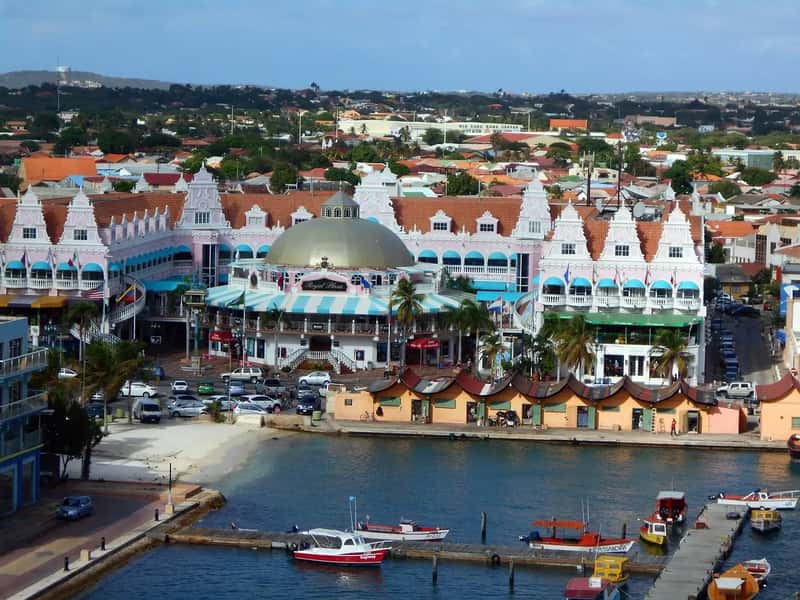
If a crew member points you toward a specific jewelry store in port, experienced cruisers pay close attention to why that recommendation exists. Many cruise lines partner with port retailers and promote them as “recommended” or “guaranteed” – and while the guarantee is real in the sense that it offers some buyer protection, those shops pay the cruise line for the referral, and that cost gets baked directly into the prices you’re quoted. The “guaranteed” label does not mean cheapest.
Veterans who want to buy a meaningful piece of jewelry or a watch in port do a quick walk two streets back from the dock area first. The same items – sometimes literally the same brand and model – are often available at meaningfully better prices just a few blocks away from the port shopping strip. Compare before you buy anything significant. The cruise line’s shadow extends pretty far, but it doesn’t cover the whole town.
Worth Knowing
- Port retailers pay referral fees to cruise lines for “recommended” status – that fee is priced into your quote.
- The buyer protection guarantee is real but narrow: it typically covers authenticity disputes, not general pricing.
- Two or three blocks back from the dock often means meaningfully lower prices on the same merchandise.
- Always compare before committing to a significant purchase – especially jewelry, watches, and electronics.
#11 – Using the Ship’s ATM for Port Cash

The ATM tucked near the ship’s casino corridor is one of the quietest, most consistent money drains on any cruise. Onboard ATMs typically charge steep service fees on top of your bank’s own foreign transaction fees, and the exchange rates applied are rarely in your favor. It’s the kind of thing you don’t notice until you do the math later and realize you paid $30 in fees to pull out $200 in cash you could have had for free.
The veteran move is to sort your port cash before you ever board the ship – exchange currency at home, at the airport before departure, or use a low-fee international debit card at a local bank ATM in port. Running out of local cash on a port day and defaulting to the ship’s ATM is exactly the scenario veterans plan around. Once you’re ashore with empty pockets and 90 minutes until all-aboard, convenience always wins over value. Don’t put yourself in that position.
#10 – Booking the “Highlights of Everything” Excursion

There’s a common excursion format that packs five major sights into a single day, races you through each one in 20-minute windows, and markets itself as a “Best of” tour. Veterans steer clear of these almost universally. The majority of your day ends up on a bus, driving between spots, and by the time you arrive at the thing you actually wanted to see, the group is already being herded back to the van.
One experienced cruiser in Curaçao specifically wanted to learn about the history of Blue Curaçao at a distillery – but their highlights tour also required the museum and Hato Caves. The distillery stop was rushed, crowded, and so noisy the guide couldn’t be heard over the group. That’s the real cost of the “see everything” approach: you experience nothing deeply. Veterans pick their top two or three things per port and find a tour built around those. Focused beats stuffed, every time.
Quick Compare
| “Best of Everything” Tour | Focused 2-3 Stop Tour |
|---|---|
| 5+ stops, 15-20 min each | 2-3 stops, full time at each |
| Most of the day on a bus | Minimal transit, more experience |
| Rushed, crowded, noisy | Relaxed pace, room to explore |
| Generic group experience | Tailored to what you actually want |
#9 – Trusting Random Street Tours With No Research
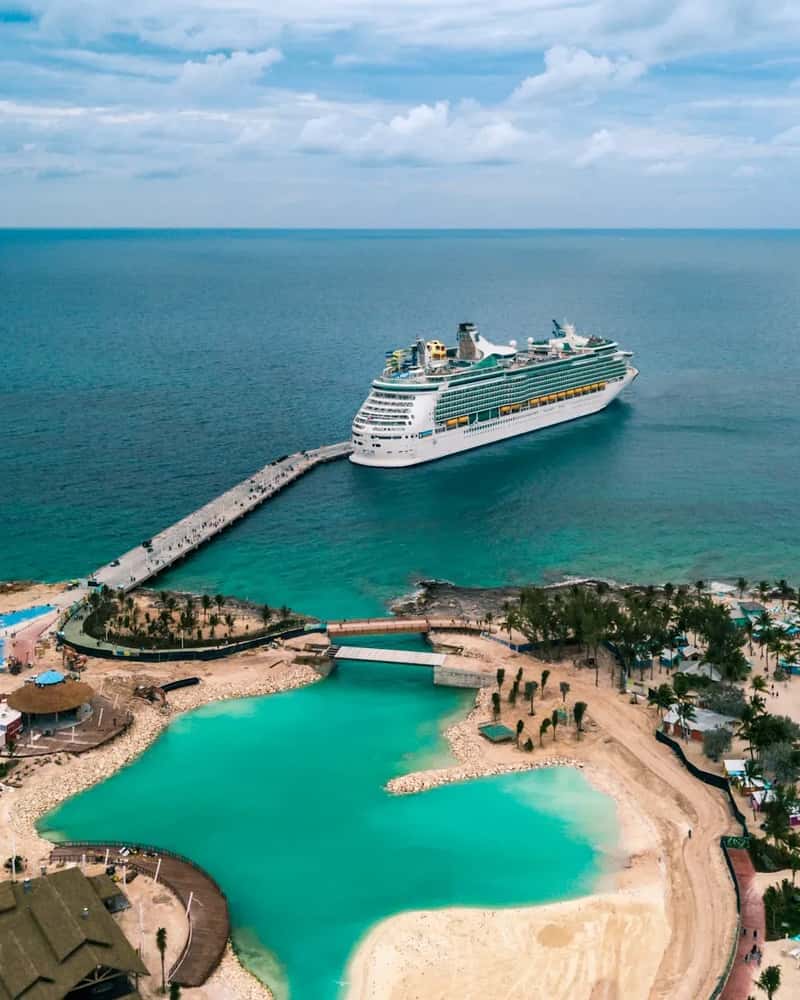
The moment you step off the gangway in a busy port, someone will offer you a private tour for a great price. The laminated sign, the friendly pitch, the “better than the ship” promise – veterans have seen it all, and they don’t bite on impulse. In unfamiliar ports, sticking to a ship-sponsored excursion or a vetted independent operator isn’t timid; it’s smart. You want to know you’re safe, you won’t get ripped off, and the ship won’t leave without you if something runs late.
That said, the cruise line isn’t the only trusted source. Platforms like Viator and GetYourGuide list independent local operators with verified reviews, booking histories, and free cancellation on most tours. Veterans use these, along with cruise forums and destination Facebook groups, to find operators who cost less than the ship’s version and deliver a better experience. The key word is “vetted.” A stranger on the dock with a handwritten sign is not vetted. Reviews, ratings, and a cancellation policy are.
#8 – Leaving the Ship Without Confirming Ship’s Time on Their Watch

This one is sneakier than it sounds and has caught experienced cruisers off guard on Mediterranean itineraries more than once. Cruise ships operate on “ship time,” which doesn’t always match the local time zone at the port of call. Your phone automatically syncs to the local network the moment you step ashore and connect to a local cell tower – which means your phone can quietly shift an hour ahead or behind ship time without you noticing a thing.
Veterans set a watch or a secondary phone alarm to ship time for the entire voyage. When stepping off at a port in a different time zone, they double-check the local time against ship time and do the math on their actual window before heading out. One traveler recalled watching from their balcony as passengers arrived back at a Corfu port stop visibly surprised – the ship had announced a time change several times before docking, and it still caught people off guard. The ship left on ship time. It always does.
#7 – Wandering Far From Port With No Return Plan

Going off the beaten path is one of the genuine joys of a port stop – until you’re 45 minutes from the dock and the ship leaves in an hour. Cruise directors have watched too many guests lose track of time or distance and end up waving the ship goodbye from shore. And the ship will not wait for independently exploring passengers. If you miss it, you pay out of pocket to fly or travel to the next port of call.
Veterans think about the return plan before they think about the adventure. If going independently, they find a local taxi driver, negotiate the price and return time upfront, and stay close enough to port that traffic jams don’t become emergencies. They also watch the clock with more attention than they’d normally give it on vacation. The rule of thumb: if you’re on a cruise line-sponsored excursion running late, the ship will hold. For everyone else, it’s already casting off.
#6 – Walking Off the Ship Without a Stocked Day Bag

Veterans treat every port departure like a mini day trip, not a quick stroll. Checking the weather forecast and packing rain gear, sun protection, and a light layer sounds obvious – until you’re standing in the rain in Dubrovnik with no jacket or getting sunburned on a beach in Cozumel because you figured you’d only be out for an hour. One cruiser visiting Ibiza skipped sunscreen thinking a beach umbrella was enough protection. By dinner, their chest and shoulders were burnt badly enough to make the rest of the cruise miserable.
Veterans also pack a dry bag for water activities, a small first-aid kit, and enough local cash to handle an unexpected taxi ride back to the pier if a plan goes sideways. For beach days, a change of clothes and extra sunscreen are smart additions. For water-based excursions, waterproof protection for electronics is essential. Overprepared beats underprepared on a port day every single time – you can always leave things in a bag, but you can’t conjure sunscreen out of nothing on a Caribbean beach.
At a Glance: The Veteran’s Day Bag
- Documents: Passport photocopy + ship key card (never the original passport)
- Money: Local cash + one debit or credit card only
- Sun protection: SPF 50+ sunscreen, even on “overcast” port days
- Weather layer: Lightweight rain jacket or packable windbreaker
- Tech protection: Waterproof case or dry bag for beach and water excursions
- Emergency fund: Enough cash for an unplanned taxi back to the pier
#5 – Carrying Their Full Wallet and Real Passport Ashore
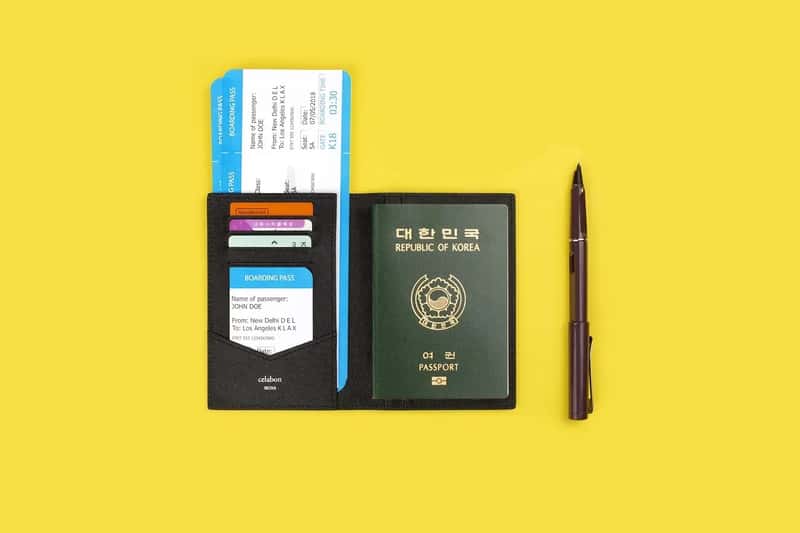
Most new cruisers grab everything – passport, multiple credit cards, driver’s license, full cash stack – because it feels safer to have it all. Veterans do the opposite. One card, local cash, your ship key card, and a photocopy of your passport is the standard load. If you’re not renting a car, there’s no reason to carry your driver’s license. If you can misplace a credit card in a busy market, you can misplace a passport – and losing a copy is a manageable inconvenience. Losing the original is a port-day catastrophe.
Leave the original passport in your cabin safe and carry the photocopy ashore. A photocopy has all the pertinent information if you’re stopped by authorities, and if it disappears in a pickpocket situation, you’re not spending the rest of your trip navigating a consulate. Veterans have watched what a lost passport does to a port day – and to the people around the person who lost it. It ends the day entirely. One card, one copy, one key. That’s it.
#4 – Ignoring Local Crime Advisories Before Going Off the Beaten Path
Port stops on a Caribbean itinerary can feel uniformly safe because the cruise line chose to include them. That assumption is genuinely dangerous. Just because a ship calls at a port doesn’t mean the entire surrounding area is safe to wander freely. The Caribbean is easy to get lulled into a false sense of security – but poverty is widespread across the islands, and gang activity and political instability affect many of the most-visited ports in ways that aren’t obvious from the ship’s promenade deck.
In some Jamaican ports, strong traveler consensus warns against independent exploration outside the secured port shopping zone – and cruisers who’ve ventured out on their own have reported feeling unsafe and harassed before quickly retreating. Veterans check the U.S. State Department’s travel advisory level for every country on their itinerary before departure. It takes two minutes and can completely change the plan for a port day. That two-minute read has kept more than a few people from walking into a situation they couldn’t easily walk out of.
Worth Knowing: Ports Where Extra Caution Is Warranted
- Caribbean & Central America: Nassau, Montego Bay, Ocho Rios, Belize City, and Colón rank among ports where travelers most commonly report safety concerns outside the secured tourist zone.
- Mediterranean: Barcelona’s Las Ramblas, Naples, and Athens Piraeus are top pickpocket hotspots for cruise visitors.
- Nassau: Welcomed a record 5.6 million cruise guests in 2024 – and carries a U.S. State Department “Level 2: Exercise Increased Caution” advisory.
- Rule of thumb: A ship calling at a port is not the same as a safety endorsement for independent exploration of that city.
- Two-minute check: Travel.State.gov lists advisory levels for every country on your itinerary – look before you dock.
#3 – Booking Shore Excursions Without Reading the Fine Print

Veterans have been burned by this at least once, which is exactly why they never skim the details again. The fine print on shore excursions covers things like whether lunch is included, how much free time you’ll actually have at a specific attraction, what gear you’re required to bring, and what physical fitness level the tour demands. Showing up to a cave tour in flip-flops because you didn’t read the gear requirement is a special kind of avoidable frustration – and in some cases, the guides won’t let you board the excursion at all.
Booking timing matters just as much as the fine print itself. If you have your heart set on a specific tour, don’t wait until you’re onboard to reserve it – excursion spots fill up fast, especially on popular itineraries, and the price often goes up as availability drops. One cruiser who waited until the night before a waterpark stop paid $149; their friends who booked during a pre-cruise sale paid around $50 each. Reading carefully and booking early is a $100-per-person habit. Winging it is an expensive one.
#2 – Doing Zero Port Research Before Leaving the Ship
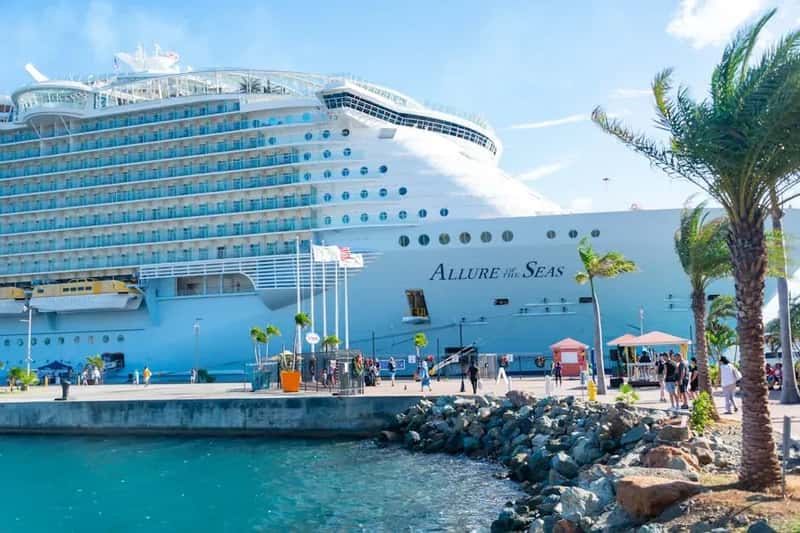
Walking off the gangway with no plan is one of the single most expensive mistakes a cruiser can make – not just in money, but in wasted time and missed experiences. It’s easy to spend so much energy researching ships, cabins, and dining packages that by the time you’ve booked, you’re mentally done with the planning process. That’s a mistake. A little research into each port on your itinerary is the difference between an average trip and one you’ll actually remember.
Cruise line excursions cover the most popular highlights, but they don’t cover everything worth doing in a destination – and if you don’t research independently, you might miss the thing you’d have loved most. Veterans use cruise forums, Facebook groups, and destination travel blogs to build a shortlist before they ever board the ship. They’re not winging it in port; they’re choosing between two or three strong, already-vetted options. That preparation costs nothing but an hour of reading – and it pays back every single port day.
#1 – Booking a Cruise Line Excursion on Tender-Port Days Without Checking the Timing
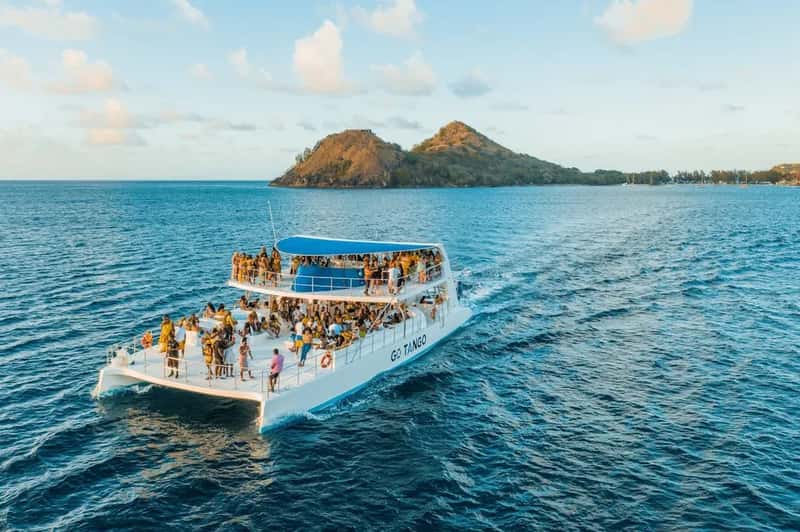
Here’s the one that catches even repeat cruisers off guard. On tender port days – where the ship anchors offshore and small boats ferry passengers to land – the clock starts eating into your port time before your excursion even begins. Transferring between ship and shore via tender can take anywhere from 15 to 60 minutes including wait time on each end, turning what looks like an eight-hour stop into a five-hour window. Cruise lines don’t always make that clear when you’re booking a full-day tour. Veterans check specifically whether the excursion timing accounts for tender transport – and they often choose shorter, closer-to-port activities on tender days rather than trying to stretch across a full itinerary.
The timing stakes are also higher when you’re going independent on a tender day. If a ship-sponsored excursion returns late, the ship will typically hold for those passengers. For independent travelers who are late back to the tender dock, the window is much narrower – and once the ship weighs anchor, it’s your problem and your expense to reach the next port. Tender days demand tighter plans, tighter clocks, and a closer eye on distance from port than any other day on the itinerary. Only the veterans know that going in – and now you do too.
At a Glance: Tender Port Day Survival
- Full round-trip tender transit can take 15 to 60 minutes including queue time – subtract that from both ends of your port day.
- Guests with cruise line-booked excursions typically get priority tender boarding; independent travelers wait their turn.
- If you’re going independent, build a 30-45 minute buffer on both ends of your plan for unexpected delays.
- The ship holds for late cruise line excursion groups – it does not hold for independent explorers who miss the last tender.
- Well-known tender ports include Grand Cayman, Santorini, Mykonos, and Portofino – check your itinerary before you book any full-day tour at these stops.
Port days are the heart of what makes a cruise worth taking, but they come with invisible rules the brochure never spells out. The veterans who’ve done 10, 20, or 30 sailings didn’t get savvy by accident – they got left behind once, overpaid once, sunburned once, and made sure it never happened again. You don’t have to live through those lessons yourself. Know your all-aboard time cold, research every port before you dock, read every line of the excursion fine print, and keep your valuables slim and your return plan solid. That’s the whole system. Which of these did you learn the hard way? Drop it in the comments.