Most people picture customs as a uniformly strict, by-the-book gauntlet where every traveler gets exactly the same treatment. That’s not quite how it works. Travelers over 60 stepping off a long international flight expect the usual ritual – hand over the passport, answer two questions, grab the bags, go home. What almost nobody realizes is that experienced CBP officers routinely handle things differently with older returning travelers in ways that never appear on any sign, any airline pamphlet, or any travel website. Some of it plays out in real time at the counter. Some of it is baked into federal programs sitting right out in the open that nobody bothers to explain.
The gap isn’t random favoritism. It’s a combination of federal programs, unwritten professional habits, and the practical reality that what customs agents know versus what they say out loud is enormous – and for travelers over 60, that gap gets wider. More medications, more expensive purchases, more complicated travel histories, less patience for bureaucratic surprises after 14 hours in the air. Here’s what the federal rules, the programs, and the agents themselves actually show.
#15 – They Watch How You Carry Your Documents and It Changes the Entire Tone
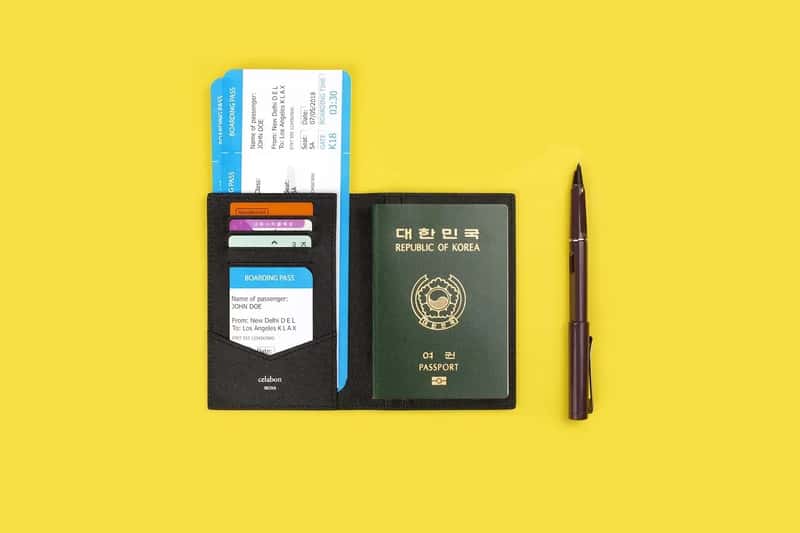
Customs officers make assessments in seconds, and one of the first things they clock is whether you already have your documents organized and ready. Experienced travelers over 60 who travel internationally several times a year know this instinctively – passport out, declaration form completed, nothing to dig for. Officers recognize that signal immediately. It communicates low risk before a single word is spoken.
Having your passport and arrival card in hand so you never have to rummage through your carry-on sounds obvious, but it dramatically changes the dynamic at the counter. Officers who see a worn passport cover, a completed declaration form, and a calm demeanor move the interaction along faster and with fewer probing follow-up questions. It’s not official policy – it’s human pattern recognition at the highest-traffic checkpoint in the airport, and it works in your favor every single time.
At a Glance
- Passport out before you reach the booth – not while you’re standing at it
- Declaration form fully completed – on the plane, not at the kiosk
- Nothing to dig for – carry-on organized so every document is on top
- Calm, unhurried body language – officers read it in the first 5 seconds
- Worn passport cover – a subtle signal of an experienced, low-risk traveler
#14 – They Give Medication Disclosures More Latitude When the Documentation Is Actually Organized
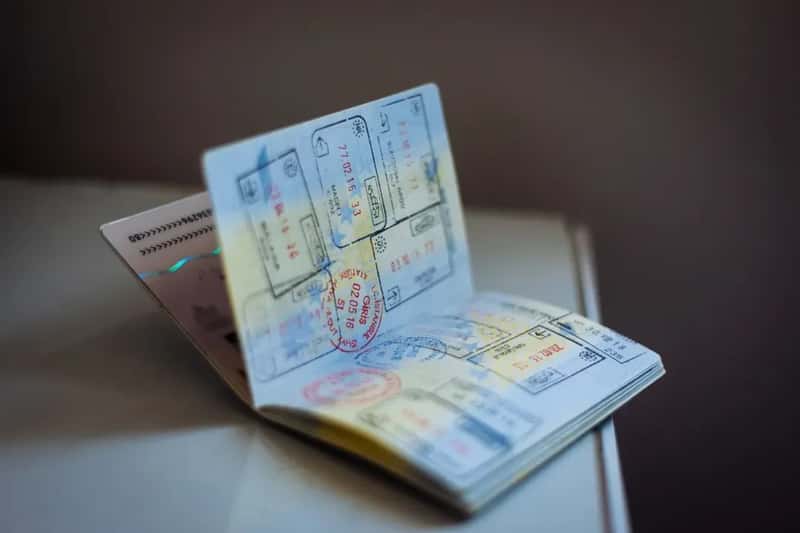
Travelers over 60 routinely carry more prescription medications than any other age group, and this is one area where preparation pays off more than most people realize. The general rule is to carry no more than a 90-day supply, keep everything in its original pharmacy container, and have a prescription or doctor’s letter ready for inspection. Officers processing experienced older travelers who present organized, labeled medications move through those disclosures faster and with far less scrutiny than travelers who dump unlabeled pill organizers onto the counter.
The single most common mistake older travelers make: pulling medications out of their original containers and into weekly pill organizers before flying. The original pharmacy label is what lets a CBP officer instantly confirm the medication belongs to you – it shows your name, prescribing doctor, pharmacy, and drug name. If you no longer have the original container, bring a copy of your prescription or a brief letter from your doctor. Officers who see that level of preparation move on fast. It’s one of those small things that quietly decides whether you spend two minutes at the counter or twenty.
#13 – They Notice When You’ve Used the Mobile Passport Control App and Treat It as a Trust Signal

Most travelers over 60 don’t know this app exists, and that’s exactly the problem. Since 2022, CBP has actively encouraged travelers to use the Mobile Passport Control app, which allows U.S. citizens to submit their customs declarations digitally before arrival – this expedites processing and reduces wait times at checkpoints. Officers at major airports are watching for travelers who arrive having already submitted their information digitally. It creates a pre-cleared paper trail before you even reach the booth.
The MPC app is completely free and available at dozens of major U.S. airports – yet the overwhelming majority of travelers over 60 are still filling out paper forms on the plane because nobody ever told them otherwise. Officers who see a digitally pre-submitted declaration from an older traveler tend to ask fewer follow-up questions, because the risk profile has already been assessed before that traveler walks up to the counter. A two-minute download before you board can change the entire experience on the other end.
#12 – They Quietly Steer Eligible Travelers Toward Global Entry Kiosks Instead of the Standard Line

Here’s something many older travelers don’t fully grasp: Global Entry is a CBP Trusted Traveler Program that allows expedited clearance for pre-approved, low-risk travelers arriving in the United States. The application fee is $120 and membership lasts five years. Officers staffing busy international arrivals halls at airports like JFK, LAX, and O’Hare will sometimes quietly redirect Global Entry members who wander into the wrong line – but only if you’re actually enrolled. The kiosk process takes under two minutes for most travelers.
What most travelers over 60 still don’t realize is that many premium credit cards now reimburse the $120 Global Entry fee entirely, making it genuinely free for cardholders. Cards from American Express, Chase, Capital One, and others all offer up to $120 in statement credits for the application fee. The program is widely considered the single most underused tool available to frequent international travelers in this age group. And because Global Entry automatically includes TSA PreCheck, you’re also skipping the shoes-off, laptops-out security line at domestic checkpoints for the entire five-year term. The math on that is hard to argue with.
Quick Compare: Global Entry vs. Doing Nothing
- Global Entry kiosk: Scan passport, face scan, receipt, done – under 2 minutes
- Standard international arrivals line: 45–90 minutes on a busy Sunday at a major hub
- Cost: $120 for 5 years ($24/year) – fully reimbursed by most premium travel cards
- Bonus included: TSA PreCheck for domestic flights at no extra charge
- Who qualifies: U.S. citizens and lawful permanent residents with a clean record
#11 – They Read Your Answer to “Where Did You Stay?” Very Differently Than You Think
This is one of the most misunderstood moments at the customs counter. Officers are not making small talk. When entering the U.S., CBP officers ask standard questions – purpose of visit, where you stayed, how long you were gone – to assess eligibility and compliance. Experienced older travelers who answer with specific, confident detail – naming the hotel, the city, the exact duration – move through noticeably faster than travelers who answer vaguely or hesitantly.
Officers are trained to flag inconsistencies between the declaration form and verbal answers – not to trip you up, but to identify risk. A calm, detailed, consistent answer to even basic questions signals low risk and often ends the interaction within 60 seconds. Vague answers don’t just slow things down – they open the door to follow-up questions that a specific answer would have closed permanently. Confidence and specificity read the same way to a customs officer: this person has nothing to hide.
#10 – They Handle Secondary Inspection Referrals Differently When You Stay Calm

Almost nothing rattles an older traveler more than getting pulled aside for secondary inspection. The heart rate goes up, the mind races through everything packed in the checked bag – and agents who see this reaction dozens of times a day will often say the same thing quietly before sending someone over: calm down, this is routine. That’s not just reassurance. It’s a real signal about how those interactions typically unfold.
Most secondary inspections for travelers over 60 are triggered by paperwork issues or agricultural flags, not suspicion of serious violations. Officers in secondary rooms tend to be more conversational and explanatory with older travelers who walk in relaxed – the tone of the entire interaction shifts when you arrive as if it’s a minor administrative step rather than an interrogation. The travelers who turn a 15-minute secondary check into a 90-minute ordeal almost always make it worse with their own anxiety, not their luggage.
#9 – They Look the Other Way on Duty-Free Confusion When It’s Clearly Honest – But There’s a Real Catch

This is the mistake experienced older travelers make most often and most confidently. Goods purchased in a duty-free shop are not automatically free of U.S. duty when you land back home. That bottle of Scotch or designer perfume picked up at the airport shop abroad still counts toward your personal exemption limit. The “duty-free” label means you didn’t pay the foreign country’s tax – it says nothing about what U.S. Customs will do with it when you arrive. Officers see this confusion daily, and many quietly walk experienced travelers through it rather than escalating.
The standard personal exemption is $800, meaning you can bring back that much in goods without owing customs duty – but the declaration requirement applies regardless of value, and even a $20 souvenir technically goes on your form. What officers almost never say out loud at the counter: there is no penalty for over-declaring, but the penalties for under-declaring include seizure of goods and civil fines starting at the full retail value of what you failed to report. Agents quietly tell experienced travelers the same thing every time: when in doubt, write it down.
Worth Knowing: The Duty-Free Myth vs. Reality
- “Duty-free” means: you skipped the foreign country’s tax – not U.S. customs duty
- Your $800 exemption: includes everything you bought abroad, duty-free shop or not
- Over-declaring: zero penalty, zero delay – officers simply clear and move on
- Under-declaring: seizure of goods plus civil fines starting at full retail value
- The rule officers repeat most: if you’re not sure, put it on the form
#8 – They Apply a Completely Different Standard When You’re Carrying a CBP Form 4457

This is the single most powerful document most travelers over 60 have never heard of – and it’s completely free. CBP Form 4457, the Certificate of Registration for Personal Effects Taken Abroad, lets travelers register valuable personal items with CBP before leaving the country. Its purpose is to prove you owned the item before departure, so you can bring it back into the United States duty-free without question. Think expensive cameras, laptops, a Rolex, or high-end jewelry you already own.
Without this form, if an item appears new or valuable, you may be asked to prove you didn’t purchase it abroad – and if that proof is unclear, there can be delays, additional questions, or worse. CBP Form 4457 cuts that entire conversation off before it starts. The form must be signed in the presence of a CBP officer before departure, and it’s valid for reuse as long as the document remains legible. It takes about three minutes to complete and can save you an hour of uncomfortable back-and-forth at the arrivals counter.
#7 – They Flag the “$10,000 Cash Rule” Confusion and Handle It More Patiently With Older Travelers – Up to a Point

Most travelers over 60 have heard of the $10,000 cash rule but get the details wrong in ways that can cause real problems. The requirement is not a limit on how much cash you can carry – it’s a declaration requirement. The $10,000 threshold applies to the total amount carried by an individual or by groups traveling together, where the combined total exceeds $10,000. Officers routinely handle confused older travelers at this checkpoint, and the interaction goes very differently depending on whether the traveler is upfront about it from the start.
Reportable monetary instruments that trigger this requirement include U.S. or foreign currency, traveler’s checks, money orders, and bearer negotiable instruments such as bearer bonds and endorsed checks. What most travelers don’t know: failing to declare more than $10,000 in cash or monetary instruments can result in immediate confiscation of the entire amount – not just the excess. Officers tend to be more patient walking experienced older travelers through this distinction, but only when the traveler approaches it honestly rather than defensively. The patience disappears fast if it looks like concealment.
#6 – They Scan the Travel History Page and Ask Fewer Questions When the Pattern Is Familiar
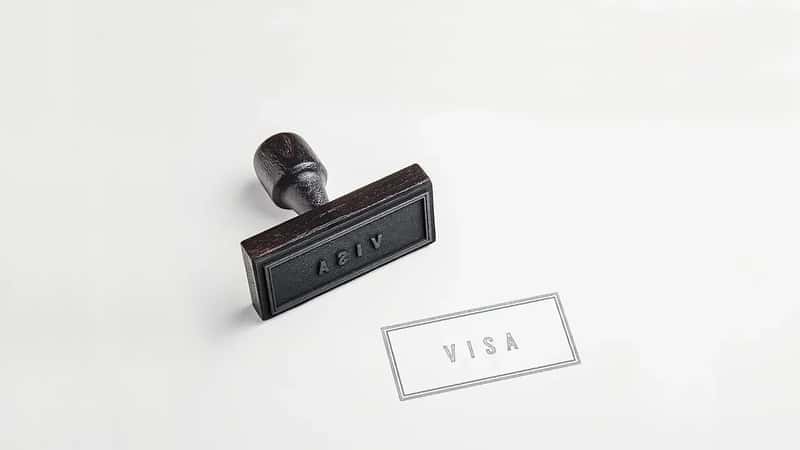
Customs officers process passport history as part of every inspection, and experienced older travelers who show consistent, logical travel patterns – the same few countries, regular intervals, clear purpose – generate a very different internal profile than someone with a fragmented or unusual stamp history. CBP screens both foreign visitors and returning U.S. citizens using a variety of techniques, and the speed of that screening is directly influenced by how readable your history actually is.
Travelers over 60 who take the same cruise route annually, visit the same destinations regularly, or show a clean record of short international trips with consistent returns are processed faster – not because of any formal senior policy, but because pattern recognition is at the core of how risk is assessed. A passport showing 30 stamps from well-traveled destinations over 15 years tells an officer a story in about five seconds. The fewer inconsistencies in that story, the fewer questions get asked out loud.
#5 – They Handle Agricultural Item Disclosures Differently When You Already Know What Triggers a Flag

This is an area where experienced older travelers – especially those returning from cruises or rural destinations – consistently run into trouble they didn’t expect. If you’ve visited a farm abroad, customs officers may need to clean your shoes before letting you through, to reduce the risk of invasive species or agricultural diseases entering the U.S. Officers apply this requirement regardless of age, but the practical outcome varies significantly based on how honestly and specifically you described your activities on the declaration form.
Experienced older travelers who’ve learned to check “yes” to the farm or soil contact question – even for something as casual as a vineyard tour or a countryside walk – move through agricultural secondary screening faster because there’s nothing left to investigate. The officers there are looking for concealment, not dirt on your shoes. The travelers who get held up longest are the ones who mark “no” and then get flagged by an agricultural detection dog or a visual inspection – because now the issue isn’t agriculture, it’s honesty. That’s a much harder conversation.
Fast Facts: Agricultural Flags That Catch Travelers Off Guard
- Vineyard or winery tours count as farm contact – check “yes”
- Countryside walks on unpaved trails can carry soil – officers know this
- Fresh fruit, plants, or seeds brought back are almost always prohibited
- Beagles and other detection dogs work agricultural secondary at most major hubs
- Disclosing honestly typically means a quick shoe check and you’re done
#4 – They Calibrate the Entire Interaction Around Whether You Pre-Declared on Your Form

The declaration form you fill out on the plane – CBP Form 6059B – is not a formality. Officers use it to set the entire tone of the interaction before you say a single word. Many U.S. airports now allow travelers to submit customs declarations electronically via kiosks or apps, but the principle is the same whether it’s paper or digital: experienced older travelers who fill the form out completely and specifically give officers almost nothing to work with at the counter.
When you’re not sure whether something needs to be declared, declare it – that’s CBP’s own official guidance, and it’s the one most people ignore because they’re afraid declaring something will cause a problem. The reality is exactly the opposite: there is no penalty for over-declaring, but there are steep penalties – fines, seizures, and in serious cases criminal charges – for under-declaring. Officers who see a fully completed, specific declaration form from an older traveler tend to ask far fewer verbal follow-ups. The form has already answered the questions they would have asked.
#3 – They Process Travelers With Global Entry or NEXUS Almost Entirely Without Human Interaction
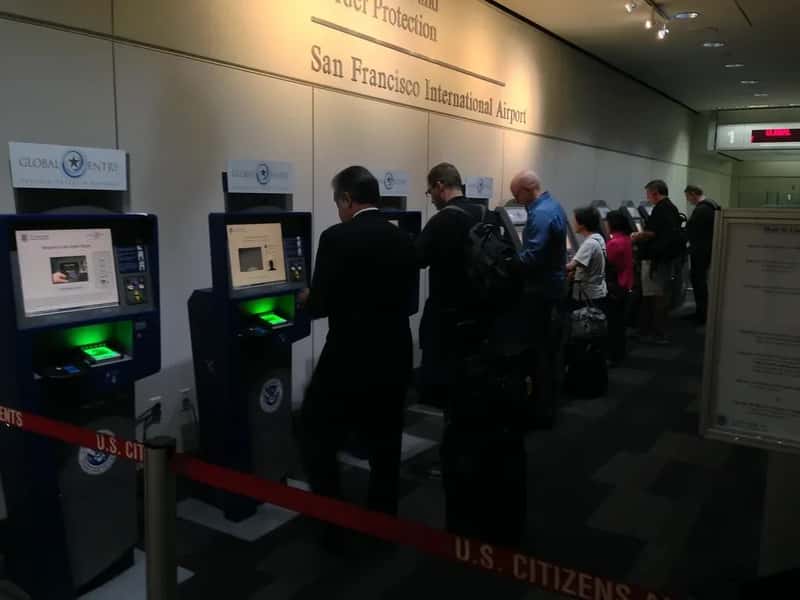
This is where the biggest real-world time difference lives for travelers over 60 who fly internationally more than once a year. At Global Entry-enrolled airports – which include most major U.S. international gateways – the process is: walk up to a kiosk, scan your passport, look into a camera, collect your receipt, and walk out. No line, no counter, no questions. Under two minutes for most members. All applicants undergo a background check, but for clean-record travelers, approval typically comes within a few weeks of the interview.
Global Entry automatically includes TSA PreCheck, meaning you also skip the shoes-off, laptops-out security routine at domestic checkpoints for the entire five-year membership term. The application fee is $120 – which works out to $24 a year – and is often fully reimbursed by a premium credit card. Cards like the Chase Sapphire Reserve, American Express Platinum, and Capital One Venture X all cover the $120 fee automatically when you pay with the card. The contrast between the Global Entry kiosk lane and the standard international arrivals queue on a busy Sunday afternoon at Miami International is something you only need to see once. Most travelers over 60 who enroll describe it as the single best travel decision they’ve made in years.
#2 – They Quietly Give Experienced Travelers a Real Warning Before a Citation When Something Small Gets Missed

This one rarely gets talked about because it doesn’t exist anywhere in writing. But experienced CBP officers describe it consistently: when an honest first-time mistake from a cooperative older traveler with a clean record crosses their counter, the outcome is almost always different from what the traveler expects. It’s not a loophole – it’s discretion, and it’s built directly into how CBP handles minor violations from travelers who are clearly not trying to deceive anyone.
CBP’s published mitigation guidelines note that penalties for false statements can reach $5,000 per statement – and that a simple “no” at the counter can be deemed material and constitute a violation even without intent. Officers have significant discretion in how they handle first-time minor disclosures from cooperative, experienced travelers, and that discretion is almost always exercised more generously when the traveler’s record is clean and their demeanor is calm and honest. The officers who use that discretion freely describe the same trigger every time: the traveler told the truth before being asked.
#1 – They Treat the “When in Doubt, Declare It” Rule as Unofficial Immunity – and Experienced Travelers Over 60 Use It Every Single Trip

This is the one. The thing that separates experienced travelers over 60 who sail through customs from everyone else standing in the same line. Declaring something gives the officer the information they need to clear you. Not declaring something gives them a reason to hold you. That distinction isn’t a technicality – it’s the entire operating logic of how customs interactions unfold. Officers across every major U.S. international airport describe the same pattern: travelers who over-declare get cleared faster than travelers who under-declare, almost without exception.
For travelers over 60 carrying more medications, more gifts, more purchases, and more complicated travel histories than most, this principle covers nearly every gray area they’ll ever encounter at the counter. There is no fine, no delay, and no secondary referral that has ever resulted from declaring too much. Penalties in the U.S. range from fines to confiscation of goods – and in extreme cases, prosecution. The experienced traveler who checks “yes” on the form and walks up to the counter with nothing to hide doesn’t just move faster. They change the entire dynamic of the interaction before they open their mouth. That’s what 40 years of international travel actually looks like in practice.
Why It Stands Out: The Over-Declare Advantage
- Over-declaring: zero penalty, zero fine, zero delay – every time
- Under-declaring: civil fines, seizure of goods, possible prosecution
- Gray area items (souvenirs, gifts, food): always declare, always faster
- CBP’s own official guidance: “When in doubt, declare it”
- The result: officers have nothing left to ask – you’ve already answered it
The thread connecting all 15 of these things is the same: customs officers are risk assessors first, everything else second. Travelers over 60 who come prepared, organized, honest, and calm aren’t receiving special treatment – they’re receiving the logical outcome of behaving like someone with nothing to hide. The programs are real. The discretion is real. And the difference between a 90-second customs clearance and a 90-minute one almost always comes down to decisions made long before you board the plane.