Most passengers assume the captain personally steers the ship from the moment it leaves the dock until it returns home. That’s not even close to true. Every major port call on your cruise involves a total stranger climbing aboard from a moving boat, taking over navigation, and making split-second calls that affect your safety far more than the buffet schedule ever will.
Harbor pilots almost never talk to passengers directly, but the ones who’ve spent decades doing this dangerous job have plenty to say about what older travelers get wrong on the water. Here’s what they actually wish you understood, counting down to the one fact almost nobody on your cruise has ever heard.
#15 – That Boat Racing at Your Ship Isn’t Security. It’s the Most Important Boarding of the Day.
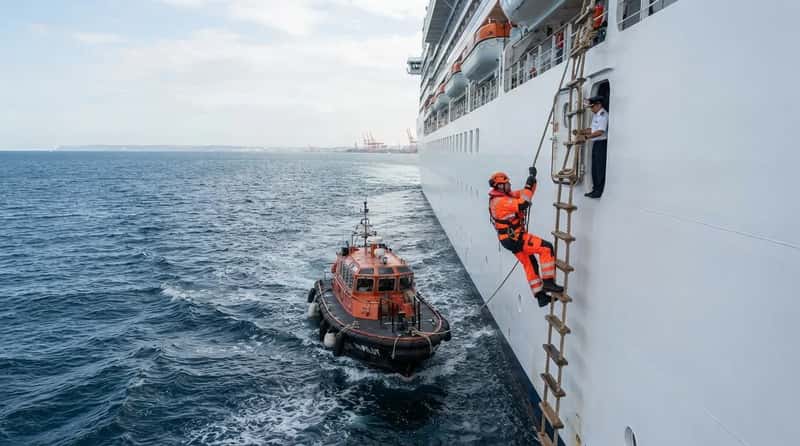
When passengers spot a small boat speeding toward the ship near port, most assume it’s a coast guard check or a supply run. It’s neither. If you’ve sailed before, you’ve probably watched that boat pull alongside with precision timing so a figure in safety gear can climb a rope ladder straight onto the moving vessel.
That figure is a maritime pilot, a local expert who knows the tides, currents, and channels of that specific port better than anyone on your ship’s crew. In U.S. ports and around the world, the pilot typically boards 10 to 20 miles offshore from a pilot boat that can run 65 to 100 feet long. Most passengers never realize the handoff even happened, but from that moment on, someone new is in charge.
Fast Facts
- Pilots typically board 10 to 20 miles offshore
- Pilot boats run 65 to 100 feet long
- Boarding happens via rope ladder onto a moving ship
- Most passengers never notice the handoff even occurred
#14 – The Foot-Wide Gap on the Tender Boat Is a Bigger Deal at 60 Than You Think
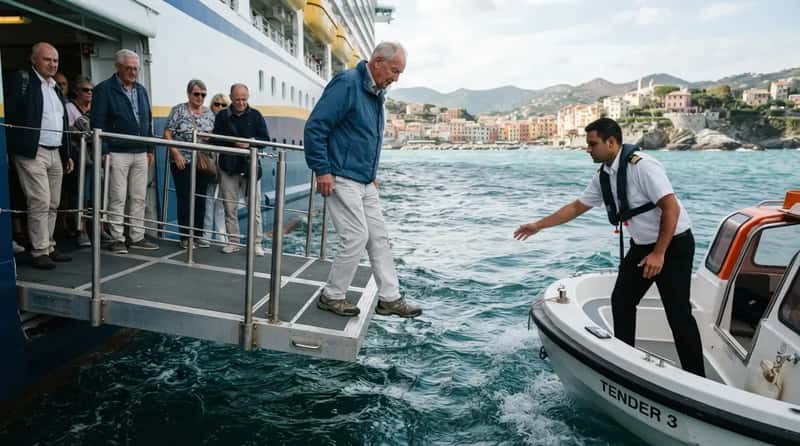
Tender ports look charming from the top deck. They feel very different once you’re standing at the edge of a platform that’s actually moving. In choppy water, the tender rises and falls against the ship, and that gap you have to step across can stretch to nearly 12 inches of open water.
Crew members watch every single boarding closely, and they are not shy about turning people away. Help is available, but if a crew member judges that you’re not steady enough, you simply will not be allowed on that tender. In rough seas, this rule applies especially hard to passengers with mobility issues, no matter how badly they wanted to see that port.
#13 – Your “Weather Delay” Was Actually a Pilot’s Decision, Not the Captain’s
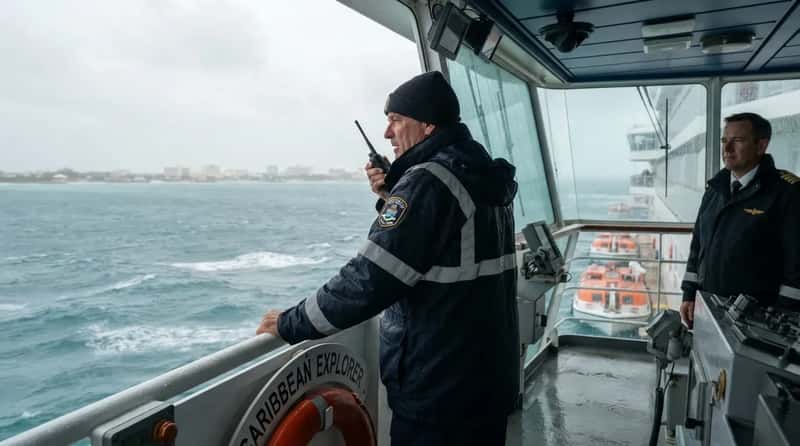
Passengers grumble about itinerary changes without realizing who’s actually behind them. It’s rarely the cruise line playing it safe for no reason at all.
When wind, swells, or visibility turn ugly, the harbor pilot assesses the risk and can recommend skipping the port entirely, sometimes before ever setting foot on board. That means the person canceling your excursion day has never met you, has no financial stake in your vacation, and answers only to the port authority. Most travelers never realize this trade-off exists until their Grand Cayman stop quietly disappears from the schedule.
#12 – In Alaska, the Pilot Never Really Leaves the Bridge
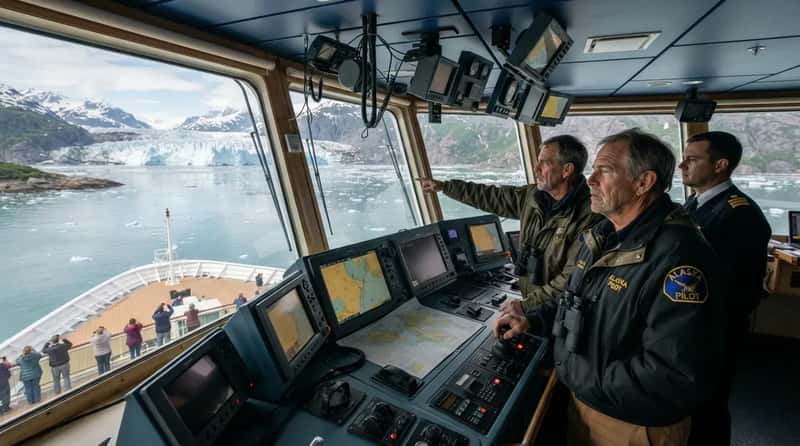
Passengers expect a quick pilot handoff at every stop, the same way it works in Miami or Barcelona. Alaska breaks that pattern completely, because ships there sail so close to shoreline and ice for nearly the entire route.
Vessels in these waters are typically under pilotage almost the whole time, often with two pilots working in tandem, a common arrangement in places like Glacier Bay National Park and Preserve. That means the pilots aren’t popping in for twenty minutes near the dock. They’re on the bridge for most of your scenic cruising day, tracking ice and shoreline the entire time you’re snapping photos from the rail.
#11 – There’s One Waterway Where Your Captain Isn’t Actually in Charge
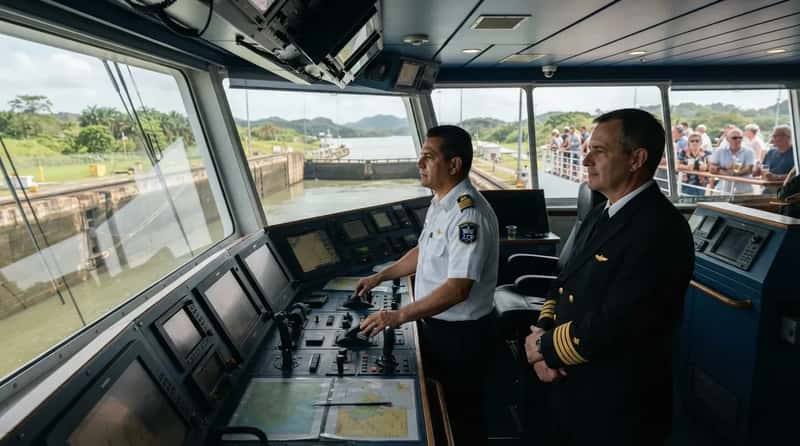
Every port pilot works alongside the captain, never above them, except in exactly one place on Earth. That exception is the Panama Canal, and it flips the entire chain of command most passengers assume is fixed.
For hours, your captain effectively becomes a passenger on his own bridge while a canal pilot makes every navigational call through one of the most engineered waterways in the world. Most cruisers sipping cocktails as they pass through the locks have no idea the authority on the ship just changed completely. It’s a strange twist almost nobody explains before you sail.
#10 – Pilots Don’t Work for the Cruise Line, and That’s the Whole Point
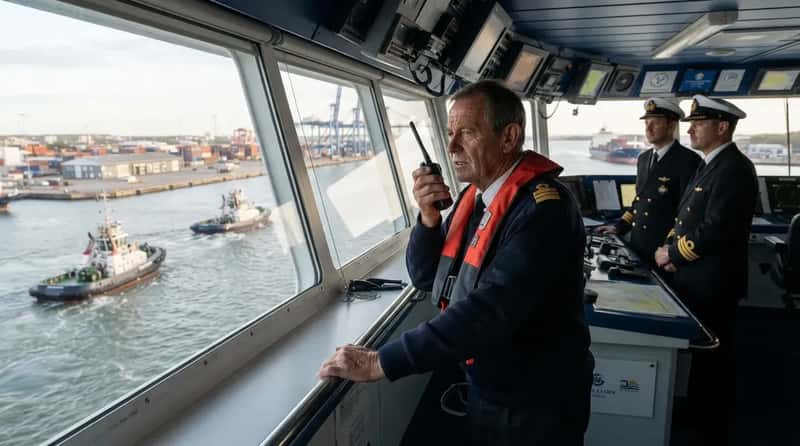
Some passengers assume the pilot is just another cruise employee in a different uniform. In reality, that independence is the entire safety system working exactly as designed.
Maritime pilots are employed or licensed by a port authority, not by Royal Caribbean, Carnival, or Norwegian. That separation means when a pilot decides the ship isn’t entering port today, there’s no revenue pressure influencing the call and no corporate schedule to protect. It’s exactly why the system has held up for centuries without a cruise line ever getting a vote.
#9 – The Same Rough Water That Cancels Your Excursion Has Injured the Person Steering Your Ship
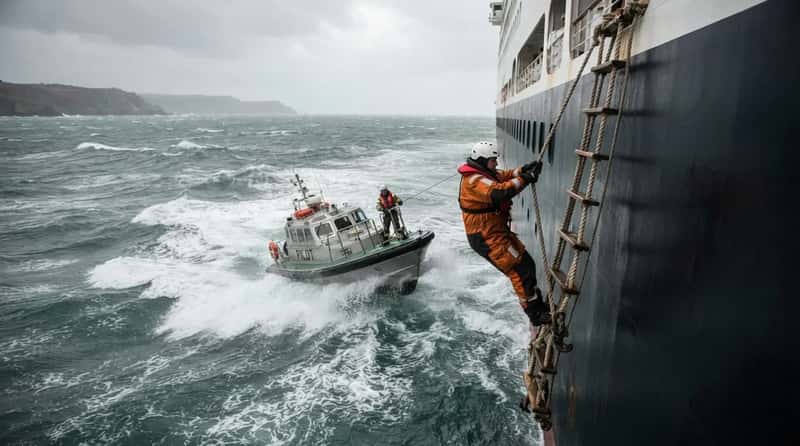
Passengers see choppy water as an inconvenience. Pilots see it as the single biggest occupational hazard of their entire career, and the numbers back that up.
Roughly one in twenty harbor pilots worldwide will be killed or injured at some point on the job, most often during the transfer between boats. In February, a pilot fell into 12-foot seas off Hawaii while boarding a Princess Cruises ship, triggering a dramatic rescue. The rough patch that ruins your shore day for a few hours is the same rough patch pilots train constantly just to survive.
#8 – Your Cabin Number Decides How Much the Ocean Pushes You Around
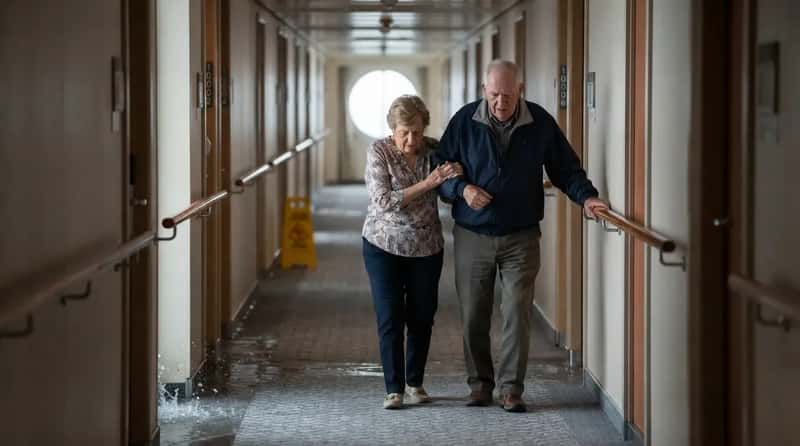
Most passengers over 60 pick a cabin for the view. Pilots and crew know the real variable is motion, and it has almost nothing to do with the photo in the brochure.
Cabins right at the very front feel the most movement, especially in rough seas, while midship cabins on lower decks stay noticeably steadier. Add a splash of water on deck or a pair of slippery soles, and unstable footing turns into a real fall risk fast. One cruise agent described watching an older passenger slip near a hot tub and need a wheelchair from the medical team minutes later.
Quick Compare
- Forward cabins: most motion, roughest in swells
- Midship, lower deck cabins: steadiest ride on the ship
- Aft cabins: moderate motion, more engine vibration
- Wet decks near pools and hot tubs: highest slip risk, regardless of cabin location
#7 – The Tide Chart, Not the Cruise Line, Picks Your Arrival Time
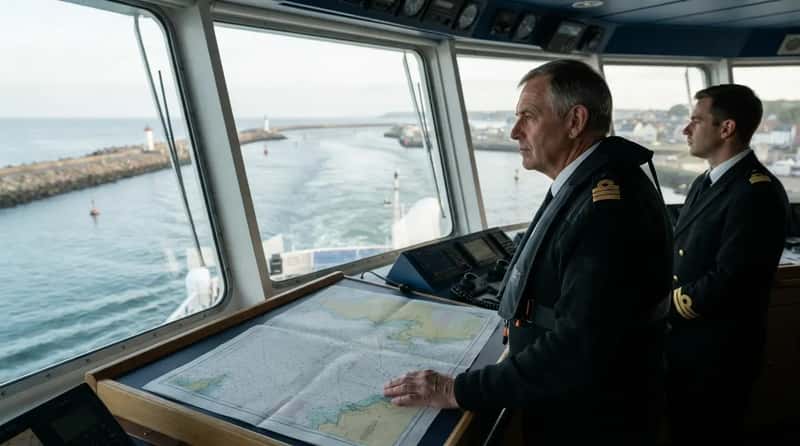
Ever wonder why your “7 a.m. arrival” quietly slides to 9 a.m. with zero explanation? Blame the moon, not the itinerary planners.
Pilots weigh tide levels, wind, and harbor traffic before ever guiding a ship through a narrow channel, and many ports simply can’t be entered safely until the water reaches a certain depth. That’s why the “on-time” promise on your daily planner is really more of a tide-dependent estimate than a guarantee. Most frequent cruisers never connect low tide to a delayed breakfast announcement over the intercom.
#6 – A Flag Nobody Explains Tells the Whole Harbor a Stranger Is Steering
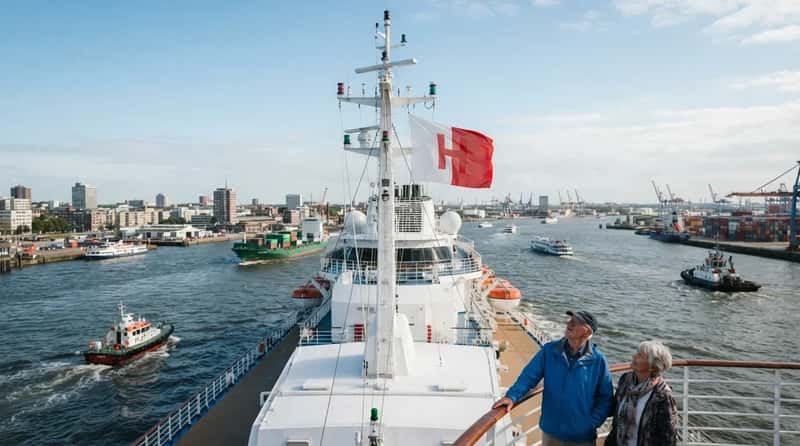
There’s a quiet signal flying above your head that most passengers walk right past without ever noticing. A crew member raises the pilot flag the moment a pilot boards, alerting every other vessel in the harbor that navigational control has temporarily shifted.
It’s an old-fashioned piece of maritime tradition doing a very modern job, keeping tankers, ferries, and fishing boats from making wrong assumptions about who’s driving your ship. Nobody hands out a pamphlet explaining it, so most cruisers over 60 have sailed past that flag a hundred times without knowing what it meant. Once someone points it out, you’ll never miss it again.
#5 – Pilots Don’t Study the Port. They Live It, Sometimes Daily
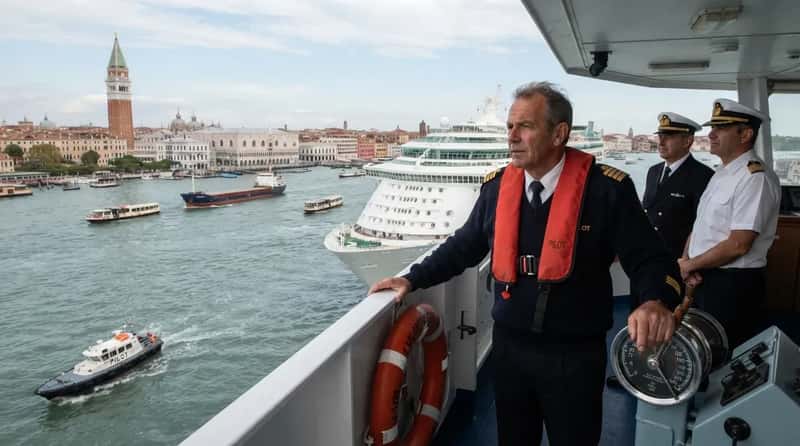
Your ship’s officers might visit a given port a handful of times a year. The pilot who boards you today may have made that exact same run yesterday morning.
Most harbor pilots are experienced former ship captains who make these tricky transits multiple times a week, keeping their knowledge of currents, wind patterns, and shifting sandbars constantly updated. That’s not textbook knowledge; it’s muscle memory built from repetition most passengers will never appreciate. The safest hands on your ship often belong to someone who barely sleeps in the same port twice a week.
#4 – The Most Dangerous 10 Seconds of Your Cruise Happen Before Breakfast
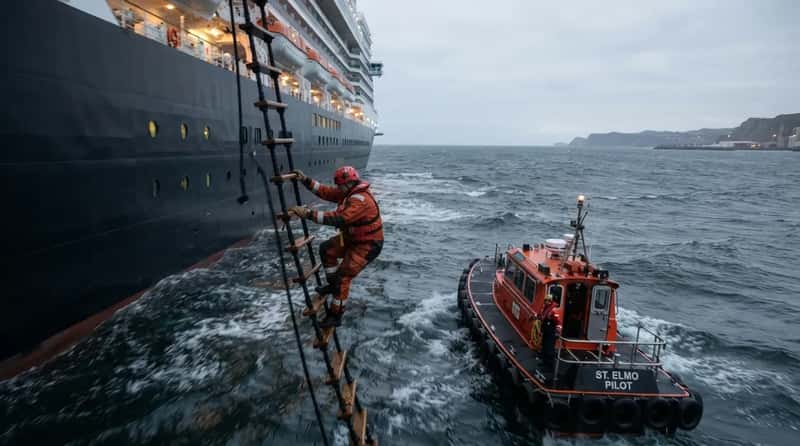
While you’re still asleep, someone is climbing a rope ladder onto a moving ship in open water, and that moment carries more risk than almost anything else on your entire trip.
The most dangerous stretch of the job is the transfer itself, climbing backward down a ladder while a ship is still moving at roughly seven knots. In just ten seconds, a pilot can drift 30 meters from where they’d land if they fell, relative to the ship’s position. That’s the margin they work with every single morning, in every port, no matter the weather.
#3 – Passengers Over 60 Are Exactly Who Pilots Quietly Worry About Most
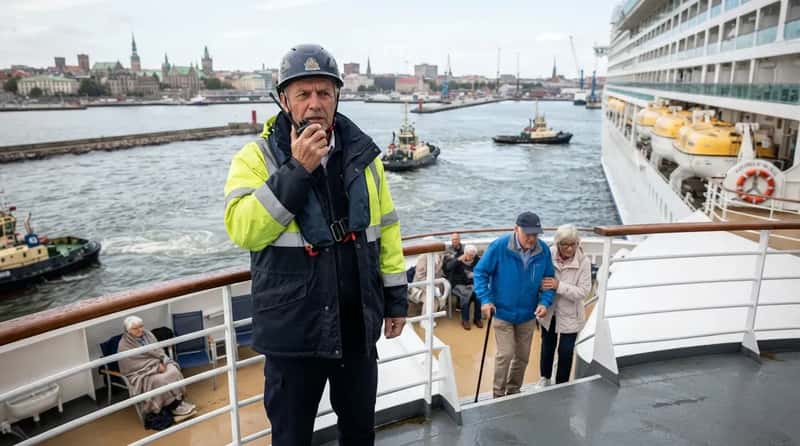
Pilots don’t just think about currents and tides. They think about who’s actually on the ship they’re steering, and older travelers make up a huge share of that equation.
Passengers aged 60-69 alone account for about 19% of cruisers, with those 70 and up adding another 13%, meaning roughly a third of every ship is 60 or older. That directly shapes decisions about tender access, gangway safety, and whether a marginal-weather port call happens at all. It isn’t ageism, insiders say; it’s math, and more mobility-limited passengers simply means more built-in caution on every call a pilot makes.
At a Glance
- Ages 60-69: about 19% of cruisers
- Ages 70 and up: about 13% of cruisers
- Combined: roughly one-third of every ship’s passengers
- More mobility-limited guests means more built-in caution on close calls
#2 – A Pilot Can Say No to Your Port, No Matter What Your Itinerary Says
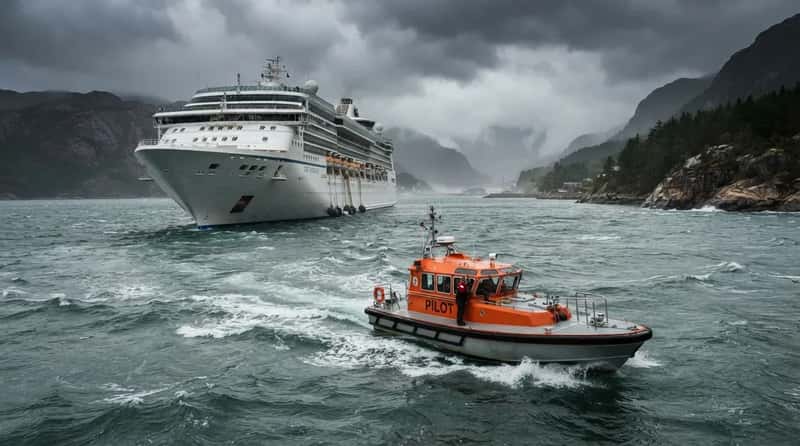
Passengers assume the printed itinerary is a promise. It’s actually a plan pilots can veto in real time, and they do exactly that whenever conditions demand it.
Pilots are legally required at most major sea ports around the world for large ships, and that requirement isn’t optional; it exists purely for safety and environmental protection. If conditions aren’t safe, the port simply doesn’t happen, regardless of how many people booked shore excursions. Your entire day is genuinely at the mercy of one local expert’s judgment call, and travelers rarely get more explanation than “conditions changed.”
#1 – Guiding Your Ship Safely to Shore Is One of the Deadliest Jobs on the Water
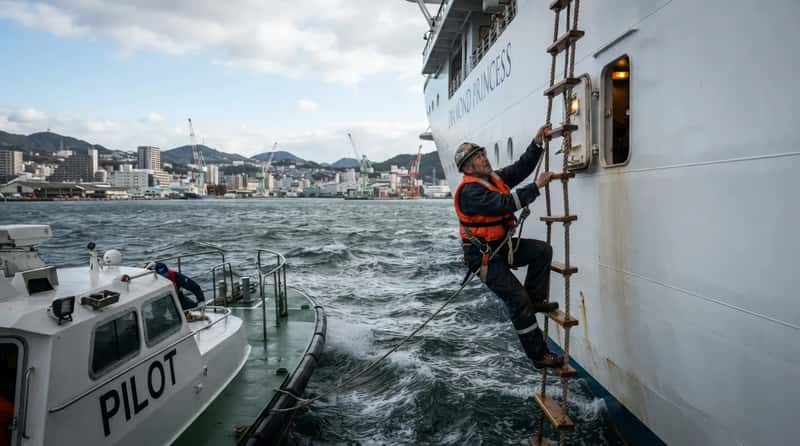
Behind every smooth, uneventful arrival is a job with a real body count, and pilots wish more passengers understood the stakes of getting them safely to shore. According to the American Pilots Association, eight cruise ship pilots have been killed in the United States alone since 2006.
In 2023, a pilot in the port of Nagasaki fell into the water while attempting to board a Diamond Princess and passed away two hours after being pulled from the sea. A single accident can also cost a pilot their license, their career, and expose them to massive uninsurable liability. Every calm docking you’ve ever enjoyed rode on someone quietly accepting that risk so your morning coffee on the lido deck never got interrupted.
Worth Knowing
- 8 pilots killed in the U.S. alone since 2006, per the American Pilots Association
- 2023: a Nagasaki pilot died after falling while boarding a Diamond Princess
- A single accident can end a pilot’s license and career overnight
- Every smooth docking rests on someone quietly accepting that risk
Most passengers over 60 will sail dozens of cruises and never learn a single one of these fifteen facts. The pilot boat comes, the ship docks, and the whole operation looks effortless by design. But behind that smoothness is a stranger climbing a ladder in open water, a tide chart deciding your breakfast time, and a safety net built almost entirely on judgment calls nobody explains over the intercom.
None of this should scare you away from cruising. If anything, it should make the next pilot boat you spot from the rail a little more fascinating. So the next time you see that small boat racing toward your ship, you’ll know exactly what’s about to happen, and why it matters more than almost anything else on your trip.