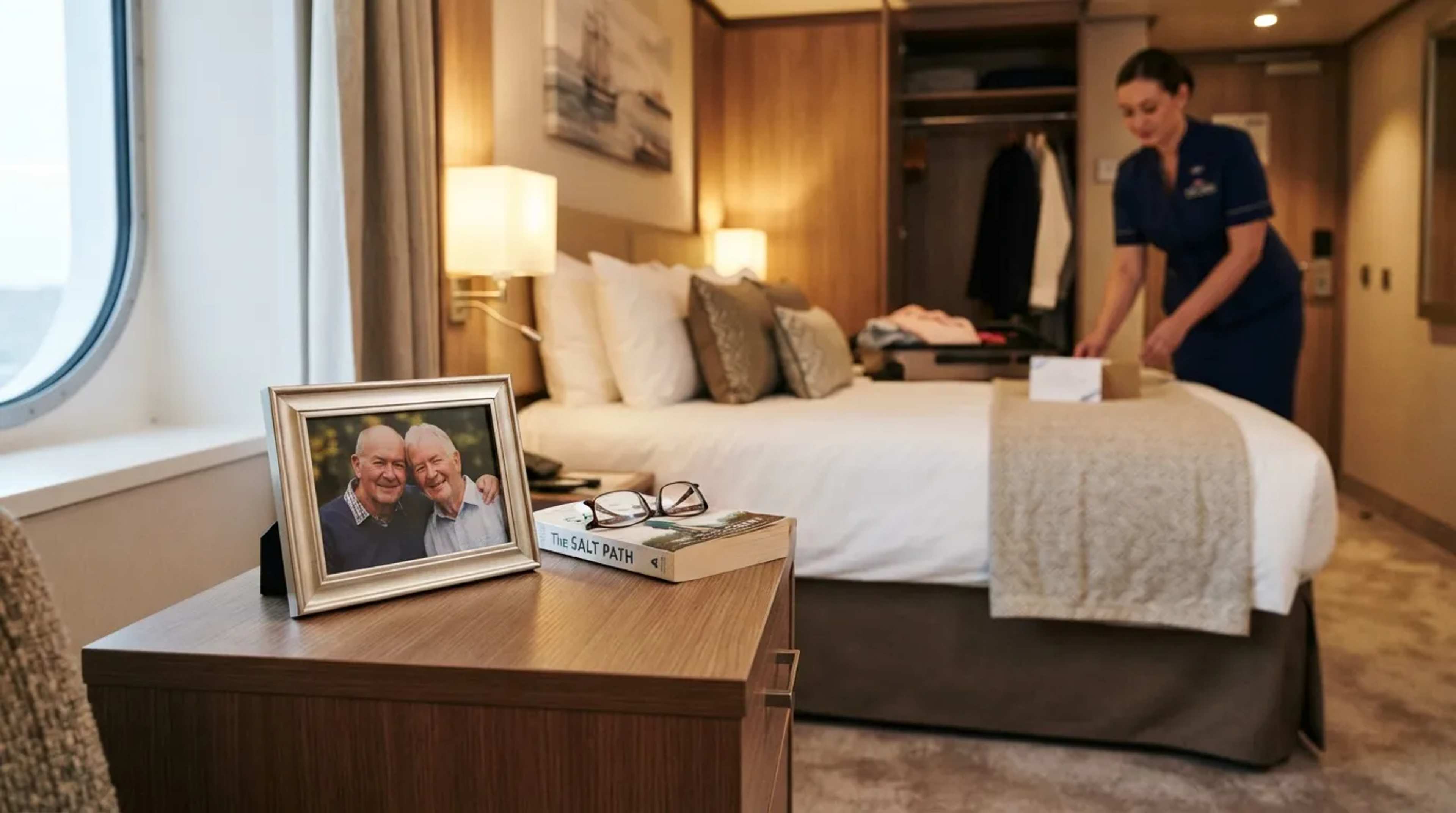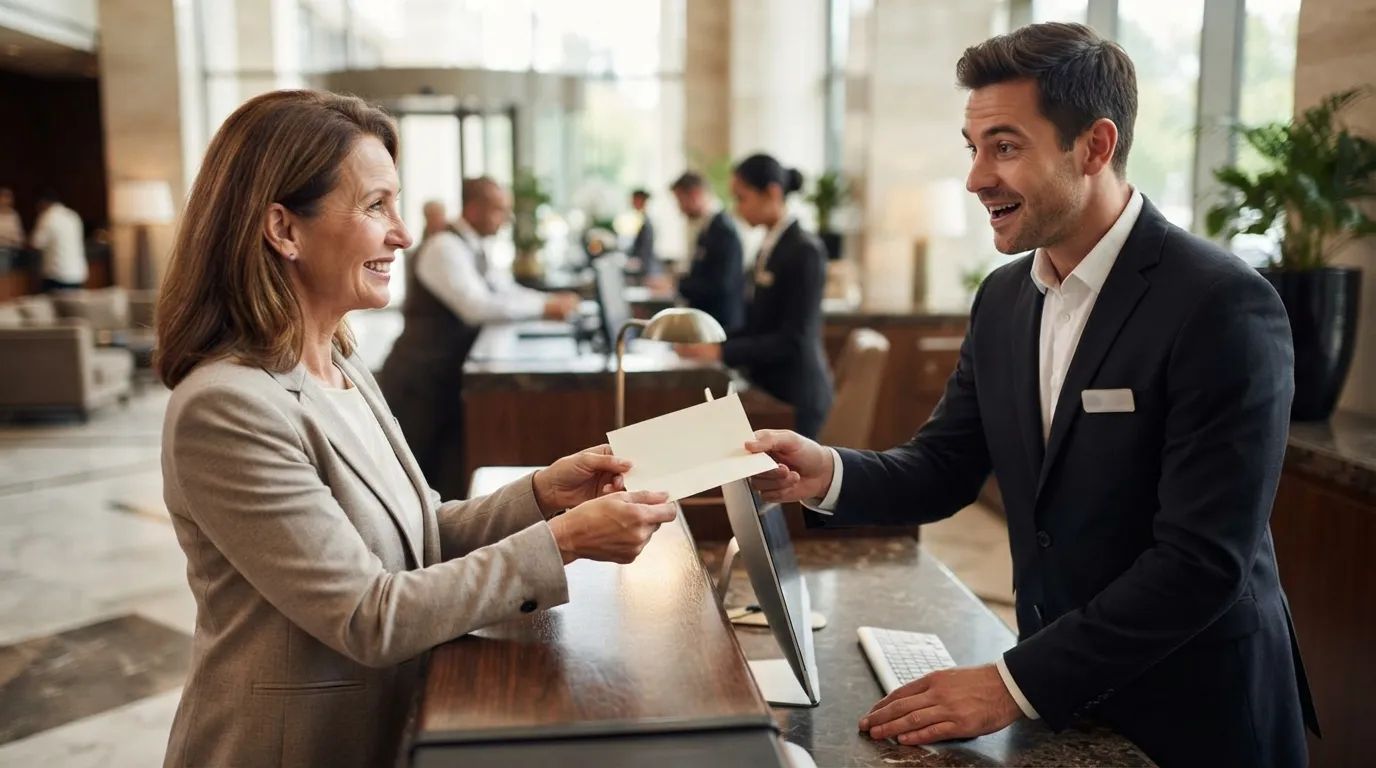
Long after the big tippers have checked out, front desk teams still talk about the guest in Room 412 who stayed for three weeks. It wasn’t about the money. It was the person who made a tiring, back-to-back job feel a little lighter every single day.
You’d assume staff reserve their respect for whoever has the most loyalty points or the fattest wallet. Insiders describe something quieter: small habits most guests never realize are being noticed. Some take ten seconds, and the one waiting at #1 is something almost nobody does.
#15 – They Learn Names in the First 48 Hours
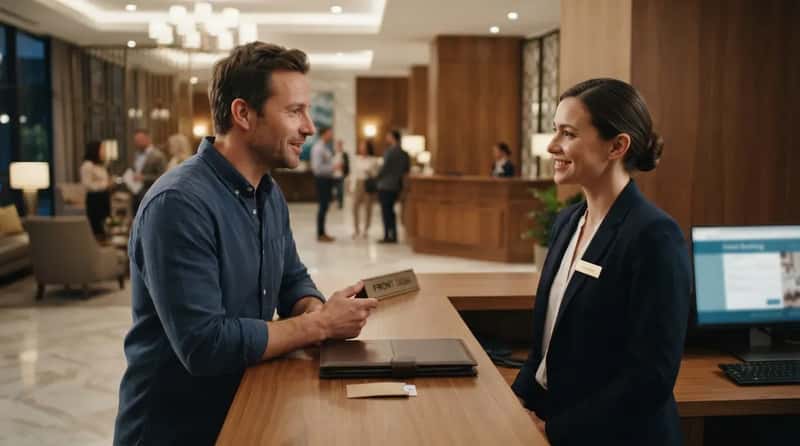
Front desk agents meet hundreds of faces a week, so a guest who says “Hi, I’m in 412 for the next three weeks” stands out at once. It gives the team a reference point and lets them flag your room for packages or repeat requests. That one sentence can save you ten minutes of explaining later.
Then comes the follow-through. The guest who remembers the evening clerk’s name on day four gets treated like a regular, not a room number. Staff tend to go the extra step for people they recognize, and recognition is rare in a business built on turnover.
#14 – They Set the Housekeeping Rhythm Instead of Guessing
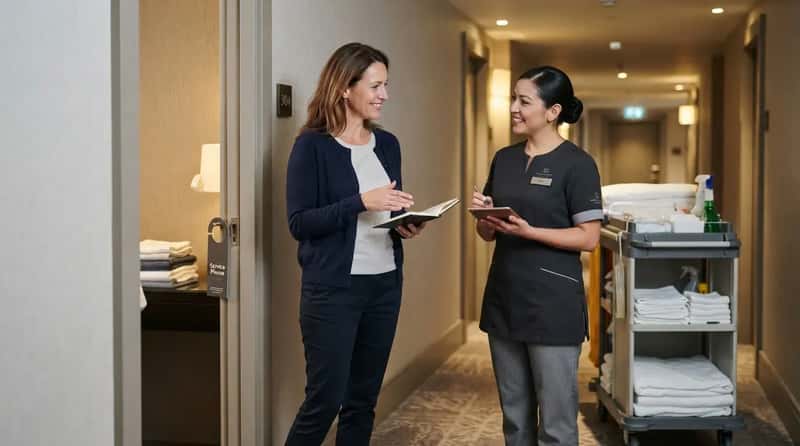
Long stays change the cleaning math. Many extended-stay brands default to weekly housekeeping, while traditional hotels often clean daily unless you opt out. The guest who asks on day one, “What’s the schedule, and what works best for you?” saves everyone a mix-up.
Staff can hear the difference between “skip my room, I’m fine” and a real plan. A clear arrangement means no wasted trips, no awkward knocks, and no surprise piles of laundry. Housekeepers say predictable rooms are the easiest ones to do well.
It’s a two-minute conversation that sets the tone for the entire stay.
#13 – They Tip Housekeepers Daily, in Cash, With a Note
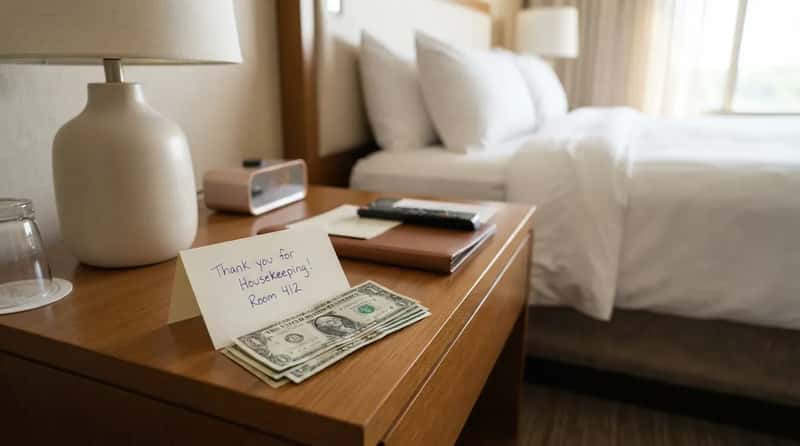
The American Hotel & Lodging Association’s guidance suggests leaving a few dollars per night for housekeeping. Long-stay guests who do this every day earn instant loyalty. Different people often clean your room on different days, so a single lump sum at checkout can miss the very person who did the work.
A short “Thank you, Room 412” note makes it clear the money is meant for the housekeeper. Without it, some housekeepers hesitate to touch cash left on a pillow. A clearly labeled tip is the one that actually reaches the right hands.
Skip this habit, and you’ve passed up the easiest respect you could ever earn.
#12 – They Bag the Trash and Stack the Dishes Before Housekeeping Arrives
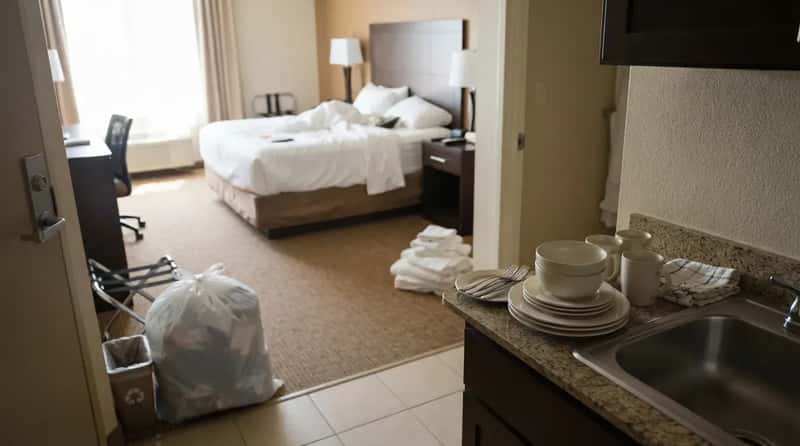
Over weeks, takeout containers and coffee cups pile up fast. The guests staff respect most gather the trash into a bag and stack dishes by the sink. It takes thirty seconds, and it spares the housekeeper from digging through a mess.
Some argue that cleaning before the cleaner arrives is pointless, since that’s what you’re paying for. Many housekeepers see it differently. A room that’s easy to reset lets them finish on time and actually do the detail work. Plenty of them remember the guests who made their day lighter.
At a Glance
- Tie off the trash bag and set it by the door
- Stack dishes and cups by the sink
- Gather used towels in one spot
- Clear the bed and bathroom counter of loose items
#11 – They Cook Like They Know Someone Else Has to Sleep There Next
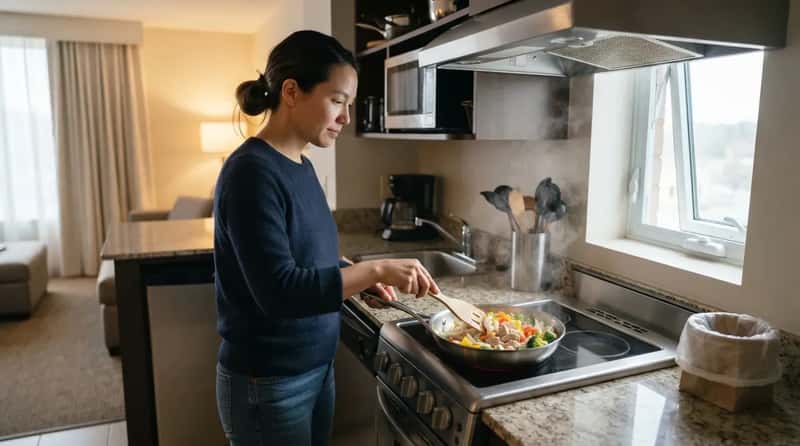
Suites with kitchens come with an unspoken rule. The guest who fries fish on day two and keeps every window shut is the one staff talk about at shift change. Respected long-stay guests pick milder meals, run the vent fan, and take the trash out the same night.
Lingering odors are among the toughest problems a hotel room can have. In bad cases, a room may be pulled from inventory for deep cleaning. Staff appreciate guests who treat the kitchen as part of a shared building, not a private apartment.
And the next habit affects far more than smell.
#10 – They Treat Quiet Hours as Sacred, Even When Nobody Is Checking
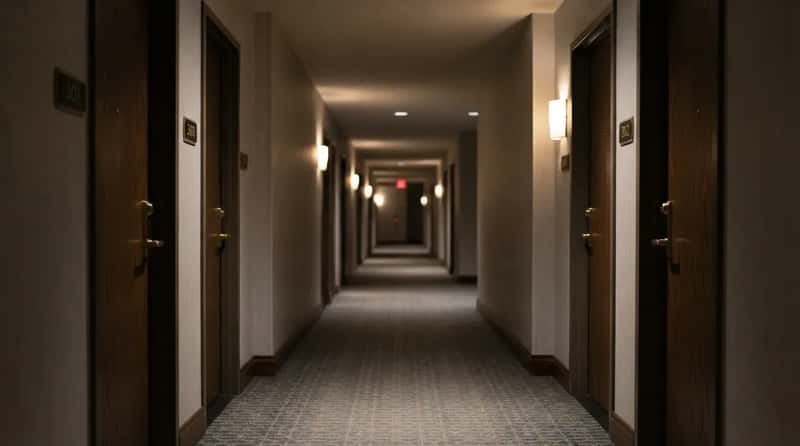
On a long stay, you start to learn your neighbors’ routines. Flight crews, night-shift nurses, and traveling contractors all share the same hallways. The guest who keeps the TV low at 10 p.m. and doesn’t slam the door at 6 a.m. rarely shows up on a complaint log.
Front desk staff say noise complaints are among the most stressful calls to handle, since everyone involved is tired and cranky. A guest who never generates one is quietly worth their weight in gold. No speech required. They just keep the peace.
Worth Knowing
- Your neighbors may be sleeping at odd hours, so a quiet room at 2 p.m. can matter too
- Hallway conversations and phone calls carry farther than most people expect
- Door-closing habits matter: a gentle push beats a slam every time
- If the noise is coming from you, a lower volume is easier than a visit from security
#9 – They Report Problems Early, With Specifics
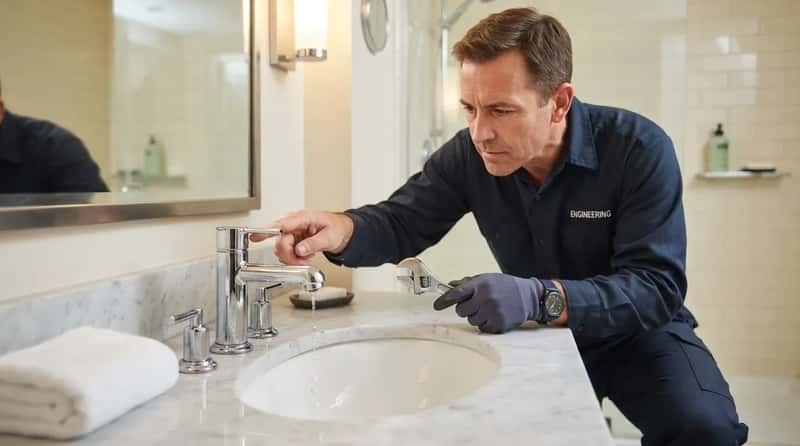
A dripping faucet on day three is a simple fix. By day twenty, it can become a ceiling stain for the room below. Staff respect the guest who calls maintenance right away and says “the bathroom sink drips when the cold tap is on,” not “something’s broken.”
Clear details let engineering show up with the right tool the first time. It also shows you aren’t hunting for a discount. Early reports protect the next guest too, since small issues are cheaper to fix than big ones.
The next habit is about protecting the people who clean your room.
#8 – They Lock Up Valuables So Nobody Is Put in an Awkward Spot
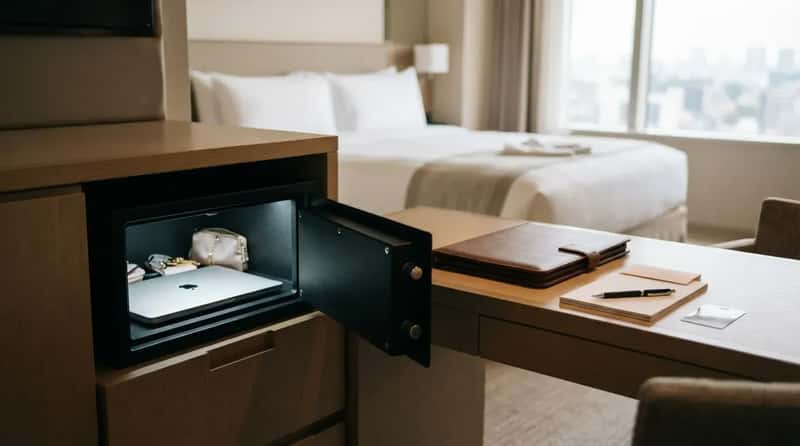
Leaving cash, jewelry, or a laptop out on the desk for weeks puts housekeepers in a tough position. If something goes missing, they’re often the first to be questioned, even when they did nothing wrong. Long-stay guests who use the in-room safe protect everyone.
It isn’t about distrust. It’s about removing doubt. A tidy surface and a locked safe mean no one can ever be blamed. Housekeepers quietly appreciate that.
Why It Stands Out
- It protects housekeepers from unfair suspicion
- It protects you from a loss that’s hard to prove later
- It takes less than a minute once it becomes routine
- It signals a guest who thinks about the whole team
#7 – They Keep Laundry and Linens in Their Own Lane
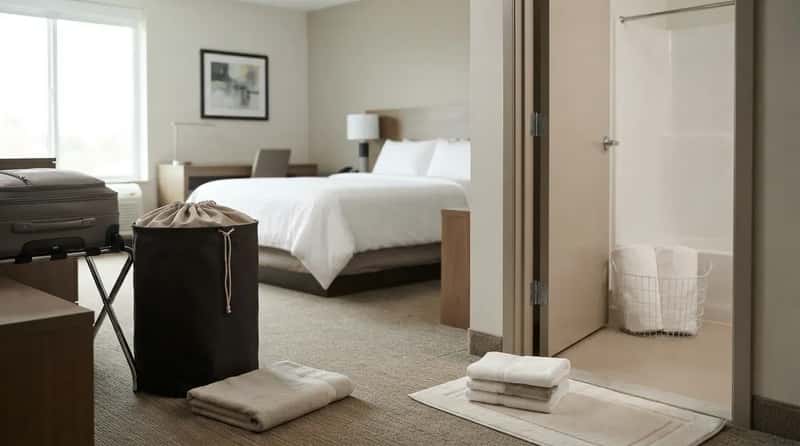
Towels on the floor, sheets in a heap, and clothes draped over every chair make a room hard to clean. Guests staff respect keep personal laundry in a bag or basket and leave used towels in one spot. That tiny system means nothing gets mistaken for trash or tossed in the wrong place.
Many extended-stay properties offer guest laundry rooms, and the good guests use them. They don’t wash clothes in the sink and hang them over the shower rod for days. Damp fabric can invite mildew, and staff notice who prevents it.
#6 – They Use “Do Not Disturb” Carefully, Not Constantly
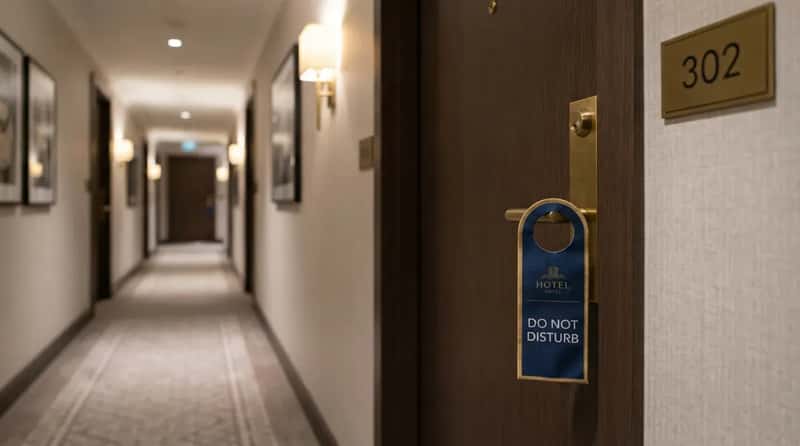
A sign on the door for a week can make staff nervous. Many hotels have policies for checking on rooms that go unserviced for a set number of days, because it’s the only way to know a guest is okay. Respectful guests tell the desk, “I’m fine, I just want privacy until Thursday.”
That one sentence can prevent an awkward knock or a manager’s visit. Staff don’t want to intrude, but they have to be sure no one is in trouble. A quick heads-up turns a rule into a courtesy.
But the next habit has more to do with paperwork than politeness.
#5 – They Read the Fine Print on Rates, Taxes, and Folios

Long stays often come with special rates and tax rules. In many U.S. states, occupancy taxes stop applying after a guest stays 30 consecutive days, though the rules differ by state and city. Smart guests ask about this up front and check their statement weekly.
That helps the accounting team, who deal with billing disputes at month’s end. A guest who spots an error on day nine is far easier to help than one who disputes a thousand-dollar charge at checkout. Organized guests make the fix faster for everyone.
Fast Facts
- Ask whether your rate is nightly, weekly, or monthly, and what happens if you leave early
- Ask when tax rules change for stays of 30 nights or more in your city
- Request an updated folio once a week and scan it for duplicate charges
- Ask about parking, pet, and amenity fees before they show up on the bill
#4 – They Don’t Treat Loyalty Status Like a Weapon

Here’s the part that starts arguments. Many people believe elite status guarantees upgrades, free breakfast, and late checkout on every stay. Plenty of staff say the guests they’d go to bat for are the ones who ask politely and accept “no” gracefully.
Perks are typically subject to availability, and the front desk often has little control over what’s open. The guest who says “I understand” after hearing “no” is often the one who gets the surprise upgrade later. Staff remember who made their shift harder and who made it better.
And that attitude shows up in the shared spaces too.
#3 – They Treat Shared Spaces Like a Shared House
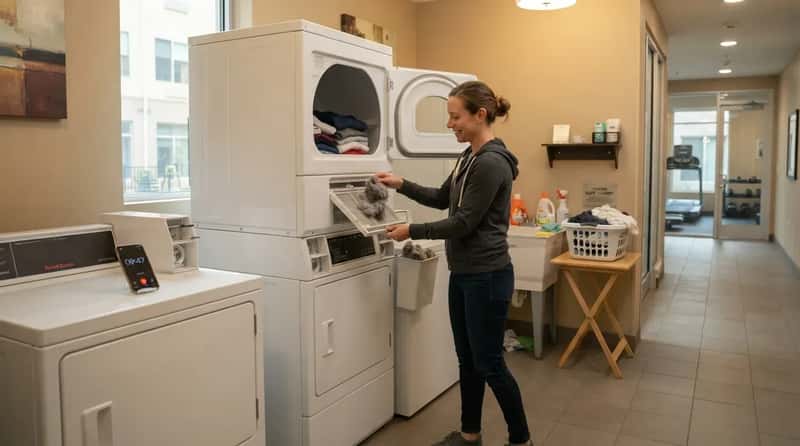
The laundry room, the gym, and the breakfast area belong to everyone. Long-stay guests who wipe the microwave, clear the lint trap, and re-rack the weights get noticed fast. Staff often have one person covering several areas, so every guest who cleans up after themselves counts.
The opposite is just as visible. Clothes abandoned in the dryer for hours, or a coffee spill nobody reports, get attention for all the wrong reasons. Shared-space habits are one of the quickest ways staff decide who is a “good” long-stay guest.
The next habit is one managers say is surprisingly rare, and it matters a great deal.
#2 – They Tell the Hotel When Their Plans Change
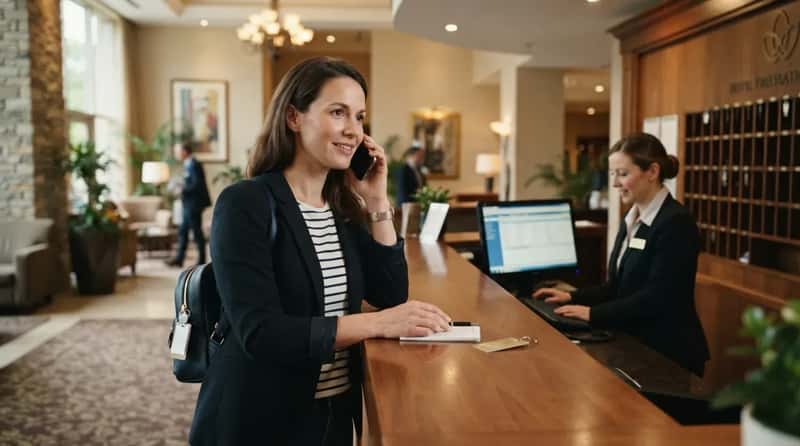
Long stays are built on uncertainty. Projects run long, jobs end early, and families change plans. Guests who call the desk as soon as they know whether they’re extending or leaving help the team more than they realize, since hotels manage rooms days or weeks ahead.
A last-minute departure leaves a room empty that could have been sold. A last-minute extension might force a room switch nobody planned for. Early notice gives staff time to protect your room and your rate. Managers often see it as the mark of a seasoned traveler.
Still, the habit staff talk about most is the most human one of all.
#1 – They Treat Staff Like People, Then Say So in Writing

The guests staff respect most ask how the night shift is going. They remember that a housekeeper’s daughter just started college. After weeks of seeing the same faces, that small interest turns a transaction into a relationship, and no rate plan can buy it.
Then they do something rare: they write the manager a note, or a review, naming the people who helped. A named compliment often travels further than a generic five-star rating. Guest comments are one of the ways properties recognize their teams, so one honest paragraph can reach well beyond the front desk.
None of it costs more than a few minutes and a little attention.
Long-stay respect rarely comes from money. It comes from small, repeated choices: a tip left with a note, a phone call about a plan change, a trash bag tied before the housekeeper knocks. Staff see all of it, and they remember.
The best long-stay guests make a hotel feel a little less like a business and a little more like a place where people know each other. Years later, that’s what the front desk remembers, long after the room number is forgotten.