There was a time when a family road trip meant a paper map folded wrong in the glove box, a cooler full of sandwiches, and zero idea where you’d sleep that night. Nobody panicked about it. Nobody needed a group chat, a spreadsheet, or a backup plan for the backup plan.
Somewhere between dial-up internet and smartphone notifications, travel got a lot more anxious. Millennials plan trips like military operations, and honestly, it shows. Here’s a look at fifteen travel habits our parents treated as totally normal that would send most of us spiraling into a Google search rabbit hole today.
1. Showing up without hotel reservations

Plenty of boomer parents would drive for hours with no idea where they’d spend the night, trusting that a motel with a vacancy sign would turn up eventually. There was no app to check, no reviews to scroll through, just a highway exit and a gut feeling. It usually worked out fine, and if it didn’t, that became the funny story told at Thanksgiving for the next twenty years.
Millennials, by contrast, tend to book everything weeks in advance, cross referencing star ratings and cancellation policies before committing. The idea of arriving in an unfamiliar town after dark with nowhere confirmed to stay feels less like adventure and more like a stress test. That gap in comfort level says a lot about how much travel planning has shifted from intuition to information overload.
2. Getting lost on purpose, sort of

Before GPS, getting lost wasn’t a failure, it was practically part of the itinerary. Parents would take a wrong turn, shrug, and turn it into a scenic detour, asking a gas station attendant for directions along the way. There was no real fear attached to it because there was no alternative anyway.
Today, losing signal or battery on a phone can trigger genuine unease, since so much of navigation, communication, and even payment now lives on that one device. Millennials often screenshot directions as backup or download offline maps before heading anywhere remote. The willingness to just wing it and figure things out on the fly has quietly become rare.
3. Letting kids roam free at campgrounds

Campground culture in the 1970s and 80s often involved parents setting up a home base and letting children wander off to explore trails, streams, or other campsites unsupervised for hours. The unspoken rule was simple: be back by dinner. Nobody carried a phone because nobody had one.
That level of hands off supervision would give a lot of millennial parents serious anxiety now, and understandably so, given how different the information environment around child safety has become. Many opt for constant check ins or shared location tracking instead. It’s not that kids are less capable, it’s that the tolerance for unmonitored time has shrunk considerably.
4. Skipping travel insurance entirely

Older generations frequently traveled internationally with nothing more than a passport, some cash, and a vague sense that things would be fine. Travel insurance wasn’t part of the conversation the way it is now, and trip cancellation coverage was barely a blip on the radar for most vacationers.
Millennials, having grown up through several economic downturns and a global pandemic that upended travel plans overnight, tend to view insurance as non negotiable. The instinct to protect against every possible disruption, from flight cancellations to medical emergencies abroad, reflects a generation that has learned the hard way how quickly plans can unravel.
5. Eating street food without a second thought
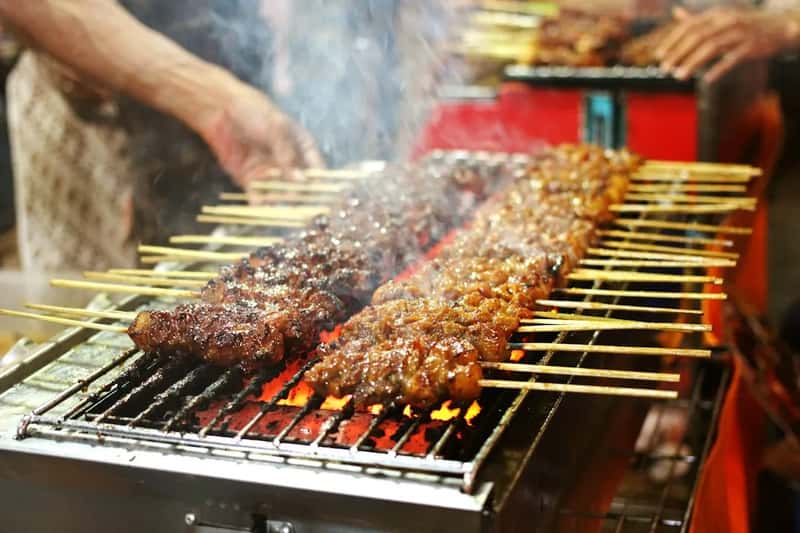
Parents traveling abroad decades ago would happily eat from a roadside stand without researching the vendor, checking reviews, or worrying about food safety ratings. If it smelled good and looked busy, that was enough of an endorsement. Stomach issues happened occasionally, but they were treated as an unfortunate footnote rather than a trip ruining catastrophe.
Now, many millennials research restaurants extensively before departure, cross checking food safety concerns and reading through travel forums for warnings. Health anxiety around unfamiliar food has grown alongside easier access to horror stories online. Ironically, the abundance of information has made some travelers more hesitant, not less.
6. Hitchhiking, or at least accepting rides from strangers

Hitchhiking was far more common and socially acceptable through much of the mid to late twentieth century, especially in the United States and parts of Europe. Parents on a budget, or simply out of gas money, would flag down a passing car without much hesitation. It wasn’t reckless by the standards of the time, it was just how some people got around.
The practice has declined sharply since then, and most millennials wouldn’t consider it even as a last resort. Decades of true crime media, safety campaigns, and a general cultural shift toward risk aversion have made the idea feel almost unthinkable now. What was once routine has become something closer to a cautionary tale.
7. Traveling with almost no communication plan

Before cell phones, families going on vacation would often tell relatives a rough return date and little else. If something went wrong, there was no quick call home, no text update, just a payphone if you were lucky and a coin in your pocket. Weeks could pass without anyone back home knowing exactly where the family was.
Millennials, used to constant connectivity, tend to feel uneasy going more than a few hours without checking in or being reachable. International roaming plans, portable WiFi devices, and location sharing apps have become standard precautions rather than luxuries. The idea of being genuinely unreachable for days now reads as a plot point in a thriller rather than a normal Tuesday in 1985.
8. Booking a trip with almost no research
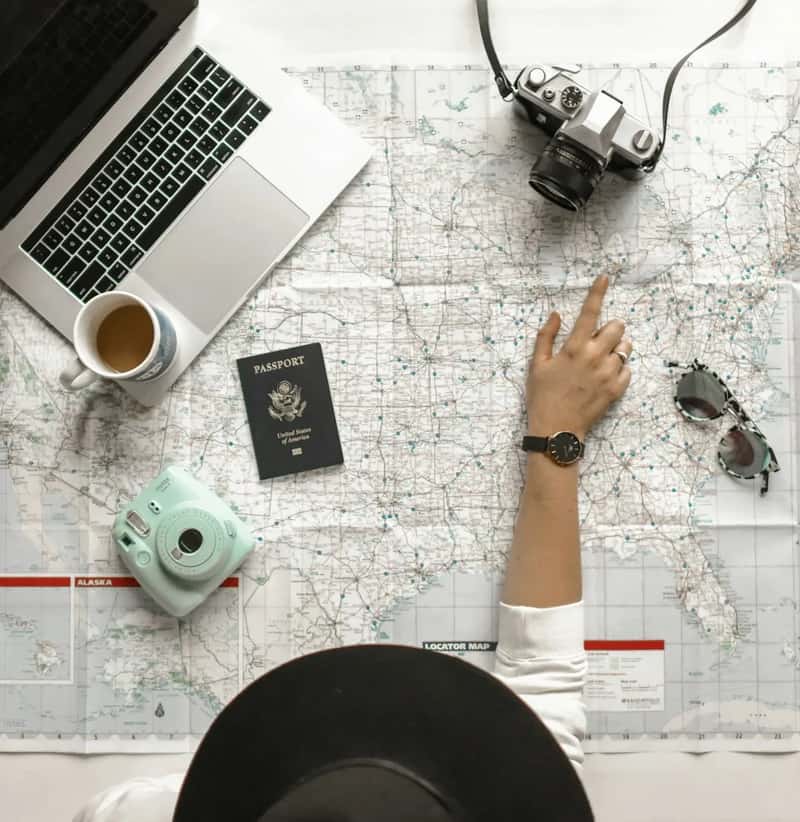
Travel agents used to hand over a brochure, a flight time, and maybe a hotel address, and that was considered sufficient preparation. Parents would land somewhere new with only a loose sense of what to expect, figuring out restaurants, transportation, and activities once they arrived. Spontaneity wasn’t a strategy, it was simply the default.
Today’s travelers often build detailed itineraries months ahead, using review sites and travel influencers to map out nearly every hour of a trip. Some of that shift is practical, since options have multiplied dramatically. Still, the sheer amount of pre trip research millennials do reflects a discomfort with uncertainty that earlier generations rarely had to manage.
9. Letting teenagers explore a foreign city alone

It wasn’t unusual for parents on a European vacation in the 1980s or 90s to let a fourteen or fifteen year old wander a city center solo for an afternoon, agreeing on a meeting time and place. There was an assumption that kids could handle themselves, and mostly, they did. Getting mildly lost was seen as character building rather than dangerous.
Millennial parents raising kids that age now often lean toward more structured supervision, partly shaped by broader cultural anxiety around child safety that intensified from the 1990s onward. Shared phone locations and scheduled check ins have replaced the old honor system. The independence once granted so casually now requires deliberate justification.
10. Driving overnight without a real plan
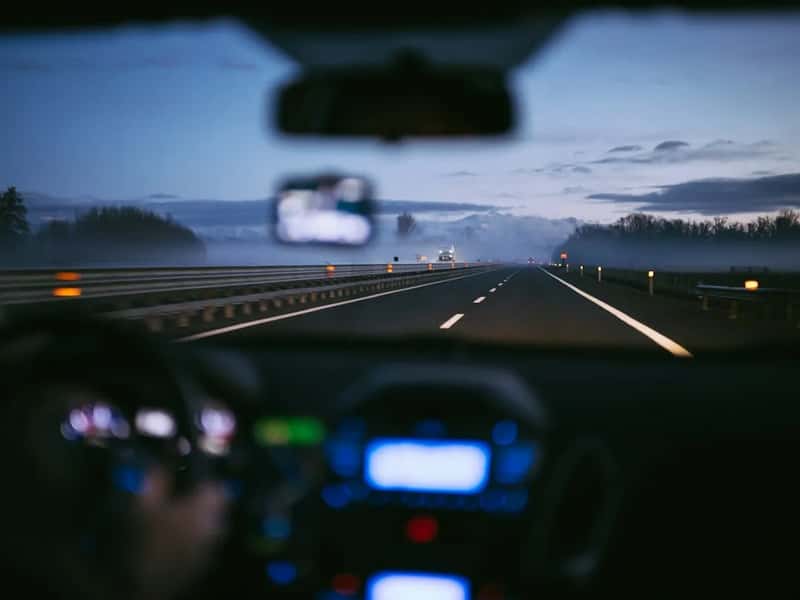
Long overnight drives, sometimes stretching twelve hours or more, were a normal way to save on hotel costs and cover ground quickly. Parents would trade off driving shifts, fuel up on gas station coffee, and push through fatigue that today’s road safety guidance actively warns against. The National Highway Traffic Safety Administration has long identified drowsy driving as a significant road safety risk, a factor that gets far more attention in current road trip planning than it did decades ago.
Millennials tend to build in overnight stops, rest breaks, and driver rotations planned well in advance rather than improvising on the fly. Part of that caution comes from better awareness of fatigue related accident risks. Part of it is simply a generation less willing to tough things out for the sake of saving a hotel bill.
11. Ignoring weather warnings almost entirely
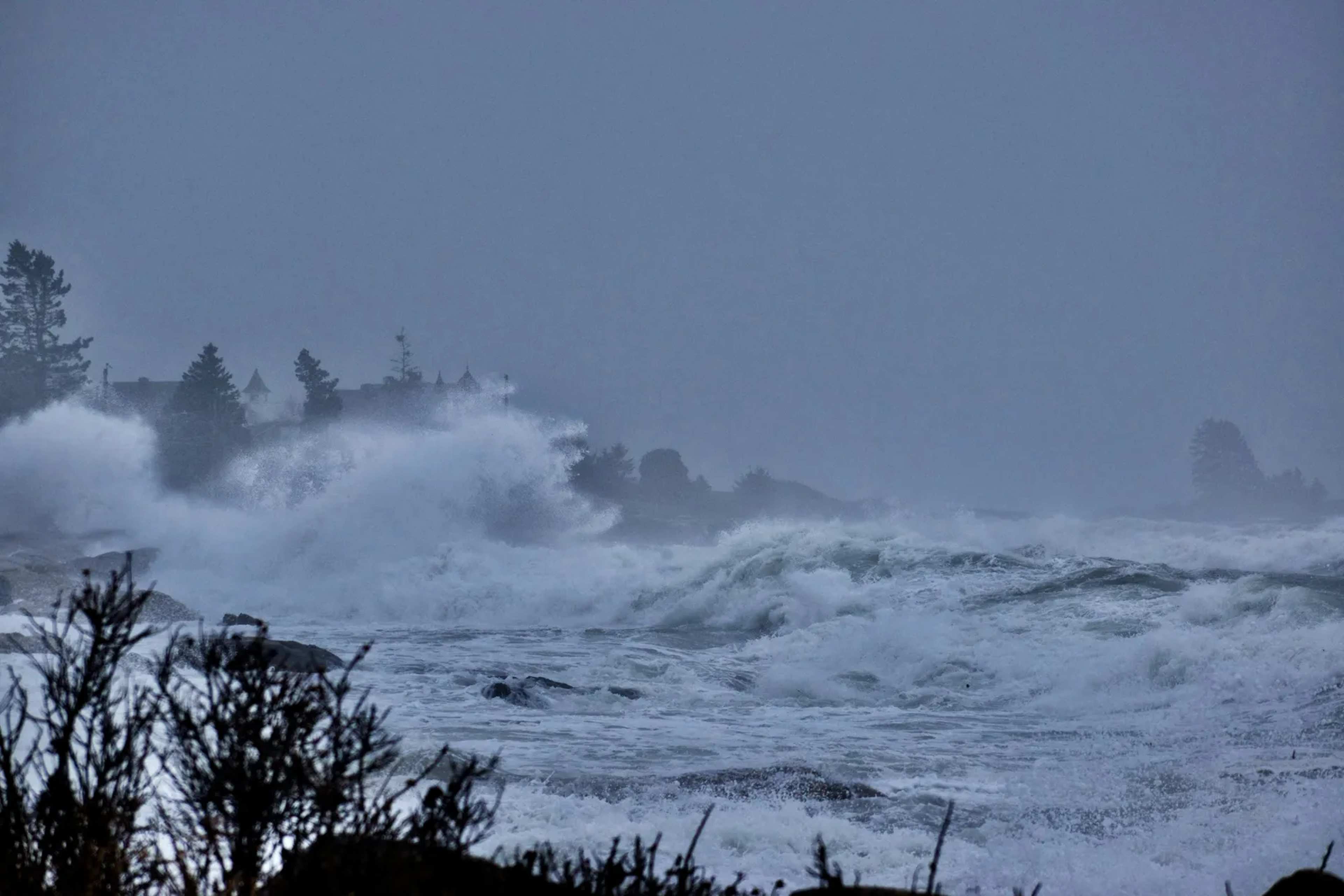
Weather forecasting decades ago was far less precise, and even when warnings existed, plenty of families pressed ahead with outdoor plans anyway. Rain, heat waves, or looming storms rarely canceled a beach day or a hike outright. There was a general attitude that weather was something to work around, not something to reschedule an entire trip over.
With far more accurate forecasting now available through apps and real time alerts, millennials are more likely to cancel or delay plans at the first sign of bad conditions. Access to detailed radar data and severe weather notifications has made caution the default response. What once felt like minor inconvenience now often triggers a full itinerary rework.
12. Trusting a paper map completely

A folded road atlas was standard equipment in the car, and finding a destination meant tracing routes by hand and occasionally guessing at scale. There was no rerouting notification, no live traffic data, just a driver squinting at tiny print at a stoplight. Wrong turns were common, and nobody treated them as emergencies.
Modern travelers rely almost entirely on GPS and real time traffic updates, and losing that digital guidance can feel genuinely disorienting. Millennials rarely practice traditional map reading anymore, since the skill has become largely unnecessary in daily life. The comfort of turn by turn directions has quietly replaced a basic navigational confidence earlier generations took for granted.
13. Bringing minimal cash and no backup payment method
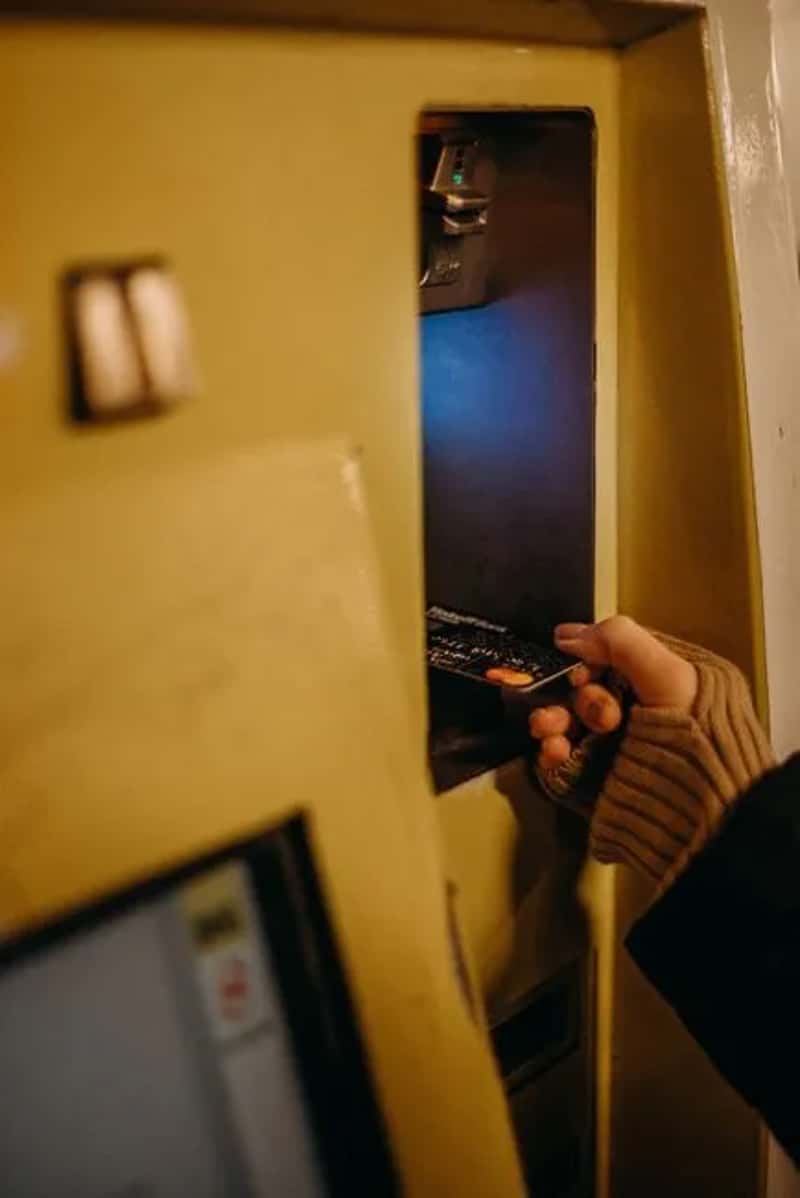
Parents often traveled with a set amount of cash tucked into a money belt or wallet, and that was the entire financial plan for the trip. Credit cards existed but weren’t always accepted internationally, and there was rarely a backup source of funds if something ran short. Running low on cash mid trip meant improvising, not panicking.
Millennials typically travel with multiple cards, backup accounts, and mobile payment apps, building in redundancy against the possibility of a lost wallet or a card getting declined abroad. Digital banking alerts and instant transfers have made real time financial monitoring the norm. The idea of relying on a single, non recoverable cash stash now feels riskier than most are willing to accept.
14. Swimming in open water without much caution

Family vacations near lakes, rivers, or unguarded stretches of coastline often involved swimming without lifeguards, tide checks, or much thought about currents. Kids were told to stay where they could touch bottom, and that was usually the extent of the safety briefing. Drowning risks existed then too, but awareness campaigns around them weren’t nearly as prominent.
Public health messaging around water safety has expanded considerably since then, with organizations highlighting drowning as a leading cause of unintentional injury death, particularly among children. Millennial parents are far more likely to check for lifeguards, research water conditions in advance, or avoid unsupervised swimming spots altogether. What used to be a simple afternoon activity now often comes with a mental checklist first.
15. Leaving the itinerary loose enough to change completely
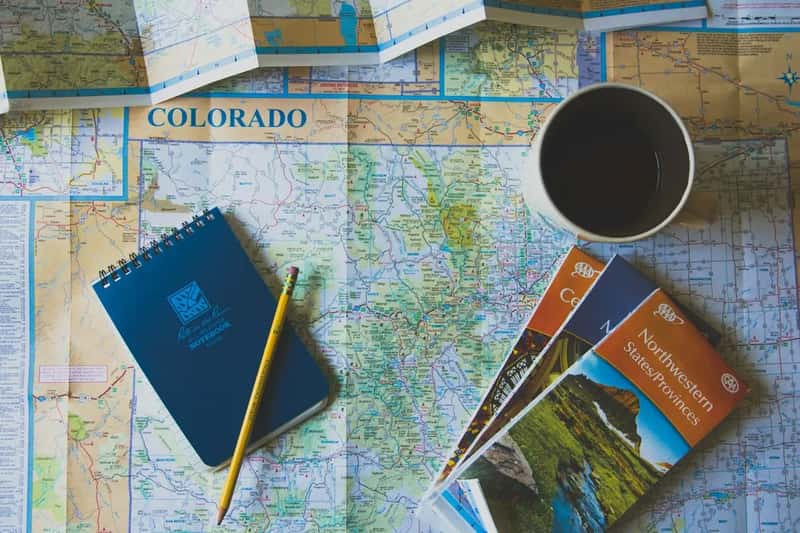
A family might set out for a two week trip with only the first two days actually planned, deciding the rest as they went based on mood, weather, or a recommendation from a stranger at a diner. Reservations were flexible or nonexistent, and changing course mid trip wasn’t disruptive, it was just how the vacation worked. There was room for the unexpected because nothing was locked in.
Millennials tend to build itineraries with far less flexibility, often locking in flights, hotels, and activities months ahead to secure better prices or guaranteed availability. That structure brings predictability, but it also leaves less room for spontaneous detours. The looseness that once defined a family road trip has largely been replaced by a color coded spreadsheet.
Looking back, none of these habits were reckless by the standards of their time, they were just shaped by a world with less information and, in some ways, fewer expectations. Millennials aren’t wrong to plan more carefully, given how much has changed in terms of available data, safety awareness, and connectivity. Still, there’s something worth remembering in how easily earlier generations let a trip unfold without controlling every variable in advance.