If you’ve been flying for decades, you probably carry a mental list of senior perks at the checkpoint, and most of it is out of date. The biggest one, the shoe exemption for passengers 75 and older, ended on July 8, 2025, when everybody got to keep their shoes on. The birthday people were waiting for no longer unlocks anything.
So what’s actually left? Not a secret lane that starts at 60. The real advantages are a handful of quiet options most travelers never hear about, plus one timing habit that changes how the whole belt moment goes. One of these items can cost you $45, one can save you a drawer-full of hassle, and the last one ties everything together.
#15 – The Shoe Perk Everyone Remembers Is Gone, and the Fine Print Is Sneaky
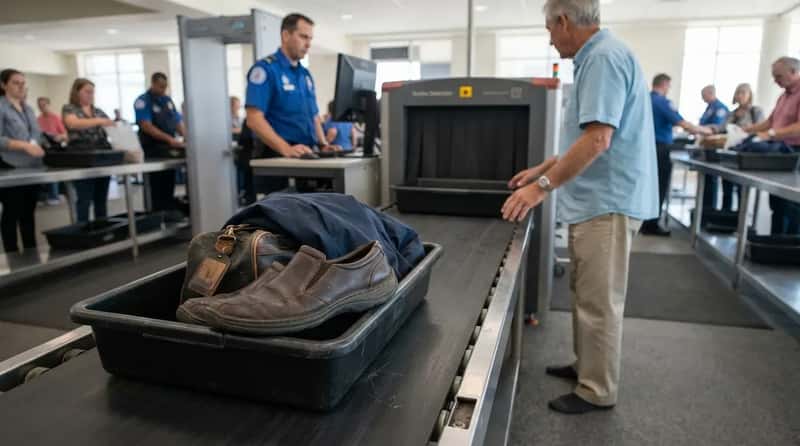
Here’s the one that trips up longtime flyers. TSA ended its shoe-removal requirement at U.S. checkpoints on July 8, 2025. Before that, only children 12 and under and passengers 75 and older were exempt. Now everyone is, which means the milestone birthday people were waiting for no longer exists.
Officers can still ask anyone to take their shoes off if an alarm goes off or if you’re picked for additional screening. Equipment also varies from airport to airport, so “shoes on” is the default, not a guarantee.
- Normal screening: shoes stay on.
- Alarm or secondary screening: shoes may come off.
But the next item has caught far more people off guard than shoes ever did.
#14 – That Little Star on Your License Now Decides Whether You Get Through
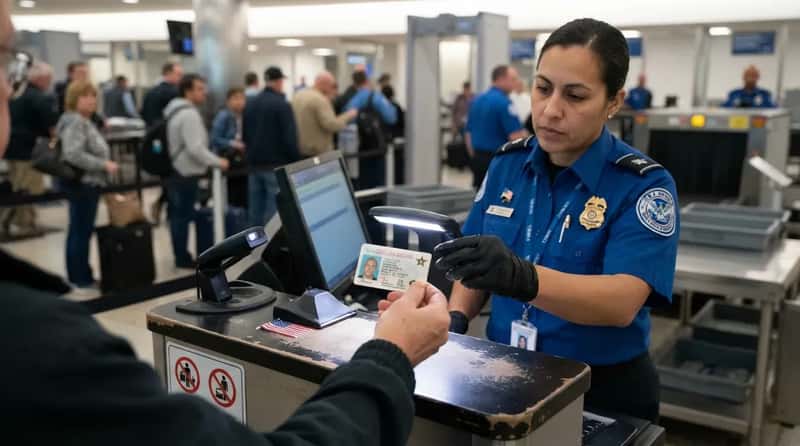
The star in the corner of your license is no longer a suggestion. REAL ID enforcement became mandatory on May 7, 2025, and adults 18 and older need a compliant ID or another acceptable form of identification to board domestic flights. The check happens at the podium, before you ever see the belt.
TSA said roughly 94% of passengers already had a REAL ID or another acceptable ID, and it warned of longer waits for those who didn’t. Fees for the upgrade vary by state, so check your DMV before you go. Travelers who can’t produce an acceptable ID may not be allowed through the checkpoint at all.
And if you forgot to upgrade, there’s a fallback that comes with a price tag, as #13 shows.
#13 – The $45 Fallback Nobody Warned Grandma About
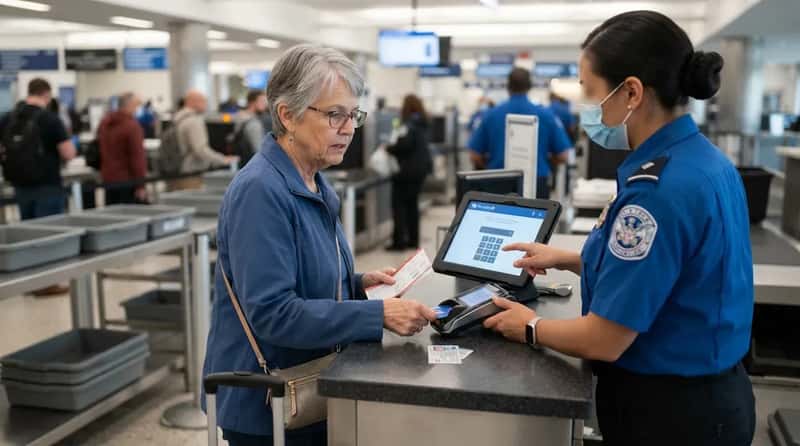
Forgot the REAL ID? There’s now a paid escape hatch. Starting Feb. 1, 2026, TSA charges a $45 fee to adults who want to fly domestically without a REAL ID or another accepted ID. Travelers fill out an online form and pay to use TSA ConfirmID, which attempts to verify their identity.
Verification is not guaranteed. The fee covers a 10-day travel window, so a return flight after that means paying again. TSA calls it optional, but plenty of travelers see it as a penalty for paperwork. Imagine paying that much and still being turned around at the podium.
Fast Facts
- Fee: $45 for adults without acceptable ID
- Start date: Feb. 1, 2026
- Coverage: one 10-day travel window
- Process: online form through TSA ConfirmID
- Catch: identity verification can still fail
The good news is that you may already own something that skips the fee entirely.
#12 – The Passport in Your Drawer Is a Free Pass Past the ID Problem
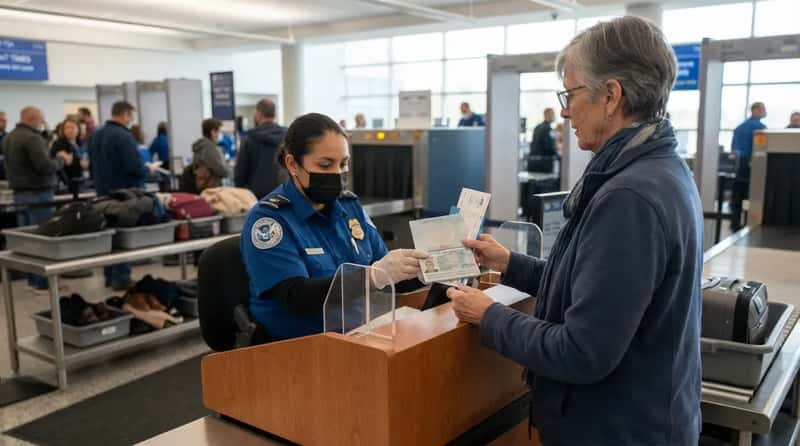
The cheapest fix may be sitting in a desk drawer. A U.S. passport, passport card, Global Entry card, Enhanced Driver’s License from select states, military ID or permanent resident card all satisfy the requirement with no $45 fee. If you carry one of these, you don’t need a REAL ID at all.
Plenty of people don’t realize a passport works for domestic flights. Your passport can stand in for your driver’s license at the checkpoint. Just confirm it hasn’t expired before you trust it with your trip home.
Now for the medication rules, which surprise people more than any ID rule.
#11 – Your Pills Don’t Need a Spotlight, but They Do Need a Plan
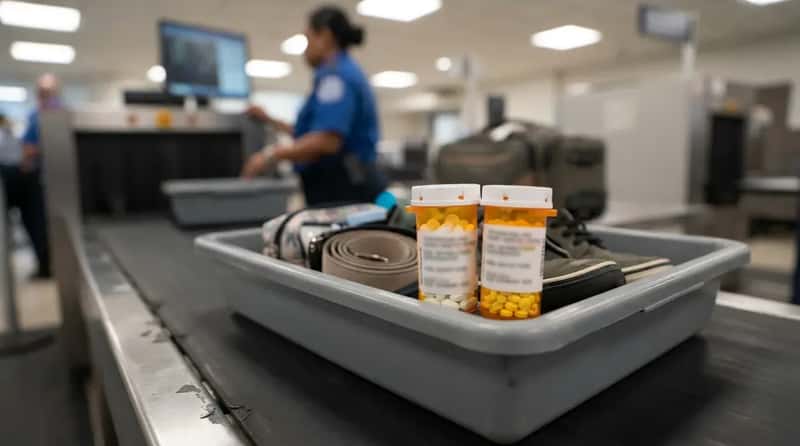
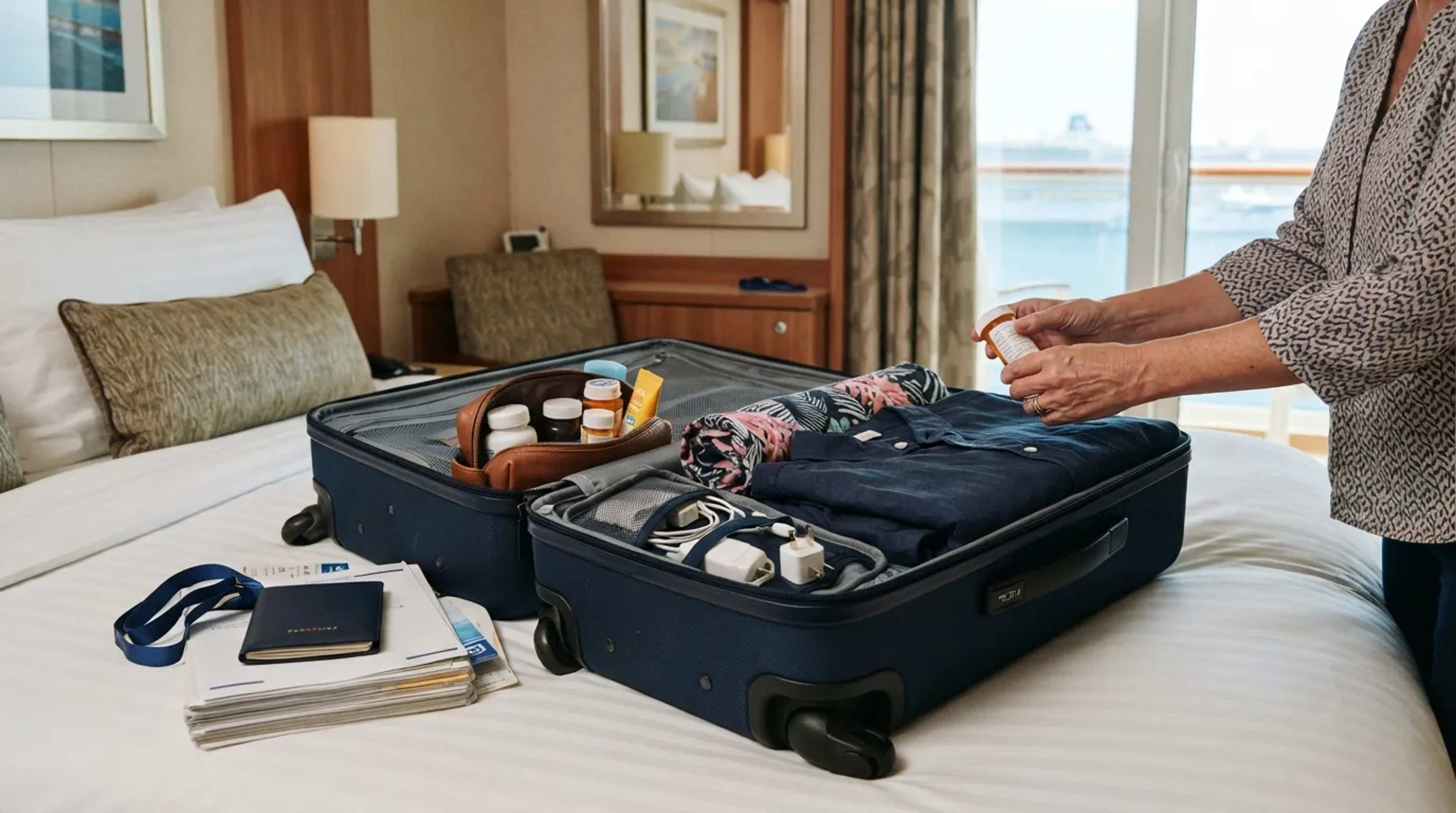
Pills are simpler than most people fear. You don’t need to tell an officer about your medication unless it’s in liquid form. Pills and other solid medications can come through in unlimited amounts, as long as they’re screened.
TSA says medication can go in carry-on or checked bags but strongly recommends carry-on, so it’s with you if a delay hits. TSA doesn’t require prescription bottles, but state labeling laws still apply. Original bottles can save you an awkward conversation.
Liquids are a different story, and the exception is bigger than you’d expect.
#10 – The 3.4-Ounce Rule Has a Loophole Written for Medical Liquids
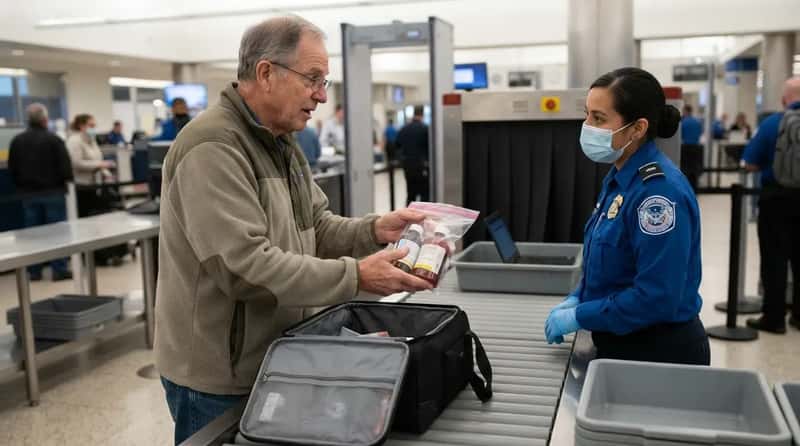
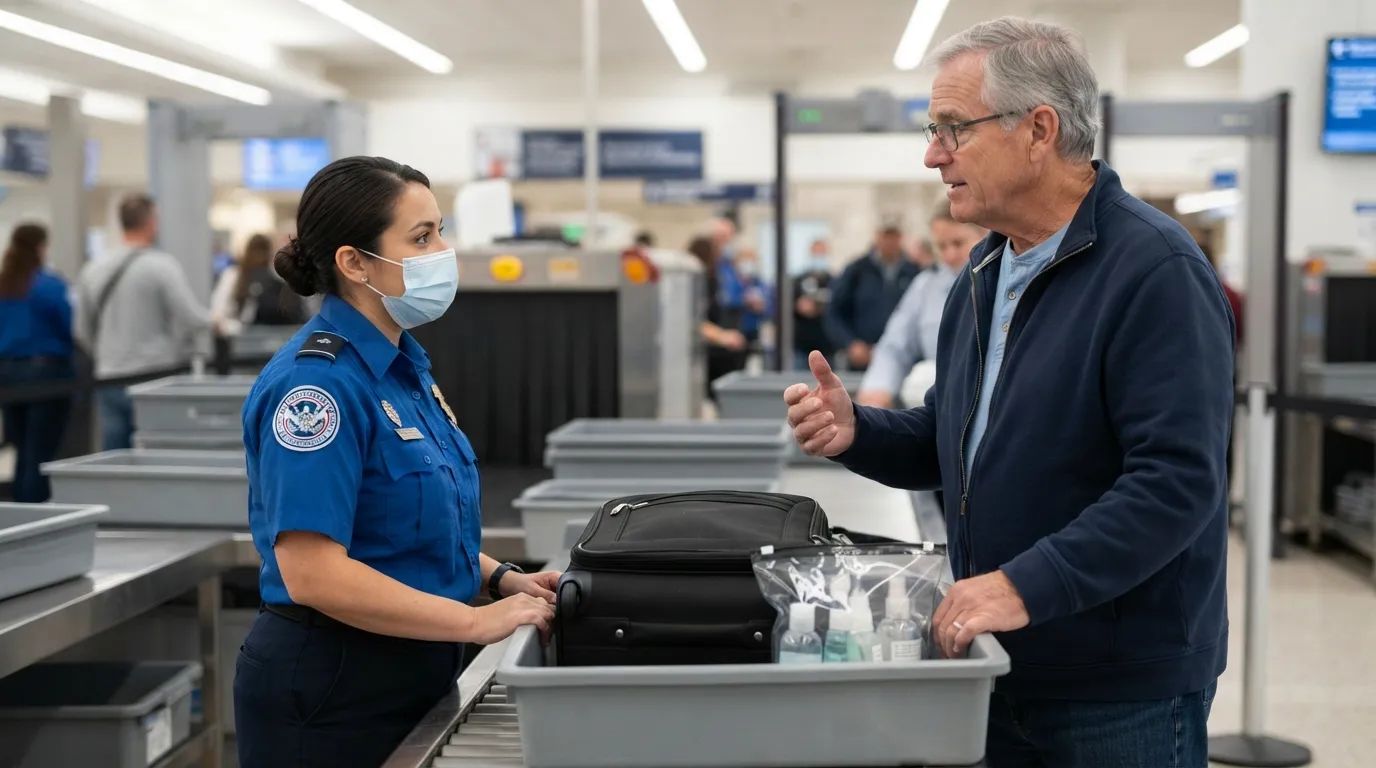
Everyone knows the little-bottle rule. Far fewer people know it bends for medicine. Liquid medication over 3.4 ounces (100 mL) is allowed in carry-on bags in reasonable quantities for your trip, and it doesn’t have to go in the zip-top bag.
You must tell the officer about medically necessary liquids at the start of the screening process. They’ll get additional screening, which may include being asked to open a container. That’s routine, not an accusation.
- Say it up front, before anything goes on the belt.
- Expect a possible swab or a request to open the bottle.
Then there’s the X-ray question, which almost nobody knows they’re allowed to ask.
#9 – You Can Say “Please Don’t X-Ray My Medication”
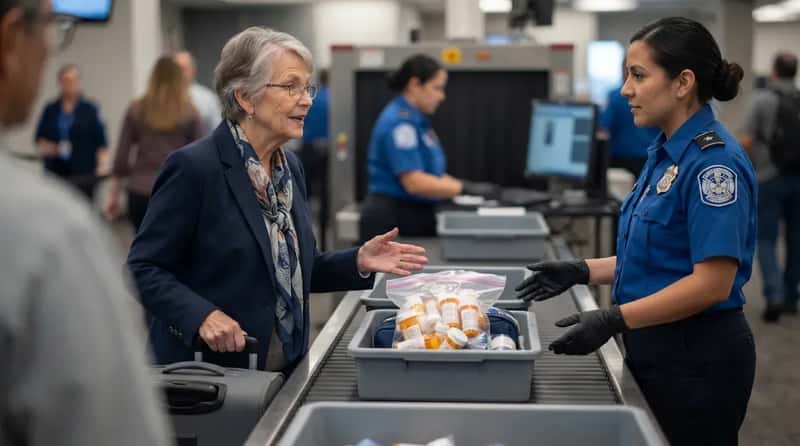
Here’s a choice most travelers never realize they have. Medication is normally screened by X-ray, but you can ask for a visual inspection instead. It’s a standard request, not a favor.
You have to ask before any items go into the X-ray tunnel. Expect to wait with your medication until an officer is free for separate screening. TSA guidance also says officers won’t put anything into your medically necessary liquid.
Implants raise the stakes, and the timing matters even more.
#8 – Pacemakers and Replacements: Tell Them Before You Step In
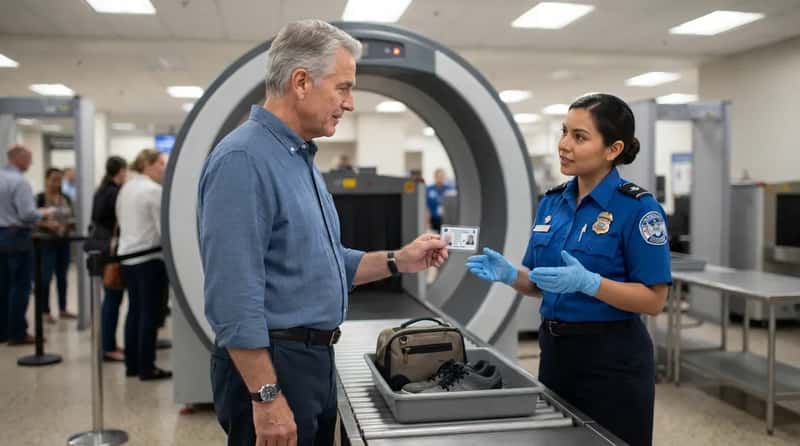
If you have an implanted device, sequence is everything. Let the officer know before you enter a body scanner or metal detector. Don’t wait until something beeps and the whole line watches.
Officers can use alternative screening, such as a pat-down, instead of a body scanner. Carrying the device card from your physician or manufacturer helps. It’s also smart to ask your device maker ahead of time whether any screening equipment could interfere with it.
There’s also a way to deliver your message without saying a word, as #7 explains.
#7 – The Wallet Card That Talks for You at the Checkpoint
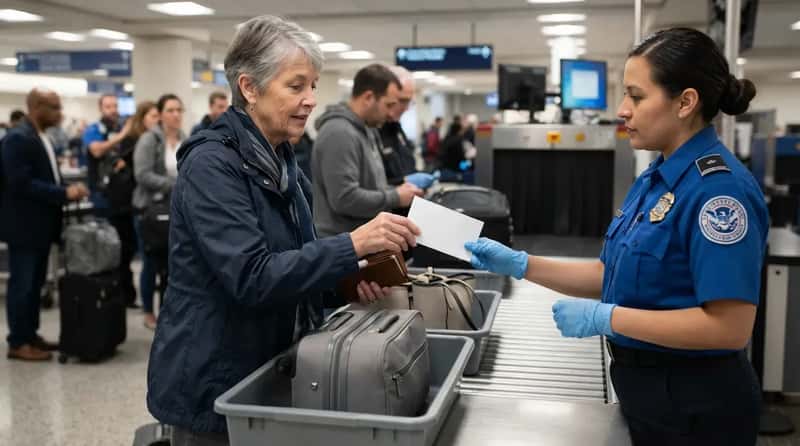
You don’t have to explain your health out loud. You can tell the officer verbally, use the TSA Notification Card, or show medical documentation. The card can be printed from TSA’s website and tucked into your wallet before you leave home.
Your traveling companion can also talk to the officer about the best way to complete your screening. That helps when hearing, noise or nerves make a long conversation hard. The card doesn’t skip screening, since every passenger and their property must be screened. It simply makes the moment smoother.
At a Glance
- Option one: tell the officer out loud
- Option two: hand over the TSA Notification Card
- Option three: show medical documentation
- Backup: let your companion speak for you
And if you want help arranged before you reach the airport, there’s a number for that.
#6 – The Phone Number Most Seniors Never Dial Before a Flight

Help exists before you ever park the car. TSA Cares, at (855) 787-2227, offers checkpoint support for travelers with disabilities or medical conditions. If you think you may need assistance or extra screening, calling ahead can take a lot of guesswork out of the day.
Here’s the nuance. TSA Cares helps with assistance and screening, but it isn’t a hotline for medication rules. It won’t change what you can carry. It can help you get through the line with less stress.
Cold medications bring their own surprise, and it involves a melting ice pack.
#5 – The Melting Ice Pack That Can Slow Your Whole Screening
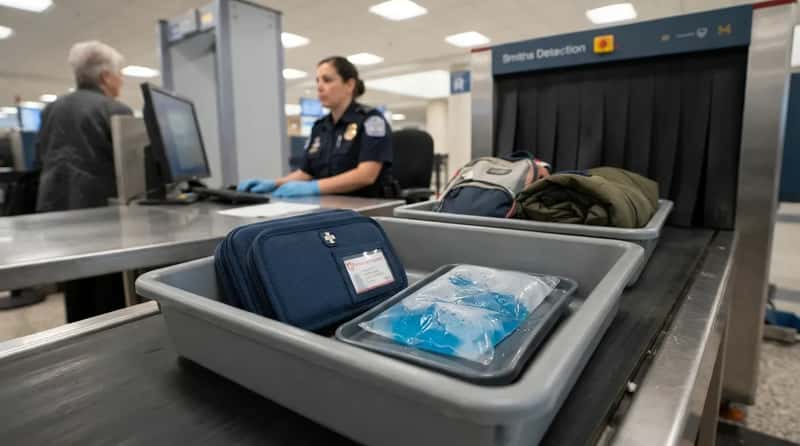
Keeping insulin or other medicine cold sounds simple until security gets involved. Frozen ice packs are allowed, but partially melted packs may get additional inspection. Slush, in other words, is a problem.
Some travel guides suggest skipping ice packs entirely and using a TSA-approved cooling case instead, since packs can trigger extra screening. Dry ice is allowed up to 5.5 pounds for medical purposes, with airline approval. Pick your method, then mention it at the start.
Quick Compare
- Frozen ice pack: allowed
- Partially melted pack: may get extra inspection
- Cooling case: a suggested way to avoid the slush problem
- Dry ice: up to 5.5 pounds, with airline approval
Now for a lane that some travelers say is worth every dollar, though others disagree.
#4 – Is PreCheck Still Worth It Now That Shoes Stay On?
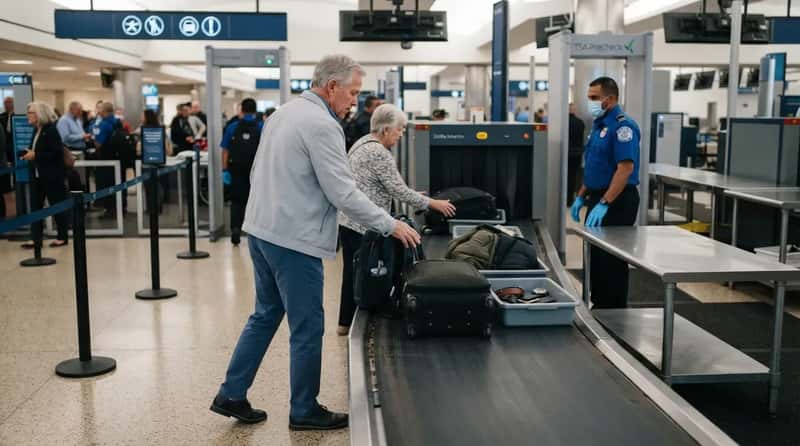
This one gets people arguing. The shoe rule change may shrink PreCheck’s appeal for some travelers. But Homeland Security Secretary Kristi Noem said people will still want it, because members don’t need to remove belts, light coats or liquids from their bags.
Prices vary by provider and date, with listings in the range of $78 to $85 for five years. That works out to roughly $15 to $17 a year. It doesn’t guarantee a short line or exempt you from screening. Some airports with newer CT scanners may skip liquid removal for everyone, so check the signs at your airport.
And if you already have PreCheck, one free upgrade might surprise you.
#3 – The Free Upgrade That Lets a Camera Replace Your ID Check
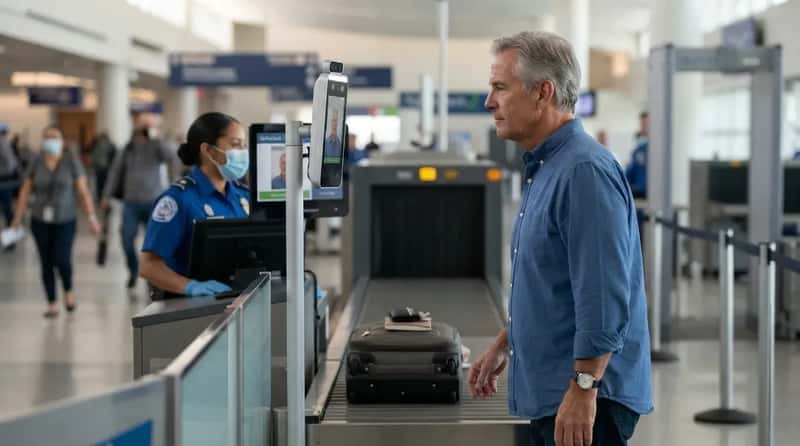
Some PreCheck members can skip pulling out an ID altogether. Touchless ID is free. Enrollment requires an airline profile, a TSA PreCheck membership and a valid passport.
Here’s the catch. Opting in with one airline doesn’t enroll you with the others. You’ll need to repeat the opt-in for each carrier, and it only works at participating airports. Check before you bank on it.
Now the age line everyone asks about, and why it’s softer than you think.
#2 – The “75 and Older” Track Exists, but It Isn’t a Guarantee
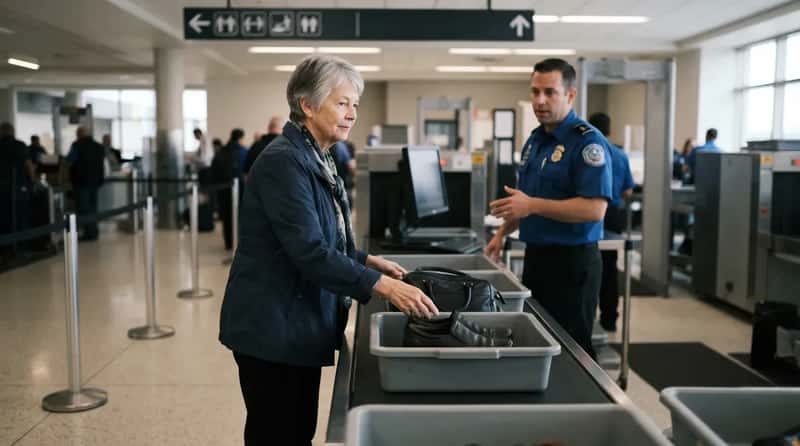
Age still counts at one threshold. TSA says passengers 75 and older can receive some form of expedited screening through its risk-based approach. The key word is “can.” Nothing in TSA’s guidance points to a special lane that begins at 60.
An alarm can still mean removing shoes for further screening or a pat-down. So the perk is real, but it depends on how your screening goes. Treat it as a bonus, not a right.
Worth Knowing
- Age 60 to 74: no special age-based lane
- Age 75 and older: may receive expedited screening
- Any age: an alarm can still trigger extra steps
- Best move: ask politely at the start and let the officer decide
All of this points to one habit, and it’s the most useful thing on this list.
#1 – Say It First: The Timing Trick Behind Almost Every Rule Here
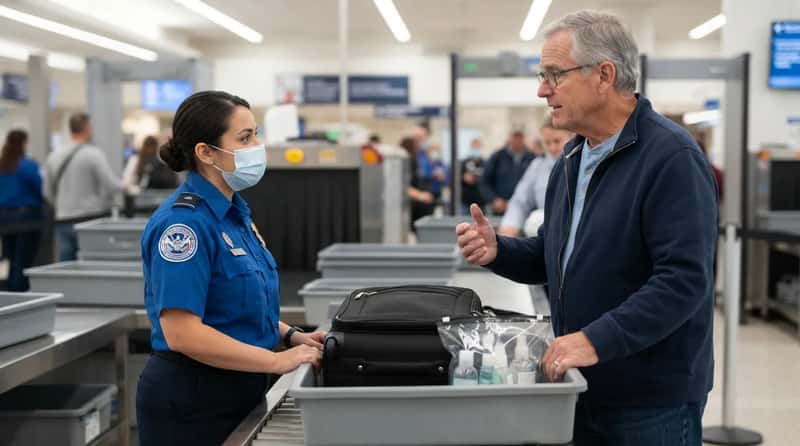
Read the rules again and a pattern appears. Tell the officer about liquid medication at the start of screening. Ask for a visual inspection before items enter the X-ray tunnel. Mention implants before you step into a scanner.
The secret isn’t a special perk. It’s speaking up at the very beginning. Officers can’t adjust a process they don’t know you need. Say it first, calmly and plainly, and most of the stress on this list disappears before it starts.
The biggest shock is how much has changed. The 75-and-older shoe exemption is gone, REAL ID is enforced, and showing up without acceptable ID can cost $45 with no guarantee of getting through.
Meanwhile, the quiet advantages are still there: unlimited pills, medical liquids over 3.4 ounces, visual inspection instead of X-ray, alternative screening for implants, and a helpline few people ever call. Almost every one of them works best when you speak up before the belt starts moving. Sometimes the best senior perk is simply knowing it’s okay to ask.