Most people believe a berth is just a berth. You take whatever the system hands you, sleep, and wake up at your stop. Then you meet the passenger across the bay who somehow slept like a log while everyone else fought the night, and you realize it wasn’t luck.
On Indian Railways’ reserved sleeper coaches, the exact spot of your bunk decides who sits where at noon, who gets woken at 3 a.m., and who spends the night guarding a bag. Regulars know this and quietly ask for specific positions. A few of their picks are obvious. One is a berth most travellers call the worst of the three, and one is a ticket type that sounds like a win until the lights go out.
#16 – The Berth Far From the Toilet Block
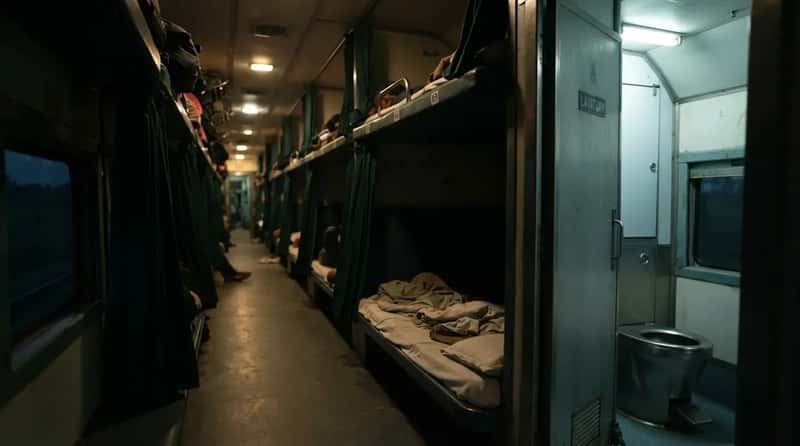
The berth right beside the toilet is the one regulars refuse first. Every coach has toilets at its ends, so the nearest bays get the most foot traffic all night. Door latches, flushing and shuffling feet carry straight into the closest bunks.
Experienced travellers skip those end bays whenever the booking screen lets them. A standard sleeper-class coach has 72 berths, so there is usually a choice. The same ticket price can buy you either a quiet night or a nonstop parade past your head. It’s the cheapest upgrade nobody advertises.
But the doors at the ends cause a different kind of trouble, and that’s #15.
#15 – The Berth Nowhere Near the Coach Door
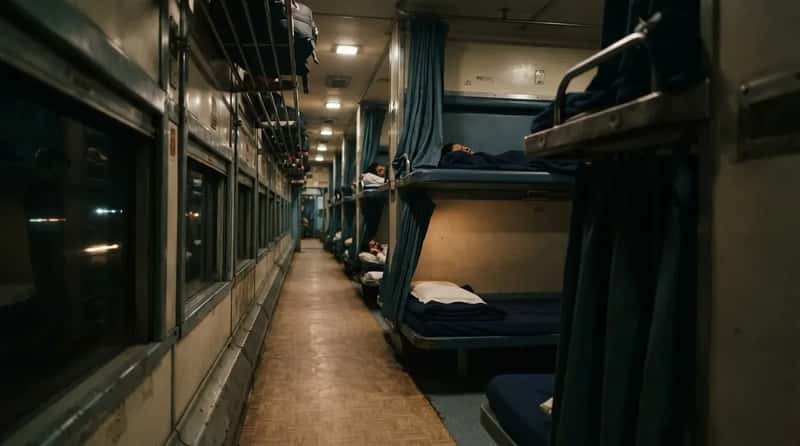
The coach door is where the night’s chaos actually enters. Doors at the ends of a coach mean cold or humid air, platform noise and people walking through at every stop. Regulars who ask for a “middle of the coach” berth are really asking to stay away from all that.
At a busy station, vendors’ calls and boarding passengers can reach the end bays within seconds of the train stopping. A berth far from the door still hears the station, but it doesn’t take the full blast. Many seasoned riders would rather give up a window than sleep next to a door. Plenty of first-timers still chase the “easy exit” berth, then spend the night regretting it.
Fast Facts
- A standard sleeper-class coach has 72 berths, so the middle usually offers options.
- Toilets and doors both sit at the coach ends, so the noise stacks up there.
- Boarding passengers and vendors reach the end bays first at every stop.
- The farther a berth sits from both ends, the less through-traffic it gets.
So which part of the coach is the real sweet spot? #14 has the answer.
#14 – The Middle-of-Coach Bay Nobody Thinks About
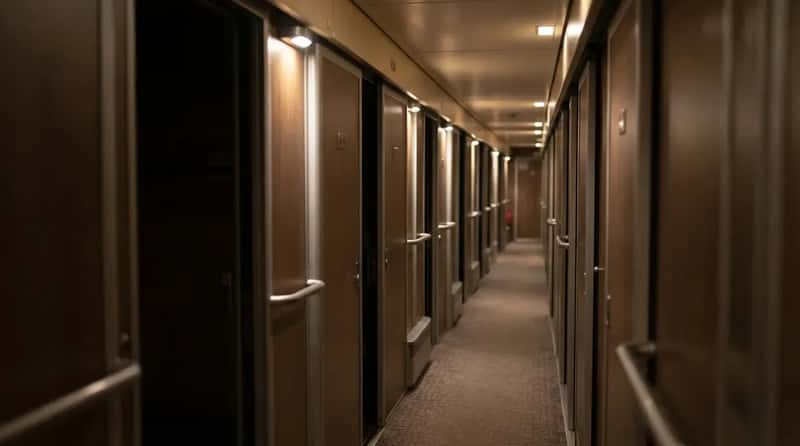
The calmest bays tend to sit in the middle of the coach. They are far from both sets of toilets and both doors, so they get the least through-traffic. That makes them the quiet pocket regulars hunt for.
Most people never think in terms of bays. They only see berth numbers on the ticket. Veterans do the reverse: they check where the number sits in the coach, then decide. A berth in the centre bays gets you away from both ends of the coach at once. A “lower” or “upper” label alone can never promise that.
Calm isn’t the only thing regulars check, though. The next request is about your phone.
#13 – The Berth Beside a Working Charging Point
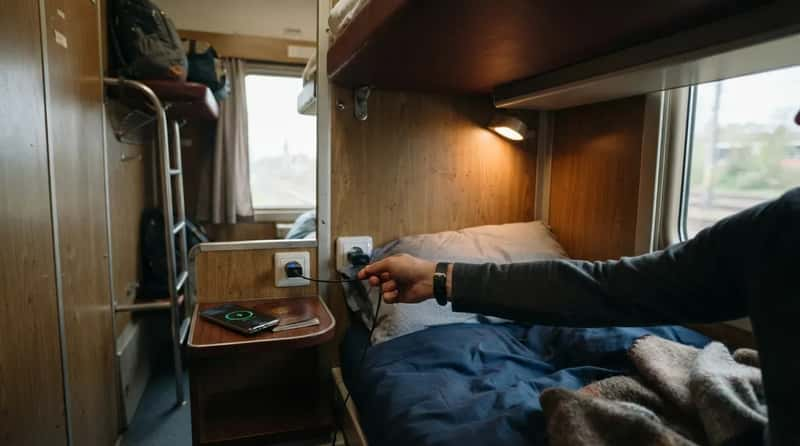
A dead phone on a 14-hour journey is a real problem. Experienced travellers look for berths close to a charging socket, because they know the condition of these sockets varies a lot from coach to coach. Some work well. Others are loose, dead or already hogged by the bay next door.
So the smart move is to test the socket when you board, not to assume. If yours is dead, the veterans politely shift their charging to a better spot. The berth closest to a working socket often decides who gets a full battery and who is begging strangers for a cable. Never trust a socket you haven’t tested.
Something less obvious affects how you feel at 6 a.m., and it’s #12.
#12 – The Berth That Faces the Way the Train Moves
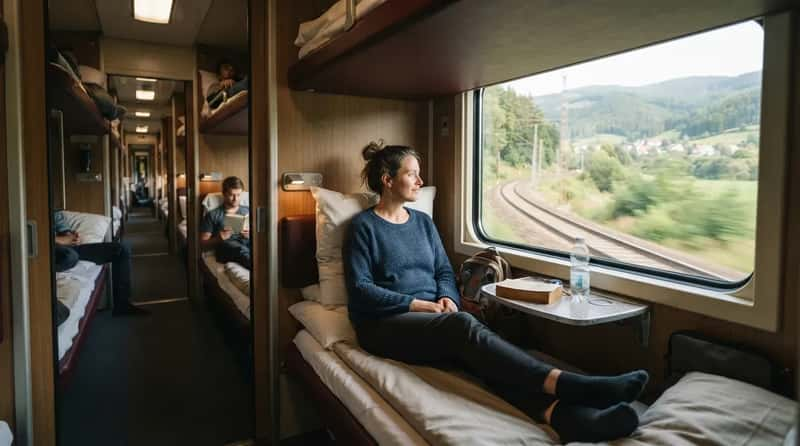
Direction matters more than most people realise. Regulars who get queasy on trains quietly prefer berths where they face the direction of travel. In an open bay, half the berths face forward and half face backward.
The catch is that nobody can promise you a direction. Trains reverse at junctions, and the engine can end up at either end. Still, many veterans ask the people around them to swap if they start feeling unwell. A simple swap with a co-passenger can ease motion sickness faster than a pill. Most people are happy to help when asked early and politely.
Now we get to the berth that causes more arguments than any other, and it comes with a twist.
#11 – The Middle Berth (Yes, Really)
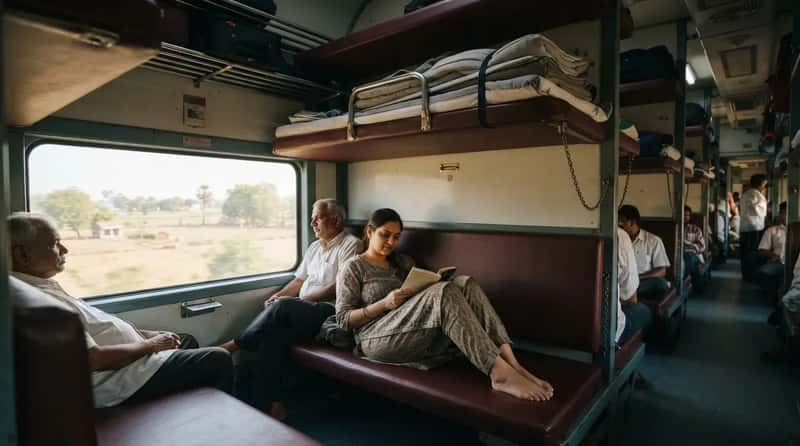
Here’s the contrarian one: some regulars request the middle berth on purpose. Most travellers rank it the worst of the three, but early sleepers have a case. Middle-berth passengers can raise their berth for sleeping between 10 PM and 6 AM, and it’s an easier climb than the upper.
The catch is the daytime. At 6 AM the berth has to come back down so lower-berth passengers can sit upright, and that’s where many bay disputes begin. If you love napping at noon, it’s the wrong berth, and every co-passenger will let you know. If you’re a sleep-at-ten person, it can work just fine.
If the middle berth is the most argued-over, the next one is the most private.
#10 – The Side Upper That Keeps Midnight Arguments Off Your Bunk
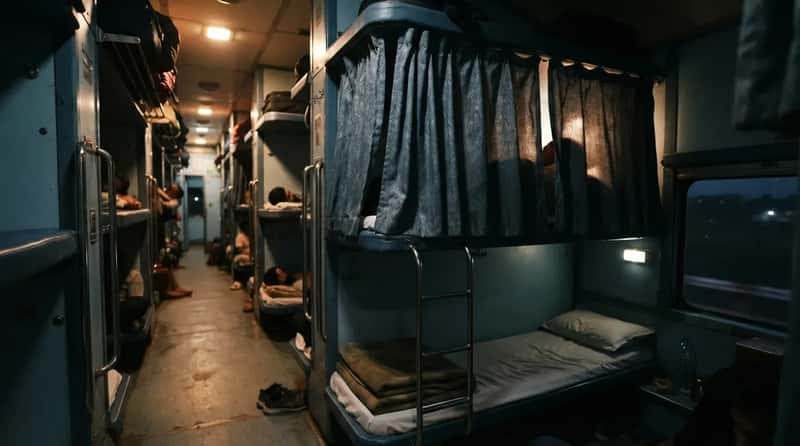
The side upper runs along the corridor, and it comes with a hidden perk. A person booked on a side upper berth has no claim to a seat on the lower berth between 10 PM and 6 AM. That makes it clear who owns what, which prevents a lot of midnight disputes.
Regulars like it because it sits apart from the main bay’s six berths. There is less sharing overhead and fewer people looking down at you. It’s the berth where the bay’s daytime crowd barely touches your space. The downside is corridor traffic, which can get noisy in the evening.
Our next pick has nothing to do with sleeping, but everything to do with your freedom.
#9 – The Upper Berth Nobody Can Take Back
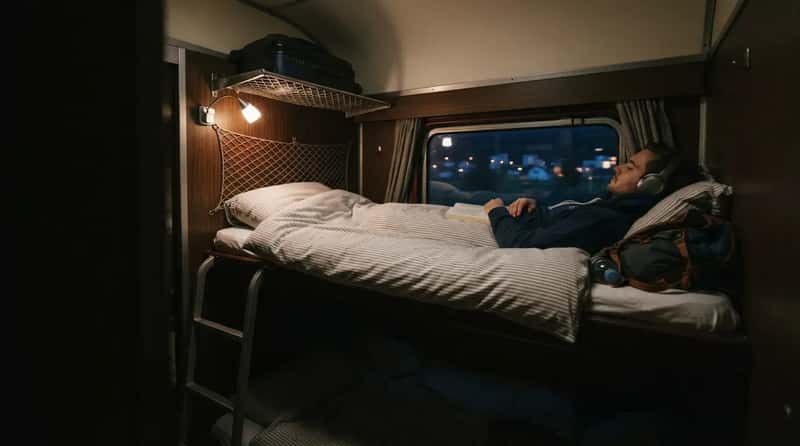
The upper berth is the quiet favourite of people who want to be left alone. The 10 PM to 6 AM sleeping window mainly protects the lower berth passenger’s right to sleep. An upper-berth passenger has a bunk that’s theirs at any hour.
That means your bed is up there waiting whenever you need it. There is one condition. If you sit on the lower berth during the day, you must head back to your own berth at 10 PM. Regulars say the upper berth is the one place nobody can reclaim from you. The trade-off is the climb and the tight headroom.
Quick Compare
- Lower: shared seating from 6 AM to 10 PM, then yours for sleeping until 6 AM.
- Middle: raised for sleeping from 10 PM to 6 AM, folded down again at 6 AM.
- Upper: yours at any hour, with a climb and tight headroom.
Which berth do veterans fight for when a group travels together? That’s #8.
#8 – The Same Bay as Your Own People
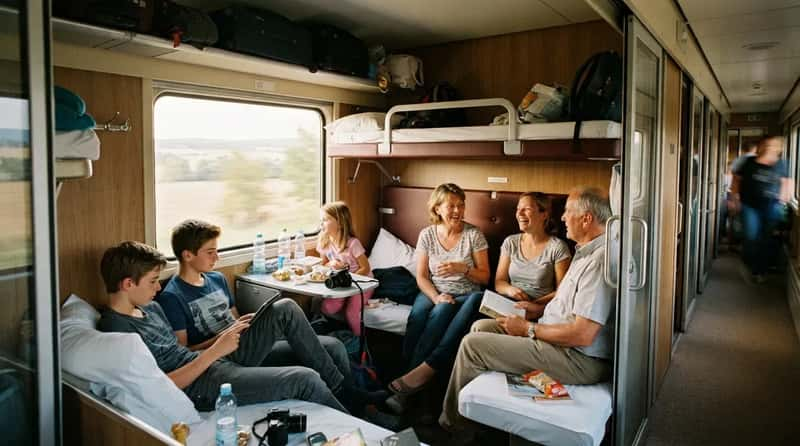
When families or friends travel together, regulars ask for berths in one bay. It sounds obvious, yet it solves most of the common berth problems. From 6 AM to 10 PM, the lower berth works as shared seating for the lower, middle and upper passengers. That’s smooth when you all know each other.
When strangers share the bay, the same rule can cause friction. When your own group fills it, nobody has to ask anyone to move. One bay with a single group turns a crowded daytime seating rule into a private lounge. It also stops the awkward trading of berths with strangers.
But some of the best berths show up only at the last minute, as #7 explains.
#7 – The Berth That Opens Up After the Chart
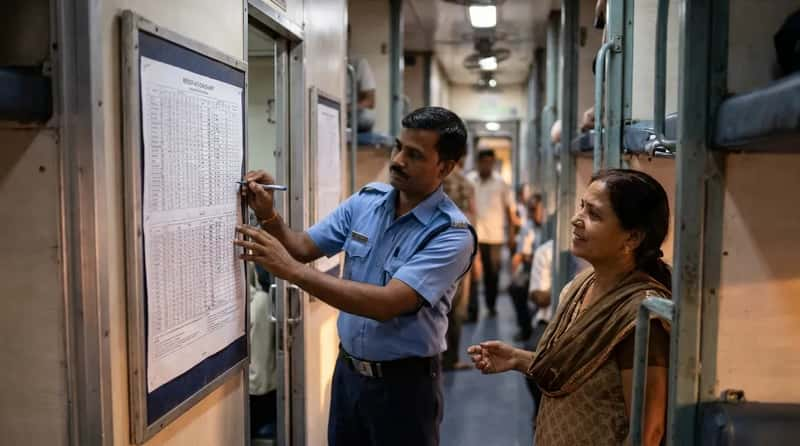
Some of the best berths don’t exist when you book. Indian Railways prepares reservation charts in stages, with the first chart typically ready several hours before departure and an updated one closer to the train’s arrival. Vacancies can come from cancellations, no-shows and quota releases.
Regulars know this and check the chart again on the day of travel. If a lower berth is empty, they ask politely. A berth vacated at the last minute can turn a waitlisted trip into a comfortable one. Don’t count on it, though, because availability depends entirely on who cancels.
If you do land a lower berth, there’s one more reason regulars love it, and it’s #6.
#6 – The Lower Berth That Keeps Your Bag Close

The lower berth has a practical advantage: space beneath it. Regulars slide their main bag under the lower berth, where it stays near their feet and in plain sight. That’s a big comfort on a long night run.
The upper berth, by contrast, puts your luggage a ladder-climb away. Veterans say the best berth for security is the one where your bag sleeps within arm’s reach. It’s a small thing, yet it changes how deeply people sleep. You can’t relax if your bag is out of sight.
Not every great berth is in the main bay, though, as #5 proves.
#5 – The Side Lower Window Seat

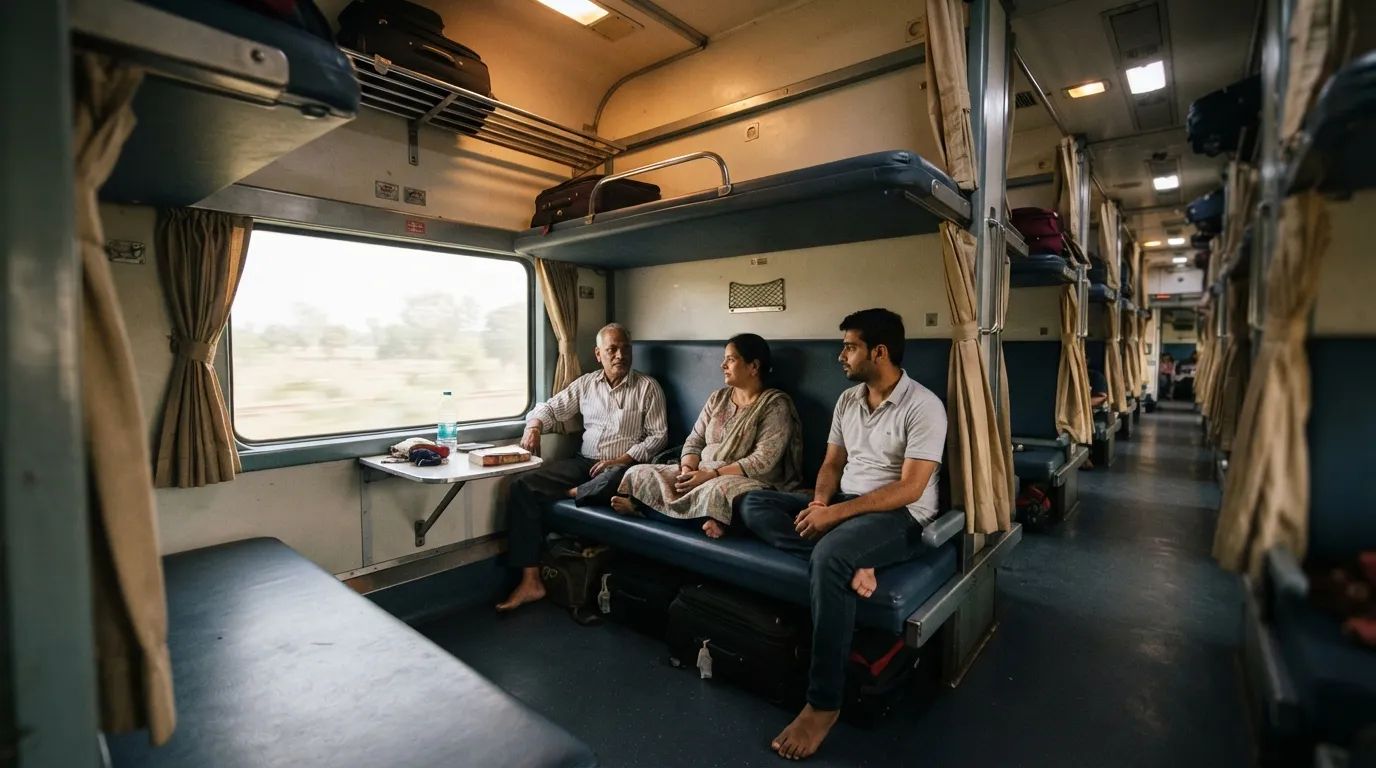
The side lower is the berth people love for the window. It runs along the corridor, and by day it works as a bench seat with a small table by the glass. That makes it a favourite for anyone who likes watching the countryside roll by.
The catch is the RAC rule. RAC passengers are often allotted a shared side lower berth, with two people on one narrow bunk. The side lower is a dream with a confirmed ticket and a squeeze when it’s shared. Regulars always check which one they’ve got.
Knowing you want a lower berth is one thing. Getting it is another, and #4 shows how regulars try.
#4 – The Lower Berth Preference Regulars Set Early

Regulars with bad knees or bad backs don’t leave it to luck. When booking online, passengers can pick a berth preference such as lower, and veterans set it every single time. It costs nothing and takes one tap.
There’s a hard truth, though. A preference is not a promise, and the system can only give you a lower berth if one is still free. That’s why experienced travellers book the moment the window opens, because a lower berth is gone fast on a popular train. Waiting a few days can turn a preference into a climb you can’t make.
Worth Knowing
- The berth preference is chosen during online booking and adds no cost.
- It only works if a lower berth is still unassigned when your ticket is processed.
- Popular trains lose their lower berths first, so early planners get first pick.
And if you qualify for something more reliable, #3 is where it gets interesting.
#3 – The Lower Berth That Comes Automatically
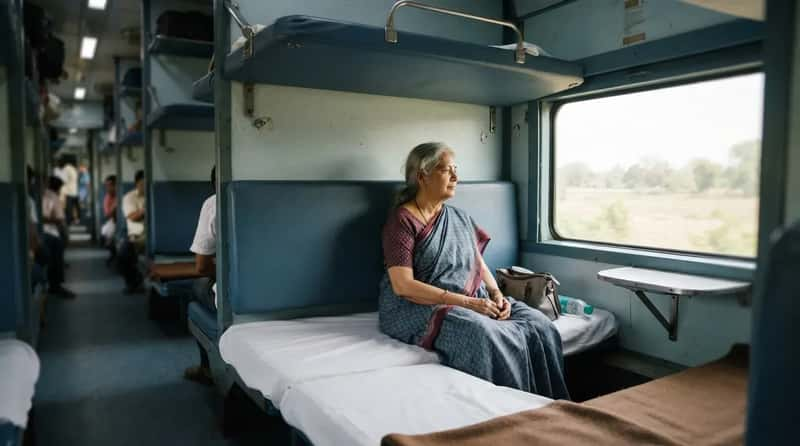
Some passengers don’t have to ask at all. Senior citizens, women aged 45 and above, and pregnant women are given lower berths where available at the time of booking. Regulars in those groups know the system leans their way.
There’s a second chance during the trip. If a lower berth becomes vacant on the journey, ticket checking staff can reassign it to eligible passengers who couldn’t get one at booking. That means a missed lower berth isn’t always the end of the story. It pays to politely ask the checking staff once the train is moving.
Our last two picks come down to one thing most people overlook, and it begins with what you don’t want.
#2 – A Confirmed Berth, Never Half of a Side Lower

Here’s the truth about the most avoided position of all: the RAC half-berth. RAC guarantees you can board and travel, but it doesn’t promise a full berth of your own. In practice, that often means sharing one narrow side lower with a stranger.
Regulars treat a confirmed berth as non-negotiable on overnight trips. A shared berth might be tolerable in daylight, when the seat is a seat. At night, it means two adults on one narrow bunk and a long wait for a cancellation that may never come. That’s why veterans book early, or switch dates, rather than settle for RAC.
And now the berth that regulars call the real winner.
#1 – The Main-Bay Lower Berth Everyone Secretly Wants
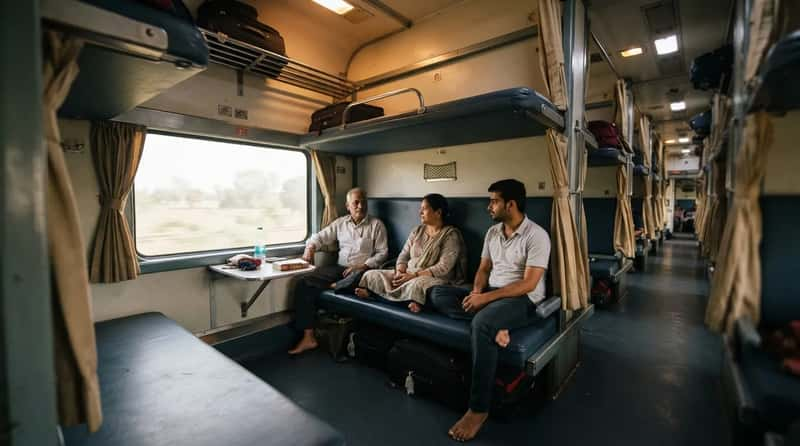
It’s the classic, and the reason is simple. Passengers can use the lower berth for sleeping between 10 PM and 6 AM. At night, it’s the most comfortable bunk in the bay: no climbing, easy access and the most space.
The trade-off is shared seating by day. From 6 AM to 10 PM, lower berth seats are shared for sitting between lower, middle and upper berth passengers. Even the most wanted berth in the coach is a shared sofa for 16 hours of the day. That’s exactly why the sleeping hours exist, so the person who owns the bunk gets it back when the night begins.
At a Glance
- Night: yours from 10 PM to 6 AM, with no climbing.
- Day: shared seating from 6 AM to 10 PM.
- Big win: easy access and the most space in the bay.
- Big catch: you host the whole bay for 16 hours.
The berth you request shapes the whole journey. Regulars dodge the toilet and door ends, aim for the middle bays, and test the charging socket before they settle in.
The most surprising truth is that the “worst” berth can suit some travellers perfectly, while the “best” one comes with the biggest compromises. On a night train, a few steps down the coach can mean a very different morning.