Families lose their summer camping trips every year not to bad weather or sold-out parks – but to booking mistakes made months earlier, sitting at the kitchen table, laptop open, completely convinced they had it handled. The competition for campsites is genuinely brutal now. According to The Dyrt’s 2025 Camping Report, 56.1% of campers said they had a difficult time booking a site in 2024 because campgrounds were full – nearly back to the all-time peak of 58.4% recorded in 2022. The best sites at popular national parks disappear within minutes of the booking window opening, and the system punishes anyone who doesn’t know exactly how it works. Families who still think camping is casual and unstructured have never tried to land a Yosemite site in peak season.
Here’s what nobody tells you upfront: it’s not just about booking early. There are layered, park-specific rules, hidden fees, wrong-site selections, and fine-print policies quietly derailing summer trips for even experienced campers. What looks like a confirmed reservation can fall apart in a dozen different ways – and some of the worst traps come after you’ve already paid. Here’s what insiders actually know, and what most families find out too late.
#16 – Waiting Until Spring to Start Booking
Most families think of camping as a warm-weather activity, so they start planning in April or May. That instinct is exactly backwards. On Recreation.gov, the majority of facilities open for booking six months in advance – which means a July 4th weekend site becomes fair game in early January and is gone by January 2nd. Waiting until the snow melts is how you end up with whatever scraps nobody else wanted.
The math is simple and merciless. Nearly all reservations for May through September fill on the first day they become available, often within seconds of 7 a.m. That’s not an exaggeration – it’s the lived reality of anyone who has tried to snag a site at a popular park. If your summer plans depend on a specific location, your “camping season” prep needs to start in January. But the booking window isn’t the only thing families get wrong, as you’ll see in #15.
#15 – Misunderstanding Which Booking System Each Park Uses

Not every campground uses Recreation.gov, and assuming they do costs families their trip. State parks run their own systems – California uses ReserveCalifornia, Oregon has its own platform, Maine uses CampWithME.com. Each system has different release times, rolling windows, and quirks. Jumping to Recreation.gov to book a California state park campsite is like going to the wrong store entirely – you’ll find nothing and lose critical time.
Some systems release sites daily on a rolling basis. Others drop the whole season at once. A few hold back sites for same-day release. Treating them all the same is a mistake that sends families to a parking lot instead of a campsite. Research your specific park’s booking platform – and its release date rules – weeks before launch day. That confusion compounds fast, as #14 shows.
#14 – Not Having a Recreation.gov Account Set Up in Advance
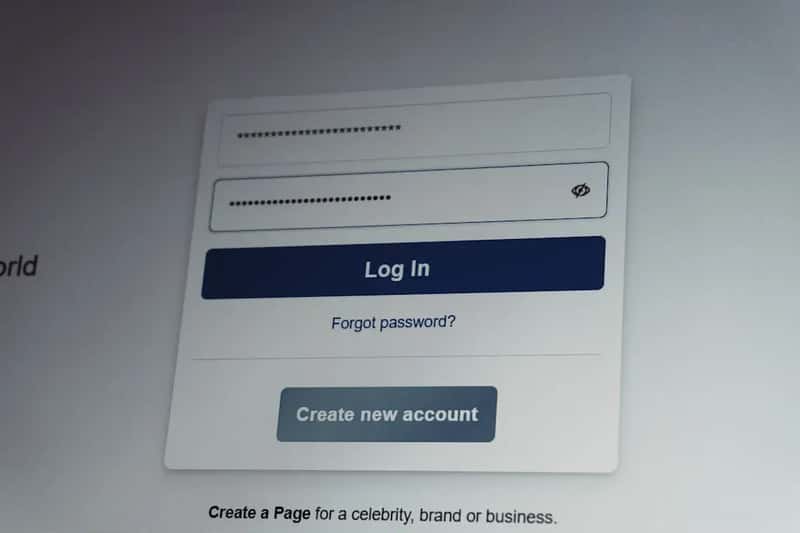
This one sounds basic, but it wipes out thousands of families every summer. On opening morning for a popular campground, the booking window is a matter of seconds. Create your Recreation.gov account at least a month before your booking window opens, add your payment method, verify your email, and load your vehicle information. Families who try to create an account or add payment info while the clock is ticking on a July 4th site lose every single time.
Even families who have accounts sometimes forget to pre-load vehicle info and occupant counts – both required fields during checkout. Every extra second spent filling out a form is a second someone else is clicking “confirm.” The site runs under heavy load on popular booking mornings, and an incomplete profile makes those slowdowns fatal to your chances. Get everything entered weeks before launch day, then practice navigating to your target campground so you know exactly where to click. The wrong booking window time is what kills #13.
#13 – Getting the Booking Window Time Wrong
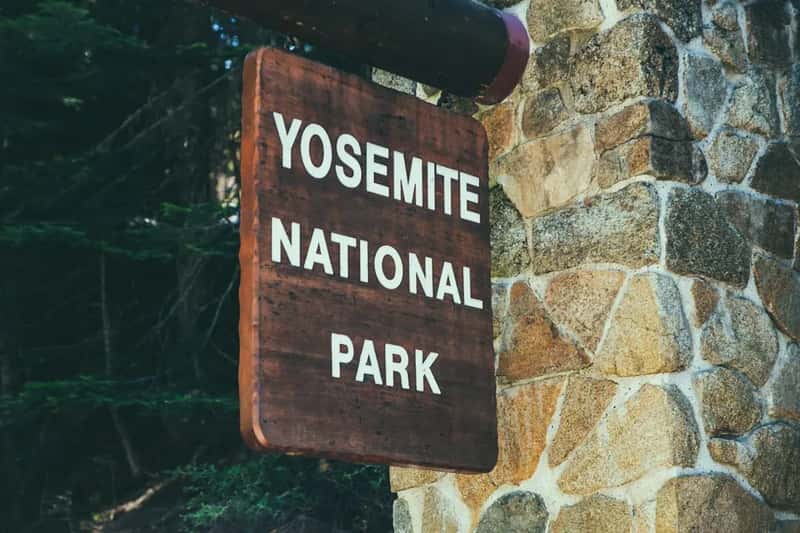
It feels like a small detail, but the exact time a booking window opens has ended more camping trips than almost any other single factor. For Yosemite specifically, reservations open in monthly blocks on the 15th at 7 a.m. Pacific time. Showing up at 7:01 a.m. Eastern when the window opened at 7 a.m. Pacific means you missed it by three full hours.
The time zone trap catches families in the Eastern and Central U.S. constantly. An 8 a.m. Eastern alarm gets you to the site well after the feeding frenzy is over. Set your alarm for the exact local equivalent of the park’s release time, have the page pre-loaded, and be logged in before that minute ticks over. Because Yosemite reservations routinely fill within minutes of opening, half-measures don’t work. And booking the right window on the right day still won’t save you from the date trap in #12.
At a Glance: How Booking Windows Actually Work
- Rolling window (most parks): Opens a fixed number of months before arrival – advances one day at a time.
- Block release (Yosemite, some others): An entire month of dates drops at once on a set day, at a set time.
- Same-day / first-come: A portion of sites held back and released the night before or morning of arrival.
- Lottery system: Used for the most competitive permits – applied for weeks or months in advance, winners chosen randomly.
#12 – Only Searching for Weekend Dates
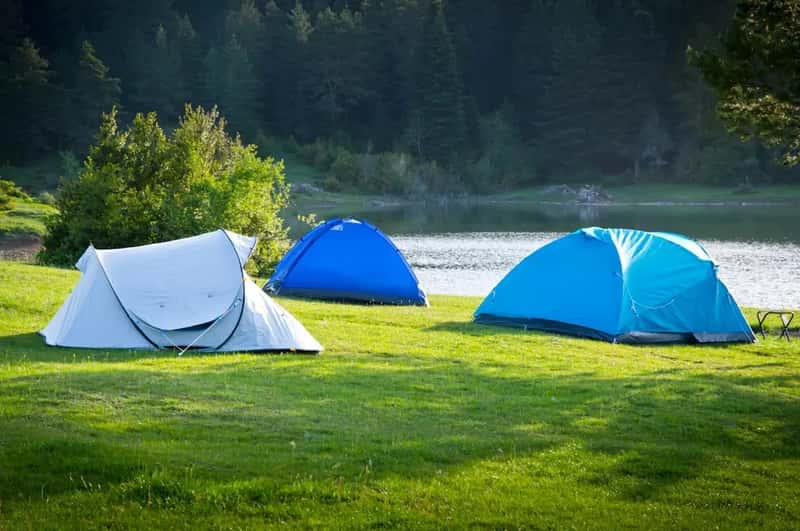
The instinct to plan a Friday-through-Sunday trip is completely understandable – and it’s also why most families can’t find anything. Friday and Saturday reservations vanish almost instantly when booking windows open. Families who limit their search to weekends are competing against every other family with the exact same idea, at the exact same parks, on the exact same dates.
A Tuesday-through-Thursday trip to the same park gives you dramatically better availability, smaller crowds, and far less competition at trailheads. It’s the same stars, the same fire pit, the same trails – just with a fraction of the chaos. Families who can flex their schedule at all should use that flexibility here. But even a perfect date won’t save you from the permit trap in #11.
#11 – Booking a Campsite Without a Timed Entry Permit
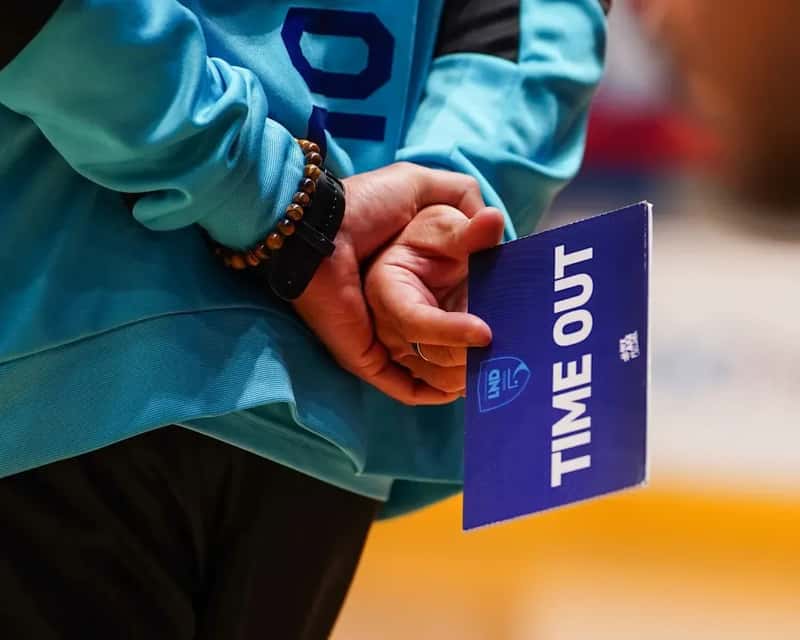
Here’s a trap that turns a confirmed camping reservation into a gate rejection. At several major parks, having a campsite booking does not automatically grant you unrestricted access to the park’s most popular corridors. A campsite reservation and a timed entry permit serve different purposes – and missing one makes the other useless.
Rocky Mountain National Park is the most notorious example of this double-permit trap. The park splits access into two separate permits on the Recreation.gov checkout screen – one for the Bear Lake Road corridor, one for the rest of the park – and families regularly book the wrong one. You could show up fully expecting to hike to Emerald Lake with zero access to that section of the park. Always read exactly what your permit covers. Then double-check whether you also need a separate entrance pass, which is the blunder behind #10.
#10 – Confusing a Campsite Reservation With a Park Entrance Pass
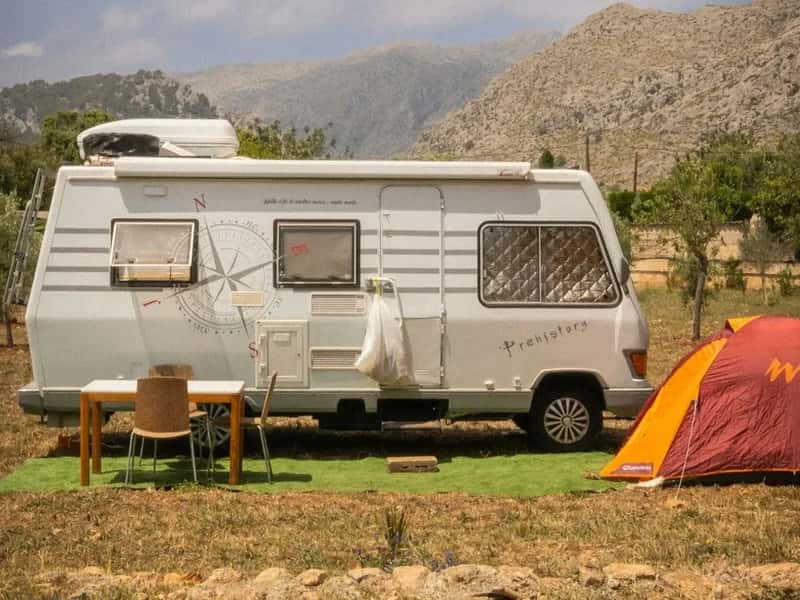
These are two completely separate purchases, and mixing them up is one of the most common – and heartbreaking – errors families make at the gate. Your America the Beautiful annual pass gets you into the park. A timed entry permit secures your specific arrival window. A campsite reservation holds your site. You may need all three. Showing up with one but missing another gets you turned away at the checkpoint.
Families who hold an America the Beautiful annual pass sometimes assume it covers everything. It does not. Timed entry permits are required in addition to any park pass or entrance fee – the reservation only secures your entry window and is not a substitute for the park ticket. Read every confirmation email and understand precisely what each document grants you. Missing the fine print on pet policies is the next way families get blindsided – see #9.
#9 – Assuming “Pet-Friendly” Means Exactly That
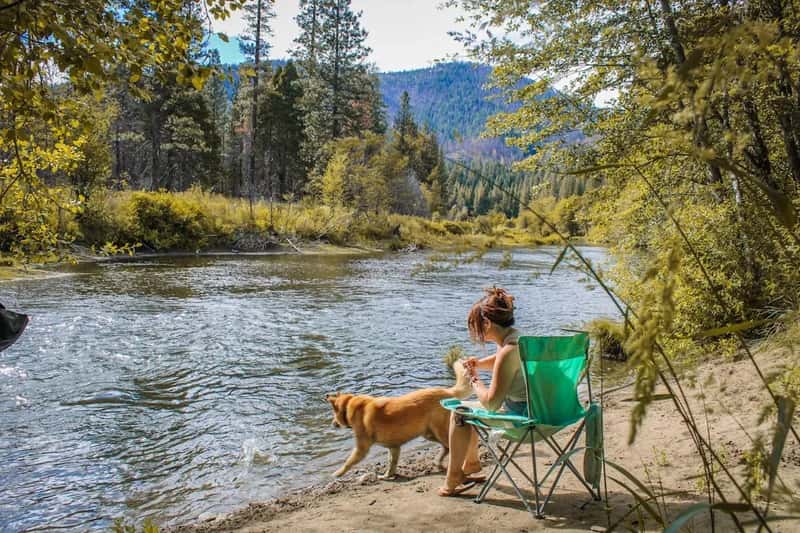
The phrase “pet-friendly campground” carries enormous weight for families traveling with dogs. Turns out, it carries almost no practical consistency. “Pet-friendly” may mean only dogs under a certain weight, or it may come with breed restrictions, a cleaning deposit, or a per-night fee per animal. Families have driven hundreds of miles only to be told their 65-pound lab is five pounds over the limit.
Beyond breed and weight restrictions, many campgrounds charge a per-pet, per-night fee that never appears in the advertised nightly rate. A campground that looks affordable can become significantly more expensive once you factor in two dogs for four nights. Read the pet policy word for word before booking – not when you’re packing the car. The same hidden-fee problem applies to hookups and site surcharges, which is exactly what trips up the families in #8.
#8 – Not Reading the Hidden Fees Before Checkout

The listed nightly rate on a campsite is frequently a starting point, not a final number. Convenience fees for online reservations, site selection surcharges, and payment processing charges can add dozens of dollars to a booking and often appear late in checkout. Families who don’t scroll through the full summary end up paying significantly more than they budgeted and don’t find out until the confirmation email lands.
One RV family’s real-world experience tells the story clearly: a $75 site near a national park became $96 after a resort fee, booking fee, and tax – then came a $25 charge to guarantee a pull-through for their 40-footer. That is not unusual in 2026. Resort fees that apply to all guests whether or not they use the amenities are especially common at private campgrounds, and are sometimes disclosed only at the final checkout step. Check the full price breakdown before entering your card. Then there’s the site-type mistake in #7, which costs families in a completely different way.
Worth Knowing: Hidden Fees to Watch at Checkout
- Online reservation fee: Charged by the booking platform on top of the site rate.
- Site-specific surcharge: Extra cost for premium spots – waterfront, electric hookup, pull-through pads.
- Resort fee: Flat daily charge at private campgrounds, applied whether or not you use the pool or amenities.
- Pet fee: Per-pet, per-night – often unlisted in the headline rate.
- Timed entry processing fee: A non-refundable $2 fee applies to most timed entry reservations at national parks.
#7 – Booking the Wrong Site Type for Your Setup
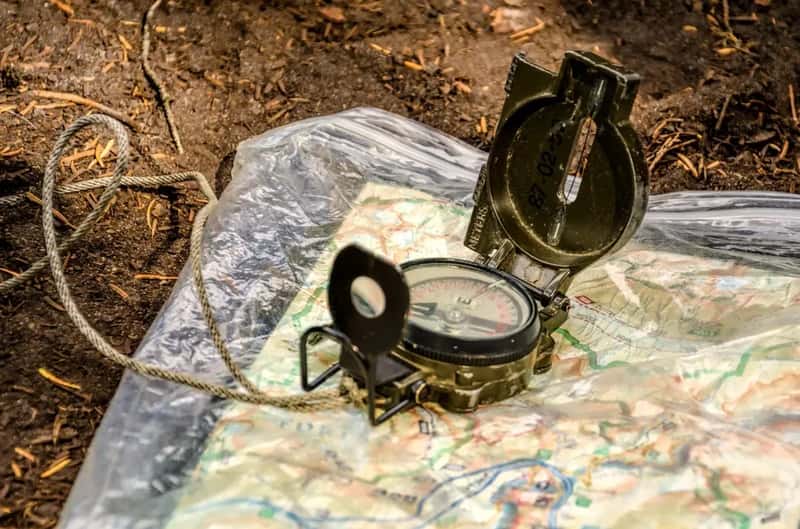
This mistake seems obvious until you see how confusing campground listing pages actually are. Families with pop-up campers book full RV hookup sites they don’t need. Tent campers accidentally book dry RV pads with no shade and no tent surface. The site map and photo gallery are there for a reason – most families skip both entirely. Utility hookups are tiered – electric-only, electric plus water, or full hookups including sewer – and each tier increases the nightly price accordingly.
Beyond hookups, what matters most to you might be shade, proximity to bathrooms, distance from other sites, or level ground. Families who skip the campground map and jump straight to availability often end up with a sun-scorched concrete pad in the middle of summer. Read the site-specific reviews, study the map, and know exactly what your setup needs before you click confirm. Picking the wrong site type is annoying. Not knowing the cancellation policy – #6 – is financially catastrophic.
#6 – Ignoring the Cancellation Policy Until It’s Too Late
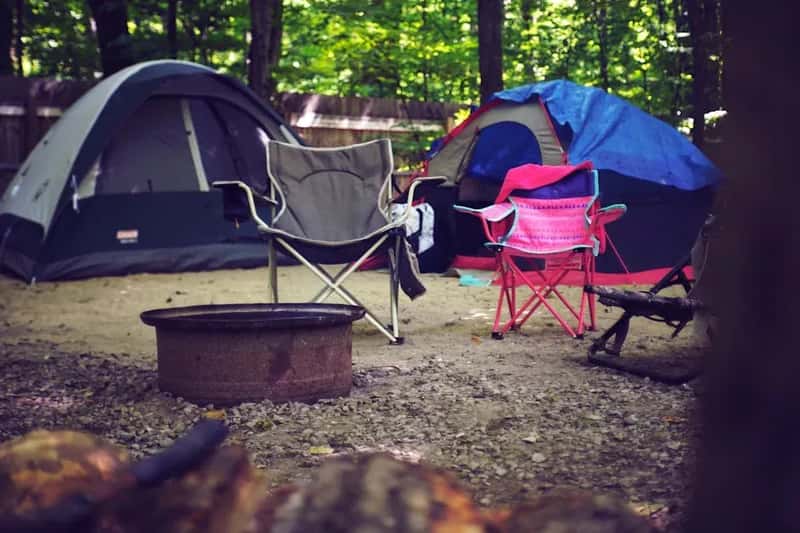
Life happens. Kids get sick, work calls, cars break down. The problem is that many families book a campsite five months out with zero awareness of what happens if they need to cancel. On Recreation.gov, a no-show triggers a $20 service fee and forfeits the first night’s recreation fee entirely. Canceling the day before or day of arrival costs a $10 service fee plus the first night’s use fee – meaning a one-night reservation is a total loss.
The closer to arrival you cancel, the worse it gets. Every state park system has different procedures, and most of the fine print is confusing at best. In many states, taking action within a certain number of days results in a cancellation fee plus the first night’s charge – which means for a one-night reservation, it actually costs more to notify the system than to not show up at all. That broken logic is part of what fuels the no-show epidemic waiting in #5.
#5 – Booking Multiple Sites and Never Canceling the Ones You Don’t Use
Families panicked about availability sometimes book backup sites at two or three campgrounds, fully intending to cancel the extras once they decide. Then life gets busy, and the extras sit there – reserved, paid for, completely empty – while other families get shut out. It’s one of the most widespread and corrosive problems in the modern campsite ecosystem, and it’s getting worse every season.
The numbers back it up. According to The Dyrt’s 2026 Camping Report, 61.3% of campers say reserving multiple dates with the expectation that some will go unused is simply not acceptable – and no-shows, while declining, still affected 4% of all reservations in 2024. Parks are fighting back: some state systems have implemented strike-based no-show policies that can ban repeat offenders from making future reservations. If you booked something you can’t use, cancel it. Another family’s summer plans are literally waiting on your click. Scammers, covered in #4, have turned that booking desperation into a business model.
“I think there’s increasing awareness of the fact that it hurts other campers to reserve a campsite and leave it empty, and the camping community is stepping up to do better.”
Sarah Smith, Founder of The Dyrt
#4 – Falling for Fake Campsite Listings and Third-Party Scams

With campsite scarcity at a peak, a shadow market of fraudulent listings has exploded across the internet. Fake websites mimic real campgrounds and take deposits without actually reserving your spot. Some individuals “sell” campsites they don’t own on Facebook Marketplace and similar sites. Phishing emails pretend to be campground confirmations and request additional payments. Families who book through unofficial channels often don’t realize they’ve been scammed until they show up at the gate with no record of their reservation.
Third-party “reservation assistance” services are another trap – companies charging $30 to $60 to help you book a site you could have booked yourself for free. Others waste hours refreshing Recreation.gov for permits that no longer exist at parks that dropped their systems entirely. Always book through official channels: Recreation.gov for federal sites, and each state’s official park reservation portal for state campgrounds. Call the campground directly to confirm if anything feels off. Not checking current park conditions before you leave is the trap waiting in #3.
#3 – Not Checking for Road Closures and Trail Conditions Before You Leave
Families spend months nailing down a reservation, then drive six hours to discover the main road into their campsite is closed for flood damage. This is more common than it sounds. Snow, flooding, wildfire recovery, and construction can shut down trails and roads well into the summer months. The calendar alone does not tell you what is actually open. Every national park maintains an alerts page on nps.gov with real-time updates on closures, hazards, and trail conditions – check it the night before your visit, not just during the planning phase weeks earlier.
Wildfires have become a particular summer wildcard, with closures sometimes declared just 24 to 48 hours before arrival. A confirmed reservation means nothing if the road to reach it is gated shut. Check the NPS alerts page, the campground’s specific status page, and a quick social media search for the park name before you pack the car. Rangers at the gate are not going to refund your $200 weekend stay because you didn’t look. The mistake in #2 is quieter – but costs just as many families their plans.
#2 – Saving Your Reservation Confirmation Only in Your Email Inbox

Your reservation confirmation lives in your inbox. That’s fine until you’re standing at a park gate in the middle of the Rockies with zero cell signal and a ranger asking to see it. Cell service inside and around national parks is notoriously unreliable. If your only copy of the reservation lives online, you could be stuck at the entrance unable to pull it up – a scenario that plays out dozens of times every summer weekend across the country.
The fix is two minutes of work before you leave home. Screenshot your confirmation before you leave. Better yet, save your timed entry pass to Apple Wallet or Google Wallet through the Recreation.gov app, which stores it for offline access. Print a physical backup if anyone in your group prefers it. The confirmation number, the dates, the site number – have all of it accessible without internet. It’s the small detail that separates a smooth arrival from a stressful standoff at the gate. And the #1 mistake? It’s the one that eliminates the trip before it ever begins.
Why It Stands Out: Your Pre-Departure Checklist
- Screenshot your campsite confirmation AND your timed entry permit – separately.
- Save passes to Apple Wallet or Google Wallet via the Recreation.gov app for offline access.
- Check the NPS alerts page for your specific park the night before you leave.
- Confirm cell coverage at your campground in advance – many parks have little to none.
- Print a backup copy if anyone in your group is not comfortable with digital-only docs.
#1 – Assuming the Park Still Requires the Same Reservations It Did Last Year
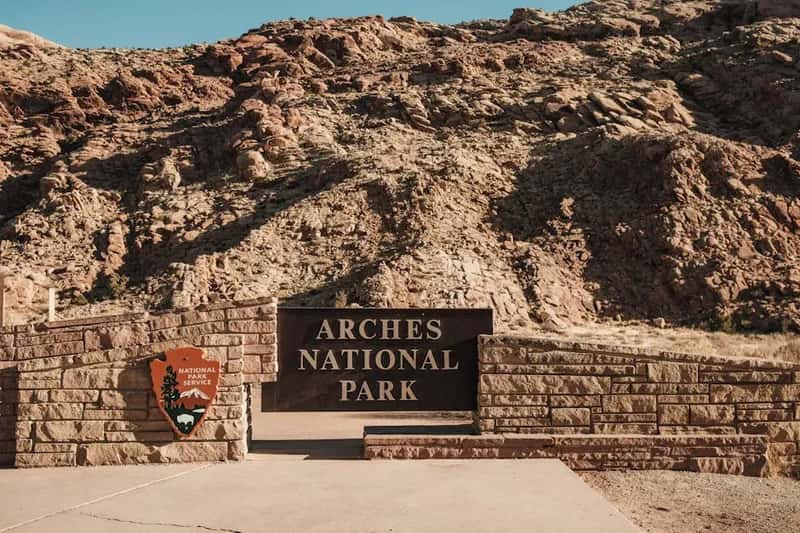
This is the mistake experts keep flagging as the fastest-growing source of camping trip failures – and it cuts both ways. Some families waste hours refreshing a booking system looking for permits that no longer exist. Others assume a park dropped its reservation system and drive hours only to be turned away at the gate. At least 10 U.S. national parks now have some form of timed-entry or permit system in place – a dramatic change from just a few years ago – while others have quietly dropped requirements, leaving a patchwork of rules that catches families off guard every single week.
The rules change. Every year. Sometimes mid-season. Rangers across the country report turning away visitors who planned their trips months in advance but missed one rule change that left them standing outside the gate. The only defense is checking the official NPS page for your specific park within two weeks of your visit – not the travel blog you bookmarked eight months ago, not last year’s Reddit thread, and definitely not a third-party site that may be completely out of date. The parks change the rules. The families who check win. The ones who assume lose their summer.
The campsite booking world has turned into a genuine competition – and the families who lose aren’t losing because the spots don’t exist. They’re losing to booking windows missed by three minutes, permit systems they didn’t know were separate, hidden fees they didn’t scroll far enough to read, and fine print skimmed on the way to checkout. Every one of these 16 mistakes is fixable with a little advance knowledge. The question is whether you find out before or after you load up the car.