Most travelers assume a layover is a layover – land, walk, wait, board. But ask anyone who flies 50,000 miles a year and you’ll hear a different story: the difference between a smooth trip and a nightmare almost always comes down to a handful of rules nobody explains at booking.
These aren’t superstitions. They’re hard lessons learned in customs lines, at gate counters, and in airline contracts most passengers never read. Here’s what actually separates the frequent flyers from the people sprinting through Terminal C in socks.
#16 – The “Minimum Connection Time” Airlines Sell You Isn’t a Safety Buffer, It’s a Legal Minimum
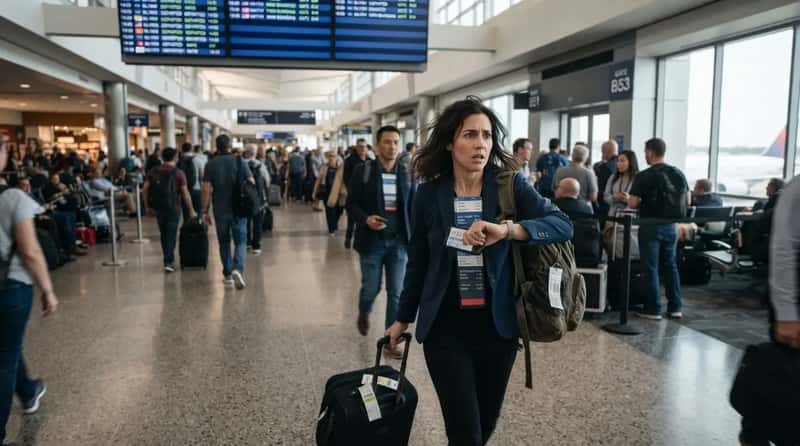
Booking engines will happily sell you a connection that’s technically legal but practically brutal. That number, called the Minimum Connection Time, is the shortest officially approved interval between a passenger’s inbound arrival and a connecting flight’s scheduled departure at the same airport, and it’s designed to prevent impossible itineraries, not comfortable ones.
Experienced flyers never confuse “sellable” with “safe.” Each airport sets its own MCT, typically 30-90 minutes for domestic connections and up to 3 hours for international transfers with customs and immigration. That’s the floor, not the recommendation, and treating it as a real buffer is where most missed-connection stories begin.
Fast Facts
- Domestic MCT: usually 30-90 minutes, set individually by each airport
- International MCT: often stretches to 2-3 hours once customs and immigration are added
- MCT is a legal floor, not a comfort recommendation
- Connections requiring a terminal change almost always push MCT higher
#15 – Booking Two Separate Tickets? Assume Nobody’s Coming to Save You
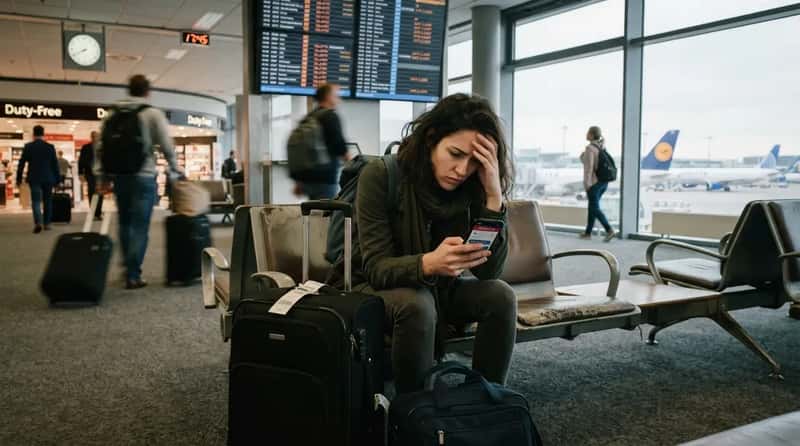
Splitting a trip into two cheaper tickets feels clever until the first flight runs late. Frequent flyers know the rule cold: unlike traditional connecting flights, where airlines handle baggage transfer and rebooking in case of delays, a self-transfer offers no such built-in protection.
The airline isn’t being cruel, it simply doesn’t know your second ticket exists. If your first flight is delayed and you miss your next one on a self-transfer, you are typically responsible for booking and paying for a new ticket yourself, since airlines don’t protect these separate bookings. Veteran travelers pad these connections by hours, not minutes.
#14 – Skiplagging With a Checked Bag Is the Fastest Way to Lose Your Luggage
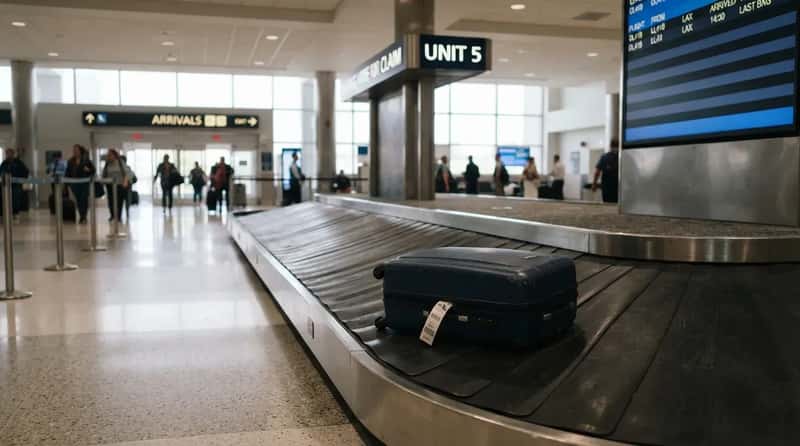
The hidden-city trick – booking a flight through your real destination and quietly walking off at the layover – can slash fares dramatically. But there’s one non-negotiable rule seasoned users never break: no checked bags, ever.
Passengers using hidden city ticketing must travel with only carry-on luggage, because checked bags would be tagged to the final destination on the ticket purchased, rather than the layover city. Skip that rule and your suitcase flies on without you, landing in a city you never intended to visit.
#13 – That 4-Hour Layover City Tour Has a Silent Reentry Clock

Leaving the airport for a quick city tour sounds like the ultimate travel hack, and sometimes it is. Companies even run guided layover tours built for it – one Amsterdam layover tour allows passengers with a layover of at least 4 hours to take a private, customized tour of the city with airport transfers included.
But experienced flyers never leave without checking the fine print first. If you’re planning on leaving the airport grounds during your layover, you need to check that country’s visa restrictions and rules, because getting back through security and immigration can eat far more of that window than the tour itself.
#12 – The Days of Airlines Holding Flights for Latecomers Are Basically Over
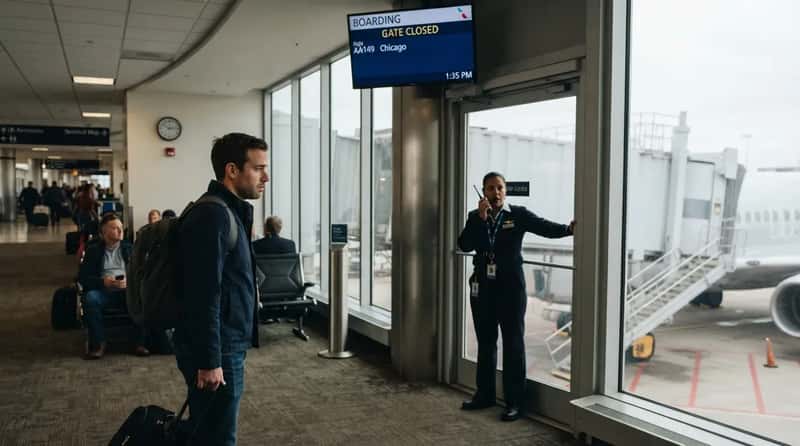
Plenty of nervous flyers assume the gate agent will wait if they can see the plane. That confidence is almost always misplaced. Airlines generally will not hold the next flight merely because you are arriving on another flight, so you must allow enough time.
There’s one narrow exception experienced travelers know about. In some rare cases, if you’re traveling with a big group that happens to be a large portion of the transit flight’s passengers, an airline may choose to hold a flight for the incoming group – but don’t count on it. A solo traveler with a tight connection should never bank on mercy.
#11 – Flying Through JFK, LAX, or ORD? Add 30 Minutes Before You Even Think About It
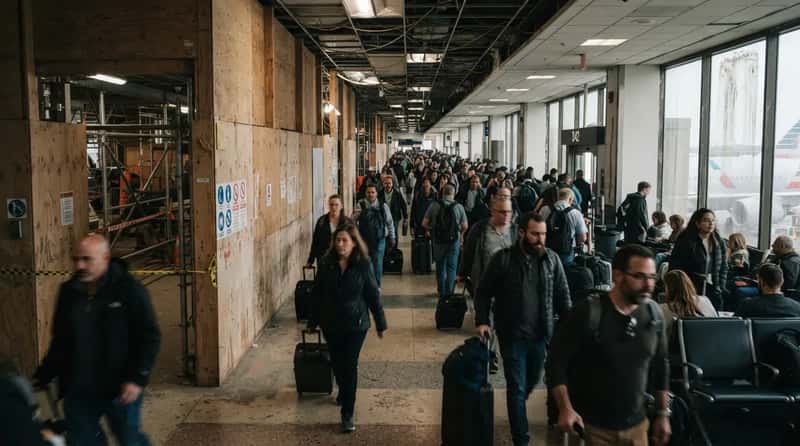
Some hubs are simply harder to move through than others right now, and it’s not paranoia, it’s construction. At airports with active construction like JFK, LAX, and ORD in 2026, seasoned travelers add 30 minutes to whatever buffer they were already planning.
The general rule frequent flyers repeat to anyone who’ll listen: 90 minutes for domestic, 2+ hours for domestic-to-international, and 2.5-3 hours for anything involving customs. Those numbers get stretched even further at the country’s messiest terminals, and ignoring that is how good trips go sideways.
#10 – A 30-to-45 Minute “Legal” Domestic Connection Is Still a Gamble
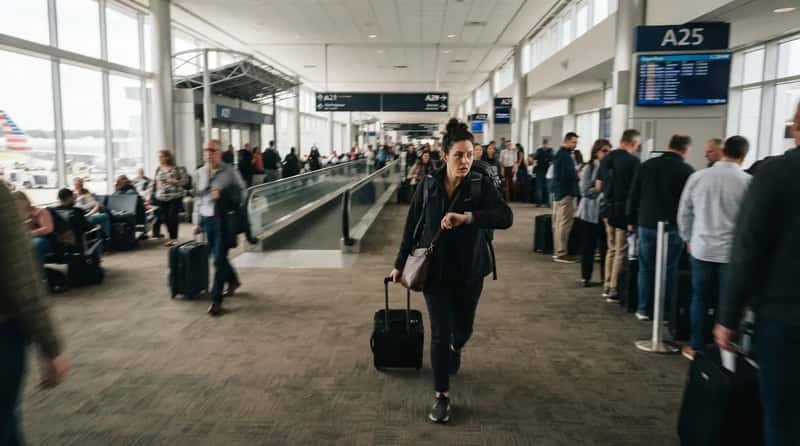
Just because an airport allows a 30-minute connection doesn’t mean anyone experienced would take one voluntarily. A connection is “too short” if it falls below the Minimum Connection Time established by the airline, but for a passenger, anything under 45 minutes for domestic or 90 minutes for international is a high-risk gamble.
Airlines lean on best-case assumptions to sell these tight windows. While a carrier will sell a 30-minute connection in a hub like Charlotte or Denver, this assumes your first flight arrives early, your gate is nearby, and you’re sitting near the front of the plane. Miss any one of those and the whole plan collapses.
#9 – Transiting Through a Foreign Airport Without Leaving? You Might Still Need a Visa
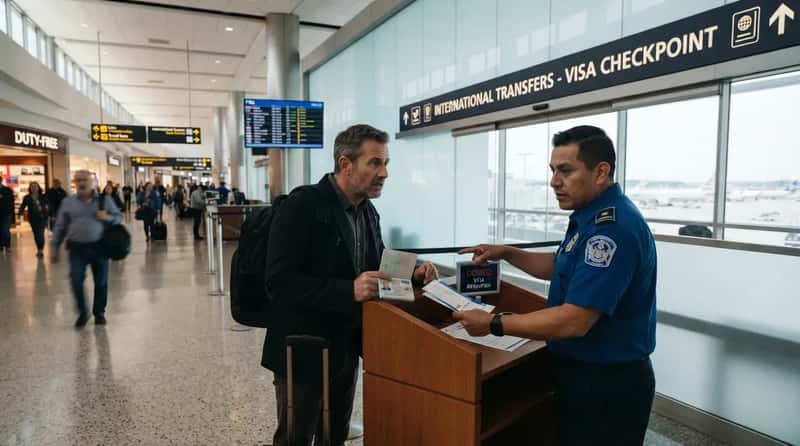
New flyers assume that staying “airside” during a layover means immigration rules don’t apply to them. That assumption has stranded plenty of confident travelers. You might need a visa for your self-transfer layover, depending on the country you’re transiting through, even if you don’t plan to leave the airport terminal.
Frequent international travelers treat this as a pre-booking checklist item, not an afterthought. If you know your route will involve multiple connections, confirm you have the right travel and transit visas in advance. Finding out at the gate is the worst possible moment to learn otherwise.
#8 – Seasoned Flyers Pick Their Seat Based on the Layover, Not the View
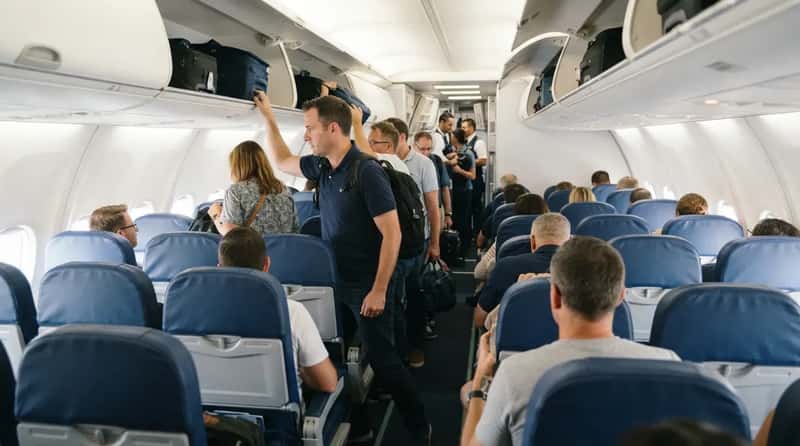
Window versus aisle is a rookie debate. Experienced connectors choose seats based purely on how fast they can get off the plane. If you have a tight connection, sitting closer to the front can save precious minutes getting off the aircraft.
It sounds small, but it compounds fast in a crowded terminal. That can be the difference between jogging calmly and sprinting in panic. Most travelers rank window seats as the ultimate flight perk, but on a tight connection day, plenty of frequent flyers now argue that’s the one seat choice you’ll regret most.
#7 – Never Pack Your Charger or Meds in the Checked Bag Before an Overnight Layover

Overnight layovers turn into disasters fast when your essentials are locked in the belly of the plane. Experienced travelers build a small kit specifically for this scenario, and it always includes the basics: a charged power bank, and a snack-and-water plan, since many airport shops close overnight.
None of this requires overpacking. You do not need a full travel pillow setup, just a few small items that make an uncomfortable situation manageable. The travelers who sail through an overnight layover aren’t lucky, they simply packed for it in advance.
At a Glance: Overnight Layover Kit
- Charged power bank, since outlets and shops both get scarce after midnight
- Snacks and water packed ahead, not bought on the spot
- Chargers and meds in the carry-on, never checked
- A light layer or eye mask for makeshift terminal sleep
#6 – Trip Insurance Bought at Checkout Rarely Covers a Self-Transfer Miss
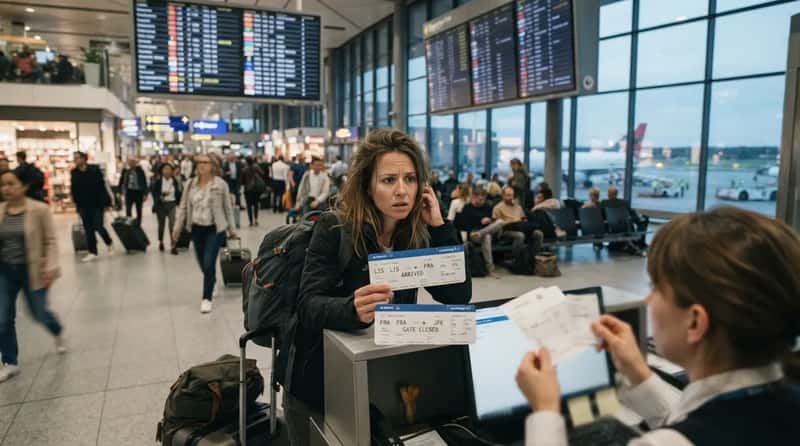
Travelers who book two separate tickets often assume the checkout-page insurance add-on has them covered. It usually doesn’t work the way people expect. Compensation for a self-connecting flight generally only applies if your flights were on a single booking, and for separate tickets there’s no compensation for the missed leg.
Experienced flyers treat this as a math problem, not a formality. Booking on one ticket when possible, leaving a generous layover, and factoring in re-checking bags together turn a risky self-transfer into a manageable one. Skip that step and a “cheap” itinerary can cost far more than the savings ever justified.
#5 – The “Next Available Flight” Promise Sounds Reassuring, Until You Hear What It Actually Means
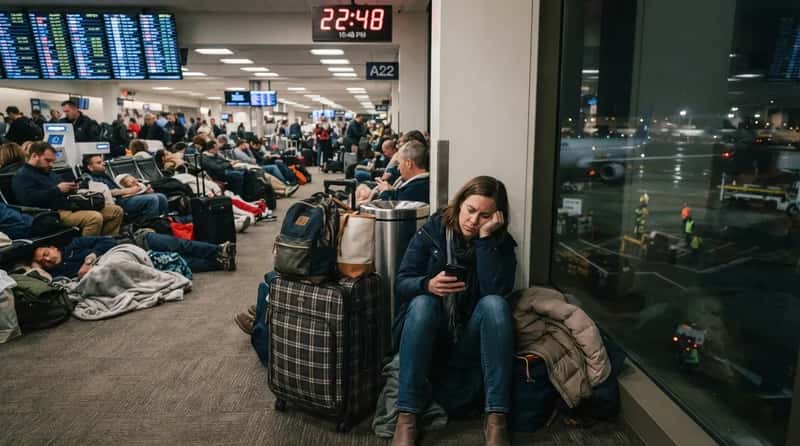
Getting rebooked after a missed connection feels like a safety net, but the wording matters enormously. If you miss your connection, the airline is only required to put you on the “next available” flight, which could be the following day during peak seasons.
That’s a very different promise than “the next flight.” During holiday weeks or storm season, “next available” can mean 24 hours in an airport hotel you’re paying for yourself. Frequent flyers plan connections assuming worst-case seasonal congestion, not the calm Tuesday-afternoon version of air travel.
#4 – The 3-Hour Delay Line Isn’t Just Annoying, It’s a Legal Trigger for a Refund
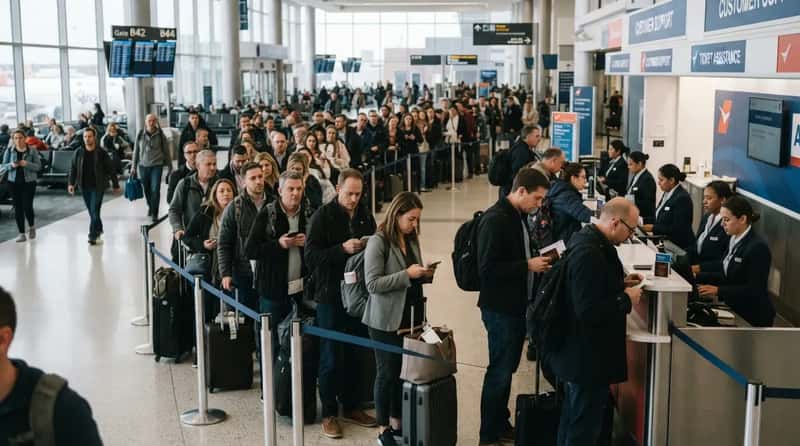
Most passengers treat a three-hour delay as pure frustration and nothing more. Experienced flyers know it’s actually a legal threshold. Under the DOT’s mandatory refund rule, if your domestic flight is delayed 3+ hours or your international flight 6+ hours, you’re entitled to a full cash refund, not a voucher.
Europe-bound travelers have an even sharper version of this rule working in their favor. EU Regulation 261/2004 provides flat-rate compensation on top of rebooking – €250 for short flights, €400 for medium, and €600 for long-haul – if you arrive 3+ hours late. Most travelers never file the claim they’re owed, and airlines are in no hurry to remind them.
Quick Compare: Delay Compensation
- US domestic delay 3+ hours: full cash refund under DOT rules
- US international delay 6+ hours: full cash refund under DOT rules
- EU261 short-haul, 3+ hour arrival delay: €250
- EU261 medium-haul, 3+ hour arrival delay: €400
- EU261 long-haul, 3+ hour arrival delay: €600
#3 – Sleeping in the Airport Overnight Has Unwritten Rules Regular Travelers Learn the Hard Way

An overnight layover looks simple until you’re actually trying to sleep on a bench surrounded by strangers. Experienced flyers are deliberate about where they camp out: a well-lit area with some foot traffic but not constant chaos, and never an isolated corner where they can’t see what’s happening around them.
Security habits matter just as much as location. Keep valuables on your body or secured, and if you can, anchor a strap around your leg or arm so your bag can’t be pulled easily. It’s a small habit, but it’s the one that separates a restful overnight layover from a stressful one.
#2 – Skiplagging Can Save Hundreds, But Airlines Are Now Hunting Patterns, Not Just Passengers

The hidden-city trick has gone from insider secret to full-blown legal battleground. American Airlines won a $9.4 million judgment against Skiplagged.com in 2024, and a May 2025 ruling upheld the jury’s finding that the underlying booking method is fair use.
Individual passengers face a quieter but real risk. Airlines cross-reference no-show patterns against frequent flyer accounts, and a flagged account can lose banked miles, elite status, and the account itself. For anyone with meaningful status, one flagged pattern can cost more than years of hidden-city savings. Experienced flyers who still use the trick do it rarely, on one-way carry-on trips, and never with a loyalty number attached.
Worth Knowing
- American Airlines won $9.4 million against Skiplagged.com in 2024
- A May 2025 ruling upheld that the underlying booking method is fair use
- Airlines still track no-show patterns against frequent flyer accounts
- A flagged account risks losing miles, elite status, and the account itself
#1 – The Real Danger Isn’t the Layover, It’s Landing From International and Rushing to Domestic
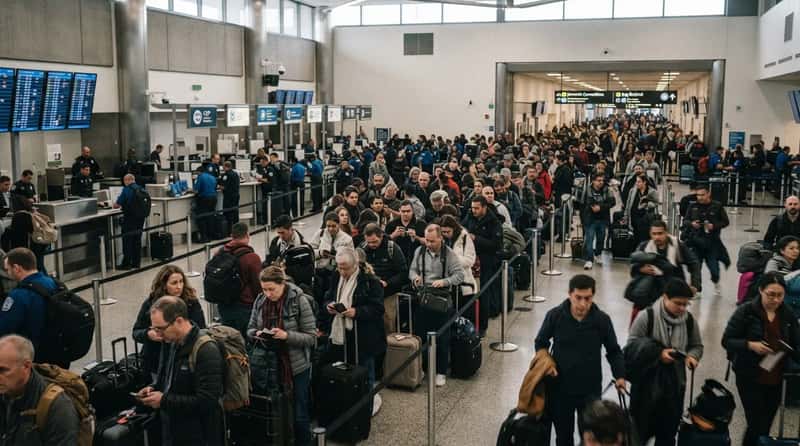
This is the connection that catches even seasoned travelers off guard, because it looks easy on paper. When you land in the U.S. from abroad, even if your final destination is another U.S. city, you’ll generally need to clear customs, recheck bags, and pass back through security before your domestic flight.
The official minimum time rarely reflects the real one. Even when the legal MCT is 90 minutes, it’s often safer to allow 2.5 to 3 hours, since airports like JFK, LAX, MIA, and SFO are especially known for long immigration lines and crowded terminals. Every frequent flyer has a story about the one time they cut this connection close, and almost none of them do it twice.
None of these rules are about fear. They’re about the small, unglamorous math experienced travelers do automatically: padding the legal minimum, checking the visa rule nobody mentions, packing the charger where they can reach it. The travelers who look effortlessly calm at the gate usually just did their homework a week earlier.
Which of these rules have you learned the hard way? Drop your worst layover story in the comments, the messier, the better.