Most people assume a national park trip is simple: show up, admire the view, head home. But rangers say the same avoidable mistakes keep repeating year after year, and a record 331.9 million visits in 2024 proved just how many people are testing that assumption. For first-time visitors over 60, those same mistakes carry extra weight, because your body, your budget, and your safety all respond differently than they did at 35.
The good news is that every mistake on this list is completely preventable once you know it’s coming. Some cost you real money before you even reach the trailhead. Others turn a peaceful afternoon into a genuine medical emergency, and the one that causes the most trouble barely gets mentioned in typical travel guides.
16. Skipping the Senior Pass Entirely
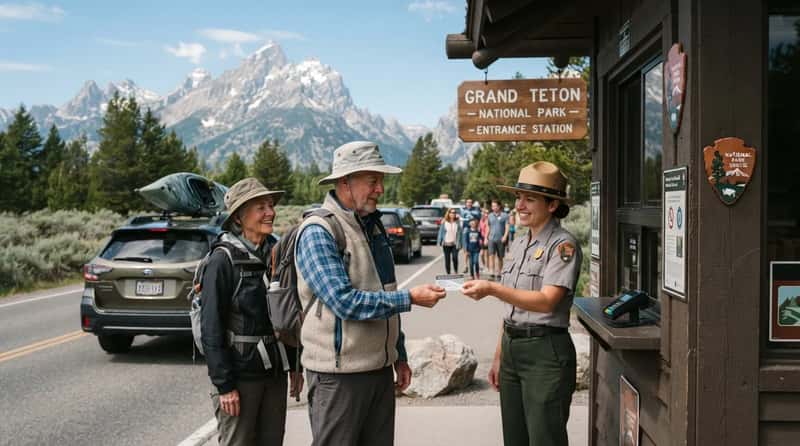
This is the mistake that costs real money before you even set foot on a trail. U.S. citizens and permanent residents ages 62 and older can buy an annual America the Beautiful pass for $20, or a lifetime version for a one-time cost of $80.
That lifetime pass unlocks more than 2,000 federal recreation sites, yet it remains one of the most underused financial perks available to older Americans. Many first-timers still pay full entrance fees simply because nobody ever told them the pass existed.
It can also unlock a 50 percent discount on select amenity fees, including camping, boat launches, swimming areas, and certain guided programs.
But that’s nothing compared to what happens with mistake #15, where a single wrong assumption turns a perfect day into a dangerous one.
15. Assuming Cell Service Will Save You
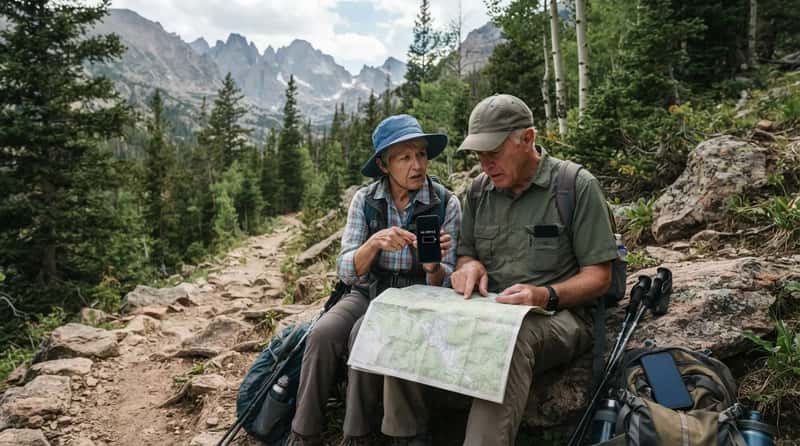
First-timers count on their phones for navigation, communication, and emergencies, and national parks routinely make that plan fail. America’s national parks cover millions of square miles, which means many hikes sit far beyond the reach of help.
Trails near visitor centers are usually easy to navigate. Backcountry trails often have limited or no cell service at all.
Phones can also run out of battery, get damaged, or get lost, and reception in remote areas can vanish without warning. A paper map is the tool that keeps you on the right track when the technology fails you.
Good navigation apps do help, with GPS tracking, compass features, and step-retracing functions that lead you back the way you came. Just download them before you leave the trailhead, not after you’ve already lost signal.
But that’s nothing compared to what we found about #14, a planning mistake that locks you out before you even arrive.
14. Winging It Without Reservations
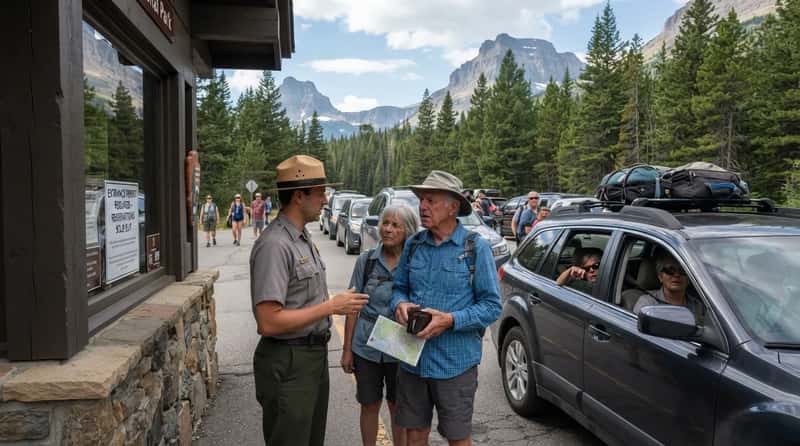
There’s a romantic idea of just showing up and seeing what happens. In today’s national parks, that idea gets you turned away at the gate.
The parks drew a record 331.9 million visits in 2024, and high-demand parks like Glacier, Yosemite, and Rocky Mountain now require timed-entry permits that sell out weeks or months in advance. Campgrounds inside popular parks fill just as fast.
Arriving without a reservation, especially in summer, often means driving hours to find lodging or sleeping in your car. Neither option is great for anyone, and it’s particularly rough on travelers over 60 who depend on consistent rest.
Book campsites and permits through Recreation.gov the moment your travel window opens. Requirements vary park to park and season to season, so check the specifics well ahead of time.
But that’s nothing compared to what we found about #13, where overconfidence about your own schedule leads to real physical trouble.
13. Trying to See Everything in One Day
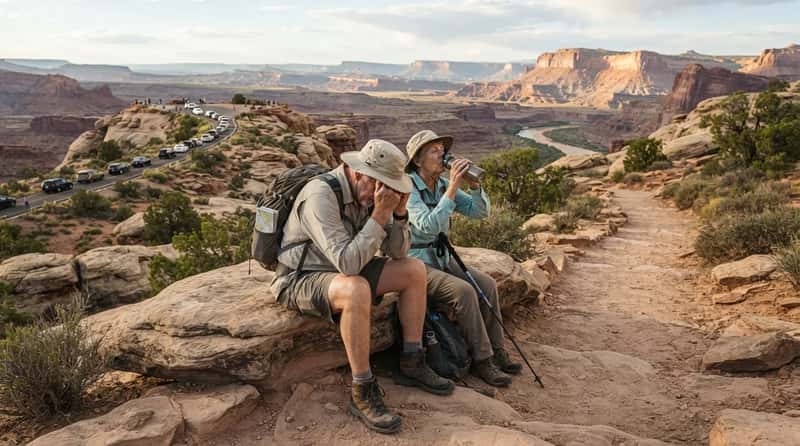
A former park ranger with decades on the job calls this the single most common mistake he witnessed throughout his career. Visitors squeeze too much into one trip instead of traveling slow.
He described talking to hikers with wildly ambitious itineraries, people who entered a park determined to hit every viewpoint before dark. Traveling slower, he said, is what actually lets visitors soak in the beauty they came for.
For visitors over 60, this matters even more. Rushing from viewpoint to viewpoint raises heart rate, depletes hydration faster, and eliminates rest time, all critical factors when you’re navigating elevation, heat, and uneven terrain.
Don’t try to do everything. Enjoy some things to the full depth you can.
Former National Park Ranger
But that’s nothing compared to what we found about #12, where ignoring the clock becomes a literal heat hazard.
12. Hiking in the Middle of the Day
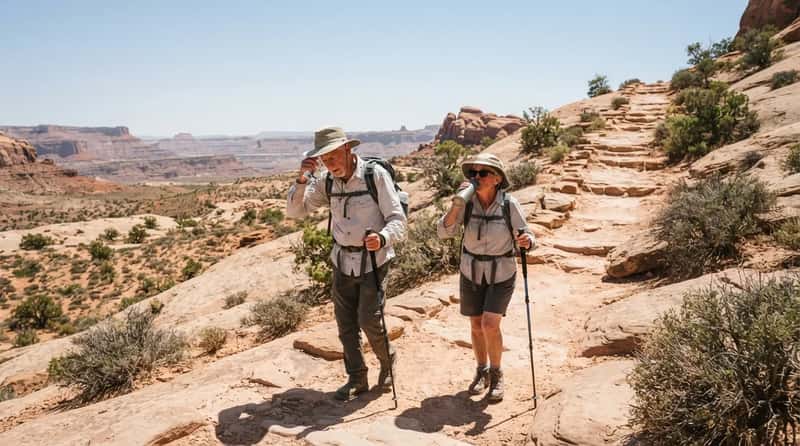
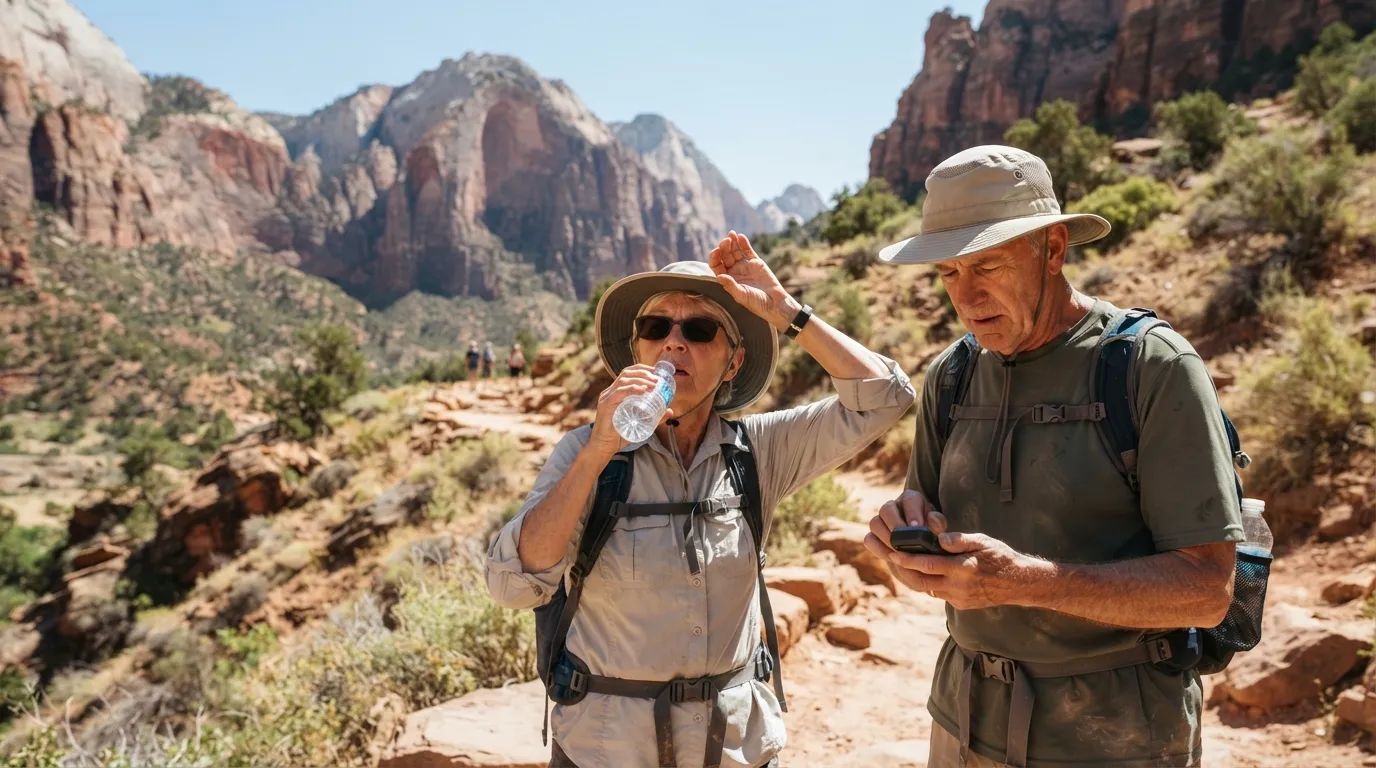
Most first-timers plan to hike around mid-morning after breakfast and check-in, which puts them on exposed trails at the worst possible time. Older adults are more vulnerable to heat exhaustion and heat stroke due to reduced sweating and lower cardiovascular reserve.
That’s not a minor caveat. It’s a genuine risk that puts people in the back of a ranger’s vehicle every single summer.
Hike earlier or later to avoid peak daytime heat, and choose shaded routes when you can. Increase fluid and electrolyte intake, and wear breathable, sun-protective clothing with a wide-brim hat.
Learn the early warning signs: heavy sweating, weakness, nausea, headache, confusion. Cool down immediately and seek help if mental status changes, because by the time confusion sets in, you’re already in an emergency.
But that’s nothing compared to what we found about #11, where a trail that looks manageable turns into a medical situation.
11. Choosing Trails Based on Distance Alone
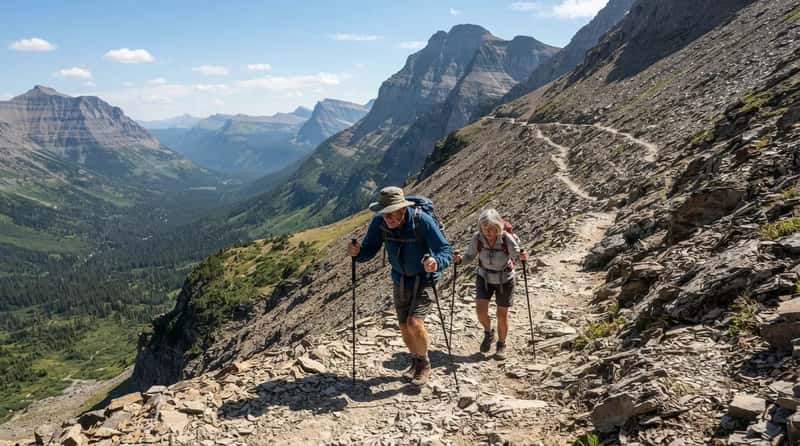
A 3-mile trail sounds easy. But in national parks, distance is only part of the story, and first-timers over 60 learn this the hard way.
Elevation gain, surface type, and sun exposure matter far more than mileage. A 3-mile trail with 1,500 feet of elevation gain on loose rock in direct sun is a completely different physical challenge than a flat 3-mile walk through a meadow.
When choosing where to hike, be honest about your fitness level, balance, mobility, and hiking experience. Starting with trails rated “easy” and building up to “moderate” as stamina and confidence grow is a smarter path than jumping straight into a strenuous rating.
Most park websites and trailhead signs post clear difficulty ratings. Use them, because they exist precisely for this reason.
But that’s nothing compared to what we found about #10, where skipping one item at the trailhead creates a genuine emergency.
10. Leaving Without a Physical Map
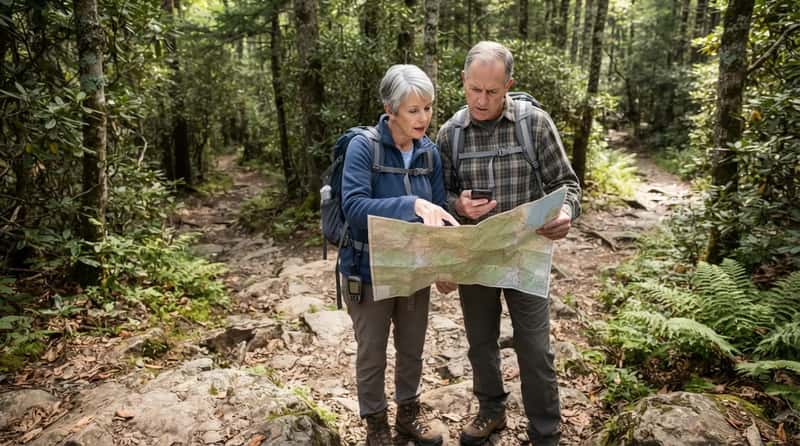
Phones go dead. GPS loses signal. Trails split in unexpected directions, and suddenly you’re not sure which way leads back to the parking lot.
National parks often have vast, unmarked backcountry areas that are difficult to navigate. The safest approach is hiking with a physical map and a downloadable one, plus a GPS device as backup.
Fast Facts
- Free paper maps are available at nearly every NPS visitor center and entrance station.
- GPS apps can lose accuracy fast in canyons, dense forest, and steep terrain.
- Getting lost is one of the most common reasons hikers need search and rescue help.
- A paper map works with zero battery and zero signal, every single time.
Paper maps are free at every visitor center and most entrance gates, yet a surprising number of first-timers wave them off, assuming their phone is enough. Rangers consistently identify this as one of the most avoidable sources of search-and-rescue calls.
Tuck the map in a zip-lock bag in your daypack and forget about it until the moment you need it. That moment comes more often than most visitors expect.
But that’s nothing compared to what we found about #9, a deceptively basic oversight that sends people to the hospital every summer.
9. Underestimating How Much Water to Carry
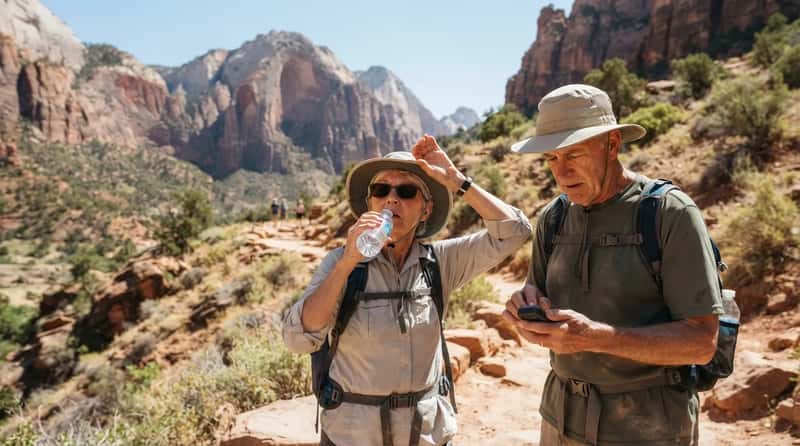
Most first-timers bring a single water bottle for a half-day hike. Rangers say this is dangerously insufficient, especially for adults over 60.
Dehydration at altitude accelerates faster than most people expect, and older adults are more vulnerable due to reduced cardiovascular reserve. Thirst also becomes a less reliable signal with age, meaning you can become significantly dehydrated before you ever feel it.
Pack a first aid kit, sunscreen, insect repellent, a compass or GPS, non-perishable snacks, and any needed medications, but water should be the heaviest item in that bag. A general rule for moderate hiking in warm weather is at least half a liter per hour of activity.
Electrolytes matter too. Plain water alone doesn’t replace what you lose through sweat on a long trail, and the resulting imbalance can cause dizziness and disorientation, symptoms that are especially dangerous on exposed ridgelines.
But that’s nothing compared to what we found about #8, where a well-meaning shortcut creates a long-term problem.
8. Skipping the Visitor Center
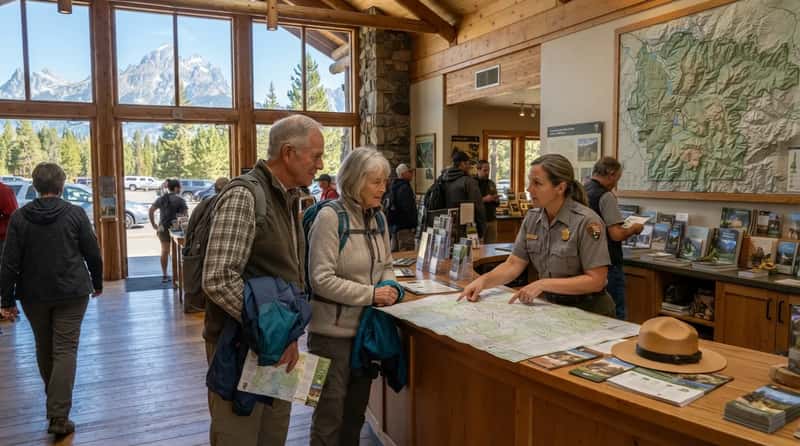
Almost every first-timer drives past the visitor center to “get to the good stuff” faster. Turns out, the visitor center is the good stuff, at least for the first hour.
Stop there to read safety information and pick up maps, and if a ranger is on-site, ask questions. These are the people who know the park better than any website ever will.
Worth Knowing
- Free trail maps plus current conditions and closures for that exact day.
- Junior Ranger programs and ranger-led talks, often free and open to all ages.
- Staff who can match trail suggestions to your fitness level and mobility needs.
- Accessible restrooms, water refill stations, and shaded rest areas in most parks.
Check for park alerts, trail closures, and safety advisories every time, because rangers know which trails are currently icy, flooded, or closed. That information isn’t always updated online in real time.
For visitors over 60, this intel is especially valuable. A trail listed as “moderate” online might be actively dangerous that day, for reasons a ranger can explain in ninety seconds flat.
But that’s nothing compared to what we found about #7, where a completely reasonable assumption about the weather ends very badly.
7. Trusting Yesterday’s Weather Forecast
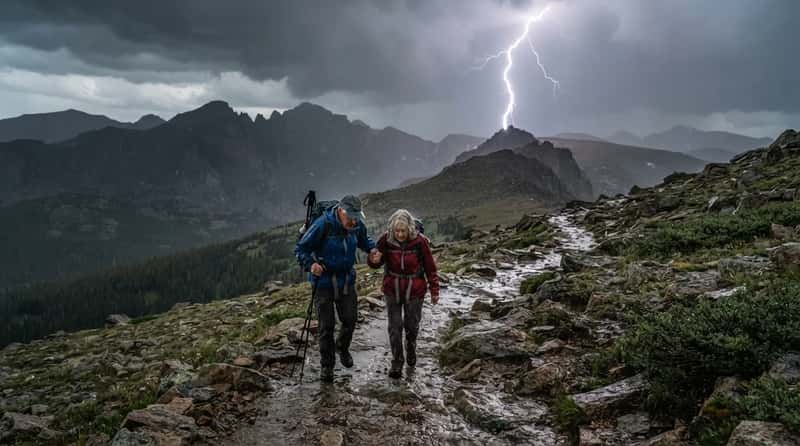
You checked the forecast the night before. It said partly cloudy and 72 degrees, and by noon, you’re caught in a lightning storm above the tree line.
Conditions in national parks can change rapidly, especially at higher elevations in parks like Rocky Mountain, Glacier, and Yosemite. Those swings raise the risk of hypothermia, heat exhaustion, or getting caught in a sudden storm.
Check forecasts before setting off and adjust plans based on conditions, avoiding extreme heat or blizzard-like weather whenever possible. Weather at altitude can shift in an instant, no matter how calm the morning looked.
The practical rule: check the forecast the morning of your hike, be back below the tree line by early afternoon in mountain parks, and always carry a light rain layer regardless of how clear the sky looks at dawn.
But that’s nothing compared to what we found about #6, the mistake most people don’t realize they’re making until it’s too late to turn back.
6. Ignoring Altitude When Selecting Your First Park
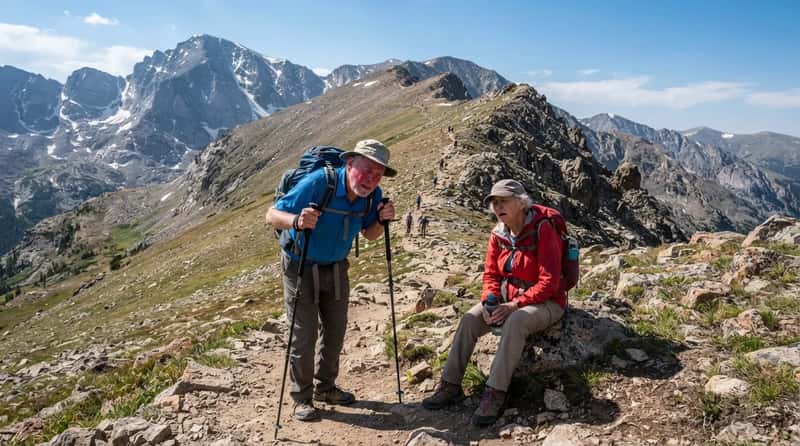
Many first-timers pick their first national park based on a photo they saw online, without ever checking the elevation. That’s how people from sea level end up gasping for air at 11,000 feet.
The body’s response to altitude tends to slow with age, and preexisting cardiopulmonary conditions raise the risk of complications. Altitude sickness, with headache, nausea, and shortness of breath, can begin as low as 8,000 feet in susceptible people.
Anyone headed to higher elevations should stay well-hydrated, wear sunscreen, and plan a day or two of easy activity to acclimate. Many visitors skip that acclimatization window entirely and pay for it the next morning.
Ascend slowly, build in rest days, and keep daily elevation gain conservative. If this is truly your first national park trip, consider starting with a lower-elevation park like Acadia, Great Smoky Mountains, or Congaree before tackling Yellowstone or Rocky Mountain.
But that’s nothing compared to what we found about #5, a mistake that catches even experienced travelers completely off guard.
5. Going Alone Without Telling Anyone Your Plan
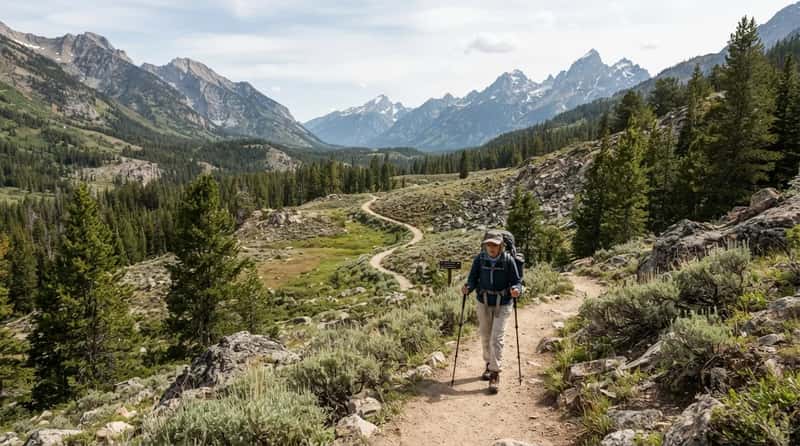
Solo hiking is a legitimate, rewarding way to experience a national park. Going solo without leaving a trip plan behind is something else entirely, and it’s a genuine safety risk.
Hiking with a buddy or a group is recommended at any age, since it provides both safety and companionship. But if you do go alone, the minimum safety step is leaving a detailed plan with someone who will actually notice if you don’t return.
At a Glance: What to Leave With Someone
- Trailhead name and where you parked.
- Planned route, including any alternate trails you might take.
- Expected return time, with a realistic buffer window.
- Who to call, and when, if you haven’t checked in.
Emergency services in most national parks are very limited. Search and rescue teams need a starting point, and your last known trail plus expected return time gives them exactly that.
Leave your written plan with a family member or at your lodging’s front desk, because this takes three minutes and it has saved lives.
But that’s nothing compared to what we found about #4, where the wrong footwear turns a scenic walk into something much worse.
4. Wearing the Wrong Footwear
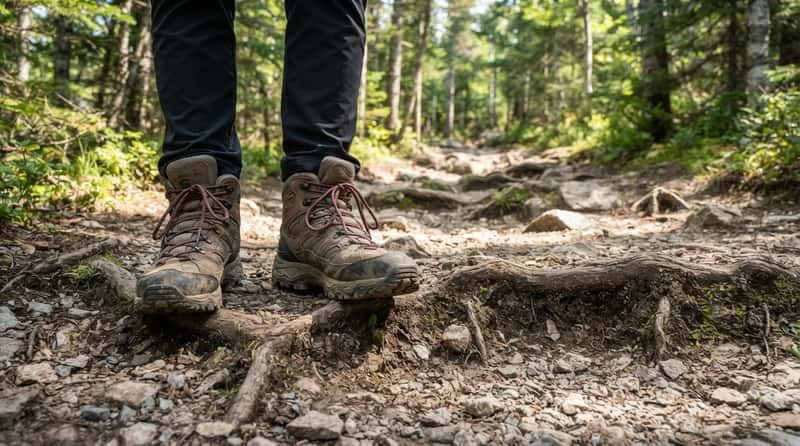
Sneakers are fine for a paved city walk. On a rocky, rooted, uneven national park trail, especially for adults over 60, they are a leading cause of trips, twists, and falls.
Balance and joint stability change with age, and park trails are never maintained like sidewalks. Loose rock, exposed roots, stream crossings, and sudden grade changes are standard features even on trails rated “easy.”
Trail-specific hiking shoes or boots with ankle support and a grippy outsole make a real difference in stability. They don’t need to be expensive, but they do need to be broken in before the trip, because new boots on day one is a guaranteed blister.
The National Park Service treats proper footwear as its own distinct safety category, not an afterthought, and rangers at every visitor center will tell you the same thing.
But that’s nothing compared to what we found about #3, where a crowd-following instinct costs you the best parts of the park.
3. Only Visiting the Most Famous Spots
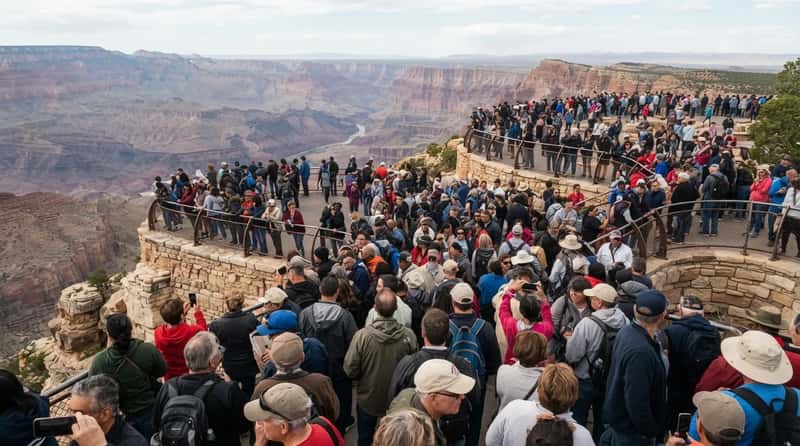
Most first-timers head straight for the iconic viewpoints, and end up shoulder to shoulder with hundreds of other people in a parking lot, looking at the thing they came all this way to see in peace.
Visitors rarely venture into a park’s more remote corners, but those lesser-known areas are so often the best parts of the park. That matters especially for people over 60 chasing a real connection with nature instead of a crowded photo op.
Most parks have secondary trails, overlooks, and valleys that see a fraction of the marquee attraction’s foot traffic and deliver equal or greater beauty. Don’t expect solitude at the famous spots, ever.
If quiet is the goal, be willing to hike a little farther out. Rangers at the visitor center will tell you exactly where the crowds thin out, you just have to ask them directly.
But that’s nothing compared to what we found about #2, a mistake so common it almost feels like a rite of passage, and it’s genuinely dangerous.
2. Getting Too Close to Wildlife
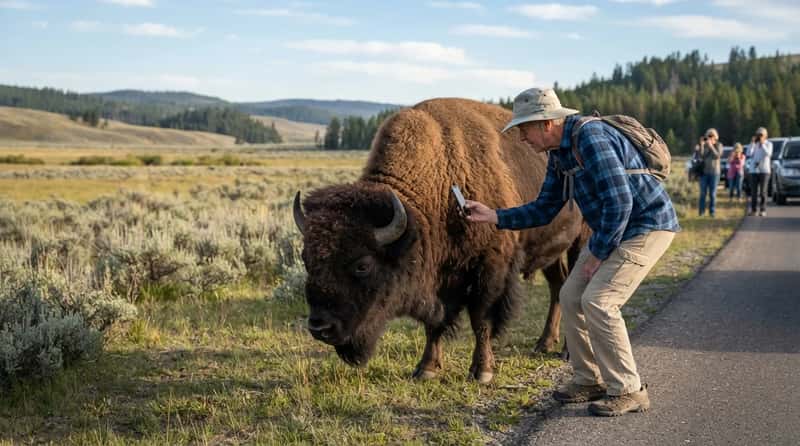
Every year, visitors over 60, people who know better, inch toward a bison, a bear, or a moose to get a better photo. Rangers call this one of the most consistently dangerous and consistently repeated mistakes in the entire park system.
These “touron” offenses run from getting too close to wildlife to damaging fragile geological sites, and they routinely put visitors in real danger. Bison gore people at Yellowstone. Bears charge at Glacier. Moose are notoriously unpredictable and fast.
Wildlife safety starts with distance and respect. Most animals want to avoid humans entirely, so your best defense is simply giving them space and appreciating them from afar.
The NPS recommends staying at least 25 yards from most wildlife and at least 100 yards from bears and wolves. Use binoculars, use a zoom lens, and the photo will actually turn out better anyway.
But that’s nothing compared to what we found about #1, the mistake that quietly affects more visitors over 60 than any other on this list, and almost nobody talks about it.
1. Not Accounting for Medications Before You Go
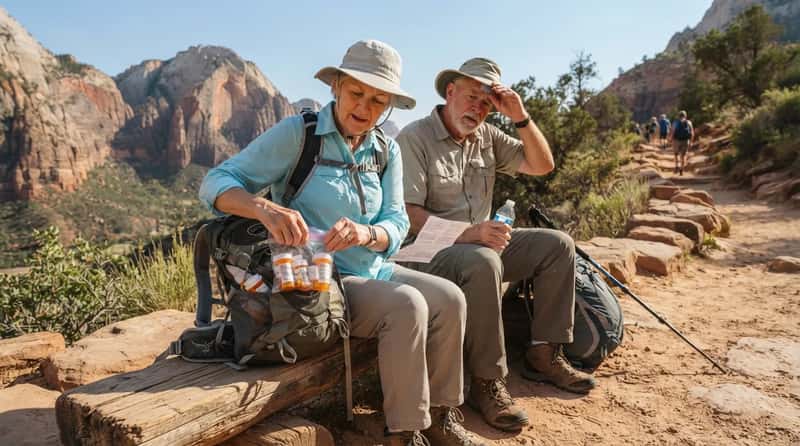
This is the mistake that gets almost no attention in travel guides, and it carries the most serious consequences for older adults specifically. Many common medications interact with the conditions you’ll face in a national park in ways most people never consider.
Diuretics increase dehydration risk. Beta-blockers can mask exertion warning signs, blood pressure medications can cause dizziness on steep descents, and certain antihistamines impair heat regulation.
None of these are rare drugs. They’re among the most commonly prescribed medications in the country for adults over 60, which is exactly why so few people think to connect them to a hiking trail.
Carry a written copy of every medication you take, with dosages, kept in your daypack separate from your phone. Add a whistle, a first aid kit, and a fully charged phone to your basic emergency kit as well.
Talk to your doctor before the trip, not just about fitness, but specifically about how your medications interact with heat, altitude, sustained exertion, and reduced access to emergency services. In most national parks, that access is genuinely limited, and that one conversation before you leave home could be the most important preparation you make.
The Bottom Line
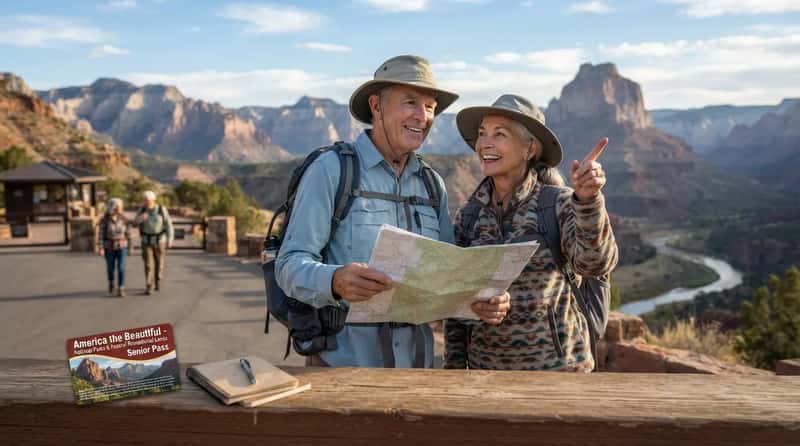
National parks are extraordinary, and they’re genuinely accessible for people over 60 who go in prepared. The mistakes on this list aren’t a sign that you shouldn’t go, they’re a sign that a little specific knowledge makes all the difference between a trip that’s transformative and one that’s dangerous or frustrating.
Get the Senior Pass before you leave home. Download offline maps, talk to your doctor about your medications, and start with a lower-elevation park if this is your first time.
Quick Compare
| Prepared Visitor | Unprepared Visitor |
|---|---|
| Books permits and campsites months ahead | Gets turned away at the entrance gate |
| Carries water, a paper map, and a medication list | Relies on a phone with no signal |
| Hikes early, rests often, watches the sky | Pushes through midday heat and ignores the forecast |
Visit the ranger station first, not last, and slow down, because the parks reward that every single time. The parks drew a record 331.9 million visits in 2024, more people than ever discovering what’s been waiting for them all along.
The only real question left is whether you go prepared, or go hoping for the best. Which of these mistakes surprised you most? Drop it in the comments, we read every one.