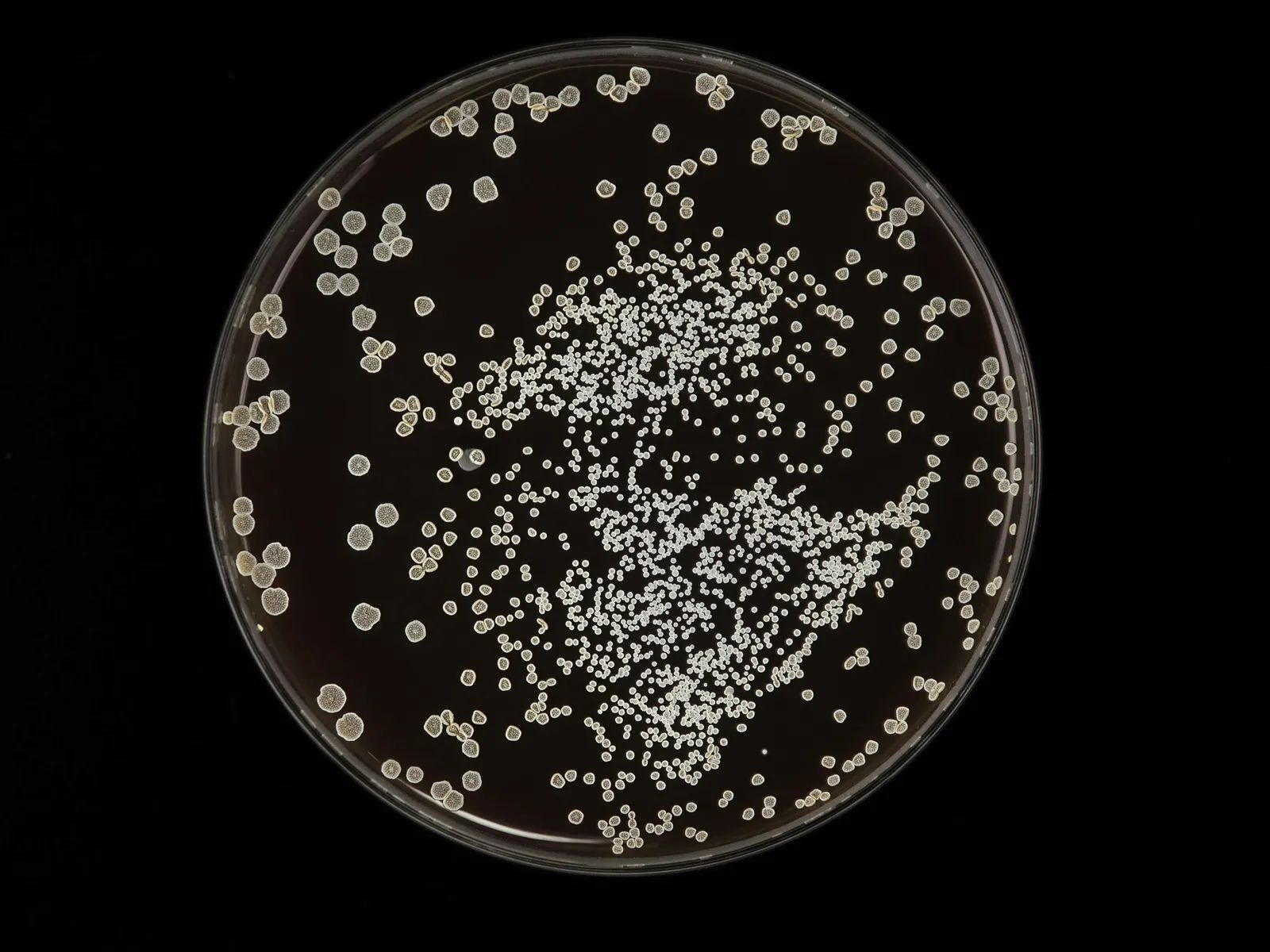
Northern Thailand has yielded an unexpected biological surprise. Researchers examining both cultivated garden blooms and wild flowers across the region identified 16 species of black, yeast-like fungi that had never been recorded before. The work, carried out by teams from Chiang Mai University and Kasetsart University, adds to the growing picture of microscopic life that thrives in plain sight within common plants. ([1])
Why the Finding Stands Out
Fungi in the Aureobasidium genus are already known to inhabit air, soil, water, wood, and even human skin. Yet the new species appear specialized for life inside flower tissues, a niche that had received limited attention in this part of Southeast Asia. Their discovery underscores how much remains undocumented even in well-traveled landscapes that draw visitors for their floral displays. The survey covered 31 different flowering plants. Among them were familiar garden favorites such as bougainvillea, vinca, and butter daisy. The consistent presence of these fungi inside petals and other floral parts suggests they may play roles in the plants’ immediate environment, though the exact interactions are still being studied.
How the Species Were Named
Many of the new fungi received names tied directly to their host plants. Examples include A. bougainvilleae and A. catharanthi, the latter referencing the Catharanthus genus of periwinkles. Others reflect the places where they were collected, such as A. chiangmaiense for the province and A. kwanphayaoense for Kwan Phayao, also known as Phayao Lake. Two species honor Thai scientists who have advanced the study of fungi in the country. A. saisamorniae recognizes Professor Saisamorn Lumyong of Chiang Mai University, while A. savitreeae pays tribute to Professor Savitree Limtong of Kasetsart University. Nakarin Suwannarach, a co-author and professor at Chiang Mai University, explained the approach: “We wanted the names to tell a story, either about where these fungi came from or about the people who have helped advance mycological research in Thailand.”
Additional Records and Next Questions
Alongside the 16 new species, the researchers documented four fungi previously unknown in Thailand. This dual outcome shows that even familiar environments can hold overlooked diversity when examined closely. The work focused on black, yeast-like forms that are generally considered harmless to humans, though their ecological contributions inside flowers remain under investigation. Further study will be needed to determine whether these fungi influence pollination, plant health, or decomposition processes once flowers fade. Their presence across both garden and wild settings also raises questions about how human-managed landscapes affect microscopic communities.
What Matters Now
The findings illustrate the value of sustained, localized surveys in biodiversity hotspots. Northern Thailand’s combination of cultivated gardens and natural areas offers accessible sites for continued exploration. As more species are catalogued, scientists gain clearer baselines for tracking changes in these environments over time. Such discoveries also reinforce the importance of supporting regional research institutions that can sustain long-term monitoring. The quiet expansion of known fungal diversity serves as a reminder that many small-scale stories in nature are still waiting to be told.