You planned the trip for months. You imagined sipping coffee by a canal, wandering ancient ruins in quiet morning light, or watching a famous sunset without a single elbow in your ribs. Then you arrived – and found yourself shoulder-to-shoulder with thousands of strangers who had the exact same dream. Tourism didn’t just bounce back after the pandemic years. It came back harder, louder, and all at once – the UN World Tourism Organisation estimated 1.5 billion tourists in 2024 – and a handful of beloved destinations are now absorbing the full weight of that.
The cruelest part? The places getting crushed are the ones that earned their reputations honestly. According to McKinsey, roughly four-fifths of all travelers visit just one-tenth of the world’s tourist destinations. That math is brutal for a short list of iconic spots. Here’s what seasoned travelers – and the locals who actually live there – say has changed, from bad to genuinely alarming.
#16 – Rome, Italy: The Eternal City With Eternal Lines
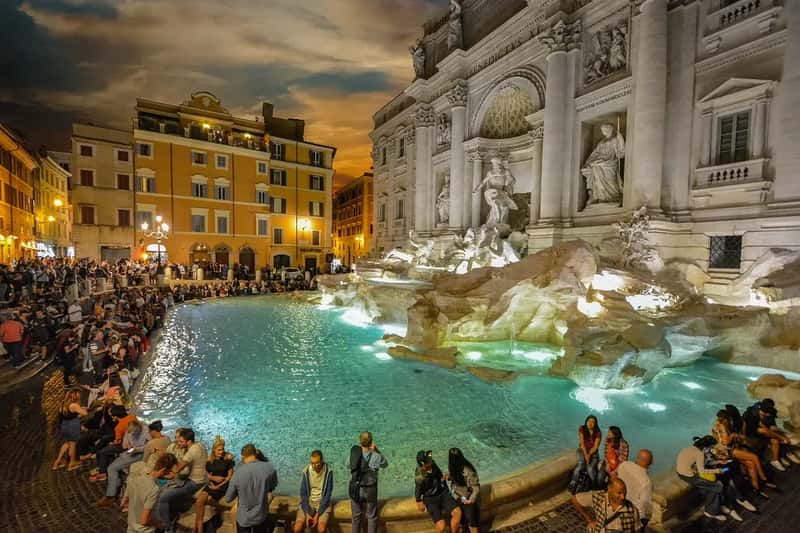
Rome was built over centuries. Your patience for it, it turns out, has a much shorter shelf life. Italy’s National Tourist Research Institute estimated 35 million visitors would descend on Rome in 2025 tied to the Catholic Jubilee celebration – making one of Europe’s already-saturated capitals even harder to move through. Every major site – the Colosseum, the Vatican, the Trevi Fountain – now requires advance booking, long queues, or both. Access to the Trevi Fountain itself has been limited and controlled by on-site staff during Jubilee peak periods, with officials evaluating whether to introduce a full ticketing system. The spontaneous Roman holiday has quietly become a logistical project that needs a spreadsheet.
The city’s infrastructure was never designed for this volume, and the cracks are showing. Experienced travelers who knew Rome in its quieter decades describe the current experience as standing in line to view things that deserve silent contemplation. The Colosseum – something that once felt genuinely awe-inspiring – can now feel more like a crowded theme park attraction than a 2,000-year-old wonder. The monument hasn’t changed. Everything surrounding it has.
Fast Facts
- Access to the Trevi Fountain has been actively managed with staffed crowd-control corridors for the first time in the monument’s history.
- Rome locals and renters near the Vatican report neighborhoods that have become “practically inaccessible” due to short-term rental conversion.
#15 – Oaxaca, Mexico: A Cultural Gem Feeling the Strain
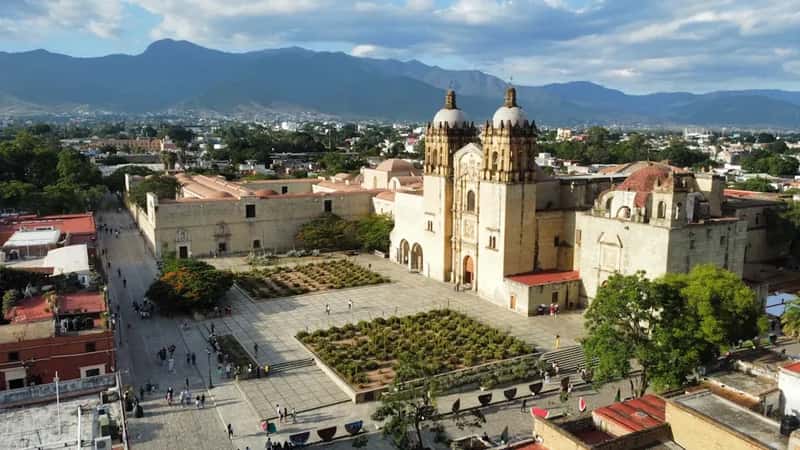
Oaxaca was the insider traveler’s secret for years – a richly authentic Mexican city with world-class food, indigenous culture, and a vibrant arts scene that hadn’t been curated for outsiders. That secret got out in a serious way. Oaxaca has seen a 77% increase in tourism since 2020, and residents being displaced from their own neighborhoods have taken to the streets to protest housing costs and gentrification driven by the influx.
The city’s charm came from its genuinely unhurried character – street markets that existed for locals, mezcal bars where conversation wasn’t performed for visitors. Too many arrivals too fast can hollow a place out, turning it into a theme park version of itself and erasing the uniqueness that drew people there to begin with. Travelers who visited Oaxaca five years ago and returned recently often describe being genuinely startled by how much the texture of the place has shifted. It’s still beautiful – but the weight of mass attention is changing its soul.
#14 – Phuket, Thailand: Paradise With a Pollution Problem
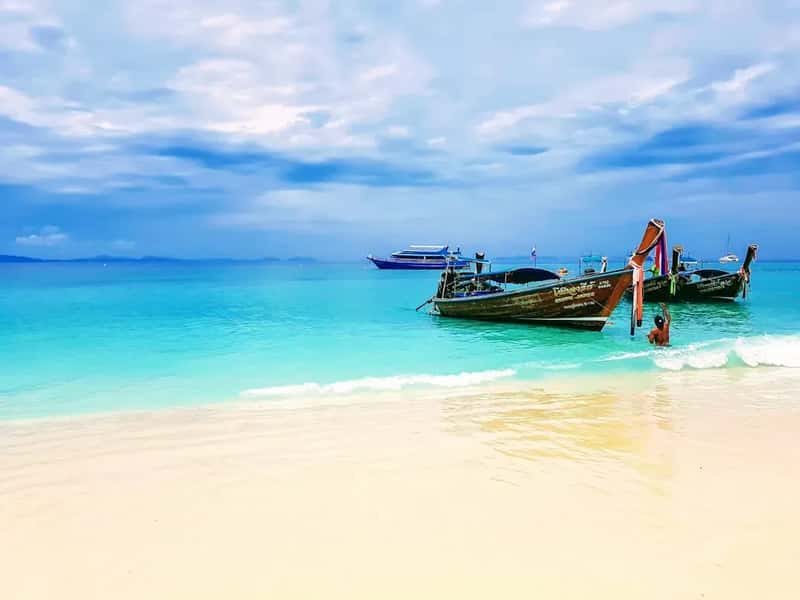
Phuket’s beaches have graced more screensavers than almost any place on Earth. But the gap between the postcard and the reality has never been wider. The island is bearing a steep ecological cost: disappearing agricultural land, polluted shorelines, and water shortages that worsen every peak season. Phuket has begun closing some over-visited beaches periodically for ecosystem recovery – a sign that even the authorities now admit the place has been pushed past its natural limits.
The island draws millions of visitors annually, and the tourist-to-local ratio during peak season is extreme. Seasoned travelers who once found quiet bays and unhurried evenings now describe the main strips as indistinguishable from any generic resort town – loud, commercialized, and nearly impossible to actually decompress in. The beach is still there. The peace that used to come with it largely isn’t.
#13 – Koh Samui, Thailand: The White Lotus Effect
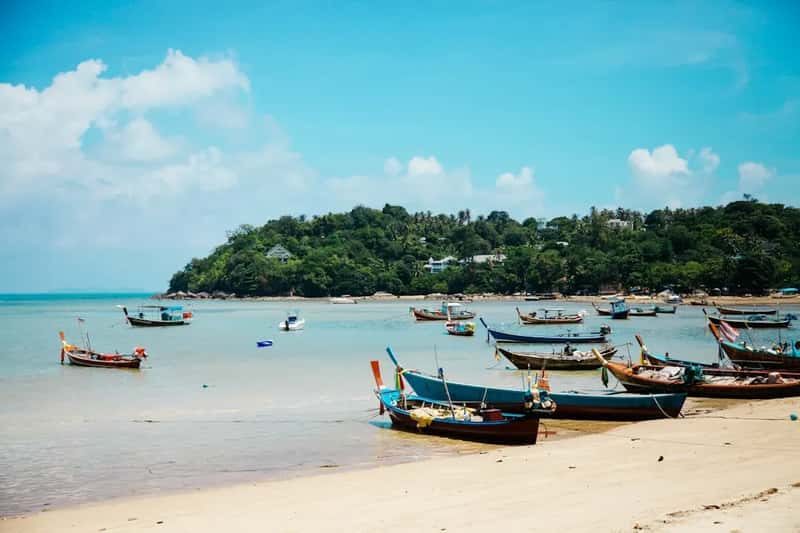
Koh Samui was already struggling before it went globally viral. The island had been dealing with high volumes of garbage and wastewater from tourism developments for years. Then Fodor’s warned that things were set to worsen after HBO’s The White Lotus filmed at the Four Seasons Resort Koh Samui – and that prediction has essentially come true. Television tourism is one of the most extreme accelerants a destination can face, and the show sent a wave of visitors chasing a cinematic version of the island that exists mostly on screen.
Within months of a series airing, formerly manageable spots can be overwhelmed by travelers seeking a fantasy backdrop that no longer reflects daily reality – or perhaps never did in that form. Social media compounds it further, turning destinations into bucket-list checkboxes where the goal is a photo rather than an experience. Koh Samui is currently living through exactly that cycle, and the island’s fragile environment is paying the price in ways that don’t show up in the travel influencer posts.
#12 – Machu Picchu, Peru: A Wonder Under Real Threat
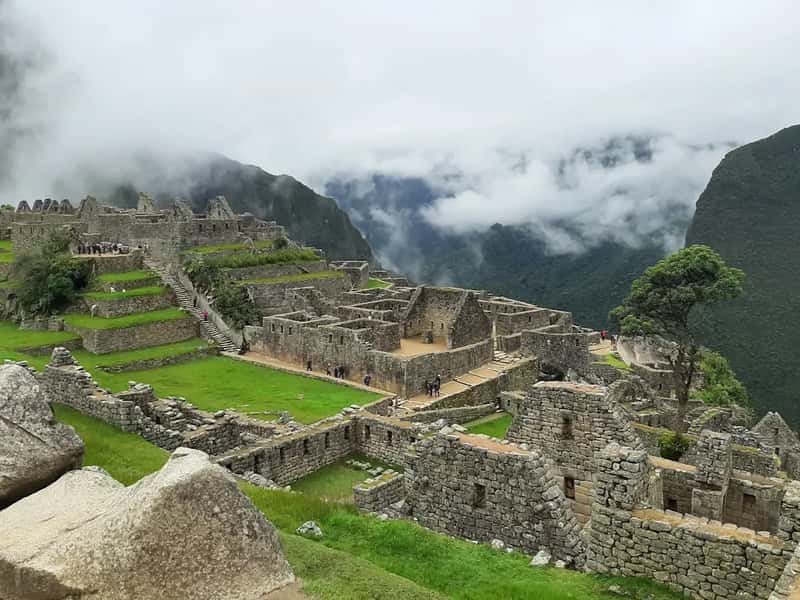
Machu Picchu is genuinely one of the greatest things human beings have ever built, which is precisely the problem. Everyone wants to see it, and the sheer volume of that desire is physically wearing it down. Heritage sites like this have faced measurable deterioration from excessive foot traffic, and after 1.5 million annual visits raised serious preservation alarms, authorities implemented a daily cap of 5,600 visitors with timed admission slots to slow the damage.
Even with limits in place, the access town of Aguas Calientes is struggling – packed with hotels and restaurants catering almost entirely to tourists, leading to overdevelopment and environmental strain in the surrounding valley. Travelers expecting a transcendent, contemplative experience should know the logistical demands now rival the spiritual ones. Getting there, timing your entry, and navigating the site itself has become its own full-day operation before you’ve absorbed a single stone.
At a Glance: Destinations Fighting Back With Rules
- Machu Picchu: Daily visitor cap of 5,600 with mandatory timed entry slots.
- Kyoto: Accommodation tax hiked up to 900% for luxury stays, effective March 2026.
- Amsterdam: Cruise arrivals capped at 100 ships in 2026, with a full ban targeted by 2035.
- Hallstatt: Timed slots for coach buses introduced; locals now pushing for a full digital reservation system.
#11 – Mykonos, Greece: Where the Party Ate the Island
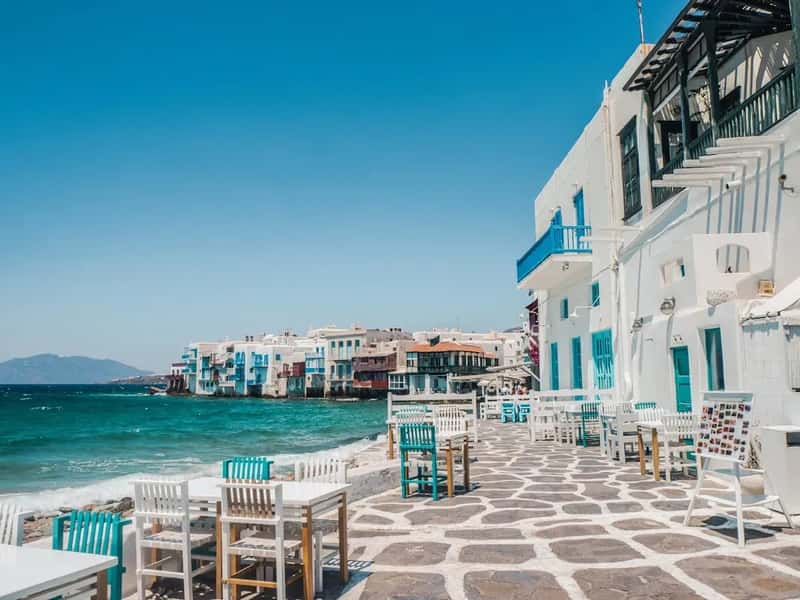
Mykonos was once a genuinely stylish escape – glamorous without being overwhelming, vibrant without being a circus. That balance is long gone. Over one million people now visit an island of roughly 10,000 permanent residents. In peak summer, this is not a relaxing Greek island – it is a loud, expensive, extraordinarily crowded event that happens to have a beautiful backdrop, and the two things are increasingly hard to connect.
The prices have followed the crowds into punishing territory. Overtourism drives up the cost of real estate, goods, and services until locals can barely afford to live in their own communities – and for visitors, that same dynamic translates to cocktails priced higher than a full meal elsewhere and accommodation costs that would embarrass Manhattan. Travelers who arrive seeking the “real” Greek island experience often leave feeling they paid a premium to stand in line at a packed beach club while the actual island hid somewhere behind the velvet ropes.
#10 – Amsterdam, Netherlands: A City Actively Trying to Turn Tourists Away
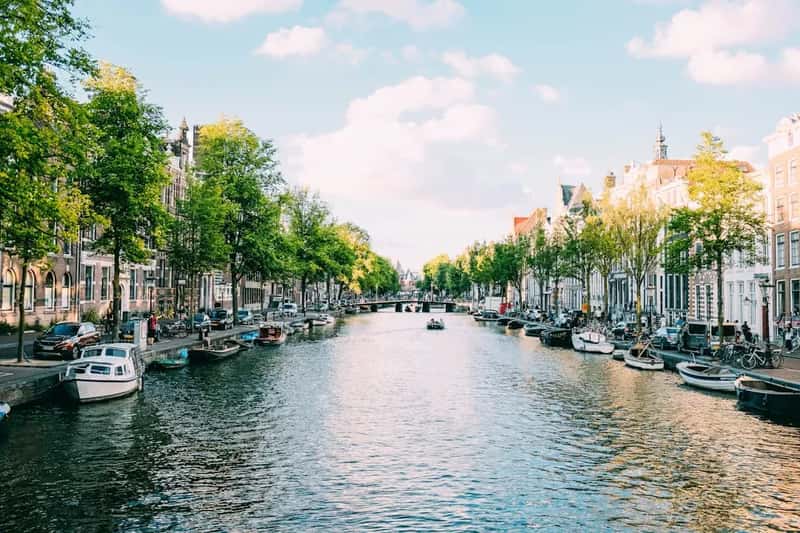
Amsterdam may be the most honest destination on this list – because it has quite literally tried to discourage certain tourists from visiting, and it still can’t keep up. In 2024, Amsterdam recorded around 23 million overnight tourist stays, roughly a three percent increase over the previous year, despite the city having set its own cap at 20 million back in 2021. It couldn’t even meet its own targets. The famous “I Amsterdam” sign was removed specifically to discourage overtourism, which is a remarkable thing for a city to do with its own landmark.
The surge in budget airlines and short-term rental platforms pulled in visitors more interested in nightlife than culture, flooding residential neighborhoods with noise and eroding the city’s traditional character. In response, Amsterdam has banned beer bikes, restricted new hotel development, and is aggressively scaling back cruise ship access – limiting arrivals to 100 ships in 2026, down from 190 currently, before a full ban by 2035. That is a city in active retreat from its own tourist economy. When a place is paying to undo its own welcome mat, it’s worth paying attention.
#9 – Dubrovnik, Croatia: Game of Thrones’ Most Lasting Damage
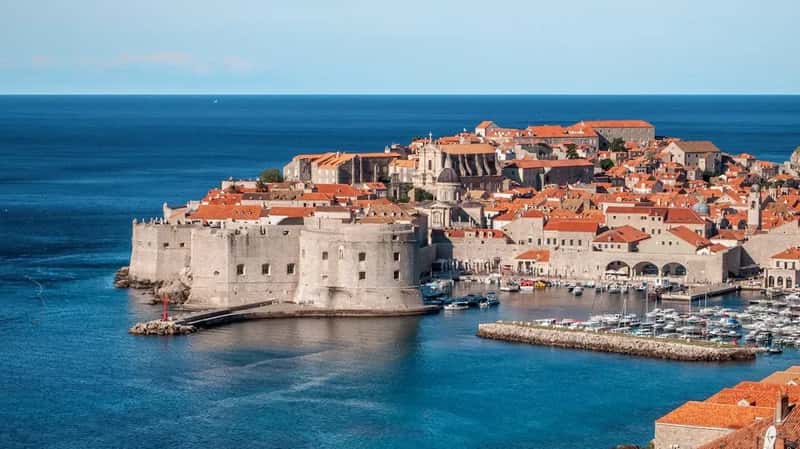
Before HBO turned it into Westeros, Dubrovnik was a beloved but manageable walled city on the Adriatic. What the show did to its visitor numbers is a textbook case of pop culture overwhelming a destination overnight. The mayor introduced measures to cap daily visitors to the Old Town, but more than 4 million tourists crowded through in 2023 alone – and the backlash from residents has included protests and petitions demanding strict limits on cruise ship arrivals, which contribute heavily to the daily surge.
Residents have been explicit: they don’t want to serve as a “backdrop for selfies” but are asking for a tourism model that leaves room for actual community life. The irony is almost too perfect – the show depicted these ancient walls as a place of power and drama, and the real drama today is whether the city can remain livable. Seasoned travelers who visited before the show aired and returned recently describe a place that feels more like an outdoor film set than a living city.
#8 – Hallstatt, Austria: A Village Being Loved to Death
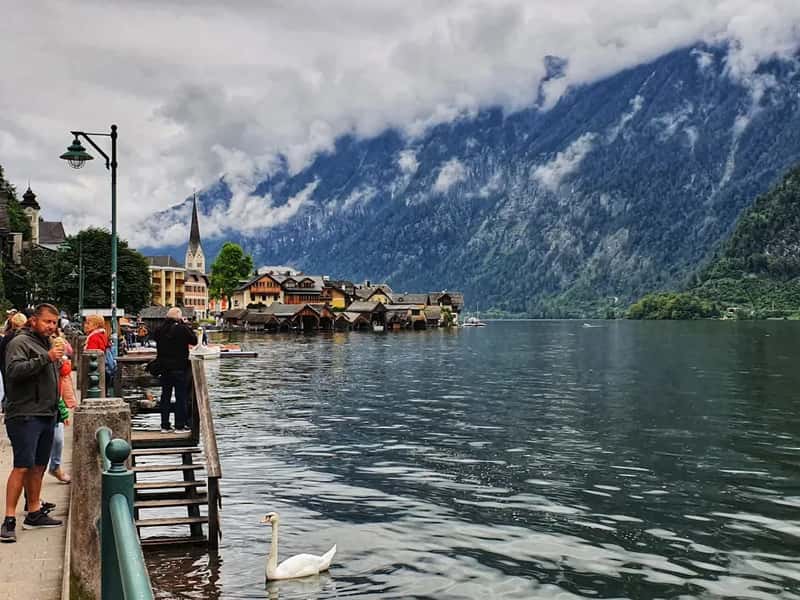
Hallstatt may be the most extreme overtourism case on Earth, and the numbers make that case bluntly. Roughly 760 people live there. Over one million visitors arrive each year. On peak days, up to 10,000 tourists pass through streets that were built for a village – a ratio of more than 1,300 visitors per resident annually, a figure almost unmatched anywhere else in the world. Deputy mayor Alfred Gamsjäger has said simply: “We are literally overrun.” There is no diplomatic way to frame what’s happening there.
Hallstatt no longer lives on tourism; it is being squashed by overcrowding.
Hallstatt long-term resident, widely quoted in regional press
Local authorities erected wooden fences to obscure some of Hallstatt’s most-photographed spots, hoping to reduce the pressure – but tourists pushed back and the fences came down, leaving officials with no clean solution. The village has become so iconic that a Chinese developer reportedly built a full-scale replica in Guangdong Province. When a place is being cloned elsewhere because the original can no longer absorb demand, something fundamental has broken.
#7 – Kyoto, Japan: Cultural Perfection Under Siege
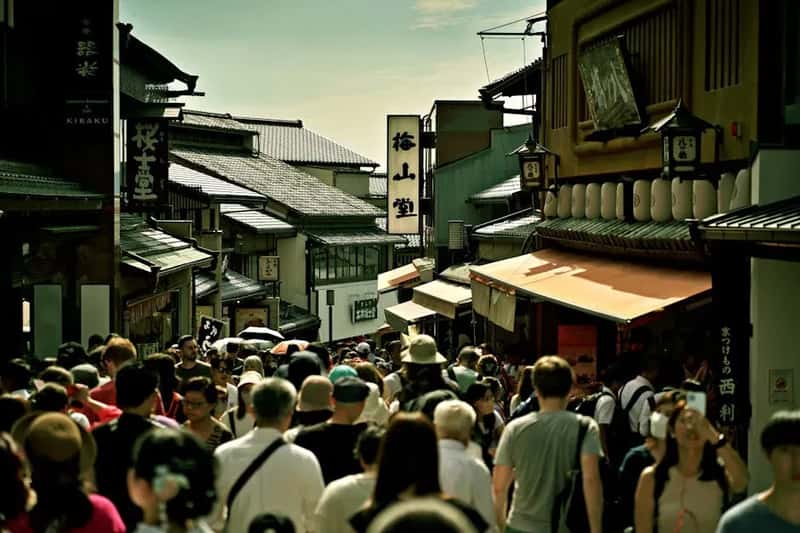
Kyoto has everything: ancient temples, zen gardens, bamboo groves, geisha districts, tea ceremony culture. That completeness is exactly what’s breaking it. Japanese news outlets reported that 2024 saw a record 10.88 million foreign visitors to Kyoto – a number that led to street closures, overflowing waste bins, and harassment of geishas in the Gion district severe enough that city officials closed certain streets to tourists entirely. The people travelers come to glimpse are now being chased through their own neighborhood.
Kyoto City has approved a new accommodation tax – the highest lodging tax in Japan – that takes effect in March 2026. Under the new rates, luxury travelers could pay up to 10,000 yen (about $65) per person, per night: a nearly tenfold jump from previous levels. It is explicitly designed to manage tourism pressure and fund crowd-control measures. More than any other city on this list, Kyoto makes the case that overtourism doesn’t just ruin the trip. It corrodes the culture you came to experience. The bamboo grove is still there. The sense of stillness it was once famous for is largely gone.
Quick Compare: Kyoto’s Hotel Tax – Before and After March 2026
- Budget room (under ¥20,000/night): ¥200 → ¥400 per person
- Mid-range room (¥20,000–¥49,999/night): ¥500 → ¥1,000 per person
- Upper-mid room (¥50,000–¥99,999/night): ¥1,000 → ¥4,000 per person
- Luxury room (¥100,000+/night): ¥1,000 → ¥10,000 per person (~$65 USD)
- A couple in a top-tier ryokan will pay an extra $130+ per night in tax alone starting this spring.
#6 – Bali, Indonesia: Paradise Strained to Its Limit
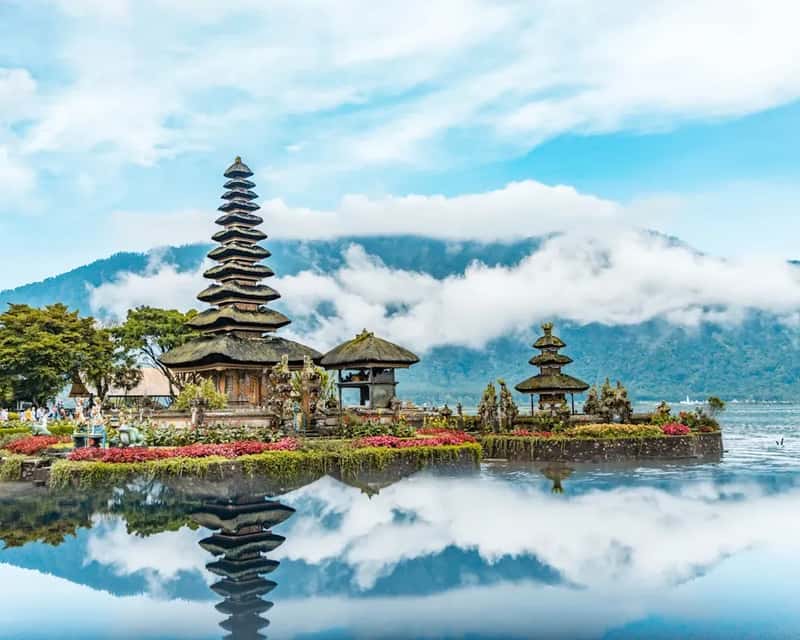
Bali has been shorthand for “tropical paradise” for so long that the reality now comes as a genuine shock to first-time visitors. The island grapples with nearly 15 million annual visitors, and during peak season, tourist demand for water – pools, air conditioning, daily showers – can outstrip local supply and worsen drought conditions in communities that depend on the same sources. The infrastructure wasn’t built for this scale, and neither was the ecosystem.
The spiritual traditions that made Bali feel genuinely distinct – daily offerings, temple ceremonies, the unhurried rhythm of Balinese Hindu life – are increasingly practiced around and despite the tourist apparatus rather than alongside it. Experienced travelers who first visited in the early 2000s describe the current state of Bali’s most popular areas as barely recognizable. The island’s soul is still visible if you look hard enough and travel far from the main drag. But you have to work for it now in a way you simply didn’t before.
#5 – Santorini, Greece: The Island That Hit Saturation in 2017
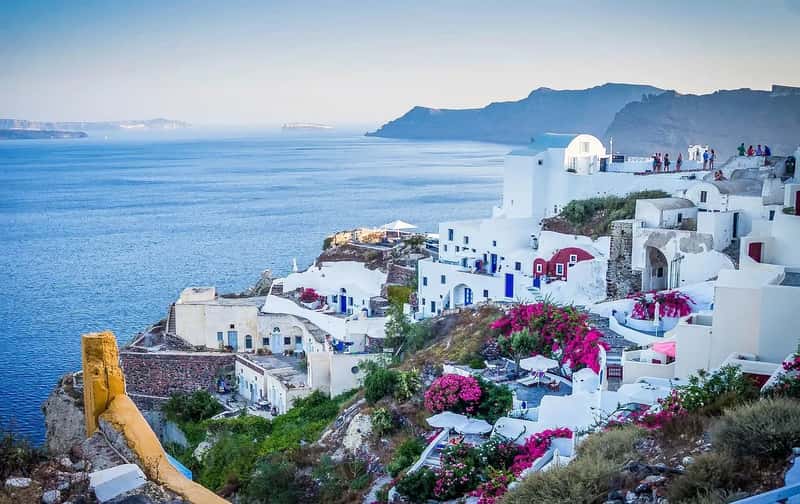
Here’s a detail most people don’t know: Santorini’s own mayor declared the island had already reached saturation point back in 2017. It hasn’t improved since. With over 3.4 million arrivals in 2024, on peak summer days as many as 17,000 cruise passengers pour onto an island with only 20,000 permanent residents. The famous sunset at Oia – one of the most photographed moments in all of travel – now requires arriving an hour early to secure standing room in a crowd of hundreds.
For Santorini, 2024 was the busiest summer on record, and locals described it privately as “the worst season ever.” The strain on water and waste management is severe, and housing costs have pushed many long-term residents off the island entirely. The whitewashed walls and blue domes are just as beautiful in photographs. Whether the lived experience around them still justifies the hype is a question most honest seasoned travelers answer the same way: it hasn’t for years.
#4 – Paris, France: Officially the Most Overcrowded City on Earth
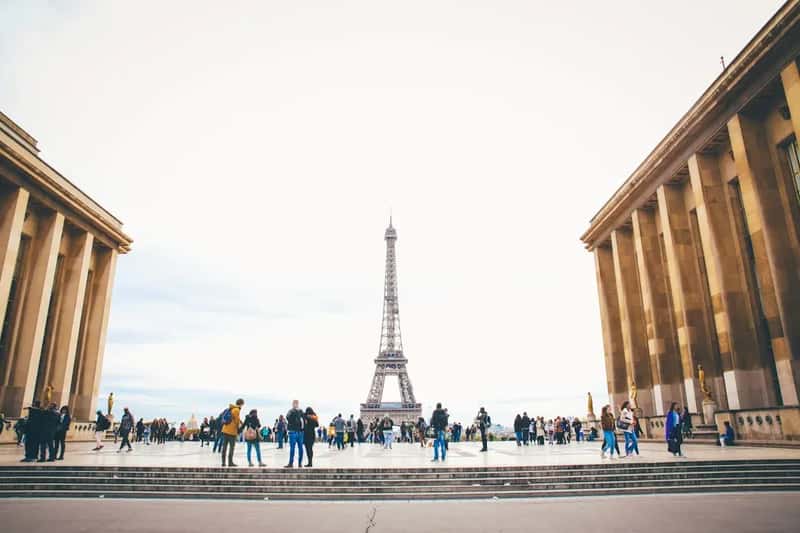
The romantic ideal of Paris – café terraces, unhurried afternoons at the Louvre, wandering Montmartre without bumping into a selfie stick – is real. It’s just extremely difficult to access when your city has been named the most overcrowded in the world for 2024, with 351,429 visitors per square kilometer and a visitor-to-population ratio of 1,708%. That’s not a city absorbing tourists. That’s a city being redefined by them, block by block.
In 2024, Louvre staff staged a protest against overcrowding inside the museum’s galleries, locking out frustrated visitors while they demonstrated. Around 80% of France’s 37 million annual visitors concentrate in just 20% of the country – and the heaviest concentration lands squarely in Paris’s most iconic neighborhoods. A 2024 survey found that nearly a third of visitors walked away feeling let down by the experience. The masterpiece is still there. The ability to experience it without a crowd pressing in from every direction is what’s been lost.
#3 – Barcelona, Spain: Where Locals Spray Tourists With Water Pistols
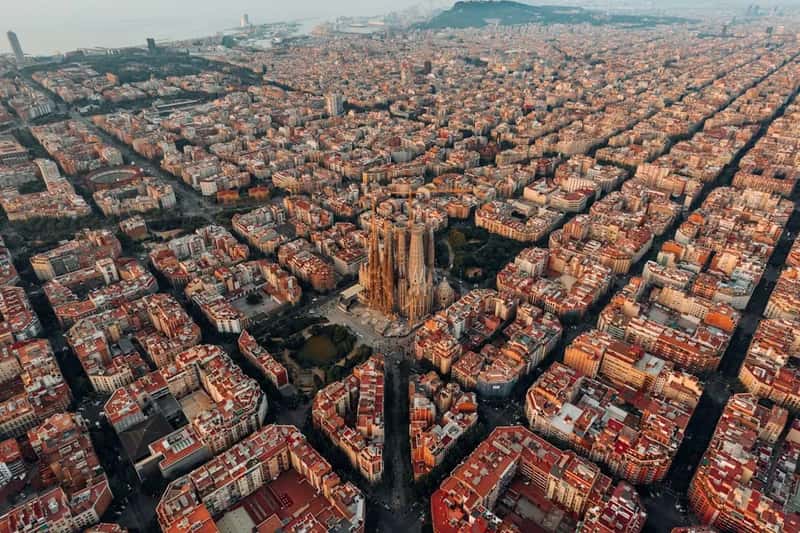
The fact that Barcelona residents took to the streets with water pistols in 2024 to spray tourists dining outdoors tells you something has gone seriously, visibly wrong. The city of 1.6 million residents welcomed over 26 million tourists in 2024, with more than 15.6 million staying overnight – over ten times the local population, not counting cruise ship day-trippers, which add another 1.6 million on top. La Rambla, the Gothic Quarter, Park Güell – these places were never quiet, but they’ve hit a level of saturation that makes genuine engagement with the city feel nearly impossible.
Many residents have been forced to relocate due to tourism-driven housing costs, and Barcelona has moved aggressively to ban short-term rentals and limit new hotel development. The tension between visitors and locals here is arguably the most publicly visible of any city in the world right now, and it shows no signs of cooling. The architecture is magnificent. The atmosphere surrounding it in peak season is something closer to siege than vacation.
#2 – Venice, Italy: Now Charging You to Enter the Problem
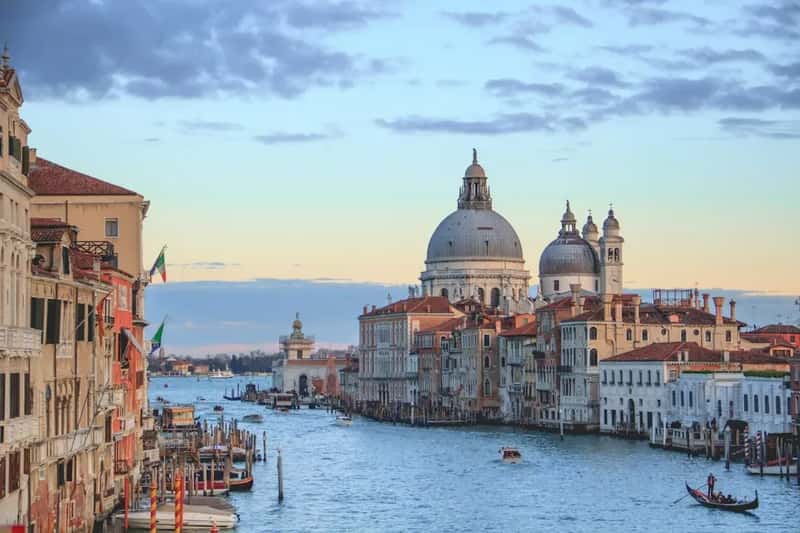
Venice is the city that most perfectly illustrates what happens when a place becomes too famous for its own survival. Over 20 million tourists visit each year – in a city with just over 50,000 residents – creating an average of 5,048 tourists per square kilometer in the historic center on peak days. The permanent resident population has been shrinking for decades as locals are priced out of their own floating city, leaving behind a place that increasingly exists to serve visitors rather than to be lived in.
Venice expanded its tourist entry fee to 54 chargeable days in 2025 – almost double the 29-day trial run in 2024 – and has since grown it further to 60 fee days in 2026. Day-trippers pay €5 if they book in advance, or €10 for last-minute arrivals, with fines of up to €300 for those caught without a ticket. Groups larger than 25 people are now prohibited from entering, and loudspeakers are banned. Seasoned travelers are increasingly opting to skip it entirely, or visit deep in January when the crowds thin and the city briefly reclaims something of its former atmosphere. You are now paying an entry fee to experience an ongoing crisis. That’s where things genuinely stand.
#1 – Spain’s Entire Coast: Mallorca, the Canary Islands, and a Country That’s Reached a Breaking Point
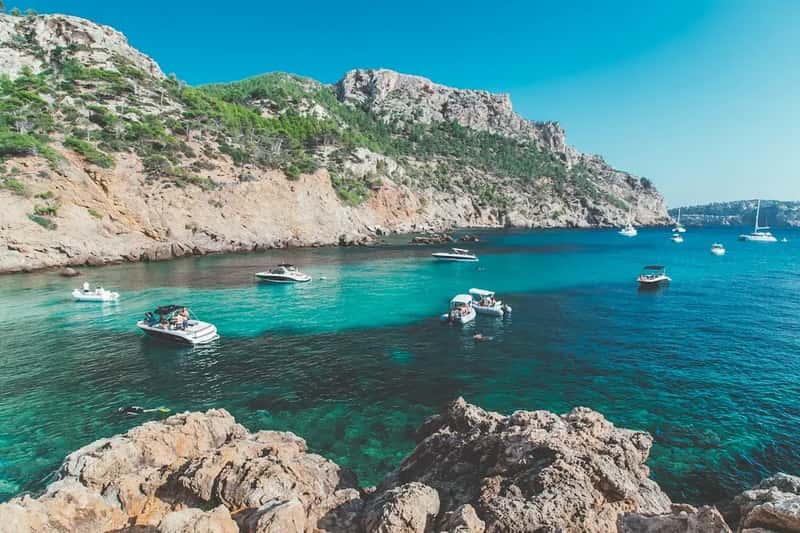
If any single destination captures every dimension of what’s gone wrong with mass tourism in the 2020s, it’s Spain’s most visited coastal regions taken as a whole – and Mallorca in particular deserves the top position. Barcelona, Palma de Mallorca, the Canary Islands, Ibiza, Málaga, San Sebastián – all of them have made international headlines for protests ranging from street demonstrations to graffiti to activists slashing tour bus tires. This is not one city in revolt. It is an entire country’s coastline declaring a collective breaking point.
Tourism in Spain was projected to grow by 5% in 2024 – more than double the rate of the overall economy – with over 90 million overseas visits expected. Protests erupted as early as March, when graffiti in Málaga reportedly urged tourists to “go home,” and thousands demonstrated in the Canary Islands against construction and visitor volumes that were overwhelming water infrastructure and driving housing prices beyond local reach. The beaches are still stunning. The fury from the people who actually live along that coast – and the impossible crowds converging on the same stretch of sand every summer – make this the hardest place on the entire list to simply relax in.
Worth Knowing: The Numbers Behind Spain’s Breaking Point
- Spain recorded over 90 million overseas tourist visits in 2024 – more visitors than almost any country on Earth.
- Tourism growth in 2024 ran at more than double the pace of Spain’s broader economy.
- Mallorca, the Canary Islands, Ibiza, and the Costa del Sol all saw protest actions in the same year – a first for the country.
- Activists in multiple cities moved from demonstrations to direct action, including slashing the tires of tour buses and confronting outdoor diners.
- Barcelona alone drew over 26 million tourists in 2024 to a city of 1.6 million residents.
The uncomfortable truth running through all 16 of these destinations is the same: their reputations were built on something real, something genuinely worth seeking. The problem was never hype. It was too many people arriving at once to claim the same experience. Surveys from 2024 show that 76% of travelers now express concern about overtourism, while 31% say they personally experienced it that year. The most seasoned travelers are already quietly rerouting – toward places no one has filmed a prestige drama about yet, toward towns that haven’t gone viral, toward the version of travel that these 16 destinations once represented before the whole world showed up on the same weekend.