Most fliers assume the person scanning boarding passes at the gate is just reading zones off a script. In reality, that same person is sitting on a quiet control panel of upgrades, reroutes, and seat swaps that most passengers never even know exist. U.S. carriers posted a 78.35% on-time arrival rate in 2025, according to the Bureau of Transportation Statistics, which means the other roughly 22% of flights are exactly when a gate supervisor’s discretion starts to matter most.
None of this is written on a sign, and none of it is guaranteed. But travelers who fly often enough eventually notice a pattern: the same handful of quiet moves keep happening for the same kind of passenger. Here’s what those unadvertised offers actually look like once you know where to spot them.
#16 – The Seat Swap Nobody Announces Over the Speaker
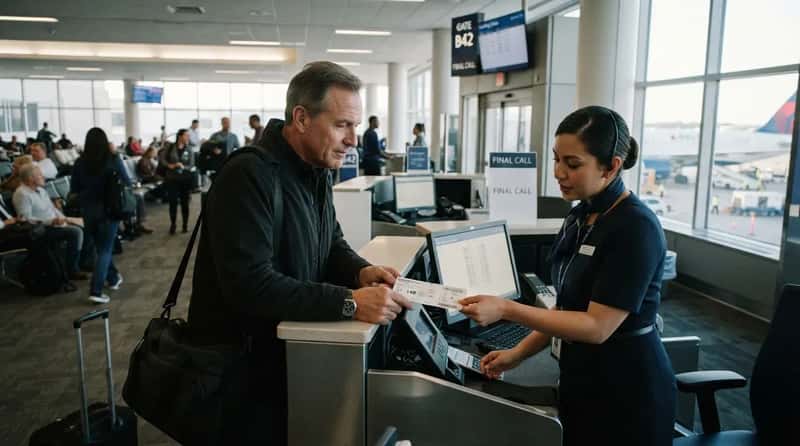
Gate agents know the seat map better than anyone in the building, and if you’re stuck in a middle seat with a screaming toddler two rows away, they can often move you to an empty aisle without a fuss. It’s not a formal upgrade. It’s just three rows of relief that nobody bothers to tell you exists.
It happens so quietly that the people sitting around you never even notice it occurred. The catch is that it’s almost never offered outright – it has to be asked for, and asked for early, before the gate area fills up and the agent’s attention gets pulled in ten directions at once.
#15 – Rerouting You Onto a Flight the App Hasn’t Shown Yet
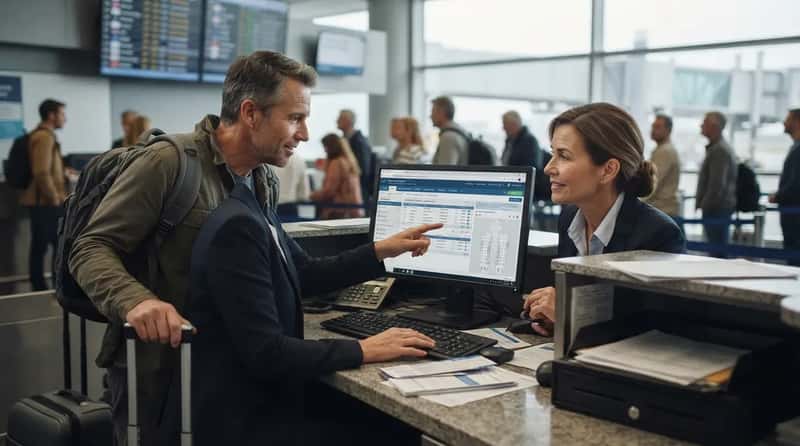
When something goes wrong, gate staff aren’t just reading you the same delay screen you can already see on your phone. They’re working inside a system that shows every available flight, seat, and route in real time, and that system is usually your fastest path to actually getting home.
During real meltdown moments, gate agents are the ones quietly handling rebooking, denied boarding paperwork, and compensation offers behind the scenes. Experienced travelers know to ask specifically about connections through a different hub, not just the next flight on the same route, because the system often holds options the public booking page never shows you.
Fast Facts
- Airlines must ask for volunteers before bumping anyone involuntarily, under federal oversales rules.
- If you’re bumped against your will, the airline must rebook you on the next available flight or refund your ticket.
- Compensation caps for involuntary bumping rose to $1,075 for shorter delays and $2,150 for longer ones, effective January 2025.
#14 – A Quiet Bump Up the Standby List
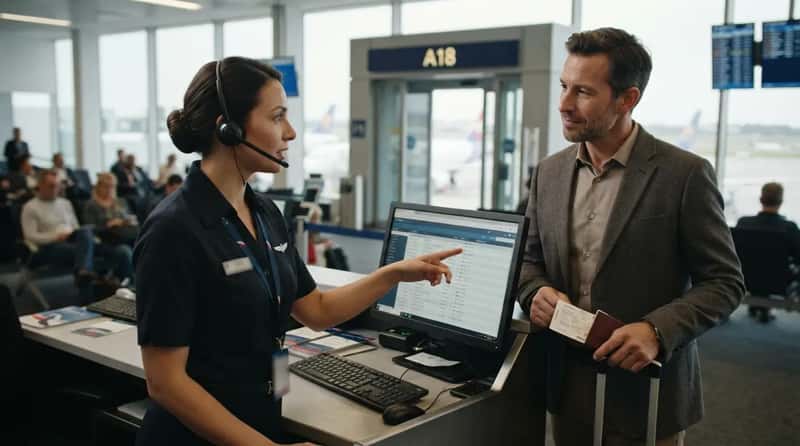
Standby lists aren’t as rigid as they look on the departure screen. Agents are constantly reshuffling them behind the scenes, reassigning seats the moment a no-show gets flagged, and adjusting for passengers with accessibility needs long before boarding even starts.
Frequent fliers who show up early and politely check their status often get quietly moved higher on that list well before anyone announces boarding. It’s not luck. It’s because the agent already knows exactly who’s flexible and who’s about to panic.
#13 – Overriding Your Seat Assignment for a Reason You’ll Never See
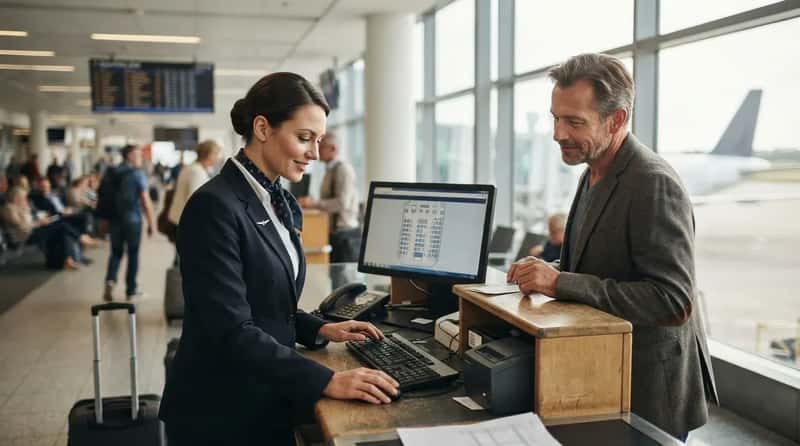
Gate agents have real discretion to adjust seating for operational reasons, like keeping a family together, accommodating someone with special needs, or balancing weight across the cabin. That authority means they can override a seat you thought was locked in the moment you checked in.
This is one of the most misunderstood powers at the gate. Most passengers assume their seat assignment is final – it isn’t. Travelers who simply mention flexibility, saying something like “I really don’t mind moving,” often get quietly rewarded with a better seat in exchange for that small courtesy.
#12 – Real-Time System Changes While Everyone Else Is Still Guessing
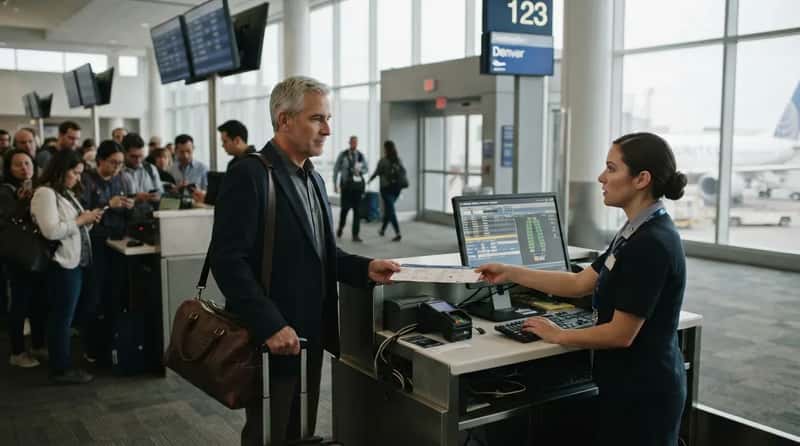
Gate agents work inside airline departure control systems that let them process seat changes, upgrades, and standby moves the instant they happen, not minutes later like the app on your phone. That speed is the whole advantage.
A calm traveler standing quietly at the desk, instead of crowding the podium with everyone else, usually gets processed first, simply because they’re the easiest person in the room to help. It isn’t favoritism. It’s efficiency, and it consistently rewards the calmest person there.
#11 – A Heads-Up on Overbooking Before Anyone Announces It
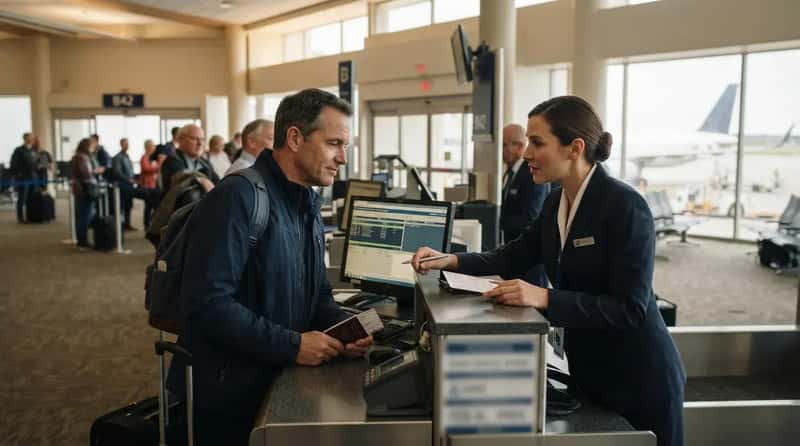
The rare moment a gate agent upgrades someone for free is usually when economy is overbooked and nobody left on the official upgrade list qualifies. Experienced travelers know to quietly ask about the flight’s load before boarding even begins.
Gate staff will often tell a polite, low-key passenger the real seating situation long before it turns into a public scramble for volunteers. That early whisper is often the difference between a free seat move and standing in a line of a hundred people who just heard the same news five minutes late.
#10 – Bundled Perks for Volunteering to Get Bumped
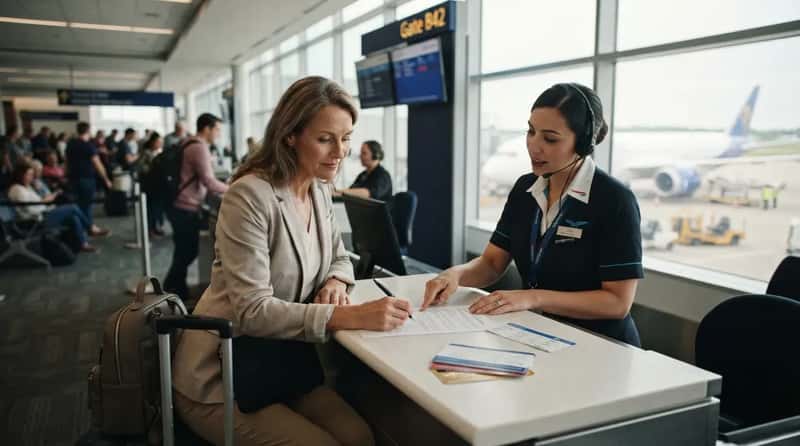
Getting bumped sounds like a punishment, but for a traveler who understands how gate operations work, it’s often the opposite. Volunteering to give up your seat can come bundled with travel vouchers, meal credits, and an upgraded seat on your rescheduled flight.
The trick is that supervisors rarely open with their best offer. They start low and raise it if nobody bites. Experienced fliers who wait a beat before raising their hand almost always get a noticeably better deal than the person who jumps at the very first announcement.
Quick Compare
- Voluntary bump: You negotiate the deal yourself, from vouchers to cash to a better seat, with no legal cap and full say in when you raise your hand.
- Involuntary bump: The airline decides, compensation is capped at $1,075 or $2,150 depending on delay length, and you have far less control over the outcome.
#9 – A Last-Minute Upgrade Bid the Gate Desk Doesn’t Advertise
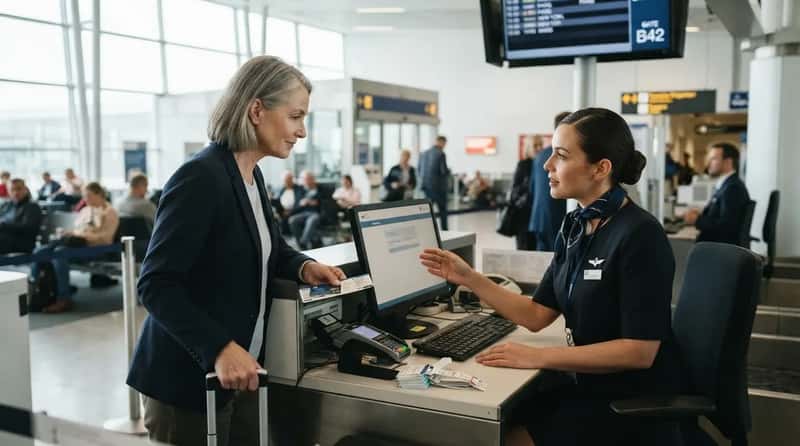
Upgrades used to be first-come, first-served for elite members only. That’s changed fast. Many carriers now use dynamic pricing that lets passengers bid on or purchase upgrades right at check-in, or even at the gate itself, minutes before boarding.
This shift has quietly opened the door for travelers who are flexible and willing to gamble on last-minute availability. Most non-elite passengers never think to ask the gate desk directly, assuming bidding only happens online, which is exactly why the option often sits wide open.
#8 – Quiet Recognition Even at the Lowest Loyalty Tier
You don’t need a black card to get noticed. Almost every airline now issues some kind of digital marker that flags frequent flier status, and there’s a quiet expectation for gate staff to acknowledge repeat travelers, especially ones who’ve already had a rough trip.
That means even a basic-tier member who flies the same route often enough starts collecting small, unspoken courtesies: an earlier boarding call, a note flagged in the system, a little extra patience during a meltdown at the gate. It’s rarely dramatic, but it compounds fast for people who stay loyal to one airline.
#7 – Being Quietly Moved Up in Exchange for Flexibility
Sometimes the offer flows the other direction, where the traveler gives something up and the gate desk quietly rewards it. One flight attendant described letting the gate agent know she was traveling alone, and that if a family needed to sit together, she didn’t mind “moving my seat up towards the front of the plane” or into an exit row.
I’ve been moved up a few times offering this.
She never once mentioned the word upgrade, just that she was open to moving up front. It’s one of the least-known tricks in air travel: offering flexibility instead of asking for a favor tends to get a faster, better response than any direct request ever does.
#6 – The Real Reason Behind the Delay, Off the Record
Public delay boards are almost always the last thing to update, not the first. If a gate agent isn’t saying much, it usually means they’re still waiting on information themselves, and they’d rather stay quiet than announce something they’ll have to walk back in ten minutes.
Travelers who ask calmly, one-on-one, often get a more honest answer than the vague line broadcast to the whole gate. Most passengers never realize the agent usually knows more than the announcement lets on; they’re just managing a hundred and fifty people’s stress at once instead of one person’s curiosity.
#5 – Protection of Your Spot on the Elite Upgrade List
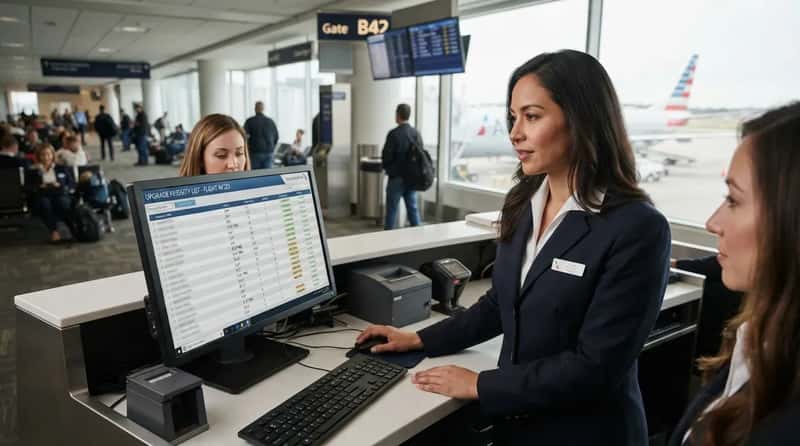
The upgrade list isn’t a mystery box. It runs on a strict order, starting with elite frequent fliers, and today’s agents follow it closely, especially now that passengers can see the same list on the airline’s own app.
That transparency actually works in favor of savvy travelers. It means agents have far less room to quietly skip you and far more incentive to process your upgrade the moment a seat actually opens up.
At a Glance
- American Airlines lists its top elites first for upgrades, running Executive Platinum and Platinum Pro ahead of Platinum, then Gold.
- Starting in 2025, major carriers including American and United began placing deadheading pilots above elite passengers on that same list.
- Many airline apps now let passengers check their own position, so the once-secret list is far more visible than it used to be.
#4 – Debunking the “Dress Nice, Get Upgraded” Myth (Sort Of)
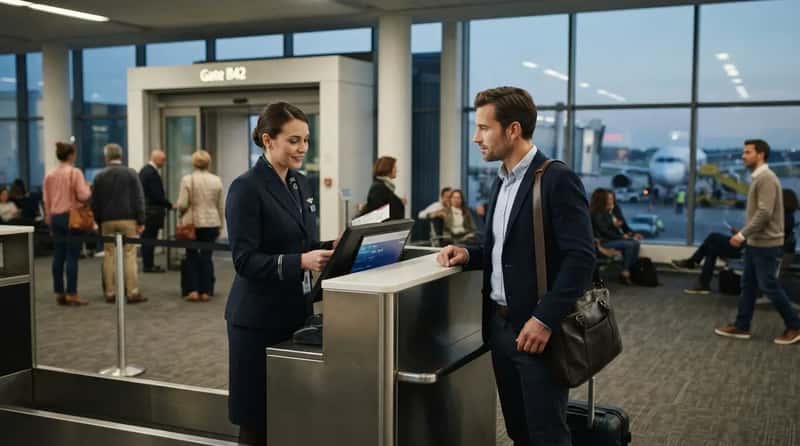
This is where things get controversial. The old idea that dressing sharp gets you bumped to business class has circulated for decades, and maybe it was truer once than it is now.
Modern gate staff mostly push back on it, though not entirely: you’ve got better odds if you dress well, the flight isn’t full, you’re flying solo, and you happen to board last. Most travel forums call this outdated, but plenty of experienced fliers swear it still quietly tips the scale when two passengers look equally eligible.
Worth Knowing
- Elite status and the fare class you purchased still outrank appearance every single time.
- Odds improve fast on flights that clearly aren’t going to sell out.
- Traveling solo beats traveling as a pair when there’s only one open seat left to fill.
#3 – The Better-Seat Freebie After Everyone Eligible Has Already Boarded
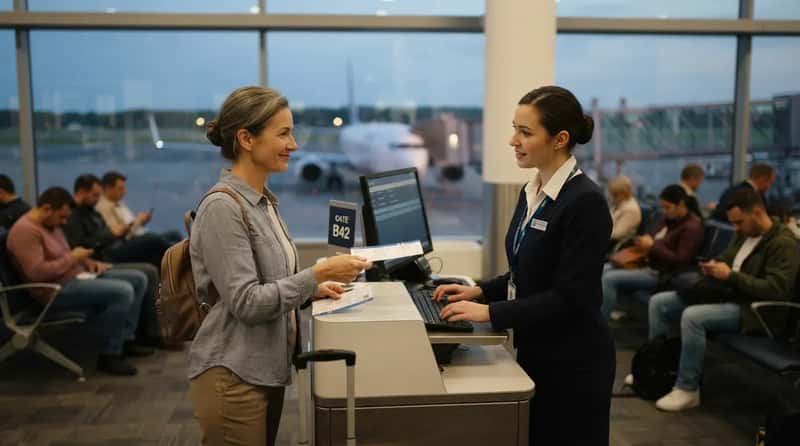
There’s a small, specific window where a completely free upgrade can happen, and it has nothing to do with status or spending. As eligible passengers get upgraded ahead of you, better seats in economy quietly free up, including ones that were blocked off the whole time you were booking.
Try asking politely about half an hour before departure to see if you can move out of that miserable middle seat at the back. This half-hour window is one of the most underused tricks in the entire airport. Most passengers are already seated and scrolling their phones by the time it opens.
#2 – The Wink-and-Nod Upgrade That Skips the Official List Entirely
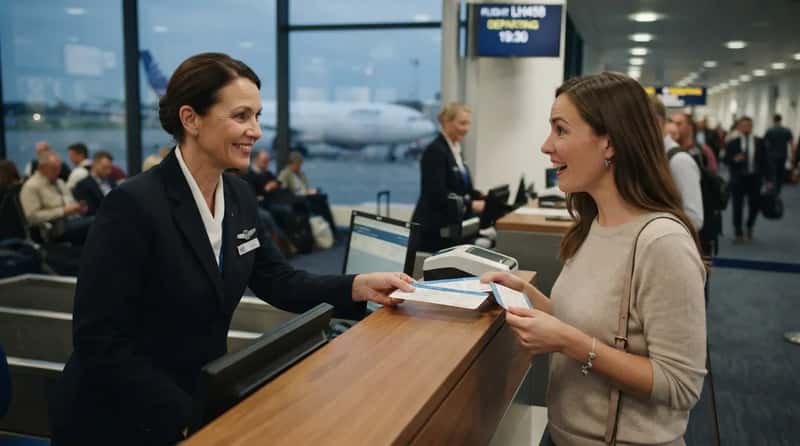
Officially, gate supervisors don’t decide who gets bumped to first class. They manage check-in, coordinate with the flight crew, handle seat assignments, and follow airline and FAA rules to the letter.
But real accounts tell a messier story. One traveler described a delayed, nearly rerouted flight where an agent quietly told a couple celebrating their anniversary, “I’m upgrading both of you to first class,” skipping the standard queue entirely. It’s rare, undocumented, and technically off-script, but experienced travelers know these moments happen when an agent has a little goodwill to spare.
#1 – Full, Unfiltered Access to Move You Anywhere on the Plane
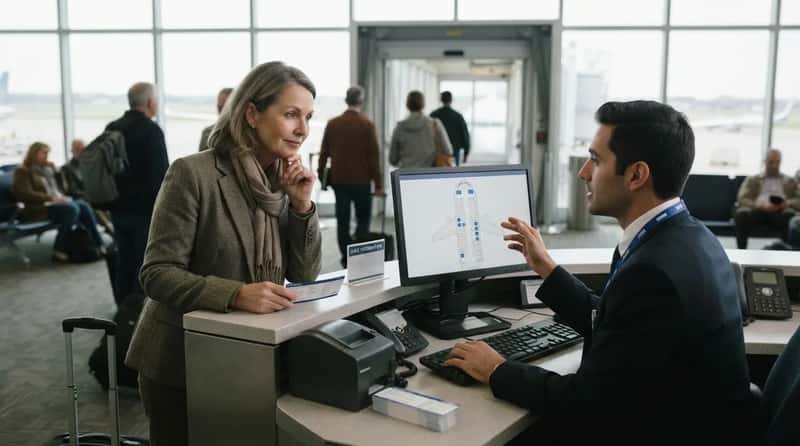
This is the one seasoned travelers whisper about, and it’s the quietest, most powerful thing a gate supervisor holds. Whether or not an agent can manipulate a waitlist directly almost doesn’t matter, because they can absolutely clear anyone they choose into any open seat, no list required.
That single fact changes the entire calculation for how you should treat the person at the desk. Every seat change, every override, every quiet favor on this list ultimately runs through that same authority. Not every agent has upgrade power, and policies vary by airline and route, but it’s always worth asking directly, especially on an undersold flight or if you’re holding elite status. It’s rarely used carelessly, but it’s used, and knowing that changes how a lot of experienced travelers approach every gate they walk up to.
None of these sixteen things are guaranteed, and none of them are printed in any handbook handed to passengers. They live in the gap between strict policy and human discretion, the same gap that turns one traveler’s ordinary delay into another traveler’s quiet upgrade.
The pattern is almost always the same: patience, flexibility, and a calm, specific request beat frustration every single time. Have you ever gotten a quiet favor from a gate agent that you still can’t fully explain? That’s the story worth telling the next time you’re standing in line.