Most people assume an overnight train ticket buys everyone the exact same experience – same bunk, same bathroom, same boarding line. That’s not how it actually works. Behind the scenes, sleeping-car crews quietly set aside specific rooms, seats, and small conveniences for passengers 60 and older, and almost none of it is advertised on the booking page.
Some of it is written into federal accessibility rules. Some of it is just an unwritten habit crews have picked up after years of watching who struggles with a ladder at 2 a.m. Here’s what insiders actually reserve – and why so few riders ever think to ask for it.
#16 – The Ground-Floor Room Almost Nobody Requests By Name
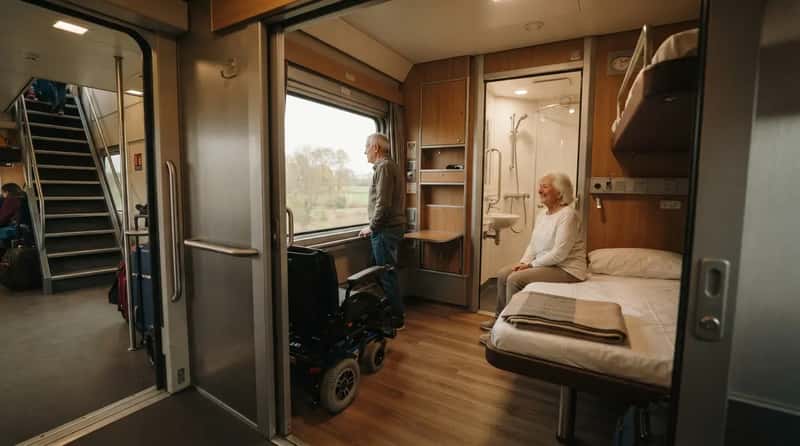
On most long-distance sleepers, there’s a bedroom built entirely differently from the rest of the train, and it sits exactly where boarding happens. Accessible Bedrooms are located on the entry level of the train and offer ample space for a wheelchair. That means no stairs, no narrow hallway climb, and no hauling a suitcase up a metal staircase in the dark.
Crews treat this room as a reserved resource for older and mobility-limited travelers, not a general upgrade. It’s built for two adults, with an accessible private toilet and sink already inside. Most passengers never think to ask for it by name – which is exactly why it so often sits open while people struggle up the stairs next door.
#15 – The 10% Discount That Skips The Part You’d Expect It To Cover
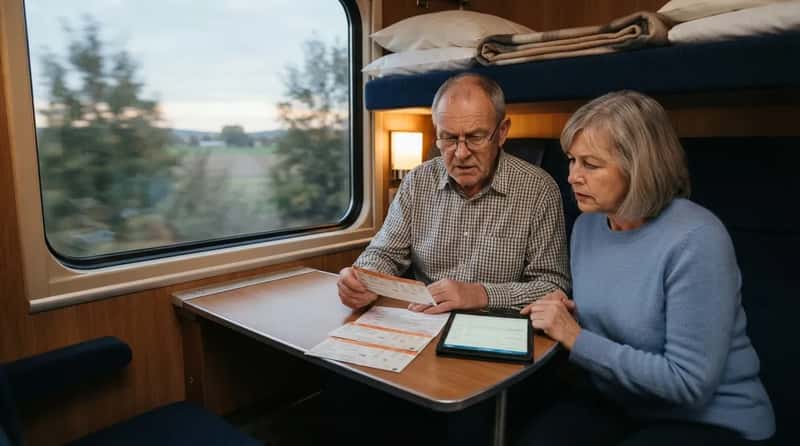
Here’s the part that trips up almost every senior booking a sleeper: the discount is real, but it’s smaller than most people assume. The 10% applies only to the underlying rail fare portion of the ticket, not to the sleeping-accommodation charge, which is usually the larger cost of a roomette or bedroom.
Plenty of riders book expecting 10% off the whole trip, then get a confusing surprise at checkout. Any accommodation charge – a sleeper room, a bedroom, business class seating – simply isn’t touched by the discount. It’s a small-print detail that quietly changes the math on an entire vacation.
Fast Facts
- 10% discount applies only to the base rail fare
- Sleeping-car accommodation charges are not discounted
- Business class seat upgrades are also excluded
- Most U.S. routes require passengers to be 65 or older
#14 – Canada-Bound Routes Quietly Drop The Age Requirement
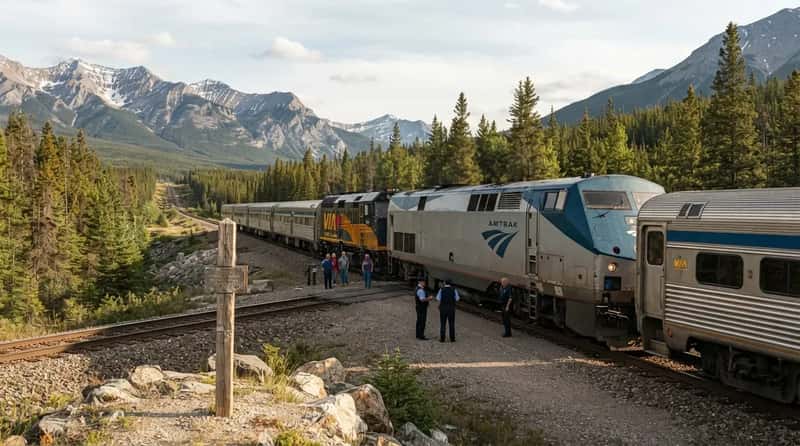
If your route crosses into Canada, the age cutoff for a discount suddenly gets more generous. Most U.S. routes require passengers to be 65 or older, but on routes operated jointly with VIA Rail Canada, that requirement drops to 60.
That’s a five-year head start most travelers never realize exists. Someone at 61 or 62 who assumes they’re too young for any senior perk on Amtrak could actually already be eligible, the moment their itinerary crosses that border line.
#13 – A Personal Attendant Assigned Specifically To Your Car
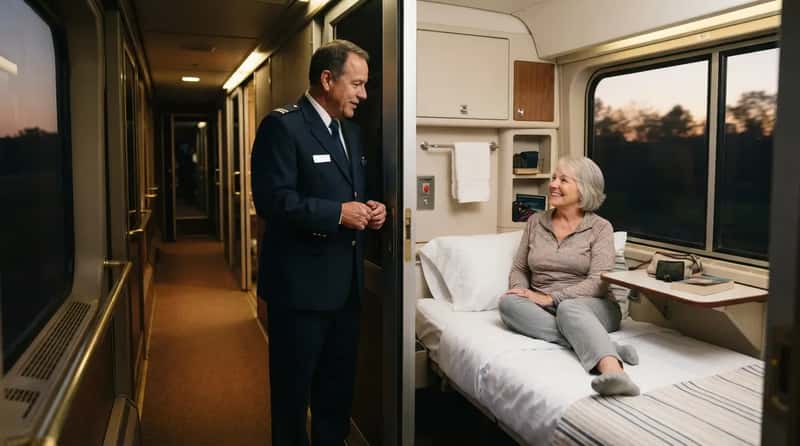
Sleeping-car passengers don’t share staff with the rest of the train the way coach riders do. A dedicated attendant handles turndown service, meal help, and luggage for every room in that car, becoming a single point of contact if anything goes wrong overnight.
In accessible rooms especially, that relationship matters more than it sounds. There’s one attendant per car, reachable through a buzzer button built into the room. For a passenger who doesn’t want to walk a swaying corridor alone at midnight, that’s the difference between panic and a quick fix.
#12 – The Bed That Skips The Ladder Entirely
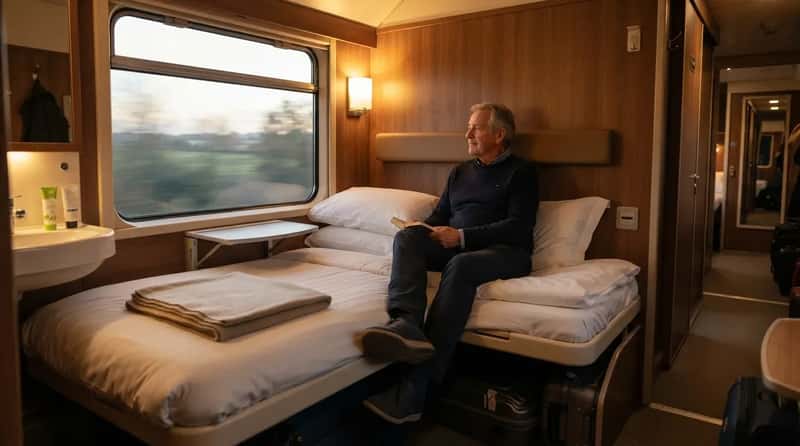
Roomettes and bedrooms both fold seating into bunks at night, but not every bunk is built the same. The lower berth is wider and easier to reach, while the upper berth requires climbing a small ladder in a moving train.
Crews know exactly who should never be assigned that top bunk. In Accessible Bedrooms, the question doesn’t even come up – the lower berth is built for easy access from a seated or standing position, with no climbing required at all.
#11 – Meals Brought Straight To The Door
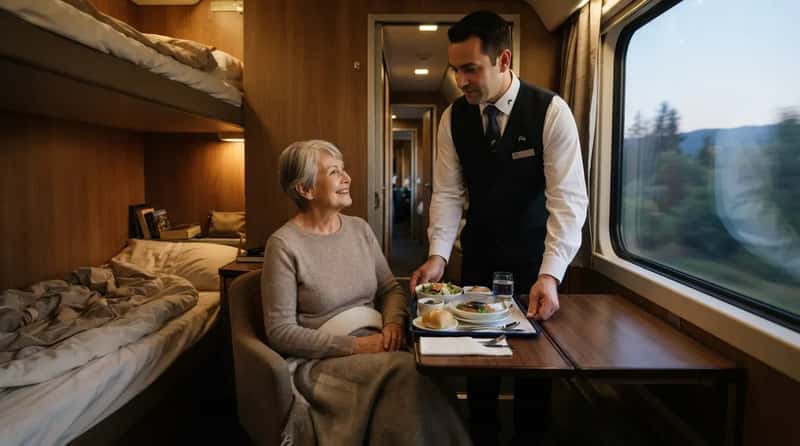
Walking to a rocking dining car isn’t appealing for every rider, and crews have quietly worked around it for years. Passengers in accessible rooms can simply have their meals brought to them by the car attendant instead. It’s rarely printed on any menu or brochure – it’s just something staff offer once they notice a passenger hesitating near the stairs.
This isn’t a rare exception, either. Meal delivery is treated as a standard courtesy for older or less mobile travelers in that room type, not a special favor that requires asking a supervisor twice. Most passengers only find out it exists after their first trip.
Worth Knowing
- Meal delivery comes at no extra charge with the private room ticket
- Attendants often offer it before a passenger even asks
- It applies to all onboard meal service, not just one sitting
- Rarely mentioned upfront – most riders learn about it onboard
#10 – A Bathroom That Doesn’t Require Leaving The Room
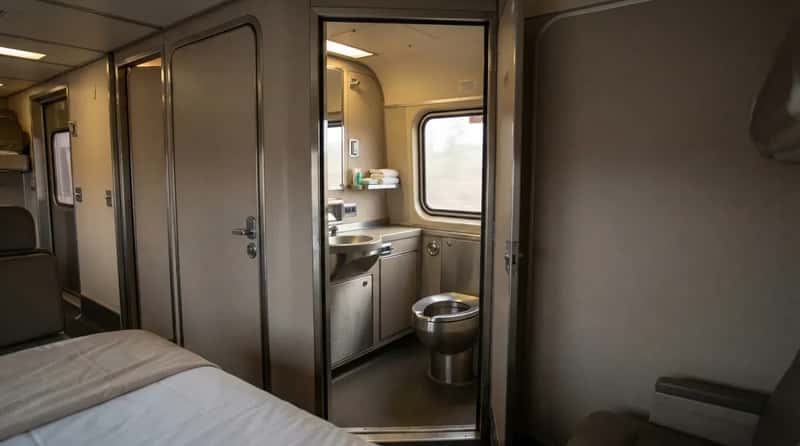
Standard roomettes share hallway restrooms, but the Accessible Bedroom breaks from that layout entirely. On bi-level Superliner trains, there’s a private in-room restroom with a sink and toilet, plus access to shared shower facilities down the hall.
For anyone who dreads a 3 a.m. walk down a moving train corridor, this single feature quietly solves the biggest overnight-rail complaint there is. It’s also one of the least-mentioned perks on Amtrak’s own booking pages, buried well below photos of scenery and dining cars.
#9 – Lounge Access Before You Even Step On The Train
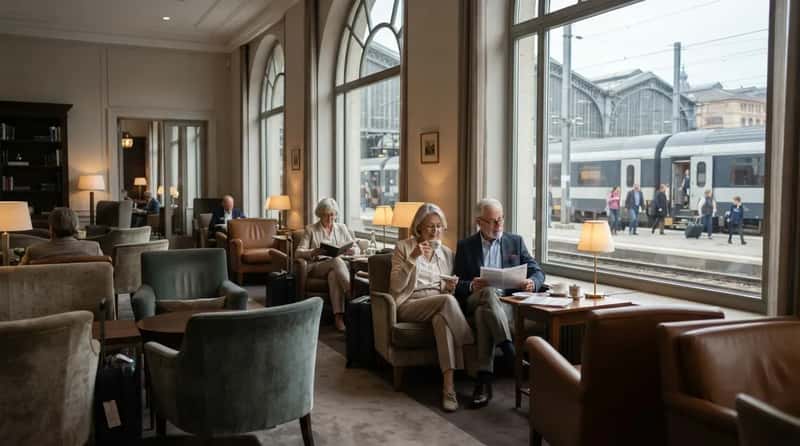
Sleeping-car tickets come with a perk that has nothing to do with the train itself. Everyone booked in a private room gets complimentary lounge access at major stations, along with priority boarding and complimentary onboard meals.
That lounge access matters more for older travelers who’d rather sit in a quiet room than stand in a crowded terminal. Combined with priority boarding, it means less time on your feet and less jostling through a packed station before the trip even starts.
#8 – Turndown Service That Feels Borrowed From A Hotel
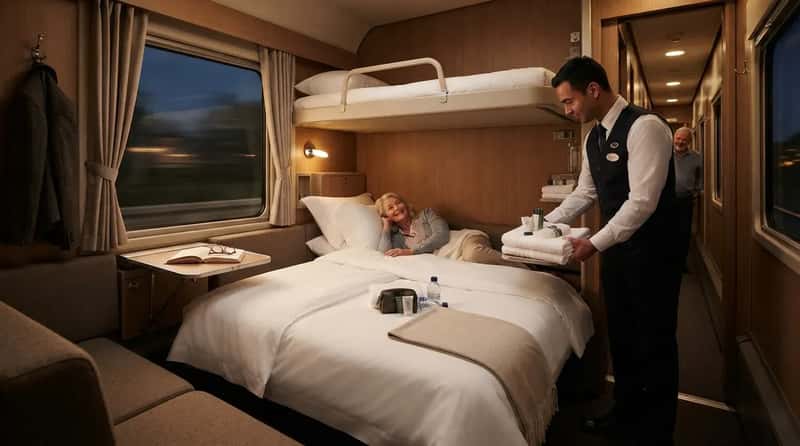
Few people expect actual hospitality service on a train, which is exactly why it surprises so many first-time sleeper passengers. Seating that doubles as daytime lounging gets transformed into upper and lower beds each night, complete with upgraded bedding, pillows, towels, and linens.
The attendant handles the bed conversion, not the passenger. For someone with limited grip strength or back issues, not having to fold down a bunk alone is a bigger deal than it sounds – and it’s baked into the private-room ticket price, not an upsell.
#7 – Extra Floor Space Set Aside For Service Animals
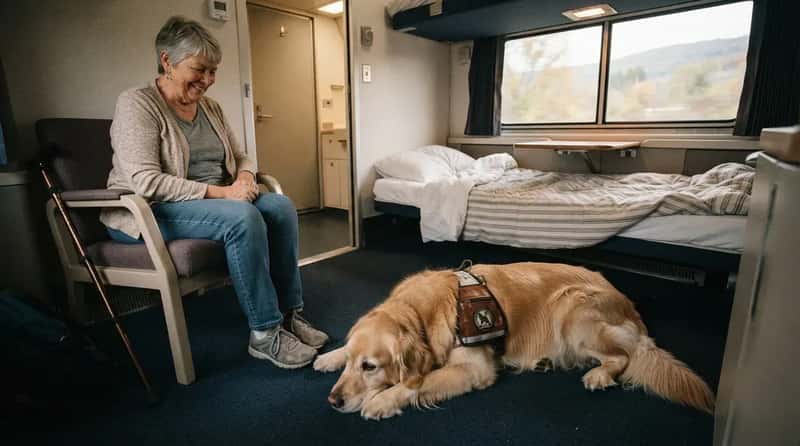
This one surprises a lot of travelers who assume every room is the same size. The accessible room’s larger floor space fits service animals far better than a standard roomette, where a larger dog barely has room to lie down between the seats.
Crews steer passengers traveling with service animals toward these rooms specifically, and the animal rides at no additional charge. It’s a detail almost never mentioned until someone actually asks about it directly.
#6 – Priority Boarding Before The Line Even Forms
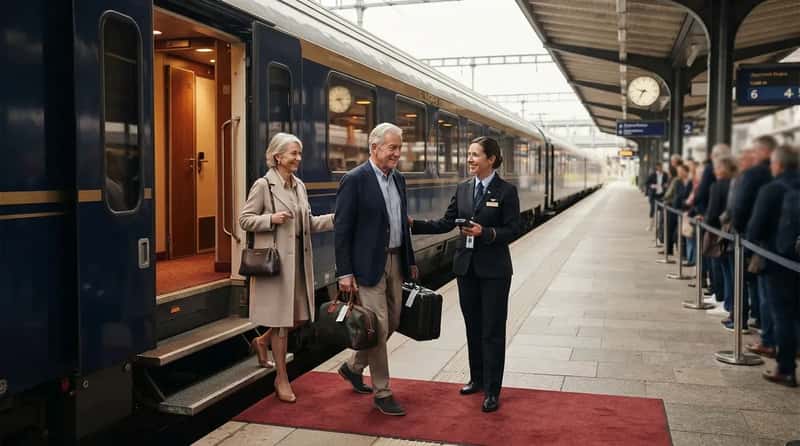
Standing in a station queue for twenty minutes is nobody’s idea of a relaxing trip, and rail staff know it. Private-room passengers get moved to the front of the boarding process, settling into their seat before the general rush even reaches the platform.
This isn’t just comfort – it’s practical. Fewer stairs to navigate in a crowd, less standing with heavy bags, more time to get situated before the train starts moving. It’s one of the quieter reasons frequent senior riders specifically request sleeper tickets over coach, even on shorter routes.
At a Glance
- Private-room passengers board ahead of general coach seating
- Applies at every station stop, not just the origin
- Cuts down time standing in crowded terminals
- Included automatically with roomette and bedroom tickets
#5 – Someone Else Carries The Bags
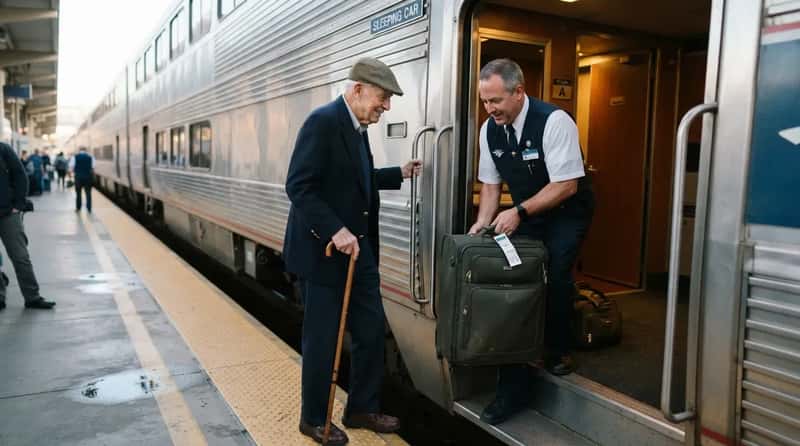
Luggage handling gets folded quietly into the attendant’s job description for private-room passengers. Help with bags isn’t something you have to request twice – it’s part of the same assistance that covers turndown service and meals.
For a passenger managing a rolling suitcase, a cane, and a narrow train doorway all at once, that single offer of help changes the entire boarding experience. It’s rarely advertised as a “senior perk,” but in practice, it’s staff who quietly make the call on who needs it most.
#4 – A Room Built Around Medication And Medical Needs
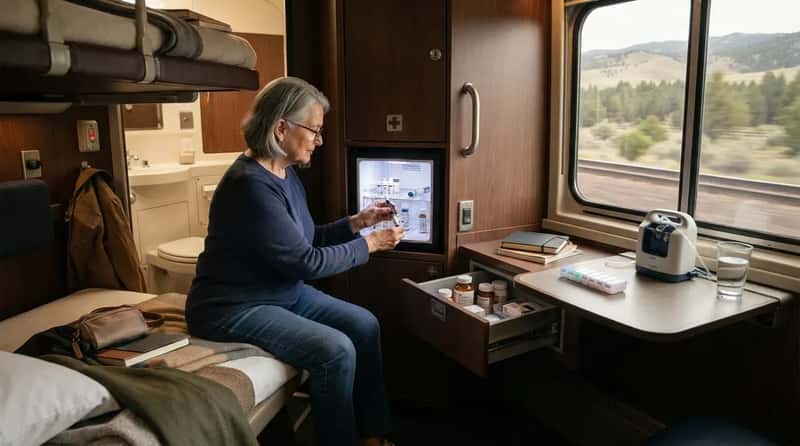
Long-distance overnight trains plan for more than just sleep. Special accommodations exist for passengers with disabilities and mobility impairments, including designated space for medication storage.
That detail matters more than it sounds for anyone managing insulin, refrigerated prescriptions, or medical equipment on a multi-day trip. Crews are trained to flag these needs during booking specifically for older travelers, even though the option barely gets mentioned outside Amtrak’s own senior-travel page.
#3 – The Room Staff Quietly Steer Seniors Toward
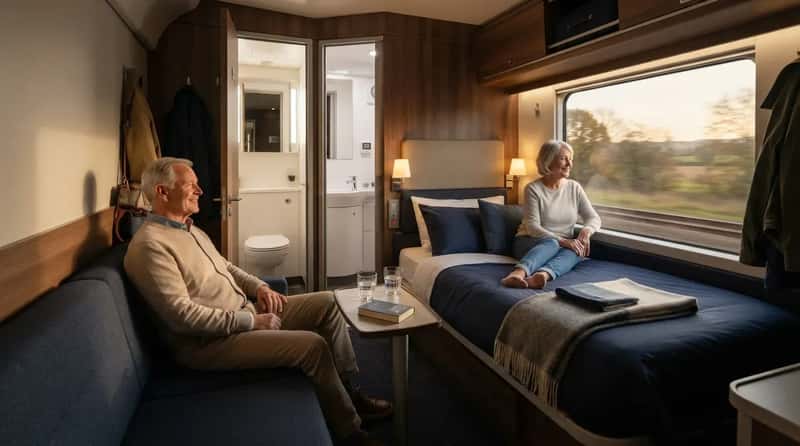
Ask a longtime conductor which room actually suits an older traveler best, and the answer usually isn’t the cheaper one. Bedrooms are generally recommended over roomettes for overnight travel, offering beds without climbing, a private bathroom, and more room to move around.
That’s a mildly controversial opinion inside the budget-travel crowd, where roomettes get pitched as the smart choice for solo riders. But staff who watch passengers struggle overnight tend to disagree – comfort wins over savings once mobility becomes a factor, even if it costs more upfront.
Quick Compare
| Roomette | Bedroom | |
|---|---|---|
| Beds | Upper bunk needs a ladder | Lower berth, no climbing |
| Bathroom | Shared, down the hall | Private, in-room |
| Space | Compact, tight layout | Roomier, built for two adults |
| Cost | Lower | Higher, often worth it for seniors |
#2 – A Sink And Toilet You Never Have To Leave The Room For
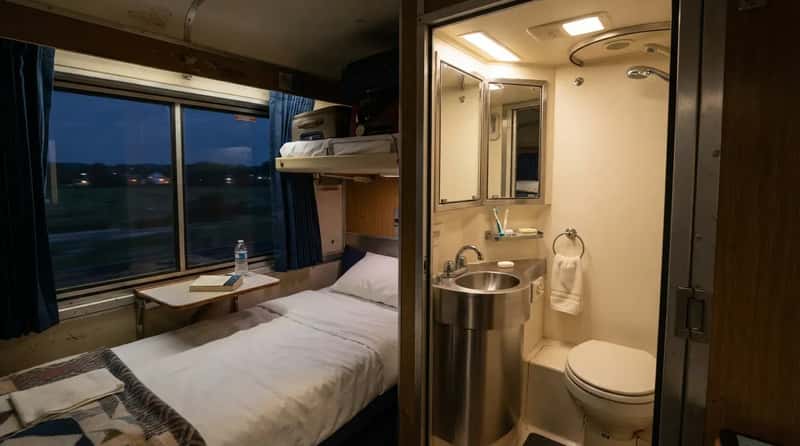
This feature gets buried in most Amtrak marketing, but it’s one of the most requested by older travelers once they know it exists. Bedrooms include a big picture window, upgraded bedding, and an in-room sink, restroom, and shower all in one space.
No hallway walk, no waiting for a shared restroom, no navigating a moving train in socks at 4 a.m. It sounds minor until you’ve actually needed it on a rocking overnight route – and then it becomes the single feature returning riders ask about first.
#1 – The Buzzer That Solves Almost Everything Overnight
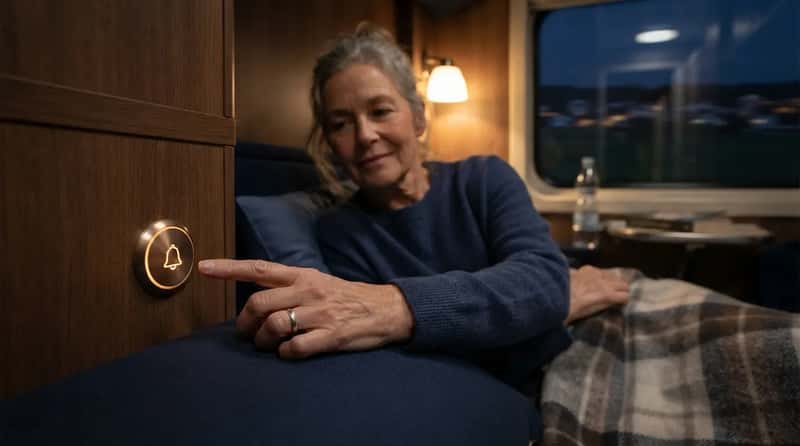
Of everything reserved for older passengers, this is the one crews say matters most. One attendant covers each car, reachable through a buzzer button built right into the room – a direct line to help without leaving the bed, wandering a dark corridor, or waking anyone else on board.
For a passenger dealing with a medical concern, a locked door, or simply needing an extra pillow at 3 a.m., that button removes the single biggest source of anxiety about traveling alone overnight. Frequent riders over 60 consistently name it as the quiet feature that convinced them sleeper cars were worth the extra cost.
None of this is hidden on purpose – it’s just rarely explained clearly at the point of booking. The gap between what’s technically available and what most passengers actually know to ask for is bigger than it should be, especially for a 10% discount that doesn’t cover what people assume, or a room built specifically to skip stairs and ladders altogether.
The real story here isn’t a secret system. It’s that overnight rail crews already have one built for older travelers – most riders just never ask the question that unlocks it.