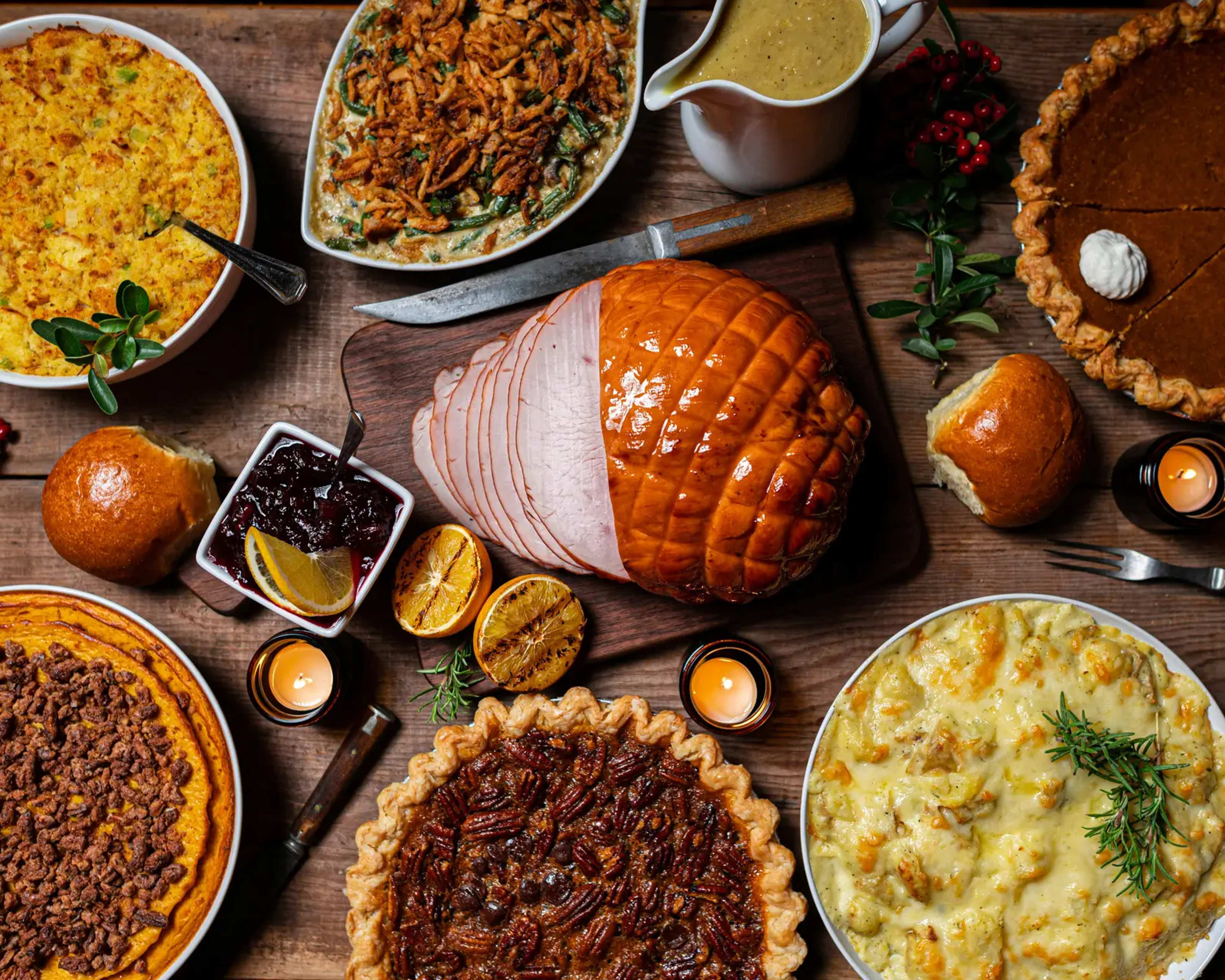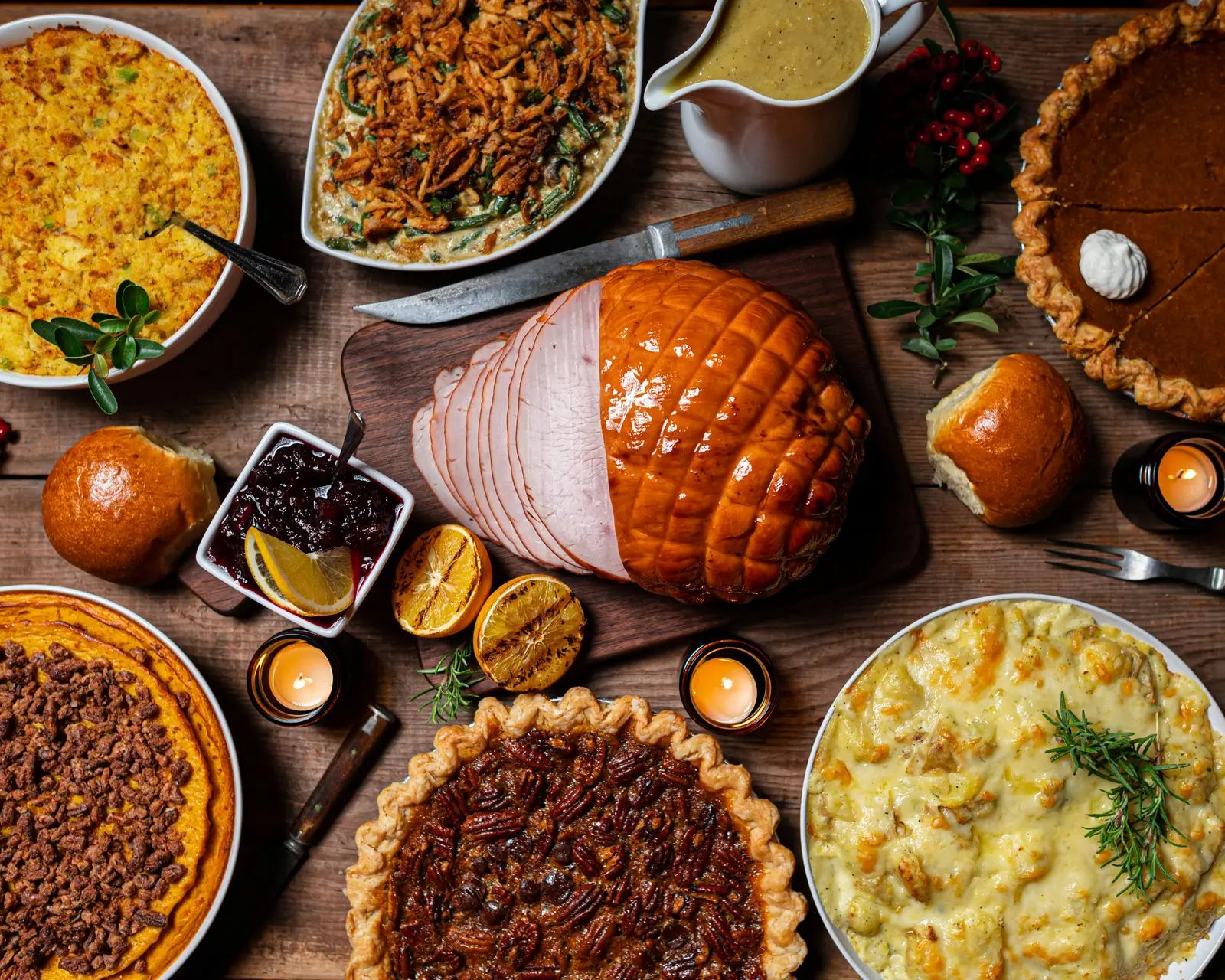
Thanksgiving is less than two weeks away, and many hosts are already planning menus that will keep ovens and stovetops busy for hours. The aroma of roasting turkey and baking pies is part of the appeal, but the smell that still hangs in the kitchen the next morning is less welcome. Grease, smoke and food residue can linger for days, and a scented spray rarely reaches the cause. Guidance on controlling these odors starts with ventilation and cleanup, as ([1])explains.
Start the fan before the stove heats up
Cooking releases airborne pollutants along with odor, so ventilation matters during the meal, not only after the table is cleared. The EPA recommends running a range hood that vents outdoors whenever you cook, then leaving it on for 10 to 20 minutes after you finish. Cooking on the back burners can help capture more of what rises from the pan.
Many hosts switch on the fan only when the smell becomes obvious, by which point the kitchen has already absorbed a good deal of it. Checking early whether your hood actually vents outdoors is a quick step that can change the outcome. If the hood does not vent outside, or you need more airflow, opening doors and windows can bring in fresh air, provided outdoor air quality and weather allow it and doing so is safe.
The oven and sink hide the worst residue
Burned drippings left inside the oven can smoke every time the appliance heats up, which makes them an easy source to overlook. Cleaning a cooled oven a few days before the holiday, following the owner’s manual, spares you a rushed scrub on the morning of the meal.
Turkey fat is another problem that looks like a shortcut. Pouring it down the drain can harden in plumbing and in septic or sewer lines, and hot water with soap does not fully dissolve it because the grease can re-form and solidify. A safer route is to let the fat cool, pour it into a sealed can or jar, wipe pans before washing them, and throw away the container along with the wipes.
Leftovers and the carcass need faster handling
Food safety and odor control overlap here. Leftovers should go into the refrigerator within two hours of cooking or coming off a warming appliance. Cutting the turkey into smaller pieces and dividing large batches into shallow containers help the food chill faster, and covering it or sealing it in airtight packaging keeps smells from spreading through the fridge.
The carcass is often the trickiest item. If you plan to make stock, refrigerate it promptly. Otherwise, bag the bones and scraps securely and take them to an outdoor bin that night. Baking soda can help absorb refrigerator odors, but it works best as an extra step alongside sealed food and wiped spills, not as a replacement for either.
Why covering a smell does not clear it
Scented candles and plug-in fresheners can make a room feel pleasant for a while, but they generally mask odors while the underlying source remains. Some of these products also release gases of their own, so opening a window or running the exhaust fan is the better choice.
The range hood can contribute to the problem if its grease filter is dirty. A hood only works well when it is clean, so the filter belongs on the pre-holiday cleaning list, next to the oven. Your owner’s manual should explain how to remove and clean it.
A short reset the morning after
Even a well-run dinner leaves a few sources behind, and a brief cleanup the next day can finish the job. The steps below cover the most common culprits.
- Open windows for a few minutes when outdoor air quality and weather allow, and run the hood or exhaust fan.
- Take out bagged food waste and the recycling.
- Check leftovers and seal any open containers. Throw out perishable food that sat out overnight rather than refrigerating it now.
- Wipe down the stovetop, counters and sink, and clear the drain strainer.
- Place a fresh open box of baking soda in the refrigerator if you like.
- Launder used dish towels and washable table linens.
The lingering smell after Thanksgiving usually traces back to residue, trash and open food rather than the meal itself. Ventilating while you cook, cleaning the oven and drain, and storing food quickly do most of the work. Covering odors rarely solves the problem, so the most effective fix often starts before the turkey goes in.