Here’s the assumption almost every traveler over 60 quietly makes: once you hit that age, the discounts just happen. The card gets swiped, the senior rate gets applied automatically, someone behind the counter is looking out for your wallet. It feels like a fair trade for finally getting older.
It isn’t true, and it’s costing real money on every single trip. Hotel staff, rental car agents, and frequent flyers over 60 will tell you privately that most “senior savings” only exist for the people who ask for them out loud – everyone else just pays full price and never finds out what they missed.
#16 – The Old Credit Card Quietly Taxing Every Coffee and Cab Ride Abroad

Millions of travelers over 60 are still swiping the same everyday credit card overseas that they’ve carried since the 1990s. That card almost certainly charges a foreign transaction fee, and it hits every purchase – the coffee, the taxi, the hotel incidentals, all of it, one small invisible cut at a time.
No-fee travel cards have existed for well over a decade, yet plenty of seniors never switched because the old one “still works fine.” On a two-week European trip with $3,000 in charges, that adds up to close to $90 handed over for absolutely nothing. It’s the kind of leak you never notice until someone points it out.
Fast Facts
- Typical foreign transaction fees run 1% to 3% per swipe
- No-fee travel cards have been widely available since the early 2010s
- $3,000 in trip charges at a 3% fee adds up to roughly $90 lost
- A quick call to your card issuer confirms whether you’re even paying this fee
#15 – Paying $15 a Day for a GPS Your Phone Already Has for Free
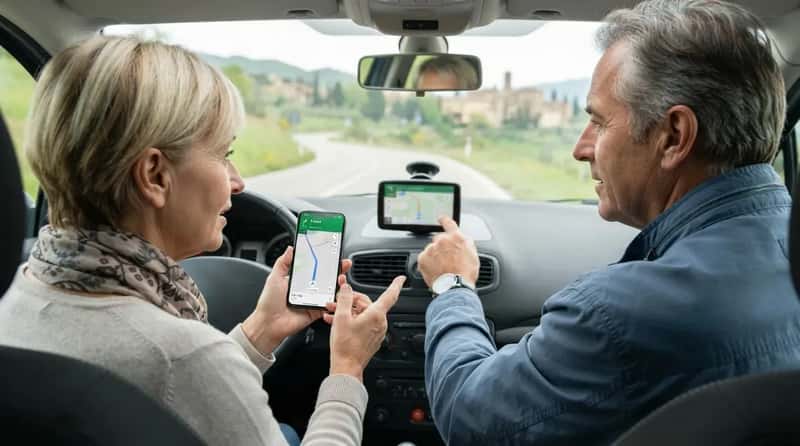
Rental counters still push dashboard GPS units hard, and older travelers are consistently the demographic most likely to say yes. The pitch sounds reasonable in the moment – unfamiliar roads, unfamiliar country – but nearly every smartphone already has offline maps built in at no cost.
A one-week rental with a daily GPS add-on can quietly cost over $100 for something a free app does just as well, sometimes better. Rental agents rarely mention the offline option unprompted; you have to already know to wave off the pitch at the counter.
#14 – Trading Cash at the Airport Kiosk Everyone Warns You About
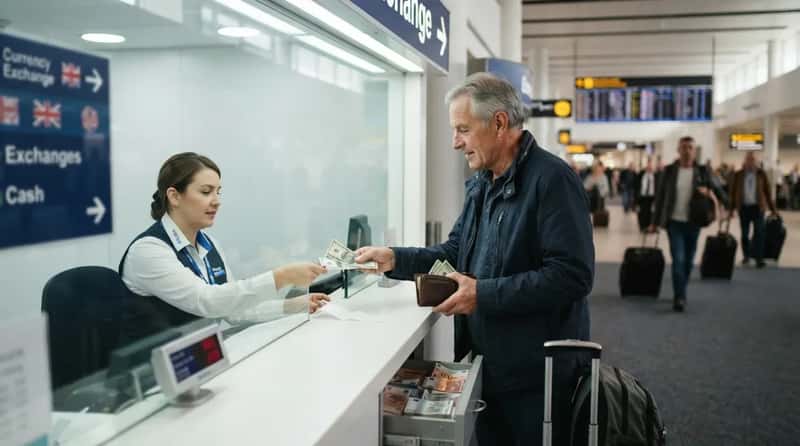
Airport currency exchange counters exist almost entirely to profit from travelers who didn’t plan ahead, and people who grew up trusting cash over cards are their most reliable customers. The exchange rate at these kiosks is routinely worse than what a plain debit card gets at a foreign bank ATM.
Exchange just $500 at an airport kiosk instead of a bank ATM and you can lose $30 to $50 in hidden markup before you’ve even left the terminal. The fix is almost embarrassingly simple: skip the counter, find a bank ATM once you land, and let a debit card do the math for you.
#13 – Buying a Brand-New Travel Insurance Policy for Every Single Trip

Travelers over 60 who take two, three, or four trips a year often buy a fresh single-trip insurance policy each time, never realizing insurers sell annual multi-trip plans that cover unlimited travel for one flat premium. The moment you take a third trip in a year, the annual plan is almost always the cheaper choice.
Nobody at the airline website or the insurance counter volunteers this information – you have to ask your agent directly. Skip that question, and you end up paying full single-trip pricing three or four separate times when one annual premium would have covered the whole year.
#12 – Handing a Travel Agent a Booking Fee the Internet Would Waive for Free
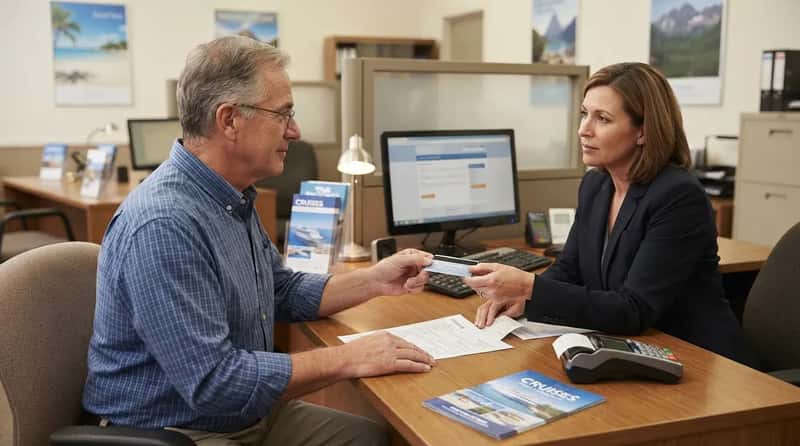
Traditional travel agencies still charge booking fees of $25 to $75 per ticket, and a surprising number of loyal older travelers keep paying it out of habit rather than necessity. For a straightforward domestic flight or a standard hotel stay, that fee buys nothing a five-minute search doesn’t already accomplish for free.
Agents genuinely earn their keep on complicated multi-country itineraries or cruises with a dozen moving parts. But booking a simple weekend flight through an agent purely out of loyalty is money handed over for zero added value, trip after trip.
#11 – The Solo Traveler’s Single Supplement Fee Nobody Thinks to Negotiate

Group tours routinely tack on a “single supplement” fee – often 50% to 100% more – for travelers who book without a roommate. Many tour operators quietly run a roommate-matching program or offer a supplement waiver, but they never put it on the price page.
Solo travelers over 60, who now make up a growing share of the group tour market, frequently pay the full inflated fee simply because no one thought to ask about alternatives. One phone call to the operator before booking can erase hundreds of dollars from the final invoice.
#10 – Paying $20 a Day for “Premium” Parking You Didn’t Need
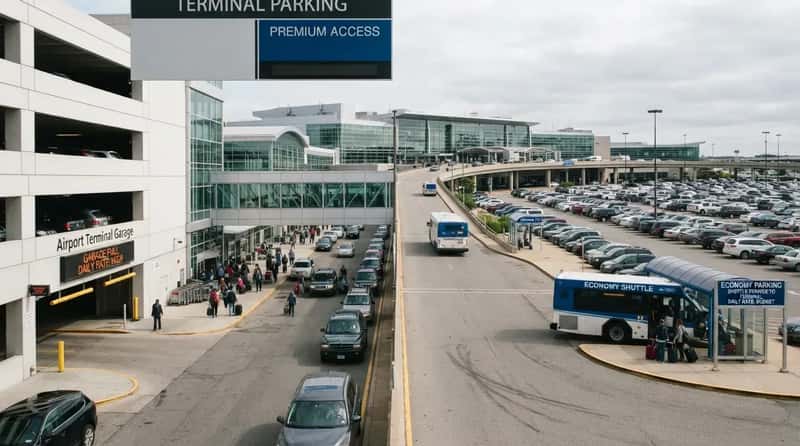
Airport terminal garages charge a steep daily premium for the convenience of being closest to the door, and plenty of older travelers default to it without ever comparing options. Off-site economy lots a short shuttle ride away routinely charge a fraction of that daily rate for the same length of stay.
Over a ten-day trip, that gap can mean more than $100 saved for the price of one short shuttle ride instead of a two-minute walk. The “convenience tax” makes sense for travelers with real mobility needs – for everyone else, it’s just an unquestioned habit nobody revisits.
Quick Compare
- Terminal garage: closest to the door, priced at a steep daily premium
- Off-site economy lot: a short shuttle ride away, often well under half the terminal rate
- Ten-day trip: the gap between the two can top $100
#9 – Buying Rental Car Insurance That Duplicates Coverage You Already Own
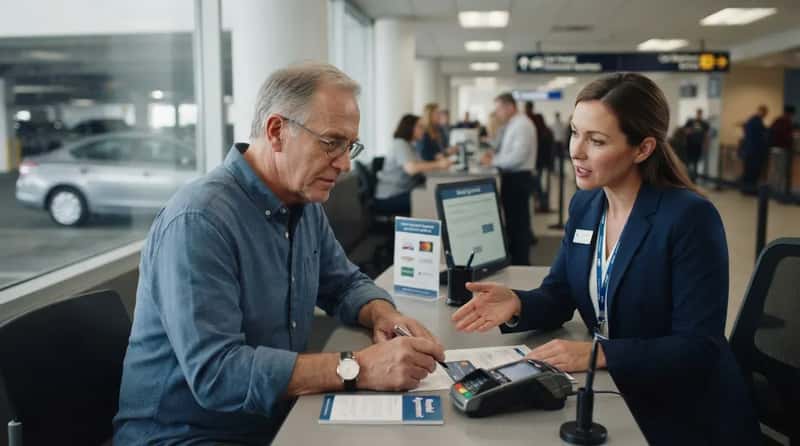
Rental counters push collision damage waivers hard, and many travelers over 60 say yes on reflex without checking what they already have. Personal auto policies and plenty of credit cards already include rental car coverage as a standard, unadvertised benefit.
Paying $15 to $30 a day for duplicate protection on a week-long rental adds up to real money for coverage that was already sitting unused in your wallet. A two-minute call to your credit card company or insurance agent before the trip settles the question for good.
#8 – Paying for Airline Roaming When Local Data Costs Pennies

International roaming day-passes are marketed hard at travelers who don’t know cheaper options exist, and older travelers frequently accept the carrier’s default plan without comparing it to a local prepaid SIM or an eSIM. Either alternative can cost a fraction of the price for an entire trip’s worth of data.
A two-week trip on a carrier’s roaming plan can run well over $100 more than a local option purchased in-country or set up before departure. Most people never realized switching was even possible until a fellow traveler mentioned it in the customs line.
#7 – Paying Full Price at Every National Park Gate Instead of Buying the Pass Once
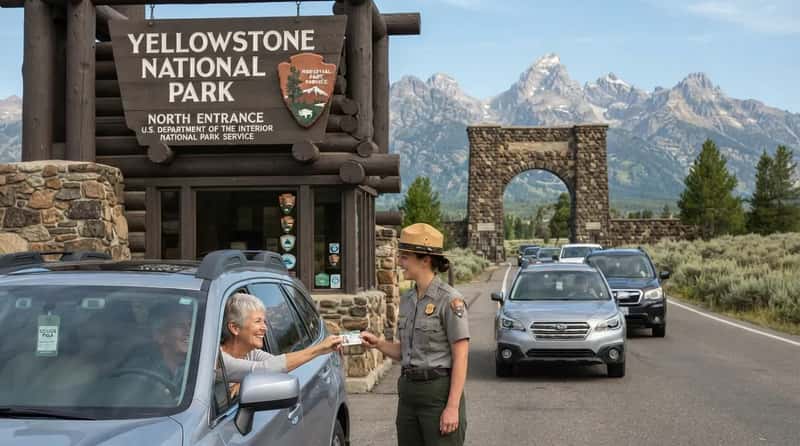
Travelers over 62 who visit more than a couple of national parks a year are often still paying the standard per-vehicle entrance fee at every single gate. With entrance fees at popular parks now topping $35 per car, visiting just two or three parks already costs more than the Senior Lifetime Pass itself.
U.S. citizens and permanent residents 62 and older can buy an annual America the Beautiful senior pass for $20, or a lifetime version for $80 – covering the passholder plus three additional adults, along with 50% off camping, boat launches, and guided tours. Paying gate fees one park at a time, year after year, is one of the most avoidable travel costs in retirement.
At a Glance
- Standard per-vehicle entrance fee at popular parks: up to $35 or more
- America the Beautiful Senior Annual Pass: $20, good for one year
- Senior Lifetime Pass: $80, valid for life
- Both cover the passholder plus three additional adults, plus 50% off camping, boat launches, and guided tours
#6 – Skipping the AARP Card Out of Pride, Not Logic

A striking number of eligible travelers over 60 never join AARP simply because they assume it’s “for old people,” as if 60 doesn’t already qualify. That single decision quietly costs hundreds of dollars a year in discounts that were sitting right there unclaimed.
AARP members 50 and up can save up to 35% on flights, hotels, car rentals, and cruises, with brands like Hilton, Wyndham, and Best Western knocking up to 25% off standard rates for cardholders. Membership itself runs about $12 for the first year, meaning one discounted hotel stay usually pays for the entire membership on its own.
#5 – Buying Priority Boarding a Credit Card Already Gives You Free

Airlines sell priority boarding as a $15 to $25 checkout add-on, and travelers who fly only a few times a year often buy it every single time without checking whether it’s already included somewhere else. Certain co-branded travel credit cards and airline loyalty tiers grant priority boarding automatically, at zero extra charge.
Infrequent flyers rarely realize the perk has been sitting unused in a card they already carry in their wallet. One look at the card’s benefits guide before the next flight can quietly kill that fee for good.
#4 – Buying a Whole New International Health Policy Instead of Checking Medigap First

Original Medicare rarely covers care outside the United States, and that gap is real – travelers who get sick abroad often face medical bills entirely out of pocket. But plenty of seniors respond by buying a full, expensive standalone international health policy without ever checking a benefit they may already own.
An ounce of prevention is worth a pound of cure.
Benjamin Franklin
Certain Medicare Supplement, or Medigap, plans already cover 80% of eligible foreign travel emergency care up to a lifetime limit. Travelers who skip that five-minute call to their Medigap provider often end up paying full price for a policy that duplicates coverage sitting in their own file cabinet.
#3 – The Hotel Wifi Fee a Free Loyalty Account Would Have Erased

Travelers who’ve booked hotels the same way for decades often still pay a daily wifi surcharge at check-in, never realizing free membership programs exist that erase it entirely. Nearly every major hotel loyalty program costs nothing to join and includes complimentary wifi as a baseline perk.
A five-night stay with a daily wifi fee can quietly add $50 or more to the final bill for something that costs nothing once you’re signed up. Front desks almost never mention the free workaround unless a guest specifically asks about it.
#2 – Calling the Front Desk Instead of Using the App That Charges Less

Many travelers over 60 still call the hotel directly or walk up to the front desk to book, trusting a human voice over an app or website. That instinct is understandable, but it frequently costs more than booking the exact same room through the hotel’s own loyalty app or a discount travel portal.
Some hotels quietly offer 15% or more off select rooms booked through the right channel, and AARP members alone can already save 10% to 12% off the best available rate. Stack a loyalty app discount on top of a membership discount, and you can pay noticeably less than the walk-up rate for the identical room down the hall.
#1 – Never Once Asking “Is There a Senior Rate?”

After fifteen other leaks, the single biggest unnecessary travel cost for people over 60 is almost insultingly simple: not asking. Museums, attractions, transit systems, restaurants, movie theaters, and even some rental car counters quietly offer senior rates that never appear on a sign or a menu.
Staff are almost never allowed to volunteer the discount – the customer has to ask first, every time, at every counter. Travelers who assume they don’t “look old enough,” or who feel awkward bringing it up, end up paying full adult price at attraction after attraction, all trip long. It’s the one habit that, once broken, pays for itself on literally every outing you take for the rest of your life.
Worth Knowing
- Museums and science centers often knock 10% to 20% off with a simple age check
- Public transit systems in many cities offer reduced senior fares on request
- Movie theaters and some restaurants quietly discount tickets and meals for seniors
- Even some rental car counters have an unadvertised senior rate on file
Add all sixteen of these up over a single year of travel and the total isn’t small – often several hundred dollars, sometimes well over a thousand, spent on things a free membership card, a two-minute phone call, or four simple words could have erased completely. None of this requires cutting corners or giving anything up. It just requires knowing the discount exists before the receipt prints, not after. Which one of these caught you off guard? Tell us in the comments – chances are, you’re not the only one who’s been paying it for years.