Yes, travelers over 65 can line up park, museum, and zoo cards so one purchase opens several doors. But there is no single “super pass” that does it all, and the overlaps are more specific than most people expect. A few of the best combos cost almost nothing extra.
Most people assume the $80 national parks card works at state parks, or that a museum membership only works at the one museum that sold it. Both guesses can cost real money at the ticket window. Here’s what the rules actually say, starting with a $10 deal that looks like a typo.
#17 – Maryland’s $10 Lifetime Card Is the Strangest Bargain on the List
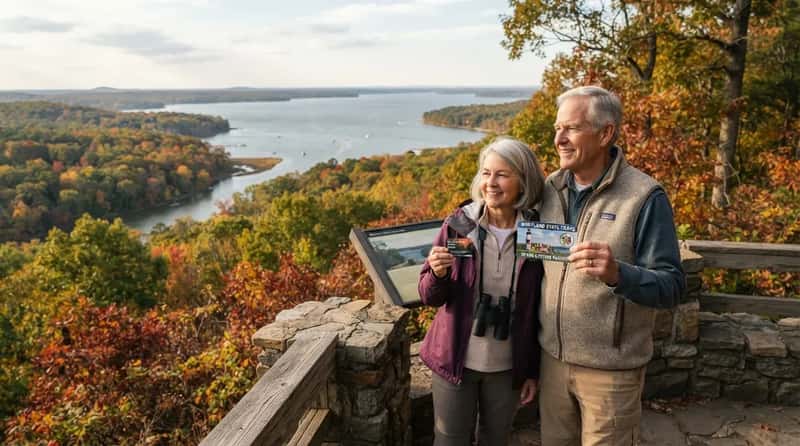
A lifetime state park card for $10 sounds like a typo, but a 2026 RV-travel roundup lists it. For $10, anyone 62 or older can get lifetime free admission to all Maryland state parks and 50% off camping fees Sunday through Thursday. The same roundup says it is not limited to Maryland residents, which is rare for a state senior deal.
It belongs in a combo list because it fills a gap the federal card leaves open. The national Senior Pass only covers federal sites, and state parks run their own senior programs. Pair a $10 state card with an $80 federal one and you’ve covered two park systems for $90 in pass prices. Rules change, so confirm eligibility with the state before you buy.
The next state’s pass can cover a whole carload of relatives, and that changes the math.
#16 – Utah’s Day-Use Pass Quietly Covers Up to Eight People in One Vehicle
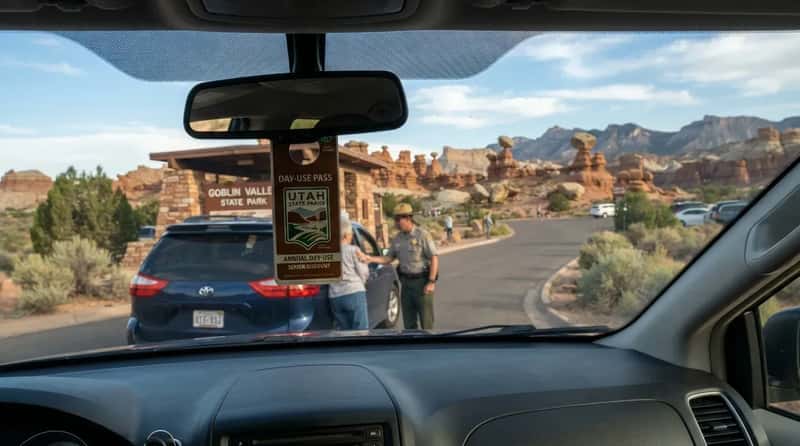
Utah built its senior deal for carloads, not solo travelers. The Annual Day-Use Pass covers the buyer plus up to seven more people in the same vehicle, and seniors 65 and over can buy it at a discounted rate. One purchase can cover a whole minivan of grandkids, cousins, and cooler bags.
Here’s where people get tripped up. Camping access and camping discounts are not included, so this pass is strictly for day use. It’s valid for 12 months from the month of purchase, and it doesn’t guarantee entry if a park closes temporarily at capacity. The pass won’t save your spot on a packed holiday weekend. Use your federal card for the national sites and this one for the state ones.
Fast Facts
- Covers the buyer plus up to 7 more people in the same vehicle
- Seniors 65 and over can buy at a discounted rate
- Valid for 12 months from the month of purchase
- Day use only, with no camping access or camping discounts
Texas has a pass labeled “free” that comes with a catch worth knowing.
#15 – Texas Has a Free Passport Most Seniors Never Ask For

You won’t hear about this one at the gate. A Texas resident age 65 or older may qualify for the free Texas Parklands Passport, which reduces the state park entry rate. You get it at a Texas state park, and it costs nothing to ask.
The Senior Partial version works like this: the passholder and one companion pay 50% of the entry fee, rounded to the next whole dollar. The “free” passport is a discount, not free entry, for most seniors. It’s also separate from the paid annual State Parks Pass, which is aimed at frequent visitors. Plenty of people mix up the two and pay for the wrong one.
The next pass cares about something that has nothing to do with your age.
#14 – Washington’s Income-Based Pass Skips the Discover Pass Entirely
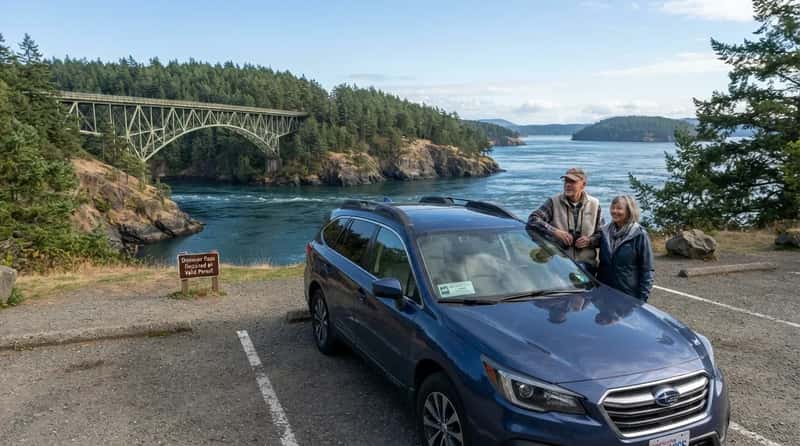
This one asks about your wallet, not just your birthday. The Senior Limited Income Pass is offered to Washington residents who are 62 or older with an annual income of $40,000 or less, and it’s free to apply for. That makes it one of the cheapest entries on the list.
The benefits are practical. Holders get free parking with no Discover Pass needed, plus watercraft launch and trailer dump use, and 50% off nightly camping or moorage. You can park at Washington state parks without buying a Discover Pass at all. It only works for residents, so out-of-state visitors need a different plan.
And this pass has a hidden perk: it makes another pass cheaper.
#13 – Two Washington Passes Stack, and the Second Costs Half
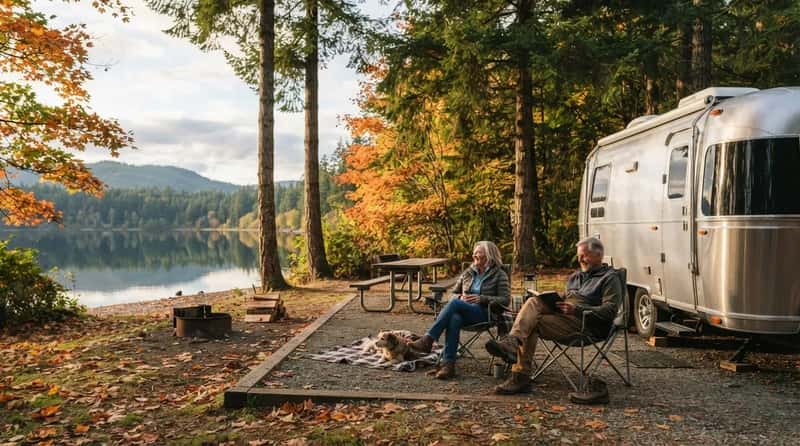
Free camping sounds like a myth until you read the fine print. The Senior Off-Season Pass is offered to Washington residents 62 or older and costs $100. It provides one site per night of free camping or moorage, with $12 charged per night for utility sites. That’s a lot of quiet autumn nights for one price.
Timing is everything. It’s valid seven days a week from October 1 to March 31 and Sunday through Thursday in April, and discounts apply only to reservations made during the off-season. Senior Limited Income pass holders can buy it for $50. The pass expires on April 30 each year.
The next state has been rewriting its senior pass, and that matters before you go.
#12 – New Jersey’s Senior Pass Erases a Fee Others Pay Every Year
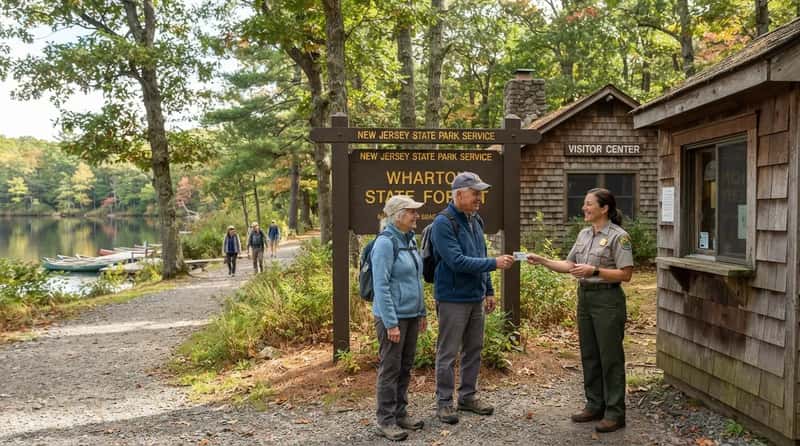
New Jersey is a quiet bargain with a footnote. Residents who are 62 or older, or who are disabled, may be eligible for a Senior Citizen Pass that grants free entrance to the parks and discounted camping rates. It only helps if you live in the state.
Here’s the comparison that matters. The standard State Park Pass costs $50 for New Jersey residents and $75 for non-residents. The senior version can erase a fee that other visitors pay every year. The state says its senior and disability passes are being updated, but the senior pass can still be obtained at state park or forest offices or through the Trenton office. Call before you drive.
Quick Compare
- Standard pass, NJ resident: $50
- Standard pass, non-resident: $75
- Senior Citizen Pass (62+ or disabled, NJ residents): free park entrance plus discounted camping
Now the federal side, where some entries have almost nothing to do with the words “national park,” starting with a lake day.
#11 – Bureau of Reclamation Lakes Are Secretly Covered

Most people hear “national park pass” and picture mountains, not a reservoir at sunset. But the Bureau of Reclamation is one of the agencies the pass covers. That means some boat ramps, beaches, and picnic spots may be part of your card’s reach without anyone telling you.
Official materials are clear on the basics. The Senior Pass is honored nationwide at Reclamation sites that charge entrance or standard amenity fees. Reservoir recreation areas run by a covered agency can qualify. Always confirm at the specific lake, since fee setups differ from place to place. A quick phone call can save you the day-use fee.
Next up is a covered category most travelers drive past without a second look.
#10 – National Forests Count, With One Catch
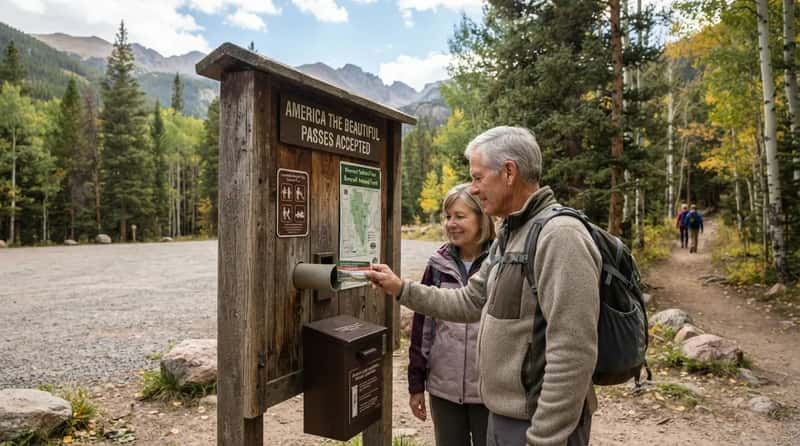
National forests are dotted with picnic areas, trailheads, and swim spots that charge fees. The America the Beautiful passes cover standard amenity fees, also called day-use fees, at national forests and grasslands. That’s a lot of small fees people just feed into the kiosk without thinking.
Now the catch. The Senior Pass generally does not cover or reduce special recreation permit fees or fees charged by concessioners. Concessionaires are the private companies operating inside a park, like guided tours or lodges. So the pass may get you to the trailhead but not onto the guided trip.
The next category has the fewest signs, the thinnest crowds, and some of the loudest fans.
#9 – Bureau of Land Management Country Is Included, and Almost Nobody Says So

Wide-open desert land is part of the deal. The pass covers fees on lands run by six federal agencies, and the Bureau of Land Management is one of them. Think canyons, dusty trailheads, and day-use areas far from the postcards.
The pass works at federal sites that charge an entrance or standard amenity fee. That includes places with no visitor center and no gift shop. The official pass brochure name-checks Red Rocks National Conservation Area alongside the Grand Canyon, and Red Rocks is a BLM site. The big-name parks get the crowds, but the quieter BLM spots can be just as memorable.
At a Glance
- Entrance fees: National Park Service and Fish & Wildlife sites
- Standard amenity fees: Forest Service, Bureau of Land Management, Army Corps of Engineers, and Bureau of Reclamation sites
- Total reach: six federal agencies and more than 2,000 sites
- Not covered: state parks and most concessioner fees
The next entry could be the best camping deal on this list, with one detail that surprises campers.
#8 – Army Corps Lakes Can Mean Half-Price Camping
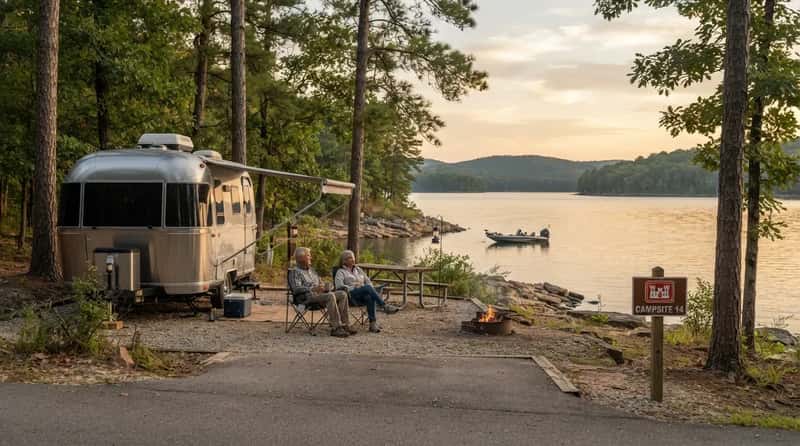
A military engineering agency runs some of the best-kept lake destinations in the country. The U.S. Army Corps of Engineers operates hundreds of lake and river projects, and it’s one of the six agencies covered by the pass. Most travelers never think to look there.
The camping discount can reach here too. Sources list the Corps among the agencies where the Senior Pass can take 50% off camping at participating sites. A lakeside campsite at half price is a real find for road-trippers. But “can” is the key word, so check the specific campground first.
Now we leave the parks behind and open the museum wallet, where the rules get stranger.
#7 – ROAM: A Real Network With a Roster Problem

One membership can open doors in other cities, and ROAM is one of the programs that promises it. The Reciprocal Organization of Associated Museums includes art and history museums, gardens, and other museum types, with free admission at participating locations plus extra benefits set by each one. On paper, it’s a great fit for road trips.
Here’s the 2026 twist. One free-museum tracker reports that ROAM’s public roster has been offline since 2026 and advises confirming directly with the museum. That doesn’t mean the benefit is gone. It means you can’t verify it with a quick online search. Call the museum before you build a whole day around it.
The next network has two tiers, and the difference can mean paying nothing versus paying half.
#6 – Your Zoo Membership May Quietly Double as a Travel Card
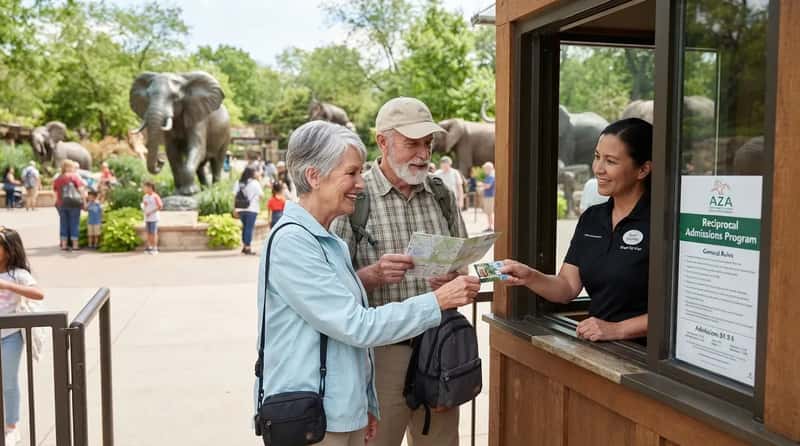
Your hometown zoo card may be a ticket to animals in other states. The AZA Reciprocal Admissions program offers free or 50% off admission at zoos and aquariums. A reciprocity tracker mapped 148 participating AZA sites, which is far fewer than the museum networks, so check the list.
The details matter here. The program has two tiers, and the tracker calls its list directional, meaning you should call ahead. Depending on your tier, you could pay nothing or half at the gate. Don’t assume a card from one network works in another.
Next is a network for history lovers, and its perk changes from building to building.
#5 – Time Travelers Is the History Lover’s Card, but the Perk Varies
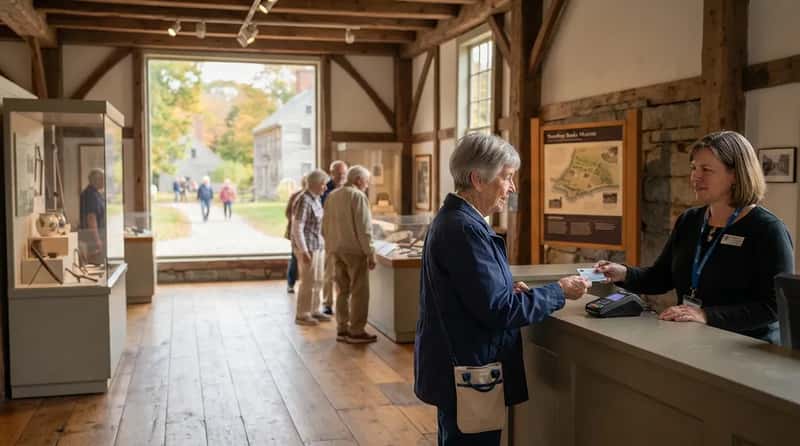
History buffs get their own network. Time Travelers is listed among the top reciprocal programs, alongside NARM, ROAM, and ASTC. A reciprocity tracker mapped 511 participating museums, which adds up to a lot of historic stops.
The fine print is what catches people. The benefit is free or discounted depending on the museum, so the tracker says to confirm before you visit. One stop may let you in free while the next only takes a few dollars off. If your home museum doesn’t state that a tier includes a reciprocal program, it likely doesn’t.
Worth Knowing
- AZA (zoos and aquariums): 148 sites mapped by one tracker, free or 50% off
- Time Travelers (history): 511 museums mapped, free or discounted by museum
- NARM (art and more): more than 1,300 institutions, according to one guide
- ASTC (science): travel perk with a 90-mile rule
The next program is the most famous on this list, and it has a rule that trips up nearly everyone.
#4 – ASTC’s 90-Mile Rule Keeps a Travel Perk From Becoming a Hometown Freebie

The ASTC Passport is the best-known science museum perk, and probably the most misunderstood. It’s a reciprocal admission program that gives members of participating science centers a travel benefit at other participating science centers or museums. Starting January 1, 2026, the program was updated to standardize participation guidelines.
Now the rule. The museum you’re visiting must be more than 90 miles from both your primary residence and the institution where you bought your membership. The point is simple: it’s a perk for traveling, not a way to get into your hometown science center for free. Plan a road trip and it can pay off. Try it across town and you’ll be turned away.
The biggest art-and-history network may be the one most worth checking your tier on.
#3 – NARM Is the Heavyweight, but Your Membership Tier Decides Everything
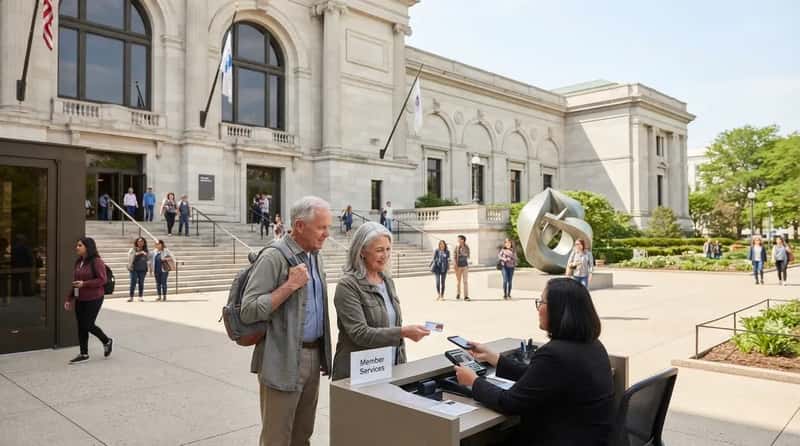
This is the network with the widest reach. NARM is mostly art museums and galleries, but it also includes historical societies, botanical gardens, children’s museums, zoos, and more. One guide puts it at more than 1,300 institutions across North America. It’s the likeliest to have something near your next destination.
The fine print is where seniors lose money. A tracker flags that some museums exclude special events and apply a 15-mile local exclusion. A museum might offer NARM benefits at a $125 “Family Plus” level but not at its $75 “Individual” level. A reciprocal card is overrated if you only ever visit one museum. If you travel a lot, it can pay for itself.
One museum in California has become a favorite of traveling families, and it’s #2 for a reason.
#2 – The One-Card Museum Stack Travelers Keep Recommending
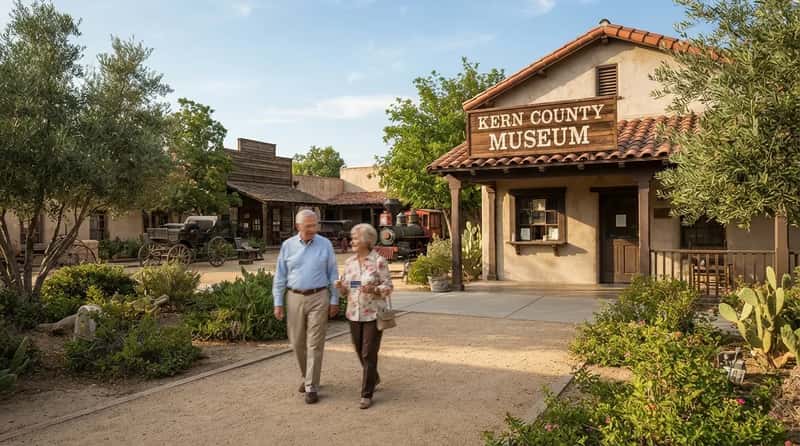
Savvy traveling families have a favorite workaround. The Kern County Museum in California has been cited as a way to get access to NARM, Time Travelers, and ASTC with its $125 family travel membership. That price comes from a 2025 family-travel blog, so check the current figure.
A 2021 guide says you have to specifically select the Travel membership, and it adds ACM, ASTC, NARM, and Time Travelers benefits. That’s four reciprocal networks from a single purchase. The ASTC 90-mile rule and each museum’s own limits still apply. Ask whether an individual or couple version exists, because those prices were described at the family level.
And the biggest overlap of all costs $80 once, with a trade-in trick most holders miss.
#1 – The $80 Senior Pass Covers Six Agencies, and Four $20 Passes Can Buy It
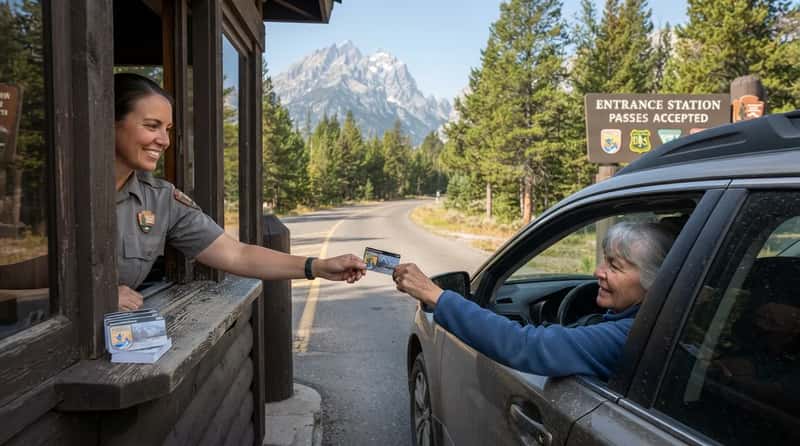
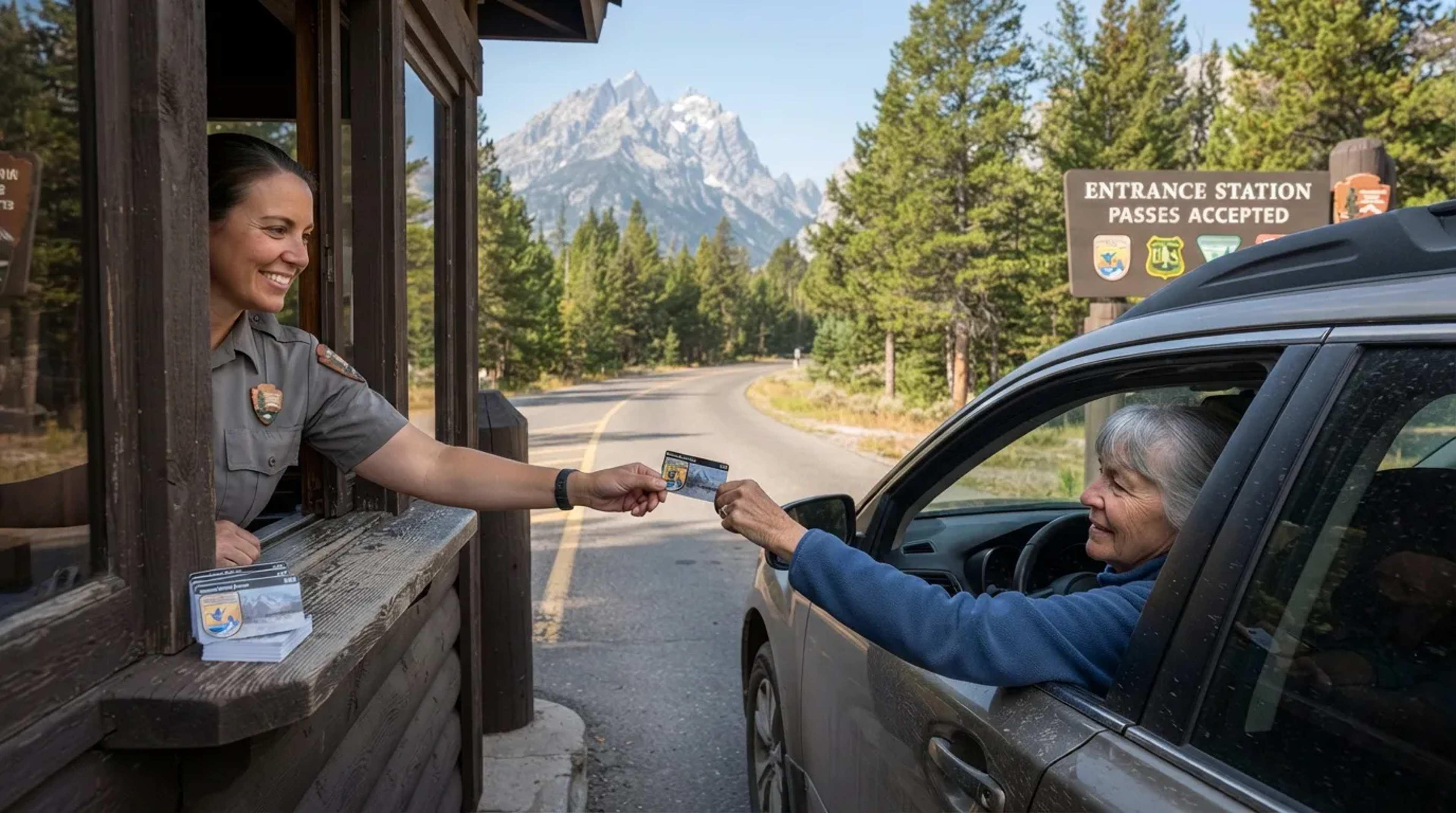
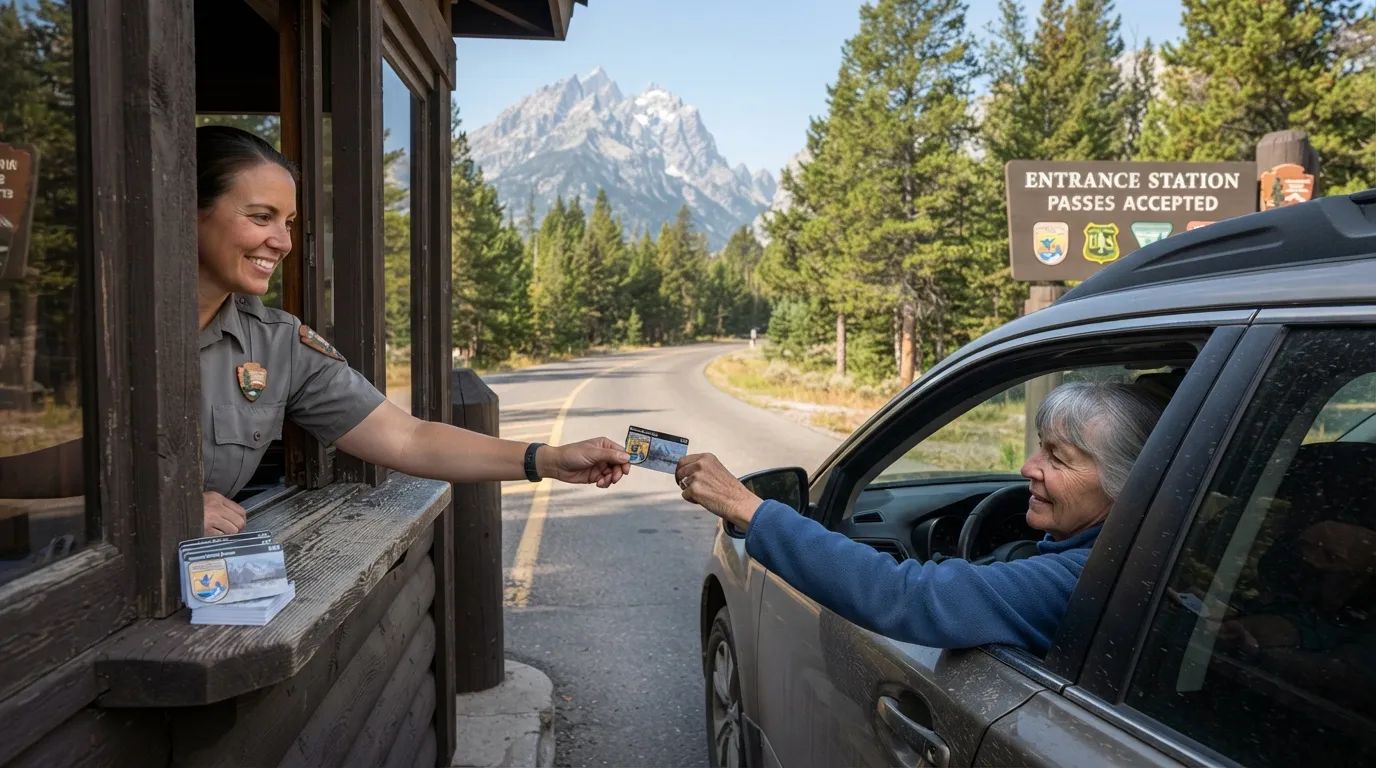
One card opens more than 2,000 federal sites. U.S. citizens and permanent residents ages 62 and older can buy an annual pass for $20 or a lifetime version for $80. It covers entrance fees at National Park Service and Fish & Wildlife sites, and standard amenity fees at Forest Service, BLM, Army Corps, and Reclamation sites. It admits the holder plus passengers in one vehicle at per-vehicle sites.
Here’s the trick. Four consecutive $20 annual passes can be exchanged for the lifetime pass at no additional charge. The trade only works in person at staffed entrance stations, not online. Lifetime wins if you’ll visit often. If it’s a single bucket-list trip, the annual version avoids paying more upfront than you need to.
No single card gets you into everything, and that’s the whole secret. The real savings come from pairing a federal Senior Pass with the right state pass and a reciprocal museum card that actually travels.
The rules that surprise people are the small ones: the Senior Pass skips state parks, ASTC has its 90-mile limit, and ROAM’s public roster has reportedly gone dark. A two-minute call before you leave can be the difference between a free day and a full-price one.