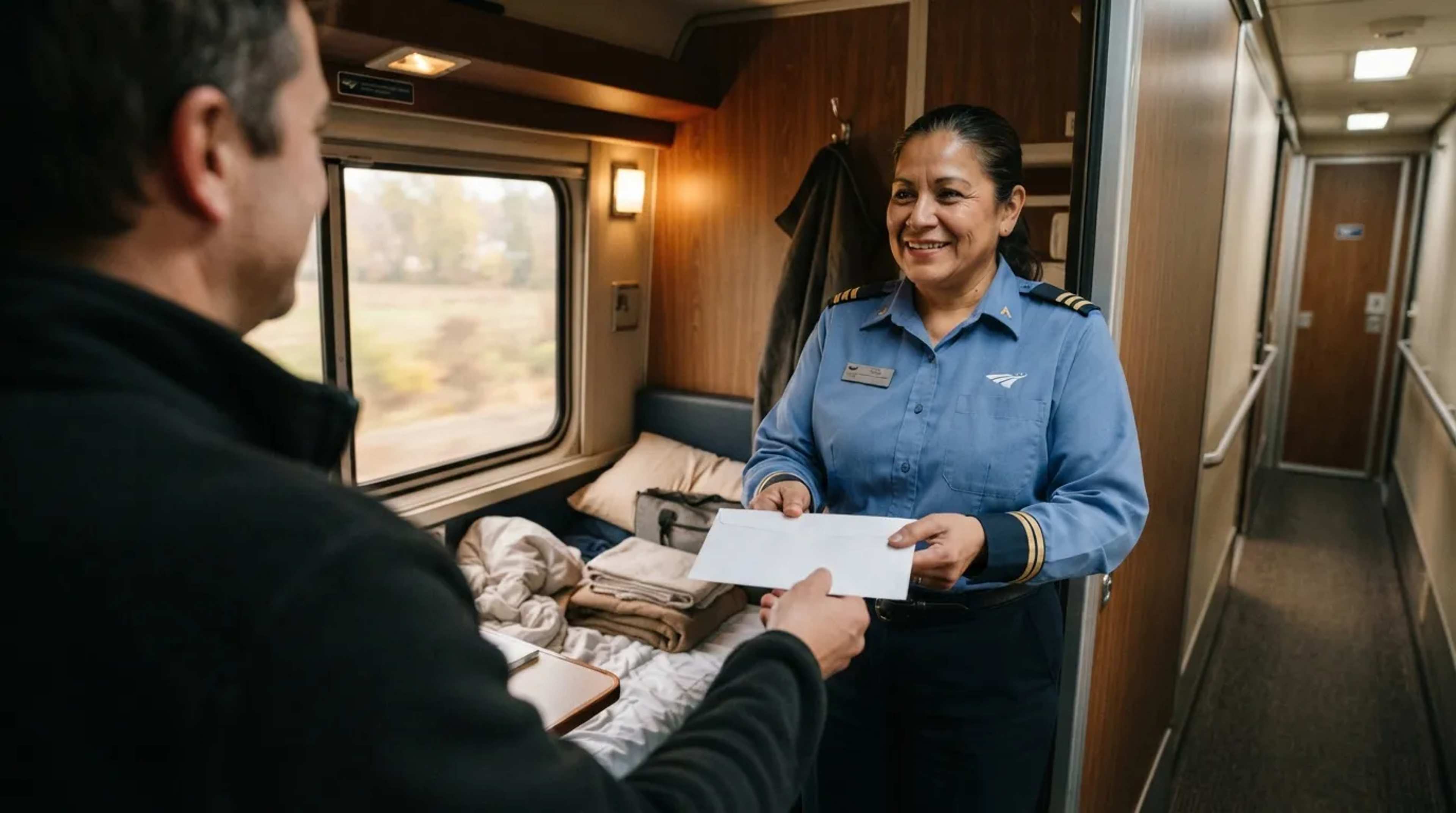

Most travelers over 60 step into the airport security line the same way they always have – shoes already half off, belt loosened, quietly hoping the scanner doesn’t beep. What almost none of them realize is that a trained TSA officer is already running a very specific mental checklist the moment an older traveler steps into view. Some of it is about security. But a surprising amount of it is about identifying people who qualify for accommodations and modified procedures that nobody ever announces out loud.
The gap between what most travelers over 60 actually experience at the checkpoint and what agents are quietly watching for is wider than anyone talks about. A few of these 17 things will slow you down if you don’t know about them. Several others will speed you up dramatically – if you do. The one at #1 catches tens of thousands of qualifying travelers off guard every single day.
#17 – Whether Your Stress Level Actually Matches the Situation
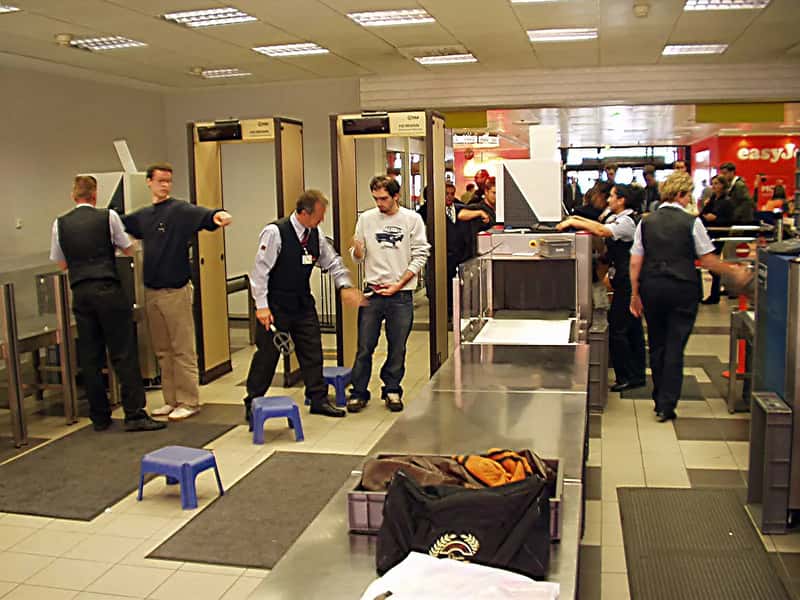
Every experienced TSA agent knows airports make people nervous. That’s completely normal, and agents factor it in. What they’re actually watching for is nervousness that doesn’t fit the context – stress that seems wildly disproportionate to simply standing in a security line. This behavioral read happens fast, and it happens to every traveler, not just older ones.
TSA uses behavioral detection as part of its screening approach, and trained officers observe involuntary physical signs of anxiety across all travelers – sweaty palms, exaggerated yawning, sudden arrogance, avoidance of eye contact. For travelers over 60 specifically, agents are also watching for a very different kind of signal: confusion or disorientation that may point to a cognitive condition like early-stage dementia. When they see it, the entire checkpoint interaction quietly shifts in response.
Fast Facts
- TSA’s behavioral detection program is active at checkpoints nationwide, not just major hubs.
- Disproportionate stress – not just nervousness – is the trigger agents are trained to notice.
- Confusion or disorientation in older travelers prompts a different response than general anxiety.
- Behavioral reads happen within seconds of a traveler entering the agent’s field of view.
#16 – Whether You Have a Hearing Aid or Cochlear Implant That Could Break Down Communication
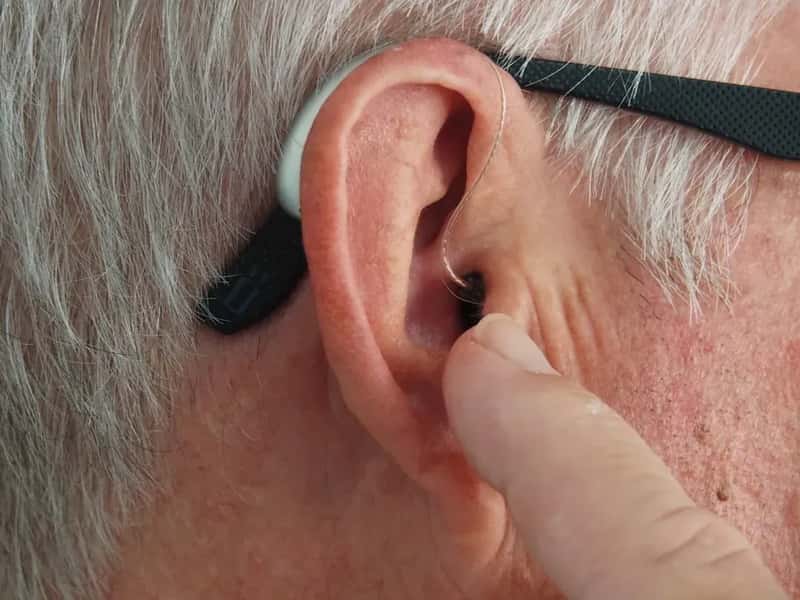
Communication breakdowns at the checkpoint are one of the most common sources of avoidable delays for travelers over 60 – and agents are trained to spot the signs before a single word is spoken. A traveler who doesn’t respond to verbal instructions, asks for repetition multiple times, or looks puzzled when an agent gestures is almost certainly hard of hearing. An experienced officer picks this up early and adjusts accordingly.
According to TSA policy, travelers do not have to remove hearing aids or the exterior component of a cochlear implant at security checkpoints – though an officer may ask to inspect these devices if they alarm the metal detector or advanced imaging technology. A quiet, proactive heads-up at the start of the line prevents a lot of unnecessary confusion on both sides and keeps things moving for everyone.
#15 – Whether You’re Traveling with a Companion Who Knows Your Medical History
A travel companion is one of the most underrated tools at airport security – and experienced agents notice immediately whether the person next to an older traveler is actively helping or just along for the ride. A companion can assist with properly screening carry-on items, provide mobility help, and most importantly, inform TSA officers of any disabilities, medical conditions, respiratory equipment, or medications that affect how screening should proceed.
What most families don’t know is that a companion’s presence can legally reshape the entire screening process. You can stay with your companion during screening to ease their anxiety and confusion, and you can request a private screening room if that makes things more manageable. Advising the security staff on the best way to engage – particularly if a pat-down is necessary – is something agents genuinely appreciate, and it almost always results in a calmer, faster interaction.
#14 – Whether Your Medications Are Labeled, Declared, and Separated Correctly

This is the one that catches older travelers off guard more than almost anything else at the checkpoint. TSA officers can test liquids, gels, or aerosols for explosives, and they may open medication containers and transfer pills to another container for testing. Travelers who carry multiple prescriptions – extremely common among those over 60 – often pack them loosely or in weekly pill organizers without original labels, which makes identification significantly harder and almost always triggers a secondary look.
TSA allows larger amounts of medically necessary liquids, gels, and aerosols in reasonable quantities, but you must declare them to a TSA officer at the checkpoint for inspection. If the quantity exceeds 3.4 ounces, it needs to be separated from other carry-on items and flagged as a medical necessity. Packing pills in an unmarked weekly organizer is one of the fastest ways to invite a secondary screening that nobody wanted – and one of the easiest problems to prevent with thirty seconds of preparation at home.
At a Glance – Medication Mistakes That Trigger a Second Look
- Loose pills in an unlabeled weekly organizer – no original prescription bottle in sight.
- Liquid medications over 3.4 oz that haven’t been declared or separated before the belt.
- Insulin, eye drops, or liquid supplements buried inside the main bag rather than pulled out.
- Multiple prescription bottles that don’t match the traveler’s ID name – even slightly.
#13 – Whether You Have a CPAP, BiPAP, Nebulizer, or Other Respiratory Device
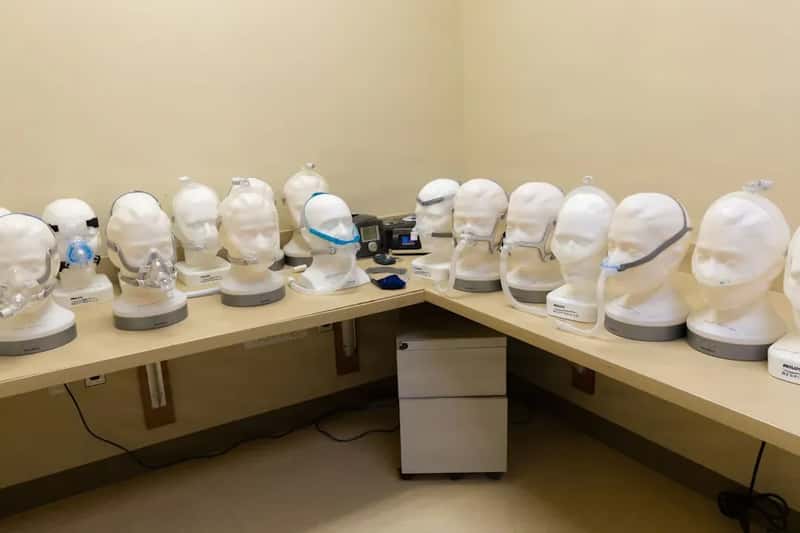
Sleep apnea and respiratory conditions are far more prevalent in travelers over 60 – and agents know the CPAP bag coming down the conveyor belt is probably going to need extra attention. CPAPs, BiPAPs, APAPs, and nebulizers along with their facemasks and tubing may remain in their carrying case for X-ray screening, but may be required to come out of the carry-on bag. Most people carrying one have no idea this rule exists, and they create bottlenecks for everyone around them by not knowing how to process the device at the belt.
Liquids associated with nebulizers are exempt from the 3-1-1 liquids rule in reasonable quantities – one of the best-kept secrets in senior travel, and something agents quietly wish more people knew before they reached the conveyor belt. Traveling with a portable oxygen concentrator understandably creates anxiety, but the TSA procedure is far more accommodating than most people expect. The critical first move is simply telling the officer upfront that you have one, and whether you can safely disconnect during screening.
#12 – Whether You Have a Pacemaker or Internal Cardiac Device

This is not a situation where experienced agents wait for the alarm to sound. Travelers with an internal medical device such as a pacemaker or defibrillator should not be screened by a walk-through metal detector – and agents are specifically watching for travelers in the age range where these devices are most common, quietly steering them toward the right lane before any alarm creates confusion or panic.
If you choose not to go through advanced imaging technology or a walk-through metal detector, you will undergo a pat-down screening instead. Consulting with your physician before flying is always advisable, and if your loved one has an implanted device, their doctor can provide a medical card to present at the airport. The card won’t prevent screening – but it communicates essential information instantly and eliminates the awkward back-and-forth. Telling the agent before you reach the machine, not after it beeps, is what changes the entire experience.
#11 – Whether a Hip or Knee Replacement Is About to Set Off the Detector
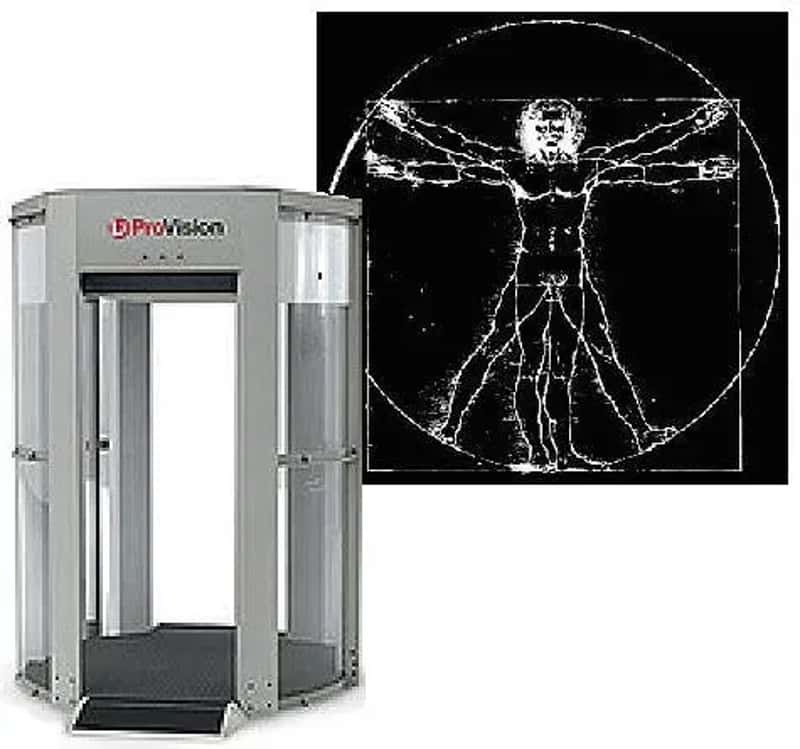
Joint replacements among travelers over 60 are essentially routine now – and agents know the scanner is almost certainly going to beep. Research has found that over 90 percent of implanted total hip and knee arthroplasty devices trigger airport metal detectors. Yet most travelers with a joint replacement still walk up to the machine without saying a word, then look genuinely startled when the alarm sounds. That surprise wastes everyone’s time and creates stress that is entirely avoidable.
If you have a metal implant, letting the TSA officer know before screening begins – and pointing to the location – makes the process dramatically smoother. Studies have found that joint replacement implant identification cards streamline airport security checks and reduce the need for more invasive searches. A five-second conversation before you step into the scanner eliminates almost all of the friction. Many travelers prefer the body scanner over the metal detector precisely because it reduces the likelihood of a pat-down being necessary afterward.
Quick Compare – Metal Detector vs. Body Scanner for Joint Replacement Travelers
- Walk-through metal detector: Very likely to alarm on a hip or knee implant, almost always triggers a pat-down.
- Advanced imaging (body scanner): Detects metallic and non-metallic threats without alarming on implants the same way – often the smoother path.
- Pat-down option: You may request this instead of either machine – and you can ask to be seated for it.
- Implant card: Not a bypass – but it immediately tells the agent what they’re dealing with and speeds things up considerably.
#10 – Whether You’re Using a Wheelchair or Scooter That Needs Its Own Screening
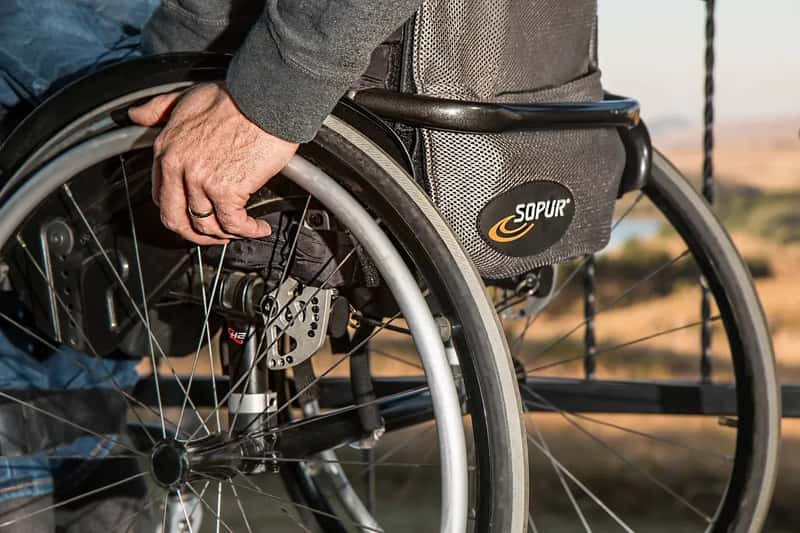
Here’s what surprises most people: the wheelchair itself goes through a separate, dedicated screening process. TSA officials have found weapons and prohibited items concealed in wheelchairs and other mobility devices, which is why every passenger using a motorized scooter, wheelchair, walker, or cane must be screened in some way. Bags or satchels attached to the chair must come off and go through the X-ray belt – a step many families don’t discover until they’re already at the machine.
TSA officers will screen wheelchairs and scooters including seat cushions and any non-removable pouches, and items will be tested for traces of explosives. The explosive trace detection swab on a wheelchair catches nearly every traveler off guard the first time it happens. One useful detail worth knowing: if you are 75 or older and seated in a wheelchair, you may remain seated during screening and the officer will conduct a hand swab for explosives trace detection rather than requiring you to stand.
#9 – Whether You Can Actually Stand Upright Long Enough for the Scanner
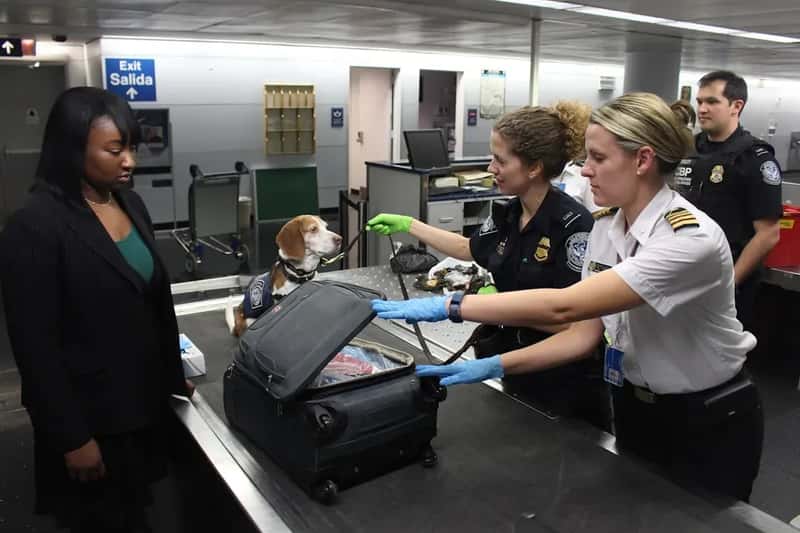
Experienced agents start reading a traveler’s physical capabilities long before anyone reaches the conveyor belt. They’re watching for a slower gait, uneven balance, visible pain when bending, or hesitation before stepping toward the scanner. This isn’t profiling – it’s how TSA identifies passengers who may need modified procedures before things get awkward or stressful at the machine itself.
To be eligible for advanced imaging technology screening, you must be able to stand and walk unassisted, and hold your arms above your head with feet shoulder-width apart for five to seven seconds without support. If that position isn’t physically possible, the agent needs to know before you step inside the scanner – not after you struggle inside it. If standing is difficult, you may ask for a chair, or request to be screened while seated in your wheelchair or scooter. The option is real and it’s always available.
#8 – Whether Your Hands, Shoes, or Mobility Aids Are About to Be Swabbed for Explosives

The hand swab surprises travelers at every age – but older travelers who use mobility devices encounter it far more frequently. TSA officers may swab an individual’s hands, mobility aids, equipment, and other external medical devices to test for explosives using trace detection technology. They may also swab the handle of your bag, your shoes, your laptop, or a wheelchair – any common touchpoint that might carry trace particles.
Here’s the part almost nobody knows: many everyday soaps, cosmetics, hand sanitizers, and lotions contain glycerin, nitrates, and other chemicals that are also found in certain explosives – and they can trigger a false positive. A false positive from hand lotion is one of the leading causes of unnecessary secondary screenings for travelers over 60. The fix is simple: wash your hands before going through the checkpoint and skip the moisturizer until you’re past security.
Worth Knowing – What Commonly Causes a False Positive Swab
- Hand lotions and moisturizers containing glycerin or nitrate-based compounds.
- Certain fertilizer-based soaps and organic skincare products.
- Nitroglycerin heart medications – agents are trained to handle these, but always declare them upfront.
- Hand sanitizers used right before the checkpoint – let your hands fully dry first.
#7 – Whether You Qualify for a Seated Pat-Down Instead of a Standing One
Almost nobody knows this option exists – and experienced agents consider it one of the most underused accommodations at the entire checkpoint. If a pat-down is required, you may ask to be seated during the screening. That single option changes the entire experience for anyone with back pain, hip pain, a recent surgery, or any condition that makes standing for a prolonged inspection physically difficult or painful.
The seated pat-down is a real, documented accommodation – not a special favor you have to fight for. Travelers with disabilities and medical conditions are also not required to remove their shoes, though footwear must still undergo additional screening including visual inspection and explosives trace detection. The critical detail: ask for the seated option before the pat-down begins, not in the middle of it. Most agents won’t offer it unprompted – but every agent is trained to accommodate the request immediately.
#6 – Whether You Have a Non-Visible Condition Like Dementia That Changes How the Checkpoint Works
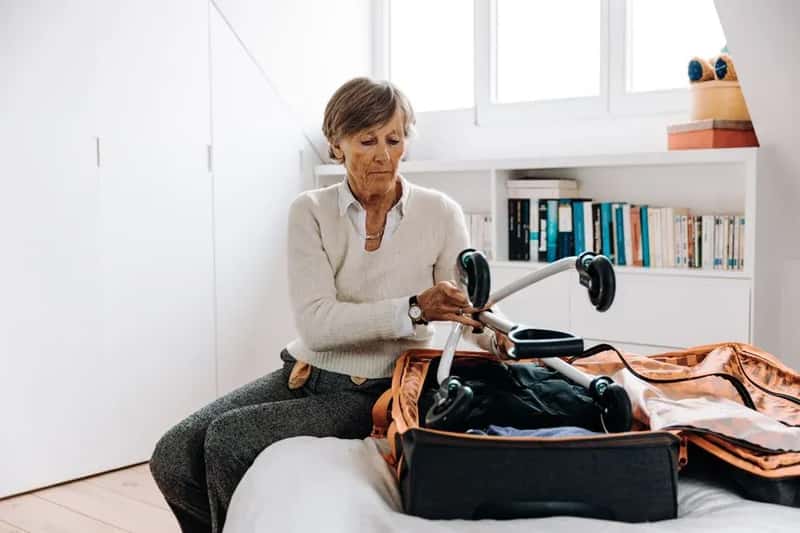
This one is almost never talked about – and it matters enormously for families traveling with an older relative. Passengers with non-visible disabilities and medical conditions such as Alzheimer’s, dementia, and autism spectrum disorder can be screened without being separated from their traveling companion. That policy exists specifically to prevent the distress of separating a cognitively impaired traveler from the person they trust most.
Agents are quietly watching for travelers whose confusion, disorientation, or anxiety may indicate a cognitive condition – and when they spot it, the entire approach to that interaction changes. Telling the agent at the start of the line – not after confusion unfolds at the machine – is the move that keeps the entire process calm and dignified. You can communicate verbally, through a TSA Notification Card, or by providing medical documentation. Any of these approaches works, and all of them change things immediately.
#5 – Whether You Know You Can Request a Private Screening Room
The option to step away from the public checkpoint and into a private room exists at every U.S. airport – and most travelers over 60 have never once heard it mentioned. You may request a private screening room and bring one companion of your choice. You can ask for a same-gender officer to conduct any pat-down. If you feel a procedure was handled incorrectly, you can request to speak with a TSA supervisor on the spot. None of these rights get announced at the checkpoint. Agents rely on travelers already knowing they exist.
For anyone who finds a public pat-down humiliating, painful to explain, or simply too exposing, a private screening room is a guaranteed right – not a negotiated favor. The same applies to requesting a same-gender officer for the pat-down, a detail that matters enormously to many travelers and costs nothing to ask for. Travelers with complex medical situations may also consider carrying a TSA Notification Card specifying their health conditions, devices, or disabilities, which they can hand to an officer at the checkpoint to prompt the right accommodations from the start.
#4 – Whether You’ve Called the TSA Cares Helpline Before Your Trip
This is the tool that changes the whole game – and the vast majority of travelers over 60 have never used it once. TSA Cares launched in 2012 specifically to make airport security screening more accessible, and crucially, you don’t have to wait until you’re standing at the checkpoint to use it. Call (855) 787-2227 up to 72 hours before your flight to ask questions, describe your medical situation, or arrange for a Passenger Support Specialist to meet you at the airport. No enrollment, no fee, no documentation required.
In 2024 alone, the TSA Cares helpline assisted 69,000 travelers with disabilities, medical conditions, and other special needs. That’s 69,000 people who had a fundamentally different checkpoint experience because they made one phone call in advance. Unlike TSA PreCheck, TSA Cares isn’t about speed – it’s about support. Most people leave it completely unused and then white-knuckle the checkpoint when they didn’t have to.
At a Glance – TSA Cares by the Numbers
- Phone: (855) 787-2227 – weekdays 8 a.m. to 11 p.m. ET, weekends 9 a.m. to 8 p.m. ET.
- Call window: Up to 72 hours before departure – the earlier, the better.
- 2024 travelers assisted: 69,000 – a real, documented federal figure from TSA’s annual review.
- Cost: Zero. No enrollment, no paperwork, no documentation required.
- What it gets you: A Passenger Support Specialist, a pre-planned approach, and far less guesswork at the machine.
#3 – Whether a Passenger Support Specialist Has Been Quietly Assigned to You
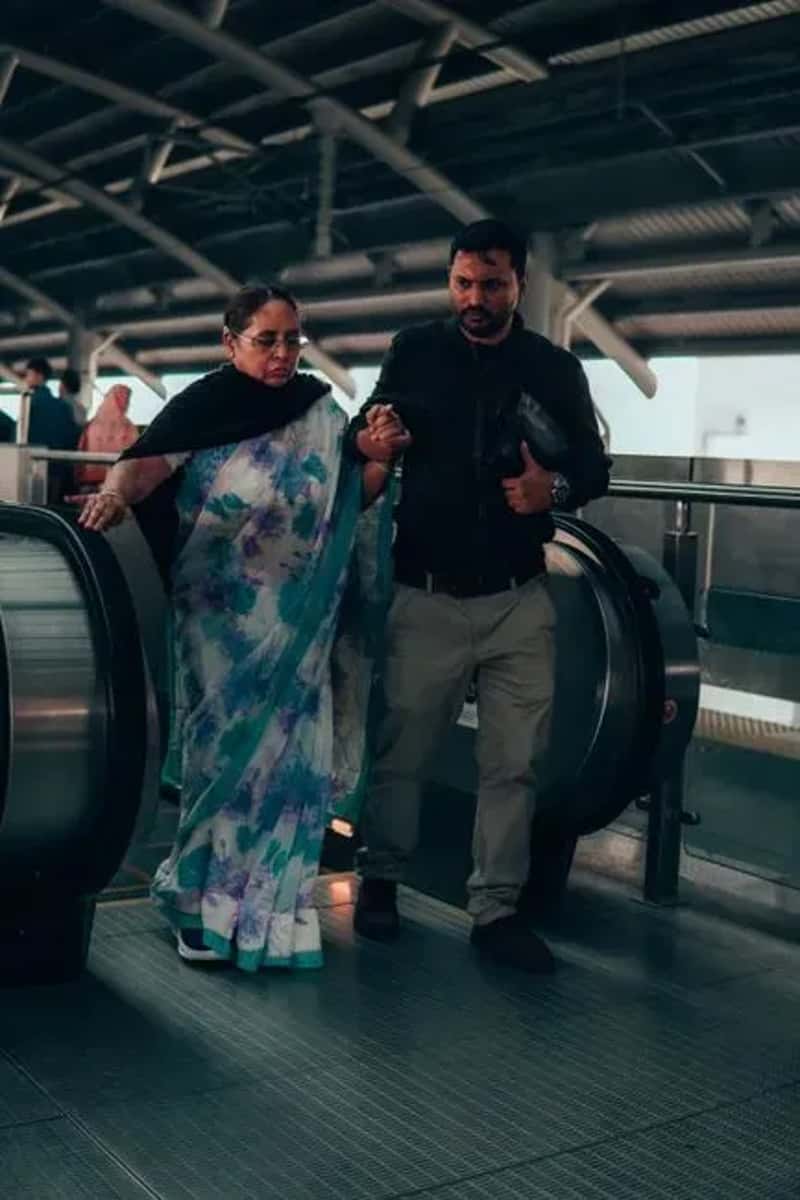
Almost nobody has heard the words “Passenger Support Specialist” at a checkpoint – and that’s part of the problem. A TSA Passenger Support Specialist, or PSS, is a specially trained officer who can walk alongside you through the entire security process, communicate your needs to other agents, and manage complex screening situations involving medical devices, mobility limitations, or severe anxiety. This isn’t an improvised act of kindness – it’s a structured federal program with real training behind it.
At well-staffed airports, Passenger Support Specialists don’t just wait at the checkpoint. They walk through the terminal – especially near check-in counters – actively looking for travelers who need help before they ever reach the security lane. If an agent spots an older traveler who clearly has a complicated screening situation ahead, quietly arranging for a PSS is one of the first things they do behind the scenes. Most travelers who would benefit most from this walk straight past the option every single trip without knowing it exists.
The goal is to ensure that all travelers, regardless of disability or medical condition, are treated with dignity and respect.
TSA Official Policy, Passenger Support Program
#2 – Whether You Know You Can Pull a Supervisor Into the Conversation at Any Point
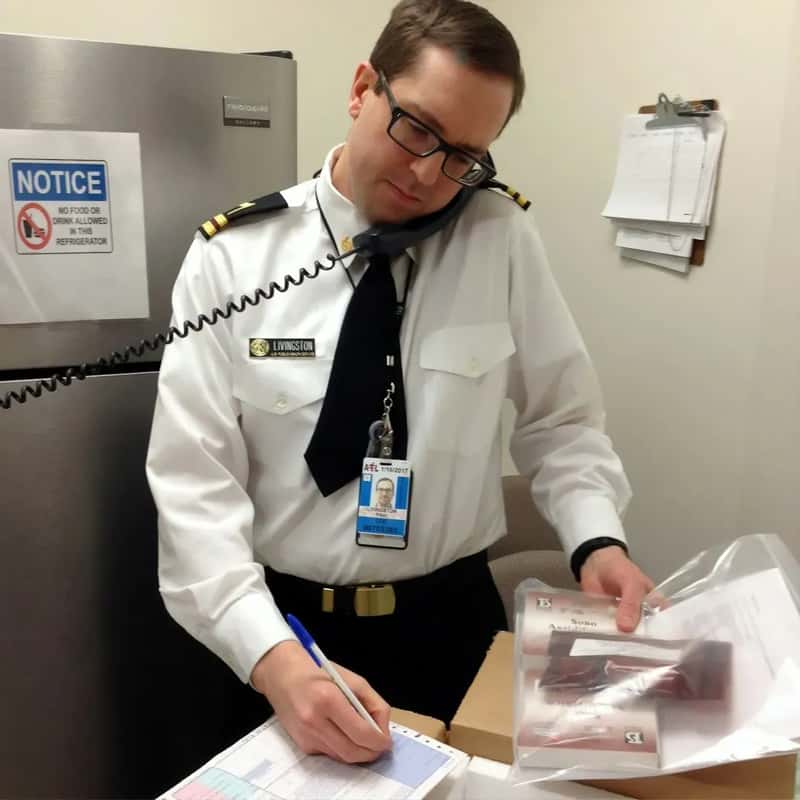
Most people assume that whatever a front-line TSA officer says is the final word at the checkpoint. It isn’t – and experienced agents know it. At any point during your screening – before it starts, in the middle of it, or after something goes wrong – you can ask to speak with a supervisor or Passenger Support Specialist. This isn’t a formal complaint process. It’s a real-time option that experienced travelers quietly use to resolve confusion, request a modified approach, or simply slow things down to a manageable pace.
The power to escalate in the moment – calmly and without confrontation – is one of the most underused rights at any U.S. airport checkpoint. Older travelers who feel rushed, confused, or handled incorrectly often don’t realize that a simple, polite request for a supervisor changes the entire dynamic immediately. The option is real, it’s fast, and it works. You can also follow up by submitting a concern to the TSA Contact Center after your trip, but the in-the-moment ask is almost always more effective.
#1 – Whether You Actually Know You May Not Have to Remove Your Shoes at All
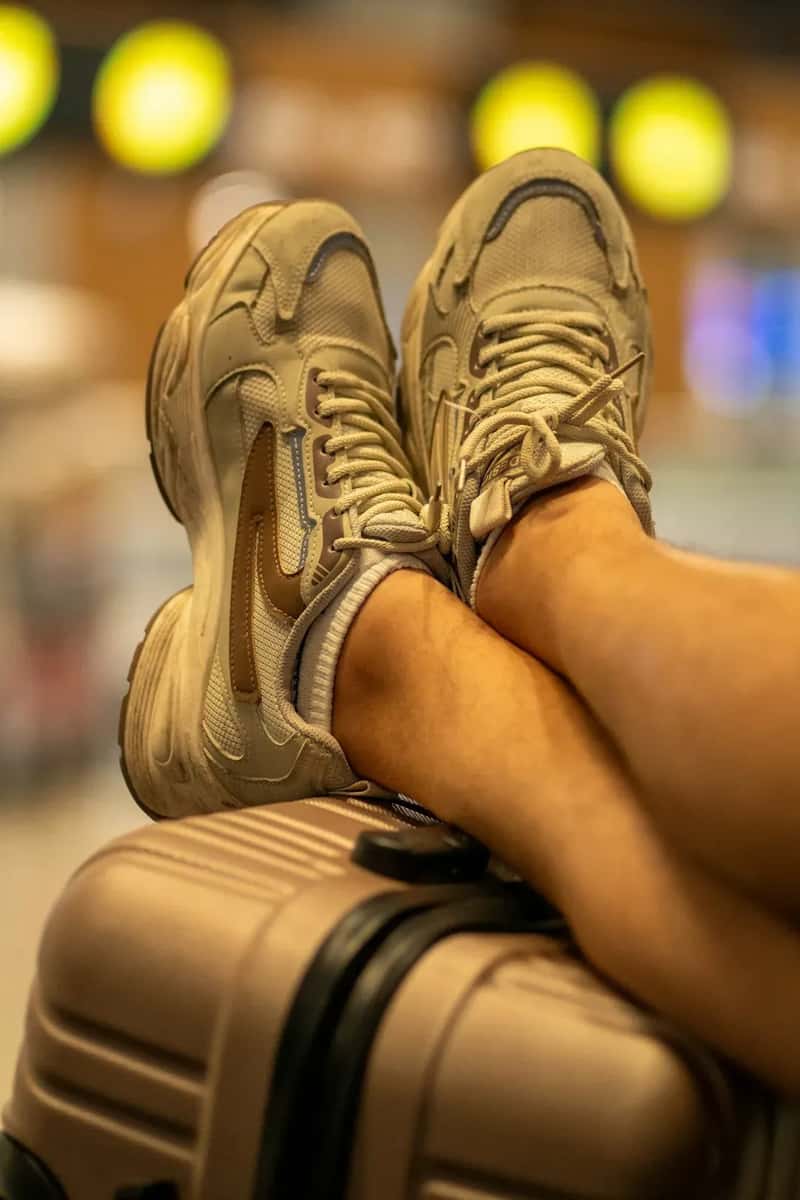
This is the one agents see violated constantly – and it may be the single most widespread piece of outdated airport behavior in America. Every day, thousands of travelers over 75 dutifully remove their shoes at the checkpoint even though they haven’t had to for years. Federal TSA policy automatically provides modified screening for travelers 75 and older: shoes stay on, and the process is streamlined so they move through faster. The rule exists because TSA classifies this age group as lower-risk – and keeping things moving benefits everyone in the line behind them.
And now it goes even further. As of July 8, 2025, DHS Secretary Kristi Noem announced that all travelers – regardless of age – can keep their shoes on at standard TSA checkpoints nationwide, ending a nearly 20-year rule. If the system doesn’t flag your age automatically, you can simply tell the agent and request the modified screening. It applies at every U.S. airport, requires no enrollment, and costs nothing. Millions of qualifying seniors have been going through a slower, more stressful process every single year simply because no one told them they didn’t have to. Now you know.
Why It Stands Out – The Shoe Rule, Then and Now
- Pre-July 2025: Only travelers 75+, children 12 and under, and TSA PreCheck members could keep shoes on.
- July 8, 2025: DHS ended the shoes-off mandate for all travelers at all standard checkpoints nationwide.
- Still possible: If the scanner alarms, agents may still request shoe removal for secondary screening.
- Light jackets: Still required off for Advanced Imaging Technology screening in standard lanes – even for 75+ travelers.
- The real takeaway: Seniors have had a shoe exemption for years. Most never knew it – and millions still don’t.
The most striking thing about all 17 of these reasons isn’t the security side – it’s how many of them exist to help, not to hassle. From the seated pat-down that almost nobody asks for, to the Passenger Support Specialist quietly scanning the terminal, to the shoe exemption that millions of qualifying seniors still ignore out of sheer habit, the checkpoint is far more navigable than most people over 60 realize. The accommodations are genuinely there. The gap is simply in who knows about them before they’re already standing at the machine.