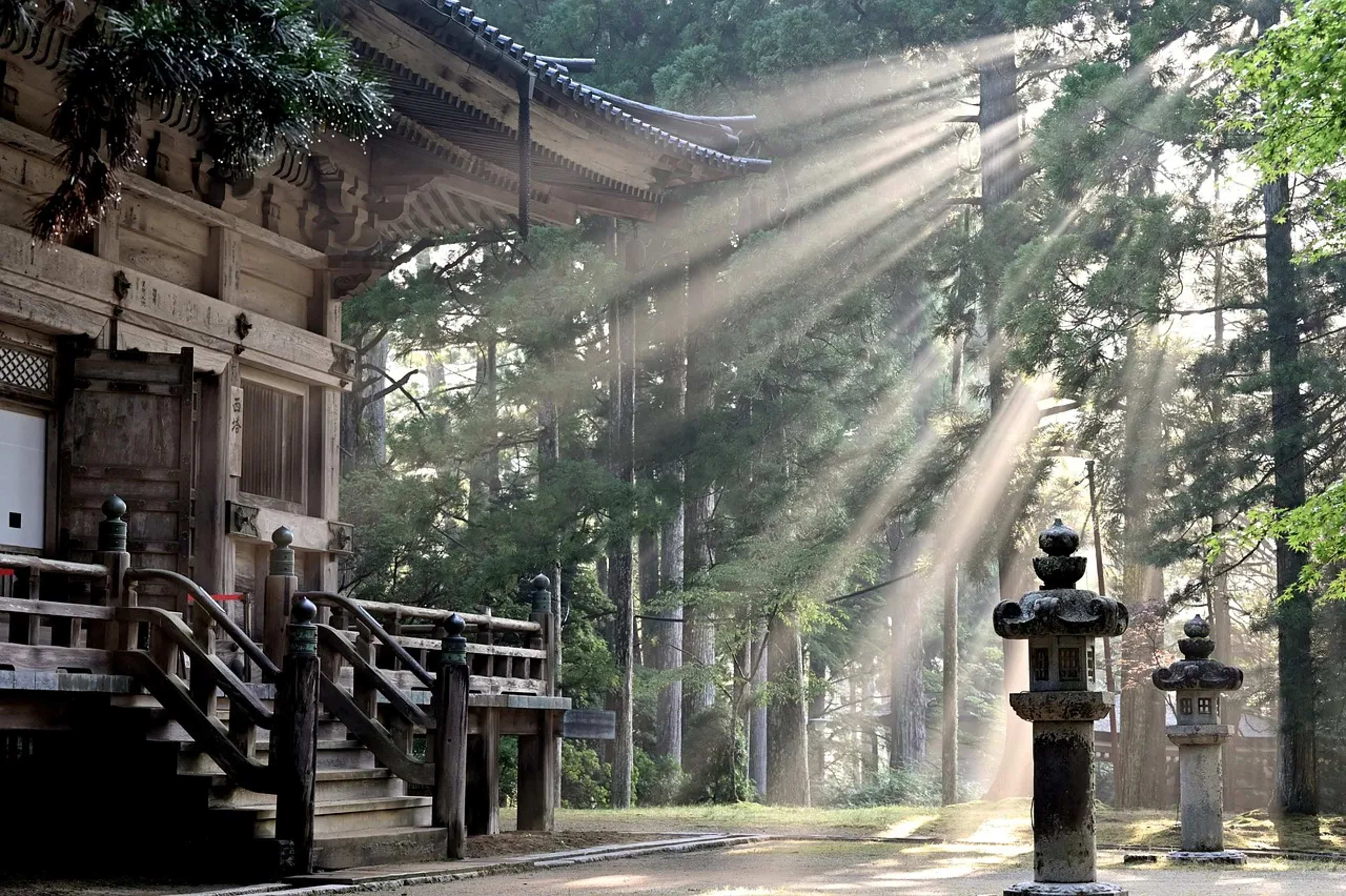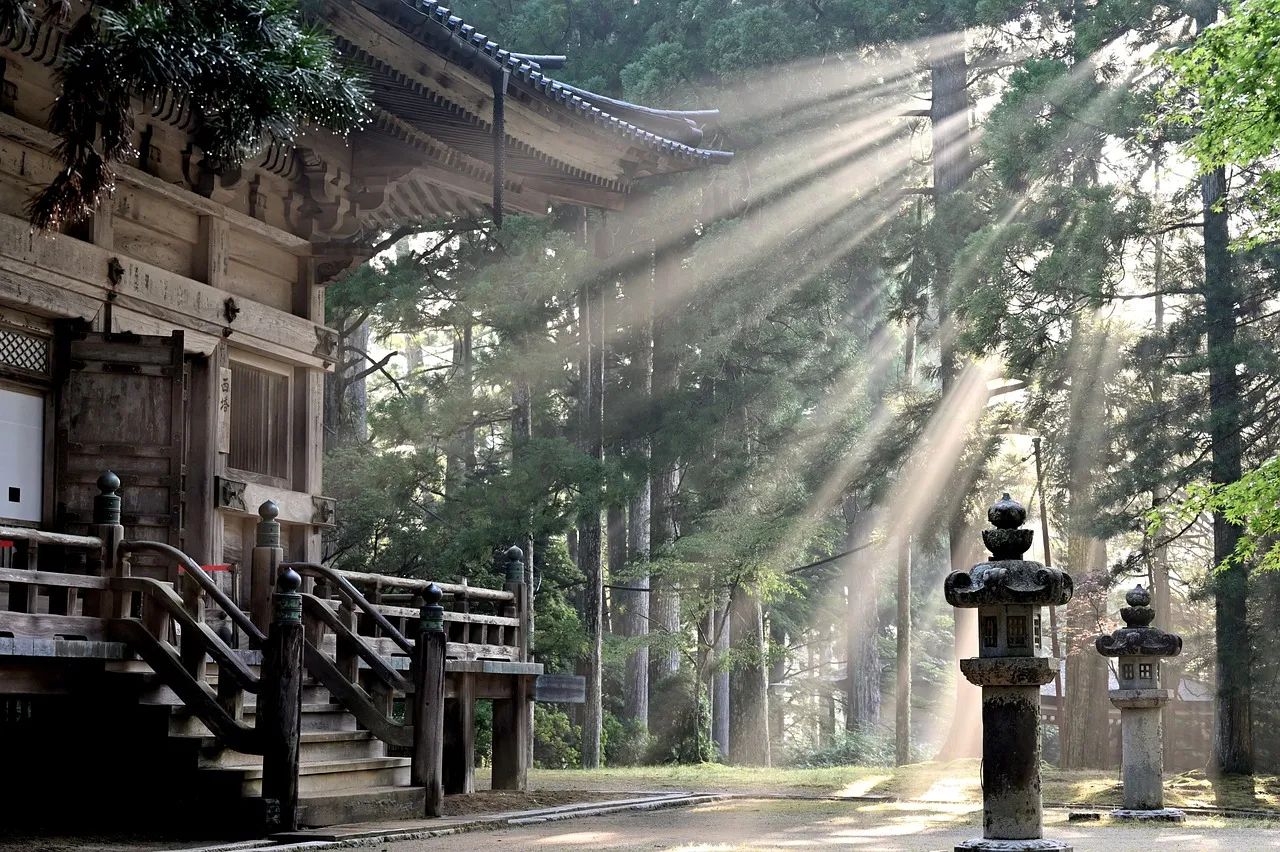
When the 2011 tsunami struck Japan’s northeastern coast, it flattened towns and stripped away much of the landscape. In a number of places, though, patches of forest remained upright among the wreckage, and many of them grew around Shinto shrines. These groves, known as chinju no mori, or “guardian forests,” have led researchers and local planners to ask whether dense, deep-rooted woodland could help protect communities from future disasters. ([1])
Few shrines were lost
The scale of the survival rate stands out. A Japanese nonprofit’s review found that only two of 27 shrines along the Tohoku coast were lost in the 2011 earthquake and tsunami. ([2])
Location may have played a part. The same study found that many of these shrines had been built on ground that earlier generations regarded as safe during previous tsunamis. ([2])A 2013 paper by Uda and Sakai in the Journal of Disaster Research examined the same question of why shrines endured, though the reporting does not establish a single cause.
Why native trees may have mattered
Not every coastal green belt fared well. In a 2014 paper, the botanist Akira Miyawaki noted that pine forests planted to hold back the tide did not serve that purpose on their own. Native trees from the area’s potential natural vegetation, by contrast, did not fall during the earthquake or tsunami. ([3])
Miyawaki argued that flat coastal areas would need high levees built with native forests of indigenous species. ([3])Later restoration work drew on this idea. When planners in Iwanuma, where nearly half the land was flooded, chose tree species for a new coastal garden, they selected a mix of 21 species found in shrine forests. One of them, tabunoki, was included because its roots reach deep into the ground. ([4])
Promise and limits
The idea has moved beyond academic circles. The Chinju no Mori Project, inspired by the Amaterasu-mioya Shrine in Otsuchi, Iwate Prefecture, has planted more than 680,000 trees along Japan’s coastline. ([2])Even so, most towns still rely on concrete seawalls to guard against the next disaster, according to the same report. ([2])
The gap between what the forests did and what they can be expected to do is worth keeping in view. The table below separates the observations from their caveats and the questions that remain.
| Finding | Caveat | Open question |
|---|---|---|
| Only two of 27 coastal shrines were lost | The sample covers one region and one disaster | Whether the pattern holds in other coastal areas |
| Native trees stood where pine plantings did not | The evidence describes survival, not wave reduction | How wide and dense a forest must be to matter |
| Community projects have planted hundreds of thousands of trees | Most towns still depend on seawalls | Whether forests can be part of a larger defense plan |
What the groves do and do not show
The shrine forests do not prove that trees can stop a tsunami. The available reports describe trees that survived, and they point to species choice, root depth, and site selection as possible reasons. Whether those traits could be reproduced across a broader coastline remains a question for further study, and for the towns that must decide where their next line of protection will come from.